
Inspire Citizens: Educator X Bhutan (7D6N)
-

-
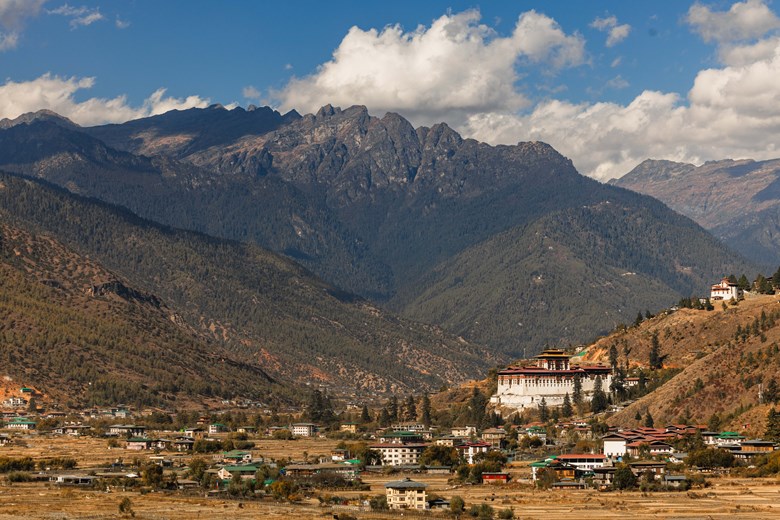
Paro Valley, Bhutan
Overview
Inspired Citizens is not another course to “add on” to an already full workload. It is a rare pause—a space created especially for educators to restore their own wellbeing. We invite you to rediscover why you chose this calling.
Work on Your Own Wellbeing
Teaching is an act of constant giving. Inspired Citizens begins by giving something back to you.
Through guided reflection and mindful practices, educators are invited to slow down, recalibrate, and care for their emotional and mental wellbeing. After a week in Bhutan, you return to your school community grounded, energised, and renewed—ready to give from a place of balance and clarity.
Reconnect with Your Core Purpose as an Educator
Amid curriculum demands, assessments, and administration, it’s easy to lose sight of the “why.”
Inspired Citizens helps educators reconnect with the values and intentions that first drew them to teaching. By reigniting your spark of curiosity and optimism, you can return to the classroom inspired to nurture and guide the next generation with renewed passion and purpose.
Design Learning That Creates Real-World Impact
Participants don’t just reflect—they create. Using Inspire Citizen's Empathy to Impact framework, educators design their own instructional unit that bridges compassion and critical thinking, empowering students to engage meaningfully with the world around them. This is learning that moves beyond theory into relevance and action.
Create, Share, and Lead Change
As a participant, you will need to create your digital film in Bhutan, a personal narrative that captures insight, transformation, and intent.
Paired with a clear post-experience action plan, this becomes a powerful tool to share with colleagues, spark conversations, and lead change within your school community.
Highlights
-
National Museum of Bhutan – Housed within the historic fortress that once protected the Paro Valley and its people, the National Museum of Bhutan is both a repository of artifacts and a living chronicle of the Kingdom’s spiritual and cultural evolution.
Educators are invited to consider how historic spaces can be reimagined for modern education and community engagement.
- Dungkhar Dzong – At the heart of Dungkar Dzong lies the Druk Gyalpo’s Institute (DGI), Bhutan’s premier centre for forward-thinking education. Established under the guidance of His Majesty King Jigme Khesar Namgyel Wangchuck, the institute is home to the Bhutan Baccalaureate. This groundbreaking curriculum integrates Bhutanese values with global competencies, nurturing students who are mindful, compassionate, and civically responsible.
DGI is envisioned as a living laboratory for education, where students, educators, and thought leaders converge to explore new approaches to solving real-world issues. Its programs encourage critical thinking, creativity, and social responsibility, equipping future generations to engage meaningfully with both local and global communities. - Punakha Dzong “Palace of Eternal Happiness” – Located at the confluence of the Pho Chhu and Mo Chhu rivers, Punakha Dzong is one of Bhutan’s most revered fortresses. Built in the 17th century, it served as the former administrative and religious capital of Bhutan. It has hosted landmark events, including royal weddings and the coronation of the Fifth King. As both a spiritual sanctuary and administrative centre, Punakha Dzong exemplifies the unique Bhutanese tradition of combining governance with faith.
- Tiger’s Nest Monastery (Paro Taksang) - Perched dramatically on a sheer cliff 900 meters above the Paro Valley, this is Bhutan’s most iconic spiritual landmark. Founded in the 17th century, it is said to be the meditation site of Guru Rinpoche, who introduced Buddhism to Bhutan. The monastery’s sacred temples, prayer halls, and vibrant murals provide visitors with a profound insight into Bhutanese spirituality and architectural mastery.
Description
Come with curiosity, an open heart, and a sense of adventure — and Bhutan will meet you in ways you never expected.
This journey is designed to be flexible, immersive, and deeply personal. In Bhutan, the magic often lies in the unplanned: a sudden change in weather, a quiet conversation with a monk, or a spontaneous pause to take in the mountains. Stay open, communicate with your guide, and allow the journey to unfold naturally.
Scheduled Travel Dates:
I. June 7-13, 2026
II. Sept 27 - Oct 3, 2026
What's Included
✔ Visa processing and Bhutan visa fees
✔ Private English-speaking licensed guide
✔ Private driver and vehicle
✔ All meals (breakfast, lunch, dinner)
✔ 3-star accommodation
✔ Sustainable Development Fee (SDF)
✔ Government taxes and service charges
✔ Entry fees to all sightseeing spots
✔ Complimentary rental of traditional Bhutanese attire (gho/kira)
What's Excluded
✖ International airfare (we can assist with booking return flights via Drukair; from Singapore, approx. USD $1,010 per person)
✖ Accommodation outside of Bhutan (for transit or to connect with your Bhutan flight)
✖ Travel insurance
✖ Tips for guide and driver
✖ Alcoholic beverages
✖ Personal expenses (laundry, shopping, etc)
✖ Optional activities (eg: hot stone bath, whitewater rafting, horse-riding, astrological reading, etc)
Price - US $2,850 per person based on twin sharing (excludes airfare)
Early bird price US $2,650 (book before 12 Feb 2026)
Drukair return flight Singapore - Paro, Bhutan is US $1,050.
Important Notes
-
Dietary requirements or allergies: Please inform us at least 7 days prior to departure.
-
Bhutan National Attire: A complimentary set of traditional dress is provided (Gho for men, Kira for women). When visiting dzongs or official sites, ladies should wear scarves, and men should wear knee-high socks.
For bookings and enquiries, simply email us at hello@soultrips.co or get in touch through our contact form
Our Promise
- Hassle-free: Flights, visas, hotels, transport — we handle it all.
- Peace of mind: A dedicated Travel Specialist to support you.
- Convenience: A Travellers Portal gives you easy access to your itinerary, travel documents, and helpful resources, all in one convenient place.
Facilities
- Wifi
Itinerary
Day 1 – ARRIVAL : Paro
Sunday, 7 June 2026 |
Paro| Elevation: 2200 m | Weather: -2°C / 11°C | Drive Time: N/A
As the gateway to Bhutan—home to the country’s only international airport—Paro offers a relaxed blend of culture, history, and local life.
Landing in Paro – Gateway to the Himalayas
Approaching Paro Airport, you immediately feel the scale and serenity of Bhutan. Nestled in a narrow Himalayan valley at 2,200 meters, the runway is flanked by steep, forested mountains that seem almost close enough to touch. The landing is a thrilling yet smooth experience, requiring one of the world’s most skilled pilots to navigate the valley’s twists and turns.
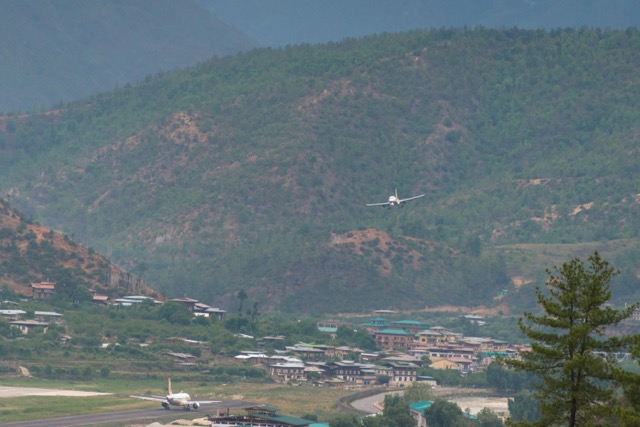
From the moment the plane descends, travelers are immersed in Bhutan’s dramatic natural beauty, with terraced fields, traditional villages, and ancient dzongs punctuating the landscape. The airport sets the tone for a journey that is as much about reflection and culture as it is about adventure, offering educators a glimpse of Bhutan’s unique harmony between tradition and the natural world.
Rema Hotel
Overlooking Paro Valley, Rema Hotel has spacious rooms that blend traditional Bhutanese architecture with modern comfort. From your window, you can admire Rinpung Dzong and the surrounding terraced rice fields, creating a peaceful backdrop for rest and reflection.
Savour fresh, organic cuisine at the on-site restaurant, stay connected with free WiFi, and unwind in signature traditional hot stone baths. Rema Hotel offers the perfect combination of comfort, authenticity, and serenity.
Hotel: Rema Resort or similar
Meals: Dinner
Day 2 – CARE : Thimphu
Monday, 8 June 2026 | Thimphu
Elevation: 3000 m | Weather: 2°C / 18°C | Drive Time: 2 hours
Welcome to the start of a transformative 5-day journey. Within Bhutan’s unique framework of Gross National Happiness, we recognize that well-being and sustainability are not just subjects to be taught, but the very bedrock of the Kingdom's national identity.
Introduction to Bhutan and Gross National Happiness (GNH) Pillars
Today is about recalibrating your role as an educator. We move through two iconic landmarks to introduce Bhutan's approach to identity and purpose.
Empathy to Impact can be viewed through the lens of the (head), the (heart), and the (hands).
We will encourage you to think about: What do I truly care about and why?
True transformation begins when we move from passive observation to deep, emotional resonance. By starting from a place of Empathy, you will learn how to nurture compassion, connection, and understanding within your students.
We will explore how to gain the critical insights necessary to understand the complexities of our world. Through place-based inquiry, you will develop the tools to help students analyze how their values can address the challenges of the community and the planet. This is where we cultivate the Changemaker Mindset—the intellectual clarity to see that another world is possible.
National Museum of Bhutan (Ta Dzong) - transforming the museum into classrooms without walls
Originally built in 1649 as a watchtower, Ta Dzong today houses over 3,000 artifacts spanning 1,500 years, including royal heirlooms, religious artworks, sacred Thangkas, and ancient weapons. Among its treasures are Bhutan’s pioneering “talking stamps,” issued in 1973. These stamps were the first in the world to produce music and sound, drawing global attention and showcasing Bhutan’s creativity and innovation.
Dungkhar Dzong
Perched atop the hills of Pangbisa in Paro, this is Bhutan's largest and most modern fortress, blending ancient tradition with innovative architecture.
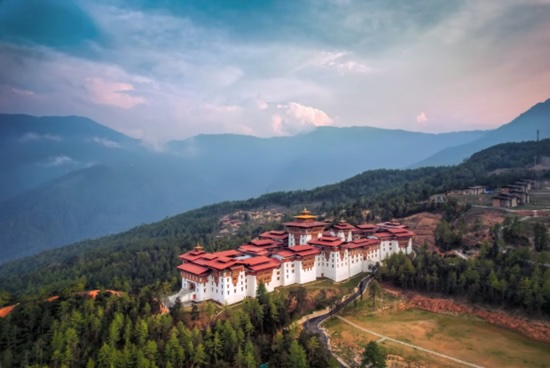
Commissioned by His Majesty King Jigme Khesar Namgyel Wangchuck, it symbolizes Bhutan’s cultural evolution. The dzong houses the Druk Gyalpo’s Institute, fostering leadership through its Bhutan Baccalaureate curriculum. The central Utse tower features a library, cultural exhibition centre, and a serene place of worship. Surrounded by sacred sites like Chomolhari peak, Dungkar Dzong offers an immersive journey through Bhutan’s heritage and vision for the future.
Hotel: The Willows Hotel or similar
Meals: Breakfast, Lunch, and Dinner
Day 3 – AWARE: Thimphu
Tuesday, 9 June 2026 | Elevation: 3000 m | Weather: 2°C / 18°C
National Memorial Chorten
This iconic stupa was built in 1974 to honour King Jigme Dorji Wangchuck. Locals gather here daily for prayer and circumambulation. The interior showcases Buddhist teachings, shrines, and paintings across three floors.
It features a unique vase-like design with intricate carvings of deities and is surrounded by prayer wheels and gardens. 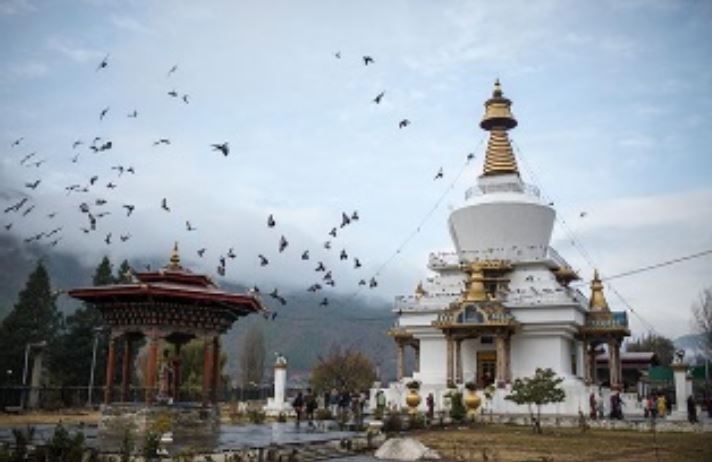
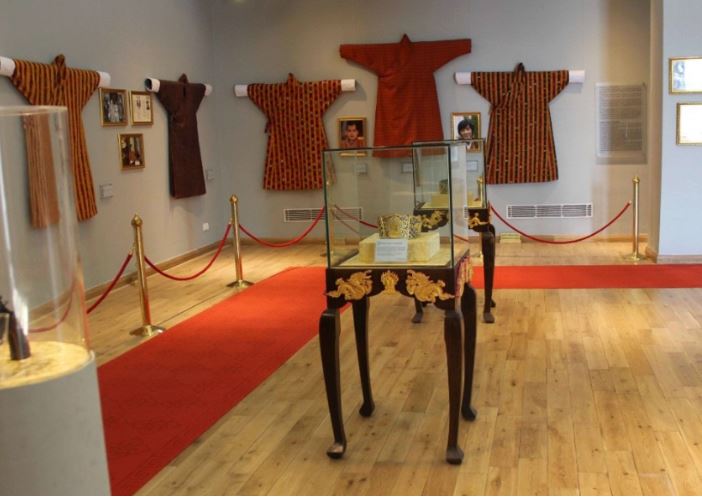
Textile Museum
Explore Bhutan’s rich tradition of weaving and textile arts. Opened in 2001, it features exquisite handwoven fabrics, royal garments, and traditional attire.
Visitors can witness live demonstrations of weaving techniques by local artisans. The museum preserves and promotes Bhutanese craftsmanship, offering a deeper understanding of its cultural heritage. It is a must-visit for those interested in Bhutan’s unique artistic legacy.
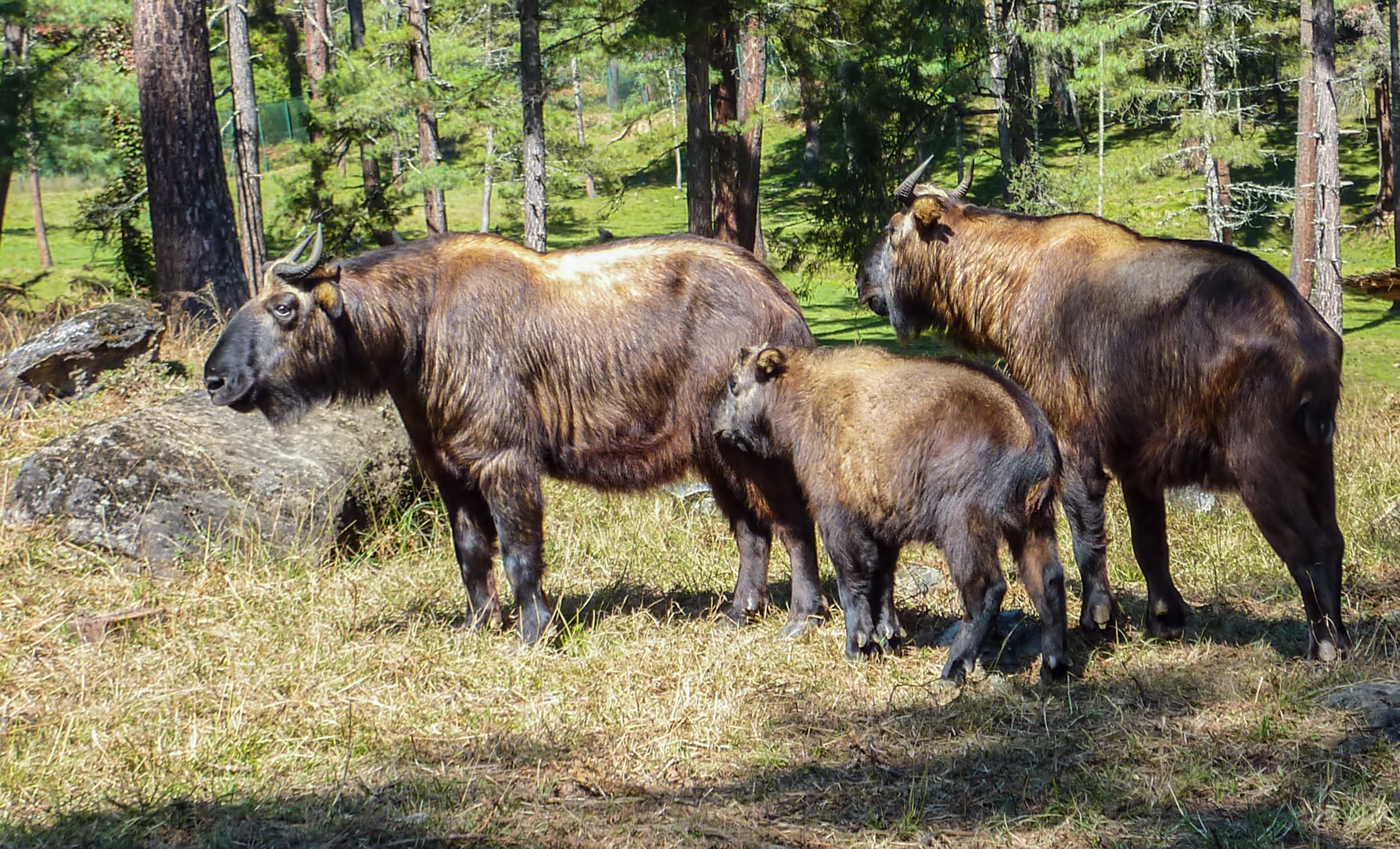
Motithang Takin Reserve
Set across 8.4 acres, Motithang Takin Reserve is home to the takin, Bhutan’s rare and distinctive national animal. Visiting the reserve offers insight into Bhutan’s commitment to wildlife conservation, as well as the cultural and mythological significance of the takin in Bhutanese tradition.
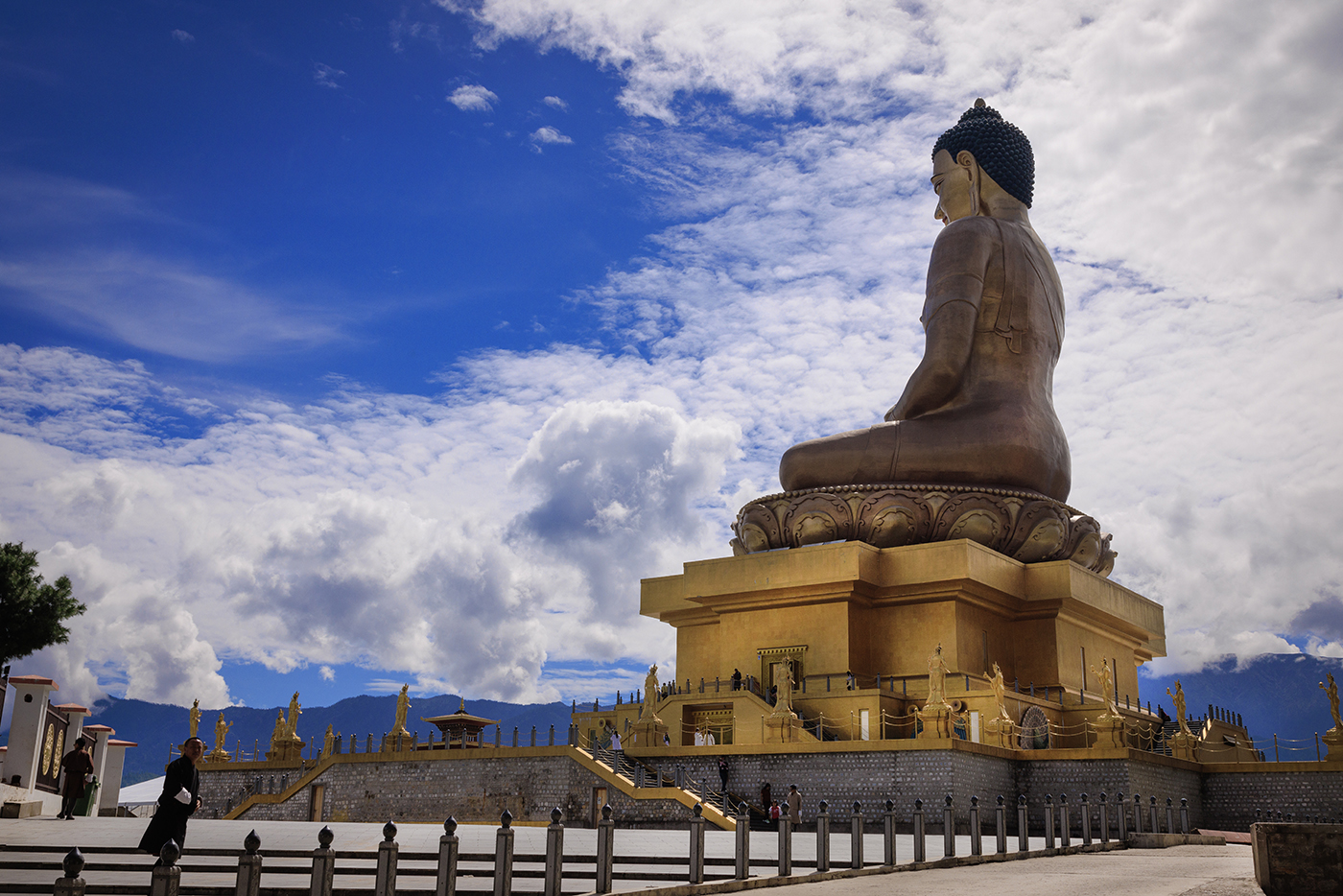
Buddha Dordenma Statue
Located in Kuensel Phodrang Nature Park, the Buddha Dordenma Statue stands 54 meters tall, making it one of the largest sitting Buddha statues in the world. Inside the golden bronze statue are 125,000 smaller gilded Buddhas, symbolizing peace and harmony. Beneath the statue lies a meditation hall, offering visitors a tranquil space for reflection. Built to commemorate the 60th birthday of the Fourth King, Jigme Singye Wangchuck, and to fulfil ancient prophecies, it reflects Bhutan's dedication to preserving its cultural and spiritual values. With breathtaking views of the Thimphu Valley, this site is a must-visit landmark in Bhutan
Hotel: The Willows Hotel or similar
Meals: Breakfast, Lunch, and Dinner
Day 4 – ABLE: Punakha
Wednesday, 10 June 2026 | Elevation: 1200 m | Weather: 17°C / 28°C | Drive Time: ~2.5 hours from Thimphu
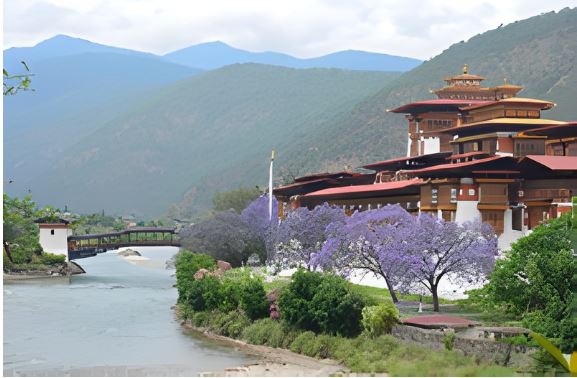
Punakha Dzong "Palace of Great Happiness"
Built in 1637, this is Bhutan’s second-oldest and second-largest dzong, located at the confluence of the Mo Chhu and Pho Chhu rivers.
The dzong was Bhutan's government seat until 1955. Today, the dzong stands as an architectural marvel and as a living symbol of Bhutan’s spiritual and cultural ideals, inspiring visitors with its enduring sense of peace and purpose.
Hotel: Zen Punakha or similar
Meals: Breakfast, Lunch, and Dinner
Day 5 – IMPACT : Paro
Thursday, 11 June 2026 | Elevation: 1200 m → 2200 m | Weather: 17°C / 28°C | Drive Time: 4 hours from Punakha
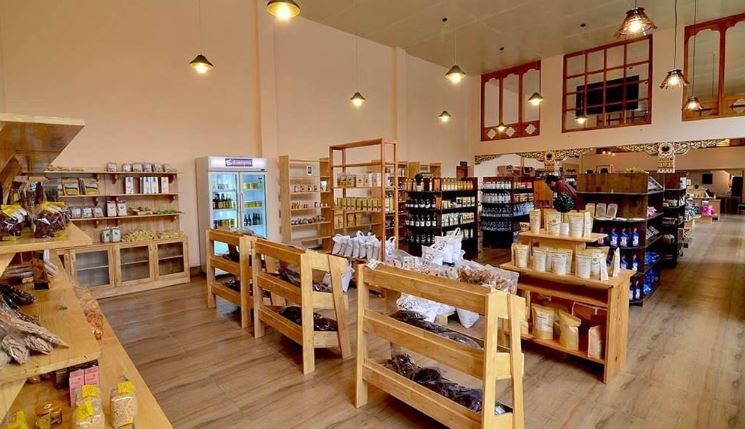
CSI Market
The Cottage and Small Industry (CSI) Market is Bhutan’s largest platform showcasing locally made and locally grown products. Here, you can explore homegrown produce, traditional crafts, and innovative goods created by Bhutanese entrepreneurs and small businesses.
Aligned with Bhutan’s One Town One Product (OTOP) initiative, the market highlights how local enterprise, sustainability, and cultural preservation work hand in hand. For educators, it offers real-world insights into social entrepreneurship, community wellbeing, and inclusive economic development.
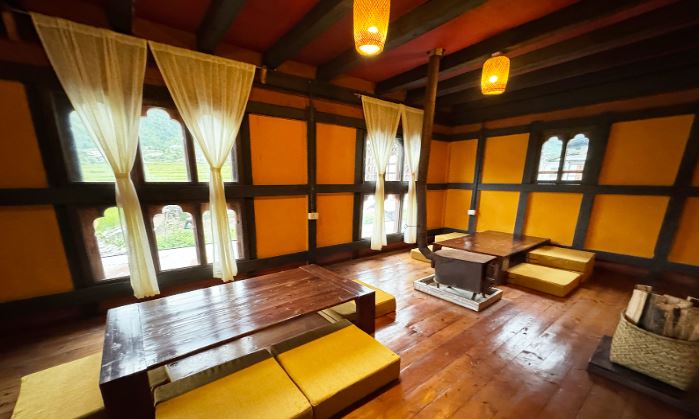
Rimphu Homestay
Rimphu Heritage is a sixth-generation ancestral home in Lango, Paro, combining Bhutanese history, folklore, and hospitality. Once owned by Tshongpa Gesha Tashi, it is now managed by 85-year-old Angay Dawa Lham, preserving its legacy. The homestay offers fresh local meals in a traditional setting. Located 3.6 km from Paro town. Rimphu Heritage also celebrates unique traditions, connecting visitors to Bhutan’s culture.
Hotel: Rema Resort or similar
Meals: Breakfast, Lunch, and Dinner
Day 6 – NATURE: Paro
Friday, 12 June 2026 |
Paro|Elevation: 3,120 m | Weather: -2°C / 11°C | Drive Time: N/A
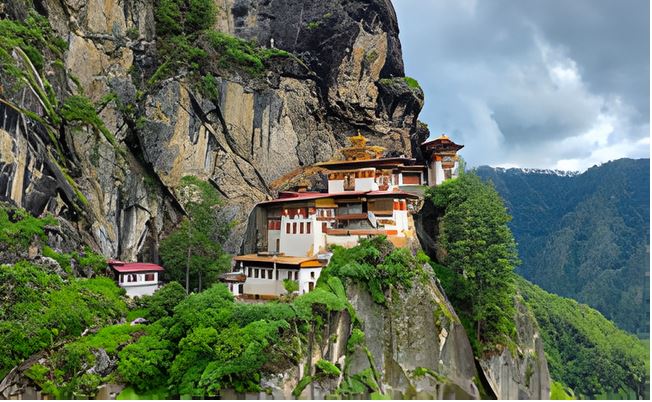
Taktsang Monastery (Tiger’s Nest)
This morning, embark on a spiritual and physical journey that rewards you with breathtaking views and deep serenity. Built in 1692, the sacred monastery includes temples, meditation caves, and stunning viewpoints that seem to defy gravity. According to legend, Guru Rinpoche flew from Nepal to Taksang in the 8th century on the back of a tigress.
It is famously claimed, "a visit to Bhutan is not complete without climbing up to the Tiger's Nest". Taktsang Monastery is Bhutan’s most iconic landmark, dramatically perched on a cliffside.
Reaching the monastery typically involves a 5-hour hike.
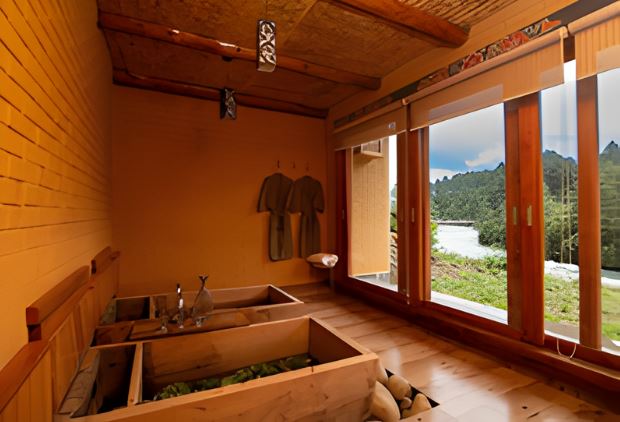
Hot Stone Bath (Optional)
The Bhutanese hot stone bath is a time-honoured healing practice rooted in traditional medicine and Himalayan wisdom. River stones are heated over fire until red-hot, then placed into wooden tubs filled with fresh water infused with local medicinal herbs. As the stones release heat and minerals, the water gently warms, creating a deeply restorative soak.
Traditionally used to relieve muscle fatigue, joint pain, improve circulation, and restore energy, the bath is also valued for its mental and emotional healing. The herbs—often foraged from surrounding forests—are selected for their anti-inflammatory, calming, and detoxifying properties, reflecting Bhutan’s holistic approach to wellbeing.
Hotel: Rema Resort or similar
Meals: Breakfast, Lunch, and Dinner
Day 7 – DEPARTURE: Paro
Saturday, 13 June 2026 |
Paro | Drive Time: 30 minutes to the Airport
Today we will bid a fond farewell to this beautiful Himalayan country and take a flight back home. We hope by now you would have made some friends and also kept many photos and beautiful memories of Bhutan!
We look forward to seeing you again in this beautiful land of endless Enchantments! Tashi Delek!
Rooms ()
- sqm