By Soul Trips · Updated on 24 September, 2026
China Beyond Beijing: Yunnan, Zhangjiajie and Lesser Known Landscapes
China beyond Beijing is not one alternative route. It is a collection of regions with different climates, languages, food and histories. Yunnan brings highland towns and cultural diversity. Zhangjiajie offers vertical sandstone scenery. Xinjiang opens the scale of the Silk Road, while Chaoshan reveals living Teochew heritage through tea, food and family traditions.
Beijing remains a valuable introduction, but it should not define the whole country. A second journey can focus on one region, and a longer first trip can combine the capital with a contrasting landscape.
Use the SoulTrips China destination guide and current China journeys to compare routes.
China beyond Beijing at a glance
- Yunnan for old towns, mountains and diverse communities.
- Zhangjiajie for sandstone pillars and forest walks.
- Xinjiang for Silk Road cities, desert and alpine landscapes.
- Chaoshan for Teochew food, tea and heritage.
- Chengdu for pandas, tea houses and Sichuan culture.
- Guilin and Yangshuo for rivers and karst peaks.
- The Yangtze for a slow journey through the Three Gorges.
- Guizhou for village culture and mountain scenery.
- Gansu for Silk Road history and desert landscapes.
Choose one major region rather than turning a meaningful journey into a flight schedule.
Why travel beyond Beijing?
Beijing tells national and imperial stories. Regional China shows how geography, trade, migration and local communities shaped very different identities.
Travelling beyond the capital also changes the pace. You may walk beside Erhai Lake, drink tea in Chengdu, cross the Tianshan region or learn Teochew craft traditions.
The reward comes from depth, not obscurity. A place does not need to be unknown to feel personal.
Yunnan
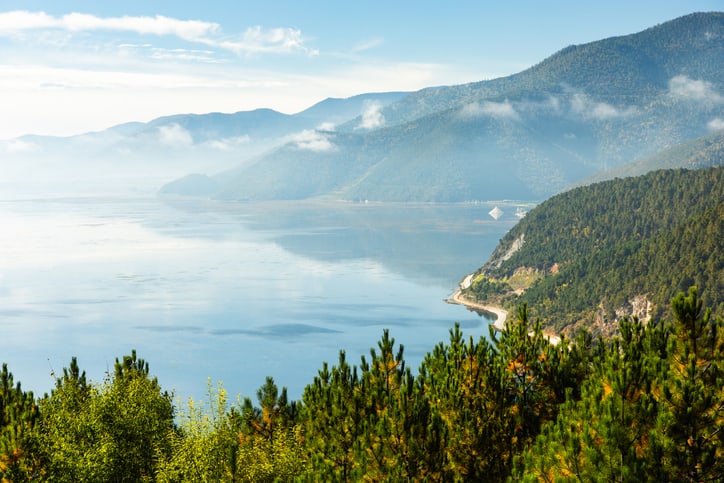
Yunnan is one of the strongest choices for a regional journey. The route from Kunming to Dali, Lijiang and Shangri La rises gradually through changing landscapes and cultures.
Kunming provides a mild gateway and excellent food. Dali combines Bai heritage, Erhai Lake and the Cangshan mountains. Lijiang offers Naxi cultural history and a popular old town. Shangri La adds high altitude scenery and Tibetan cultural influences.
Allow ten to twelve days for the full sequence. Shorter trips should focus on two or three places.
Kunming
Kunming is often treated as a transit city, but its parks, markets and food make a useful introduction. The moderate elevation supports a gradual route towards higher Yunnan.
Visit local neighbourhoods rather than filling the stay with distant day trips. Rail connections make the onward journey clear.
Two nights give you time to arrive, explore and continue without rushing.
Dali
Dali offers a slower rhythm around the old town and Erhai Lake. Bai architecture, food and craft traditions distinguish it from Lijiang.
Choose accommodation carefully. The lake is large, and a remote view can create long daily transfers. An old town stay provides atmosphere but may involve walking with luggage.
Spend at least two or three nights to include both cultural and landscape experiences.
Lijiang
Lijiang's old town is popular, especially in the evening. Early mornings and quieter lanes provide a more reflective experience.
Naxi history and access to mountain landscapes add depth beyond the main commercial streets. Use a local guide to distinguish living heritage from visitor presentation.
Stone paving and steps can challenge travellers with weak knees. Stay near a vehicle entrance if needed.
Shangri La
Shangri La sits much higher and feels culturally different from southern Yunnan. Monasteries, grasslands and cool highland air shape the experience.
Altitude requires a gradual approach and a calm first day. Do not plan demanding activity immediately after arrival.
Read the SoulTrips guide to high altitude travel and explore the Grand Yunnan Journey.
Zhangjiajie
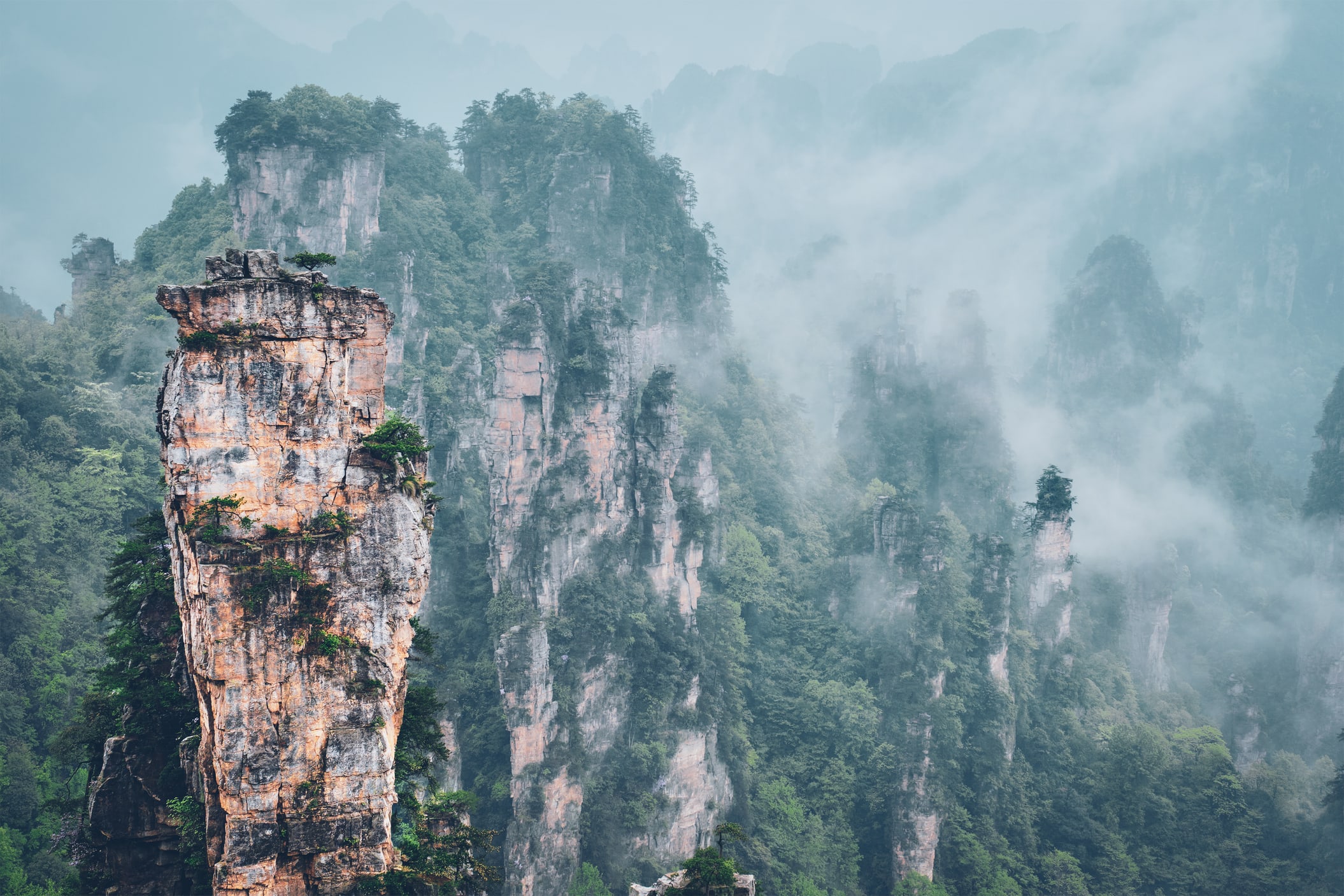
Zhangjiajie is known for the sandstone pillars of the wider Wulingyuan area, recognised by UNESCO. Forests, ravines, caves and water complete the landscape.
The scenic area uses buses, cable cars, lifts and walking paths. Mist can hide the pillars and then reveal them suddenly. Two or three nights create flexibility.
Stay in Wulingyuan for national forest park access, or in Zhangjiajie city for Tianmen Mountain and transport. Some itineraries use both.
Walking and accessibility in Zhangjiajie
Mechanical transport reduces effort but does not remove all steps. Ask for exact walking distances and gradients.
Shoes with grip and a compact rain layer are essential. Keep hands free and avoid an overloaded day bag.
Travellers with limited mobility can still enjoy major viewpoints through a carefully adapted route.
Xinjiang
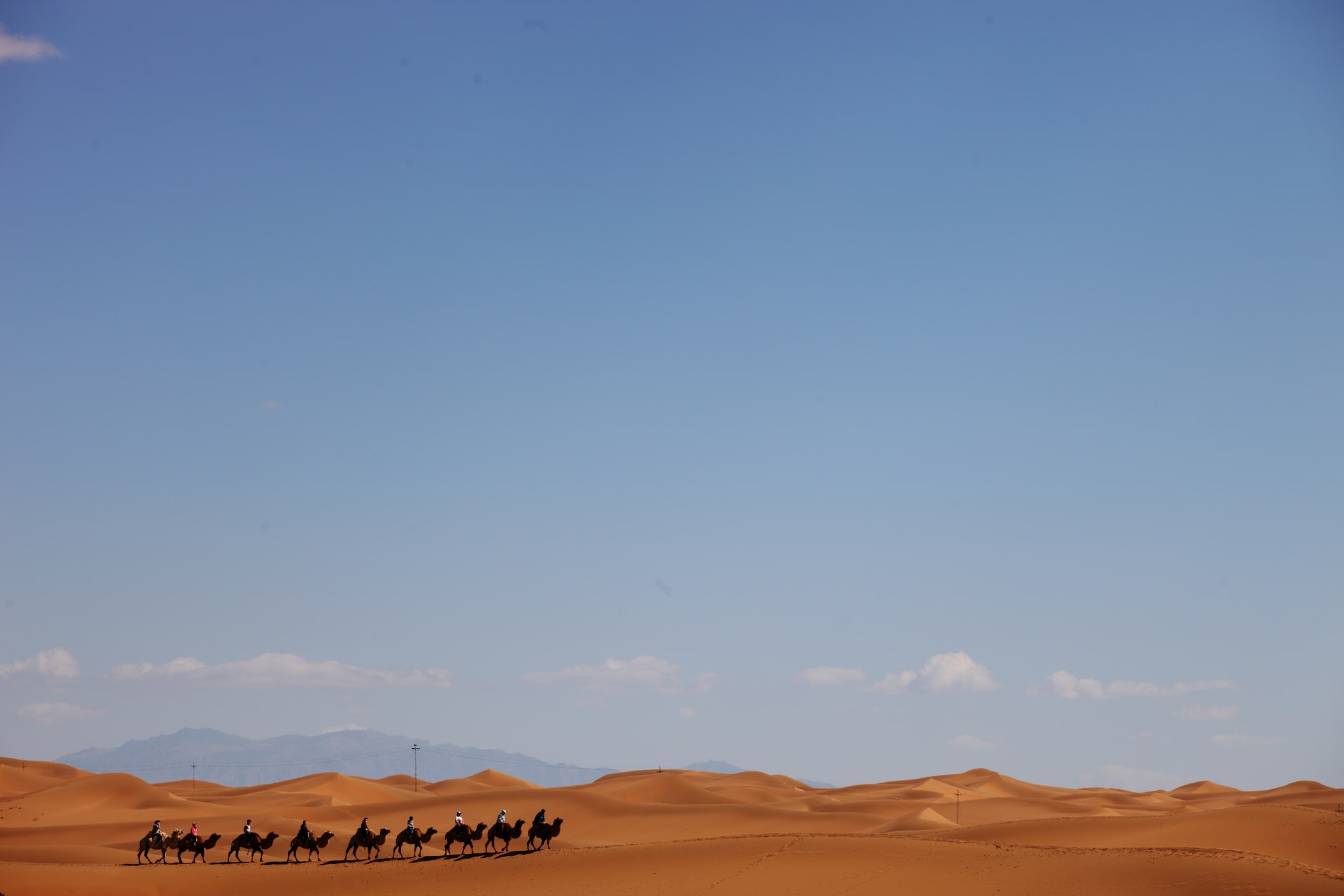
Xinjiang offers some of China's greatest geographic contrast. Urumqi and Turpan lie near desert and mountain environments. Kashgar reflects Silk Road exchange, while Kanas and the Ili region offer alpine lakes and grasslands.
Distances are vast. Flights, trains and long road transfers all form part of the route. Regional procedures can affect timing, so organised travel is useful.
Allow at least ten days for a focused programme, and longer for broad coverage.
Kashgar and the Pamirs
Kashgar's old city, workshops and food traditions connect Central Asian and Chinese histories. Explore with a local guide and respect photography boundaries.
The road towards Tashkurgan reaches high altitude and passes lakes, valleys and mountain views. Conditions can change quickly.
Build medical and altitude considerations into the decision. The landscape is not worth risking your health.
Northern Xinjiang
Kanas, Hemu, Yining, Sayram Lake and Nalati create a route of forests, lakes and grasslands. The best season changes by area and the exact landscape you hope to see.
Accommodation in scenic areas is limited and seasonal. Book early and accept that remote comfort differs from a city luxury hotel.
Local communities deserve respectful engagement. Ask before close photography and avoid simplified ethnic labels.
Xinjiang by luxury train
The Luxury Rail Expedition from Chengdu to Xinjiang connects many landscapes without repeated flights and hotel changes.
The sixteen day programme uses private train suites, guided excursions by Mandarin-speaking guide, and premium hotels. It suits travellers who enjoy structured slow travel.
English guide arrangements can be requested.
Chaoshan
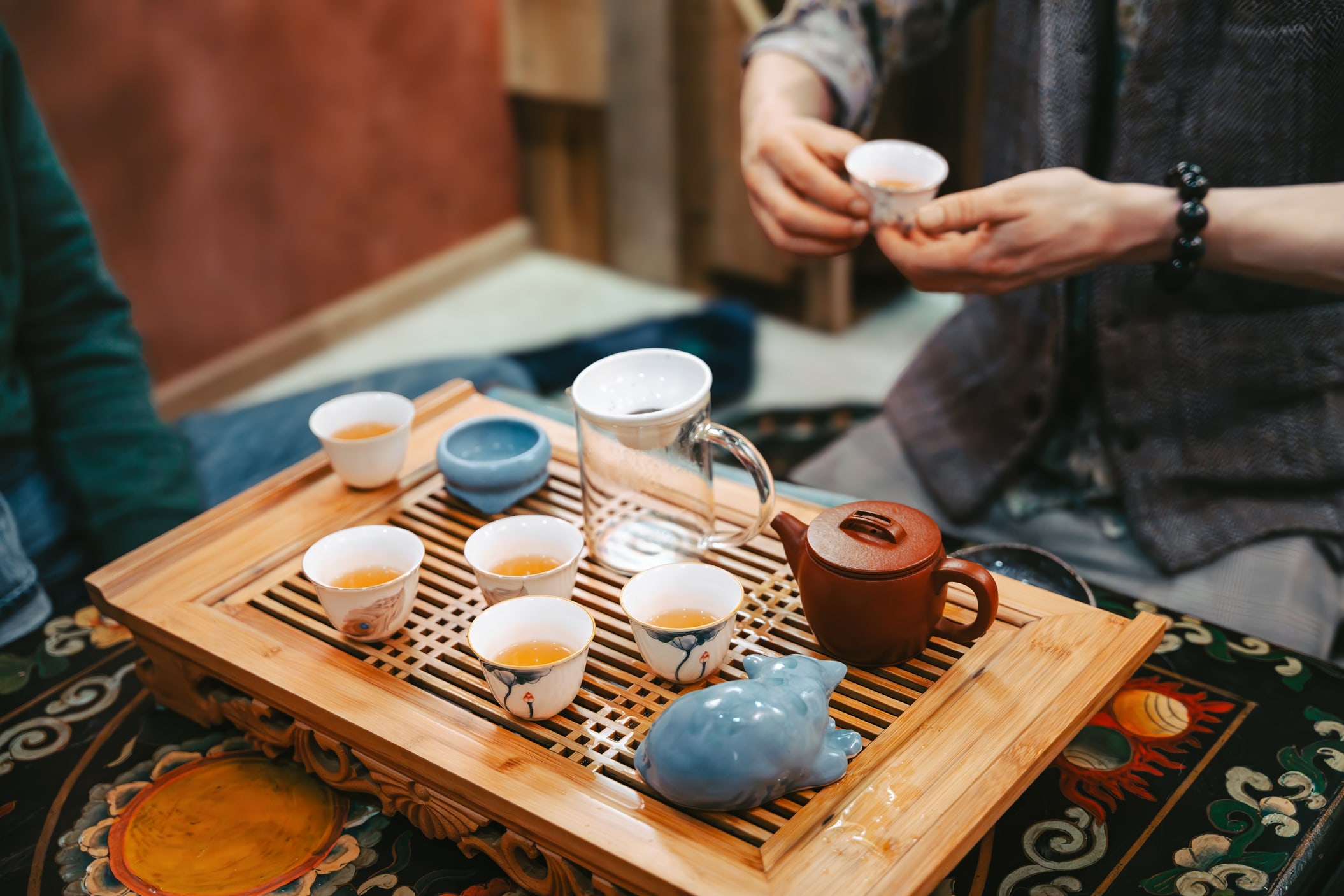
Chaoshan in eastern Guangdong is deeply connected with Teochew communities across Southeast Asia. The region includes Chaozhou, Shantou and Jieyang.
Its value lies in living traditions: gongfu tea, ancestral halls, opera, embroidery, woodcarving, food and family histories. These details need a local guide more than a list of famous monuments.
The Authentic Chaoshan Heritage and Culture Journey creates a focused seven day route from Guangzhou.
Chaozhou
Chaozhou brings temples, old streets, the Guangji Bridge and a strong food culture. Walk the ancient city slowly and leave time for tea.
Evening and early morning reveal different rhythms. A central hotel makes it easy to return after the day's formal touring.
Travellers with Teochew heritage may find personal connections, but the city is equally rewarding without family roots.
Shantou and Nan'ao Island
Shantou combines port history, historic districts and contemporary city life. Its migration stories connect the region with Singapore and other overseas communities.
Nan'ao Island adds coastal scenery and a different pace. Weather affects the experience, so keep the day flexible.
Food is central throughout the region, from beef hotpot to seafood and marinated dishes.
Chengdu
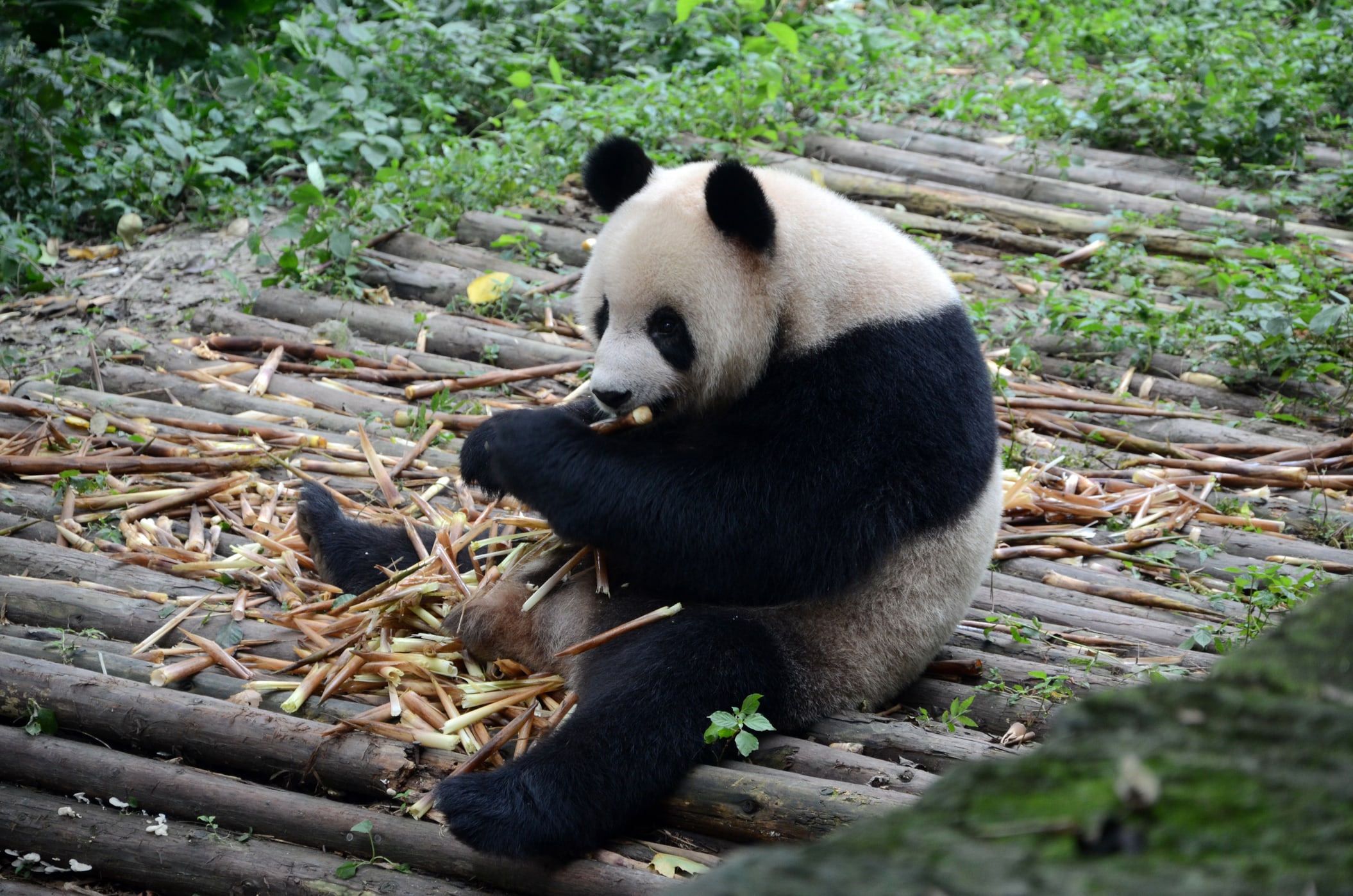
Chengdu deserves more than a panda visit. Tea houses, parks, neighbourhoods and Sichuan cuisine create a city that rewards unhurried time.
The official Chengdu panda base ticket guidance recommends advance online booking. Visit early because pandas are often more active in cooler conditions.
Use Chengdu as a gateway to western China or as a cultural city break in its own right.
Guilin and Yangshuo
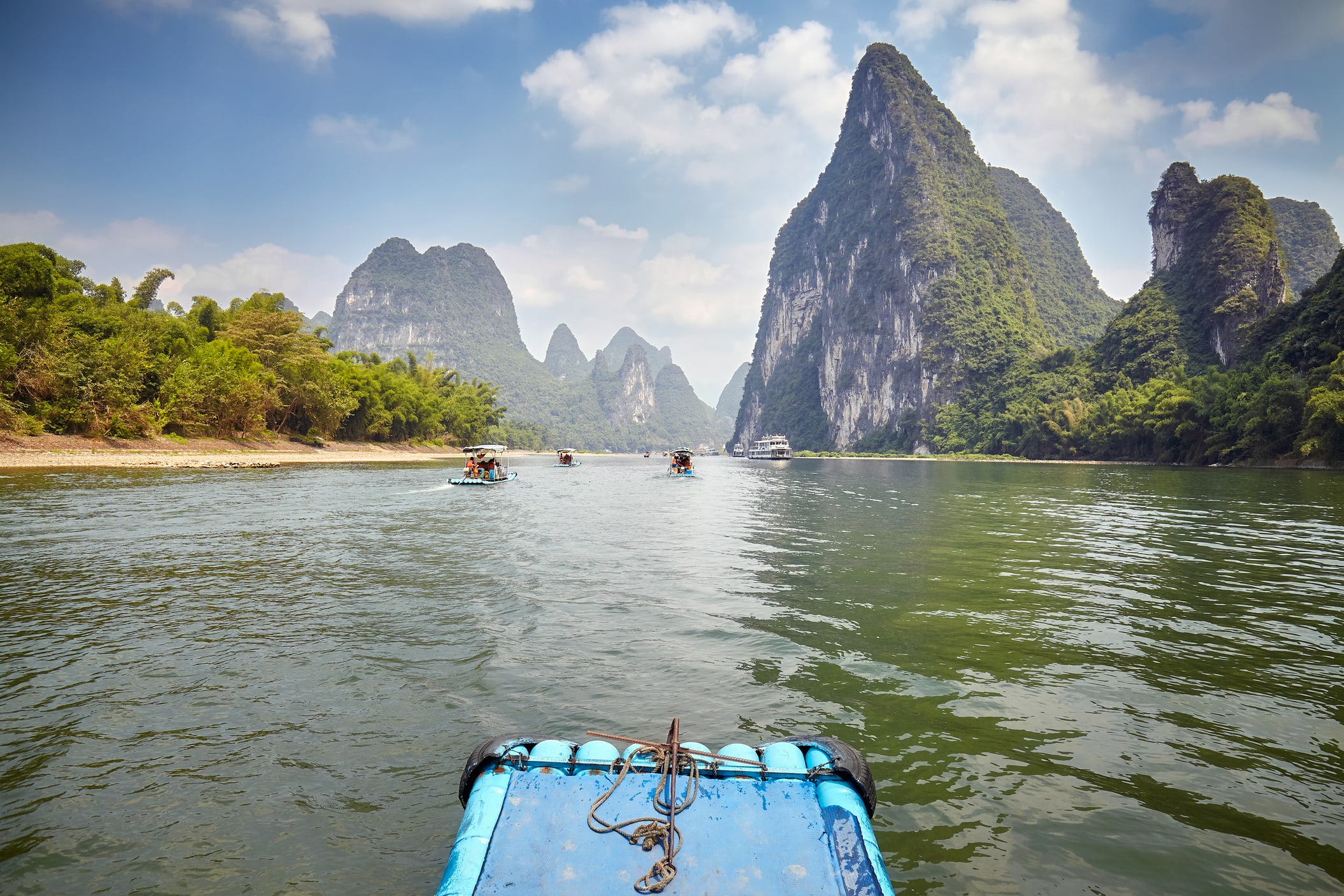
Guilin and Yangshuo offer rivers, villages and limestone peaks. The Li River is the classic journey, while rural roads and quieter stays provide greater depth.
Yangshuo town is lively and visitor focused. Accommodation in the countryside creates a calmer view but needs private transport.
Spring and autumn are comfortable, while summer is green, humid and wet.
The Yangtze
A Yangtze cruise slows the journey and reduces hotel changes. The Three Gorges combine landscape, settlements and large scale engineering.
The Yangtze Explorer luxury cruise is a current SoulTrips option. Compare cabin, route, shore excursions and embarkation point.
River conditions can affect operations, so use the live itinerary rather than an old map.
Guizhou
Guizhou offers karst landscapes, villages and strong local cultures. It remains less familiar to many international visitors than Yunnan.
Road travel and local guiding are important. Cultural visits should be designed with community benefit and consent rather than as performances on demand.
The region suits repeat visitors or travellers building a focused southwest China journey.
Gansu and the Silk Road
Gansu follows the Hexi Corridor through desert landscapes and historic trading centres. Buddhist art, earthen fortifications and oasis history make it a strong cultural route.
Distances are substantial, and climate can be dry with large temperature changes. Rail links help connect the main stops.
Gansu combines naturally with a longer Xinjiang journey or a specialist rail programme.
Choosing a region for your first trip
Choose Yunnan if you want a balanced mix of culture and landscape. Choose Zhangjiajie for dramatic nature within a shorter journey. Choose Chaoshan for food and heritage. Choose Xinjiang for scale and Silk Road history.
You can also combine Beijing with one region. Four days in the capital followed by six or seven days in Yunnan or Zhangjiajie provides a clear contrast.
Avoid combining Yunnan, Zhangjiajie and Xinjiang in one short trip. The travel time will dominate.
Best time to travel
Yunnan works across much of the year, with summer rain and cold highland winters. Zhangjiajie is green and misty in warmer months, while autumn can bring clearer conditions.
Xinjiang is most practical from late spring to early autumn for many routes. Chaoshan is comfortable in cooler months and hot in summer.
Read the SoulTrips guide to the best time to visit China and check local forecasts near departure.
How long to allow
Yunnan deserves ten to twelve days for the classic route. Zhangjiajie needs two or three nights within a wider trip. Chaoshan works well over seven days. Xinjiang needs ten days or more, while the luxury rail programme lasts sixteen.
Extra time should create depth rather than more flights. Add a free afternoon, food experience or village visit instead of another distant city.
Responsible regional travel
Follow marked trails, respect photography boundaries and support local guides. Avoid wildlife products and unauthorised access.
At minority community visits, ask questions without expecting people to represent an entire culture. Pay fairly for crafts and experiences.
Carry rubbish, conserve water in dry regions and listen to local environmental restrictions.
Suggested ten day route beyond Beijing
For a first regional journey, spend two nights in Kunming, three in Dali and three in Lijiang, with travel days at the beginning and end. Add Shangri La only if you can extend the holiday and are comfortable with altitude.
Another ten day option combines Chengdu with Zhangjiajie. Give Chengdu three nights, allow a transfer day and stay at least three nights near Zhangjiajie's scenic areas. Use remaining time for a relaxed arrival and departure.
Do not add Shanghai simply because it is famous. A coherent regional route will provide more depth and fewer tiring transfers.
Suggested two week route
Two weeks support Beijing followed by Yunnan. Spend four nights in the capital, then fly to Kunming and travel gradually through Dali and Lijiang. Add Shangri La if health and season permit.
A different two week plan can explore Xinjiang through Urumqi, Turpan, Kashgar and one mountain region. Flights and private touring make the route possible, but long distances remain.
For Teochew heritage, combine a seven day Chaoshan journey with several days in Guangzhou and another southern destination.
Photography and seasonal light
Yunnan offers lakes, old towns and highland light. Early mornings are useful in popular lanes. Zhangjiajie changes minute by minute as mist moves across the pillars.
Xinjiang provides immense landscapes, but strong midday light and high altitude demand sun protection. Chaoshan rewards attention to craft, food and street life rather than only grand views.
Ask before photographing people and religious practice. The strongest travel images often come from patience and permission.
Preparing for regional transport
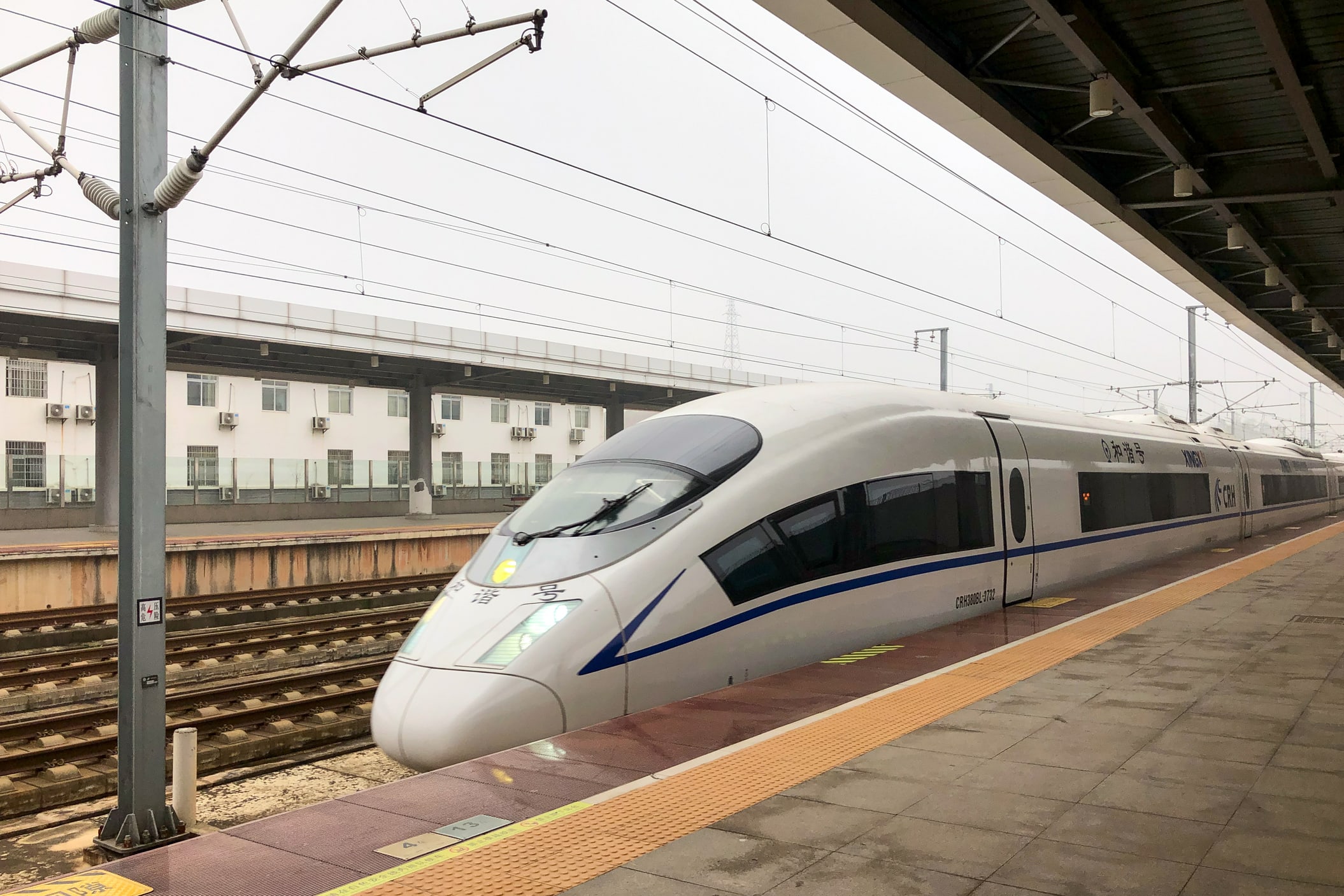
China's high speed rail network links many cities, while flights remain necessary for long crossings. Private vehicles connect scenic areas and rural communities.
Keep the case manageable and leave buffers before important departures. Weather, security procedures and road conditions can affect the plan.
The official China Railway 12306 service provides current rail information. Your operator can coordinate passport based bookings and regional transfers.
Combining famous and regional China
You do not need to reject famous landmarks to travel deeply. A strong first journey can pair several days in Beijing with one carefully chosen region. The capital provides historical context, then Yunnan, Zhangjiajie or Chengdu reveal a different pace and geography.
Keep the connection simple. Use one direct flight or rail journey and stay long enough to understand the second place. Avoid adding another city simply because it appears on a standard checklist. The contrast between two well explored regions will feel larger than a hurried route across five. Your photographs, meals and conversations will also have more time to develop into real memories.
Frequently asked questions
-
Where should I go in China after Beijing?
Yunnan is the strongest all round choice for culture and landscapes. Zhangjiajie, Chengdu, Chaoshan and Xinjiang suit more specific interests.
-
Is Yunnan suitable for a first China trip?
Yes. It offers good transport, varied accommodation and a clear regional route. Allow time for altitude and transfers.
-
How many days do I need in Zhangjiajie?
Stay at least two or three nights. Weather can affect visibility, and the scenic areas require time.
-
Is Xinjiang difficult to visit?
Distances, regional procedures and altitude make it more complex than an eastern city route. An experienced operator simplifies the journey.
-
Why visit Chaoshan?
Chaoshan offers distinctive Teochew food, tea, architecture and migration history. It is especially meaningful for travellers seeking cultural depth.
-
Can I combine Yunnan and Zhangjiajie?
You can on a longer journey, but the transfer consumes time. Most trips feel better when one region receives priority.
-
Is Zhangjiajie accessible?
Cable cars and lifts provide access to major viewpoints, but steps and uneven paths remain. Request a mobility adapted plan.
-
What is the best regional trip for food?
Chaoshan and Chengdu are outstanding. Yunnan and Xinjiang provide equally distinctive ingredients and cultural contexts.
-
Is a luxury train the best way to see Xinjiang?
It is ideal for travellers who value comfort, structured excursions and the journey itself. Independent travellers may prefer flights and private vehicles.
-
Can SoulTrips combine Beijing with a regional route?
Yes. The itinerary can add a short Beijing introduction before Yunnan, Zhangjiajie, Chengdu or another region.
Discover China beyond Beijing
China beyond Beijing gives you a clearer sense of the country's scale and regional identity. Yunnan, Zhangjiajie, Xinjiang and Chaoshan each reward a slower approach, thoughtful guiding and enough time to notice local life.
Use Plan My Trip or contact SoulTrips to choose the region that fits your interests and season. The best next step is not the most distant place, but the one you can experience well.