High-altitude travel feels different from an ordinary holiday.
The landscape changes first. Roads climb into mountain valleys, villages appear against enormous slopes, and the horizon seems to stretch further with every turn. But your body notices the difference too.
At higher elevations, there is less atmospheric pressure and therefore less oxygen available with each breath. If you ascend too quickly, your body may struggle to adjust, leading to altitude sickness.
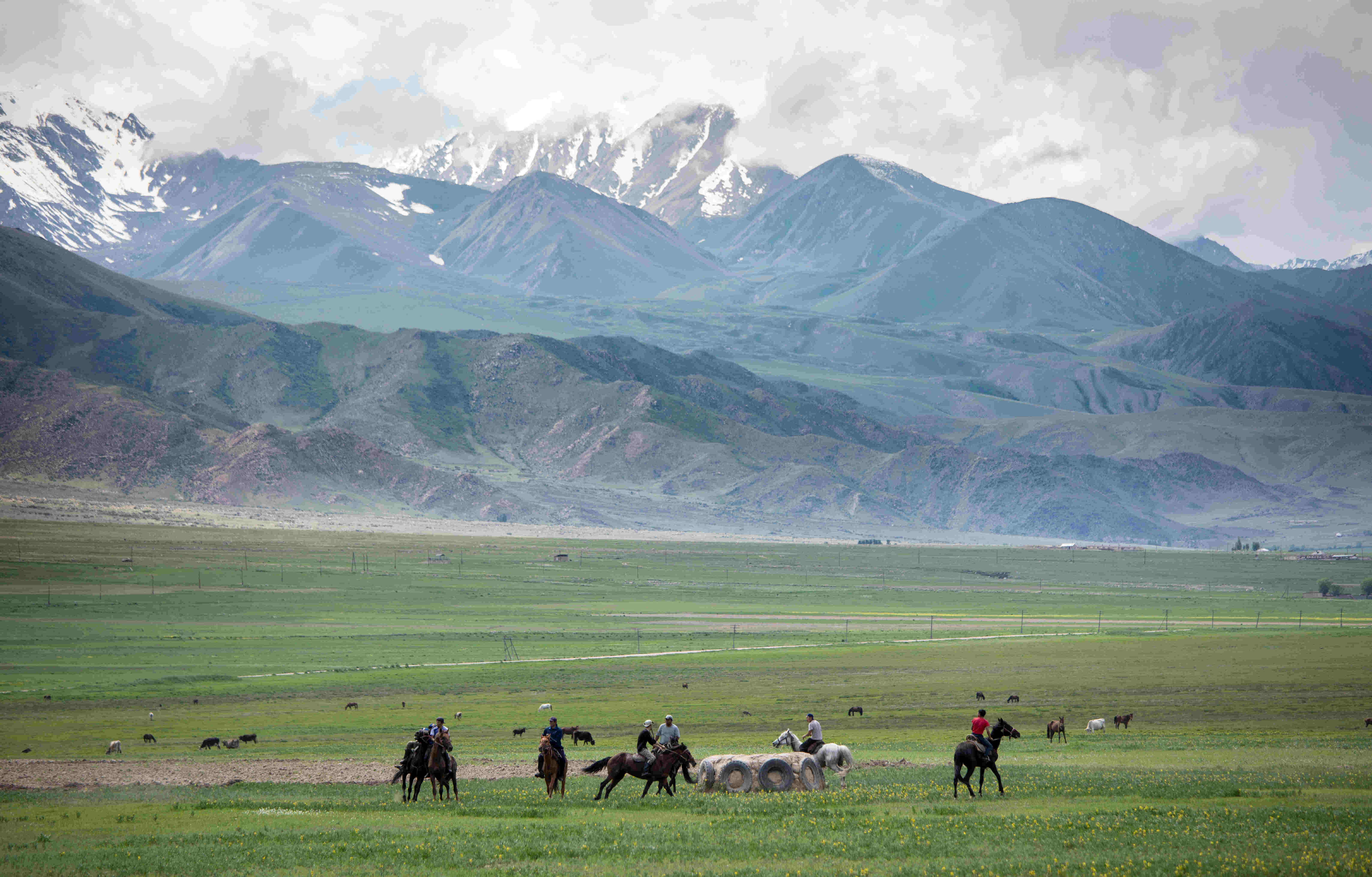
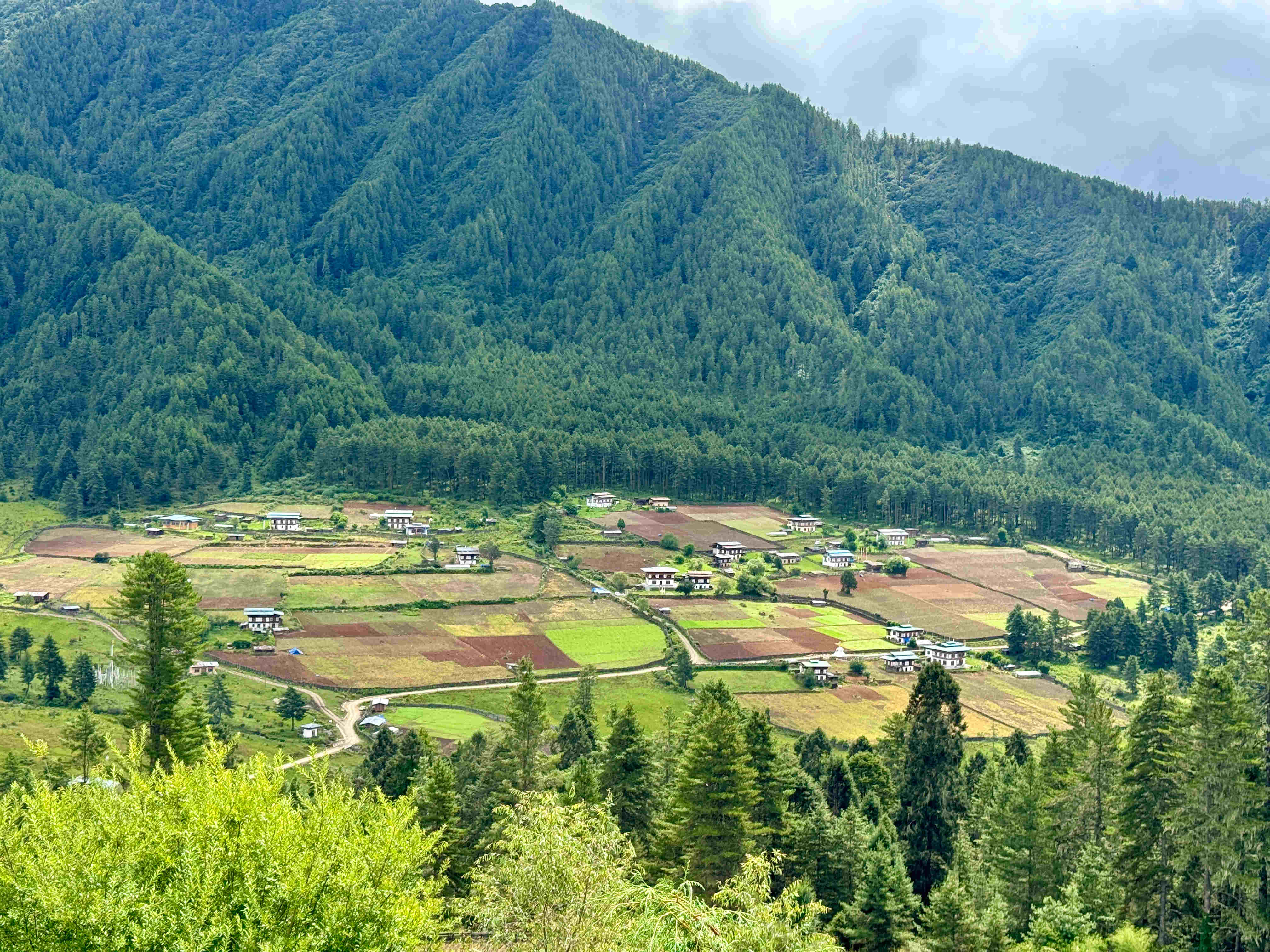
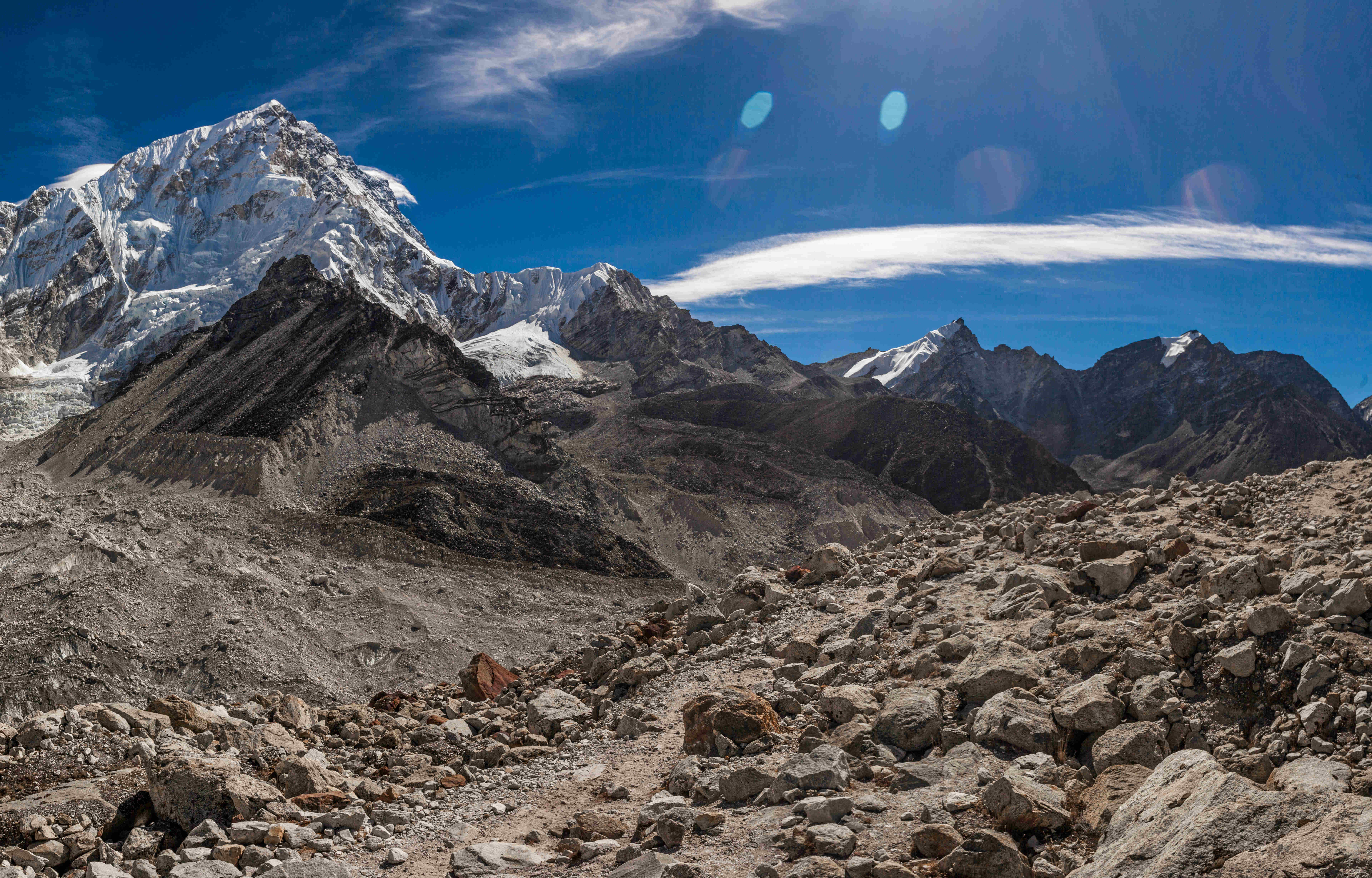
This is particularly relevant when travelling through destinations such as Bhutan, Nepal, Pakistan, Kyrgyzstan and Tajikistan, where mountain landscapes are part of the experience. SoulTrips describes Nepal as home to the world's highest mountains and Himalayan journeys, while Bhutan's landscapes are deeply connected to the Himalayas. Kyrgyzstan and Tajikistan offer similarly dramatic high-mountain environments across Central Asia.
The key to enjoying these journeys isn't exceptional fitness or trying to push through discomfort. It is preparation, sensible pacing and giving your body enough time to adjust.
Understand How Altitude Affects You
Altitude sickness can affect anyone who isn't acclimatised, regardless of age, fitness or previous travel experience.
The CDC considers travellers sleeping at around 2,450 metres or higher to be at risk, although susceptibility varies between individuals. The speed at which you ascend and the altitude where you sleep are particularly important factors.
This means altitude should be considered when planning an itinerary, not simply once you're already in the mountains.
A journey that gradually climbs through several valleys is very different from flying directly from near sea level to a high-altitude city.
For travellers visiting the Himalayas or Central Asia, knowing the approximate elevation of each overnight stop can help you understand how demanding the journey may be.
Give Yourself Time to Acclimatise
The most important preparation happens after you arrive.
Your body needs time to adapt to lower oxygen availability. The CDC notes that the crucial early acclimatisation process takes place during the first three to five days after ascending.
This is why a thoughtfully paced itinerary matters.
Instead of arriving at altitude and immediately setting off on a demanding hike, your first day might involve a relaxed meal, a gentle walk around town or time to settle into your hotel.
Above 3,000 metres, CDC guidance recommends limiting increases in sleeping altitude to around 500 metres per day and allowing additional acclimatisation time as elevation increases.
You don't need to spend every day resting. The important thing is to avoid asking too much of your body too quickly.
Don't Try to Prove How Fit You Are
Being physically fit can make walking and trekking more comfortable, but it doesn't make you immune to altitude sickness.
The CDC specifically notes that physical fitness does not reduce a person's risk of altitude illness.
Someone who regularly runs or hikes can still develop symptoms after arriving at altitude.
So don't think of a Himalayan journey as a test of endurance.
If you're feeling well, enjoy the walk. If you're feeling tired, slow down. If your guide suggests taking a longer break, take it.
A slower pace can also give you more time to notice the places you're travelling through. In a mountain village, a few extra minutes watching daily life unfold can be more memorable than rushing towards the next viewpoint.
Plan Your First Days Around Acclimatisation
When designing a high-altitude itinerary, the first few days deserve particular attention.
A good plan may include:
- A gentle arrival day
- Short walks rather than strenuous hikes
- Time at the same elevation before climbing higher
- Comfortable accommodation
- Flexible activities
- Regular opportunities to rest
- Experienced local guides who understand the terrain and conditions
This is particularly important in remote destinations where the next medical facility may be some distance away.
For a journey through Bhutan or Nepal, for example, the itinerary shouldn't simply connect the most impressive places on a map. The route and overnight elevations need to work together.
That is one of the less visible benefits of thoughtful itinerary design.
Learn the Signs of Altitude Sickness
Acute mountain sickness, or AMS, is the most common form of altitude illness.
Symptoms can begin within a few hours of reaching a higher elevation. Common symptoms include:
- Headache
- Tiredness
- Dizziness
- Loss of appetite
- Nausea
- Vomiting
- Difficulty sleeping
The symptoms can resemble a hangover, which makes them easy to dismiss after a long journey.
If you develop symptoms after ascending, tell your travelling companions and guide. Don't simply assume you need to push through.
The CDC advises that travellers should not ascend to a higher sleeping altitude while experiencing symptoms of altitude illness. If symptoms worsen despite remaining at the same elevation, descent is necessary.
Know When You Need Urgent Help
Most altitude illness is manageable, but severe forms can be life-threatening.
Warning signs include confusion, difficulty walking or coordinating movements, severe drowsiness, breathlessness while resting and worsening respiratory symptoms. These can indicate serious conditions such as high-altitude cerebral oedema or high-altitude pulmonary oedema.
If serious symptoms develop, descent is an emergency measure, alongside appropriate medical treatment.
This is why travel insurance, local support and a sensible emergency plan matter even on a carefully organised holiday.
Don't wait for symptoms to become severe before telling someone you're unwell.
Hydration, Alcohol and Sleep
Altitude can affect sleep, particularly at higher elevations. The CDC notes that sleep disturbance is common above approximately 2,700 metres, with periodic breathing and more frequent awakenings occurring during acclimatisation.
A few simple habits can help you settle in.
Drink regularly throughout the day, but don't force yourself to consume excessive amounts of water.
It's also sensible to avoid alcohol during the initial period at altitude. The CDC recommends avoiding alcohol for the first 48 hours at high altitude.
And don't be surprised if your first night isn't perfect.
Your body is adjusting. Give it time.
Prepare Your Body Before You Leave
You can't train yourself to become acclimatised before travelling to altitude.
Acclimatisation happens when your body is exposed to the lower oxygen availability at elevation.
You can, however, prepare yourself for the physical demands of the journey.
If your itinerary includes hiking, start walking regularly before you leave. Build up gradually and include hills or stairs if they're available to you.
Practise carrying the daypack you'll use during the trip. Make sure your walking shoes are comfortable and already worn in.
The aim is simple: arrive ready to walk, rather than using the first few days of your holiday to discover that your legs aren't prepared for it.
Speak to Your Doctor Before Travelling
If you're planning to travel to high altitude, particularly if you'll ascend quickly or travel to a remote region, speak with a healthcare professional before departure.
The CDC recommends that travellers discuss high-altitude travel with a healthcare provider, particularly those with underlying medical conditions.
This is also the right time to ask about medication.
Acetazolamide can help prevent or reduce acute mountain sickness for some travellers and can speed up acclimatisation. Whether it's appropriate for you depends on your individual health circumstances and itinerary.
Don't take altitude medication simply because another traveller recommends it. Discuss your options with a qualified healthcare professional before you leave.
Pack for More Than Just Cold Weather
High-altitude environments can combine cold temperatures, low humidity and increased ultraviolet exposure. Conditions can also change quickly in mountainous areas.
Layering is therefore more useful than packing one extremely warm outfit.
Consider bringing:
- Lightweight base layers
- A warm mid-layer
- A waterproof or windproof outer layer
- Warm socks
- Gloves
- A hat
- Comfortable walking shoes or boots
- Sunglasses
- High-SPF sunscreen
- Lip balm with sun protection
- A reusable water bottle
- Personal medication
- A small first-aid kit
Good sunglasses and sun protection are particularly important. The combination of stronger UV exposure and reflective surfaces such as snow can make sun protection especially important at altitude.
Take It Easy on Your First Hike
When you've travelled a long way to reach the Himalayas, it can be tempting to make the most of every available hour.
Resist that instinct during the early stages of your trip.
Your first walk at altitude doesn't need to be the longest or most spectacular one. A gentle trail gives you an opportunity to understand how your body is responding before you tackle something more demanding.
Walk slowly.
Take breaks.
Drink when you're thirsty.
Tell your guide if something doesn't feel right.
And don't measure the quality of the day by how many kilometres you covered.
In places such as Bhutan and Nepal, some of the most memorable parts of a journey can happen away from the headline attractions. A quiet monastery, a mountain village or a conversation with a local guide can be just as significant as reaching a famous viewpoint.
Build Flexibility Into Your Itinerary
High-altitude travel doesn't always go according to plan.
Weather can change. Roads can close. A traveller may need an extra day to acclimatise. A planned hike may suddenly feel too ambitious.
A well-designed itinerary should leave room for this.
That might mean having a spare day, avoiding unnecessarily tight connections or choosing accommodation that allows you to rest comfortably.
This is particularly valuable for travellers who are already balancing limited annual leave with the desire to make a major trip worthwhile.
Planning every hour may give you the feeling that you're seeing more. It can also leave you with no room to respond when your body tells you to slow down.
Your High-Altitude Travel Checklist
Before you leave, make sure you've considered:
- The highest elevations you'll reach
- The elevation of your overnight stops
- How quickly you'll ascend
- Time for acclimatisation
- A lighter schedule during your first days
- Current travel health and entry requirements
- A conversation with your doctor if appropriate
- Suitable travel insurance
- Layered clothing
- Sun protection and sunglasses
- Comfortable walking footwear
- Personal medication and essential health supplies
- The symptoms of altitude sickness
- What you'll do if someone becomes unwell
- Enough flexibility to rest or adjust the itinerary
Let the Mountains Set the Pace
A high-altitude journey asks you to travel differently.
You may arrive with a list of places you want to see, but the best mountain journeys leave enough space for your body to adjust and for the landscape to unfold without being rushed.
This is particularly true across the Himalayas and Central Asia, where the mountains are not simply scenery outside the window. They shape the roads, communities, culture and rhythm of everyday life.
So prepare well. Build in time to acclimatise. Listen to your body. And don't be afraid to slow down.
If you're considering a journey through Bhutan, Nepal, Pakistan, Kyrgyzstan or Kazakhstan, our travel specialists can help you build a route that takes altitude, pacing and the experience you want from the journey into account.
Start by telling us where you'd like to go, when you're hoping to travel and what you'd like the journey to feel like. We'll help you work out the next step.
Explore the SoulTrips destinations or contact SoulTrips to begin planning.