By Soul Trips · Updated on 24 September, 2026
Best Time to Visit China: Seasons, Weather and What to Expect
The best time to visit China for most first time travellers is spring or autumn, especially from March to May and September to November. These periods often bring comfortable sightseeing weather, attractive landscapes and a good balance between heat and cold. They are not perfect everywhere, however. China is vast, and a pleasant week in Beijing can coincide with rain in the south or chilly nights on a high plateau.
Your ideal month depends on where you want to go and what you want to do. Beijing and Xi'an have distinct seasons. Yunnan stays comparatively mild but changes with altitude. Zhangjiajie is lush in the warmer months, with rain and mist shaping the scenery. Xinjiang has a continental climate, with intense summers, cold winters and large changes between day and night.
This guide gives you a practical seasonal framework. Use it alongside the SoulTrips China destination guide, then check a reliable forecast shortly before departure. Conditions can vary from year to year, and local weather should always take priority over a national average.
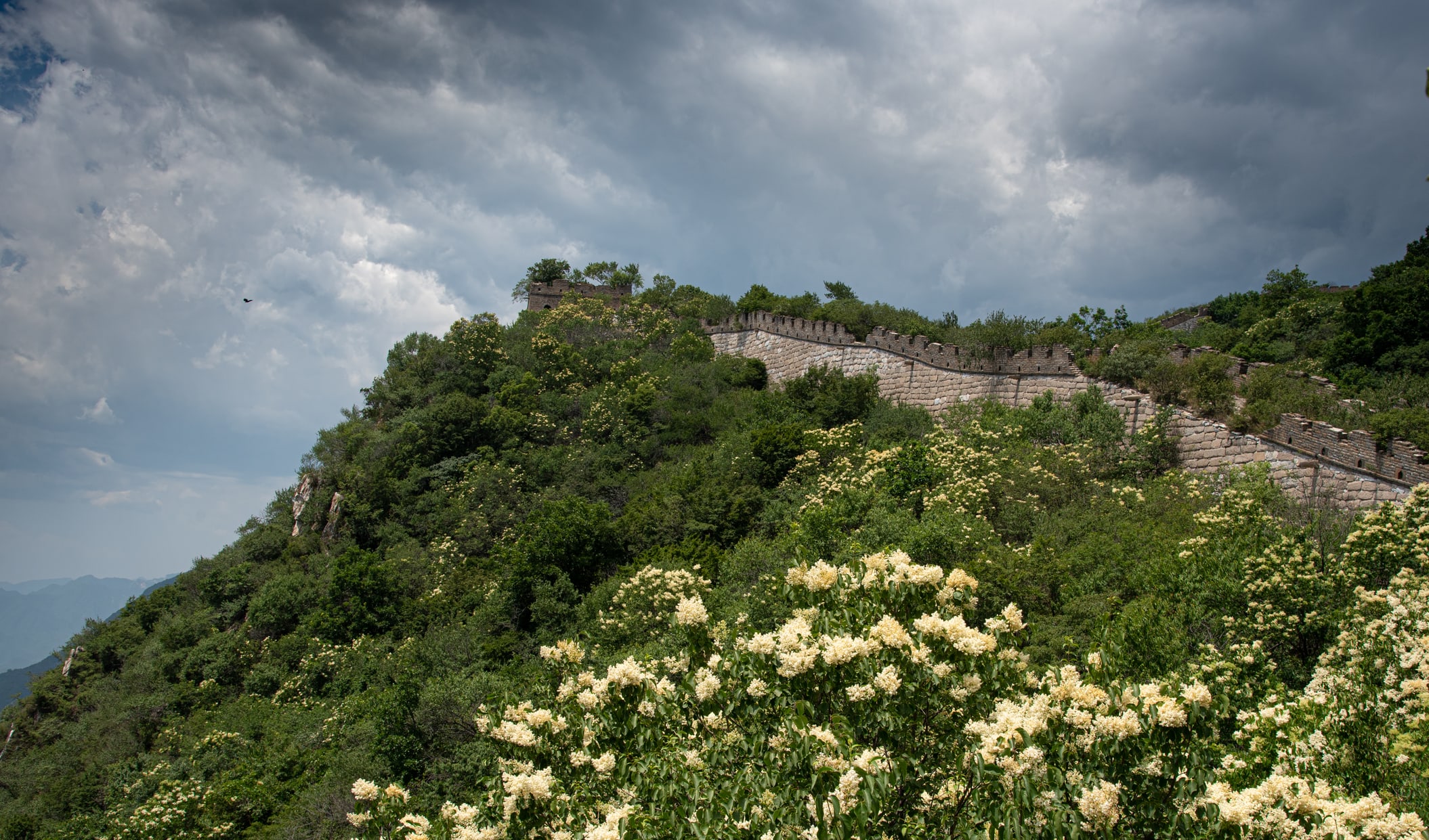
Best time to visit China at a glance
If you need a quick answer, use these broad guidelines:
- March to May suits gardens, city walks, cultural touring and many parts of Yunnan.
- June to August suits high mountain areas, long daylight hours and summer landscapes, but heat, humidity and rain affect many cities.
- September to November suits classic multi-city routes, hiking, photography and much of northern and western China.
- December to February suits winter scenery, quieter cultural sites and travellers who are prepared for cold conditions.
Spring and autumn are popular because they work across several regions. They also bring demand, particularly around public holidays and major festivals. If you prefer fewer people, travel in the shoulder weeks and avoid the busiest domestic holiday periods.
Understanding China's climate
China stretches from tropical coastlines to deserts, high plateaus and cold northern plains. A single national temperature is therefore not very helpful. Your itinerary may cross several climate zones in one trip.
Northern cities such as Beijing usually have cold, dry winters and hot summers. Eastern cities such as Shanghai have humid summers and cool, sometimes damp winters. Southern areas stay warmer for longer and can experience heavy rain. Yunnan is often described as mild, but Kunming, Dali and Shangri La sit at very different elevations. Xinjiang is dry and continental, while mountain weather can change quickly.
Altitude deserves special attention. Strong sunshine and cool air can occur together, and nights can feel much colder than daytime. If your route reaches Shangri La or another elevated destination, read the SoulTrips guide to preparing for travel at high altitude.
Spring in China: March to May
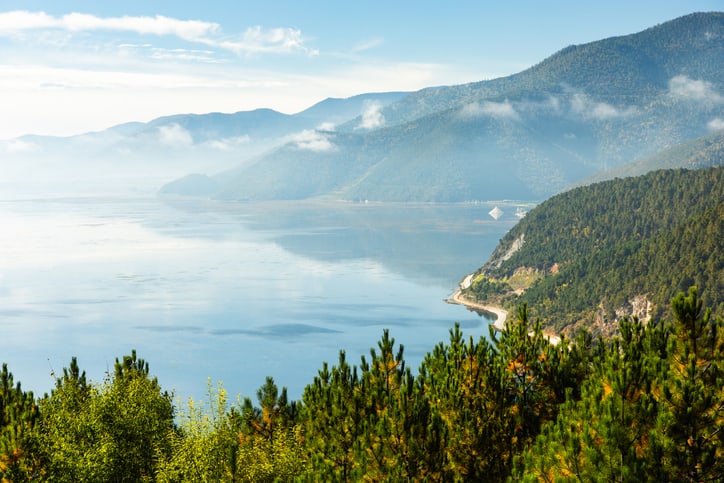
Spring is one of the most versatile seasons for a first journey. Temperatures generally rise, gardens return to colour and walking tours feel easier than in the peak of summer. The trade off is changeable weather. A warm afternoon may follow a cool morning, and rain becomes more frequent in parts of the south.
Beijing is often crisp early in the season and warmer by May. Xi'an follows a similar pattern, making spring comfortable for the city wall, museums and the Terracotta Warriors. Shanghai, Hangzhou and Suzhou can be fresh and attractive, although drizzle is possible. Pack a light waterproof layer and shoes that cope with wet paving.
Yunnan is particularly appealing in spring. Kunming is mild, Dali has clear mountain views on many days and Lijiang is comfortable for exploring on foot. Higher Shangri La remains cooler. The Grand Yunnan Journey shows how these places can be connected in a thoughtfully paced route.
Spring also works for Zhangjiajie if you enjoy atmospheric scenery. Mist can soften the sandstone pillars, while rain keeps the vegetation vivid. Visibility is never guaranteed, so allow more than one day in the area and keep the programme flexible.
Who will enjoy spring most?
Choose spring if you value gardens, comfortable city touring and landscapes beginning to turn green. It is also a strong season for photographers who enjoy soft light and occasional mist. Travellers who dislike variable weather may prefer the more settled part of autumn.
Summer in China: June to August

Summer is energetic, green and busy. It is also the season that requires the most deliberate planning. Beijing, Shanghai, Xi'an, Chengdu and many other cities can be hot. Humidity makes the heat feel stronger in the east and south, while showers and storms can interrupt outdoor plans.
This does not make summer a poor time to travel. Families often have more flexibility during school holidays, and many mountain or high latitude areas are at their most accessible. Yunnan's highland destinations can be cooler than lowland cities, although summer is also the wet season. Xinjiang offers long days and dramatic landscapes, with high daytime temperatures in some basins and cooler mountain areas.
Build each day around the conditions. Visit open sites early, take a slower lunch during the hottest hours and return outside later in the afternoon. Carry water, sun protection and a compact rain layer. Museums and indoor cultural sites are useful anchors when weather changes.
Heavy rain can affect roads, flights and scenic area operations. Coastal regions may also experience tropical weather systems. Keep some flexibility around important connections and follow local authority advice. The China Meteorological Administration is a primary source for national weather information, while your hotel or local guide can interpret conditions for a specific site.
Best summer choices
Summer works well for Yunnan, sections of the Silk Road and carefully paced family trips. It can also be rewarding for a Yangtze journey because much of the scenery is viewed from the comfort of a ship. Review the Yangtze Explorer luxury cruise for a current example.
Autumn in China: September to November
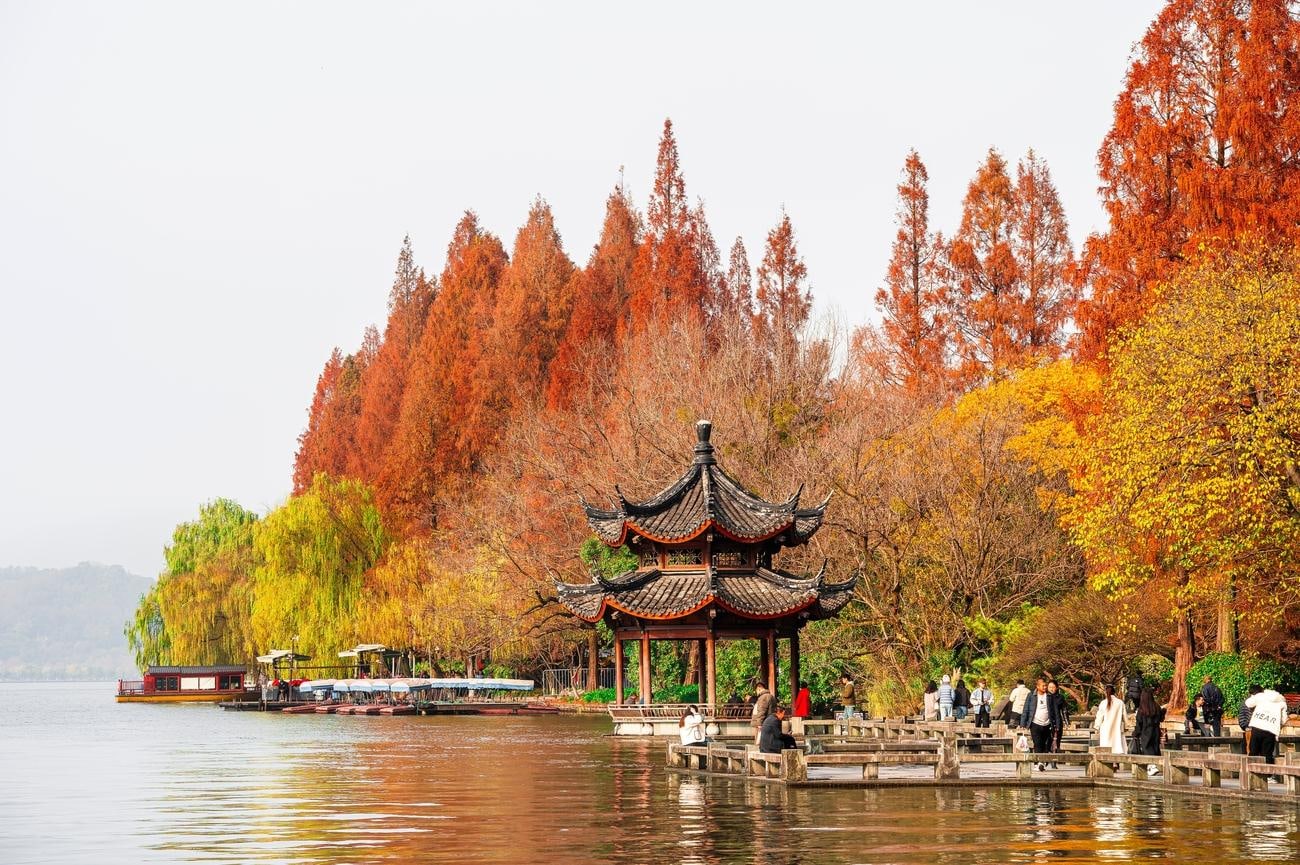
Autumn is often the best time to visit China for a broad first itinerary. Many destinations become cooler and less humid, skies can be clearer and foliage adds colour to parks and mountains. Beijing, Xi'an, Chengdu, Yunnan and Zhangjiajie can all fit comfortably into an autumn plan.
Early autumn may still feel summery in southern and eastern China. By November, northern mornings and evenings can be cold. Pack layers rather than assuming one wardrobe will suit the whole journey.
The main caution is the National Day holiday period in early October. Domestic travel rises sharply, transport and hotels become busy, and major attractions can feel crowded. If your dates overlap, reserve trains, flights, rooms and timed entry as early as booking rules allow. A private itinerary can improve logistics, but it cannot remove the wider holiday demand.
Later October and early November can offer an excellent balance once the peak movement eases. The north gains autumn colour, while Yunnan remains attractive. In Xinjiang, some high mountain routes begin to feel wintry, so local conditions matter.
Why autumn is so popular
Autumn supports a wide range of activities. You can walk the Great Wall, explore palace courtyards, hike in Zhangjiajie and enjoy outdoor markets without designing every hour around summer heat. It is also a natural fit for longer overland journeys. The Luxury Rail Expedition from Chengdu to Xinjiang illustrates the scale and variety of western China.
Winter in China: December to February
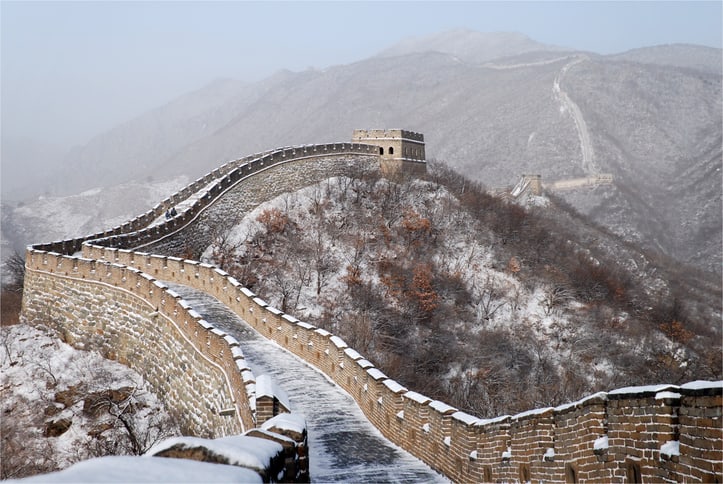
Winter rewards travellers who are comfortable with cold weather and want a quieter perspective. Beijing can be bright, dry and very cold. Xi'an is also cold, while Shanghai tends to feel damp. Yunnan offers milder lowland days, but nights and high areas remain chilly.
The benefits are real. Cultural sites may be calmer outside holiday periods, winter light can be clear, and snow transforms northern landscapes. Hotels in some cities may offer better value than in spring or autumn. Indoor heating standards vary by region and building, so check the hotel facilities rather than assuming.
The Spring Festival travel period is the major exception to quieter winter conditions. Dates vary each year, and transport demand becomes extremely high as people travel to be with family. Some independent businesses close or change their hours. If you want to experience festive traditions, plan far ahead and accept that logistics will be different.
Winter packing needs a warm outer layer, gloves, a hat and shoes with grip. Dry northern air can make moisturiser and lip balm useful. In the south, layers that handle cool damp conditions may feel more comfortable than one very heavy coat.
Best time for Beijing and Xi'an
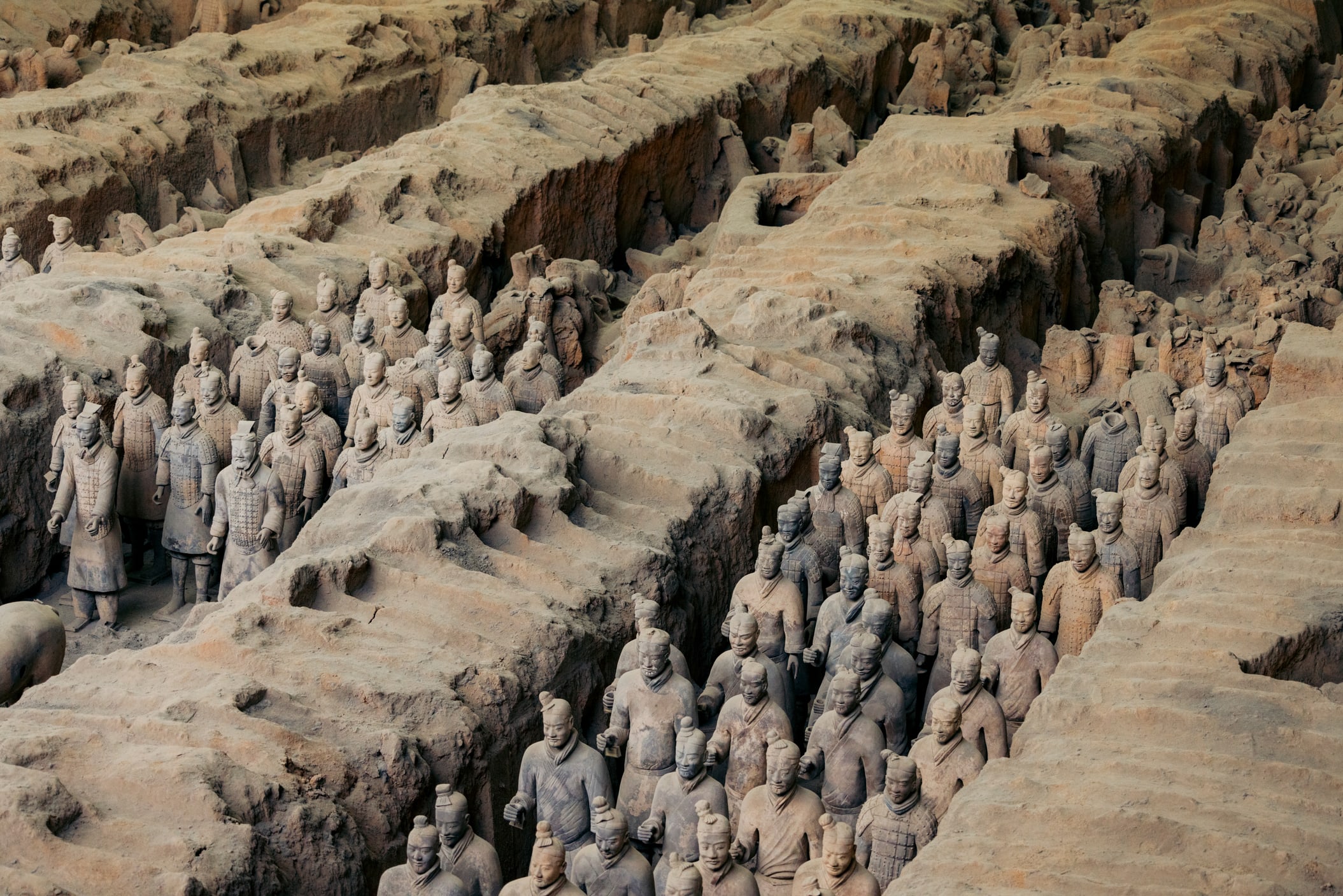
April, May, September and October are often comfortable for Beijing and Xi'an, outside peak holiday days. Spring brings blossom and gradually warmer afternoons. Autumn brings cooler air and attractive light. Both cities require substantial walking, so moderate temperatures make a meaningful difference.
Summer remains possible with early starts, shade breaks and indoor stops. Winter suits travellers who value quieter historical sites and can dress for freezing conditions. The Great Wall of China includes exposed ridges where wind can make the temperature feel lower than it does in the city.
Best time for Shanghai, Hangzhou and Suzhou
Spring and autumn generally suit the lower Yangtze region. Gardens, canals and waterfront walks are pleasant when temperatures are moderate. Late spring can become humid and wet, while summer brings heat, rain and possible storm disruption.
Winter is cooler and often damp. It is still a good cultural season if you plan museums, food experiences and shorter outdoor periods. A flexible daily schedule helps because rain may affect a garden visit more than a museum.
Best time for Yunnan
Yunnan can be visited throughout the year, but the best month depends on elevation. Kunming is relatively mild. Dali and Lijiang have stronger changes between sunny days and cool nights. Shangri La is higher, colder and more demanding.
Spring and autumn are reliable choices for a multi stop route. Summer is green and lively, with more rain. Winter can bring clear light and comfortable daytime touring in lower areas, while high destinations may be very cold. Check the exact route rather than relying on a Kunming forecast for the entire province.
Best time for Zhangjiajie
April to November offers the broadest range of conditions for Zhangjiajie. Spring and early summer bring greenery, rain and mist. Autumn can provide clearer views and cooler walking weather. Summer is busy and humid, while winter is cold and some paths may be affected by ice.
Cloud can hide the famous pillars, then lift suddenly. Give the landscape time. Two or three nights offer a better chance than a rushed day trip, and your guide can reorder cable cars, lifts and walking areas according to visibility.
Best time for Xinjiang
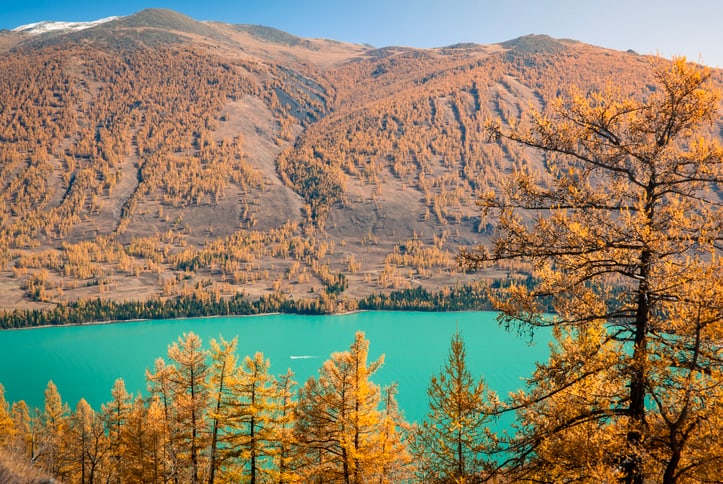
Xinjiang covers deserts, cities, grasslands and high mountains. Late spring to early autumn is the most practical window for many first visits, but conditions vary sharply. Summer can be very hot in lower basins, while mountain evenings stay cool. Autumn colour arrives at different times across the region.
Distances are large, so weather can affect more than comfort. It can influence road conditions and the time required between stops. Pack sun protection, warm layers and enough flexibility for local changes.
Best time for Chengdu and the Yangtze
Chengdu is humid and often cloudy. Spring and autumn are comfortable for teahouses, neighbourhood walks and a visit to the panda base. Summer is hot and wet, while winter is cool and damp rather than severely cold.
Cruise conditions on the Yangtze change through the year. Spring and autumn offer moderate temperatures. Summer brings heat and rainfall, while winter is quieter.
Best time for Chaoshan and southern China
Southern China stays warmer than the north, so cooler months can be ideal for food focused touring. Chaoshan combines historic streets, temples, coastal culture and a distinctive culinary tradition. Spring can be humid and wet, while summer is hot with possible tropical weather.
Autumn and early winter often make walking and dining more comfortable. The Authentic Chaoshan Heritage and Culture Journey provides a useful route reference.
Choosing your season by travel style
First journey to China
Choose April, May, September or later October for a classic Beijing, Xi'an and Shanghai route. These months generally reduce weather extremes. Avoid major holiday weeks if possible.
Nature and photography
Spring suits blossom, fresh greenery and mist. Autumn suits clearer light, foliage and comfortable hiking. Summer delivers lush scenery but requires tolerance for rain and heat.
Food and culture
Every season works because city culture and dining are not dependent on perfect weather. Cooler months can make market walks and regional meals more enjoyable, especially in the south.
Families
School holiday dates may make summer the practical choice. Plan shorter outdoor blocks, early visits and hotels with easy transport access. If dates are flexible, late spring or early autumn can be gentler.
Luxury rail and slow travel
Spring and autumn are strong for longer journeys because you cross several climate zones. A comfortable train reduces packing and transfer stress, but you still need layers for excursions.
Crowds, holidays and booking lead time
China's domestic travel market is enormous. National holiday periods affect trains, flights, hotels and timed attraction tickets. National Day in early October and the variable Spring Festival period are the biggest planning concerns. Shorter holidays can also create regional demand.
Check the official public holiday calendar for your travel year. Book long distance transport and sought after hotels as soon as reservations open. Popular sites may require passport details for timed entry. The SoulTrips advice on how far in advance to book an international trip can help you set a sensible timeline.
What to pack for each season
Layering is the safest approach because routes often cross climates.
- Spring: light knitwear, waterproof jacket, compact umbrella and comfortable shoes.
- Summer: breathable clothing, sun protection, refillable bottle and rain layer.
- Autumn: light layers, warmer evening piece and practical walking shoes.
- Winter: insulated coat, thermal layers, gloves, hat and shoes with grip.
Carry any essential medicine in your hand luggage and keep prescriptions in original packaging. A small day bag is useful for water, tissues, power bank and changing layers.
Frequently asked questions
-
What is the best month to visit China?
April, May, September and later October work well for many classic routes. The best month still depends on the regions you plan to combine and your tolerance for heat, cold or rain.
-
Is October a good time to visit China?
October can be excellent after the National Day holiday rush. Early October is extremely busy in many places, so choose later dates if you can and check the current holiday calendar.
-
Is China too hot in summer?
Many eastern and central cities are hot and humid in summer, but higher areas can be comfortable. Early starts, indoor breaks and a route that includes Yunnan or mountain regions can make summer travel rewarding.
-
Does China have a rainy season?
Rain patterns differ by region, but late spring and summer are wetter in much of the south and east. Short intense showers are common, and tropical systems can affect coastal areas.
-
When is the best time to visit Beijing?
Spring and autumn usually offer the best balance for walking and historical sites. Winter is quieter but cold, while summer is hot and busy.
-
When is the best time to visit Yunnan?
Spring and autumn are comfortable for a route through Kunming, Dali and Lijiang. Summer is green but wetter, and higher Shangri La requires warm layers in every season.
-
When is the best time to visit Zhangjiajie?
Spring and autumn are popular for greenery, mist or clearer walking conditions. Allow enough time for visibility to change because cloud is part of the mountain environment.
-
When should I avoid travelling in China?
Avoid major national holiday periods if crowds and transport pressure would reduce your enjoyment. There is no universally bad month when the route and clothing suit the conditions.
-
How far ahead should I book China?
Book earlier for spring, autumn, school holidays and special rail or cruise departures. Attractions and trains may release inventory closer to travel, but hotels and international flights can be secured earlier.
-
Do I need different clothes for one China trip?
Probably, especially on a long route. A journey from humid Chengdu to dry Xinjiang or from Kunming to high Shangri La needs layers that can handle large changes.
Plan your China journey with confidence
The best time to visit China is the season that fits your chosen regions, pace and interests. Spring and autumn are the easiest starting points, but summer and winter can be equally memorable with the right route. Focus on local climate rather than a national average, avoid peak holiday pressure where possible and leave some flexibility for changing conditions.
If you would like help matching your dates to Beijing, Yunnan, Zhangjiajie, Xinjiang or the Yangtze, use Plan My Trip or contact SoulTrips. A well timed itinerary should feel comfortable, realistic and shaped around what you genuinely want to experience.