By Soul Trips · Updated on 24 September, 2026
China Itinerary: 7, 10 and 16 Day Routes for First Time Visitors
A good China itinerary gives you contrast without making every day a race. China is large enough to fill many journeys, so the key is choosing a clear route and leaving room for the places themselves. Seven days works for two main centres. Ten days supports a classic first visit. Sixteen days opens the door to a deeper regional journey such as Chengdu to Xinjiang.
This guide offers practical frameworks rather than rigid packages. Train and flight schedules change, attractions may use timed entry, and your preferred pace matters. Use the routes as a starting point, then compare them with the SoulTrips China destination guide and current China journeys.
How to build a China itinerary that feels comfortable
Start with three questions. Which experiences matter most? How much walking feels enjoyable? How many hotel changes are you willing to make?
First time visitors often try to include Beijing, Xi'an, Shanghai, Chengdu, Zhangjiajie and Yunnan in one short holiday. The map can make this look possible, but transfers involve packing, station security, passport checks, traffic and hotel arrival. A route with fewer bases usually creates more meaningful time.
Use these principles:
- Stay at least three nights in Beijing if the Great Wall is important.
- Allow two nights in Xi'an for the Terracotta Warriors and the city itself.
- Treat a transfer as part of the day, even on a fast train.
- Avoid consecutive one night stays unless the route truly requires them.
- Add a buffer before your international departure.
- Build around climate and public holidays, not only annual leave.
- Discuss steps, altitude and walking distances before booking.
Seven day China itinerary: Beijing and Xi'an
This focused route is the most sensible first visit when you have one week. It combines the imperial capital, the Great Wall, the Terracotta Warriors and two distinct food cultures. High speed rail links the cities without an airport transfer.
Day 1: Arrive in Beijing
Meet your driver and settle into the hotel. Keep the first evening gentle after the flight. A short neighbourhood walk and an early dinner are enough.
Choose a hotel near a convenient central area rather than selecting only by room size. Beijing traffic and long attraction approaches can turn a poorly located property into lost time.
Day 2: Tiananmen area and the Forbidden City
Begin with Beijing's imperial heart. Security and timed admission can require patience, so carry your passport and travel light. A guide adds context to the courtyards, halls and symbolism of the Forbidden City.
Continue to Jingshan Park if time and energy allow. The hill provides a useful view over the palace roofs. End with a relaxed meal rather than another large attraction.
Day 3: Temple of Heaven and local Beijing
Visit the Temple of Heaven in the morning, when the surrounding park is lively with local exercise and social activity. Spend the afternoon exploring hutong lanes, a market or a museum according to your interests.
This day balances monumental history with ordinary city life. A small group food walk can introduce dishes beyond the most familiar restaurant menus.
Day 4: The Great Wall
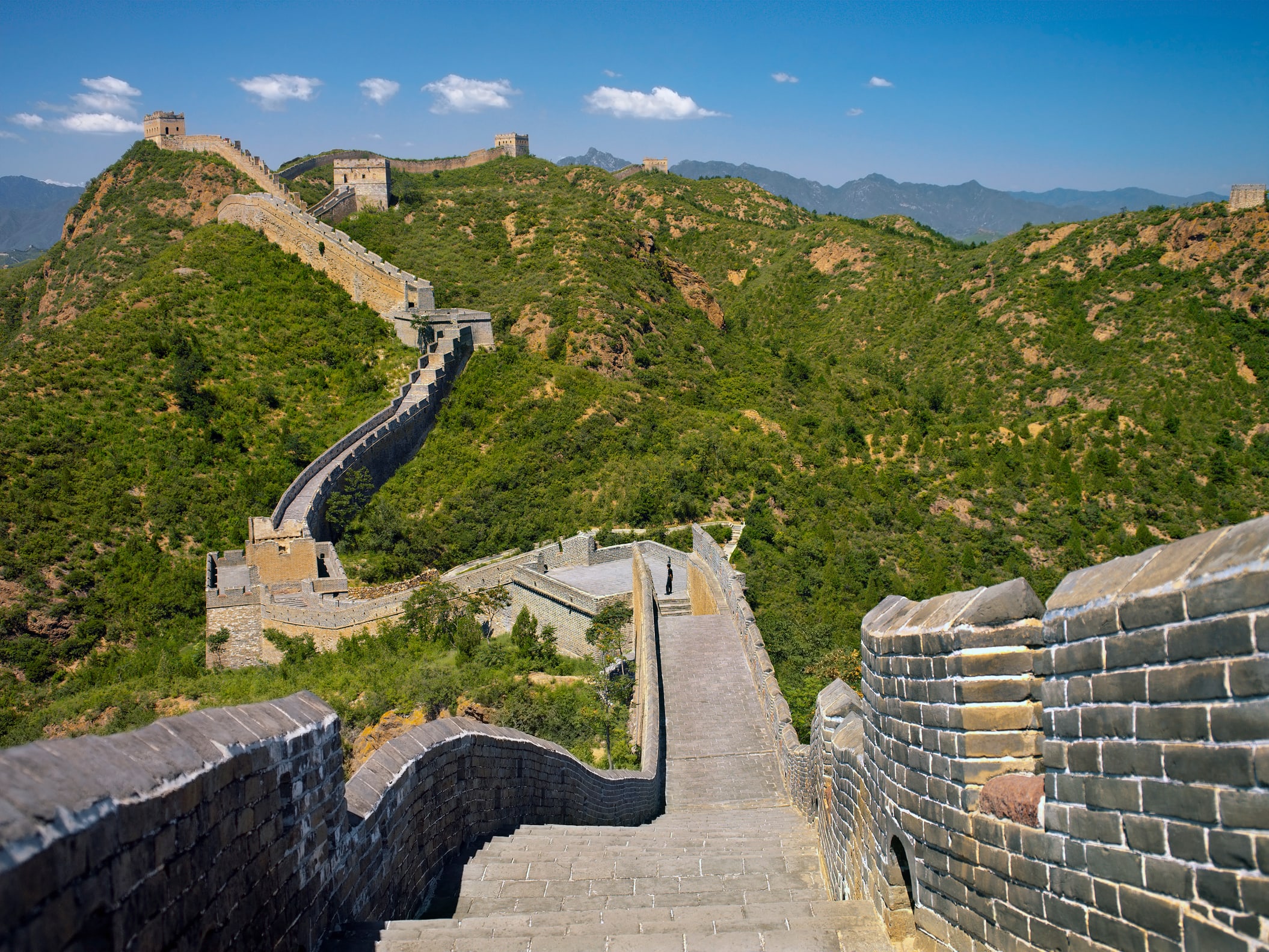
Devote a full day to the Great Wall. Choose the section according to fitness, scenery and expected visitor levels. Some sections have cable cars, but uneven steps and exposed ridges remain.
The wall system is recognised by UNESCO for its extraordinary scale and historical importance. Wear shoes with grip, bring water and dress for wind as well as the city forecast.
Day 5: High speed rail to Xi'an
Transfer to the station with ample time for security and boarding. The rail journey lets you see the landscape change while avoiding airport procedures. On arrival, check in and explore the city centre at an easy pace.
If energy allows, walk part of the city wall or enjoy an evening food experience around the Muslim Quarter. Do not force both into the schedule after a travel day.
Day 6: Terracotta Warriors and Xi'an
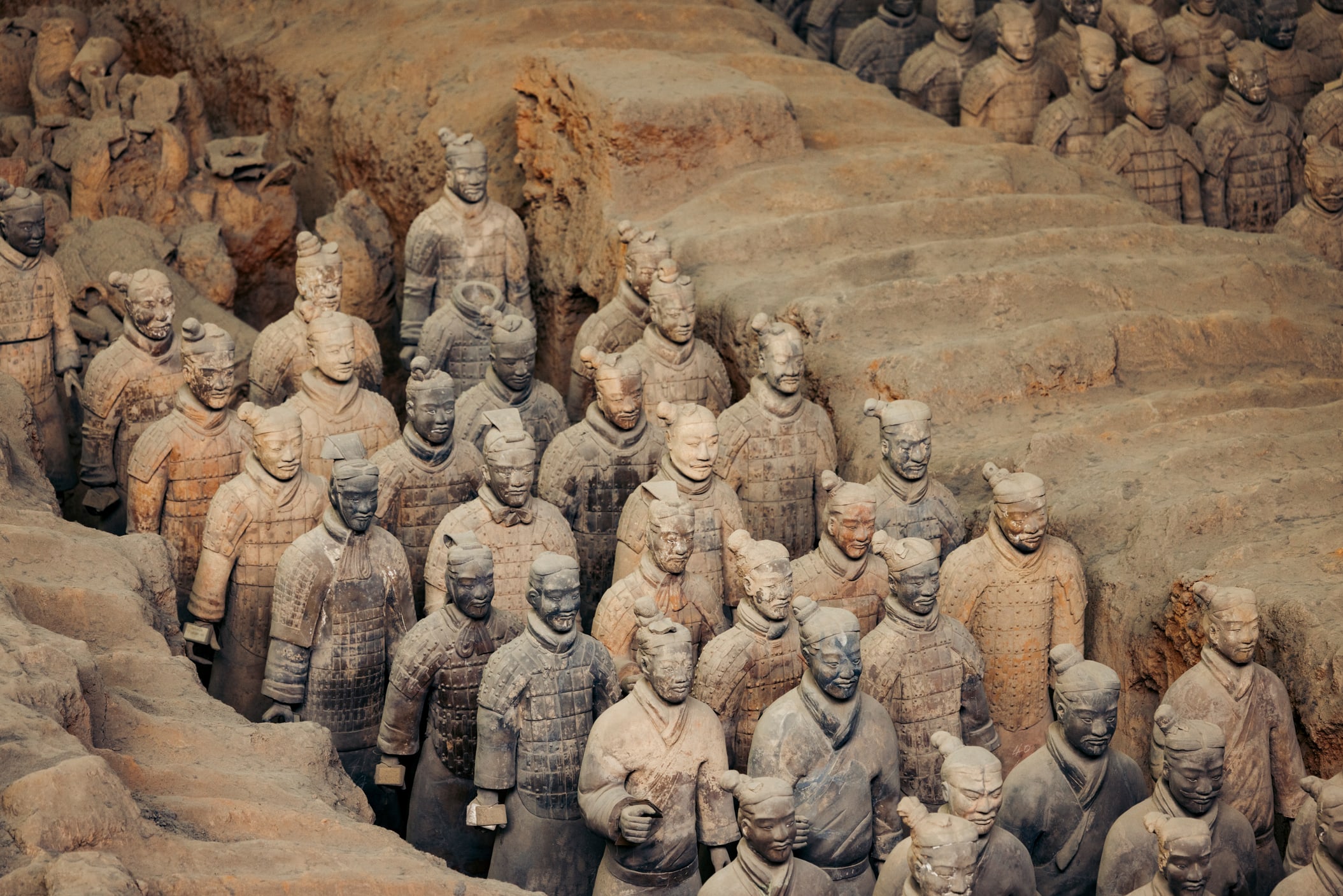
Visit the Terracotta Warriors with a guide who can explain the excavation, restoration and Qin dynasty context. Return to Xi'an for the Great Mosque area, city walls or a museum.
The site is large and popular. An early start can improve the experience, but admission arrangements should be confirmed for your date.
Day 7: Depart Xi'an
Use the morning for a final walk or a speciality breakfast before your onward flight. A direct international route may not suit every date, so some journeys connect through another Chinese hub.
Is seven days enough?
Seven days is enough for a rewarding introduction when you limit the route to Beijing and Xi'an. Adding Shanghai creates a fast three city checklist with little flexibility. If Shanghai is essential, consider an open jaw flight and accept that one city will receive less time.
Alternative seven day itinerary: Chaoshan
Travellers who have already seen Beijing may prefer one culturally focused region. Chaoshan in eastern Guangdong offers Teochew cuisine, ancestral halls, old towns, temples and tea traditions. Fewer long transfers mean more time with local specialists.
The Authentic Chaoshan Heritage and Culture Journey is designed as a complete seven day programme. It is particularly meaningful for international travellers with family or linguistic connections to the region.
Ten day China itinerary: Beijing, Xi'an and Shanghai
Ten days is the classic first time route. It links China's imperial capital, the Terracotta Warriors and the country's most cosmopolitan city. High speed rail can connect all three, which makes the sequence clear and efficient.
Days 1 to 4: Beijing
Follow the Beijing framework from the seven day route. Use the arrival day gently, then give separate days to the Forbidden City, local city culture and the Great Wall.
With four nights, you have time for a museum, an evening performance or a quieter palace garden. The added space reduces the temptation to rush several major sites into one day.
Days 5 and 6: Xi'an
Travel to Xi'an by high speed rail on day five. Spend the evening around the historic centre. Visit the Terracotta Warriors on day six, followed by the city wall or food lanes.
Two nights work well when the train arrives early enough. Add a third if archaeology, museums or food are central interests.
Day 7: Travel to Shanghai
Take the train or a domestic flight according to current schedules and your preferred departure time. Rail is comfortable and city centre based, but the journey is long. Flying can be faster in the air, though airport transfers and procedures reduce the difference.
Check in and take an evening walk along the Bund. Avoid a fixed dinner booking too close to arrival in case the transfer runs late.
Day 8: Historic and contemporary Shanghai
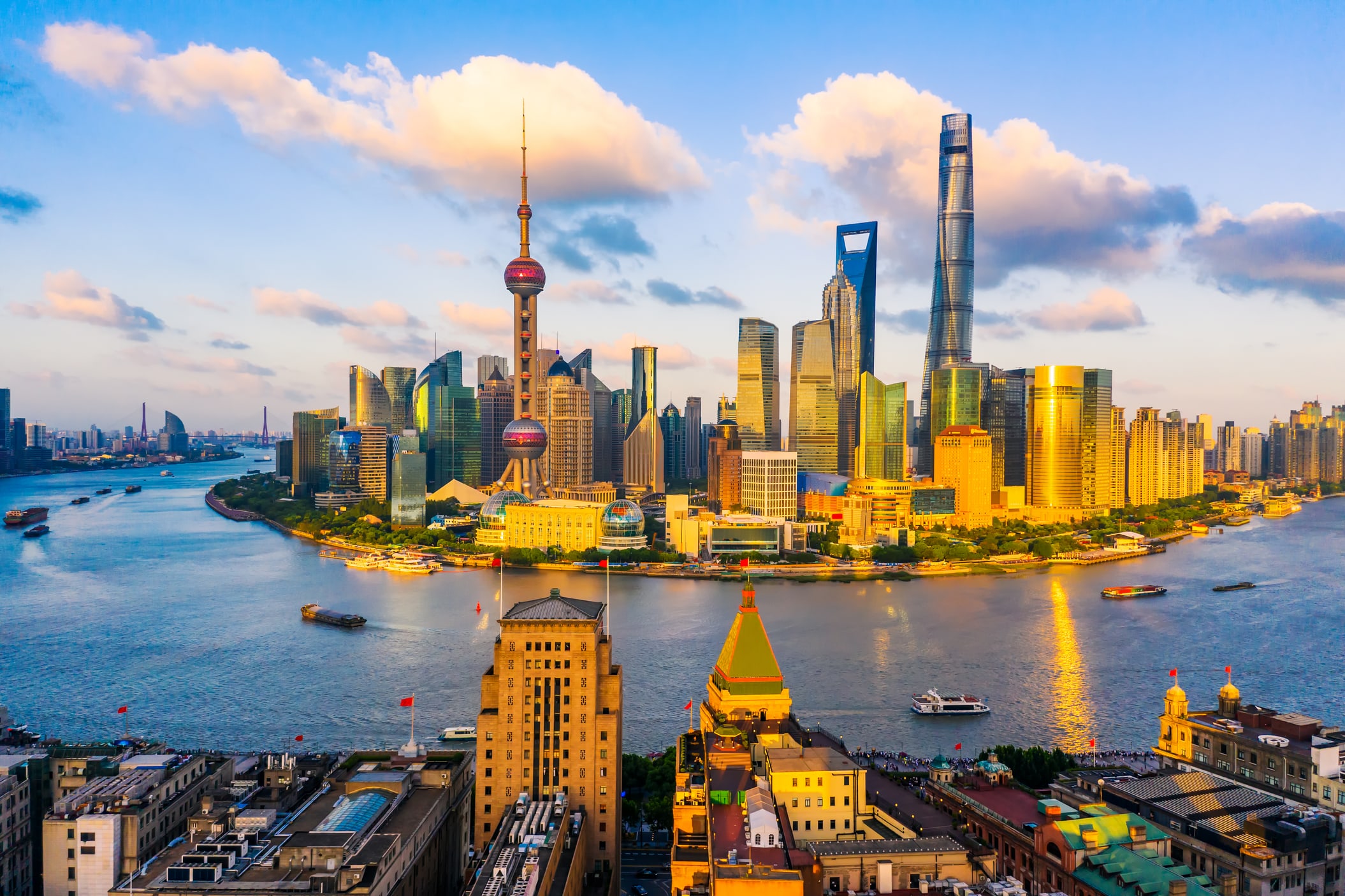
Explore the Bund, former concession streets and one or two museums or galleries. Cross the river for skyline views if that interests you, then return for neighbourhood dining.
Shanghai rewards contrast. A private guide can help connect architecture, migration, commerce and daily life rather than treating the city as a collection of photo stops.
Day 9: Suzhou or Hangzhou
Choose one day trip. Suzhou is known for classical gardens and canals. Hangzhou centres on West Lake and tea culture. Both are reached by fast train, but station transfers and timed tickets need planning.
You can also remain in Shanghai for a slower final day. This is often the better choice after an active week.
Day 10: Depart Shanghai
Keep the day simple and allow plenty of time for the airport. Shanghai has more than one major airport, so confirm the terminal and transfer time carefully.
Who should choose this route?
This itinerary suits first time visitors who want history, food, fast rail and modern city life. It involves significant walking and three hotel bases. Families and older travellers can enjoy it with private transfers and fewer evening commitments.
Alternative ten day itinerary: Beijing, Chengdu and Zhangjiajie
This route replaces Shanghai with pandas, Sichuan culture and dramatic nature. It suits travellers who want more variety in landscape and food.
Spend four nights in Beijing, two or three in Chengdu and three in Zhangjiajie. Domestic flights may be more practical than rail for at least one long segment.
In Zhangjiajie, allow two full park days. Weather can hide the sandstone pillars, and a flexible guide can change the order of viewpoints. Discuss steps and cable car access if mobility is a concern.
Alternative ten day itinerary: Yunnan
A regional Yunnan route offers a slower and more immersive first trip. Start in Kunming, continue to Dali and Lijiang, then add Shangri La only if the group is comfortable with altitude.
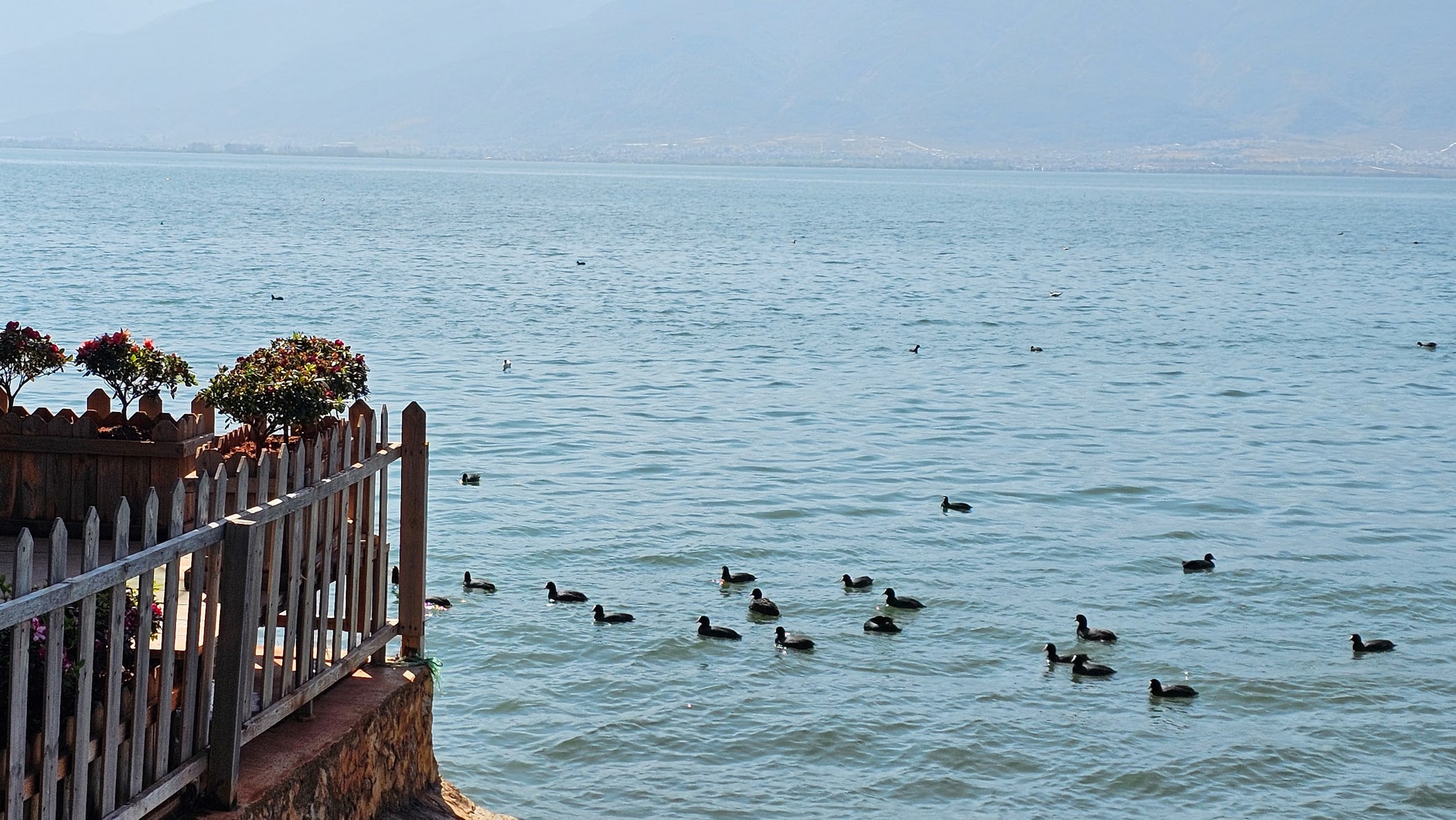
A suggested rhythm is two nights in Kunming, three in Dali, three in Lijiang and two in Shangri La. Actual transport schedules may change the balance. The Grand Yunnan Journey uses twelve days for a fuller version, which shows why ten days still requires choices.
Do not underestimate elevation. Move gradually, avoid an exhausting first day at altitude and read the guide to preparing for high altitude.
Sixteen day China itinerary: Chengdu to Xinjiang by luxury rail
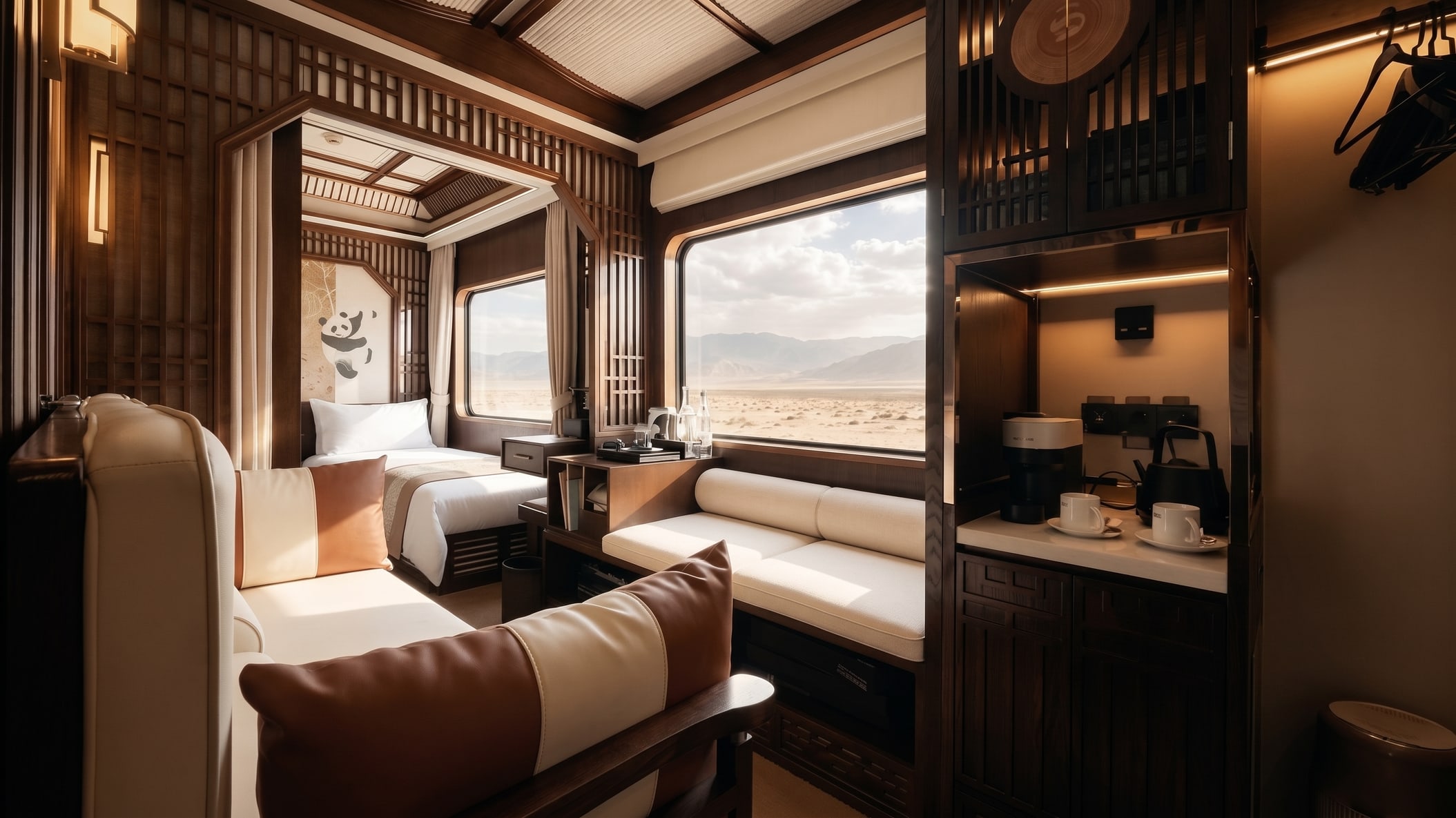
Sixteen days make a genuinely different style of journey possible. Instead of adding more eastern cities, you can travel west from Chengdu towards Xinjiang and experience China's scale from a comfortable train.
The exact stops, departure dates and excursions vary by programme. The live Luxury Rail Expedition from Chengdu to Xinjiang should be treated as the current source. The following outline explains the rhythm rather than replacing the confirmed itinerary.
Days 1 to 3: Chengdu

Begin with pandas, tea houses and Sichuan food. An early visit to the panda base gives the best chance of active animals. Spend time in a park or historic street, and let the first days ease you into the journey.
Chengdu is also useful for understanding the cultural shift ahead. Western China is not one landscape or one identity, and a good guide introduces the connections carefully.
Days 4 to 6: Board the train and move west
Settle into the cabin and learn the daily pattern of meals, briefings, scenery and excursions. Luxury rail works best when the train is part of the experience, not simply transport.
Pack a small excursion bag so you do not need to reorganise luggage each day. Keep your passport, medicine, water and changing layers close.
Days 7 to 10: Silk Road heritage
The middle section may include historic trading centres, Buddhist art, desert landscapes and archaeological sites according to the confirmed route. Excursions can involve walking, steps and dry conditions.
Listen for the connections between trade, religion, art and food rather than viewing each stop in isolation. This is where the longer itinerary begins to feel coherent.
Days 11 to 14: Enter Xinjiang

Xinjiang brings vast distances, desert basins and mountain horizons. Daytime heat and cool evenings can occur on the same journey. Security procedures and access rules may affect timing, so flexibility is essential.
An organised train reduces repeated hotel changes and keeps the logistical framework together. Local guides remain vital because language, history and regional conditions vary.
Days 15 and 16: Final experiences and departure
Use the final days for the last major excursion and onward travel from the confirmed endpoint. Avoid booking a separate international connection with an unsafe margin. Weather or operational changes can alter the arrival time.
Who will enjoy a luxury rail journey?
This route suits travellers who enjoy slow travel, landscapes and the social rhythm of a train. It is not ideal for anyone who wants complete daily independence or dislikes structured excursions. Cabin size, dining arrangements and walking demands should be reviewed before booking.
Adding a Yangtze cruise
A river cruise can replace Shanghai or sit between Chengdu and an eastern city on a longer itinerary. It reduces hotel changes and introduces the Three Gorges at a gentler pace.
Compare cabin category, excursion inclusions and embarkation points on the Yangtze Explorer luxury cruise. Current sailing details matter more than a generic route map.
Train, flight or private touring?
High speed rail is ideal between Beijing, Xi'an, Shanghai and many eastern cities. Stations are often closer to city centres than airports, and the journey gives you a view of the country. Tickets are linked to passport details and popular services can sell quickly.
Domestic flights make sense for long distances such as eastern China to Yunnan or Xinjiang. Allow for airport transfers, security and possible weather delays.
Private vehicles are most useful for airport and station transfers, day trips and regions where attractions sit beyond the rail network. A dedicated guide and driver also make it easier to adjust the day for weather or energy.
Choosing hotels for your route
Location is often more valuable than a larger room far outside the centre. In Beijing, consider the distance to historic areas. In Shanghai, choose between Bund access, former concession neighbourhoods and convenient transport. In Yunnan, check both character and vehicle access because some old town hotels require a walk with luggage.
Ask for the exact property or a clearly defined alternative. Confirm breakfast hours when early departures are planned and check lift access if stairs are difficult.
Pacing a China itinerary for families
Plan one main attraction each morning and leave room for a relaxed afternoon. Children may enjoy the Great Wall, pandas and trains, but long museum sequences can be tiring. Food preferences and bathroom breaks should be built into travel days.
Private touring gives families flexibility. It also helps when passport based ticketing, busy stations and language differences add friction.
Pacing for older travellers and limited mobility
China's historic sites can involve long approaches, uneven paving and many steps. Ask for honest walking estimates. Cable cars and lifts help in places such as Zhangjiajie and some Great Wall sections, but they do not always remove every stair.
Choose consecutive nights, later starts and centrally located hotels. A slower itinerary is not a lesser one. It often provides more time for conversation, food and local detail.
Booking and seasonal considerations
Spring and autumn are popular for classic routes. Summer is hot and wet in many cities, while winter is cold in the north. National Day travel in early October and the variable Spring Festival period create exceptional domestic demand.
Check the public holiday calendar for your year and review how far in advance to book an international trip. Special rail departures and distinctive hotels may require earlier commitment than standard city rooms.
Frequently asked questions
-
Is seven days enough for China?
Yes, if you focus on Beijing and Xi'an or one region. Seven days is too short for a comfortable nationwide highlights tour.
-
What is the best China itinerary for first time visitors?
Beijing, Xi'an and Shanghai over ten days is the classic choice. It combines history, rail travel, food and modern city life without excessive geographic spread.
-
Should I use trains or flights in China?
Use high speed rail between well connected eastern cities and flights for very long distances. The best route often combines both.
-
How many nights do I need in Beijing?
Four nights work well for an arrival day, two city days and the Great Wall. Add another night if museums or a slower pace matter.
-
Can I include Yunnan in ten days?
Yes, but treat Yunnan as the main journey. Focus on two or three bases rather than adding it to Beijing and Shanghai.
-
Is Zhangjiajie suitable for older travellers?
It can be with careful planning. Cable cars and lifts reduce some effort, but steps and uneven paths remain, so discuss exact mobility needs.
-
What is the best route for food lovers?
Chengdu and Chaoshan are outstanding regional choices. Xi'an and Shanghai add very different flavours and can fit a classic first route.
-
Do I need a guide in China?
Independent travel is possible, but a guide makes timed admission, language, history and transport transitions much easier. Private guiding is especially valuable on a short trip.
-
How much luggage should I take?
Travel light enough to manage stations and hotel changes. One main case and a small day bag are usually more practical than several pieces.
-
Can SoulTrips customise these routes?
Yes. The route can be adjusted for pace, hotel style, interests, mobility and preferred dates, subject to current availability and local rules.
Create the right China itinerary for you
The strongest China itinerary is not the one with the most cities. It is the one that gives you enough time to understand each place. Seven days suits Beijing and Xi'an, ten days creates a balanced classic route, and sixteen days allows a memorable rail journey into western China.
Share your dates and priorities through Plan My Trip, or contact SoulTrips. Thoughtful pacing will give you better stories, easier logistics and a journey that feels truly yours.