By Soul Trips · Updated on 24 September, 2026
Best Places to Visit in China: Beijing, Yunnan, Zhangjiajie and Xinjiang
The best places to visit in China depend on the kind of journey you want. Beijing gives you imperial history and the Great Wall. Yunnan combines old towns, highland culture and mountain landscapes. Zhangjiajie offers extraordinary sandstone pillars, while Xinjiang opens a vast world of Silk Road cities, desert and high mountains.
China is too large for a rushed checklist. A satisfying first trip usually combines two or three regions and gives each enough time. Fast trains and domestic flights make ambitious routes possible, but travel days still take energy. The most memorable itineraries balance famous landmarks with neighbourhood walks, local food and unhurried encounters.
Use this guide to choose your priorities, then explore the SoulTrips China destination guide and current China tours for route ideas.
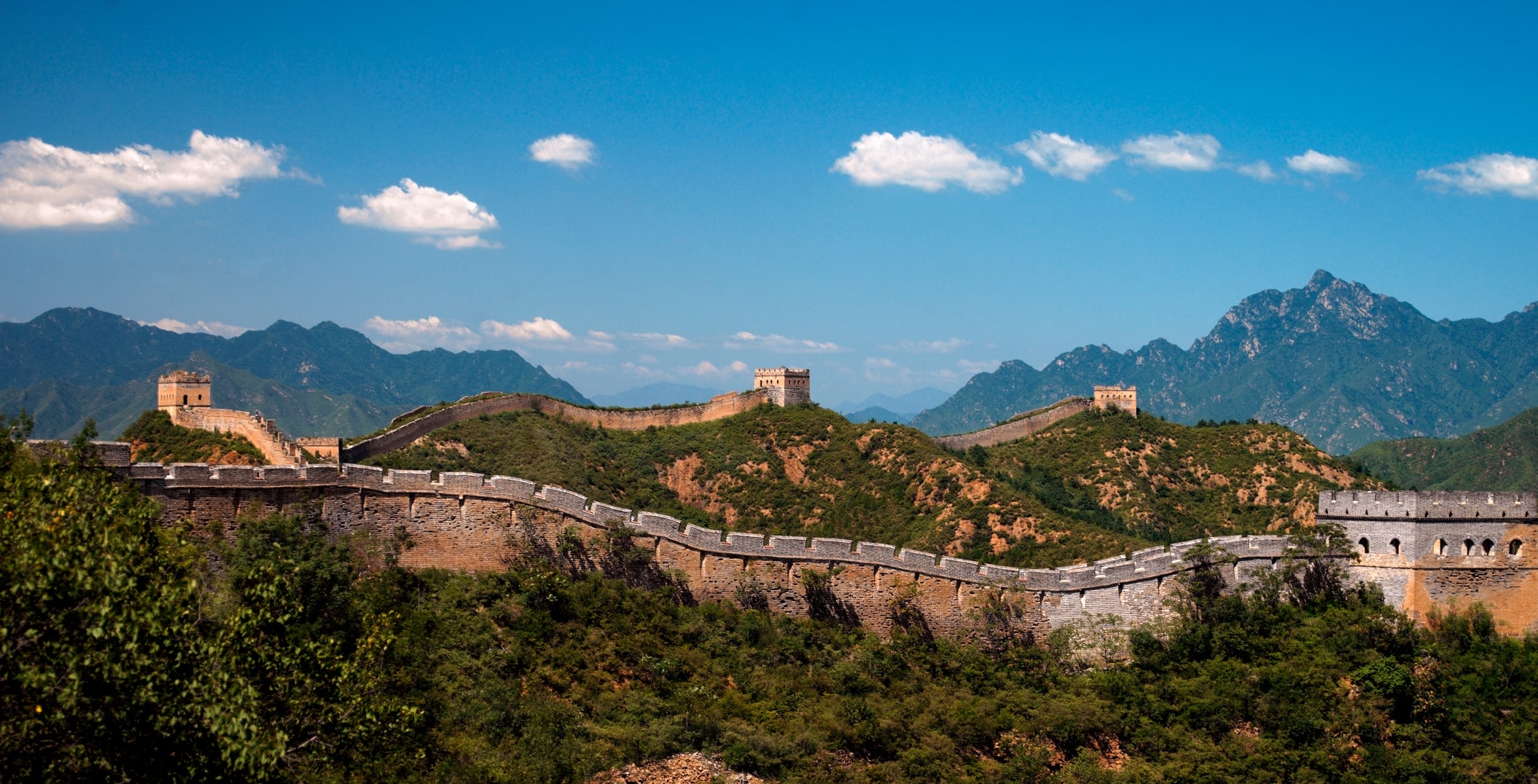
Places to visit in China at a glance
Choose destinations according to your main interests:
- Beijing for imperial history, the Great Wall and national museums.
- Xi'an for the Terracotta Warriors, city walls and Silk Road history.
- Shanghai for contemporary energy, architecture and easy day trips.
- Chengdu for pandas, teahouses and Sichuan food.
- Yunnan for highland scenery, old towns and cultural diversity.
- Zhangjiajie for dramatic pillars, forest walks and cable car views.
- Guilin and Yangshuo for limestone peaks, rivers and rural landscapes.
- The Yangtze for a relaxed journey through the Three Gorges.
- Xinjiang for Silk Road heritage, deserts, lakes and immense scale.
- Chaoshan for food, clan history, temples and living heritage.
There is no need to see all of them at once. A focused seven or ten day trip often feels richer than a rapid journey across five provinces.
Beijing: China's essential historic capital
Beijing is the natural starting point for many first visits. The city brings together monumental history and everyday life. You can walk through palace courtyards in the Forbidden City, see the Temple of Heaven, explore hutong lanes and spend an evening trying regional dishes.
The Great Wall is the defining excursion. Several restored sections can be reached from Beijing, each with different scenery, walking difficulty and visitor levels. The Great Wall forms part of a vast defensive system recognised by UNESCO. Choose a section that suits your mobility and appetite for steps rather than selecting only by fame.
Beijing deserves at least three full days, with another day if museums are important. Major sites can require timed entry linked to passport details. Public transport is extensive, but a private guide can reduce friction when booking rules, security checks and long walking distances complicate the day.
Who will love Beijing?
Beijing suits first time visitors, history enthusiasts, families with older children and travellers who want a clear introduction to Chinese culture. It is less relaxing for anyone who dislikes large cities or long walks, so pair it with a slower destination.
Xi'an: warriors, walls and Silk Road stories
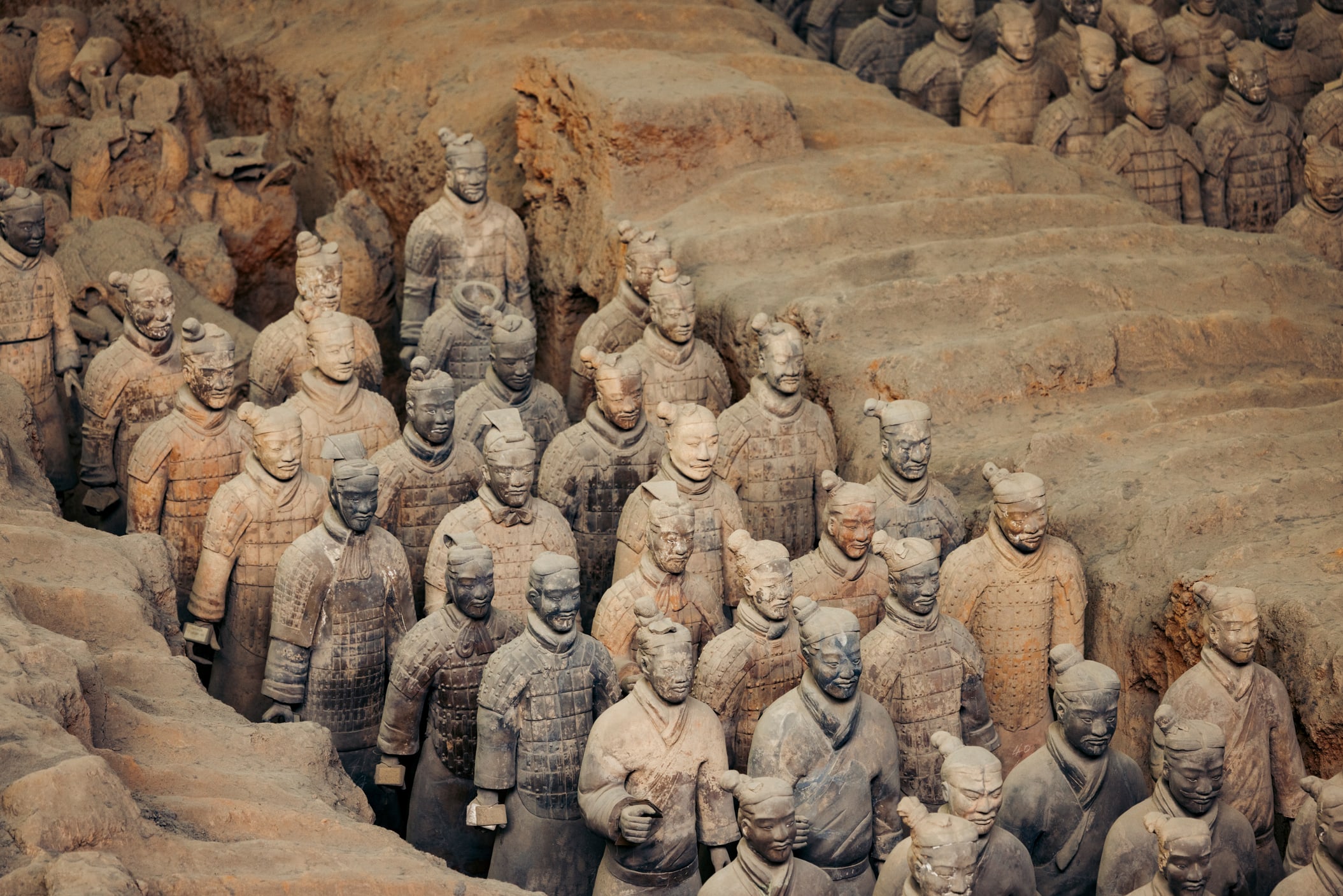
Xi'an was the eastern end of the ancient Silk Road and the capital of several dynasties. Its most famous attraction is the Terracotta Army, created for the mausoleum of Qin Shi Huang. The scale and detail are best understood with a knowledgeable guide who can explain the archaeological context.
Within the city, the walls form a striking boundary around the historic centre. The Muslim Quarter and surrounding lanes reflect centuries of movement, trade and cultural exchange. Food is a major pleasure, with noodles, dumplings, flatbreads and lamb dishes offering a different flavour profile from Beijing or Shanghai.
Two full days can cover the main sights, though an extra day allows a calmer pace. Xi'an connects well with Beijing and other cities by high speed rail. The official China Railway 12306 site provides current ticket information for foreign travellers using valid passports.
Shanghai, Suzhou and Hangzhou: city energy and elegant gardens
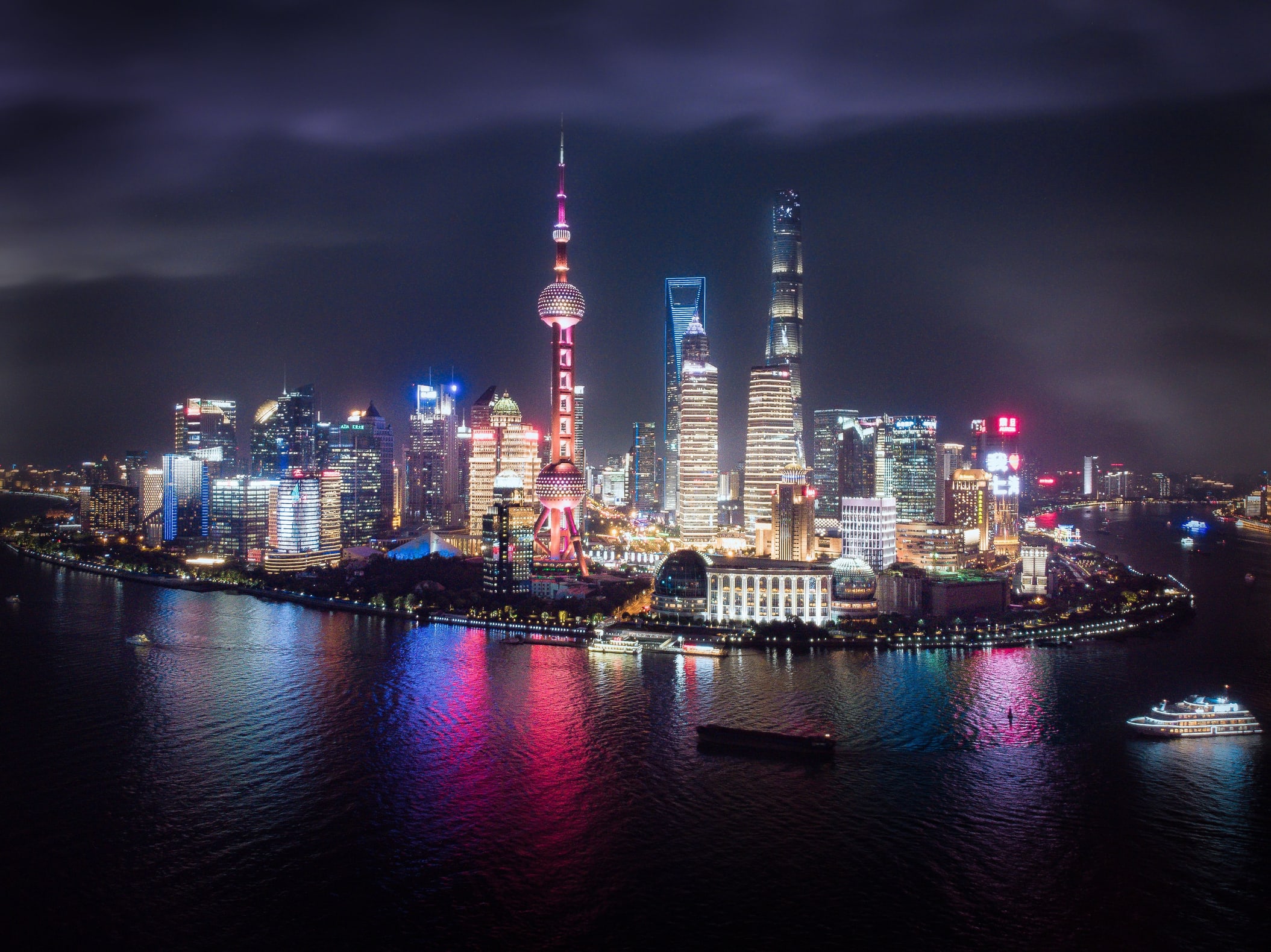
Shanghai shows a modern face of China. The Bund frames historic waterfront architecture, while Pudong's skyline expresses the city's commercial confidence. Former concession streets, contemporary galleries and excellent dining add more intimate layers.
Shanghai is also a useful base for the lower Yangtze region. Suzhou is known for classical gardens and canals. Hangzhou centres on West Lake, tea culture and landscaped paths. Fast rail makes day trips possible, although an overnight stay creates more space after daytime crowds leave.
This cluster suits travellers who enjoy design, food, city life and refined landscapes. It also works well as the final stop because international connections are extensive and the hotels can provide a comfortable pause after a busy route.
Chengdu: pandas, teahouses and Sichuan flavour

Chengdu moves at a more relaxed rhythm than Beijing or Shanghai. Parks and teahouses reveal as much about the city as formal monuments. Sichuan cuisine brings bold flavours, but the region also offers subtle dishes, snacks and tea culture beyond intense chilli.
The Chengdu Research Base of Giant Panda Breeding is the best known attraction. The official panda base ticket guidance advises advance online booking, with onsite availability not guaranteed. Go early because pandas are often more active in the cooler morning.
Chengdu can anchor a western route or serve as the starting point for a rail journey towards Xinjiang. Spend at least two days in the city if you want both pandas and neighbourhood time.
Explore 8D7N Wonders of Chengdu and Jiuzhaigou Tour
Yunnan: varied landscapes and cultures
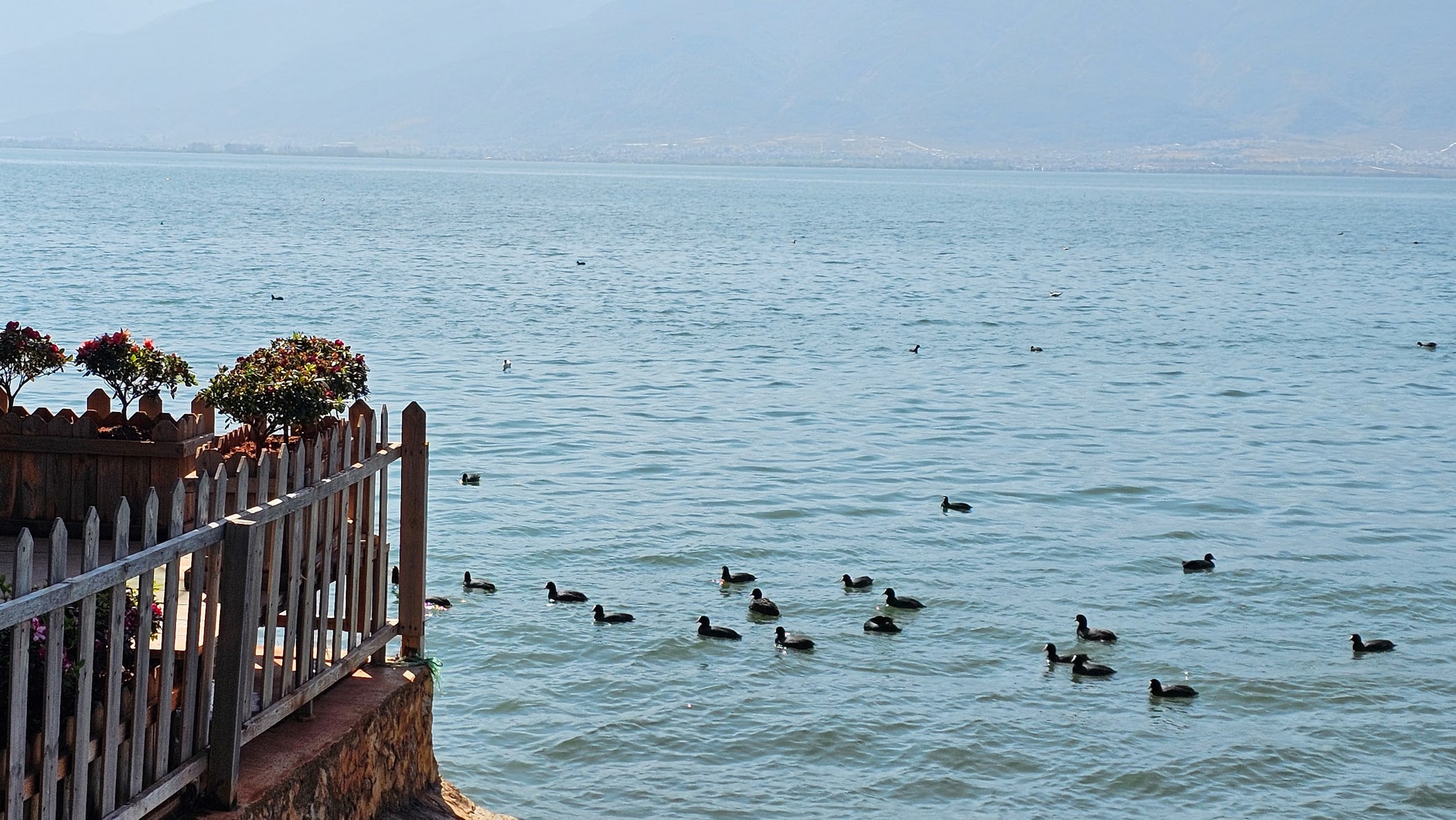
Yunnan is one of China's most rewarding regions for a slower journey. Kunming, Dali, Lijiang and Shangri La offer distinct settings rather than variations on the same theme.
Kunming is a practical gateway with a mild climate and strong food culture. Dali pairs Erhai Lake with Bai heritage and views towards the Cangshan mountains. Lijiang has a beautiful old town and access to dramatic peaks, although popular lanes become busy. Shangri La sits much higher, with Tibetan cultural influences, monasteries and broad highland scenery.
Altitude increases as you travel north. Build in rest, drink water and avoid treating the route as a race. The SoulTrips advice on preparing for high altitude is useful before Shangri La.
The Grand Yunnan Journey gives this region enough time. It is a strong choice for travellers who like landscapes, local markets, architecture and cultural depth.
How long to spend in Yunnan
Allow at least a week for two or three stops. Ten to twelve days supports the classic route towards Shangri La without turning every second day into a transfer. If you have only four or five days, focus on Kunming and Dali or Lijiang rather than trying to cover the whole province.
Zhangjiajie: sandstone pillars and forested peaks
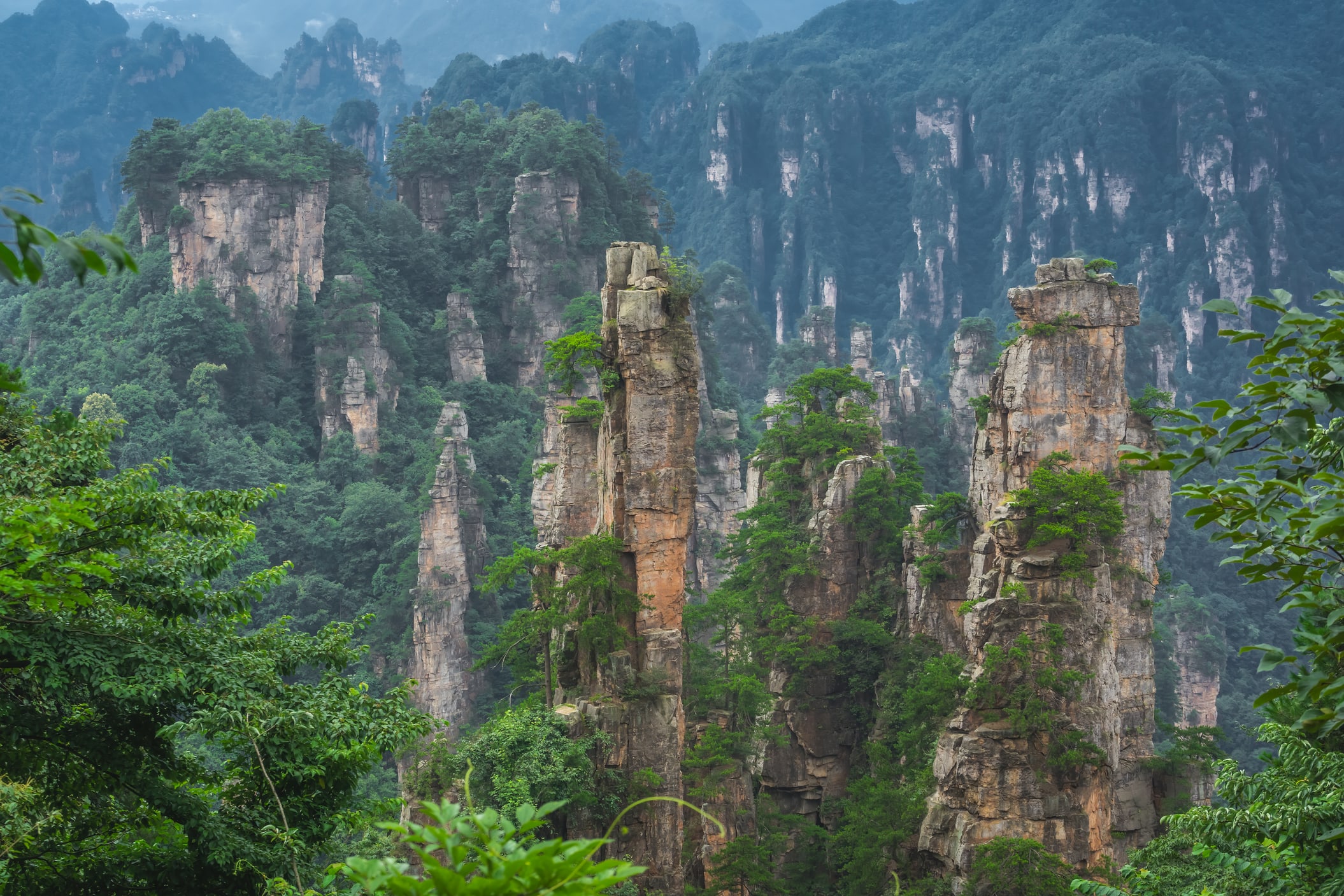
Zhangjiajie is one of China's most distinctive natural destinations. The wider Wulingyuan area is recognised by UNESCO for thousands of sandstone pillars, ravines, forests, caves and waterfalls.
The scenery is accessed through a network of park buses, cable cars, lifts and walking trails. Some viewpoints require many steps, while others are more accessible with mechanical transport. Weather changes the mood. Mist can hide the pillars completely, then reveal them in dramatic layers.
Stay at least two or three nights. A single rushed day gives little flexibility for cloud, rain or queues. Your guide can choose the best zone according to visibility and visitor patterns.
Zhangjiajie suits nature lovers, photographers and active families. It may be challenging for travellers with limited mobility unless the route is carefully adapted. Discuss walking distances, steps and cable car access before confirming.
Guilin and Yangshuo: rivers and limestone peaks
Guilin and Yangshuo present a softer landscape of rivers, villages and karst peaks. A Li River journey is the classic introduction, but the countryside becomes more personal on a quiet road, short walk or small boat away from the busiest stops.
Yangshuo has developed into an active visitor centre with cafés, performances and outdoor activities. Rural stays outside town provide a calmer experience. This region combines well with Guangzhou or another southern gateway.
Spring and autumn usually offer comfortable conditions. Summer is green and humid, with heavy rain possible. Allow two or three nights if you want more than the main river excursion.
The Yangtze and Three Gorges: a slower perspective
A Yangtze cruise gives you a break from constant packing and road transfers. The Three Gorges combine steep scenery with engineering, towns and changing river life. Excursions vary by operator and water conditions, so compare the ship, cabin, route and included shore visits.
The Yangtze Explorer luxury cruise shows how several days can balance scenery, cultural activities and relaxed shipboard time. A cruise works well after Beijing or Chengdu, especially for travellers who want a gentler middle section.
Check current embarkation points and schedules because river operations can change. Arrive in the departure city with enough margin for flight or train disruption.
Xinjiang: Silk Road cities and immense landscapes

Xinjiang feels vast even by Chinese standards. It includes desert basins, historic trading cities, high mountain lakes, grasslands and long distances between centres. A meaningful visit requires time and realistic expectations.
Urumqi is a practical gateway. Turpan offers desert landscapes, ancient irrigation history and Silk Road sites. Kashgar brings old city lanes, markets and a strong Central Asian atmosphere. Mountain routes reveal a completely different environment, with cool nights even when lower places are hot.
Travel conditions, access requirements and local regulations can change. Use an experienced operator, carry your passport and follow current official advice. Build flexibility into the programme rather than treating each road segment as fixed.
The Luxury Rail Expedition from Chengdu to Xinjiang provides a comfortable way to experience the scale of western China. It suits travellers who enjoy the journey itself and prefer fewer hotel changes.
Chaoshan: living heritage and exceptional food
Chaoshan in eastern Guangdong is a rewarding choice for repeat visitors and food lovers. The region is known for refined Teochew cuisine, tea traditions, ancestral halls, temples, historic settlements and craft heritage.
This is not a trip built around one famous monument. Its pleasure lies in understanding how food, family, trade and ritual connect. A local guide adds considerable value by opening up details that can be easy to miss.
The Authentic Chaoshan Heritage and Culture Journey is a focused regional programme. It can also suit Singapore travellers with family or cultural ties to Teochew heritage.
Explore 7D6N Chaoshan Heritage Tour
Tibet and other high plateau regions
Tibet offers monasteries, sacred landscapes and profound cultural encounters, but it requires additional planning. Foreign visitors generally need permits and organised arrangements beyond a standard China entry permission. Rules and access can change, so use a qualified operator and verify requirements before paying.
Altitude is a serious consideration. A gradual approach, medical advice where appropriate and a conservative first few days are essential. Tibet should not be added casually to an already rushed itinerary.
Best places in China for first time visitors
A classic first route combines Beijing, Xi'an and Shanghai. It gives you imperial history, the Terracotta Warriors, high speed rail and modern city life. Seven days is tight, while ten days feels more balanced.
If landscapes matter more than Shanghai, replace it with Zhangjiajie or part of Yunnan. If food and relaxed city culture appeal, add Chengdu. The right choice depends on your interests, not a universal list.
Best places for nature
Yunnan, Zhangjiajie, Guilin and Xinjiang offer very different natural experiences. Yunnan combines lakes, mountains and highlands. Zhangjiajie focuses on vertical sandstone scenery. Guilin is softer and river based. Xinjiang offers the greatest scale and climatic contrast.
Choose one major nature region unless you have more than two weeks. This reduces backtracking and gives you flexibility for weather.
Best places for food
Chengdu is a clear favourite for Sichuan cuisine and teahouse culture. Chaoshan offers precise seafood cookery, braised dishes and gongfu tea. Xi'an brings noodles and Silk Road flavours. Shanghai offers both local specialities and broad contemporary dining.
Food experiences become more meaningful with market visits, neighbourhood restaurants and a guide who can explain regional customs. Tell your planner about allergies and dietary restrictions early.
Best places for families
Beijing offers recognisable landmarks, Chengdu has pandas, and Shanghai is easy to navigate with a wide range of hotels. Zhangjiajie can excite older children who enjoy cable cars and walking. Yunnan works well for families who appreciate slower travel.
Keep daily plans focused. One major sight plus a relaxed neighbourhood or food experience is often better than three large attractions. Check height, age and health rules for adventure activities.
Best places for repeat visitors
Repeat travellers can look beyond the classic triangle towards Yunnan, Chaoshan, Xinjiang, the Yangtze and lesser known sections of the Silk Road. A regional journey reveals connections that a nationwide highlights trip cannot.
Slow travel also creates room for craft workshops, village visits and meals in family run settings. These experiences often become the strongest memories.
How to combine China's destinations
Seven days
Choose Beijing and Xi'an, or focus entirely on one region such as Chaoshan. Adding Shanghai is possible but creates a fast pace.
Ten days
Combine Beijing, Xi'an and Shanghai, or Beijing with Chengdu and Zhangjiajie. Another option is a focused Yunnan route through Kunming, Dali and Lijiang.
Sixteen days
A longer journey can link Chengdu with Xinjiang, add a Yangtze cruise or explore Yunnan at a measured pace. The extra time should reduce rushing, not simply add more stops.
Practical planning for China
China's major attractions may require advance reservations and passport details. Trains use real name ticketing, and your passport serves as the key travel document. Keep the same passport from booking through travel.
Use official sources such as China Railway 12306 for rail information and the government Visit China hub for current visitor guidance. Entry rules, attraction procedures and regional access can change.
Consider the time of year, physical demands and transfer length before confirming. The SoulTrips article on how far in advance to book provides a sensible planning framework.
Frequently asked questions
-
What are the best places to visit in China for a first trip?
Beijing, Xi'an and Shanghai form the classic introduction. Add Chengdu, Zhangjiajie or Yunnan if you have more time or prefer food and nature.
-
How many days do I need in China?
Ten days gives a useful first overview without excessive rushing. Seven days can cover two main destinations, while sixteen days supports a deeper regional journey.
-
Is Yunnan worth visiting?
Yes, especially if you enjoy mountains, old towns, regional culture and a slower pace. Allow enough time for elevation changes and road or rail transfers.
-
How long should I stay in Zhangjiajie?
Two or three nights give you flexibility for weather and queues. One day is possible but leaves little room when clouds hide the main viewpoints.
-
Is Xinjiang suitable for a first visit to China?
It can be, especially on an organised rail journey, but the distances and logistics are more demanding. Many travellers prefer a classic eastern route first.
-
Which Chinese city is best for food?
Chengdu is outstanding for Sichuan food, while Chaoshan offers refined Teochew cuisine. Xi'an and Shanghai provide very different but equally rewarding food cultures.
-
Can I visit the Great Wall as a day trip?
Yes, several sections are accessible from Beijing. Choose according to walking difficulty, scenery and expected crowds, and start early.
-
Are China's attractions accessible for limited mobility?
Accessibility varies greatly. Modern museums and city sites may be straightforward, while old towns, walls and mountain areas involve steps. Ask for a route designed around your exact needs.
-
Should I travel by train or domestic flight?
High speed rail is excellent between many eastern cities, while flights save time over very long distances. A good itinerary uses both according to the route.
-
Can I combine China with Hong Kong?
Yes, but Hong Kong has separate immigration arrangements. Check current entry requirements for both places and allow enough transfer time.
Choose the places to visit in China that suit you
The most rewarding places to visit in China are the ones that reflect your interests and give you time to engage. Beijing and Xi'an tell national stories. Yunnan and Zhangjiajie bring dramatic landscapes. Chengdu and Chaoshan invite you into regional food culture, while Xinjiang reveals the scale of the Silk Road.
Share your preferred pace, season and travel style through Plan My Trip, or contact SoulTrips. A carefully chosen route will feel coherent, comfortable and personal rather than simply long.