By Soul Trips · Updated on 25 September, 2026
How to Get to China from Singapore: Flights, Connections and Travel Time
Travelling from Singapore to China is easier than the country's size might suggest. Direct flights link Singapore with major Chinese gateways, while one stop routes and domestic connections open up Yunnan, Zhangjiajie, Xinjiang and other regions. Your best flight is not always the cheapest one. Arrival airport, onward transfer and ticket protection can make a larger difference to the whole journey.
For a first visit, Beijing, Shanghai, Guangzhou, Chengdu or Kunming can be practical entry points, depending on your itinerary. Flight schedules change by season, so use this guide to compare the route logic, then confirm live services with your airline and Changi Airport before booking.
You can match the gateway to your preferred route through the SoulTrips China destination guide and current China journeys.
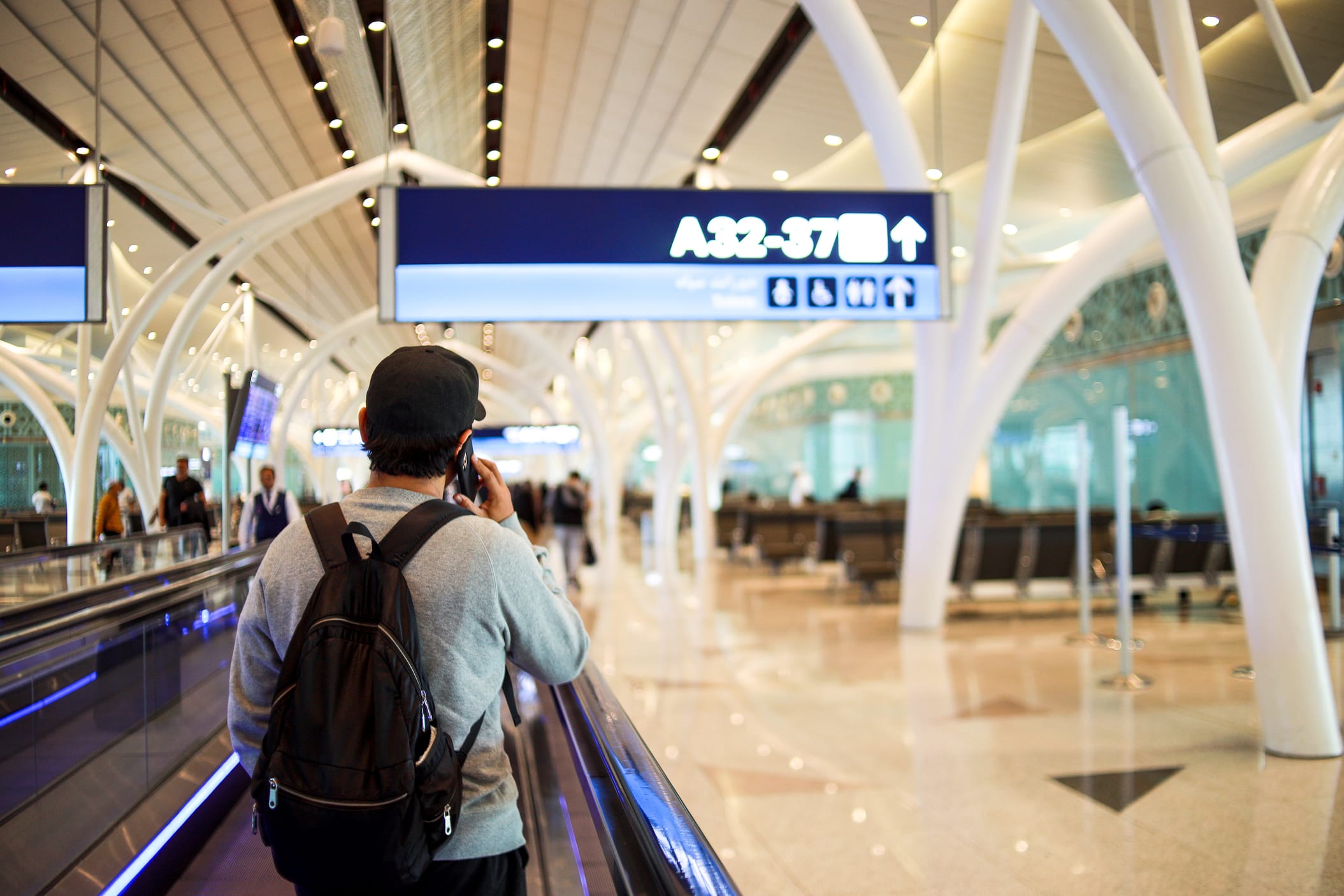
Singapore to China at a glance
The shortest route is usually a nonstop flight into the city where your tour begins. Approximate flying time varies by destination and wind, but many southern gateways are reached in roughly four to five hours. Beijing and other northern cities generally take longer. These are planning estimates, not scheduled times.
Use the following framework:
- Beijing for a classic northern route and the Great Wall.
- Shanghai for eastern China, Suzhou, Hangzhou and international connections.
- Guangzhou or Shenzhen for southern China and onward rail travel.
- Chengdu for Sichuan, pandas and western rail journeys.
- Kunming for Yunnan.
- A one stop itinerary for smaller cities when no convenient direct flight operates.
Check the complete elapsed time, not only the time in the air. Airport transfers, immigration, baggage collection and domestic connections can add several hours.
Direct flights from Singapore to China

Direct services operate between Singapore and several Chinese cities, but the exact network and frequency change. Singapore Airlines, Scoot and Chinese carriers may serve different gateways according to season and commercial demand. Confirm the current timetable on the official airline website rather than relying on an old route list.
Useful airline sources include Singapore Airlines, Scoot, Air China, China Eastern Airlines, China Southern Airlines and XiamenAir. A route shown in a search engine may not operate every day.
Direct flights reduce missed connection risk and make baggage handling simpler. They are particularly helpful for families, older travellers and anyone beginning a tour the morning after arrival. A slightly higher fare may be worthwhile if it removes a long transit or overnight hotel.
Flying from Singapore to Beijing
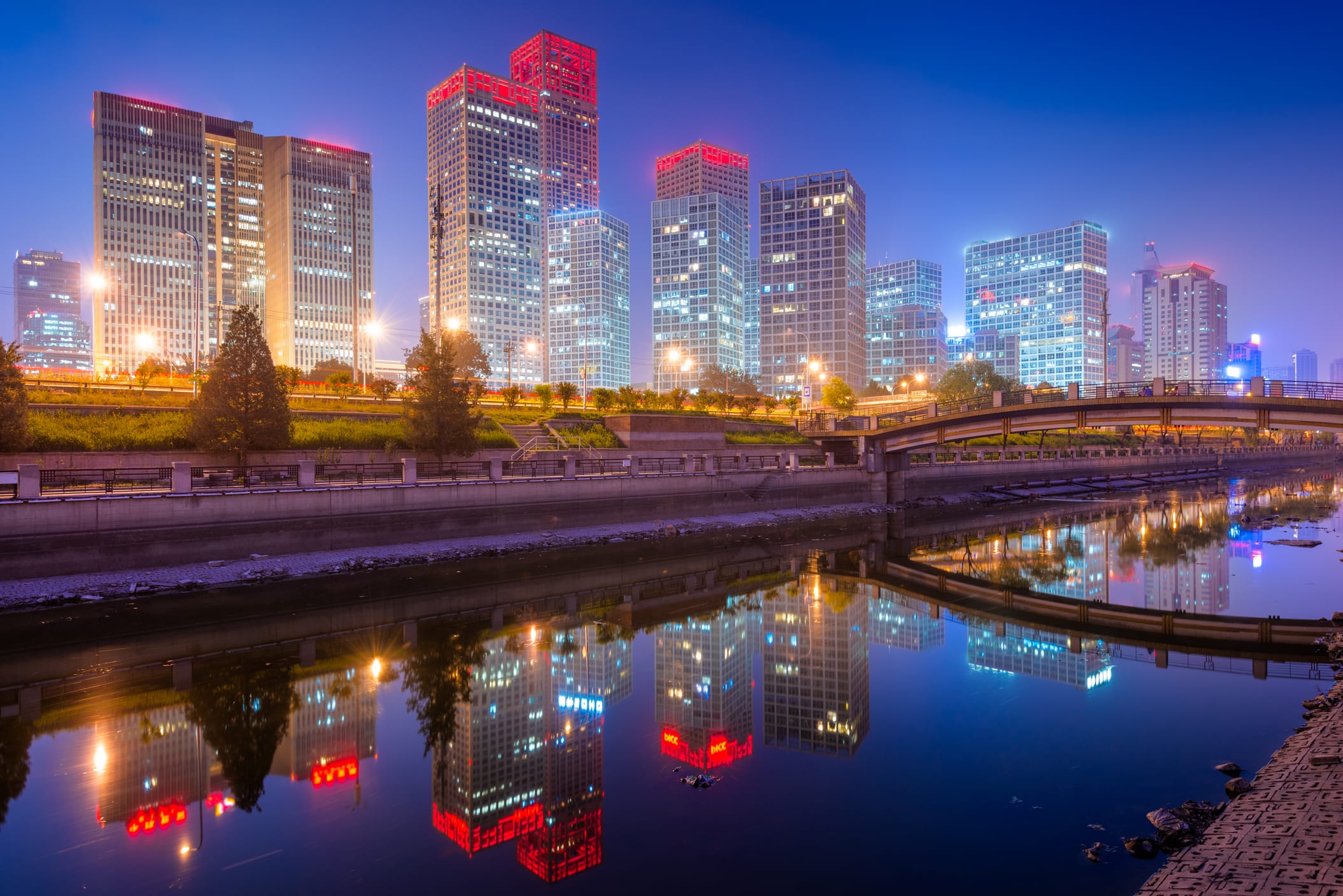
Beijing is the strongest gateway for a classic first journey focused on imperial history and the Great Wall. The capital has two large airports, Beijing Capital International Airport and Beijing Daxing International Airport. Confirm the airport code because they are far apart and require different transfers.
A nonstop flight generally takes around six hours, depending on the published service and operating conditions. Build time for immigration and a potentially long walk through the terminal. Private transfers are useful after an overnight or early morning arrival.
Beijing combines naturally with Xi'an and Shanghai by high speed rail. If your holiday ends in Shanghai, an open jaw ticket into Beijing and home from Shanghai can save backtracking.
Flying from Singapore to Shanghai

Shanghai is a practical gateway for eastern China and a comfortable final stop. Most international services use Shanghai Pudong International Airport. Shanghai Hongqiao Airport mainly supports domestic and regional travel and sits close to a major high speed rail station.
The nonstop flight from Singapore usually takes about five to six hours. Check your arrival airport carefully if you connect onwards. Moving between Pudong and Hongqiao can take considerable time, especially during busy traffic.
Shanghai works well for Suzhou and Hangzhou. Fast trains serve both, but do not plan a tight rail departure immediately after an international arrival. Immigration, baggage and the journey to the station are unpredictable.
Flying from Singapore to Guangzhou or Shenzhen
Guangzhou and Shenzhen are useful for Guangdong, the Greater Bay Area and routes towards Chaoshan. The nonstop journey is typically around four hours, which makes southern China suitable for a shorter holiday.
Guangzhou has extensive high speed rail connections. The Authentic Chaoshan Heritage and Culture Journey begins and ends in Guangzhou, then uses rail and private touring to explore Chaozhou, Shantou and Jieyang.
Shenzhen may be preferable for a programme that also includes Hong Kong, but the two have separate immigration systems. Allow generous time for a cross border movement and confirm entry requirements for each area.
Flying from Singapore to Chengdu
Chengdu is the natural gateway for Sichuan food, tea houses and the giant panda base. It also anchors journeys into western China. Chengdu has more than one major airport, so verify the terminal and transfer time.
Direct flight availability and frequency can vary. When the schedule does not suit, Guangzhou, Shenzhen, Kunming or another Chinese hub may offer a practical connection. Compare a through ticket with separate tickets before deciding.
The Luxury Rail Expedition from Chengdu to Xinjiang begins in Chengdu. Arrive at least one night before a special train departure, and consider two nights if you want to see the city without risking the rail programme.
Flying from Singapore to Kunming and Yunnan
Kunming is the most useful gateway for Yunnan. It connects onwards by rail, flight and road to Dali, Lijiang and other cities. Direct services can change, so compare them with one stop routes through a major Chinese hub.
The Grand Yunnan Journey follows a gradual route from Kunming towards higher destinations. Starting low and moving north supports a more comfortable adjustment to altitude.
If your international ticket ends in Kunming and a separate domestic ticket continues on the same day, leave a large buffer. You may need to collect baggage, clear immigration and check in again.
Reaching Zhangjiajie from Singapore
Zhangjiajie usually requires a connection or an overland journey from another Chinese city. The best route depends on current flight schedules and the other destinations in your itinerary.
One option is to fly into a major hub, then take a domestic flight. Another is to combine Zhangjiajie with a city connected by high speed rail. A private planner can compare the live timetable and avoid an itinerary built around an awkward late arrival.
Spend at least two or three nights in the region. Weather can hide the sandstone pillars, and a rushed one night stop offers little flexibility.
Reaching Xinjiang from Singapore

Xinjiang is far from Singapore and usually involves a domestic connection, a long rail journey or an organised train programme. Urumqi is the main air gateway. Kashgar and other regional airports support internal routes, but frequencies can change.
A same day connection may look efficient, yet the total journey can be tiring. An overnight in the Chinese gateway protects the onward sector and gives you time to adjust. For a special train departure, arrive in the starting city well ahead.
Distances within Xinjiang are vast. The international flight is only the first part of the journey, so assess the complete route before selecting a fare.
Direct flight or connecting flight?
A direct flight is usually best for simplicity. Choose a connection when it brings you closer to the final destination, offers a substantially better schedule or forms part of a protected through ticket.
Compare these factors:
- Total elapsed journey time.
- Connection airport and terminal change.
- Minimum connection time.
- Checked baggage through to the final city.
- Need to clear immigration and recheck bags.
- Fare change and cancellation conditions.
- Arrival time and hotel access.
- Protection after a delay.
The cheapest option can create an expensive problem if separate tickets leave you unprotected after a missed flight.
Through tickets and separate tickets
A through ticket places all sectors under one booking. The airline or partner carriers normally transfer checked baggage and provide support after a protected misconnection, subject to the ticket conditions.
Separate tickets may reduce the fare or unlock a route that cannot be booked together. They also transfer more risk to you. If the first flight is late, the second airline may treat you as a missed passenger. You may need to enter China, collect baggage and check in before the domestic deadline.
Use separate tickets only with a generous buffer. An overnight is often the most sensible choice, especially before a limited frequency flight or fixed tour departure.

Travel time beyond the flight
Add realistic ground time to your plan. A nonstop flight can still become a long travel day once airport procedures are included.
Allow for:
- Early arrival at Changi Airport.
- Flight time and possible operational delay.
- Immigration and health procedures on arrival.
- Baggage collection and customs.
- Local traffic or rail transfer.
- Hotel check in.
Do not schedule a major paid attraction shortly after landing. A gentle first evening protects the rest of the holiday.
Choosing the right Chinese airport
Some cities have more than one airport. Beijing uses Capital and Daxing. Shanghai uses Pudong and Hongqiao. Chengdu uses Tianfu and Shuangliu. The airport name matters when you connect to a train, domestic flight or private tour.
Ask these questions before purchase:
- Which airport and terminal does each flight use?
- Does the onward flight leave from the same airport?
- How long is the transfer in normal traffic?
- Is public transport still operating at arrival time?
- Will the hotel accept a late check in?
A well located airport hotel can be useful during a long connection, but make sure you are allowed to enter China and have the required documents.
Entry requirements for Singapore travellers
Singapore ordinary passport holders can currently enter mainland China without a visa for up to 30 days for permitted purposes under the reciprocal arrangement. Rules can change, and immigration officers decide admission.
Verify the latest guidance with the Singapore Ministry of Foreign Affairs and China's National Immigration Administration before booking. Carry accommodation details, an onward ticket and a clear itinerary.
Hong Kong and Macao operate separate immigration systems. A transit or side trip through either area creates another border crossing.
Arrival transfers in China
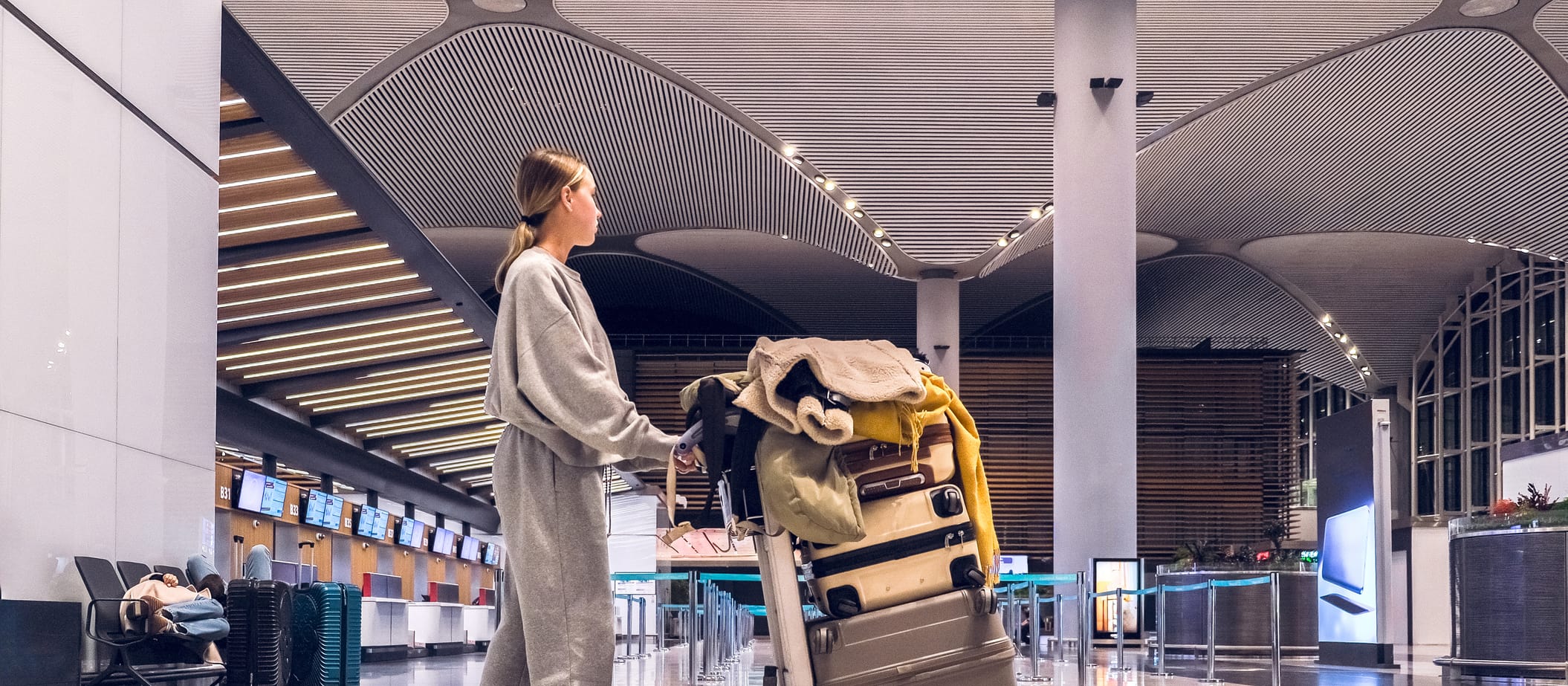
Private airport transfers are the simplest choice after a long flight. Your driver can meet the scheduled service, assist with luggage and take you directly to the hotel. Confirm the meeting point because large terminals have several exits.
Airport rail and metro services are efficient in many cities. They are good for light travellers arriving during operating hours. Taxis are also widely available, but keep the hotel name and address in Chinese.
Mobile payments are common. Set up an accepted payment method before travel and carry a backup card and some cash. Rules and app functions change, so use the government Visit China service hub for current practical guidance.
Luggage and domestic connections
International and domestic baggage allowances may differ, even within one booking. Check cabin dimensions, checked weight and fees for every sector. A generous long haul allowance may not apply on a smaller domestic flight.
Keep medicine, valuables, a change of clothes and essential documents in cabin baggage. If a separate ticket requires baggage collection, allow time for immigration, customs and a new check in queue.
Power banks must travel in cabin baggage and are subject to airline and Chinese aviation rules. Check the current marking and capacity requirements before departure.
Planning an open jaw journey
An open jaw ticket arrives in one city and departs from another. It is often the most efficient format for China. You might fly into Beijing, travel by rail to Xi'an and Shanghai, then return from Shanghai.
Compare the complete price with a simple return ticket plus internal transport. The open jaw fare may cost more at first but save a domestic flight, hotel night and backtracking.
Best booking strategy
Book international flights after the core itinerary is clear. A low fare into Shanghai is not useful if your tour begins in Chengdu the next morning. Confirm the first hotel, internal transfer and special departure before committing to a restrictive ticket.
For popular spring and autumn travel, school holidays and public holiday periods, begin planning early. Read the SoulTrips guide to booking an international trip in advance.
Choose a fare that matches your confidence in the dates. Flexibility can be valuable when a special train, permit or regional flight remains subject to confirmation.
Booking flights for a multi region trip
If your China journey covers more than one region, confirm the land route before purchasing flights. A return ticket to one city can create expensive backtracking when the itinerary finishes elsewhere. Compare an open jaw fare with the cost of a domestic connection and extra hotel night.
Keep the international booking reference, airline contact and baggage conditions offline. Recheck the schedule before departure and again before any domestic connection. If an airline changes the time, review every transfer rather than accepting the update automatically. A small change can make a separate ticket or train booking impossible. Give SoulTrips the final flight details so transfers and the first hotel can be coordinated accurately.
Frequently asked questions
-
How long is the flight from Singapore to China?
Nonstop flights to southern China often take roughly four to five hours, while Beijing and northern cities take longer. Check the scheduled duration for your exact service.
-
Are there direct flights from Singapore to China?
Yes, direct services operate to several major cities. Routes and frequencies change, so confirm on Changi Airport and official airline websites.
-
What is the best Chinese city to fly into?
Choose the city where your itinerary begins. Beijing suits classic history, Shanghai suits eastern China, Chengdu suits Sichuan and western routes, and Kunming suits Yunnan.
-
Should I fly into Beijing and out of Shanghai?
This open jaw route is efficient for a Beijing, Xi'an and Shanghai journey. It avoids returning to the first city solely for the flight home.
-
Do Singapore travellers need a visa for China?
Singapore ordinary passport holders currently receive up to 30 days of visa free entry for permitted purposes. Recheck official rules before travel.
-
Can I connect to a domestic flight on the same day?
Yes, but allow enough time for immigration, baggage and terminal changes. A protected through ticket is safer than separate bookings.
-
How early should I arrive before a luxury train journey?
Arrive at least one night before a fixed departure. Two nights give more protection and allow time to enjoy the starting city.
-
Which Shanghai airport handles international flights?
Most long haul international services use Pudong. Always check the airport code because an onward domestic flight may use Hongqiao.
-
Is high speed rail better than a domestic flight?
Rail is excellent between many eastern cities because stations are central. Flights remain useful for very long distances such as Yunnan or Xinjiang.
-
Can SoulTrips arrange airport transfers?
Airport transfers can be included in a planned private journey. Confirm the flight number, airport, terminal and arrival time before travel.
Plan your Singapore to China journey
The best Singapore to China route starts with the itinerary, not the airfare advertisement. Choose the gateway that reduces internal travel, check every airport and terminal, and leave safe buffers around separate tickets or fixed departures.
Use Plan My Trip or contact SoulTrips for help matching flights with rail, private touring and hotels. A carefully connected journey feels easier from the moment you leave Changi Airport.