By Soul Trips · Updated on 24 September, 2026
China Visa for Singapore Travellers: Entry Requirements
The rules for a China visa for Singapore travellers are currently straightforward for most holidays. Singapore citizens holding ordinary passports can enter mainland China without a visa for a stay of up to 30 days under the reciprocal visa exemption arrangement. The exemption covers permitted short visit purposes, but it does not replace a visa for every type of travel.
Entry policies can change. Always verify the latest position with the Singapore Ministry of Foreign Affairs and China's National Immigration Administration before departure. Your airline may also request documents at check in, and immigration officers make the final decision at the border.
This guide explains the current framework in plain language. It is designed for Singapore citizens using an ordinary Singapore passport. Permanent residents and holders of other passports must check the rules for their own nationality.
China visa for Singapore travellers: the quick answer
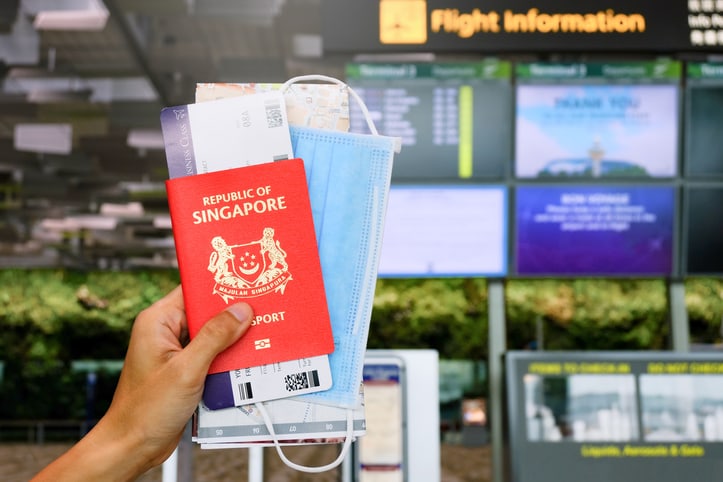
You generally do not need a visa before travel when all of the following apply:
- You hold a valid ordinary Singapore passport.
- You will stay in mainland China for no more than 30 days.
- Your purpose falls within the activities allowed by the reciprocal exemption.
- You meet normal immigration and health requirements.
- You do not plan to work, study, undertake journalism or live in China.
The official Chinese visa service FAQ lists Singapore among countries with a mutual visa exemption and states the stay must not exceed 30 days. The Singapore MFA page provides the corresponding advice for Singapore travellers.
Do not rely on an old article or social media post. Check the official pages again shortly before your flight because entry conditions, forms and documentary requirements can be updated.
What the 30 day visa exemption covers
The reciprocal arrangement is intended for short visits. Common holiday and business travel can fall within the exemption, together with family visits and other approved short term purposes described by the authorities.
A visa free stay is not permission to take employment, enrol in long term study, conduct journalistic activity or establish residence. Those activities require the correct visa or permit before arrival.
If your plans are unusual, ask the Chinese Embassy or an authorised visa centre for written guidance. A tour operator can help with planning, but it cannot override immigration law.

When Singapore travellers still need a China visa
Apply for the correct visa in advance if you intend to stay longer than 30 days or your purpose falls outside the reciprocal exemption. This includes many work, study, residence and journalism situations.
You may also need advance arrangements for activities that require special approval or for travel using a passport other than an ordinary Singapore passport. Diplomatic, official, emergency or temporary travel documents can have different treatment.
Do not enter as a visitor with the intention of changing to an unrelated activity. Immigration status should match the genuine purpose of the trip from the beginning.
Passport validity and condition
Your passport must be valid and in good physical condition. Although the visa exemption itself is separate from a visa application, airlines and border authorities may apply passport validity requirements according to your itinerary. A passport with very limited remaining validity can also create problems with onward travel.
As a practical rule, renew early if your passport is approaching expiry. If you need to apply for a China visa, the current Chinese Embassy in Singapore guidance states that the passport should normally have more than six months validity and blank visa pages.
Check every booking after a passport renewal. Flight tickets, train reservations and attraction tickets may be linked to the passport number used at purchase. Ask providers to update the details rather than travelling with mismatched records.
Documents to carry for visa free entry
Immigration officers can ask about your purpose, accommodation and onward plans. Keep the key documents available on your phone and as an offline copy.
Useful documents include:
- Valid Singapore passport.
- Return or onward flight confirmation.
- Hotel bookings or details of your host.
- Day by day itinerary or tour confirmation.
- Evidence that your visit fits the permitted purpose.
- Travel insurance policy details.
- Contact information for your guide or local operator.
You may not be asked to show every item. Carrying them makes the purpose and length of your stay easier to explain.
China's arrival card
Foreign travellers need to provide arrival information. China now offers an online arrival card through official channels, and the National Immigration Administration guidance states that the service is free. Travellers who have not completed it online can normally complete the required information at the port of entry.
Use only official links or channels named by the immigration authority. Be cautious of third party websites that charge a fee for a free government form or collect more information than necessary.
Complete the details exactly as shown in your passport and travel bookings. Keep a screenshot or confirmation if the system provides one. Online completion can save time, but it does not guarantee admission.
What happens at immigration

At the border, present your passport and arrival information. You may be asked about your destination, length of stay, hotel, host or onward flight. Answer clearly and consistently with your documents.
Biometric procedures and security checks can apply. Allow enough time for immigration, baggage collection and any onward transfer. Avoid a tight separate ticket connection immediately after an international arrival.
An immigration officer may refuse entry even when a traveller appears to meet the general exemption. This is standard for border systems worldwide, which is why complete documents and accurate answers matter.
How to count your permitted stay
Treat the 30 day limit conservatively. Your arrival and departure records determine the authorised period, and a delayed flight is not a safe reason to plan beyond it. Confirm the last lawful day with immigration if there is any doubt.
Do not book a 30 day itinerary with no margin for disruption. Leaving one or two days of buffer reduces the risk created by cancellations, weather or illness. If you want a longer stay, apply for the proper visa before travel rather than hoping to extend after arrival.
Keep your boarding passes and entry record information until you have departed. They can help if a hotel, transport provider or official asks for your arrival details.
Accommodation registration in China

Foreign visitors must have their accommodation registered with the local public security authorities. Hotels normally complete this process when you check in, which is one reason they need your passport.
If you stay in a private home, apartment or other non hotel accommodation, you and your host may need to arrange registration promptly. Procedures can vary by location, and online registration may be available in some cities. Ask the host before arrival and follow the current local instructions.
Keep a copy or image of the registration if one is provided. It may be useful for a visa matter, permit application or official enquiry.
Hong Kong and Macao are separate immigration areas
Mainland China, Hong Kong and Macao have separate immigration systems. A visa exemption for mainland China does not itself determine your permission to enter Hong Kong or Macao, and time spent in each area is assessed under its own rules.

Singapore citizens currently enjoy separate visa free access for short visits to Hong Kong and Macao, subject to their respective conditions. Check the Singapore MFA destination advice and the local immigration authority before travel.
Returning from Hong Kong or Macao to the mainland counts as a new border crossing. Make sure you still meet the mainland exemption conditions for the new entry, and carry onward plans for the complete route.
Transit rules and why they may not matter to Singapore citizens
China operates transit arrangements for eligible travellers at designated ports and within approved areas. The National Immigration Administration transit guidance explains the current framework.
Singapore ordinary passport holders already have a 30 day reciprocal exemption for eligible short visits, so the general exemption is usually simpler than relying on a shorter transit scheme. Travellers with another passport or an unusual itinerary should assess the rules for that nationality.
Do not assume a transit policy allows unrestricted travel across China. These schemes can limit ports, areas and onward destinations.
Tibet and other areas requiring special permits
A normal visa or visa free entry does not automatically grant access to every area. Foreign visitors to Tibet generally require a separate permit and organised arrangements through an authorised operator. Other sensitive or border regions may also have current restrictions.
Permit processing and access can change. Do not buy non refundable transport before the responsible operator confirms the route and documentation. Carry your passport and permits during the journey.
High altitude is an additional concern in Tibet and parts of Yunnan or Xinjiang. Review the SoulTrips guide to preparing for travel at high altitude and seek medical advice if you have relevant health conditions.
Applying for a China visa in Singapore
If you need a visa, start with the current instructions from the Chinese Embassy in Singapore and the authorised application service. Requirements depend on the visa category and may include an online form, passport, photograph, itinerary, invitation or supporting documents.
At the time of writing, the Embassy guidance states that regular processing is normally four working days and express processing three working days after acceptance. Some applications take longer, and processing times can change. Apply well before travel and do not purchase inflexible arrangements solely on the basis of the standard estimate.
Check the current fee, appointment process and collection method on the official site. Never send your passport or personal details to an unverified agent.
Travelling with children
Each child needs the correct passport and entry eligibility. A child listed in a parent's old passport format should not be assumed to meet modern airline or immigration requirements.
Carry a birth certificate copy and consent documentation when one parent or another adult travels with the child, especially if family names differ. Airlines and border authorities may request evidence of the relationship or permission.
Hotels, trains and attractions may require the child's passport details for booking. Enter names and numbers exactly as printed.
Medicines and health documents
Bring essential medicine in original labelled packaging, together with a prescription or doctor's letter for controlled or unusual items. Carry only a reasonable personal quantity and check restrictions with Chinese customs or the Embassy before departure.
Travel insurance should cover medical care, evacuation where relevant and disruption. Entry permission and insurance are separate matters, but suitable cover protects you from costs that an exemption does not address.
For a multi region trip, consider heat, air quality and altitude as well as entry documents. The SoulTrips travel tips provide a useful preparation library.
Customs and prohibited items
China applies customs controls to food, plants, animals, medicines, currency and restricted goods. Declare items when required. Do not carry packages for another person if you do not know the complete contents.
Rules can change and may differ from Singapore. Check current Chinese customs guidance before packing specialist food, professional equipment, drones or large quantities of medication.
Electronic devices and online services also operate in a different regulatory environment. Prepare essential travel documents offline and confirm your mobile and payment arrangements before departure.
Registration with Singapore authorities
Singapore travellers can register their trip through the MFA electronic registration service and review the latest travel notice. Registration can help the Ministry contact you or provide information during an emergency.
Save the contact details of the Singapore Embassy or relevant Consulate for the regions on your itinerary. Keep a separate copy of your passport identity page and emergency insurance contacts.
Entry planning for a multi city China trip
The visa exemption makes a short holiday easier, but internal bookings still require accurate passport details. Rail tickets use real name information, and major attractions may require advance reservation.
The official China Railway 12306 site provides current information for foreign passengers. Your guide or operator can coordinate tickets, but you should still verify the spelling and passport number on every booking.
For route inspiration, review the SoulTrips China destination guide, the Grand Yunnan Journey and the Luxury Rail Expedition from Chengdu to Xinjiang. Entry rules are national, while regional permits and access conditions can add another layer.
Common mistakes to avoid
- Assuming every passport holder living in Singapore receives the Singapore citizen exemption.
- Planning more than 30 days without the correct visa.
- Using a visa free visit for work or another excluded purpose.
- Entering passport details differently across flights, trains and hotels.
- Paying an unofficial site for the free arrival card.
- Forgetting accommodation registration in a private home.
- Treating Hong Kong or Macao rules as identical to mainland China.
- Booking Tibet before permit arrangements are confirmed.
- Leaving departure until the final possible moment.
Before departure checklist
Use this checklist in the final week:
- Recheck MFA and Chinese immigration guidance.
- Confirm passport validity and condition.
- Review flight names and passport numbers.
- Save return flight and hotel confirmations offline.
- Complete the official arrival card if available for your journey.
- Confirm permits for any controlled region.
- Check travel insurance and emergency contacts.
- Carry prescriptions and medicine documentation.
- Review customs rules for specialist items.
- Leave enough time for airport and immigration procedures.
The SoulTrips article on how far in advance to book an international trip can help you place document checks within the wider planning timeline.
Frequently asked questions
-
Do Singapore citizens need a visa for China?
Singapore citizens with ordinary passports can currently enter mainland China without a visa for up to 30 days for permitted purposes. Check official guidance before departure because policies can change.
-
How long can a Singapore passport holder stay in China?
The current reciprocal exemption allows a stay of up to 30 days. Plan a margin before the final permitted day and ask immigration if you are uncertain about counting.
-
Can I work in China during a visa free visit?
No. Employment requires the correct visa and work authorisation. A short visit exemption should not be used for paid work.
-
Do I need six months on my passport?
Visa applications normally require more than six months validity under current Embassy guidance. For visa free travel, confirm the current border and airline requirements, and renew early if your passport is close to expiry.
-
Is the China arrival card free?
Yes. The official online arrival card service is free. Avoid third party websites that charge for submitting the government form.
-
Do I need a return ticket?
Immigration or the airline may ask for evidence of onward travel and the intended length of stay. Carry a confirmed return or onward booking.
-
Do hotels register foreign guests?
Hotels normally register foreign guests when they check in. Private accommodation may require you and the host to complete local registration separately.
-
Can I visit Hong Kong during a mainland China trip?
Yes, if you meet the separate Hong Kong entry rules. Returning to the mainland is another border crossing, so make sure you still qualify for entry.
-
Do I need a permit for Tibet?
Foreign visitors generally require a Tibet permit and organised arrangements in addition to normal China entry permission. Confirm everything with an authorised operator before booking transport.
-
Where should I verify the latest China entry rules?
Use the Singapore MFA, China's National Immigration Administration, the Chinese Embassy in Singapore and the authorised visa service. These sources take priority over blogs or old screenshots.
Plan your trip after checking the China visa for Singapore travellers
The current China visa for Singapore travellers makes a holiday of up to 30 days easier for ordinary passport holders, but careful preparation still matters. Confirm that your purpose is permitted, carry evidence of your accommodation and onward journey, complete the official arrival information and leave a safe margin before departure.
Once the documents are clear, use Plan My Trip to shape the route or contact SoulTrips for help with touring, hotels and transport. Entry rules are the foundation; thoughtful planning turns them into a smooth journey.