By Soul Trips · Updated on 25 September, 2026
How Much Does a Trip to China Cost from Singapore?
A realistic China trip cost from Singapore depends on four choices: route, season, hotel level and touring style. A focused week in one region can cost much less than a sixteen day luxury train journey, even when both begin with the same international flight.
China offers a broad range of value. Public transport and local meals can be affordable, while premium hotels, private guides and specialist rail journeys raise the total. The useful approach is to separate each cost layer and compare complete inclusions.
Live prices change too quickly for one universal figure. Use this guide as a framework, then check current fares and the published prices on SoulTrips China journeys.
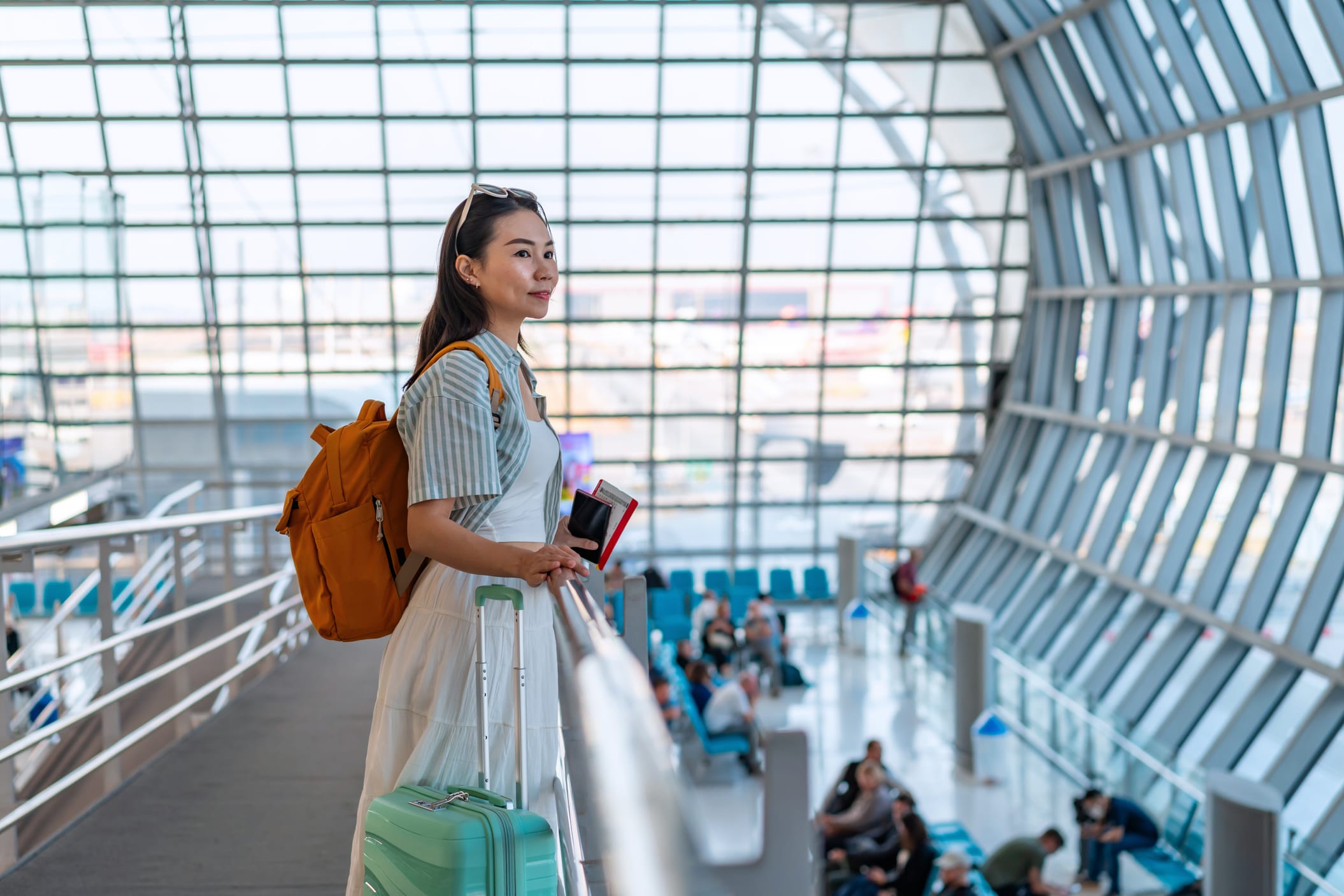
China trip cost from Singapore at a glance
Budget for these main categories:
- Return international flights.
- Domestic flights or high speed rail.
- Hotels and breakfast.
- Private guide, driver and transfers.
- Attraction tickets and timed reservations.
- Meals, drinks and food experiences.
- Travel insurance and connectivity.
- Tips, shopping and contingency.
A self planned city break and a fully guided regional tour should not be compared by headline price. The latter may include transport, interpretation, premium access and daily support.
International flight costs
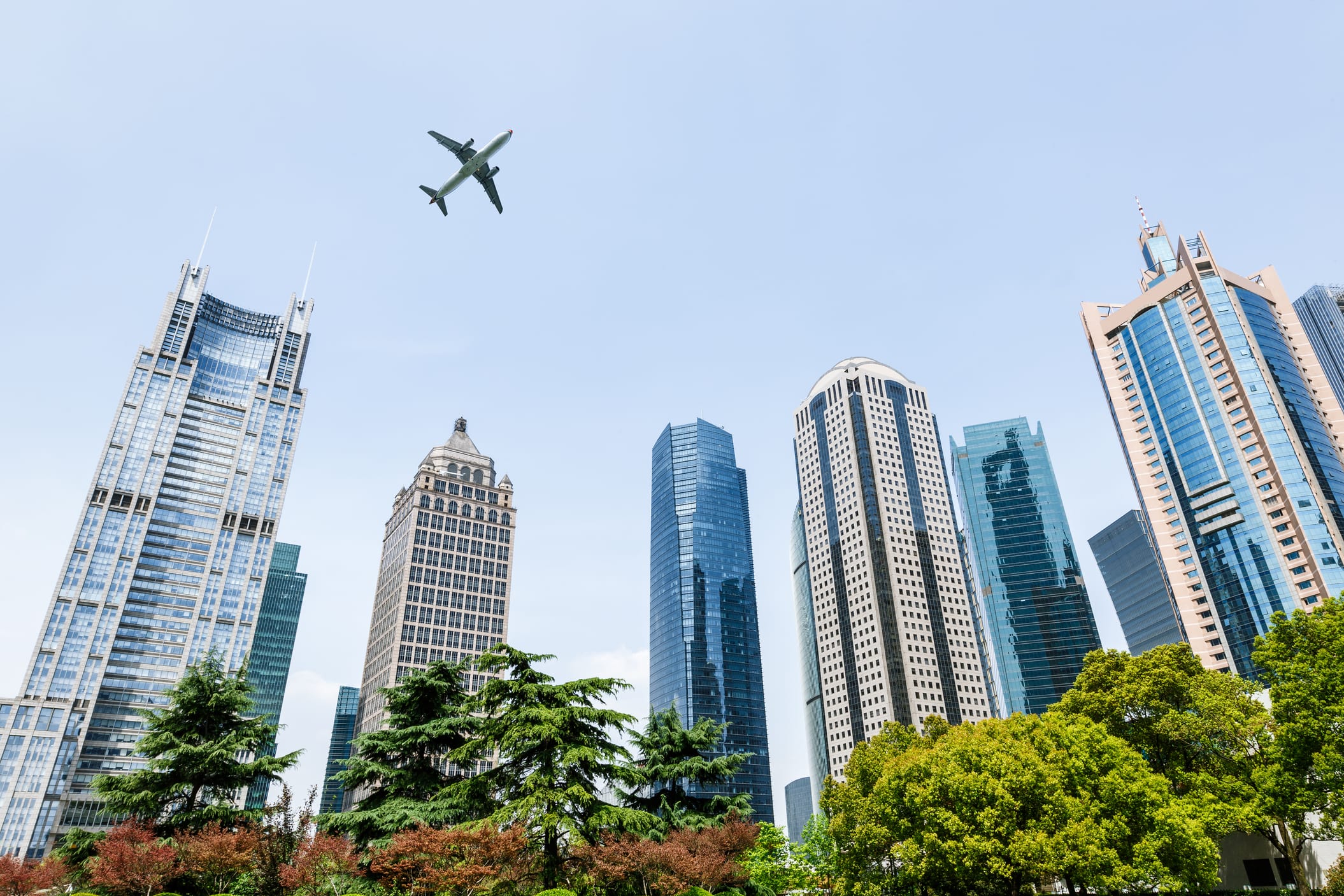
Airfare changes with destination, travel month, airline, cabin and booking date. Beijing and Shanghai may have strong competition, while a route into a smaller gateway can require a connection.
Compare the final fare with baggage, seat selection and change conditions included. A low fare may arrive late, use an inconvenient airport or require a separate domestic ticket.
An open jaw ticket into Beijing and home from Shanghai can reduce backtracking. It may cost more than a simple return fare but save a train, hotel and travel day.
Read how to get from Singapore to China alongside live airline schedules. Confirm prices directly with the carrier before payment.
Hotel costs
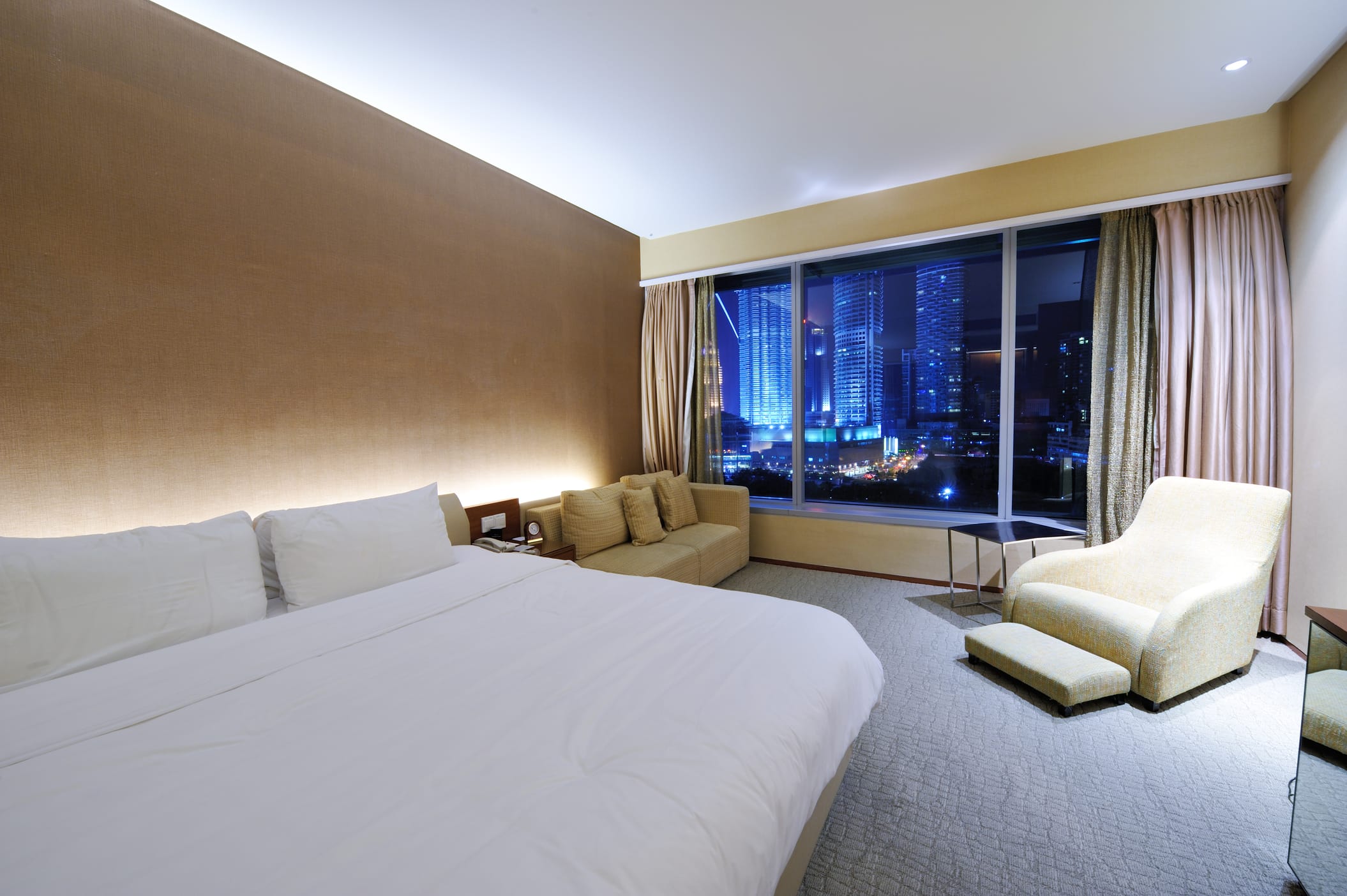
China has international luxury brands, strong domestic hotels, historic properties and simple local accommodation. Rates vary sharply by city, location and holiday period.
In Beijing and Shanghai, a central property often costs more but saves daily transport. In Yunnan, an old town guesthouse can feel distinctive, though vehicle access and lift availability need checking. Xinjiang and scenic areas may have limited premium inventory.
Compare the room category, taxes, breakfast and cancellation terms. The same hotel name can contain several wings or room standards. Ask for the exact property rather than accepting a vague star level.
High speed rail and domestic flights
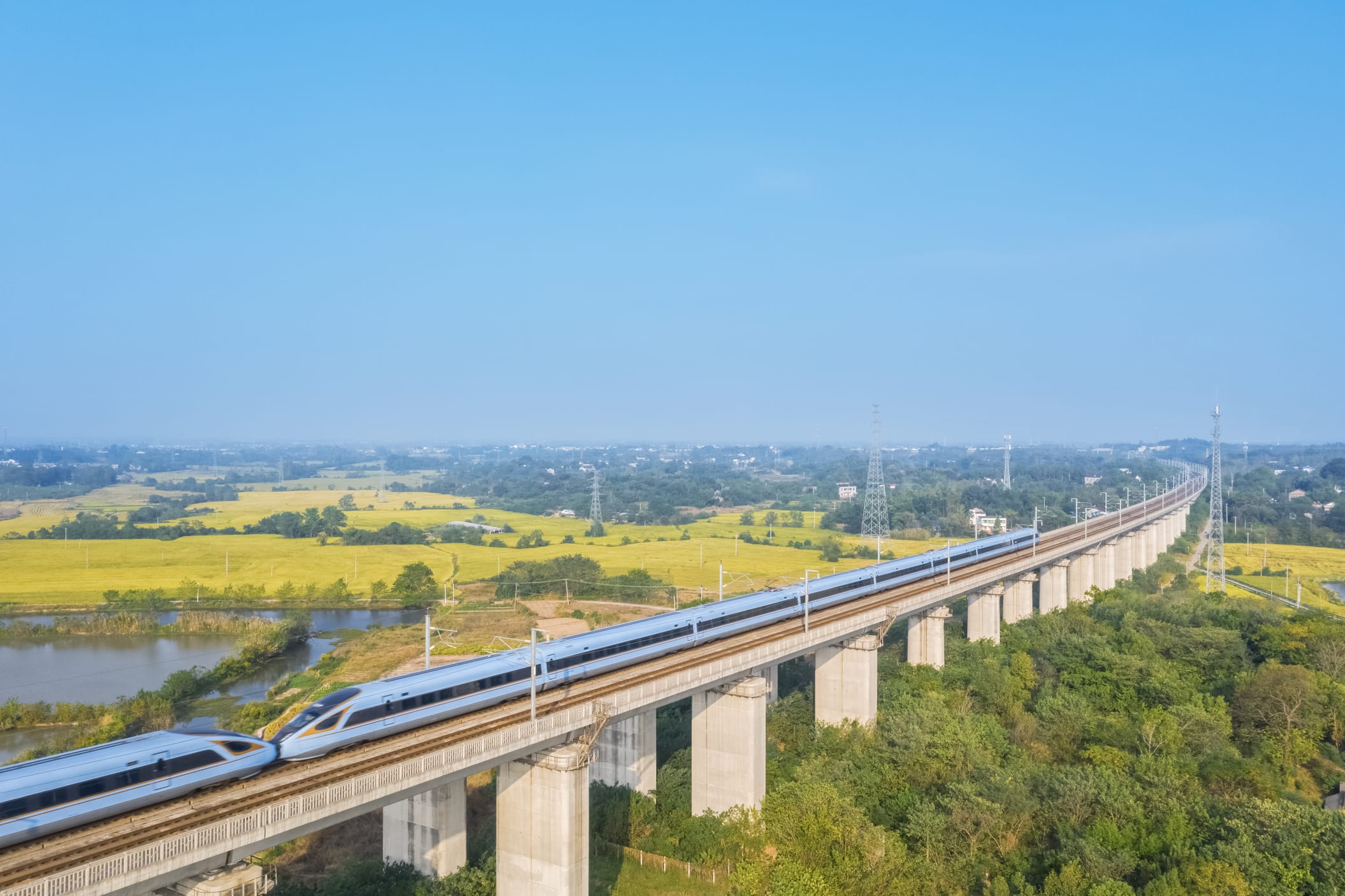
Second class high speed rail offers strong value between major cities. First class adds space, while business class can be significantly more expensive. Prices depend on distance and service.
Domestic flights vary by route and demand. Baggage terms may differ from the international sector. A cheaper separate ticket can expose you to missed connection risk.
The official China Railway 12306 service provides current rail information. Your operator can quote the confirmed class and route when the booking window opens.
Private guide and driver costs
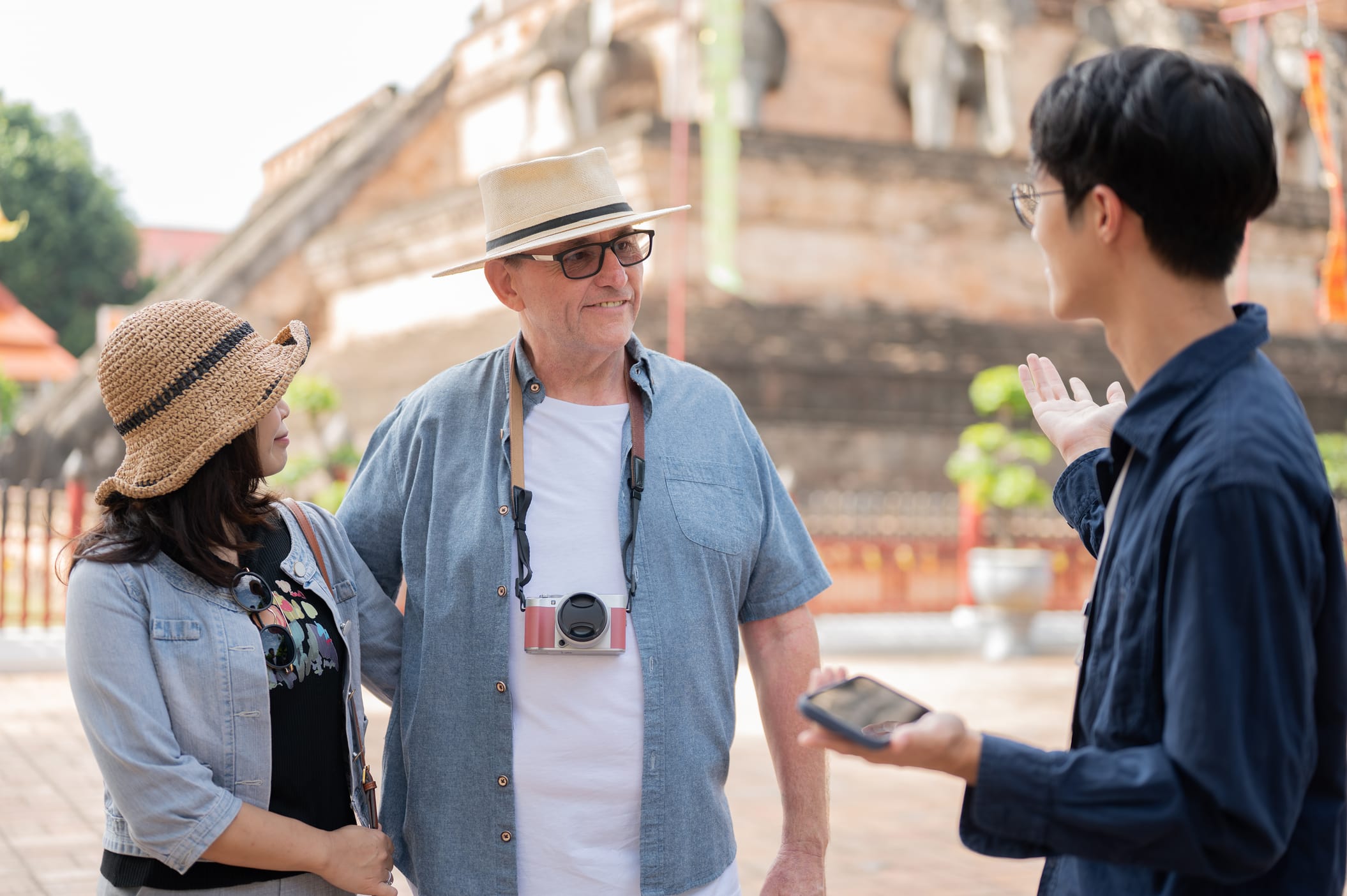
Private touring is priced according to region, group size, language, vehicle and programme. The daily cost is shared across the party, so a couple pays more per person than a family or small group.
The value goes beyond the car. A guide manages passport based reservations, explains the cultural context, helps with meals and adjusts to local conditions. The driver provides door to door movement and keeps the day coherent.
Ask if airport transfers, parking, road tolls, guide expenses and driver accommodation are included. A low quote can become less attractive when these are added later.
Attraction tickets
Major monuments, museums, cable cars and scenic areas may charge separate fees. Some require advance timed entry linked to your passport.
Mountain destinations can involve several components, such as park admission, shuttle bus, lift and cable car. Confirm each inclusion rather than assuming the main ticket covers the whole day.
Prices and reservation rules can change.
Food and drink costs
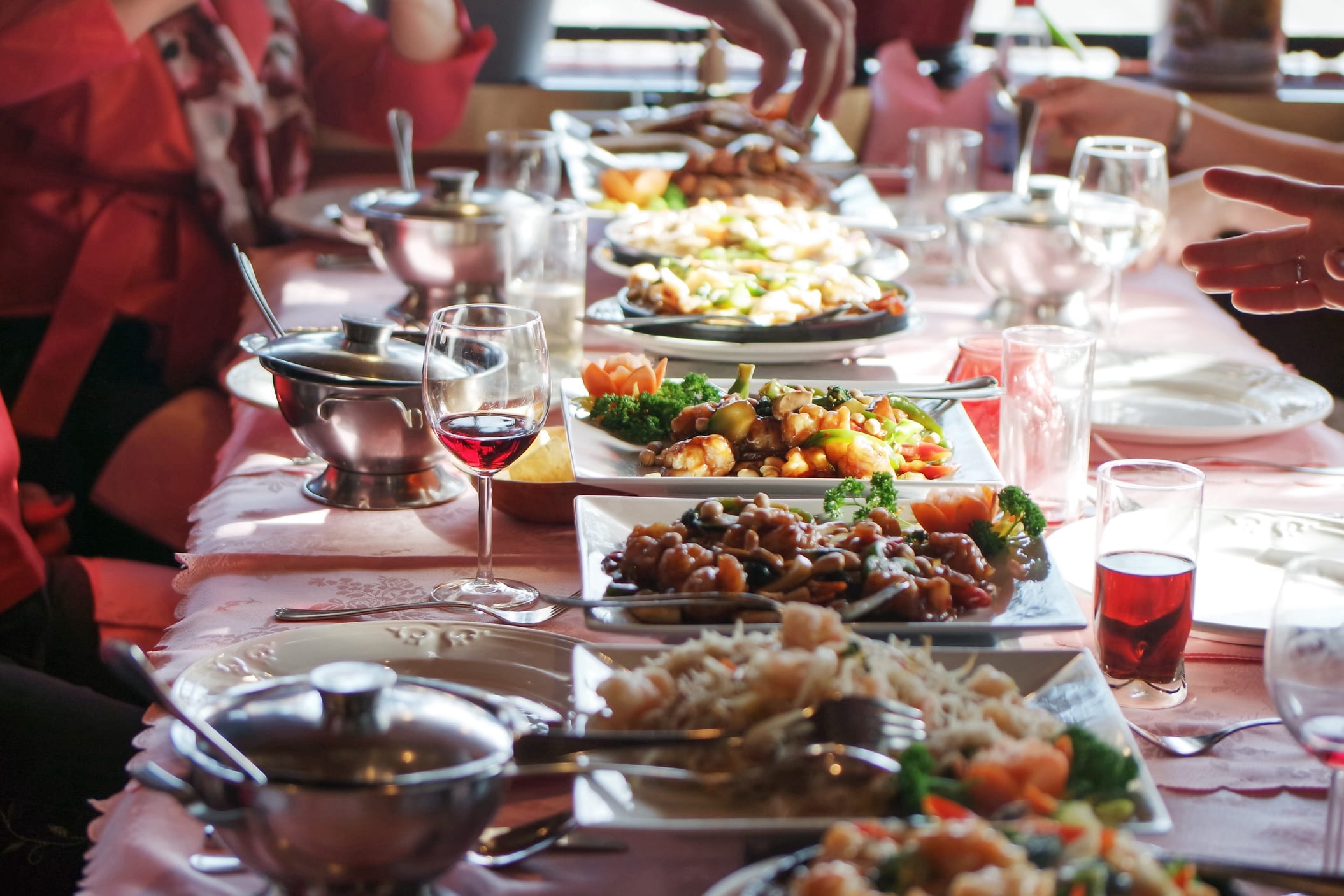
Local meals can be excellent value, while hotel dining, private rooms and premium ingredients cost more. Regional tasting menus and carefully hosted food experiences sit in another category.
Breakfast is often included in tour hotels. Lunch and dinner may be included, selected or left open. A programme with fewer meals gives freedom but makes the headline price look lower.
Alcohol, imported wine and speciality coffee can cost much more than tea or local soft drinks. Tell your planner about dietary needs before travel so suitable restaurants can be selected.
Mobile data and payments
Budget for roaming, an international travel eSIM or a local connectivity solution. Access to some overseas services can differ in China, so confirm what your provider supports.
Mobile payment is widely used. Eligible overseas cards can be linked to supported platforms, subject to current rules and fees. Carry a second card and some cash.
Bank conversion charges can add up. Compare your card's foreign transaction fee and use a trusted live rate when reviewing prices in renminbi.
Travel insurance
Insurance should cover medical treatment, cancellation, baggage and disruption. A more active or remote route may require stronger evacuation coverage.
Buy the policy soon after paying significant deposits if cancellation cover begins at purchase. Declare existing medical conditions accurately.
Special rail journeys and premium hotels can have strict cancellation terms. Make sure the insured amount reflects the non refundable commitment.
Sample budget styles
These are planning categories rather than fixed prices. Request a quote for exact dates.
Comfortable independent city trip
This style uses direct flights, well reviewed mid range hotels, second class rail, metro and selected guided days. Meals are mainly local and the route focuses on Beijing, Xi'an and Shanghai.
It suits experienced travellers who are comfortable with apps and large stations. Add private airport transfers to reduce friction.
Private cultural journey
A private journey includes quality hotels, a guide and driver in each region, rail or domestic flights, planned attractions and selected meals. It costs more but removes a large amount of logistical work.
This is often the best balance for first time visitors, families and travellers who value context. Compare the complete package rather than a hotel only plan.
Premium regional journey
Premium travel uses stronger hotels, first class rail where useful, private experiences and more refined dining. Yunnan, the Yangtze and specialised cultural regions work well in this format.
The Grand Yunnan Journey provides a live route reference. Use the current page for pricing and inclusions.
Luxury rail journey
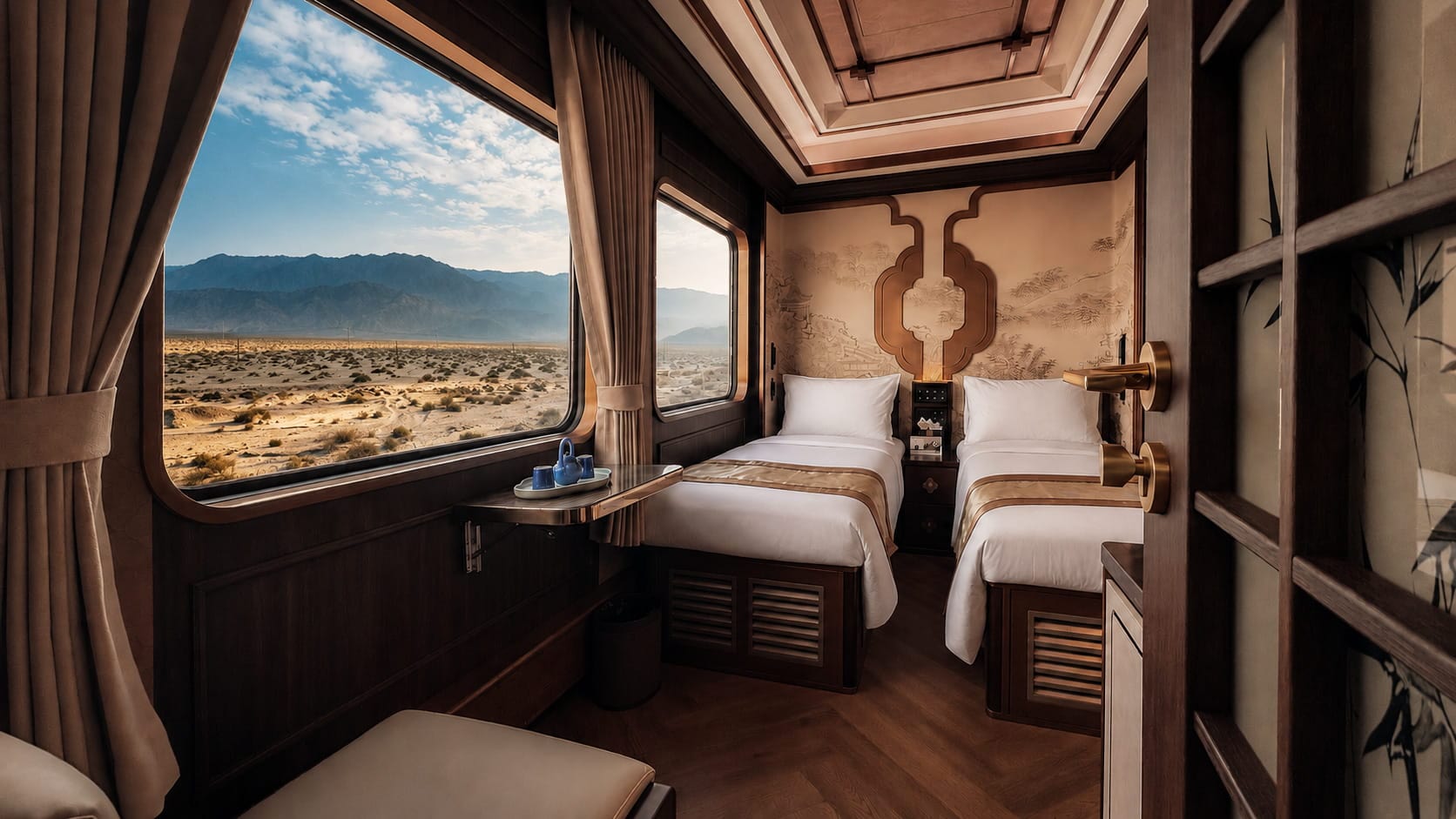
Luxury rail is a major investment because it combines accommodation, transport, dining, onboard service, guided excursions and premium hotels. It should be compared with a complete long holiday, not an ordinary train ticket.
The Luxury Rail Expedition from Chengdu to Xinjiang currently publishes suite prices and departure information. Confirm the live page at booking because both can change.
Seven day cost factors
A seven day Beijing and Xi'an journey concentrates spending on one international flight and a manageable amount of internal transport. Three or four star hotels, second class rail and selected private guiding create a comfortable plan.
A seven day Chaoshan programme can also offer strong value because it remains in one region. The Authentic Chaoshan journey publishes live prices by group size, which shows how private touring becomes more economical as the party grows.
Ten day cost factors
Adding Shanghai increases hotel nights, rail and attraction costs but can make the international route more efficient through an open jaw ticket. A ten day journey is often better value per day than a short rushed trip because the flight cost is spread across more experiences.
Avoid adding too many flights. Each one creates airport transfers, baggage rules and possible extra nights.
Sixteen day cost factors
A longer trip needs a larger contingency, more laundry and more varied clothing. It may also combine different hotel standards.
On a luxury rail journey, many daily costs are included. Review which pre tour hotel, post tour hotel, international flights, tips and optional activities remain separate.
Seasonal price changes
Spring and autumn are popular and can bring higher hotel and flight demand. National Day in early October and the variable Spring Festival period are especially busy.
Summer school holidays raise family travel demand, while winter can offer better value in some cities. Regional climate matters, so a lower price is useful only when the weather suits your route.
Book distinctive hotels and special departures early. Standard city accommodation offers more flexibility.
Hidden costs to include
- Airport hotel during a connection.
- Baggage fees on domestic flights.
- Single room supplements.
- Cable cars and park shuttles.
- Optional performances.
- Early check in or late checkout.
- Laundry on a long journey.
- Gratuities.
- Bank and card charges.
- Costs caused by weather disruption.
Add a contingency rather than budgeting to the final dollar.
How to compare China tour quotes
Place every quote into the same categories. Confirm dates, group size, named hotels, room type, meals, guide language, vehicle, rail class, flights, tickets and cancellation conditions.
Ask:
- Is the price per person and based on twin sharing?
- Are international flights included?
- Which domestic sectors are included?
- Are train tickets second or first class?
- Are all attraction tickets covered?
- Is the guide private to the group?
- Which meals and drinks are included?
- What must be paid locally?
A complete quote should make exclusions as clear as inclusions.
Ways to manage the cost
Focus the route on one or two regions. Use high speed rail where it is efficient. Choose central mid range hotels for most nights and add a premium stay where the setting matters.
Travel as a small group so private guide and vehicle costs are shared. Keep free evenings for local dining. Avoid unnecessary domestic flights created by an overambitious itinerary.
Do not remove all guiding to save money. One excellent guided day in each main city can add more value than several expensive attractions without context.
Spending money
Your daily personal spending depends on included meals and shopping. Carry a modest cash backup and more than one card. Keep emergency funds separate.
Souvenirs range from small tea purchases to valuable art and textiles. Ask about authenticity, export restrictions and safe packing before a major purchase.
Track spending in renminbi and Singapore dollars so conversion does not become abstract. Use a current rate rather than a fixed figure from an older guide.
Budgeting for different group sizes
A solo traveller carries the full cost of a private guide, vehicle and room. Ask about a single room supplement and consider joining a fixed departure if the travel style suits you. Independent city days can also balance the budget.
Couples share the transport but still pay for a private room. They often gain the best value from a carefully planned private route because the daily programme can be adjusted without the cost of a large premium group product.
Families and groups spread guide and vehicle costs across more people. The vehicle category may increase as the party grows, and family room availability can affect the hotel total. Compare two rooms with a family suite rather than assuming one is cheaper.
Currency and price changes
China uses the renminbi, with the yuan as the main unit shown in prices. Exchange rates move, so convert major commitments using a live rate on the day you compare quotes.
Ask if a tour price is fixed in Singapore dollars or converted from another currency at payment. Deposits and final balances can use different rates when the contract allows.
Keep screenshots or invoices showing the confirmed price and inclusions. A clear record avoids confusion when a service is booked months before travel.
When paying more improves the trip
Spend more on location, good guiding and difficult transfers before upgrading every room. A central hotel can return hours to the holiday. A knowledgeable guide can turn a palace, food market or Silk Road site into a meaningful experience.
Premium transport is valuable on long days or for travellers with weak knees. By contrast, a luxury room may add little when you arrive late and leave early. Direct the budget towards the moments you will actually use.
Building a contingency fund
Keep a separate contingency for delays, medical needs and unplanned hotel nights. The amount should reflect the route: a city based holiday needs less than a remote Xinjiang or high altitude journey.
Do not treat the contingency as shopping money. Store part of it on a second card and keep a small cash reserve apart from the daily wallet. Review insurance claim procedures before departure, including the receipts and reports required after disruption. Good budgeting is not only about finding the lowest price. It gives you the freedom to solve a problem calmly without weakening the rest of the trip.
Frequently asked questions
-
Is China expensive for Singapore travellers?
China can offer good value, especially for rail and local food. Private touring and premium hotels raise the cost but also improve comfort and access.
-
How much should I budget per day?
There is no reliable universal amount. Build the budget from hotel, transport, guide, tickets and meals for your exact route.
-
Are flights the largest cost?
They can be on a short trip. On a long private or luxury journey, accommodation and touring may exceed the international airfare.
-
Is high speed rail affordable?
Second class rail is generally good value. First and business class cost more, so choose according to journey length and comfort.
-
Is a private tour worth the cost?
It is valuable for first visits, families and complex routes. The guide saves time and adds cultural understanding, while the vehicle reduces transfer stress.
-
How much cash should I carry?
Carry a modest backup rather than the full budget. Mobile payment is common, but a second card and cash protect you when technology fails.
-
Are attraction tickets included in China tours?
Inclusions vary. Ask for a day by day list covering admission, park buses, lifts, cable cars and performances.
-
Does travel during Golden Week cost more?
Demand is extremely high around National Day in early October. Hotels and transport sell quickly, and the experience can be crowded.
-
Is a luxury train price all inclusive?
It may include suites, meals, excursions and hotels, but international flights and pre tour nights can remain separate. Read the current inclusions carefully.
-
Can SoulTrips prepare a detailed quotation?
Yes. A quote can be tailored to dates, group size, hotel level, route and preferred touring style.
Plan your China trip cost from Singapore
The most accurate China trip cost from Singapore comes from a clear route and transparent inclusions. Decide where you want to go, how much support you value and which comforts matter most, then compare every quote on the same basis.
Use Plan My Trip or contact SoulTrips for a tailored proposal. A realistic budget lets you enjoy the journey without second guessing every decision.