By Soul Trips · Updated on 25 September, 2026
China Food Guide: Regional Dishes, Tea and Local Dining
A China food guide cannot be reduced to one menu. Beijing, Sichuan, Yunnan, Chaoshan and Xinjiang have different ingredients, techniques and dining traditions. The pleasure of travelling is tasting those differences in the places that shaped them.
You do not need to be adventurous at every meal. Begin with familiar textures, ask your guide for regional specialities and share several dishes. Markets, tea houses and neighbourhood restaurants often reveal as much about a place as a monument.
Explore the wider route through the SoulTrips China destination guide and current China journeys.
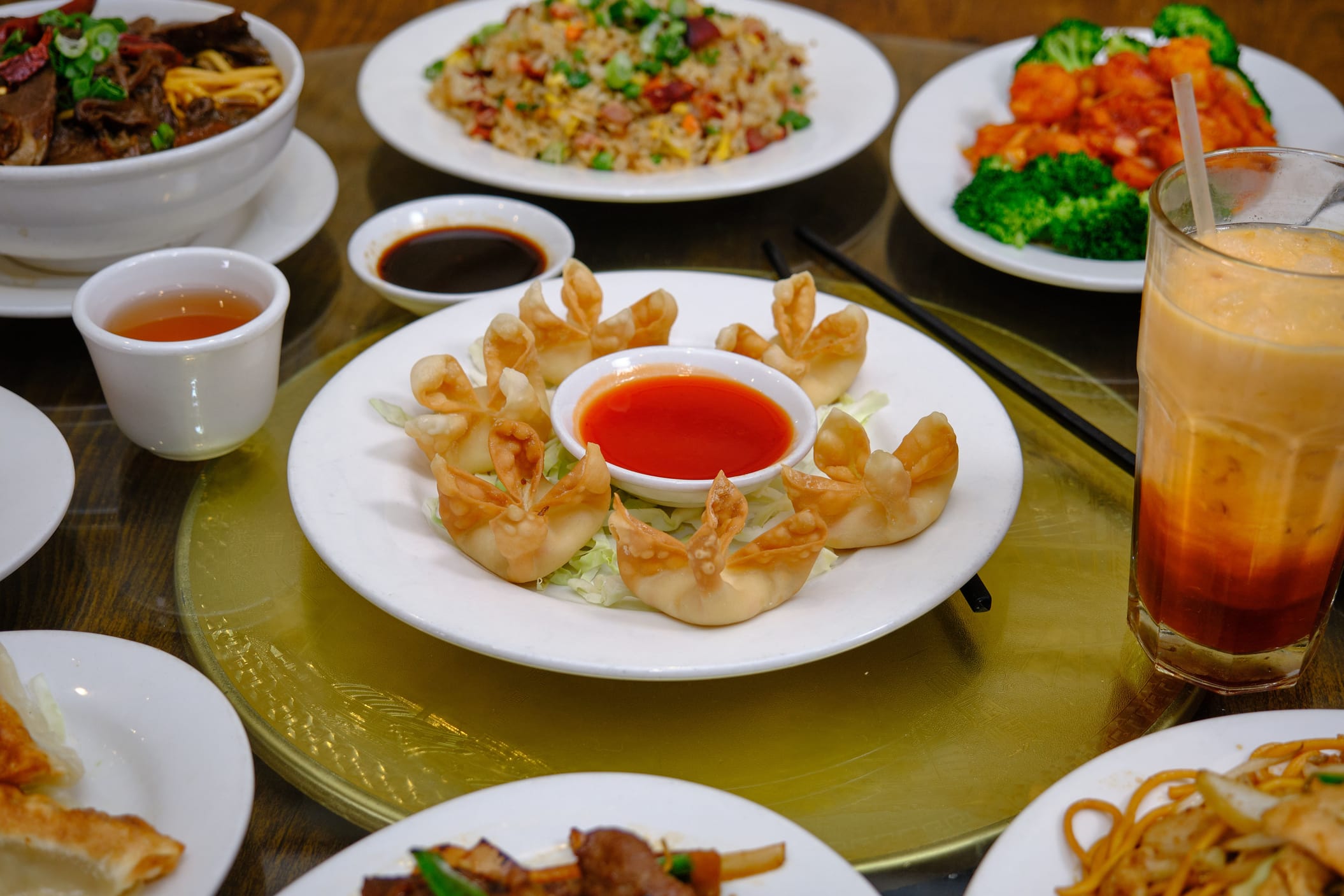
China food guide at a glance
- Beijing for roast duck, wheat dishes and imperial influences.
- Xi'an for noodles, flatbreads and Silk Road flavours.
- Chengdu for Sichuan spice, tea houses and snacks.
- Shanghai for delicate braises, dumplings and sweet savoury balance.
- Yunnan for mushrooms, herbs, rice noodles and highland ingredients.
- Chaoshan for seafood, braising and gongfu tea.
- Xinjiang for lamb, breads, noodles and Central Asian influences.
- Guangzhou for dim sum and Cantonese cooking.
Order regionally rather than searching for the same famous dish in every city.
Beijing food
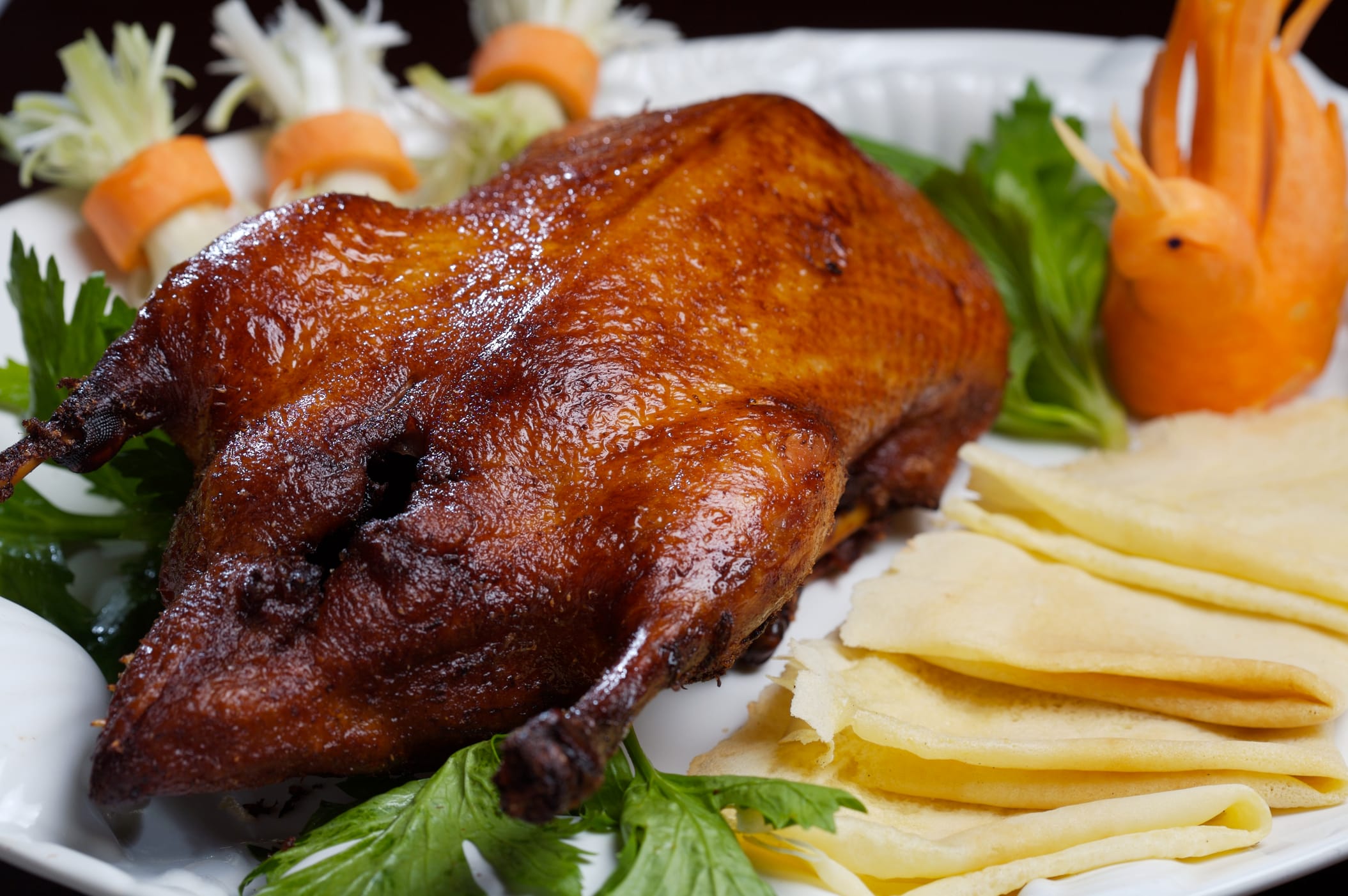
Peking duck is the best known dish, with crisp skin, pancakes, sauce and accompaniments. Quality restaurants carve the bird at the table and may serve remaining parts in another preparation.
Beijing also has wheat based staples, dumplings, noodles and hearty snacks. Zhajiangmian uses noodles with a savoury fermented bean sauce and vegetables. Jiaozi are dumplings with many fillings.
Ask the guide to choose a restaurant suited to your group size. A whole duck and several dishes can be too much for one traveller.
Xi'an and Shaanxi food
Xi'an reflects its position on the Silk Road. Wheat, lamb, cumin and vinegar feature strongly. Biangbiang noodles are broad and chewy, while roujiamo places braised meat inside a flatbread.
Yangrou paomo combines bread and mutton broth. The preparation and texture can feel unfamiliar, which is part of its regional identity.
The Muslim Quarter is lively, but explore surrounding lanes and established restaurants too. Respect halal practices and avoid bringing inappropriate food into a Muslim dining space.
Sichuan food in Chengdu
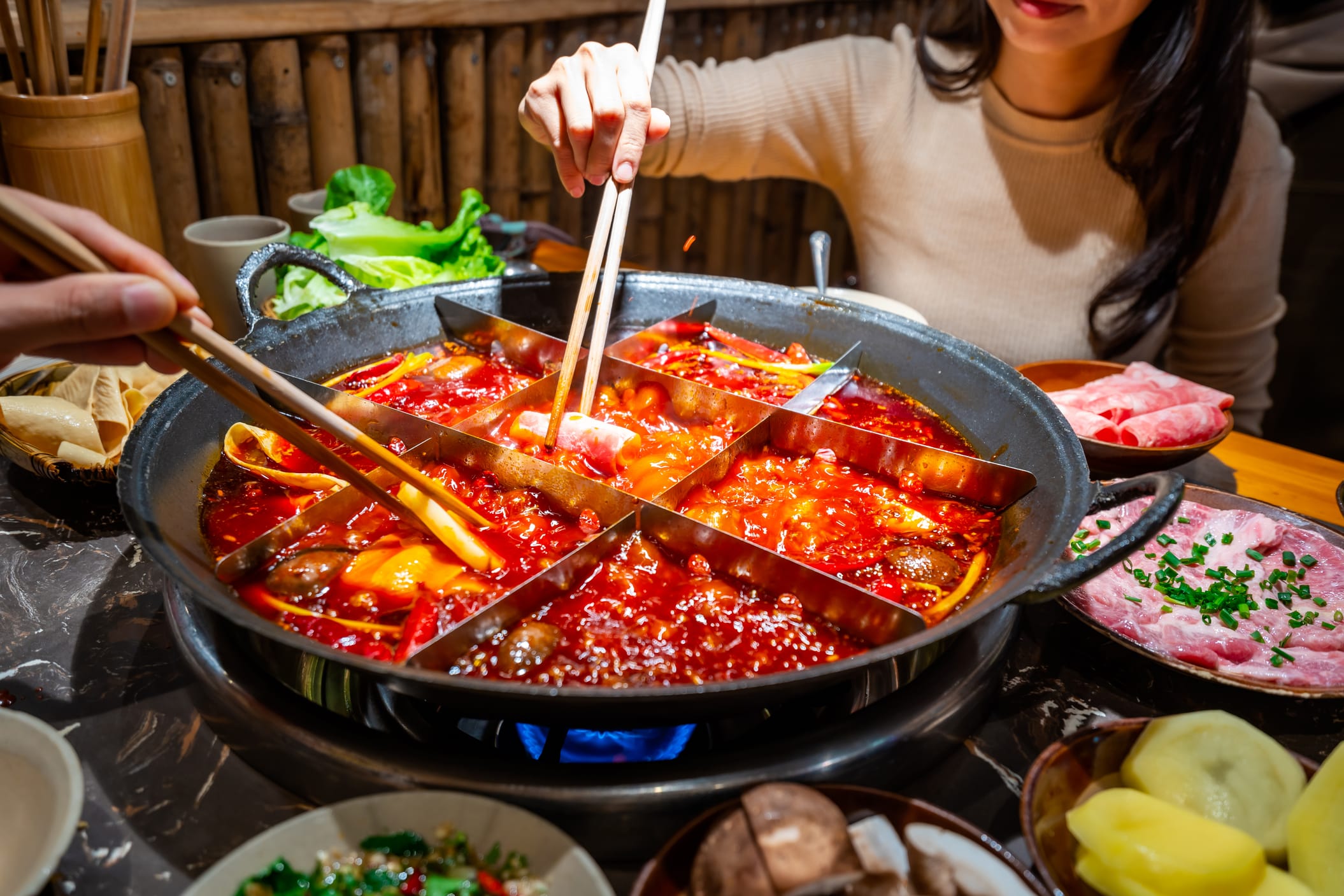
Sichuan cuisine is famous for chilli and the numbing fragrance of Sichuan pepper, but it is not simply hot. Skilled cooking balances spicy, sour, sweet, aromatic and savoury notes.
Try mapo tofu, kung pao chicken, fish fragrant aubergine and carefully selected hotpot ingredients. Tell the server your preferred spice level, though a mild version may still feel strong.
Chengdu tea houses provide a slower counterpoint. Spend time with tea and local snacks rather than treating every meal as a challenge.
Shanghai and Jiangnan food
Shanghai cooking often uses soy, rice wine and a gentle sweetness. Xiaolongbao are soup filled dumplings that need careful handling. Shengjianbao are pan cooked buns with a crisp base.
Braised pork, river fish and seasonal vegetables show the region's preference for balanced, polished flavours. Suzhou and Hangzhou have their own traditions, so ask for local dishes during day trips.
Reservations are useful for renowned restaurants, especially at weekends.
Cantonese food and dim sum
Cantonese cuisine values freshness, clear flavours and careful technique. Dim sum includes steamed, baked and fried small dishes served with tea.
Har gow, siu mai, rice rolls and barbecue pork buns are familiar starting points. Seasonal soups, roast meats and seafood show a broader range beyond dim sum.
Tea is part of the meal. Rinse cups only if the restaurant follows that local practice, and watch your host rather than imitating a ritual without context.
Chaoshan cuisine
Chaoshan cooking is precise and ingredient focused. Seafood, marinated meats, rice porridge, beef hotpot and small plates create a refined experience.
Beef hotpot celebrates different cuts cooked briefly in a clear broth. Chilled or marinated seafood may appear, so travellers with health concerns should select reputable restaurants and discuss raw ingredients.
The Authentic Chaoshan Heritage and Culture Journey places food alongside tea, temples, architecture and Teochew identity.
Yunnan food
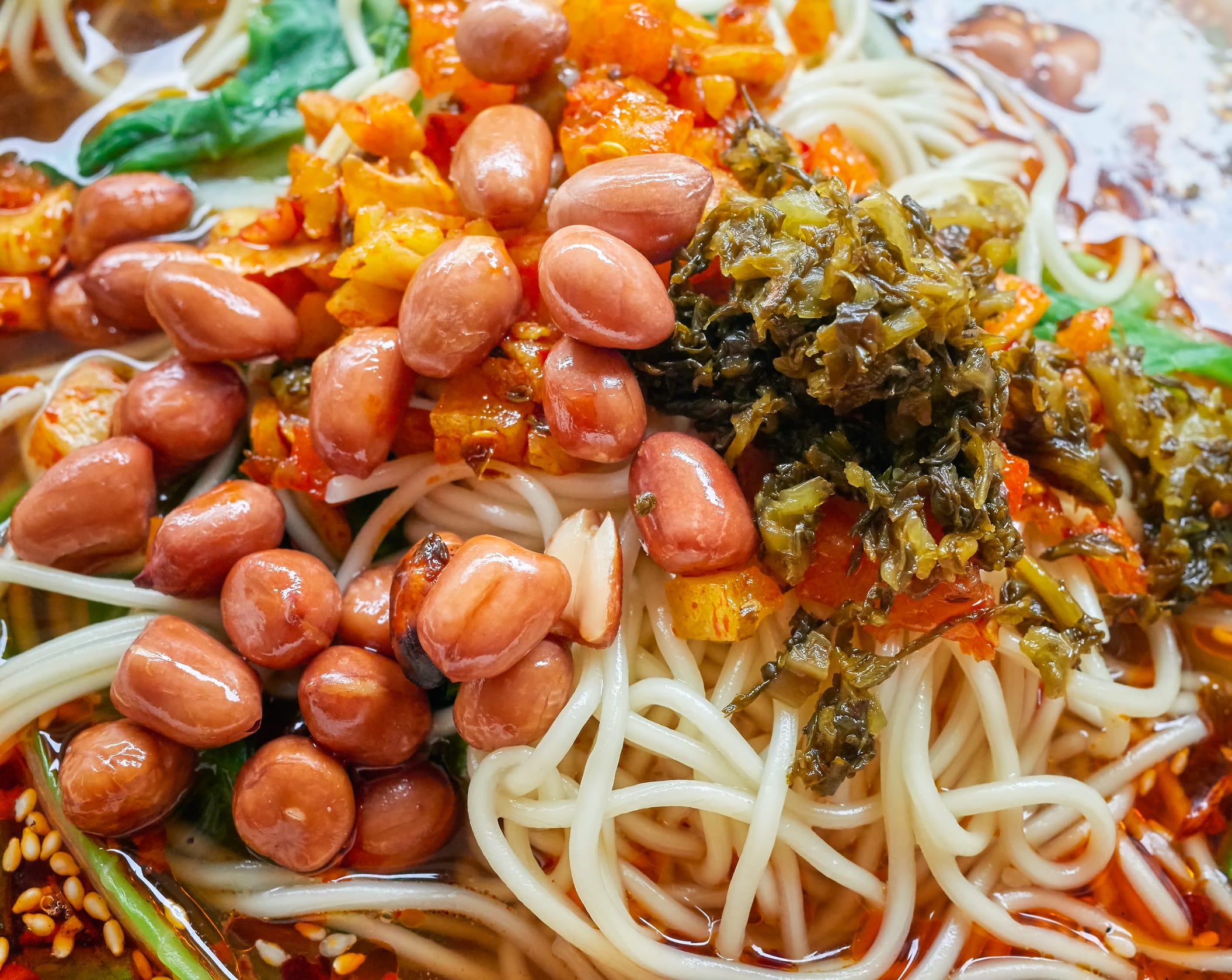
Yunnan cuisine changes with elevation and community. Fresh herbs, mushrooms, flowers, rice noodles and cured products appear across the province.
Crossing the Bridge noodles are served with hot broth and separate ingredients. Dali brings Bai flavours, while Lijiang and Shangri La introduce highland produce and different cultural traditions.
Wild mushrooms are seasonal and should only be eaten at reputable restaurants because correct identification and cooking matter. Follow local professional advice.
The Grand Yunnan Journey gives enough time to taste the regional changes.
Xinjiang food
Xinjiang food reflects Uyghur, Kazakh, Hui and other traditions. Lamb, flatbreads, noodles, rice, dried fruit and dairy are important.
Try hand pulled noodles, polo rice, grilled lamb skewers and naan from a reputable kitchen. Spice is aromatic, with cumin playing a stronger role than the numbing heat associated with Sichuan.
Respect halal dining practices. Alcohol and pork are not appropriate in many settings. Ask before photographing cooks or market vendors.
The Chengdu to Xinjiang luxury rail journey includes regional meals across a long route.
Tea culture
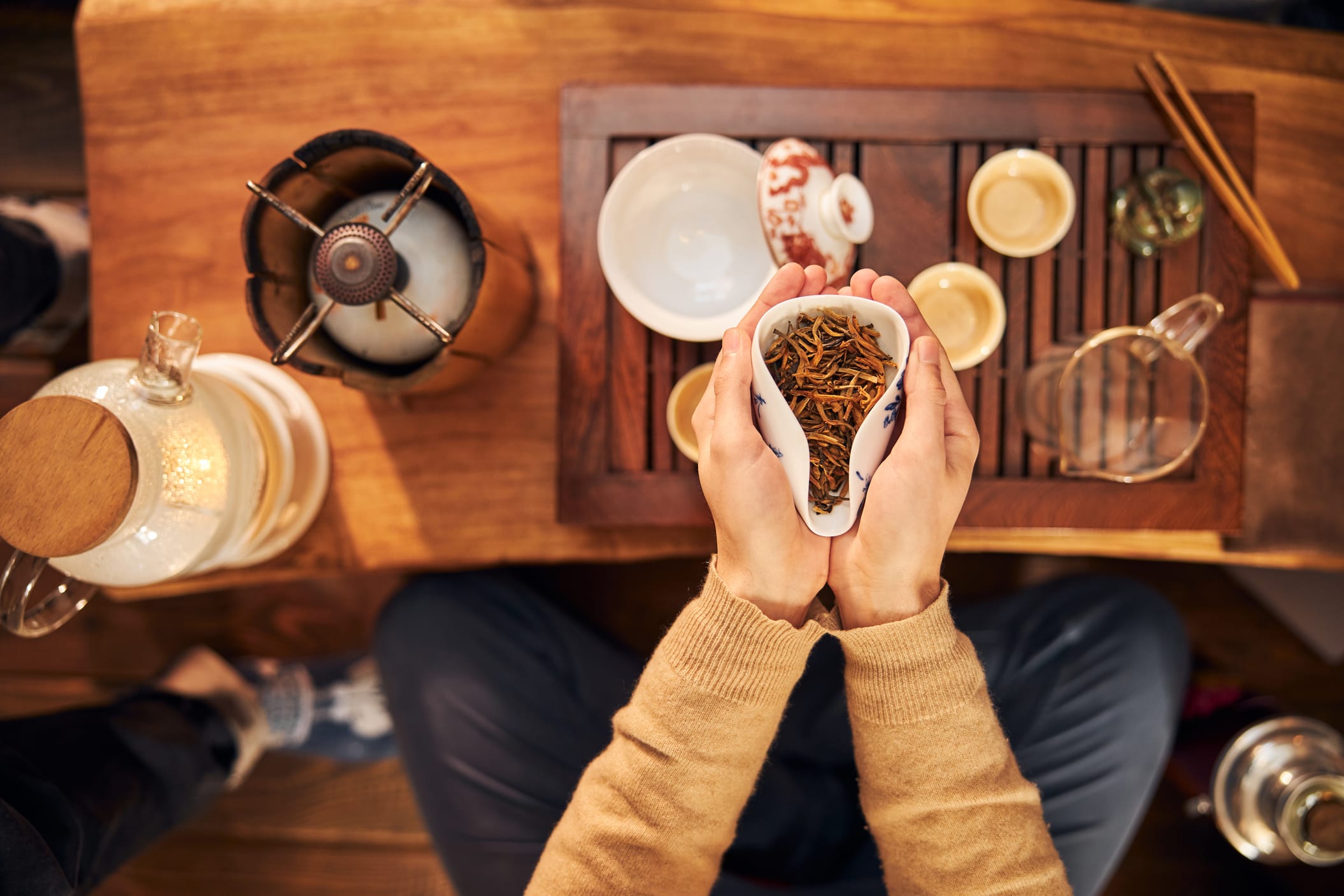
Tea changes by place and occasion. Green, black, white, oolong, dark and scented teas all have distinct production methods and traditions.
In Chaoshan, gongfu tea uses a small pot, small cups and repeated infusions. Chengdu tea houses encourage lingering and conversation. Yunnan is associated with pu erh and other local teas.
Buy from reputable sellers, taste first and avoid pressure. Tea quality, age and storage affect price. A dramatic story does not guarantee value.
How to order a shared meal
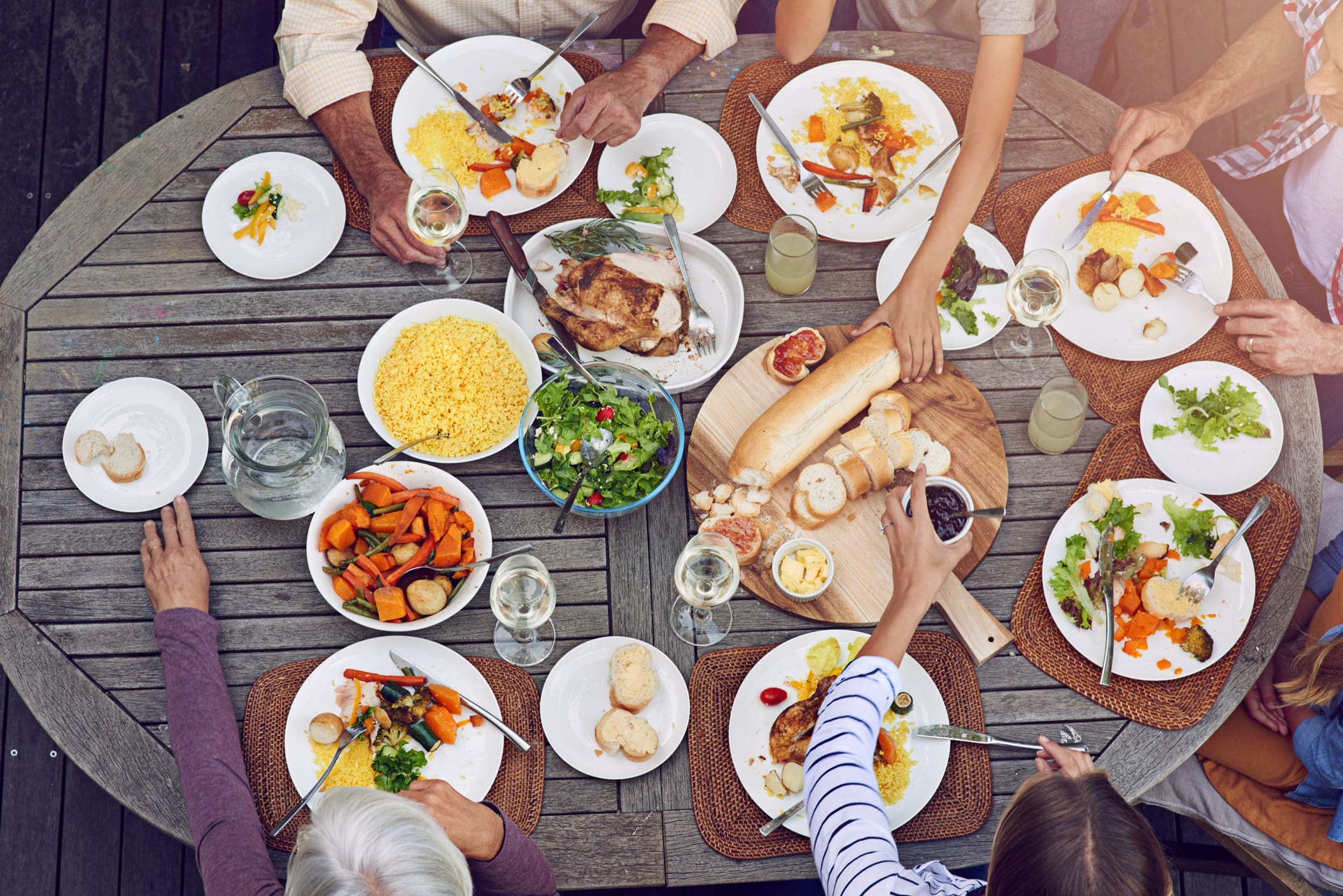
Choose a balance of protein, vegetables, staple and soup according to group size. Ask the server for portion guidance. Chinese restaurant menus can contain far more dishes than one table needs.
Place dishes in the centre and take small servings. Use serving utensils when provided. Rotate a lazy Susan gently.
Tell the guide about allergies before ordering. Ingredient names can be complex, and sauces may contain nuts, seafood or meat stock.
Breakfast in China
Hotel breakfast often combines Chinese and Western choices. Local breakfasts may include congee, noodles, buns, soy milk, eggs and savoury pancakes.
Try one regional item alongside familiar food. Early rail departures may require a packed breakfast, so arrange it the night before.
Coffee is widely available in cities, but tea remains the more culturally connected choice.
Street food and markets
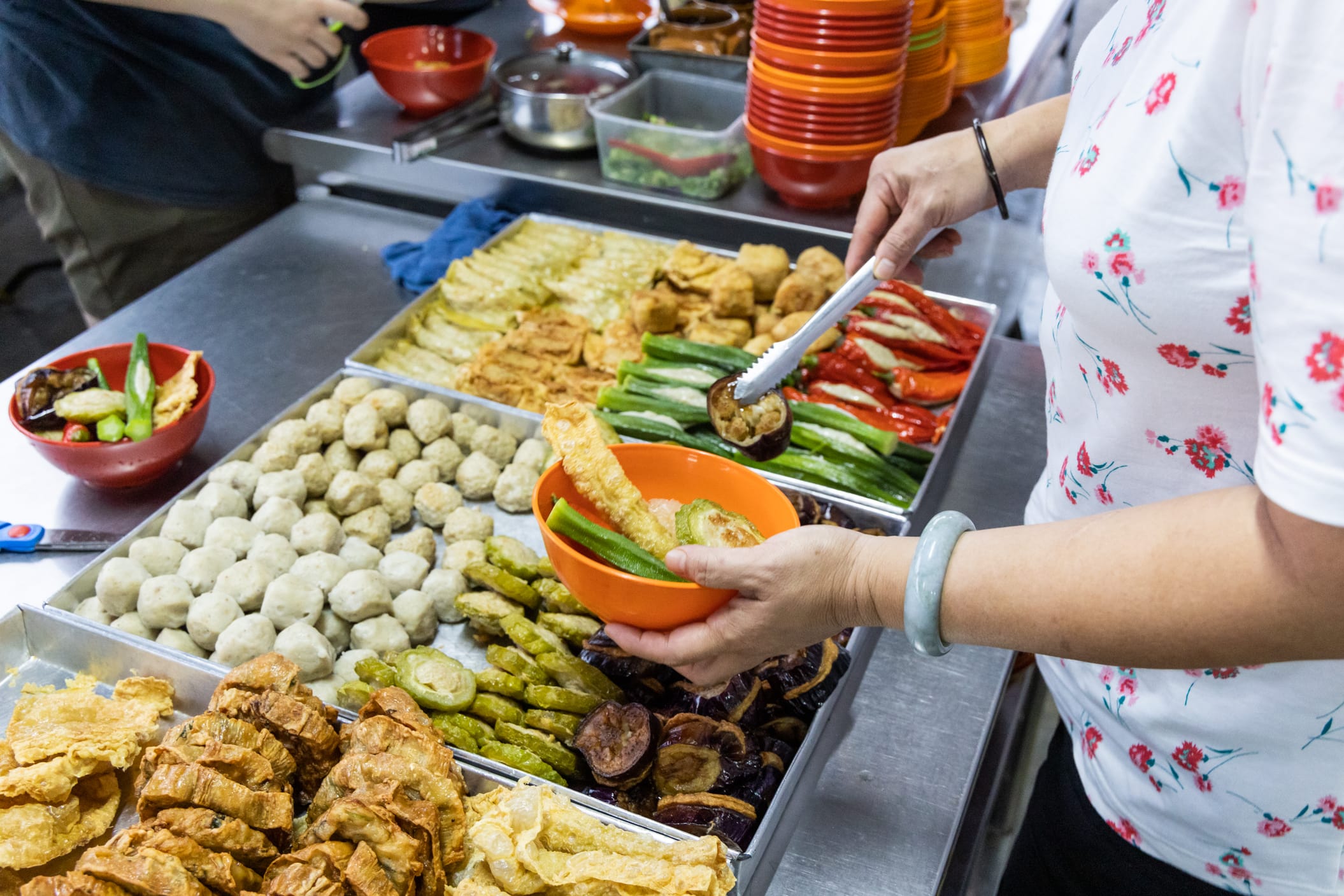
Choose busy stalls with visible turnover and food cooked thoroughly in front of you. Avoid items that have sat warm for a long time.
Carry tissues and hand sanitiser. Start with small portions so you can try several foods without waste.
A guided market walk helps with language, ingredients and reputable vendors. Do not block local customers for photographs.
Food safety
Drink bottled or properly treated water and check the seal. Use hotel advice for ice and raw produce.
Eat freshly cooked food from clean, busy establishments. Travellers with sensitive stomachs should introduce chilli and rich dishes gradually.
Carry your usual treatment and seek medical care for severe symptoms. Travel insurance details should remain accessible.
Vegetarian and vegan travel
Vegetarian dishes are widely available, but the concept may not exclude meat stock, lard, fish sauce or small pieces of meat. Explain the restriction clearly in Chinese.
Buddhist vegetarian restaurants can be useful, though not every dish is vegan. Egg and dairy use varies.
Share exact requirements with SoulTrips before the trip. A guide can choose suitable restaurants and write a clear dietary card.
Halal dining
Look for established halal restaurants and the Chinese term for halal, qingzhen. Xi'an and Xinjiang offer strong Muslim food traditions.
Avoid assuming that a lamb dish is automatically halal. Use a recognised restaurant and ask the guide.
Respect the environment by not bringing pork or alcohol into a halal space.
Allergies
Severe allergies require preparation. Carry a translated card naming the allergen, cross contamination risk and emergency response.
Peanuts, sesame, shellfish, soy and wheat appear frequently. Sauces may hide ingredients not visible in the dish.
Bring prescribed emergency medicine and do not depend on translation alone. A private guide can communicate directly with the kitchen, but no restaurant can guarantee zero risk without confirmation.
Dining etiquette
Wait for the host to begin at a formal meal. Use shared utensils and do not place chopsticks upright in rice.
Toasts may occur at banquets. You can decline alcohol politely and use tea or a soft drink. There is no need to exceed your comfort.
Read the related China culture and etiquette guide for wider context.
Fine dining and hotel restaurants
Major cities offer sophisticated contemporary Chinese restaurants and international dining. These can help you explore regional cuisine through polished service and carefully sourced ingredients.
Reserve ahead and mention dietary needs. Smart casual clothing is usually enough unless the venue states otherwise.
Hotel restaurants cost more than neighbourhood dining, but they can be useful on an arrival night or after a demanding excursion.
Food on a luxury train
Luxury rail dining is part of the journey. Menus may combine Sichuan dishes, Silk Road flavours and formal onboard service.
Tell the operator about allergies and dietary restrictions before final payment. Remote sections limit last minute substitutions.
Pack a few personal snacks for comfort, but do not bring strong smelling food into shared areas.
Cooking and tea experiences
A cooking class, market visit or tea session can add context that restaurant meals alone cannot. Choose small experiences led by local specialists.
Ask about the cultural meaning of ingredients and techniques. Participate respectfully rather than treating the host as a photo prop.
The best experience usually focuses on one regional tradition rather than a broad list of famous dishes.
What to bring home
Tea, packaged snacks and cooking tools can make useful souvenirs. Check Singapore import rules before buying meat, fresh produce or other restricted food.
Keep tea sealed and labelled. Fragile ceramics need careful hand luggage packing, subject to airline limits.
For expensive tea, request clear product information and store it properly after returning home.
Regional noodles and dumplings
Noodles change shape, texture and cooking method across China. Xi'an favours broad wheat noodles, Sichuan has spicy noodle dishes and Yunnan is known for rice noodles. A bowl that appears simple often carries local history through its broth, seasoning and preparation.
Dumplings are equally varied. Northern jiaozi are boiled, steamed or fried, while Shanghai soup dumplings require careful handling. Buns can be filled with meat, vegetables, sweet bean or custard.
Ask how a dish is normally eaten before adding sauces. The condiments on the table are not always intended for every item.
Seasonal ingredients
Chinese menus often follow the season. Spring vegetables, summer fruit, autumn crab and winter hotpot appear at different times and places. Seasonal eating can be more rewarding than insisting on a famous dish outside its best period.
In Yunnan, mushroom season attracts great interest, but wild fungi require expert identification and thorough cooking. Choose reputable restaurants and follow their advice.
Menus may change daily according to supply. Treat this flexibility as part of local dining rather than a failure to provide the advertised dish.
Food experiences for families
Children often enjoy dumpling making, noodle demonstrations and market visits. Begin with mild dishes, rice, buns and simple vegetables, then add stronger flavours gradually.
Carry a familiar snack during long transfers but keep enough appetite for meals. Avoid turning every lunch into a negotiation over unfamiliar food.
Tell the guide about allergies and preferences, while leaving room for the child to try a small bite without pressure.
Eating alone in China
Solo travellers can use noodle shops, dumpling restaurants, food courts and small cafés without ordering a full shared meal. Counter seating and digital menus are increasingly common in cities.
At a larger restaurant, ask for half portions or guidance. Hotpot can also be served in individual pots in some venues.
A guided food walk provides company and access to several small tastings. It is a useful first evening in a new region.
Understanding menus and translation
Photo menus help, but images do not show spice, bones or hidden ingredients. Translation apps can misread regional dish names.
Ask the guide to write key dietary instructions in Chinese. For serious allergies, use a professionally translated card rather than relying only on live translation.
Confirm the cooking method, main ingredient and presence of stock. A vegetable name in the title does not guarantee a vegetarian dish.
Planning a food focused journey
Choose one or two meaningful food experiences in each region rather than booking every meal in advance. A hosted tea session, market walk or specialist restaurant can anchor the stay, while free meals leave room for local recommendations.
Balance rich dining with simple breakfasts, fruit and familiar foods. Long journeys become tiring when every meal is a banquet. Tell the guide which flavours you enjoy and which textures you avoid, then remain open to a small taste. If a restaurant is famous online, confirm that it still fits the route and dietary needs. Popularity is not the same as a good experience for your group.
Frequently asked questions
-
What food should I try first in China?
Start with a regional speciality where you are staying. Peking duck in Beijing, noodles in Xi'an and Sichuan dishes in Chengdu are natural introductions.
-
Is all Chinese food spicy?
No. Sichuan and parts of central China use significant chilli, while Cantonese and Jiangnan cuisines often focus on lighter or sweeter flavours.
-
Is vegetarian food easy to find?
Yes, but meat stock and lard can appear in vegetable dishes. Use a translated dietary card and choose informed restaurants.
-
Can I drink tap water?
Use bottled or properly treated water for drinking. Check the seal and follow hotel guidance.
-
Is street food safe?
Choose busy, clean stalls where food is cooked fresh. Travellers with sensitive stomachs should begin cautiously.
-
What is gongfu tea?
It is a careful method using small vessels and repeated infusions, strongly associated with Chaoshan tea culture. A host or specialist can explain the process.
-
Do restaurants expect tips?
Tipping is not generally expected in ordinary mainland Chinese restaurants. Check for a service charge at premium venues.
-
Can restaurants handle food allergies?
Some can, but communication and cross contamination remain concerns. Carry a translated card and prescribed medicine.
-
What should I eat in Xinjiang?
Try lamb skewers, hand pulled noodles, polo rice and naan at reputable local restaurants. Respect halal practices.
-
Can SoulTrips arrange food experiences?
Yes. Regional meals, tea sessions and market visits can be included according to your interests and dietary needs.
Use this China food guide to taste each region
A China food guide is most useful when it encourages you to eat locally, ask questions and understand the people behind each dish. Share plates, respect religious practices and leave room for a meal you did not expect.
Use Plan My Trip or contact SoulTrips to build regional food and tea experiences into your journey. The flavours will become part of how you remember each place.