By Soul Trips · Updated on 24 September, 2026
China Travel Etiquette: Culture and Customs to Know
China travel etiquette is less about memorising rigid rules and more about showing respect, patience and awareness. China is diverse, and behaviour that feels ordinary in Shanghai may differ from expectations in a village, monastery or Muslim neighbourhood in Xinjiang.
Your local guide is the best source for each setting. Observe what residents do, ask before taking photographs and avoid turning every interaction into a performance. Small gestures such as greeting elders, using both hands for a gift and arriving on time communicate care.
The SoulTrips China destination guide introduces the regions, while this guide focuses on how you can travel through them thoughtfully.
China travel etiquette at a glance
- Greet people politely and use titles in formal settings.
- Treat passports, tickets and queues with patience.
- Wait for the host to begin at a formal meal.
- Use shared dishes respectfully.
- Ask before photographing people.
- Dress modestly at religious sites.
- Avoid loud criticism or public confrontation.
- Follow local security and access instructions.
- Learn a few simple Mandarin phrases.
- Remember that customs vary by region and community.
Greetings and introductions

A nod, smile or light handshake works in most professional and travel settings. Handshakes may be gentler than in some Western cultures. Use a person's title and family name until invited to be more informal.
Older people and senior hosts are often acknowledged first. In a group introduction, wait for the host or guide to lead the order.
Mandarin greetings are appreciated, but perfect pronunciation is not expected. A sincere ni hao (hello) and xie xie (thank you) can make everyday interactions warmer.
Names and forms of address
Chinese family names usually come before given names. Do not assume which part is the surname when reading a romanised name. Ask politely or follow the introduction provided.
Professional titles can matter. Teacher, director, doctor and manager may be used with the family name. Your guide can help with a formal visit.
Avoid inventing nicknames. Use the name a person gives you.
Understanding “face”
In China, “face” refers to a person’s dignity and standing in the eyes of others. Publicly criticising someone or pressing them to admit a mistake can make a problem harder to resolve.
If something goes wrong, explain calmly what happened and what you need. Speak privately when you can, and give the person time to find a solution. If your safety is at risk, be direct and seek help immediately.
Personal space and crowds
Large cities and transport hubs can feel crowded. Queuing styles and personal space may differ from your country. Stay aware of your belongings and follow marked lines where they exist.
Security checks are routine at stations, airports and major attractions. Keep your passport ready and allow time. Irritation will not speed the process.
On a metro, let passengers leave before entering when possible and give priority seats to people who need them.
Dining etiquette
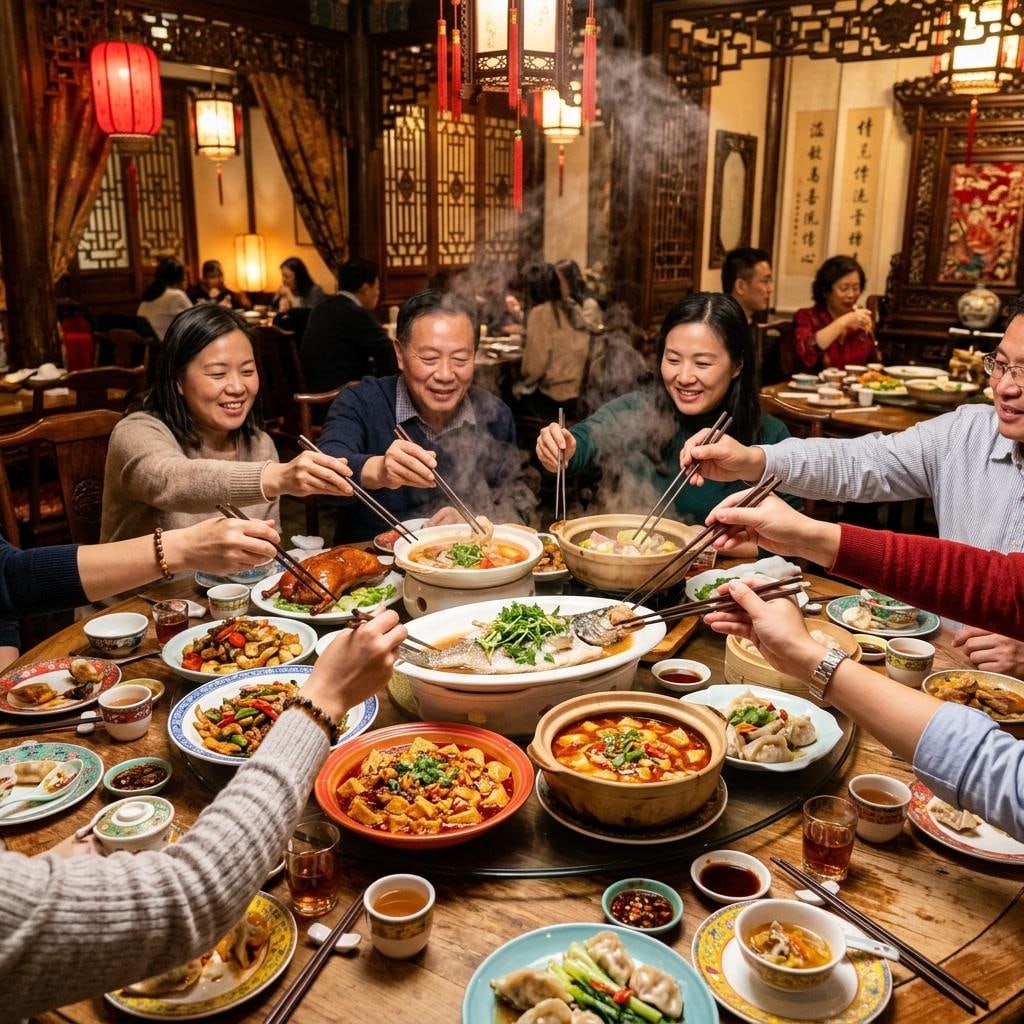
Chinese meals are often shared. Dishes arrive in the centre and everyone takes small portions. Wait for the host or eldest person to begin at a formal meal.
Use serving utensils when provided. Turn a rotating table gently and check that nobody is serving themselves. Take a modest portion first because more food will usually arrive.
Do not place chopsticks upright in a bowl of rice, as the image is associated with funeral offerings. Rest them on the holder or across your bowl according to the setting.
Banquets and toasts
Formal banquets can include seating order, speeches and repeated toasts. The host usually indicates the important seats. Wait to be shown where to sit.
You do not have to drink alcohol. Explain politely, hold tea or a soft drink and join the gesture. Health, religion and personal choice are reasonable boundaries.
Ganbei can imply finishing the glass, but the context varies. Your guide can help you respond without discomfort.
Tea culture
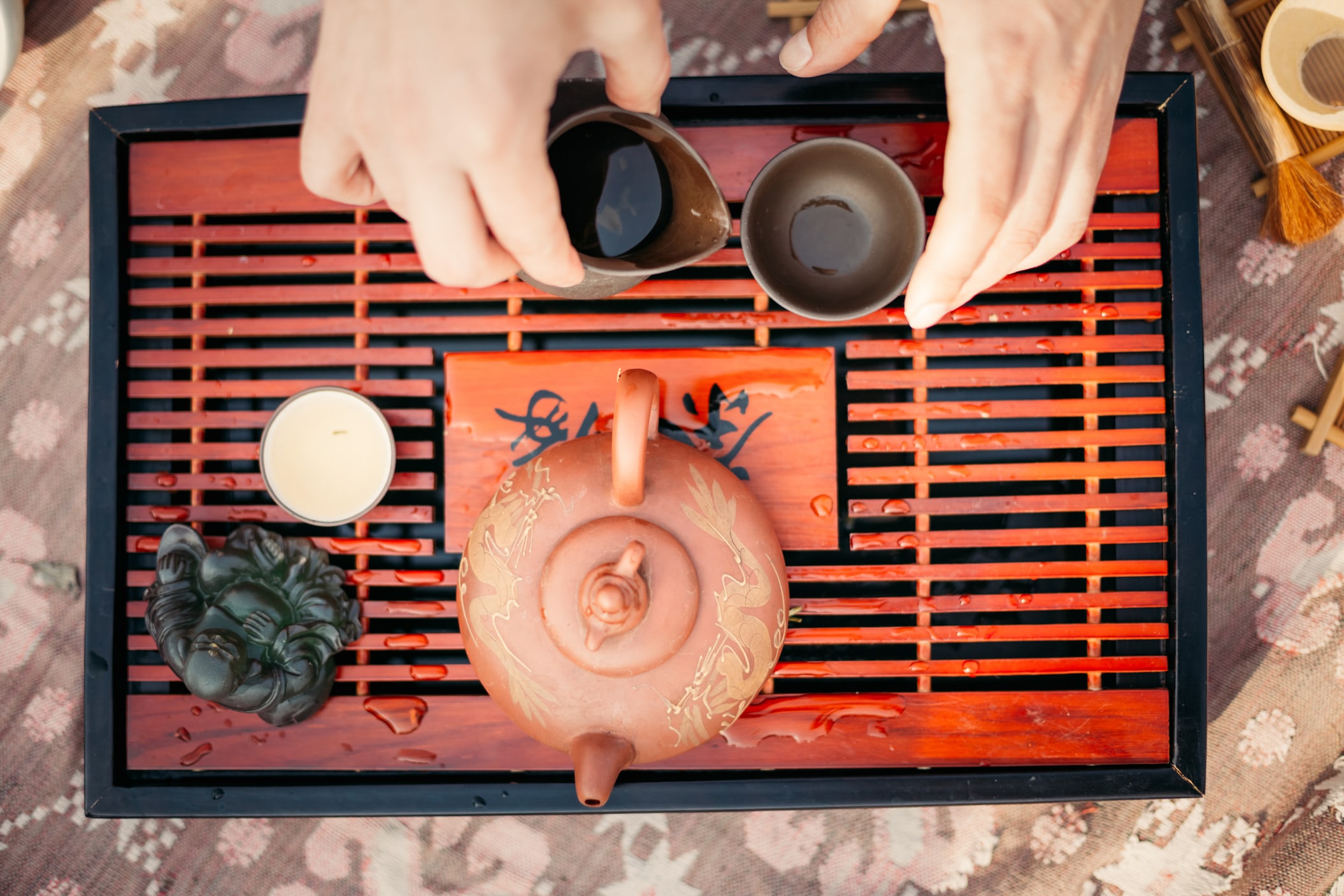
Tea is hospitality, craft and everyday life. In Chaoshan, gongfu tea uses small cups and repeated short infusions. In Chengdu, tea houses are social spaces where people linger.
Accept the cup with care and taste before adding anything. Watch the host for the correct way to handle specialised utensils.
A light finger tap on the table can express thanks when someone pours tea in some settings. It is not necessary for every traveller, and a spoken thank you is always clear.
The Authentic Chaoshan Heritage and Culture Journey includes tea traditions within a wider cultural route.
Paying for meals
In a hosted meal, one person may insist on paying. Splitting every dish at the table is less common in a formal context, though habits are changing among friends.
Mobile payment is common, but carry a backup method.
Tipping
Tipping is not a universal everyday custom in mainland China. Restaurants and taxis generally do not expect the same percentage model used in some countries.
Guides and drivers working with international travellers may receive gratuities for excellent service. Follow the tour advice and treat the amount as recognition rather than a substitute for fair wages.
Check if a service charge is already included at premium hotels.
Gift giving
Small gifts are appropriate when meeting a host, family or partner. Something from your home country that is easy to share works well.
Offer and receive a gift with both hands. The recipient may not open it immediately, which can be a sign of politeness rather than disinterest.
Avoid gifts with awkward cultural associations unless your guide confirms. Presentation matters, but simple and thoughtful is enough.
Visiting temples and monasteries
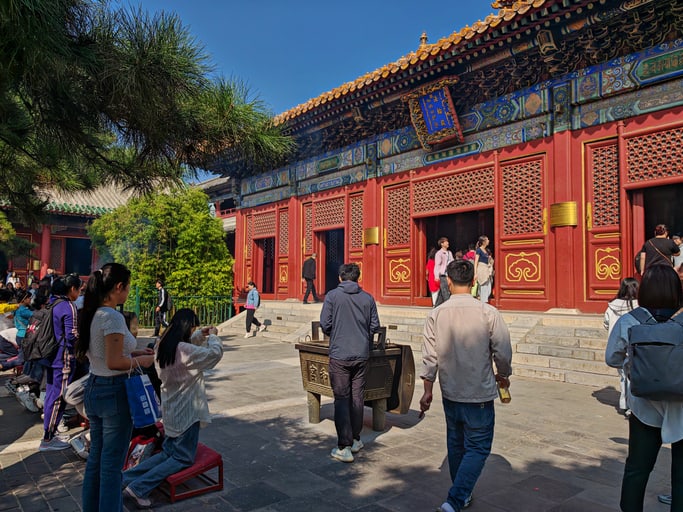
Dress modestly, speak quietly and follow signs. Remove hats where requested. Some buildings prohibit photography even when the outer courtyard allows it.
Do not touch statues, murals or ritual objects. Walk around sacred structures in the direction indicated. Avoid stepping over thresholds or placing feet towards an altar.
Religious sites are active places, not theatrical sets. Give worshippers space and ask before joining a ritual.
Buddhist areas in Yunnan
Yunnan includes Buddhist communities and, around Shangri La, Tibetan cultural influences. Monasteries may have specific photography and movement rules.
Altitude can make visitors distracted or tired. Slow down and listen to the guide. Respect resident monks and avoid interrupting prayer.
The Grand Yunnan Journey provides cultural context across several communities.
Mosques and Muslim communities
China has diverse Muslim communities, including Hui and Uyghur traditions. Dress modestly, remove shoes where required and ask before entering prayer areas.
Do not bring alcohol or pork products into a home or restaurant where they are inappropriate. Follow your host's lead.
Photography around worship should be discreet and permitted. The customs in Xi'an can differ from those in Kashgar, so avoid generalising.
Photography etiquette
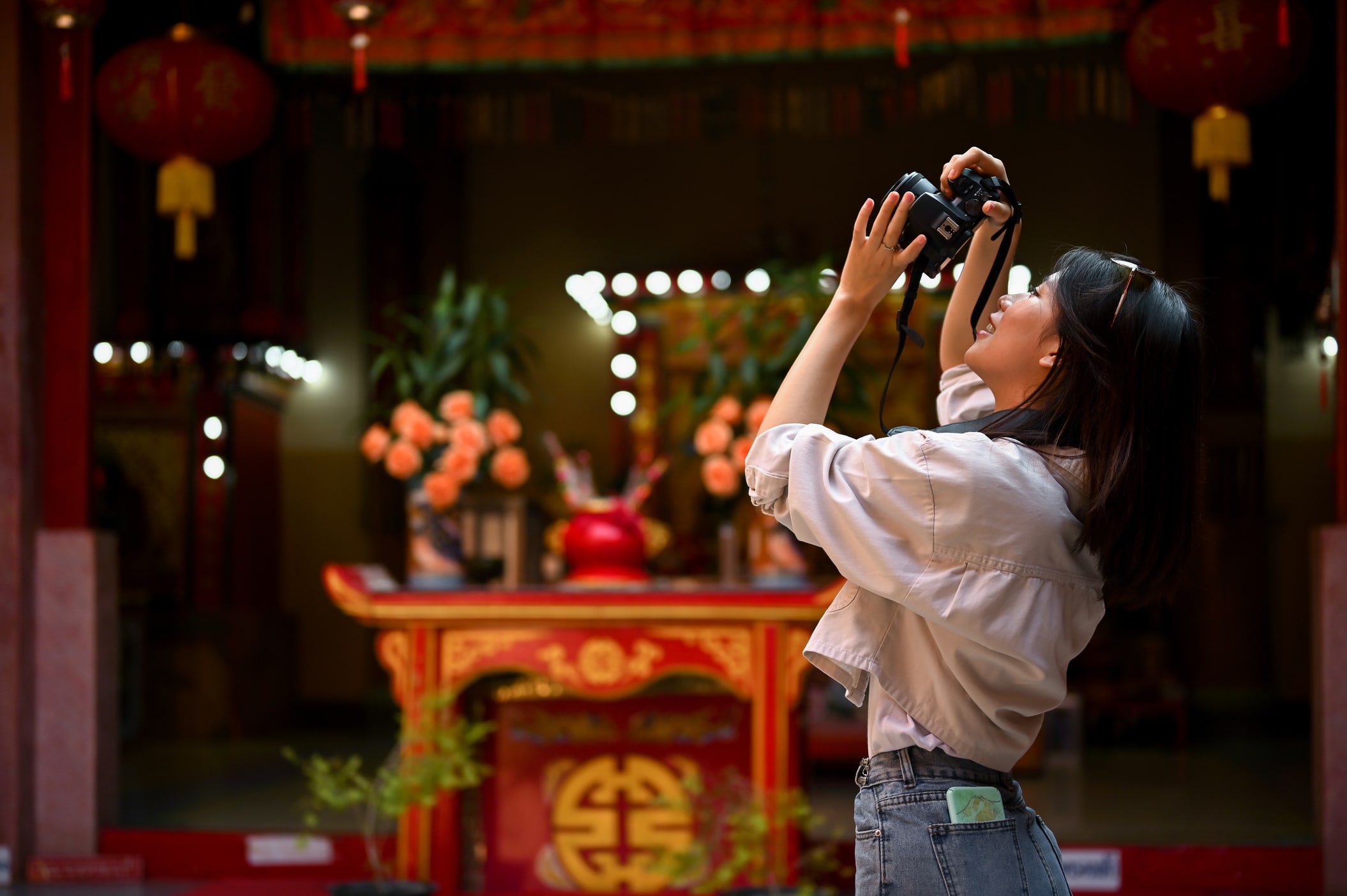
Ask before photographing a person at close range, especially children, artisans, worshippers and ethnic minority communities. A market is not automatic permission.
Show the image if the person is interested and accept a refusal with grace. Avoid blocking streets or doorways for a staged picture.
Photography may be restricted in museums, temples, border areas and security facilities. Obey signs and guide instructions.
Cultural performances
Performances can preserve and interpret living traditions, but presentation varies. Approach them with interest rather than treating communities as costumes.
Stay for the full programme when possible, avoid flash and do not walk onto the stage without invitation. If participation is encouraged, follow the performers.
Ask your guide about the history and current meaning of the form. This turns entertainment into understanding.
Markets and bargaining
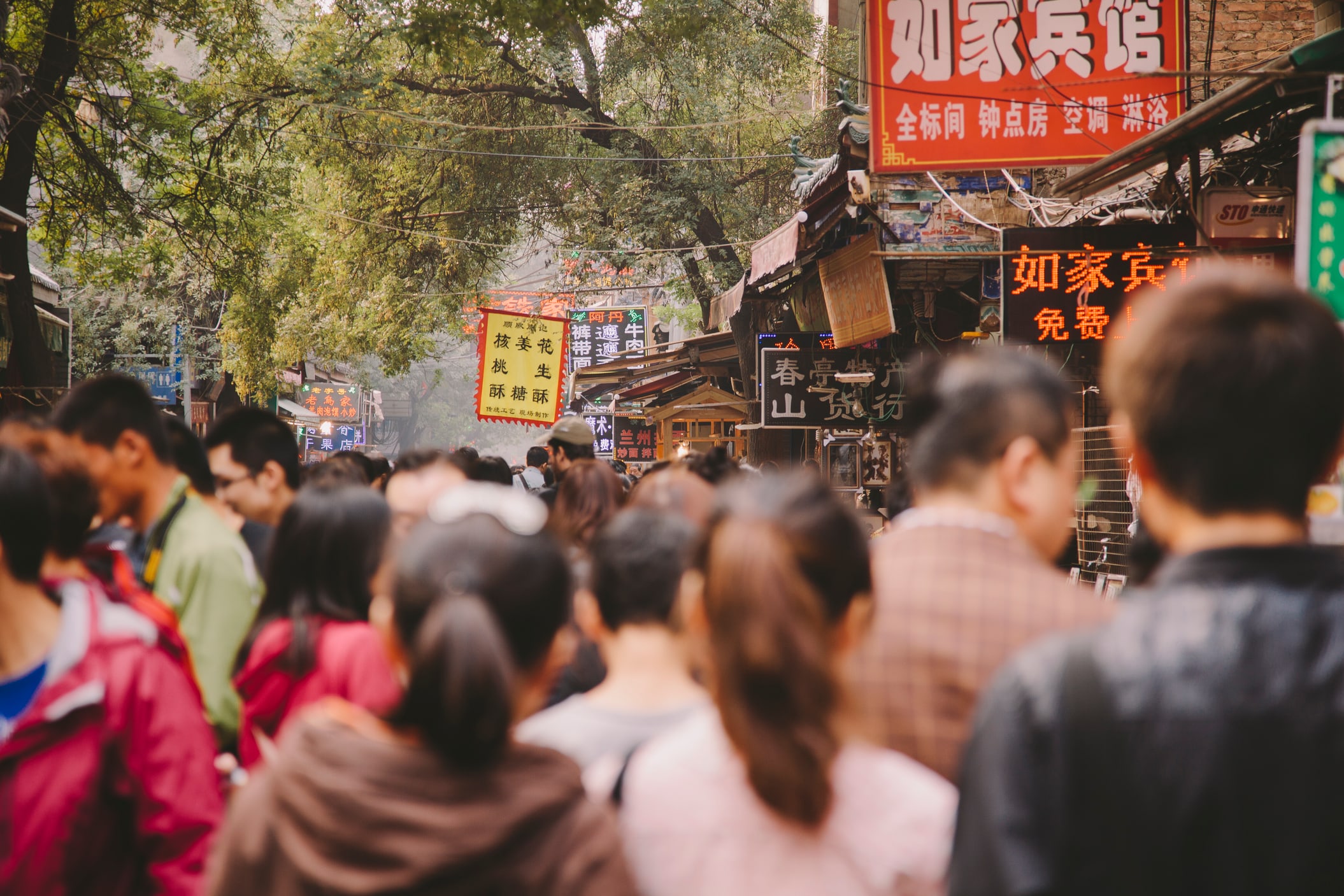
Prices are fixed in malls, supermarkets and many formal shops. Bargaining may be possible in tourist markets, but it should remain friendly.
Know your maximum price and walk away politely. Do not begin an intense negotiation over an item you have no intention of buying.
For valuable tea, art or antiques, use a reputable seller and understand export restrictions. A very low price may reflect quality rather than a special discovery.
Punctuality
Arrive on time for trains, guides and formal meetings. Transport closes boarding before departure, and attraction reservations can be strict.
In social settings, the host may offer more flexibility, but lateness without communication is discourteous. Tell your guide immediately if you are delayed.
Build realistic mornings rather than expecting a group to recover time through speed.
Communication style
Directness varies by person and region. A response can be indirect when someone wants to avoid embarrassment or cannot grant a request.
Ask clear, practical questions and confirm important details in writing. Translation apps help, but humour, idiom and tone do not always transfer.
Patience is part of etiquette. A pause does not necessarily signal refusal.
Useful Mandarin phrases
Simple phrases show effort:
- Ni hao: hello.
- Xie xie: thank you.
- Qing: please.
- Duibuqi: sorry.
- Bu yao: I do not want it.
- Cesuo zai nali: where is the toilet?
Pronunciation varies, and local languages are also spoken. Use the phrase kindly rather than trying to impress.
Hotel etiquette
Present your passport at check in because accommodation registration is required. Keep noise low in corridors and follow non smoking rules.
Domestic hotel breakfast can be busy. Take only what you will eat and return shared utensils correctly.
If you stay in an old town property, respect neighbours and quiet hours. Not every beautiful lane is designed around tourism.
Respect in rural communities
Ask before entering a home, field or workshop. Accept food and tea graciously, but explain dietary restrictions early.
Do not hand out money or sweets to children. Support the community through fair purchases, local guides and approved experiences.
Listen more than you compare. A rural visit should not become a judgement about modernity.
Responsible travel
Carry rubbish until a bin is available, stay on marked paths and avoid buying wildlife products. Follow site limits even when others do not.
Use refill options where safe and reduce unnecessary hotel laundry. Choose experienced local guides who can explain sensitive environments.
The SoulTrips travel tips offer broader advice for thoughtful journeys.
Political and sensitive topics
Avoid casual jokes or confrontational discussion about politics, borders, religion and historical conflict. Do not photograph military or security facilities.
Follow laws and local instructions. Online behaviour that feels ordinary at home may operate under different rules.
If a conversation becomes sensitive, listen respectfully and do not pressure another person to speak.
Travelling with children
Prepare children for quiet behaviour in temples, museums and family homes. Explain that they should ask before touching objects or photographing people.
Chinese hosts may show friendly curiosity towards young visitors. Children can respond with a smile but should never be forced into an interaction that makes them uncomfortable.
Bring simple activities for formal meals and long transfers. A tired child is more likely to struggle with unfamiliar etiquette, so keep the programme realistic.
Business and formal visits

For a professional meeting, arrive on time and dress neatly. Exchange a business card or document with both hands and take a moment to read what you receive.
Seating, introductions and speeches may follow seniority. Let the local host or guide lead. Avoid interrupting or rushing directly into disagreement.
After the meeting, a meal may continue the relationship building. Confirm dietary needs in advance and allow the host to set the pace.
Handling mistakes gracefully
You may use the wrong title, misunderstand a dish or miss a local cue. A sincere apology and willingness to adjust are enough in most travel situations.
Do not become so anxious about etiquette that every interaction feels rigid. People generally recognise that visitors are learning. Respect, humour and humility matter more than flawless performance.
Travelling in Xinjiang
Xinjiang is culturally diverse and subject to regional procedures. Carry your passport, allow time for checks and follow local guidance.
Dress respectfully in religious communities and ask before photography. Avoid reducing Uyghur, Kazakh, Tajik or other cultures to a single description.
The Chengdu to Xinjiang luxury rail journey combines local guides with a structured route.
Common etiquette mistakes
- Photographing people without permission.
- Speaking loudly in a sacred place.
- Placing chopsticks upright in rice.
- Criticising staff publicly.
- Ignoring seating order at a formal meal.
- Treating every market price as negotiable.
- Entering private areas for a photograph.
- Assuming one custom applies across China.
Learning through local guides
A good local guide does more than explain dates. They help you understand which customs are specific to a family, neighbourhood or community and which have wider meaning. Ask open questions and allow the answer to be complex.
Share your own background without using it as the standard for judging what you see. When the guide corrects a misunderstanding, accept it with interest. This exchange is one of the reasons private touring can create a more thoughtful journey than moving through landmarks alone.
Frequently asked questions
-
Do I need to bow in China?
No. A smile, nod or light handshake works in most travel situations. Follow the host in a formal setting.
-
Is it rude to leave food?
Take small portions so you can finish comfortably. At a banquet, abundant food may remain, but waste is still best avoided.
-
Can I use chopsticks for everything?
Use serving utensils when provided and rest chopsticks neatly. Do not place them upright in rice.
-
Is tipping expected?
It is not an everyday expectation in most restaurants and taxis. Tour guides and drivers may receive gratuities for excellent service.
-
Can I photograph temples?
Rules vary by building. Ask the guide and obey signs, especially inside prayer halls.
-
What should I wear at a mosque?
Choose modest clothing that covers shoulders and knees, and remove shoes where requested. Follow local instructions.
-
Is bargaining normal?
It can be in tourist markets, but not in formal shops. Keep the exchange friendly and do not bargain without genuine interest.
-
Should I bring a gift for a host?
A small item from your home country is thoughtful. Offer it with both hands and do not expect it to be opened immediately.
-
Is English widely spoken?
English varies. Major hotels may have English speaking staff, while local areas may not. Keep addresses in Chinese.
-
How can I avoid offending people?
Observe local behaviour, ask before taking photographs and listen to your guide. Sincere respect matters more than perfect knowledge.
Practise China travel etiquette with curiosity
China travel etiquette becomes natural when you slow down and pay attention. Share meals respectfully, treat sacred spaces as living places and allow regional communities to speak for themselves.
Use Plan My Trip or contact SoulTrips to design a culturally informed journey. Good etiquette opens the door to more genuine conversations and warmer memories.