By Soul Trips · Updated on 18 September, 2026
Bhutan Travel Guide: Everything You Need to Know Before You Go
A journey to Bhutan rewards thoughtful planning. The Himalayan kingdom is easy to enjoy once you understand its visa system, Sustainable Development Fee, limited flight network, mountain roads and cultural expectations. This Bhutan travel guide gives you the practical information you need before you book, while helping you choose a pace that leaves room for monasteries, valleys, local encounters and quiet moments.
Bhutan suits travellers who value culture, nature and depth over a rushed list of sights. A first visit commonly links Paro, Thimphu and Punakha in seven days. Five days can introduce you to Paro and Thimphu, while ten days allows time for Phobjikha, Trongsa or Bumthang. You can explore current routes on the SoulTrips Bhutan destination page before deciding how far you want to travel.
Bhutan at a glance
- Capital: Thimphu
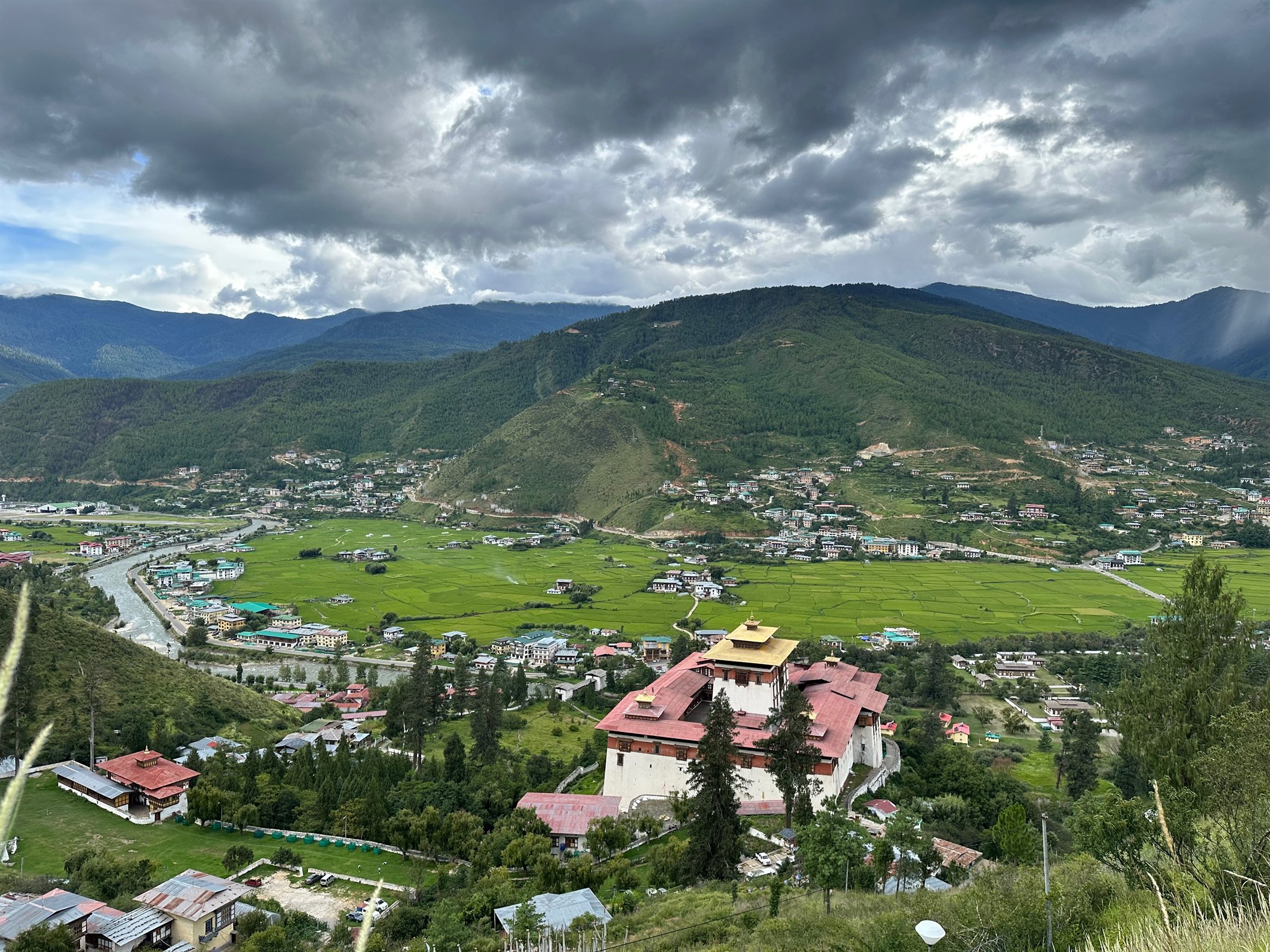
- Main international gateway: Paro International Airport, with a second international airport at Gelephu
- Currency: Bhutanese ngultrum, abbreviated BTN or Nu
- National language: Dzongkha, with English widely used in education and tourism
- Time zone: Bhutan Time, UTC plus six hours
- Best known travel periods: spring from March to May and autumn from September to November
- Typical first trip: seven days across Paro, Thimphu and Punakha
- Main visitor fee: Sustainable Development Fee, usually called the SDF
- Guiding: certified guides are required for monuments, dzongs and treks, and current rules should be confirmed before independent movement
What makes travel in Bhutan different?
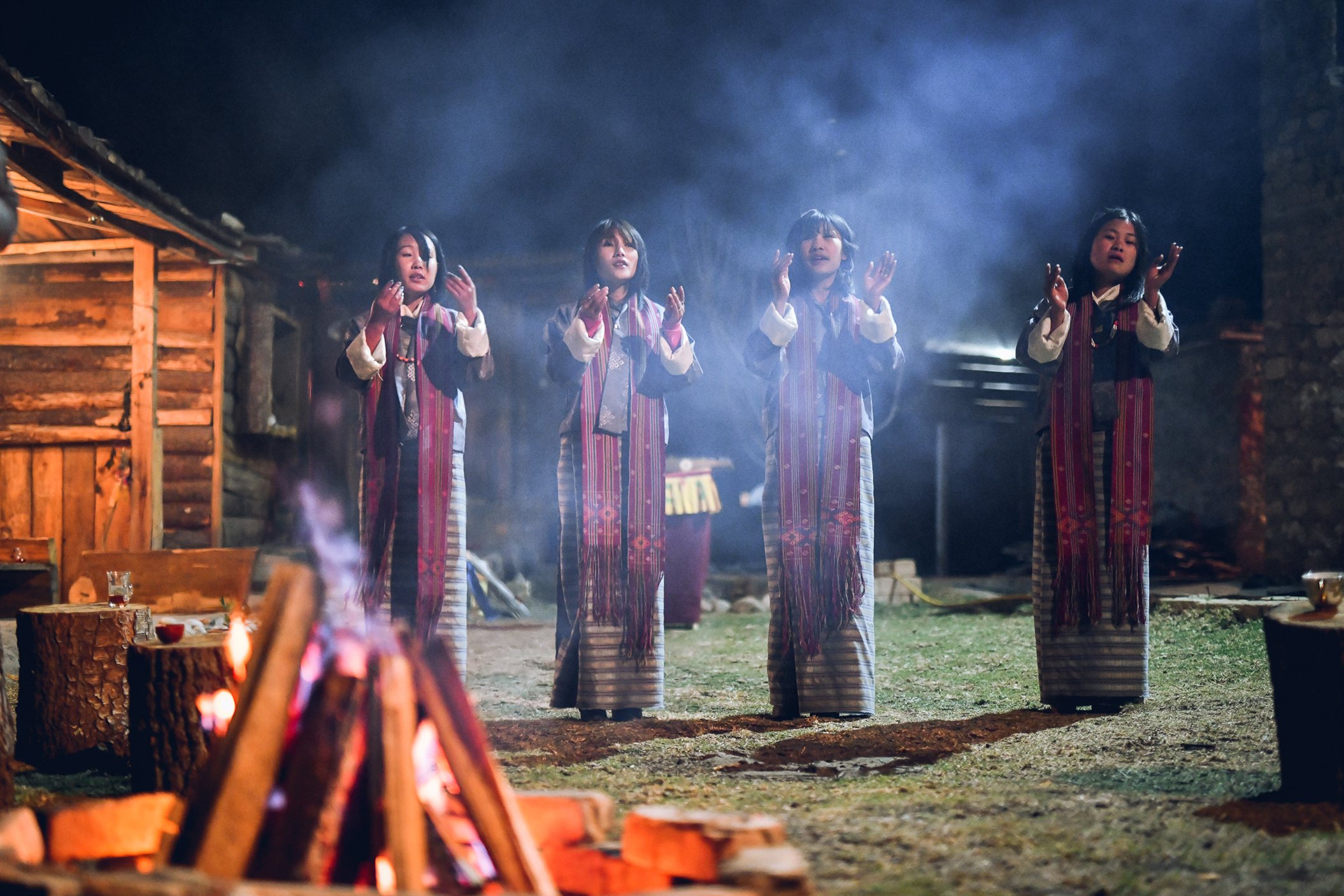
Bhutan manages tourism through a policy focused on value, cultural protection and environmental responsibility. This does not mean you need to join a large group. Most international visitors travel privately with a guide and driver, and an itinerary can be shaped around your interests, fitness and preferred pace.
You may apply for a visa yourself and book parts of a trip independently. In practice, a reputable operator removes much of the uncertainty by coordinating flights, visa processing, SDF payment, approved accommodation, guiding, permits, monument visits and road transport. This is especially useful because flight schedules can change and travel times on mountain roads are longer than distances suggest.
The official Bhutan Travel website remains the most useful source for current government information. Rules can change, so check official guidance again before paying for flights or submitting a visa application.
Do you need a visa for Bhutan?
Most international visitors need a visa before entering Bhutan. Indian nationals need an entry permit instead. Bangladeshi and Maldivian nationals require visas but may be eligible to apply on arrival, although advance arrangements can reduce waiting time.
The standard visa application fee is US$40 per person and is not refundable. A correctly completed application can take up to five days to process. You can apply through the Bhutan Immigration Services Portal or authorise a tour operator or hotel to submit the application for you.
Common mistakes to avoid
You will generally need:
- A clear digital copy of a valid passport
- A recent digital passport photograph
- Confirmed arrival and departure dates
- Payment details for the visa fee and SDF
Ensure that your passport has at least 6 months validity from the date of departure.
How much is Bhutan’s Sustainable Development Fee?
The Sustainable Development Fee is currently US$100 per adult per night for most international visitors. Children aged six to under twelve pay US$50 per night, while children under six are exempt. Indian nationals pay Nu 1,200 per person per night, with a reduced child rate. The current international visitor incentive is stated to run through August 2027, so confirm the rate for travel after that period.
The SDF is separate from the visa fee and does not pay for hotels, meals, transport, guides, flights or attraction admission. It supports national priorities that include education, health care, infrastructure, cultural preservation and environmental conservation.
If you cancel or shorten a trip, the Department of Immigration may refund unused SDF, less applicable bank charges. The visa application fee remains non refundable. Read the latest details in the Bhutan Travel visa and SDF guidance before applying.
Do you need a guide or tour operator in Bhutan?
You do not have to purchase a traditional fixed package or join a group, but guiding rules still shape how visitors move through Bhutan. A certified guide is required to enter monuments and dzongs, and all treks must be undertaken with an accredited guide or tour operator.
For a first visit, a private guide adds value beyond compliance. Your guide explains Buddhist imagery, local history, etiquette and regional traditions that can be difficult to understand from signs alone. A driver also lets you focus on the scenery while travelling on winding roads.
How do you get to Bhutan?
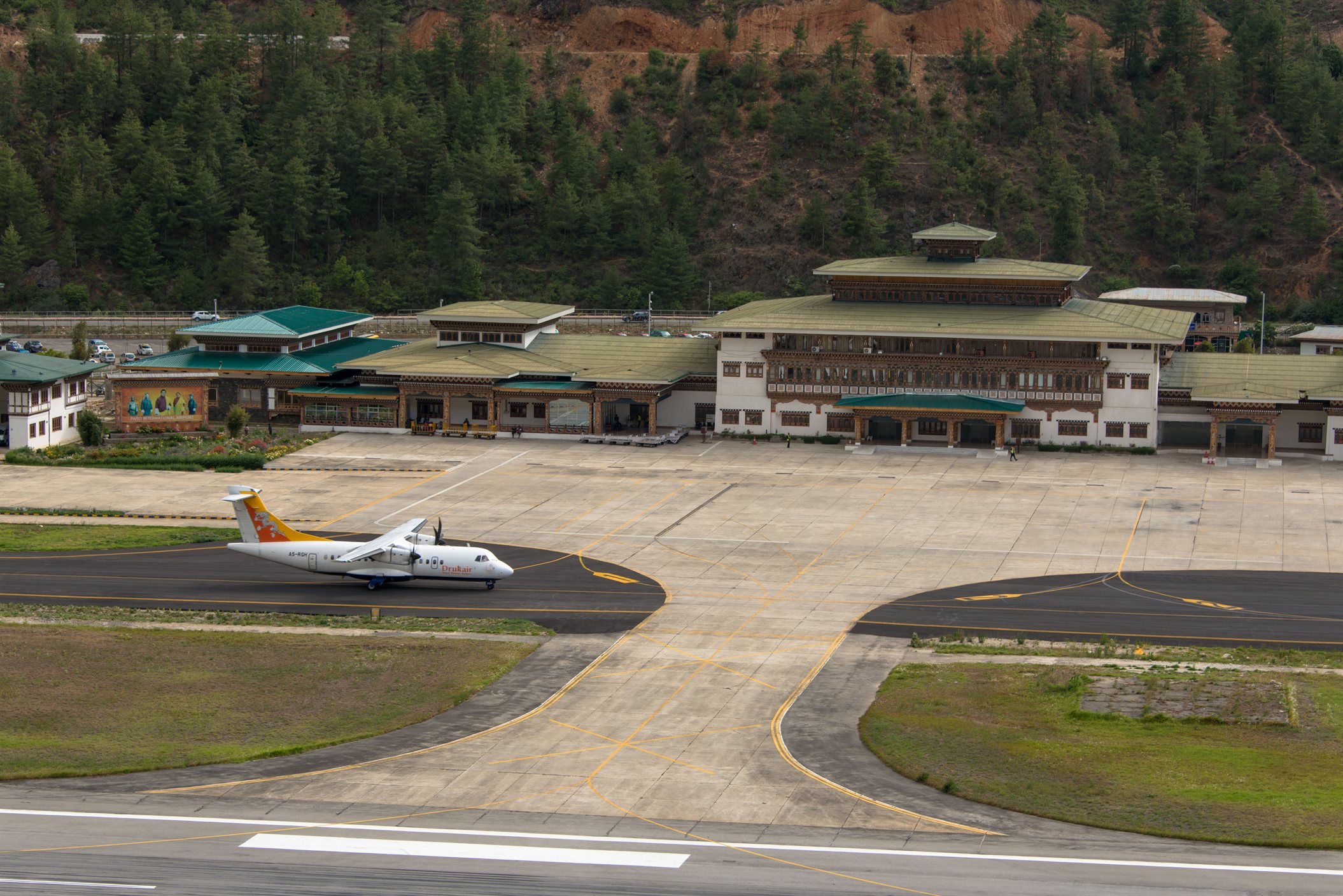
Most visitors fly into Paro International Airport. Drukair and Bhutan Airlines connect Bhutan with selected Asian cities, and routes vary by season.
Drukair, Bhutan’s national carrier, operates from Bangkok, Delhi, Kolkata, Bagdogra, Bodhgaya, Dhaka, Kathmandu, Guwahati, Dubai and Singapore. Gelephu also serves international flights, while Bumthang and Yonphula support domestic connections.
Bhutan can also be entered by land from India through designated border points. Land arrivals require careful coordination of permits, licensed guide and onward transport. This route can suit a longer regional journey, but flying into Paro is simpler for most first time visitors.
When is the best time to visit Bhutan?
Spring and autumn are the most popular seasons because they usually combine comfortable daytime conditions, clearer mountain views and major cultural festivals. March to May brings flowering forests and gradually warmer weather. September to November brings greener valleys after the monsoon, increasingly clear skies and excellent conditions for cultural touring and many treks.
Winter, from December to February, is cold at night but often bright and dry. It can be a rewarding time for quieter sightseeing, photography and lower valley walks. Summer, from June to August, is greener and less crowded, but monsoon rain can affect roads, views and outdoor plans.
Bhutan’s altitude creates strong regional differences. Punakha is warmer and lower than Thimphu and Paro. Phobjikha and Bumthang are cooler, especially before sunrise and after sunset. Northern trekking routes can have severe conditions even when the main valleys feel mild.
Check out Best Time to Visit Bhutan: Seasons, Weather and What to Expect
The best places to visit on a first trip
Paro
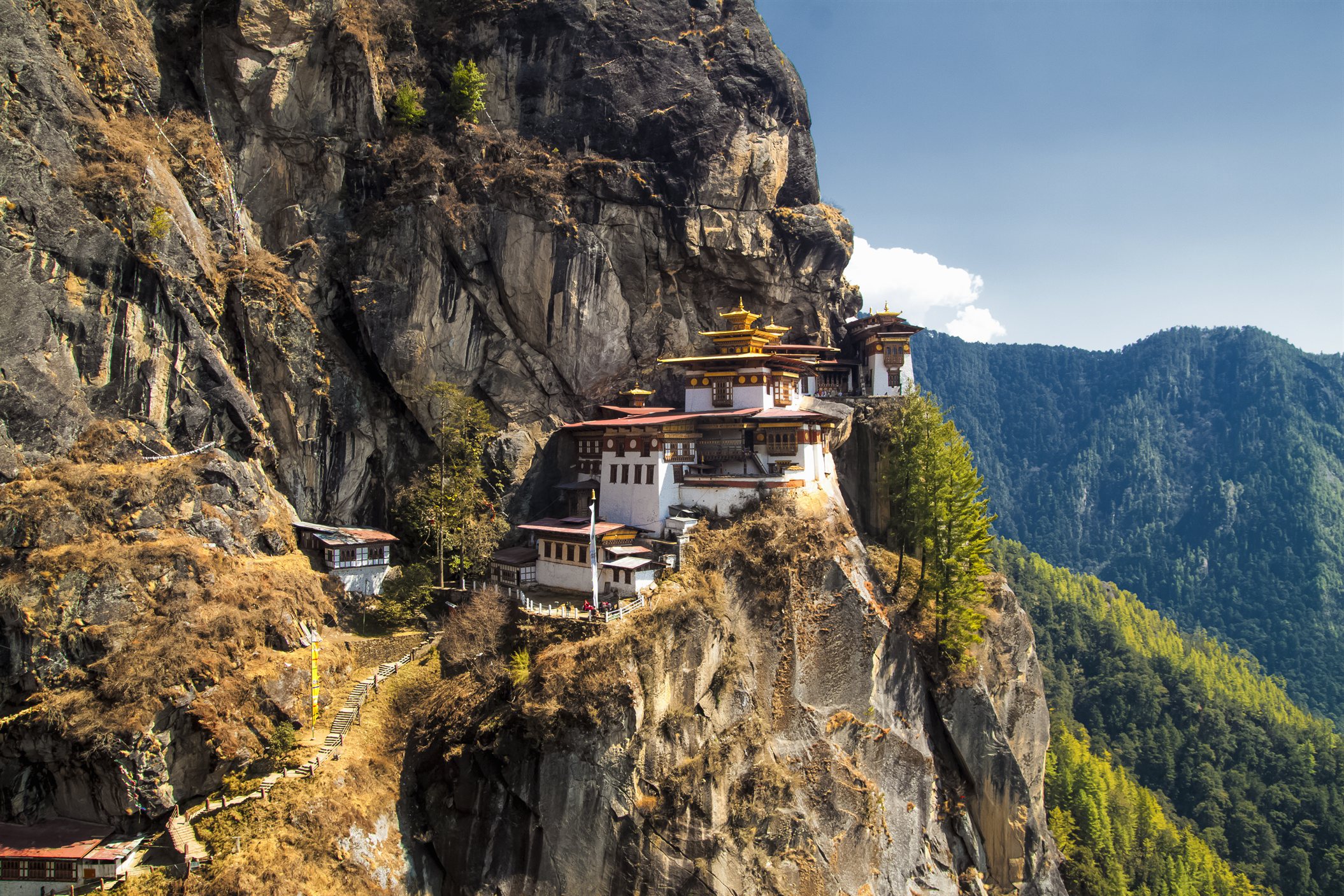
Paro is Bhutan’s main air gateway and the base for the hike to Taktsang, better known as Tiger’s Nest Monastery. The valley also holds Paro Rinpung Dzong, the National Museum at Ta Dzong and Kyichu Lhakhang, one of Bhutan’s oldest temples.
Allow at least two nights in Paro, preferably at the end of your journey. Placing the Tiger’s Nest hike near the end gives your body more time to adjust to altitude and provides flexibility if weather changes.
Thimphu
Thimphu is Bhutan’s capital and a useful introduction to the country’s modern life, government and cultural institutions. Key places include Buddha Dordenma, the National Memorial Chorten, Tashichho Dzong, craft centres, markets and museums.
Two nights gives you time to acclimatise and explore without turning the first day into a race. Cafés, shops and local markets also make Thimphu a good place for unstructured time.
Punakha
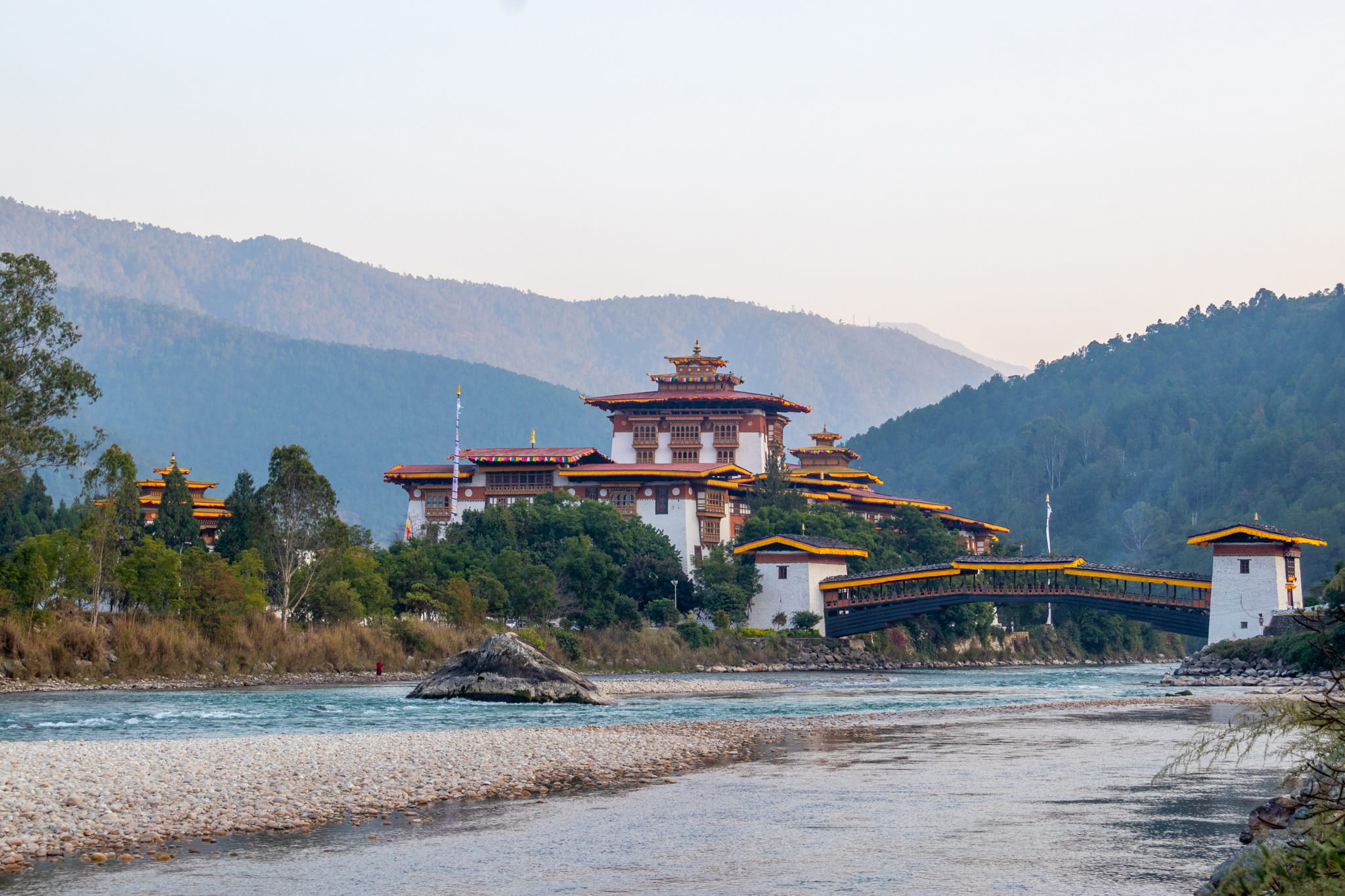
Punakha lies at a lower altitude and has a warmer climate than Paro and Thimphu. Punakha Dzong stands between the Pho Chhu and Mo Chhu rivers, while nearby experiences include the walk to Chimi Lhakhang, the Pho Chhu Suspension Bridge and the hike to Khamsum Yulley Namgyal Chorten.
Two nights makes the journey worthwhile and gives you a full day in the valley. The drive from Thimphu crosses Dochula Pass, where Himalayan views depend on cloud and seasonal visibility.
Phobjikha Valley
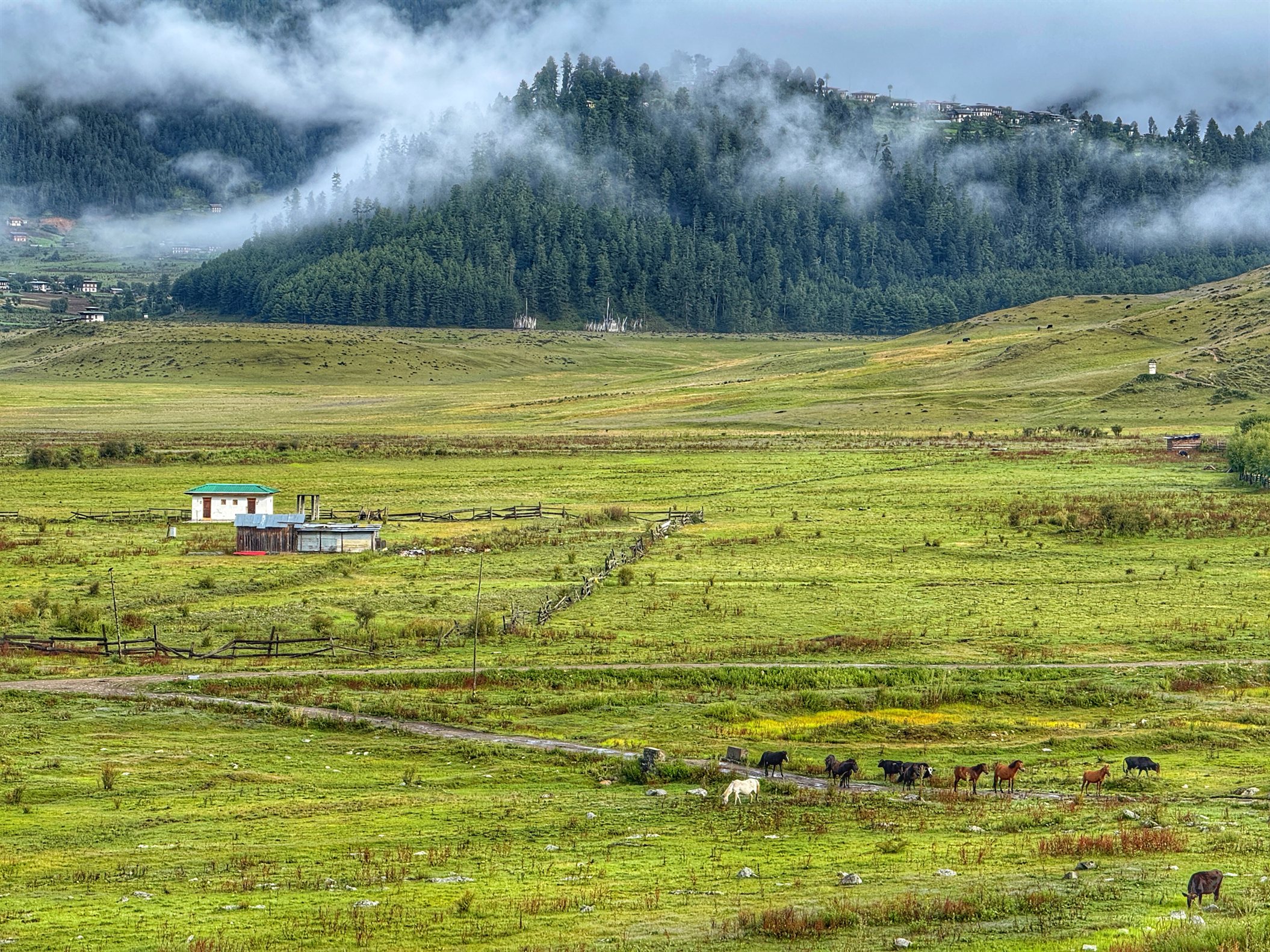
Phobjikha is a broad glacial valley known for Gangtey Monastery, gentle walking trails and wintering black necked cranes. It adds a quieter nature focused dimension to a cultural itinerary. Road time makes an overnight stay essential, and two nights feels more relaxed.
Bumthang
Bumthang is a group of central valleys with some of Bhutan’s most important temples and monasteries. It suits travellers who have at least ten days and want to move beyond western Bhutan. You can reach it by road or by a limited domestic flight, subject to schedules and weather.
For a broader route, the Bhutan Discovery Journey includes Paro, Thimphu, Punakha, Phobjikha and Bumthang.
How many days do you need in Bhutan?
Five days is the practical minimum for a first taste of western Bhutan. Seven days offers a better balance of travel and experience, while ten days lets you explore central valleys with less pressure.
- Five days: Paro and Thimphu, including Tiger’s Nest
- Seven days: Paro, Thimphu and Punakha
- Ten days: Add Phobjikha and Bumthang, or choose a slower version of the western route
- Twelve days or more: Consider longer treks, eastern Bhutan or a deeper central journey
The Essential Bhutan Cultural Journey is a useful reference for a well paced first visit. If comfort, wellness and premium stays matter more, compare it with the Luxury and Soulful Retreat in Bhutan.
What is travelling around Bhutan like?
Bhutan’s road distances can look short on a map, but mountain bends, passes, road works and weather make journeys slower. A private vehicle with an experienced driver is the most convenient option for visitors. Public buses exist, but they are less suitable for a sightseeing itinerary with limited time.
Indian visitors entering in their own vehicle face separate documentation, daily charges and guide rules. Domestic flights can reduce journey time to central, southern and eastern regions, but services are limited and weather dependent.
Build buffer time into long routes. Avoid planning a long road journey on the same day as an international departure from Paro. During the monsoon, check for possible landslides, road closures and revised journey times.
Accommodation and food in Bhutan
Bhutan offers government approved hotels, heritage properties, farm stays, lodges and international luxury resorts. Standard tourist hotels are usually clean and comfortable, though heating, insulation and hot water consistency can vary in remote areas. In winter, ask about room heating rather than assuming it is central.
Meals on organised journeys often include a mix of Bhutanese, Indian, Chinese and continental dishes. Ema datshi, made with chillies and cheese, is Bhutan’s best known dish, but not every meal needs to be spicy. Rice, vegetables, lentils, eggs and dairy are common, so vegetarian travellers are generally well catered for. Vegan, gluten free and allergy related needs require advance communication, especially outside Paro and Thimphu.
Money, cards and connectivity
The ngultrum is pegged one to one with the Indian rupee. Indian rupees are widely accepted, although very high denomination notes may be less convenient. Cards work at larger hotels and businesses in urban areas, but cash remains useful for markets, smaller shops, tips and rural purchases.
ATMs accept major international cards, but availability and successful transactions via payment terminals are not guaranteed. Carry more than one payment method and inform your bank before travel.
Most hotels provide wireless internet. A local visitor SIM from Bhutan Telecom or TashiCell can be useful for data outside hotels. Coverage weakens in remote valleys and on trekking routes, so download essential documents and maps before travelling.
Health, altitude and travel insurance
Bhutan’s main cultural valleys are high enough for some travellers to notice altitude, especially during the first few days. Paro and Thimphu sit above 2,000 metres, while mountain passes and hiking trails climb higher. Most visitors adapt well with sensible pacing.
Drink water regularly, limit alcohol on arrival, sleep well and avoid an intense hike on your first day. Headache, nausea, unusual fatigue and dizziness can be signs that your body needs rest or medical advice. Speak to a qualified clinician before travel if you have heart, lung or mobility concerns.
Travel insurance is no longer mandatory for visa processing, but it is strongly recommended. Choose a policy that covers medical treatment, evacuation, trip disruption, missed connections and the activities in your itinerary. Trekking policies should cover the highest planned altitude.
Is Bhutan suitable for families, solo travellers and older visitors?
Bhutan can work well for many ages when the itinerary matches the traveller. Private touring makes it easier to adjust meal times, walking distances and daily starts.
Families should allow more breaks and avoid packing every day with monasteries. Solo travellers gain companionship and context from a private guide, while still having personal time. Older travellers and anyone with knee or mobility concerns should discuss steps, uneven courtyards, steep paths and vehicle access before booking. Tiger’s Nest is not the only meaningful experience in Bhutan, and the country can be enjoyed through shorter walks, cultural visits, viewpoints, local meals and wellness activities.
Culture and etiquette to understand before you go
Bhutanese culture is closely connected to Vajrayana Buddhism, community life and respect for sacred places. Your guide will explain local practice, but a few habits help from the beginning.
- Dress modestly at monasteries, temples and dzongs, with shoulders and knees covered
- Remove hats and follow instructions about shoes in sacred interiors
- Walk clockwise around chortens, prayer wheels and religious structures
- Ask before photographing people, monks, ceremonies or interior spaces
- Do not touch murals, statues, ritual objects or sacred texts
- Avoid pointing your feet towards altars or people
- Give and receive objects respectfully, ideally with the right hand supported by the left
A tshechu is a religious festival, not simply a show. Follow your guide’s advice, keep passageways clear and avoid obstructing local worshippers for photographs.
What to pack for Bhutan
Layering is the most reliable approach because temperatures change with altitude, time of day and valley. Even in warmer months, carry a light insulating layer for passes and evenings.
Useful items include:
- Comfortable walking shoes with secure grip
- A warm layer and wind resistant outer layer
- A compact rain jacket, especially from late spring through early autumn
- Sun protection, including sunglasses, sunscreen and a hat
- Modest clothing for religious sites
- Personal medication and a small basic first aid kit
- A reusable water bottle
- A universal plug adaptor, since Type C, D and G sockets may be encountered
- Printed and digital copies of your passport, visa and insurance details
Check out What to Pack for Bhutan: A Practical Seasonal Guide
Common mistakes to avoid
The most common planning mistake is trying to cover too much. A road journey may take most of a day, and a meaningful visit to a monastery needs more than a photo stop.
Other avoidable mistakes include booking flights before checking the operating schedule, leaving the visa too late, treating the SDF as the total trip cost, scheduling Tiger’s Nest immediately after arrival, ignoring winter heating and underestimating the need for cash. It is also wise to keep some flexibility for weather and local events.
For a more reflective view of the country, read Returning to Bhutan: Finding Peace in the Ordinary. You can also browse the SoulTrips Travel Tips library for broader planning advice.
Frequently asked questions about travelling to Bhutan
-
Can you travel to Bhutan independently?
You can apply for your own visa and book travel services directly, but guides remain compulsory for monuments, dzongs and treks. Booking a tour package remains the most convenient method of visiting Bhutan.
-
How much does the Bhutan visa cost?
The standard visa application fee is US$40 per person and is not refundable. The SDF is charged separately according to the number of nights and the traveller’s age and nationality.
-
How long does a Bhutan visa take?
Correctly completed application can take up to five days. Apply earlier to allow time for corrections, payment issues and flight changes.
-
Is Bhutan expensive to visit?
Bhutan can cost more than many nearby destinations because the SDF sits on top of accommodation, guiding, transport, meals, flights and admission fees. A clear package comparison should show exactly which of these items are included.
-
What is the best month to visit Bhutan?
April, October and November are popular for comfortable touring, festivals and clearer views, but they are not the only good choices. March, May, September, December and the quieter summer months can suit particular interests and budgets.
-
How difficult is the Tiger’s Nest hike?
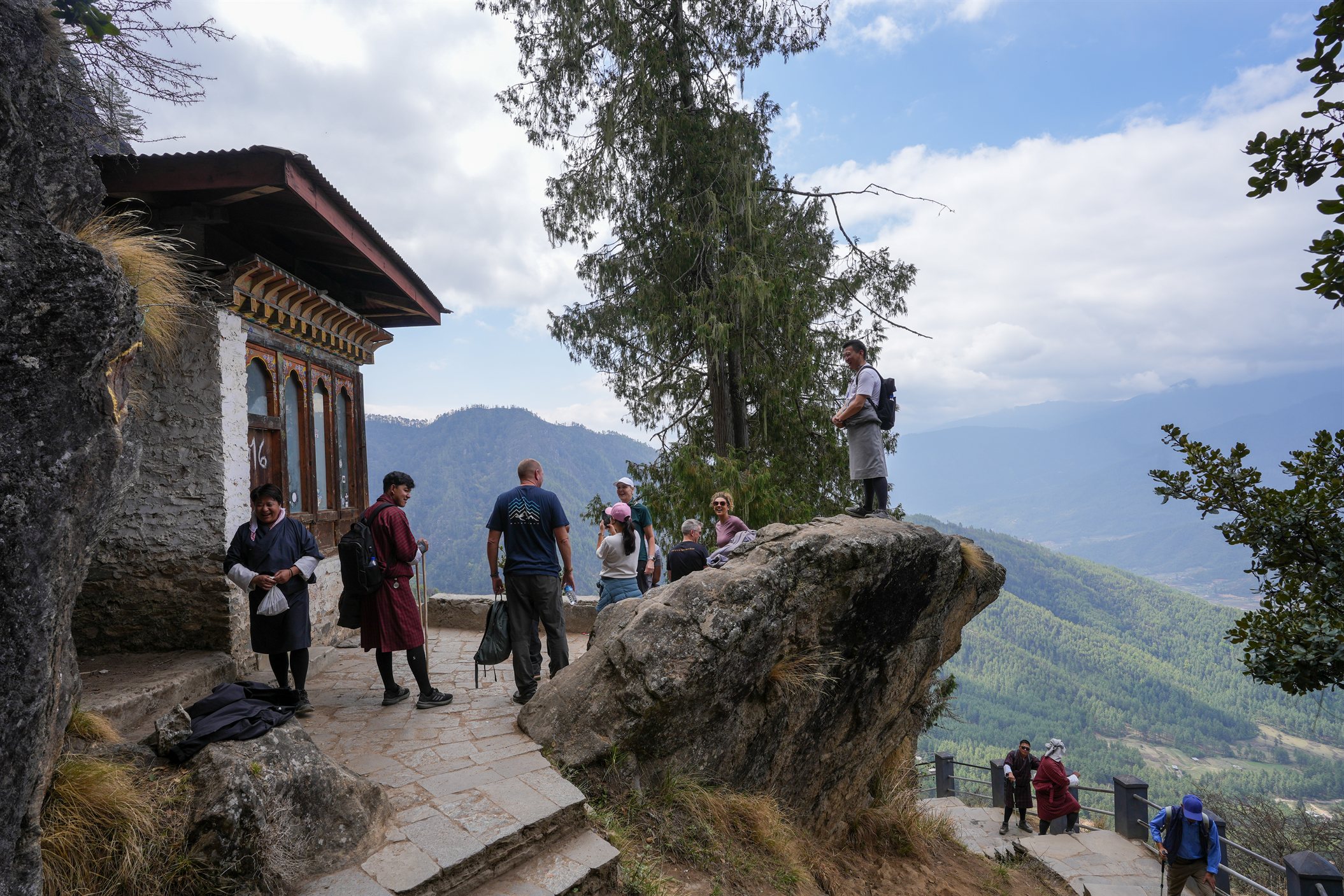
The trail is a sustained uphill walk at altitude, followed by steps near the monastery. Many reasonably active travellers complete it at a steady pace, but fitness, weather and altitude affect difficulty. A horse may be available for part of the ascent, not for the entire route.
-
Is Bhutan safe for solo travellers?
Bhutan is generally considered safe, and violent crime affecting visitors is uncommon. Solo travellers should still protect belongings, avoid stray dogs, follow local advice and use an experienced guide for remote areas and hikes.
-
Can you use credit cards in Bhutan?
Visa and Mastercard are accepted at many larger hotels and urban businesses, but payment can fail and rural acceptance is limited. Carry cash and a backup card.
-
Is vegetarian food easy to find?
Yes. Rice, vegetables, cheese, lentils and eggs are widely available, and tour kitchens are familiar with vegetarian guests. Explain vegan requirements and food allergies well before arrival.
-
Do you need travel insurance for Bhutan?
Travel insurance is not currently mandatory for the visa, but it is strongly recommended. Medical evacuation and disruption cover are particularly important because of the terrain and limited flight network.
Plan a thoughtful Bhutan journey
The best Bhutan travel guide can explain the rules, but the quality of your trip will come from good pacing and informed local support. Give each valley enough time, leave room for weather and conversation, and choose experiences that match your interests rather than copying the busiest itinerary.
Explore the SoulTrips Bhutan guide hub for more planning resources. When you are ready, plan your Bhutan journey with SoulTrips or contact a SoulTrips travel specialist to shape a private trip around your preferred pace, comfort and interests.