By Soul Trips · Updated on 18 September, 2026
Best Time to Visit Bhutan: Seasons, Weather and What to Expect
The best time to visit Bhutan is generally spring, from March to May, or autumn, from September to November. These seasons usually offer comfortable daytime conditions, rewarding walks and good visibility in the mountains. They are also popular festival periods, so flights and well located hotels can fill earlier.
That simple answer is useful, but it is not the whole story. Bhutan is a year round destination with large differences in altitude, temperature and rainfall between its subtropical south, temperate western valleys and high Himalayan areas. Winter can be wonderfully crisp and peaceful. Summer brings rain, mist and intensely green landscapes, but showers do not necessarily last all day.
Your best dates therefore depend on what matters most to you. This seasonal guide will help you match the weather, scenery and pace of travel to the Bhutan experience you want.
Bhutan’s seasons at a glance
Bhutan has four distinct seasons, although conditions vary significantly by elevation and region.
- Spring, March to May: increasingly warm days, flowering landscapes and popular trekking conditions
- Summer, June to August: warm, humid and green, with the greatest rainfall during the southwest monsoon
- Autumn, September to November: clearer skies, cooling temperatures, festivals and excellent walking conditions
- Winter, December to February: dry, bright and cold, especially at night and at higher elevations
The monsoon is strongest from late June or July through late September, with the heaviest rain usually in the south. They also note that winter days are often clear and sunny, while frost and snow are possible above 3,000 metres.
For a wider introduction to visas, visitor fees, transport and cultural expectations, read the SoulTrips Bhutan destination guide before choosing your dates.
Why altitude matters more than the calendar alone
A single itinerary can move between warm river valleys, cool forested passes and settlements more than 2,000 metres above sea level. Conditions may change noticeably in a few hours of driving.
Punakha lies much lower than Paro and Thimphu, so it is generally warmer. Phobjikha and Bumthang feel cooler, particularly after sunset. High passes may receive snow while lower valleys remain dry. Southern areas are warmer and receive more monsoon rain than the central and western valleys most first time visitors explore.
This variation makes layering essential in every season. It also means there is usually somewhere rewarding to visit even when another region is wet, cold or cloudy.
Best time to visit Bhutan for most first trips
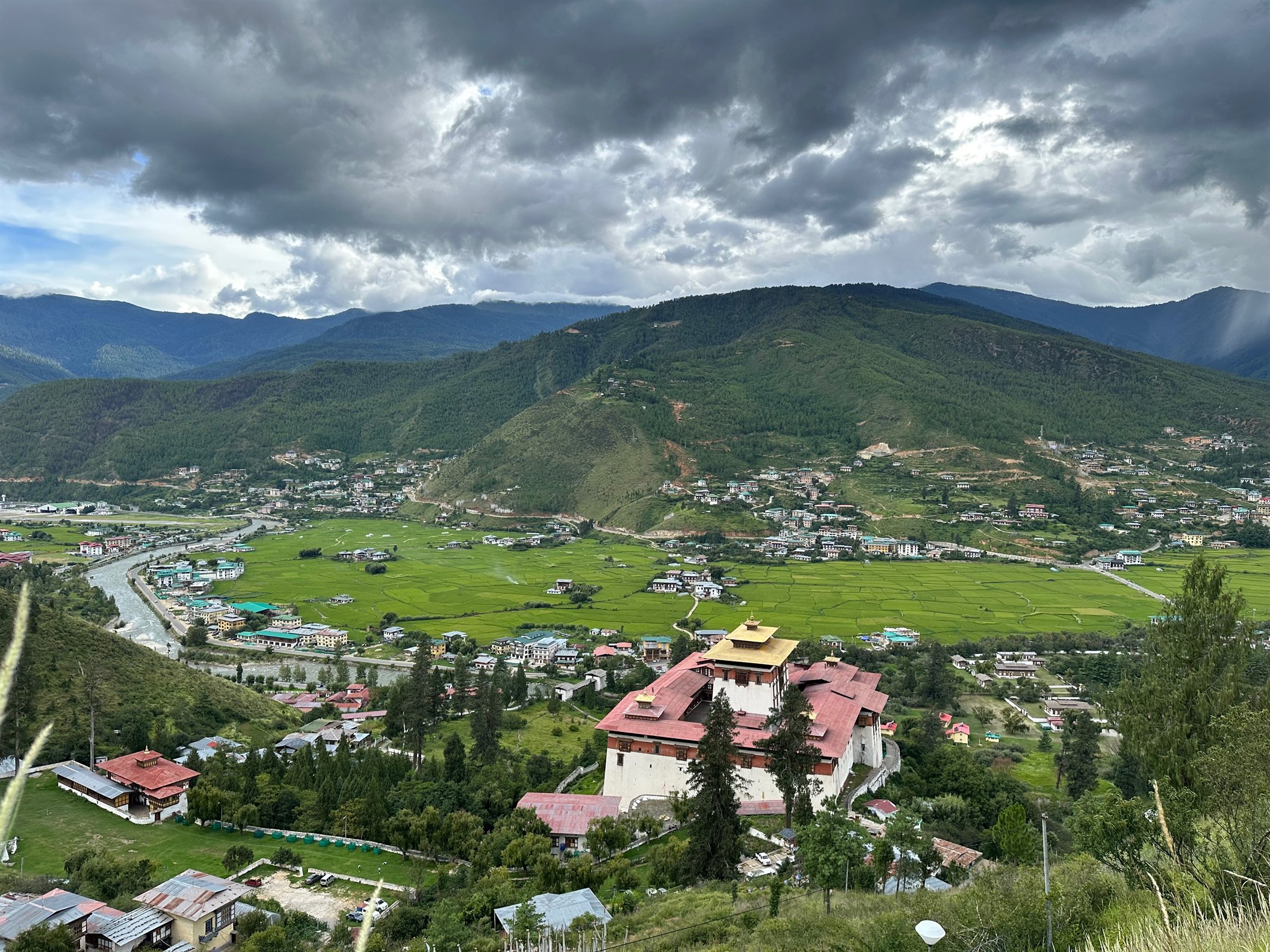
For a first journey through Paro, Thimphu and Punakha, late March to May and October to November are usually the easiest periods to recommend. Daylight is useful for sightseeing, walking conditions are often comfortable and the principal valleys are fully accessible.
October and November have a strong reputation for clear Himalayan views. Spring provides warmer afternoons and seasonal flowers, including rhododendrons at suitable elevations. Both periods are busy by Bhutanese standards, but visitor numbers remain modest compared with many Asian destinations.
September can be a transitional month. The landscape is fresh, but monsoon rain may continue into part of the month. Early December can also work beautifully if you accept colder mornings and evenings. Your exact choice should reflect your priorities rather than a fixed idea of a perfect month.
Visiting Bhutan in spring
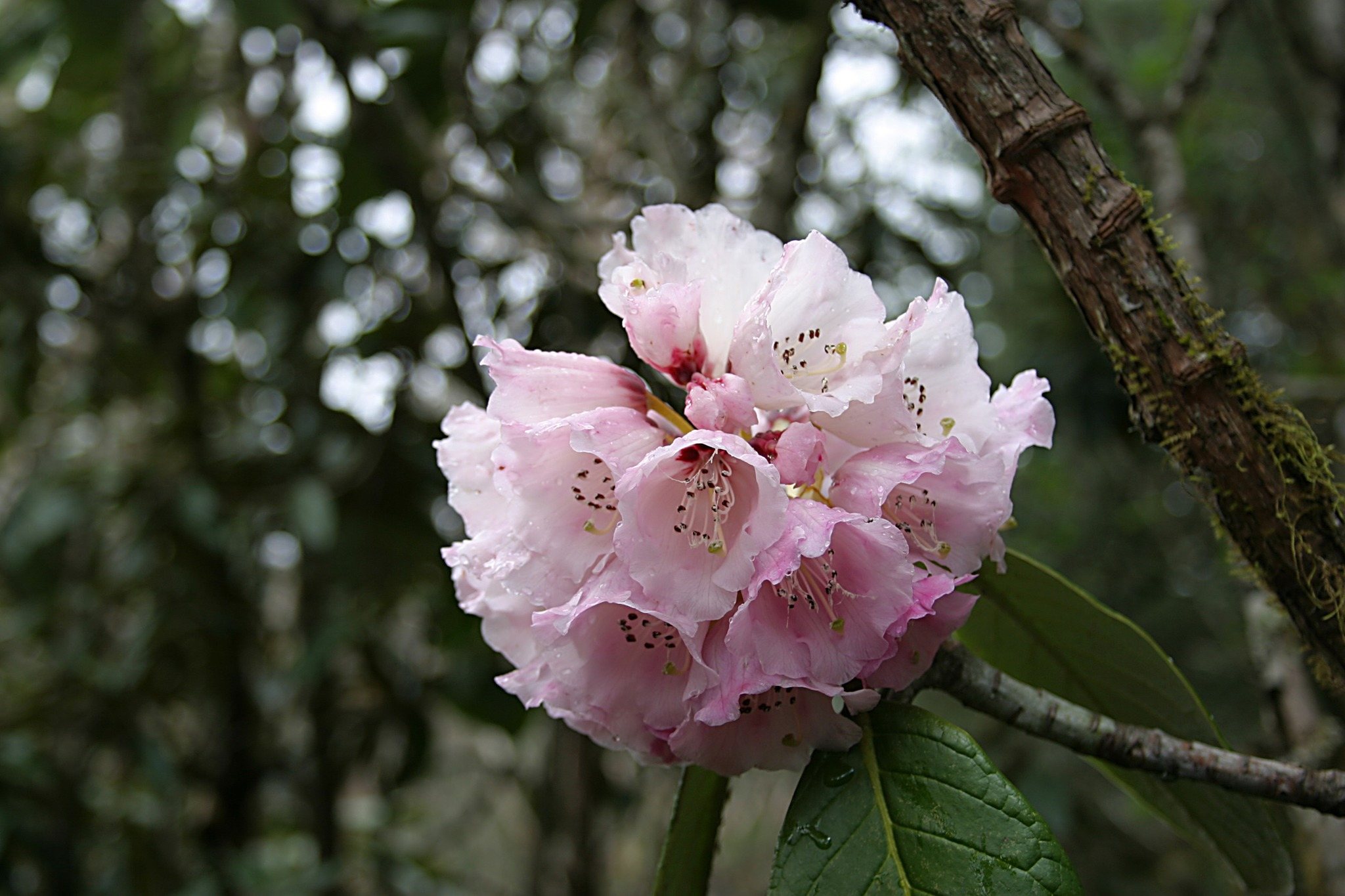
Spring begins in March and becomes steadily warmer through April and May. It is a popular period for cultural touring, day walks, trekking and photography.
Bhutan in March
March marks the shift from winter to spring. Mornings and evenings can still be cold in Paro, Thimphu, Phobjikha and Bumthang, but daytime temperatures become more comfortable. Skies may remain clear, and the valleys gradually gain colour.
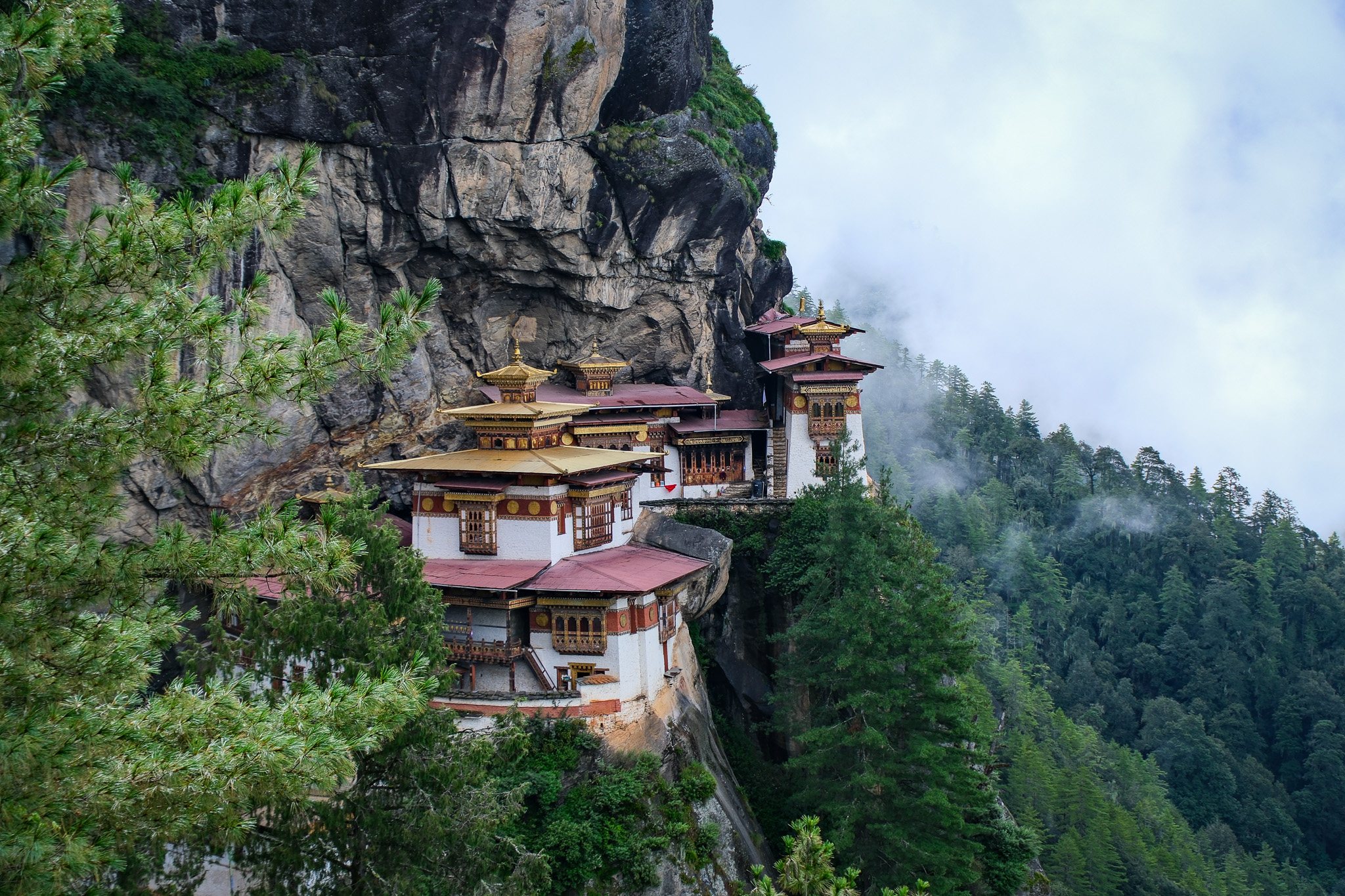
This is a useful month if you want spring conditions without the warmth of late April or May. Pack a warm outer layer for early starts, especially for the climb to Tiger’s Nest Monastery.
Bhutan in April
April is one of the most popular months to visit. Temperatures are generally mild in the western valleys, flowers become more visible and many walking routes are comfortable. It suits travellers who want to combine monasteries, village visits and moderate day hikes.
Popular travel dates can sell earlier, particularly when a major tshechu is scheduled. Bhutanese festival dates follow a lunar calendar and change from year to year, so check the official calendar before booking flights.
Bhutan in May
May is warmer, greener and increasingly humid. Rainfall builds as the month progresses, although conditions vary by valley. It can be an excellent time for travellers who prefer warmth and are comfortable carrying light rain protection.
Longer mountain views may be less consistent than in early spring or late autumn. The trade off is a softer landscape, lively vegetation and a less wintry feel at higher overnight stops.
What spring is best for
- Rhododendrons and flowering landscapes
- Cultural routes through western and central Bhutan
- Day walks and many established treks
- Travellers who prefer mild rather than cold conditions
- Festival visits when dates align with the itinerary
The Essential Bhutan Cultural Journey is a useful example of a balanced western route that works especially well in spring.
Visiting Bhutan in summer
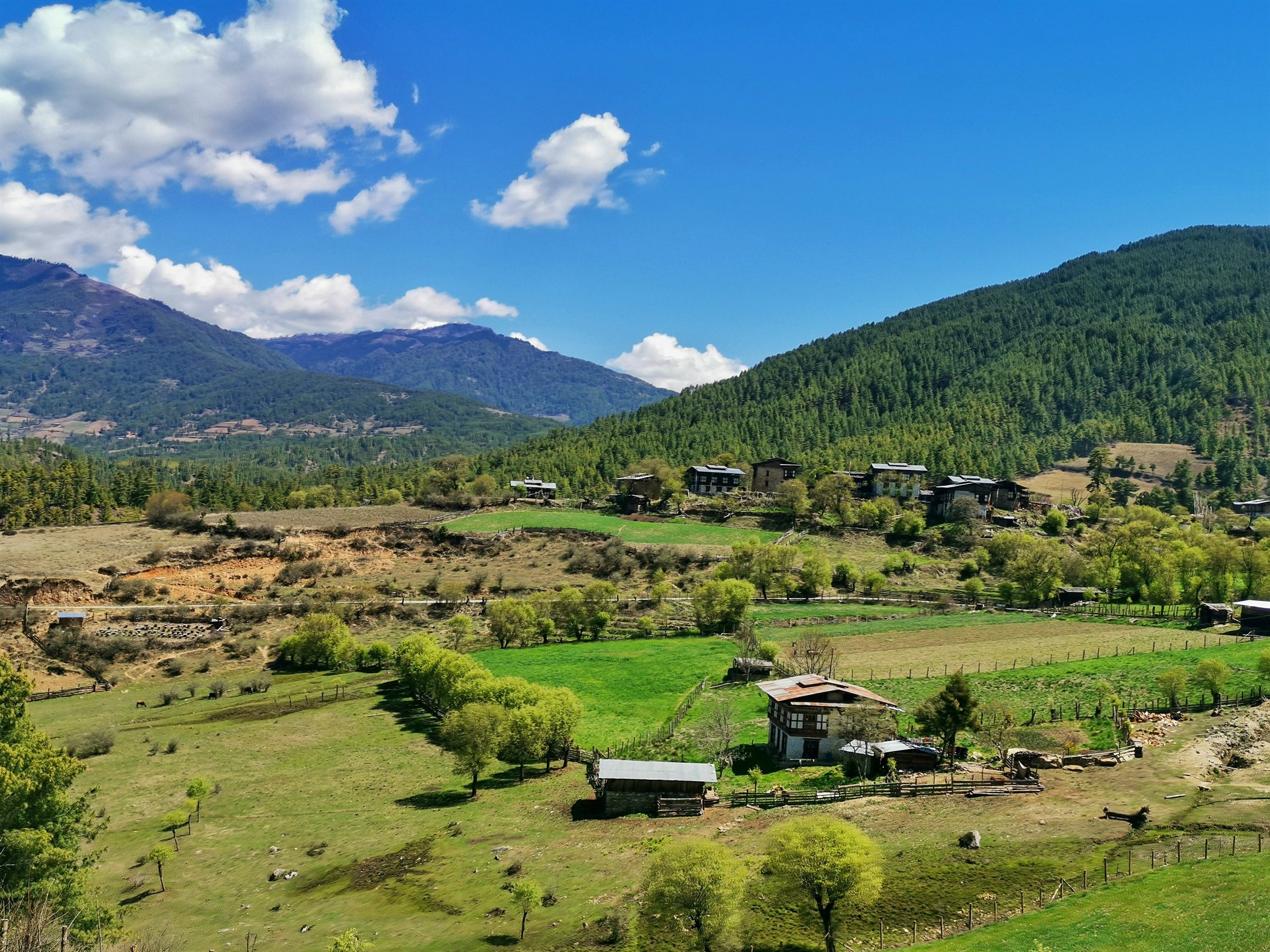
Summer runs from June to August and overlaps with the southwest monsoon. It is the warmest and wettest season in much of the country. Clouds build over the mountains, rainfall is more frequent and road journeys can take longer.
Summer is often dismissed too quickly. The valleys are intensely green, agricultural landscapes are active and popular sights can feel peaceful. Rain commonly arrives in showers or overnight, though prolonged wet spells are possible. Flexible planning matters more than trying to predict each day precisely.
Bhutan in June
June begins warm and increasingly humid. Early in the month may retain some late spring character, while rain becomes more established later. Valley walks are still possible, but you should allow for wet paths and cloud covering higher views.
This month can suit a cultural itinerary with shorter walks, comfortable hotels and room for changes. A light waterproof jacket, quick drying clothing and shoes with reliable grip are important.
Bhutan in July
July is normally one of the wettest months. Landslides or temporary road disruptions are possible during sustained rain, and views from high passes may be obscured. Flights can also be affected by local weather because approaches to Paro depend on safe visibility and operating conditions.
You can still have rewarding experiences in museums, monasteries, workshops and local homes. Plan fewer long road transfers, keep expectations flexible and avoid building an itinerary around uninterrupted mountain views.
Bhutan in August
August remains warm, humid and wet, though conditions differ between regions and individual years. Forests and rice terraces are vivid, and clouds can create atmospheric valley scenes. Walking trails may be muddy, with leeches possible in damp forested areas.
This is better suited to travellers who value culture, photography and quiet over classic trekking conditions. A thoughtfully paced private journey can adapt each day to the weather.
What summer is best for
- Lush valleys and rice terraces
- Quieter cultural sites
- Travellers who can adapt plans at short notice
- A slower holiday centred on local life, food and wellbeing
- Photography that embraces mist, cloud and saturated colour
If your ideal trip combines cultural visits with restorative stays, explore the Luxury and Soulful Retreat in Bhutan. Its gentler pace can be valuable when weather calls for flexibility.
Visiting Bhutan in autumn
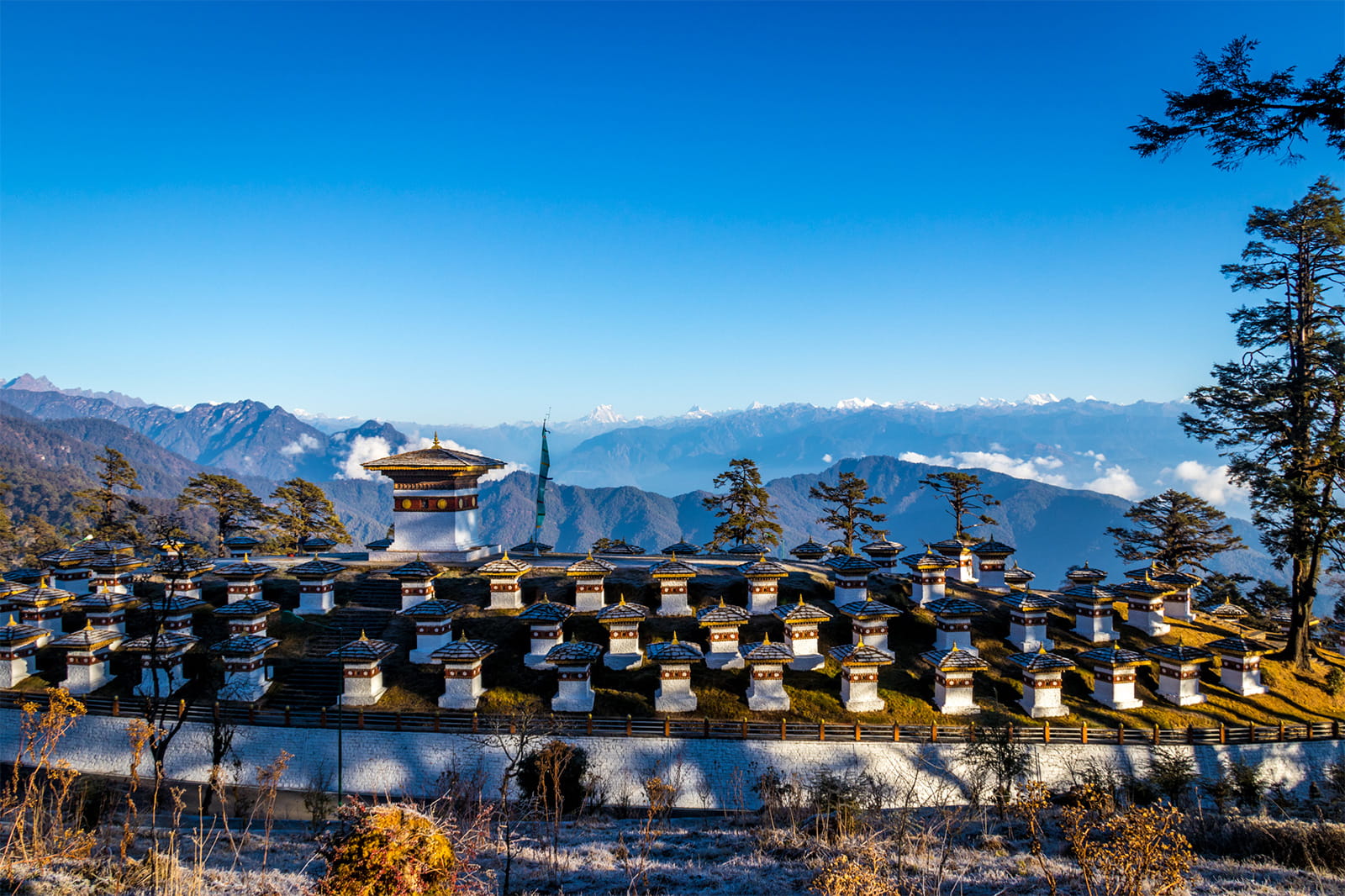
Autumn extends from September to November. The monsoon gradually retreats, humidity falls and visibility often improves. This is one of Bhutan’s busiest travel periods because it combines cultural festivals, trekking and clearer Himalayan views.
Bhutan in September
September is a transition rather than a guaranteed dry month. Early weeks can still feel like summer, with cloud and rain. Conditions generally become more settled as the month continues, while valleys remain green after the monsoon.
Travelling later in September may offer a good balance of fresh landscapes and improving visibility. Build some flexibility into flight connections and road days if your dates fall near the seasonal change.
Bhutan in October
October is widely considered one of Bhutan’s strongest all round travel months. Days are often comfortable, the air becomes drier and views have a better chance of opening across high passes. It is excellent for cultural touring, day hikes and many trekking routes.
Demand can be high for limited flights, guides and preferred hotels. Book well ahead if your itinerary coincides with a well known festival. A carefully planned route can still find quiet moments beyond the headline sights.
Bhutan in November
November is cooler and typically very dry in the western valleys. Clear skies can bring striking mountain views, especially in the morning. Nights become cold at altitude, and shaded paths may feel chilly even when afternoons are pleasant.
Late November is a good choice if you want autumn clarity with fewer visitors than October. It also suits active days followed by comfortable evenings, provided you pack effective layers.
What autumn is best for
- Himalayan views and landscape photography
- Trekking and extended day walks
- Cultural festivals
- First visits covering Paro, Thimphu and Punakha
- Longer routes into Phobjikha and Bumthang
The Bhutan Discovery Journey shows how a longer trip can connect the western valleys with more time for local encounters.
Visiting Bhutan in winter
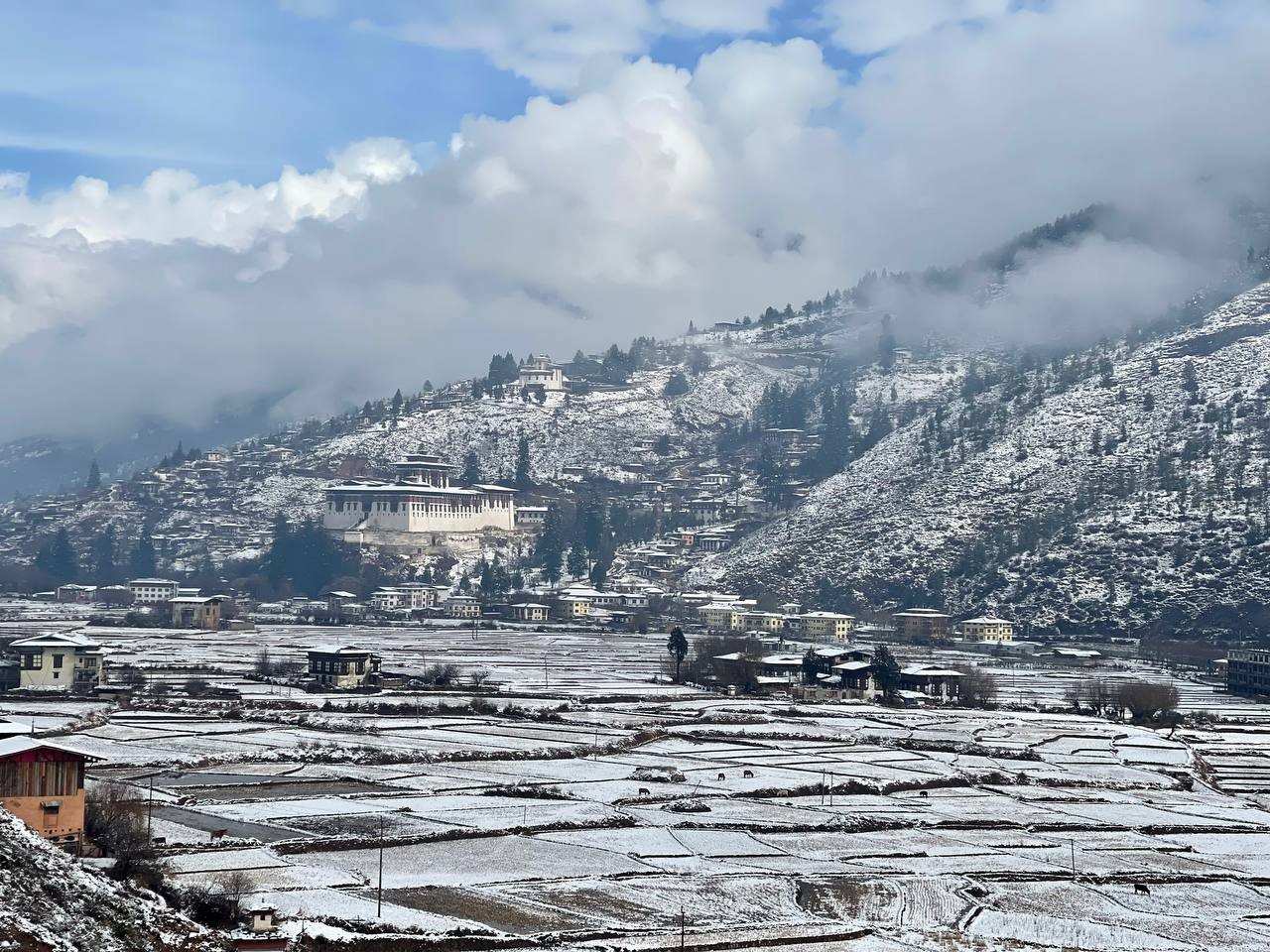
Winter lasts from December to February. It is dry and often beautifully clear, but temperatures fall sharply after sunset. Snow is possible at higher elevations and on mountain passes, while lower Punakha remains comparatively mild.
Winter rewards travellers who value peace, clear light and a slower rhythm. Major cultural sites remain accessible in normal conditions, and short walks are often comfortable once the morning warms. The main compromises are cold rooms in simpler accommodation, shorter daylight and possible disruption on high roads after snowfall.
Bhutan in December
December begins with crisp days and cold nights. Early December can feel like a quiet extension of late autumn, with strong visibility and fewer travellers. Frost becomes more common in higher valleys as the month continues.
This is a good period for a western cultural route and warm, well chosen accommodation. Ask about room heating before you book, as standards vary between properties.
Bhutan in January
January is usually the coldest month. Thimphu and Paro can drop below freezing at night, while sunny afternoons may still feel pleasant. High passes can receive snow, and remote routes require extra contingency.
If you enjoy uncrowded monasteries, clear winter light and cosy evenings, January can be deeply satisfying. Choose a realistic pace and avoid scheduling strenuous walks too early in the morning.
Bhutan in February
February remains wintry, but days gradually lengthen and signs of spring begin at lower elevations. Nights are cold in the main western valleys. Conditions can be excellent for cultural visits and photography when the skies stay clear.
Late February works well for travellers who want quiet conditions just before spring demand increases. Weather at high passes remains variable, so keep road plans flexible.
What winter is best for
- Clear skies and crisp photography
- Quiet temples, dzongs and walking paths
- Lower valley cultural journeys
- Travellers who are comfortable with cold mornings
- Black necked crane viewing in Phobjikha during the seasonal presence of the birds
For a short, comfortable winter visit, the five day luxury Bhutan escape offers a useful model centred on Paro and Thimphu.
Best time for festivals in Bhutan
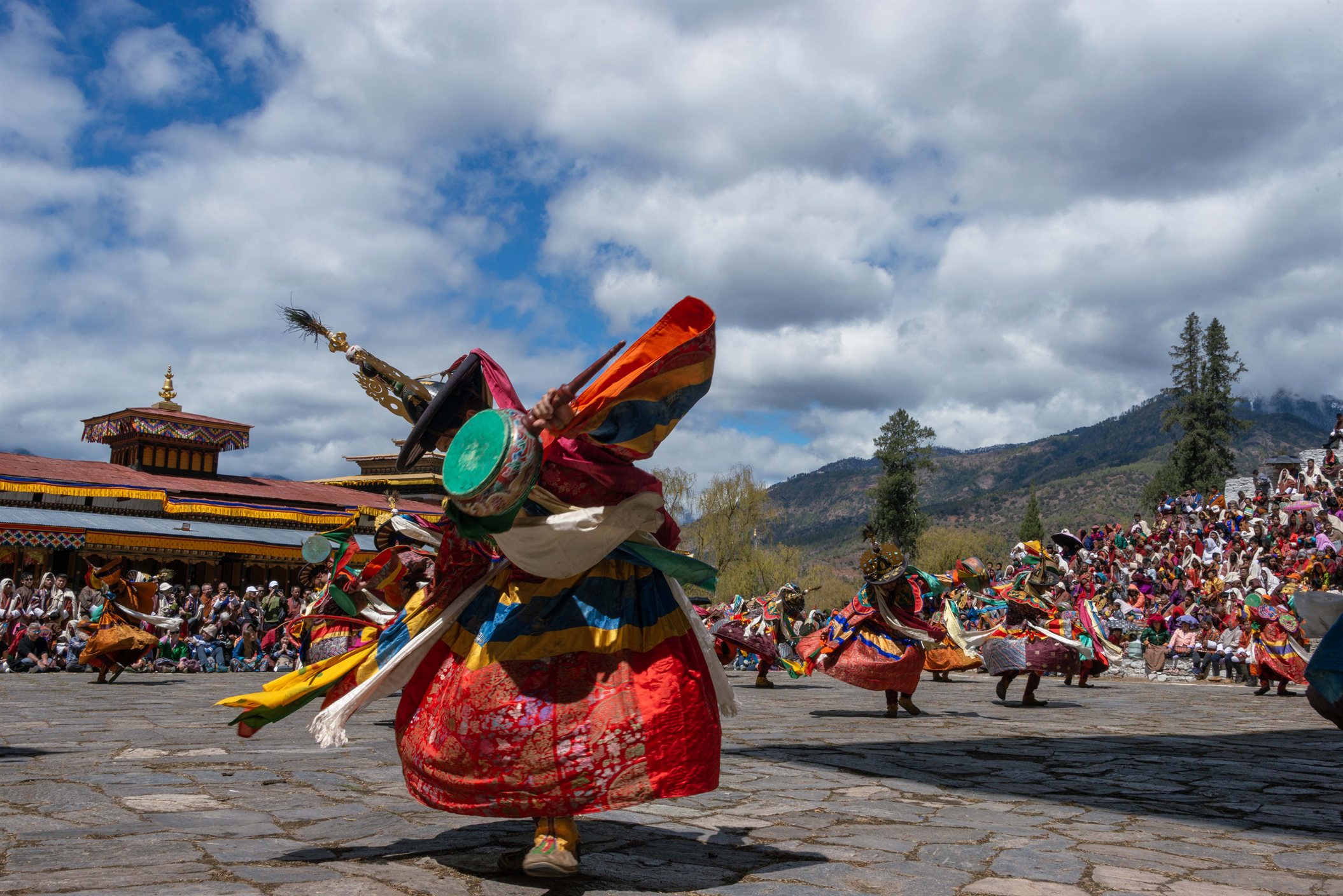
Many travellers plan around a tshechu, a religious festival known for masked dances, music and community gathering. Major events take place in different districts across the year, with particularly popular festivals in Paro and Thimphu.
Dates are based on the Bhutanese lunar calendar and can change annually. Confirm the current schedule through official tourism information before committing to flights. Hotels near a festival location may fill early, and road traffic can be heavier on important days.
Attend with patience and respect. Wear modest clothing, follow your guide’s advice, avoid blocking local worshippers and ask before photographing people at close range.
Check out the Bhutan Festivals Guide.
Best time for trekking in Bhutan
Spring and autumn are generally the principal trekking seasons. March to May brings warmer conditions and seasonal flowers. October and November are usually drier, with a stronger chance of clear high mountain views.
The right window depends on route altitude. A lower elevation trek may work outside the classic months, while a high route can remain cold or snowbound. Monsoon rain makes trails slippery and increases the risk of road delays before and after a trek.
Discuss route conditions, acclimatisation and equipment with a certified Bhutanese operator. Even a day hike such as Tiger’s Nest deserves good footwear, water and a steady pace.
Best time for photography and mountain views
Late October through November and the clearer parts of winter often provide the best chance of sharp mountain views. Mornings are commonly more reliable, before cloud builds over the ranges. Autumn also combines clear air with golden fields and active village life.
Spring is excellent for forest colour and flowering plants. Summer creates a different visual mood, with mist, rain washed architecture and brilliant green terraces. If photography is central to your trip, plan extra time in key valleys so a cloudy day does not remove your only opportunity.
Best time for peace, wellbeing and slower travel
Winter and summer can feel especially calm. Visitor numbers are lower, and there is more space to linger in monasteries, walk gently through villages or spend time at a retreat. You need to accept either cold or rain, but the slower pace can suit the reflective character many people seek in Bhutan.
The SoulTrips reflection on returning to Bhutan offers a thoughtful perspective on finding meaning in ordinary moments rather than racing between landmarks.
Regional differences to consider
Paro and Thimphu
These high western valleys have cool winters, mild spring and autumn days, and summer monsoon rain. They are central to most first itineraries and are accessible throughout the year in normal conditions.
Punakha and the lower valleys
Punakha is lower and warmer. It can be particularly pleasant in winter and early spring, while summer feels hotter and more humid. Jacaranda flowering near Punakha Dzong often attracts interest in spring, though timing varies.
Phobjikha and Bumthang
These higher central valleys are cooler than Punakha. Nights can be cold well into spring and from early autumn. Winter brings frost and possible snow, but also quiet landscapes and clear light.
Southern Bhutan
The south is subtropical, warmer and more affected by the summer monsoon. It receives heavier rain than the central valleys. Conditions here should not be used as a guide to what you will experience in Paro or Thimphu.
When should you book?
Book earlier for spring and autumn, especially if you want specific hotels, premium rooms, festival dates or a direct regional flight. Bhutan has limited air capacity, and Paro schedules can be sensitive to weather and operational conditions.
Winter and summer may offer more availability, but leave sensible time between your Bhutan flight and any separate long haul ticket. A missed connection can be expensive when tickets are not on one booking.
Before paying, confirm the current visa process, Sustainable Development Fee and cancellation conditions through Bhutan’s official travel information. The rules and operational details can change.
What to pack for each season
Layering works better than one heavy outfit. Temperatures change between sunny afternoons, shaded monuments, high passes and cold evenings.
- Spring: light layers, a warm jacket, waterproof shell, sun protection and walking shoes
- Summer: breathable quick drying clothes, waterproof jacket, umbrella, insect repellent and shoes with strong grip
- Autumn: light daytime layers, warm evening clothing, sun protection and reliable walking footwear
- Winter: thermal base layers, insulated jacket, warm hat, gloves, thick socks and lip balm
Modest clothing is needed at monasteries and dzongs. Cover shoulders and knees, and carry socks if you prefer not to walk barefoot where shoes must be removed.
Check out What to Pack for Bhutan.
Choosing the right season for your travel style
Families may prefer April, May, October or early November for manageable temperatures and dependable sightseeing. Build in rest time, especially when travelling with younger children, as road journeys are slow and winding.
Older visitors often appreciate spring and autumn, but a well paced winter route can also be excellent. Altitude and road comfort matter more than age alone. Spend time acclimatising in Paro or Thimphu and avoid stacking long drives with demanding walks.
Solo travellers can visit in any season with a planned guide and driver. Quieter months may feel especially personal, while festival periods create more opportunities to share experiences with local communities and other visitors.
Common seasonal planning mistakes
The first mistake is treating the entire country as one climate zone. Check the elevation and likely conditions for every overnight stop.
The second is assuming spring and autumn guarantee clear weather. They improve the odds, but mountain weather remains changeable.
The third is planning tight flight connections. Leave contingency at the beginning and end of your trip, especially during the monsoon or winter weather.
The fourth is packing for daytime temperatures only. Even pleasant spring and autumn days can be followed by cold evenings.
The final mistake is choosing dates solely for a festival without confirming the current calendar. Verify the event, location and access before booking.
For more practical preparation, browse the SoulTrips Travel Tips and the wider Bhutan destination page.
Frequently asked questions
-
What is the best month to visit Bhutan?
October is often the strongest all round choice for clear views, comfortable walking and cultural events. April is equally appealing if you prefer spring flowers and warmer conditions. The best month for you still depends on your route, interests and tolerance for crowds.
-
Is Bhutan worth visiting during the monsoon?
Yes, if you value green landscapes, quieter sites and flexible travel. July and August are usually the wettest months, so allow extra time for road and flight disruption. Summer is less suitable for a trip focused on high mountain views or long treks.
-
When is Bhutan least crowded?
Winter and the summer monsoon are generally quieter than spring and autumn. December to February can be especially peaceful in the western valleys. You will need warm clothing and accommodation with dependable heating.
-
When can you see snow in Bhutan?
Snow is most likely in winter at higher elevations and on mountain passes. It is not guaranteed in Paro or Thimphu, although frost and freezing nights are common. High road access can change quickly after snowfall.
-
What is the hottest month in Bhutan?
July and August are usually among the warmest months in the main western valleys, but they are also wet and humid. Lower areas such as Punakha and southern Bhutan feel hotter than Thimphu, Paro or Bumthang.
-
What is the rainiest month in Bhutan?
July commonly records the most rainfall in Thimphu climate averages, with August also very wet. Rainfall is heavier in the subtropical south and varies by elevation. Use monthly averages as planning guidance rather than a daily forecast.
-
When is the best time to hike to Tiger’s Nest?
Spring and autumn usually provide the most comfortable combination of trail conditions and temperature. Winter can also be excellent on a clear day, though mornings are cold. Start early, carry water and allow time to walk at your own pace.
-
When is the best time for Bhutan’s festivals?
Important tshechus take place throughout the year, with many popular events in spring and autumn. Dates change annually because they follow a lunar calendar. Confirm the current official programme before arranging flights and hotels.
-
Is winter too cold for a Bhutan holiday?
Not for most cultural itineraries if you pack well. Days can be sunny and comfortable, while nights in Paro and Thimphu may fall below freezing. Punakha offers a warmer lower valley contrast.
-
How far ahead should you plan a Bhutan trip?
For spring, autumn or major festival dates, several months of lead time is sensible. Flights and preferred hotels are limited. Quieter seasons can allow more flexibility, but you should still complete the visa and visitor fee process well before departure.
Choose the season that feels right for you
The best time to visit Bhutan is the period that supports the way you want to travel. Choose spring for flowers and comfortable walks, autumn for clearer mountain views, winter for peace and crisp light, or summer for green valleys and a slower cultural journey.
Good planning matters more than chasing perfect weather. Build a realistic route, pack for changing elevations and leave room for the country to set the pace. If you would like help matching your interests and dates to the right itinerary, use the SoulTrips Plan My Trip service or contact the SoulTrips team.