By Soul Trips · Updated on 18 September, 2026
Bhutan Packing List: What to Pack for Every Season
A good Bhutan packing list is built around layers, modest clothing and a small number of dependable items. You may begin the day in a chilly valley, walk under strong mountain sun and return after the temperature drops. Add a visit to a sacred site, a dusty road or a sudden shower, and versatile clothing becomes far more valuable than a large suitcase.
You do not need specialist expedition gear for a classic cultural route through Paro, Thimphu and Punakha. You do need shoes you trust, warm layers, sun protection and clothes that cover your shoulders and knees for dzongs and monasteries. Travellers adding a trek will need a separate equipment list matched to route, season and altitude.
This guide covers the four seasons, the Tiger’s Nest walk, health and technology, plus the small practical items that make long driving days easier. For a broader overview of timing, read the SoulTrips Bhutan destination guide and confirm current conditions before you fly.
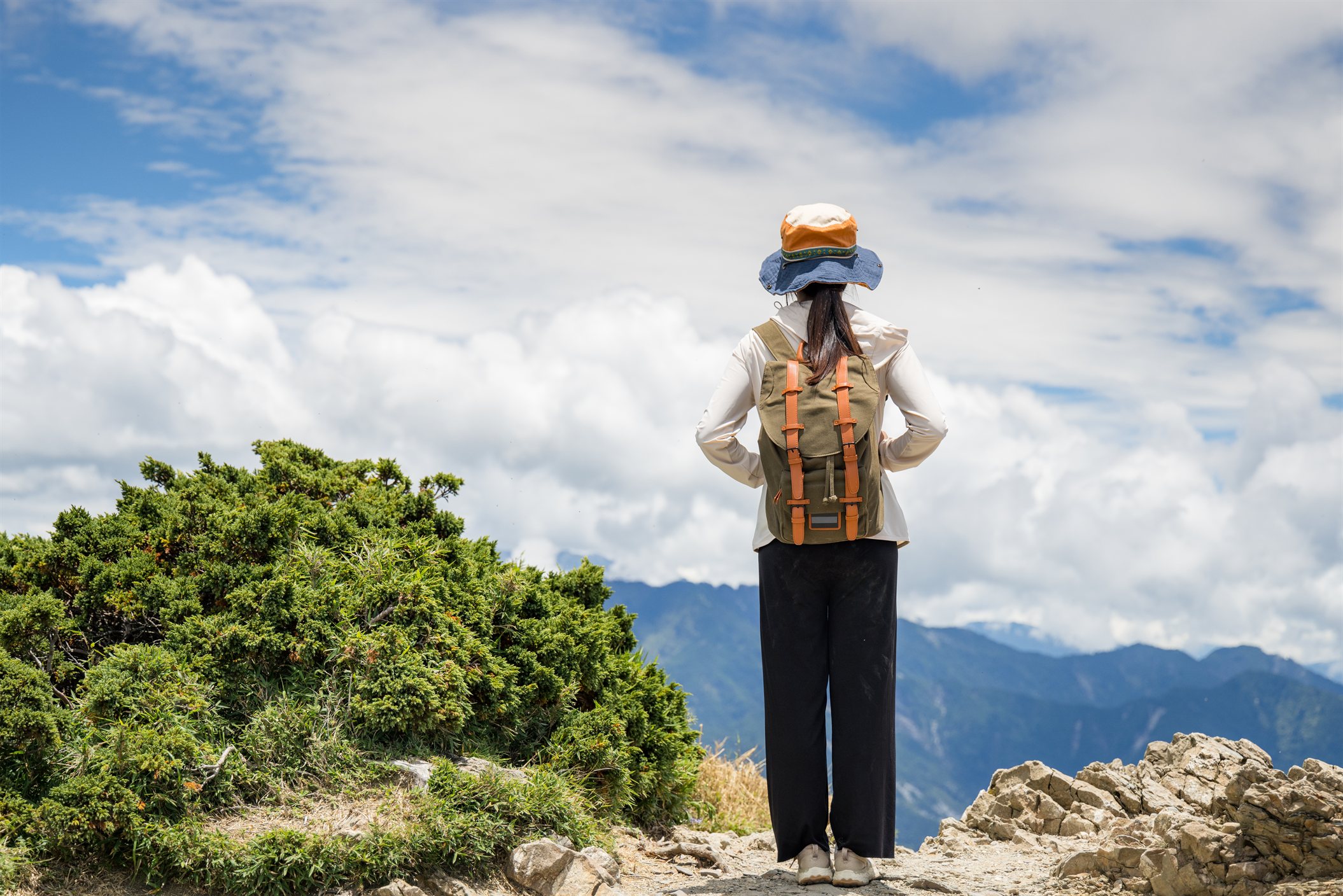
Bhutan packing list essentials
Start with these items, then adjust quantities for your dates and laundry access.
- Passport, visa confirmation and travel insurance details
- Flight tickets and emergency contacts stored offline
- Comfortable walking shoes with reliable grip
- Lightweight trainers or casual shoes
- Breathable base layers
- Warm mid layer such as fleece or fine wool
- Insulated jacket for cold mornings and evenings
- Waterproof outer layer
- Long trousers and modest tops for sacred sites
- Sun hat, sunglasses and high protection sunscreen
- Refillable water bottle
- Small day bag
- Personal medicines and a simple first aid kit
- Universal travel adapter and charging cables
- Lip balm and moisturiser for dry air
- Hand sanitiser and tissues
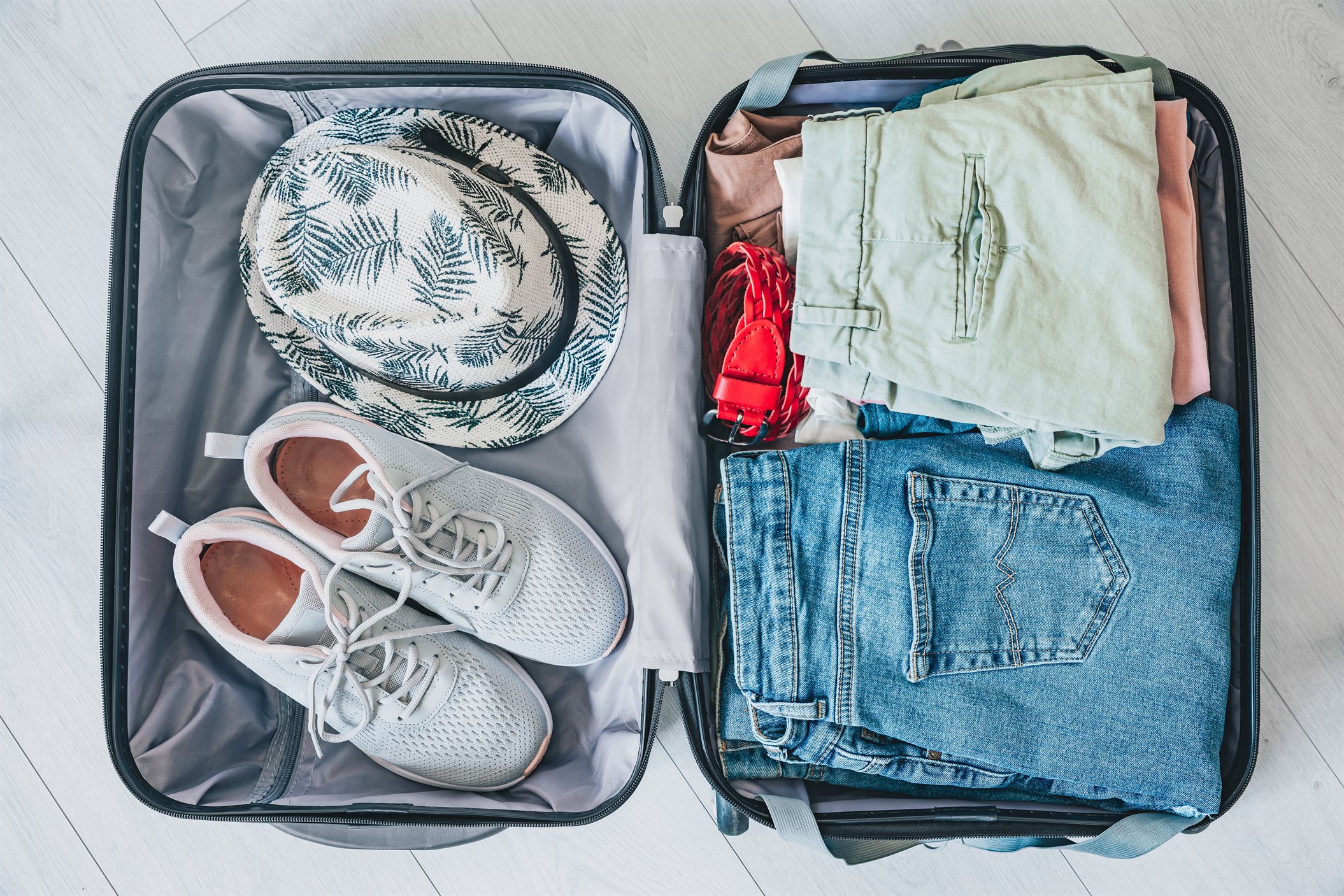
Pack important medicine, one change of clothes and essential documents in your cabin bag. Checked luggage can be delayed on any international route, and mountain flight schedules occasionally shift with weather.
Understand Bhutan’s altitude and weather
Bhutan’s weather changes by altitude as much as by season. Punakha is lower and generally warmer than Thimphu and Paro. High passes can feel cold and windy even when the valley is pleasant. Trekking camps are a different category again.
Spring and autumn are popular seasons, summer as greener and wetter, and winter as crisp with clear views in many western valleys. Forecasts are useful close to departure, but they cannot capture every local change. Layers let you adjust without returning to the hotel.
If you are concerned about elevation, read how to prepare for travel at high altitude. Most classic sightseeing stays below serious trekking elevations, but breathlessness can still surprise you on stairs and uphill paths.
What to pack for spring
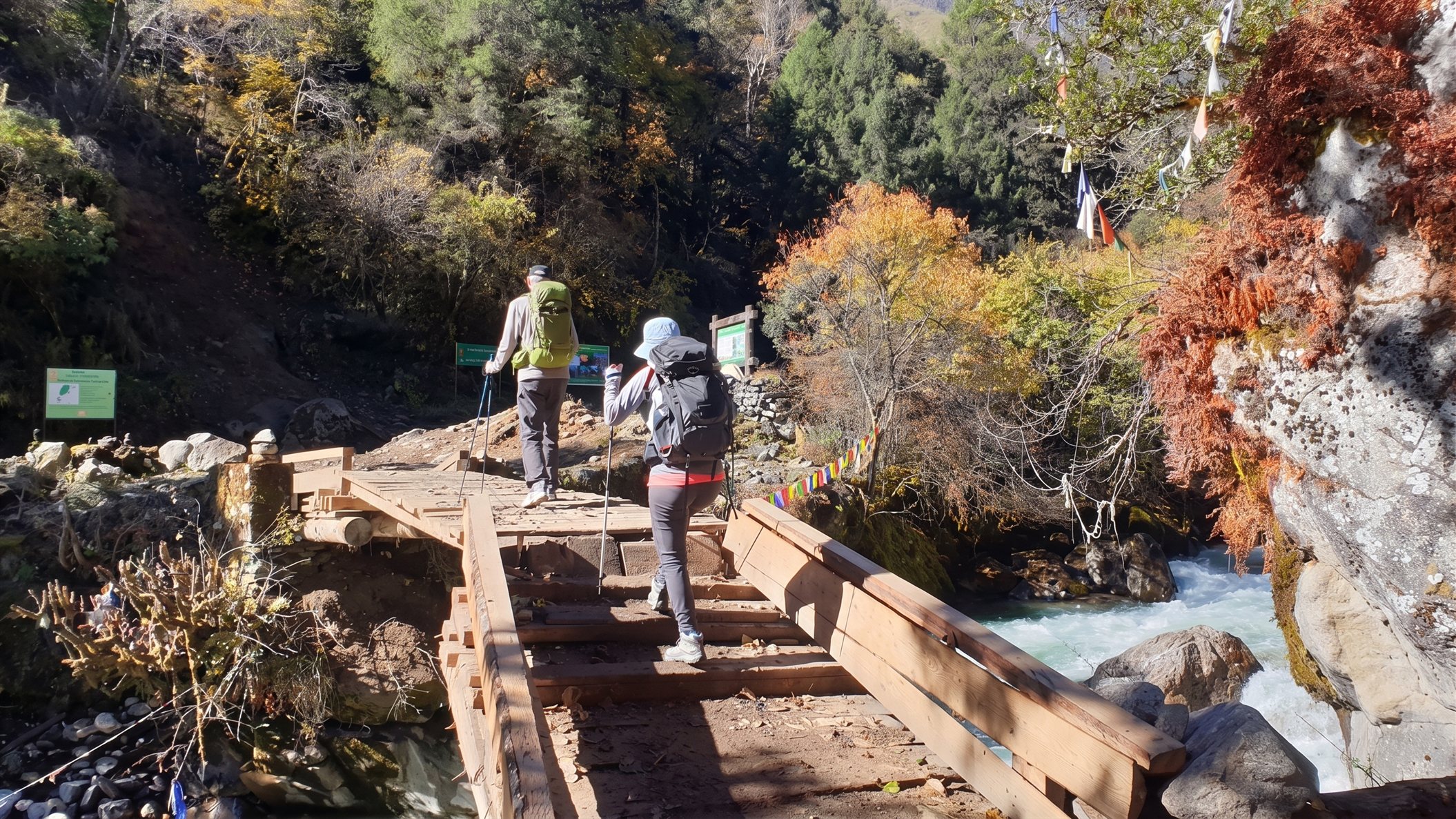
Spring, roughly March to May, can bring mild days, flowering hillsides and cool mornings. Conditions warm as the season advances, while rain remains possible.
Pack breathable shirts, long trousers and a light warm layer for daytime touring. Add a fleece or compact insulated jacket for early starts and evenings. A waterproof jacket is more useful than an umbrella on trails because it leaves your hands free.
Spring sun can be intense at altitude. Carry sunscreen, sunglasses and a brimmed hat even when the air feels cool. Pollen sensitive travellers may want their usual medication, especially during flowering periods.
For a spring festival journey, include one neat outfit that covers shoulders and knees. You do not need formal wear, but clean, respectful clothing feels appropriate among families dressed in their finest gho and kira.
What to pack for summer and the wetter months
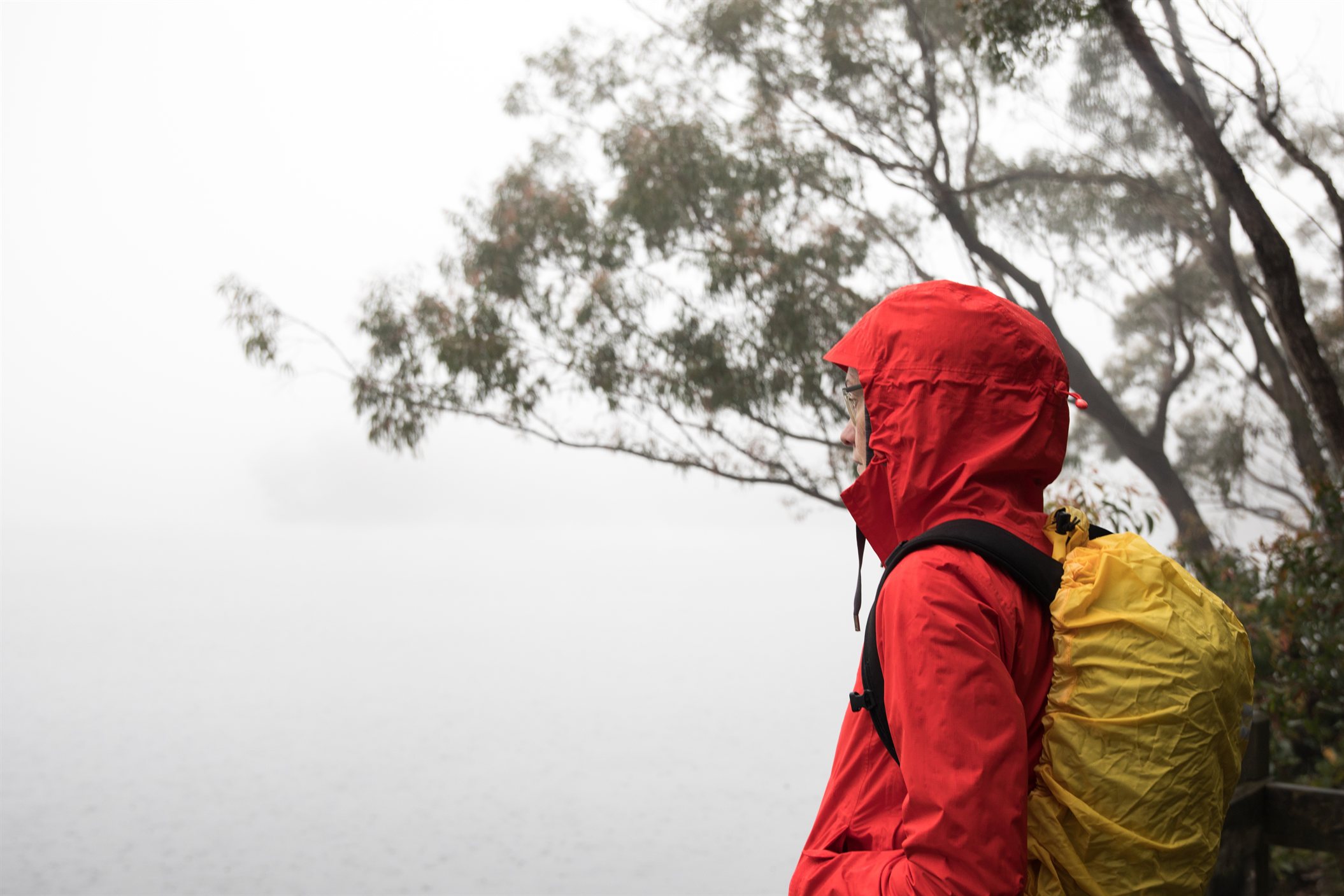
Summer, roughly June to August, is warmer, greener and more humid in many valleys. Rain can be heavy, roads may be muddy and clouds can obscure mountain views. The landscape is lush, and visitor numbers may be lower.
Prioritise quick drying fabrics. Cotton can remain damp after a shower, so use breathable travel clothing for active days. Pack a waterproof jacket with a hood, a light rain cover for your day bag and spare socks. Waterproof footwear can help, but comfort and grip matter more than a heavy boot for ordinary sightseeing.
Keep electronics and documents in simple waterproof pouches. A small microfibre towel is useful after a wet walk. Insect repellent can help in warmer, lower areas, though conditions vary with altitude.
Road journeys can take longer during rain. Put a light layer, water, snacks, medicine and a power bank in your day bag rather than your main suitcase. A compact umbrella is useful in towns, provided you also have hands free rain protection for paths.
What to pack for autumn
Autumn, roughly September to November, often brings clearer skies, popular festivals and cool, dry conditions. Demand is high, and early morning temperatures can be much lower than daytime temperatures.
Bring light base layers, a fleece and an insulated jacket you can remove easily. A wind resistant outer layer is valuable on high passes. Comfortable long trousers work for both walking and cultural visits.
Dust is possible on dry roads and trails. A scarf or buff can make a journey more comfortable, though it should not replace appropriate respiratory protection if you have a medical need. Moisturiser, eye drops and lip balm help with dry air.
Autumn is a common season for the Essential Bhutan Cultural Journey. Check the exact valleys and altitude on your itinerary because late November can feel distinctly wintry after sunset.
What to pack for winter
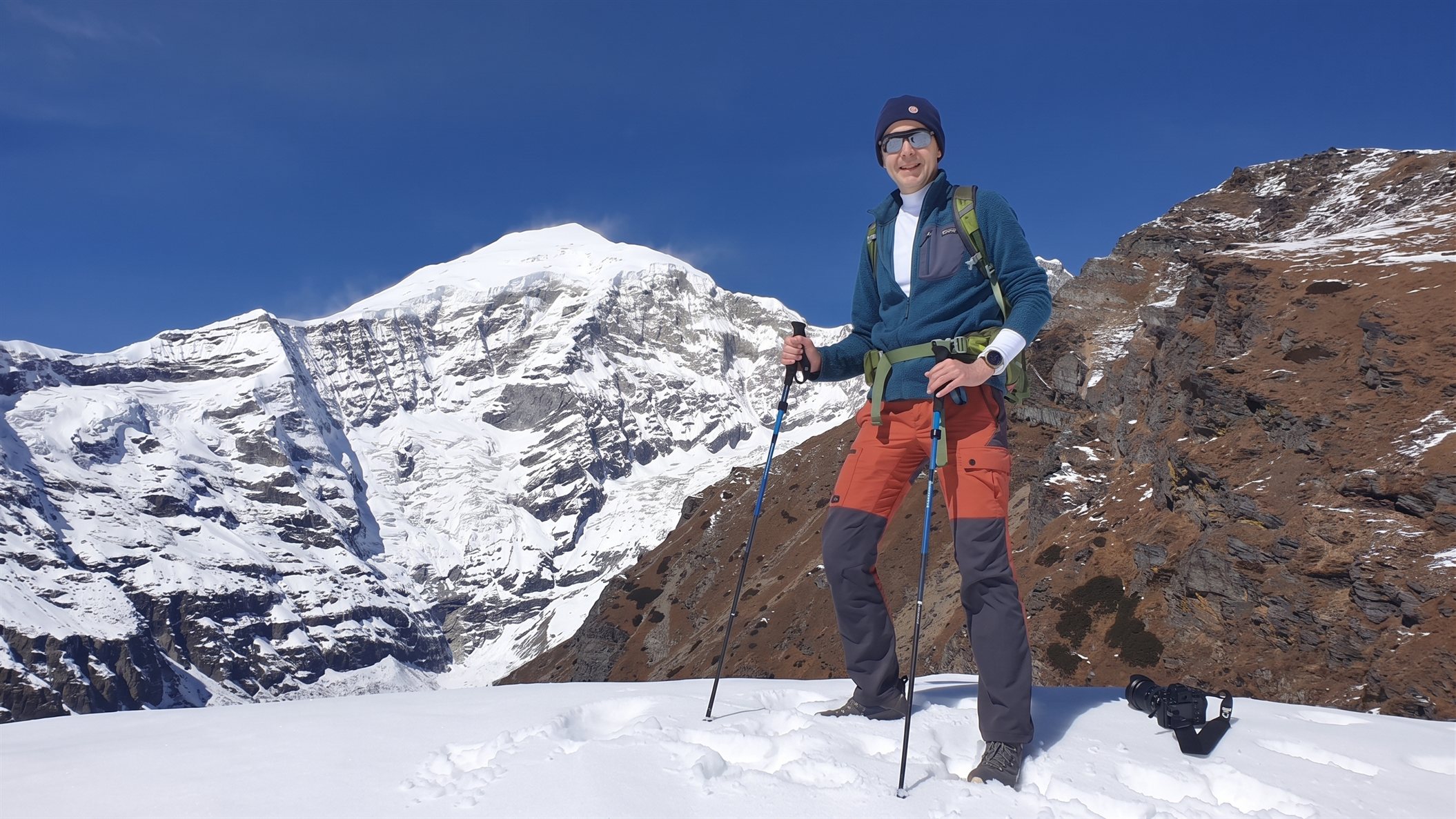
Winter, roughly December to February, can offer bright skies and quiet valleys. Days in the sun may feel comfortable, but mornings, evenings and shaded interiors can be cold. Some buildings are not heated to the level Singapore travellers expect.
Pack thermal base layers, warm socks, a fleece and a proper insulated jacket. A hat and light gloves take little space and can transform an early start. Sleepwear should be warm enough for cool hotel rooms.
Use layers rather than one bulky coat. Punakha can still be mild in the day, while Dochula Pass or Paro may be cold. Footwear should cope with frost or occasional snow in higher areas, though heavy snow boots are unnecessary for most western cultural trips.
A reusable heat pack can be comforting, but check airline restrictions. Moisturiser, lip balm and saline nasal spray can help in dry winter air.
Clothing for dzongs, monasteries and temples
Bhutan’s sacred and administrative sites deserve respectful dress. Cover your shoulders and knees, avoid very tight or transparent clothing and remove hats when asked. Your guide will explain any local requirement before entry.
Long trousers, ankle length skirts and tops with sleeves are easy choices. Carry a light shawl or cardigan if your daytime outfit is sleeveless, but do not rely on a tiny scarf to make beachwear appropriate. Shoes that slip on and off easily are helpful because some temple spaces require removal.
Socks should be clean and intact if you may remove shoes. Inside religious spaces, follow instructions about photography and personal belongings. The Bhutan culture and etiquette guide gives more context on respectful behaviour.
Footwear for sightseeing and short walks
Most visitors need two pairs: supportive walking shoes and a lighter pair for hotels or easy town evenings. Your main shoes should be broken in before departure. Test them on slopes and stairs, not only a flat shopping centre floor.
Low hiking shoes or trail trainers are suitable for many cultural itineraries. Full boots can add ankle support on rough terrain but may feel heavy during long drives. Choose according to your stability, route and season.
Bring enough suitable socks to keep feet dry. Wool blend or technical socks reduce friction better than thin fashion socks. Blister plasters are small and worth carrying.
What to pack for the Tiger’s Nest hike
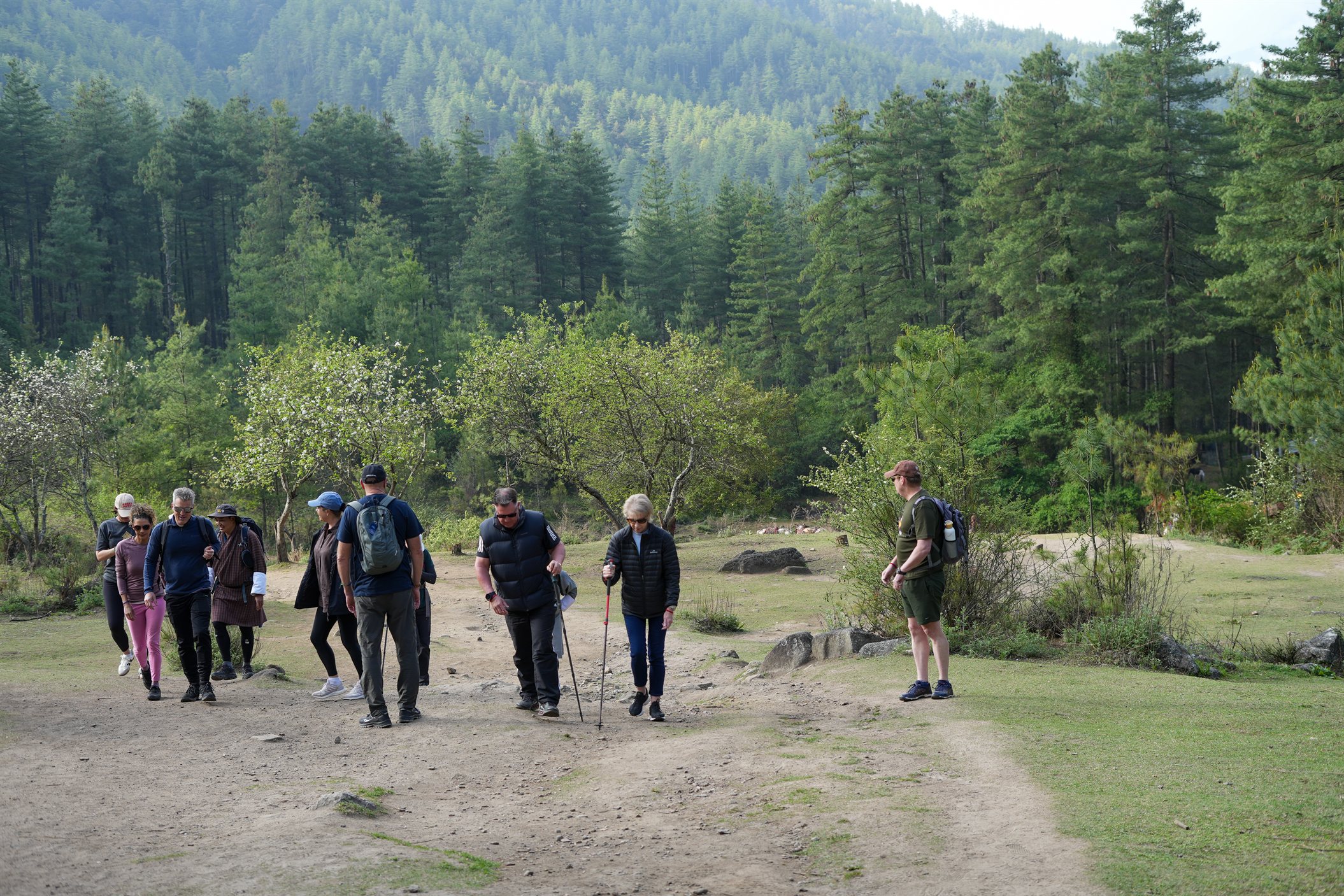
The hike to Tiger’s Nest Monastery is a sustained climb at altitude, followed by a descent. You do not need technical gear, but you should be prepared for sun, uneven ground and changing temperatures.
Put these items in your day bag:
- Water in a refillable bottle
- High energy snack if your guide recommends one
- Sunscreen and sunglasses
- Sun hat
- Light warm layer
- Waterproof shell
- Personal medicine
- Tissues and hand sanitiser
- Small amount of cash
- Phone or camera with spare power
- Modest layer for monastery entry
Walking poles can reduce strain on knees during the descent. Ask your guide if poles are available or bring collapsible ones in checked luggage. The Bhutan culture and short hikes journey offers a useful picture of the activity level on a gentle touring itinerary.
Read the Tiger’s Nest Monastery guide before deciding on footwear and training. Start early, keep your day bag light and avoid wearing new shoes.
Packing for a multiday trek
Packing for a trek in Bhutan depends heavily on the route, altitude and time of year. Conditions at camp can be very different from what you experience in Paro or Thimphu, especially after sunset when temperatures can drop quickly.
Trekking in Bhutan must be arranged through an accredited Bhutan tour operator like SoulTrips. Your operator should provide a route specific packing list before departure, so use that as your main reference rather than relying on a general trekking checklist.
Your tour will cover most of the logistics, so you mainly need to bring personal clothing and equipment.
Typical inclusions are:
- Licensed trekking guide, sometimes with an assistant guide for larger groups
- Cook and support crew
- Pack animals, usually horses or mules, to carry camping equipment, food and duffel bags
- Tents, generally sleeping tents, dining tent, kitchen tent and toilet tent
- Sleeping mat
- Meals during the trek, including breakfast, lunch, dinner and usually tea or snacks
- Drinking water or water treatment arrangements
- Cooking equipment and fuel
- Camping equipment, such as tables, chairs and dining utensils
- Duffel transport, subject to a weight allowance set by the operator
- Trekking permits and route arrangements, where required
- Ground transport to and from the trek starting and finishing points
- First aid kit carried by the trekking team
- Waste management and campsite arrangements
For your own kit, useful essentials typically include thermal base layers, a waterproof jacket and trousers, a warm hat, gloves, trekking socks, a head torch, blister care and a rain cover for your daypack.
Health and personal care
Bring enough prescription medicine for the entire trip, plus a sensible reserve. Keep it in original packaging and carry a copy of the prescription if the medicine is controlled or unusual. Ask a qualified clinician about your personal needs, vaccinations and altitude risk.
A compact kit can include pain relief, plasters, blister treatment, oral rehydration salts, stomach medicine, antihistamine and motion sickness medicine.
Travel insurance is not currently mandatory but it is strongly recommended. Look for medical care, evacuation where appropriate, trip disruption and activities you plan to do.
Bhutan’s air can be dry and sunny. Pack sunscreen, lip balm, moisturiser and any contact lens supplies. Hand sanitiser and tissues are useful at remote stops.
Toiletries and sanitary products
Hotels provide basic toiletries at different standards, but favourite brands may not be available. Bring travel sizes of anything your skin or hair depends on.
Pack enough sanitary products for the trip, especially outside the main towns. A small disposal bag is useful. Travellers using a menstrual cup should consider access to clean water and their own comfort during long driving days.
Electronics and power
Bhutan uses plug types C, D and G. A universal adapter is the simplest choice, though some hotels provide adaptable sockets. Bhutan uses 230 volt power, which suits most modern phone and laptop chargers, but check each appliance label.
Bring charging cables, a compact power bank and spare camera batteries. Cold weather can drain batteries faster. Store important confirmations, passport copies and contacts offline in case the signal is weak.
A small torch is useful at rural properties and during power interruptions.
Luggage and baggage limits
Use a manageable suitcase or soft bag that fits the vehicle comfortably. Hotels and guides help with luggage, but stairs and uneven entrances are common. A giant case is inconvenient on a route that changes hotel every two nights.
Airline baggage limits depend on carrier, route and fare. Check every sector on your confirmed ticket. If you connect on separate bookings, the smallest allowance may shape what you can carry.
For a seven day cultural journey, a medium checked bag and a day bag are usually enough. Packing cubes help organise layers and keep clean clothing separate. Leave room for textiles, incense, crafts or other souvenirs, but respect export rules for antiques and religious objects.
Documents and money
Carry your passport, visa confirmation, travel insurance details, flight information and important contact numbers with you. Keep secure digital copies of key documents, along with one paper copy stored separately from the originals. Before departure, check that your passport meets the validity requirements for your trip.
It is also useful to carry some US dollars. Bhutanese ngultrum in cash is handy for small shops, tips, local purchases and places where card payments may not be available, especially in rural areas.
For tour ideas, practical planning information and inspiration, visit the SoulTrips Bhutan destination page.
Useful comfort items for road journeys
Bhutan’s short map distances can involve long mountain drives. Pack a neck pillow if you use one, motion sickness support, headphones, downloaded audio and a small snack. A reusable bottle and light scarf are useful in changing temperatures.
Keep the view in mind before filling every minute with a screen. The drive itself reveals villages, river valleys, prayer flags and mountain passes. A compact pair of binoculars can add pleasure for bird and landscape lovers.
What not to pack
Leave behind excessive formal clothing, multiple heavy shoes and large quantities of snacks. Most cultural journeys are relaxed, and laundry may be available with enough notice. Avoid camouflage clothing and anything that could look disrespectful in a sacred setting.
Do not bring prohibited substances, unapproved drone equipment or items that breach airline security rules.
Frequently asked questions
-
Do I need hiking boots for Bhutan?
Not for every trip. Supportive trail shoes are enough for many cultural itineraries and the Tiger’s Nest path if conditions are dry. Boots may suit travellers who need ankle support or are taking a longer trek.
-
What should women wear in Bhutan?
Comfortable travel clothing is fine, with shoulders and knees covered at sacred and official sites. Long trousers, modest dresses and tops with sleeves are practical. Carry a light layer for unexpected visits.
-
What should men wear in Bhutan?
Long trousers and a shirt or modest top work well for dzongs and monasteries. Shorts can be comfortable for some outdoor activities but may not be accepted at sacred or official sites. Follow your guide’s advice.
-
Do I need a travel adapter in Bhutan?
Yes, a universal adapter is useful. Bhutan uses plug types C, D and G. Check the voltage label on any heat appliance before use.
-
Is Bhutan cold?
It can be, especially in winter, at high passes and after sunset. Lower Punakha is warmer than Paro and Thimphu. Pack layers in every season rather than judging the whole trip by one forecast.
-
What should I pack for monsoon season?
Bring a hooded waterproof jacket, quick drying clothing, spare socks, bag protection and shoes with good grip. Keep documents and electronics in waterproof pouches. Allow for muddy paths and slower roads.
-
Can I buy toiletries and medicine in Bhutan?
Basic items are available in larger towns, but preferred brands and specialist medicine may not be. Bring essential prescriptions and personal care products from home. Seek professional medical advice for health planning.
-
Do I need formal clothes for a festival?
Formal clothing is not required, but neat modest clothes show respect. Cover shoulders and knees and avoid damaged or beach style clothing. Bhutanese families may wear their finest national dress.
-
Can I wear shorts on the Tiger’s Nest hike?
Shorts may be comfortable on the trail, but you need appropriate clothing for monastery entry. Lightweight long trousers are the simplest solution. Your guide can confirm the current site expectations.
-
How large should my day bag be?
A compact bag around day hike size is enough for water, layers, sunscreen, camera and personal items. Keep it light because you will carry it uphill. A rain cover or waterproof liner is useful.
Pack for flexibility, not every possibility
The best Bhutan packing list gives you options without weighing you down. Build around layers, respectful clothing, reliable footwear, sun protection and a light day bag. Then add seasonal items that match your route rather than packing for every climate in the Himalayas.
If you want advice tailored to a specific itinerary, review the SoulTrips travel tips, use the trip planning service or contact SoulTrips. A clear route and hotel list make the final packing decisions much easier.