By Soul Trips · Updated on 18 September, 2026
Bhutan Itinerary: 5, 7 and 10 Day Routes Through Paro, Thimphu and Punakha
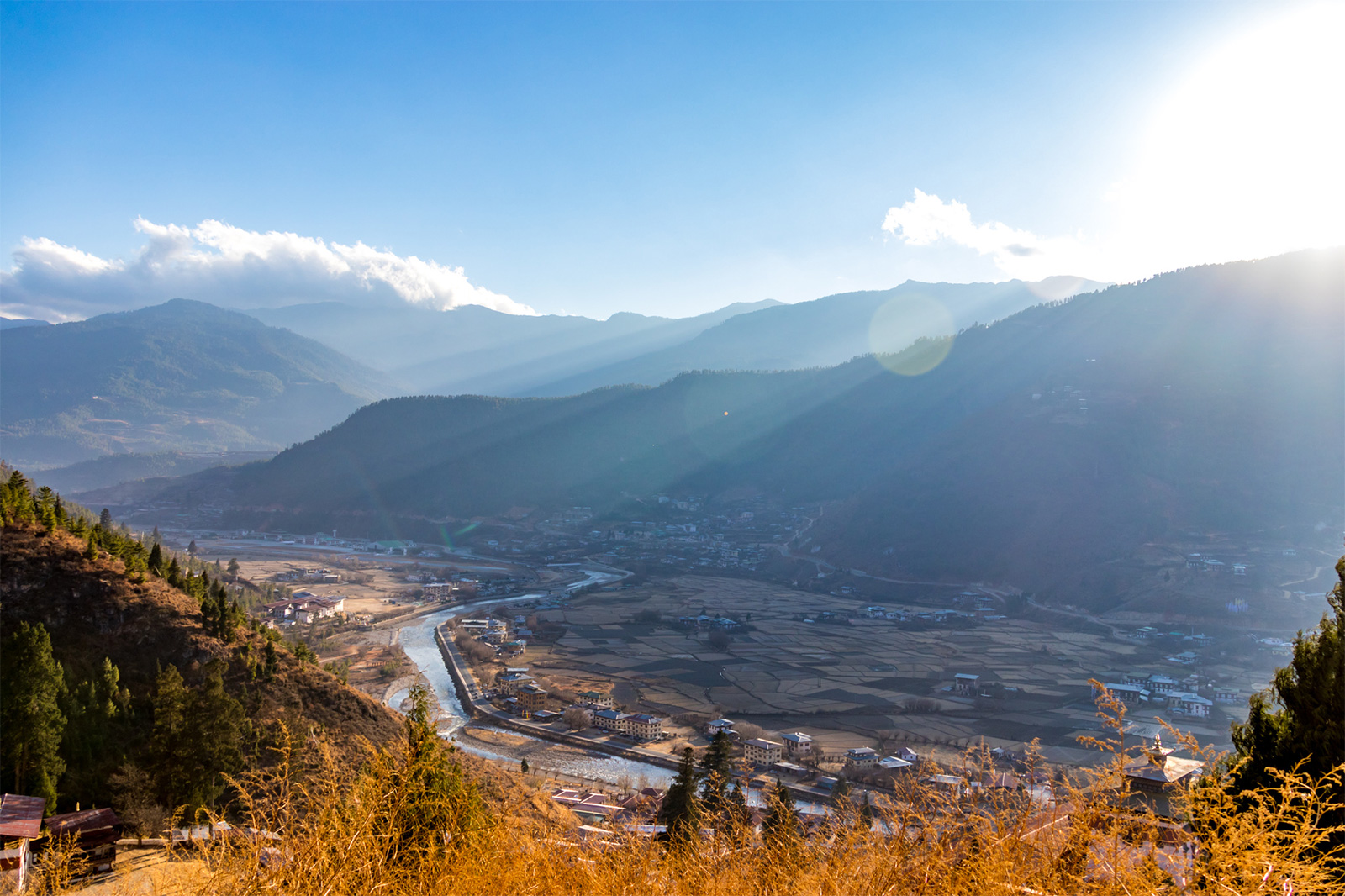
A good Bhutan itinerary gives you time to experience each valley instead of moving hotels every night. Five days work best for Paro and Thimphu, with Punakha possible at a quicker pace. Seven days suit the classic Paro, Thimphu and Punakha circuit. Ten days allow you to add Phobjikha and Bumthang for a deeper journey.
The route on a map can look compact, but Bhutan’s mountain roads are winding and travel times change with weather, traffic and road works. Sightseeing also involves altitude, temple steps and regular stops. The most successful plan accepts this slower rhythm.
The routes below are designed for first time visitors arriving and leaving through Paro. They can be adapted for your flight schedule, walking ability, festival dates and preferred accommodation. Browse the SoulTrips Bhutan destination page for current private journey options.
Bhutan itinerary options at a glance
- Five days: Paro and Thimphu, with Tiger’s Nest as the main active day
- Seven days: Paro, Thimphu and Punakha, with two nights in most valleys
- Ten days: Paro, Thimphu, Punakha, Phobjikha and Bumthang
- Best all round first trip: seven days
- Best for culture and spiritual history: ten days with Bumthang
- Best for limited annual leave: five days with a focused western route
The number of nights matters more than the label. An itinerary described as seven days may include only five full sightseeing days once arrival and departure are considered. Check flight times before deciding how much you can fit in.
What should every first Bhutan itinerary include?
Most first journeys should include Paro, Thimphu and at least one contrasting rural valley. These places give you a balanced introduction to sacred sites, contemporary life, historic dzongs and Himalayan landscapes.
Paro provides the international gateway, ancient temples and Tiger’s Nest Monastery. Thimphu reveals daily life in the capital, from prayer rituals and markets to government and craft institutions. Punakha adds a warmer river valley, rice fields and one of Bhutan’s most significant fortresses.
If you have more time, Phobjikha brings open landscapes and rural quiet. Bumthang adds deeper spiritual history and a stronger sense of central Bhutan.
Read the guide to the best places to visit in Bhutan as the destination guide library expands.
Five day Bhutan itinerary
This five day Bhutan itinerary focuses on Paro and Thimphu. It avoids an unnecessary hotel change and gives you enough energy for Tiger’s Nest. Punakha can be added, but the route becomes more demanding.
Day 1: Arrive in Paro and travel to Thimphu
Land at Paro International Airport and meet your guide outside the terminal. The drive to Thimphu normally takes about one and a half hours in good conditions, excluding stops.
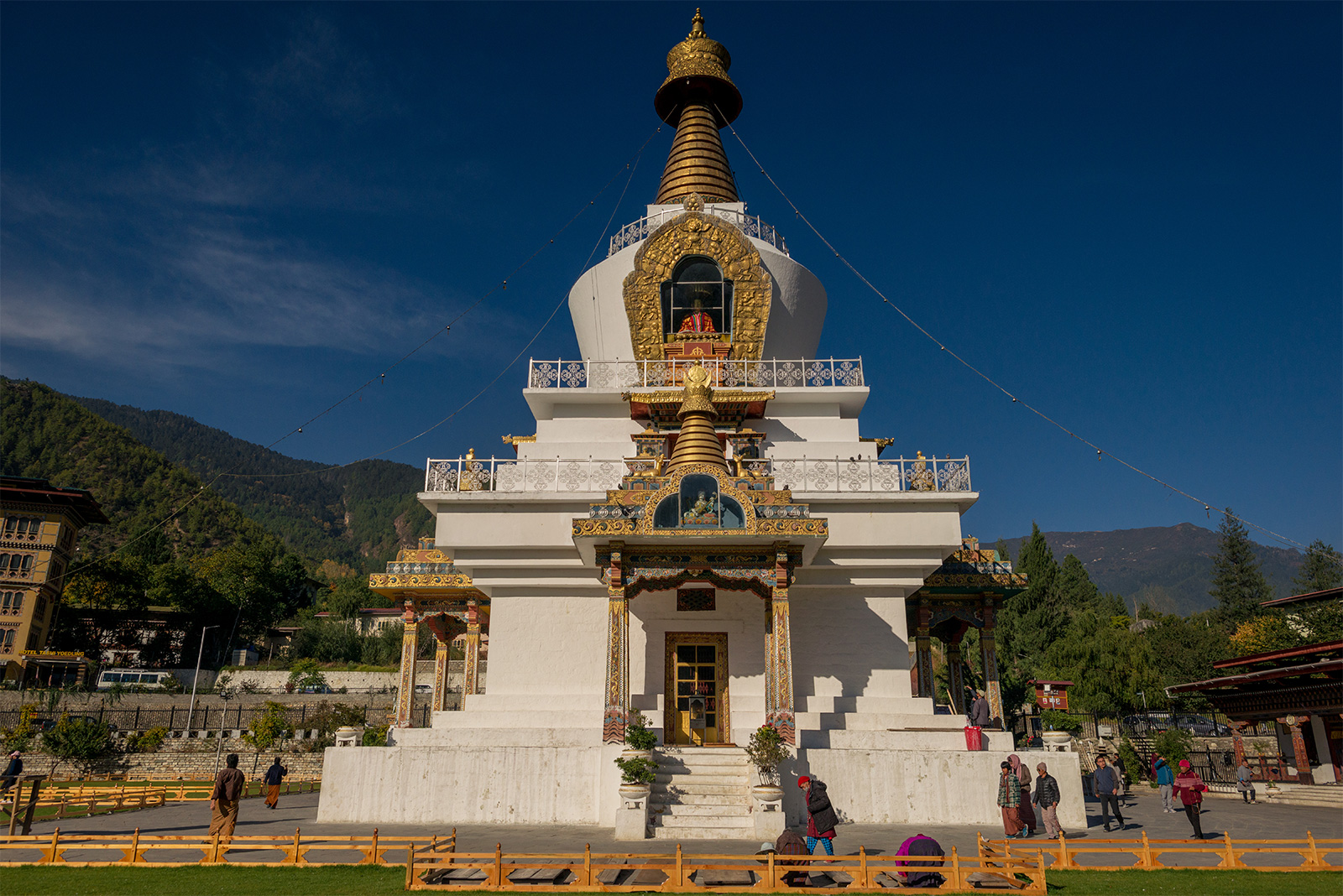
Keep the first afternoon gentle. Walk near Clock Tower Square, explore local shops or visit the National Memorial Chorten if arrival time permits. This helps you adjust to the altitude before a fuller sightseeing day.
Stay overnight in Thimphu.
Day 2: Explore Thimphu
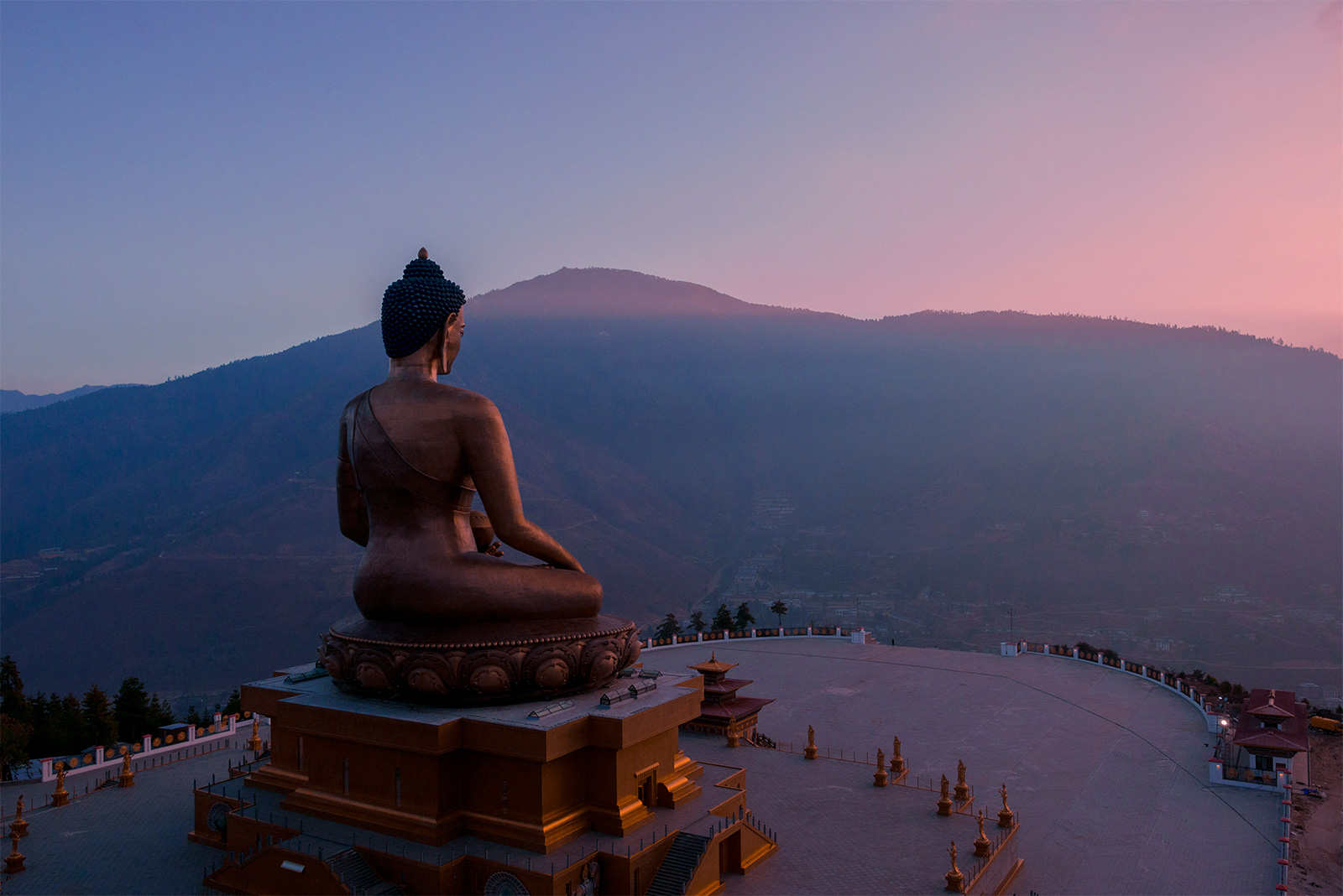
Begin at the Great Buddha Dordenma for wide valley views and an introduction to Bhutanese Buddhist symbolism. Continue to the National Memorial Chorten, where local residents circle the stupa and turn prayer wheels.
Choose two or three further stops rather than trying to cover every attraction. Tashichho Dzong, the Motithang Takin Preserve, a textile or craft institution and a local market create a varied day. Access to the dzong can depend on government functions.
Stay a second night in Thimphu.
Day 3: Return to Paro with cultural stops
Drive back towards Paro. Stop at Tachog Lhakhang or another suitable riverside site when access and time allow. In Paro, visit Kyichu Lhakhang and Paro Rinpung Dzong.
Keep part of the afternoon free for Paro town or a quiet hotel stay. You will benefit from conserving energy before the next day’s climb.
Stay overnight in Paro.
Day 4: Hike to Tiger’s Nest Monastery
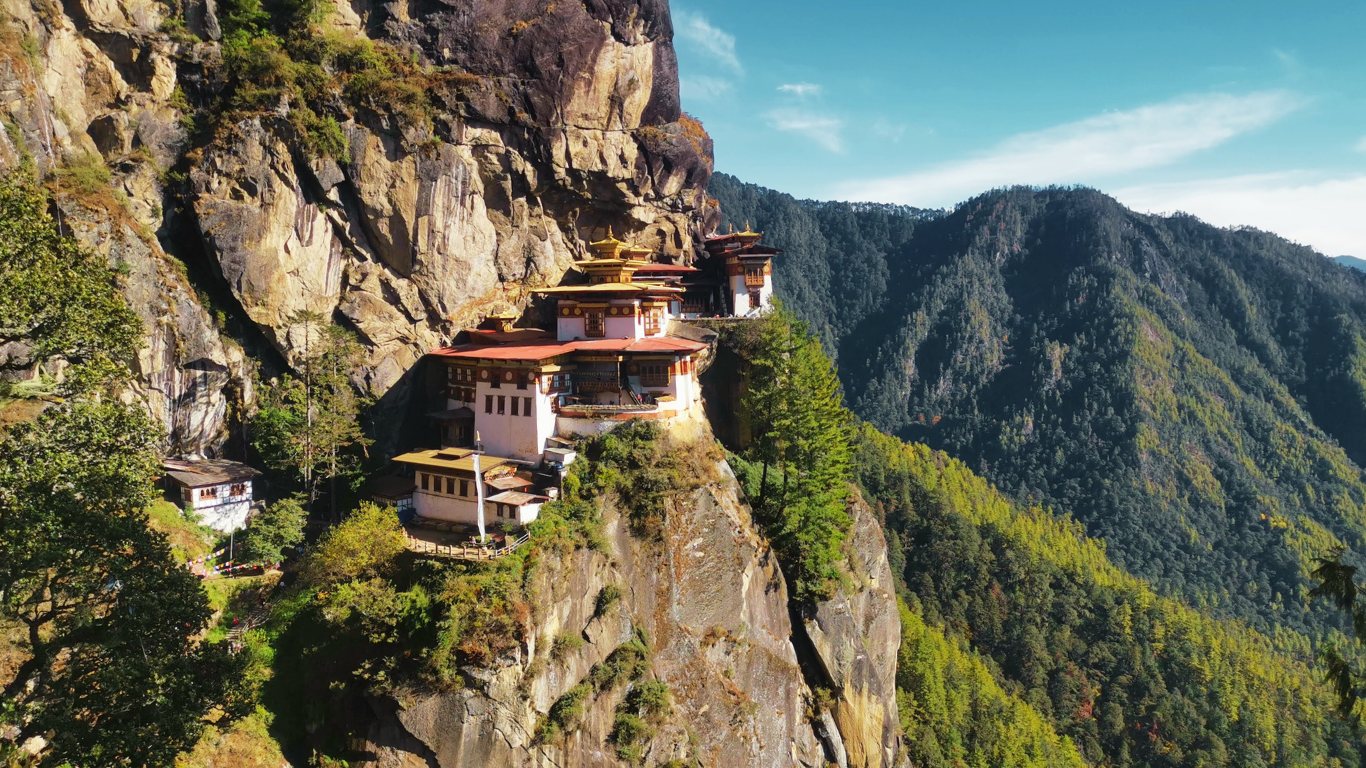
Start early for the walk to Tiger’s Nest, also called Paro Taktsang. The trail climbs through pine forest to a viewpoint and cafeteria, then continues towards the monastery. The complete experience often takes five to six hours at a comfortable pace.
Horses may be available for part of the ascent, but they do not reach the monastery. There are many steps near the final approach. After the hike, choose a light programme or an optional traditional hot stone bath.
Stay a second night in Paro.
Day 5: Depart from Paro
Transfer to the airport with enough time for check in and departure formalities. Bhutan flights can be affected by local operating conditions, so avoid a tight connection to a separate long haul ticket.
The Magical Bhutan Journey follows a compact five day format and can be tailored to current flight times.
Can you include Punakha in five days?
You can include Punakha, but the journey becomes faster and usually requires one night each in Thimphu and Punakha before returning to Paro. This version works best when your arrival is early and departure is late enough to protect the final day.
A practical sequence is arrival in Paro, Thimphu, Punakha, Paro and departure. You will see more, but spend a greater share of the trip on the road. Travellers who dislike rushed itineraries should keep the focus on Paro and Thimphu or add extra days.
The five day luxury Bhutan escape offers a comfortable two valley alternative.
Seven day Bhutan itinerary
Seven days are ideal for a first Bhutan visit. This route gives you two nights in Thimphu, two in Punakha and two in Paro, with a natural progression from city life to a warmer rural valley and finally Tiger’s Nest.
Day 1: Paro to Thimphu
Meet your guide after arrival and drive to Thimphu. Pause at a river confluence or viewpoint if your energy and flight time allow.
Spend the afternoon settling in and taking a short town walk. Avoid a packed programme on your first day at altitude.
Day 2: Thimphu culture and daily life
Visit the Great Buddha Dordenma, National Memorial Chorten and Tashichho Dzong. Add a craft institution, market or the takin preserve according to your interests.
The best Thimphu day mixes formal landmarks with ordinary life. Leave time for a cafe, a textile shop or a walk through the town centre.
Day 3: Thimphu to Punakha via Dochula
Leave after breakfast and climb towards Dochula Pass. Walk among the 108 Druk Wangyal Chortens and look towards the Himalayas when the sky is clear. Mountain views are never guaranteed, but the pass remains meaningful in cloud or mist.
Active travellers can add a forest walk, though a longer hike will reduce time in Punakha. Continue into the warmer valley and visit Punakha Dzong if timing permits.
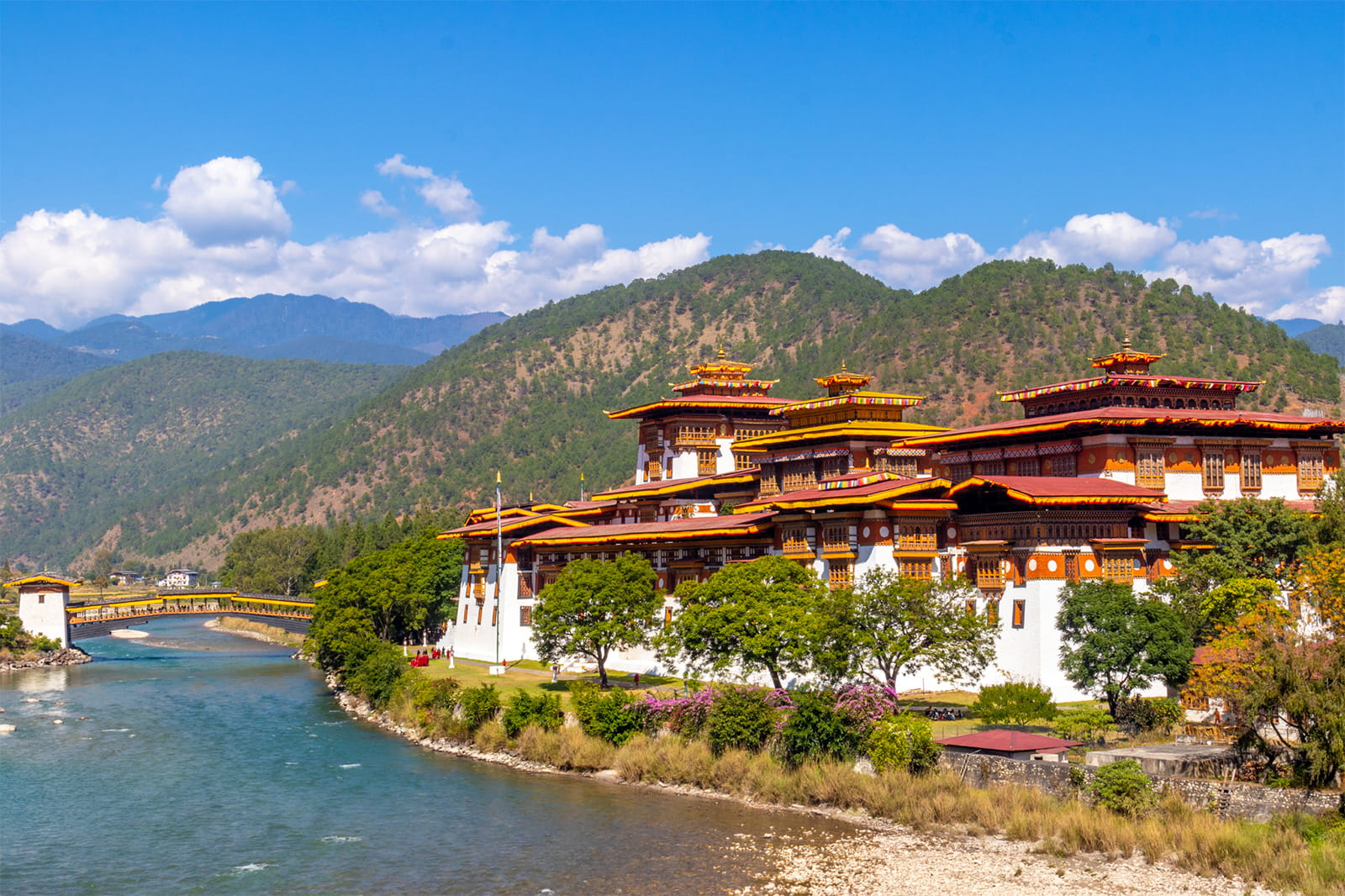
Day 4: Punakha valley walks
Choose a walk suited to your fitness. Khamsum Yulley Namgyal Chorten involves a river crossing, fields and a steady climb. Chimi Lhakhang offers a gentler village approach and insight into local religious traditions.
Add the Pho Chhu suspension bridge or Sangchhen Dorji Lhuendrup Lhakhang. Keep enough time for a relaxed meal and the rural setting.
Day 5: Punakha to Paro
Return west through Dochula and Thimphu. Break the drive with a cultural stop, then continue to Paro. Visit Kyichu Lhakhang or explore Paro town if the schedule remains comfortable.
This is a road day, so avoid adding a demanding afternoon hike.
Day 6: Tiger’s Nest Monastery
Dedicate the day to Tiger’s Nest. Walk slowly, use the cafeteria as a natural rest point and follow your guide’s instructions inside the monastery.
After returning to the valley floor, rest or enjoy a hot stone bath. Keep packing and last minute shopping for the evening.
Day 7: Depart Paro
Transfer to Paro International Airport. Your guide will help you arrive with enough time for departure procedures.
The Essential Bhutan Cultural Journey follows this classic three valley rhythm. Travellers who want more walking can explore Bhutan culture and short hikes itinerary.
Adding Phobjikha to a seven day route
Phobjikha can be added to seven days by spending one night in Punakha and one in Phobjikha. The route then becomes Thimphu, Punakha, Phobjikha and Paro.
This works for active travellers who value landscape and accept longer road days. It is less suitable for young children, visitors with motion sensitivity or anyone seeking a slow pace. Two nights in Phobjikha would be better, but that requires at least eight days.
The Bhutan Adventure and Culture Journey shows how the valley can fit into a compact private trip.
Ten day Bhutan itinerary
A ten day Bhutan itinerary can connect Paro, Thimphu, Punakha, Phobjikha and Bumthang. It reveals how culture and landscape change as you travel towards central Bhutan. The route includes significant road time, but the longer stay gives each region a clear purpose.
Day 1: Arrive and travel to Thimphu
Follow the same gentle arrival plan as the shorter routes. Settle into the capital and keep strenuous activity for later.
Day 2: Explore Thimphu
Combine the Great Buddha Dordenma, National Memorial Chorten and Tashichho Dzong with a market, craft centre or nature walk. Use the day to understand contemporary Bhutan before moving into rural valleys.
Day 3: Thimphu to Punakha
Cross Dochula Pass and continue into Punakha. Visit the dzong in the afternoon, subject to opening and local functions.
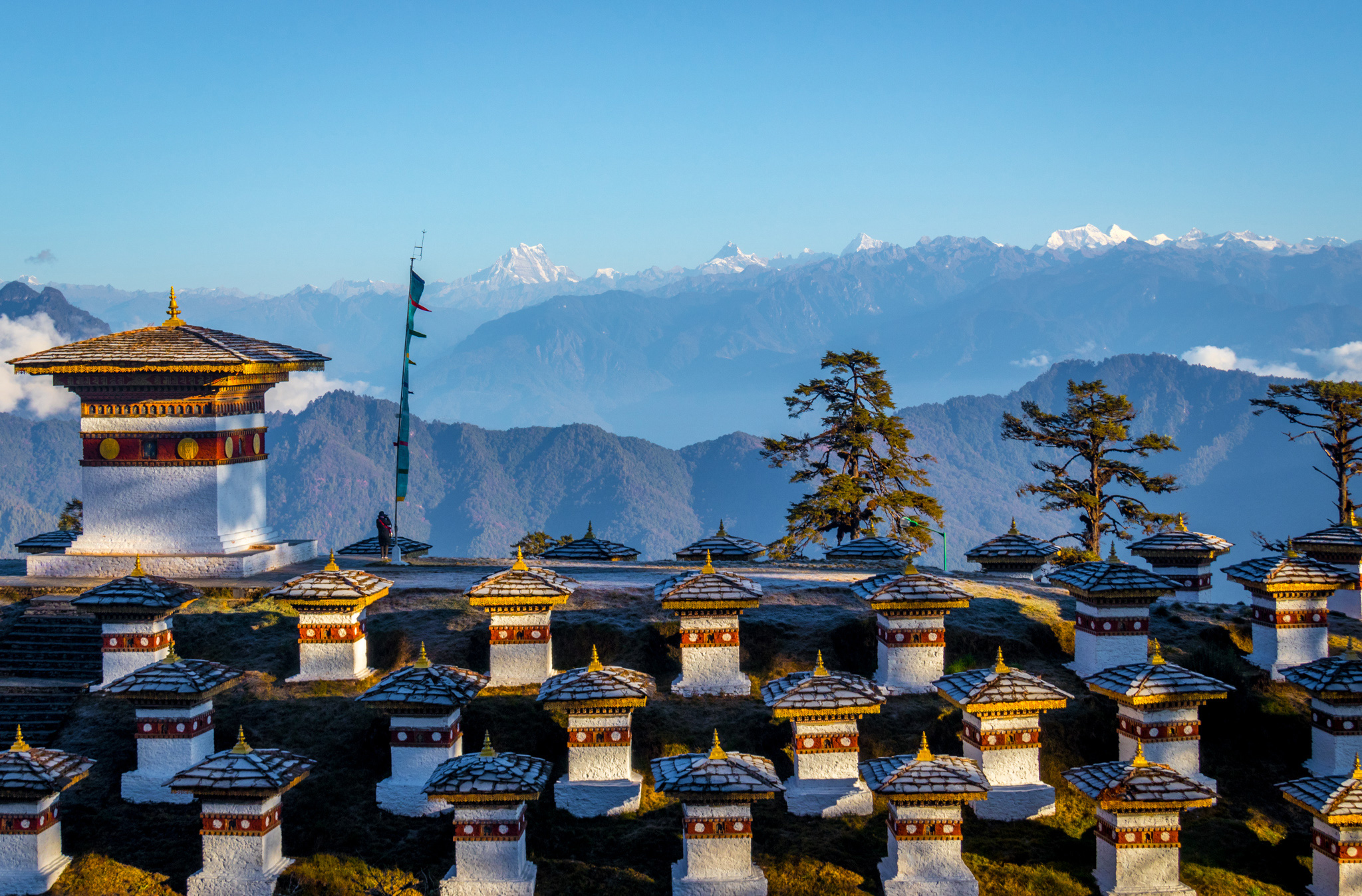
Day 4: Punakha at a slower pace
Walk to Khamsum Yulley Namgyal Chorten or Chimi Lhakhang. Add the suspension bridge, a nunnery or a village experience. A second night prevents Punakha from feeling like a transit stop.
Day 5: Punakha to Phobjikha
Travel to Phobjikha and settle into the broad glacial valley. Visit Gangtey Monastery and take a short walk if daylight and conditions allow.
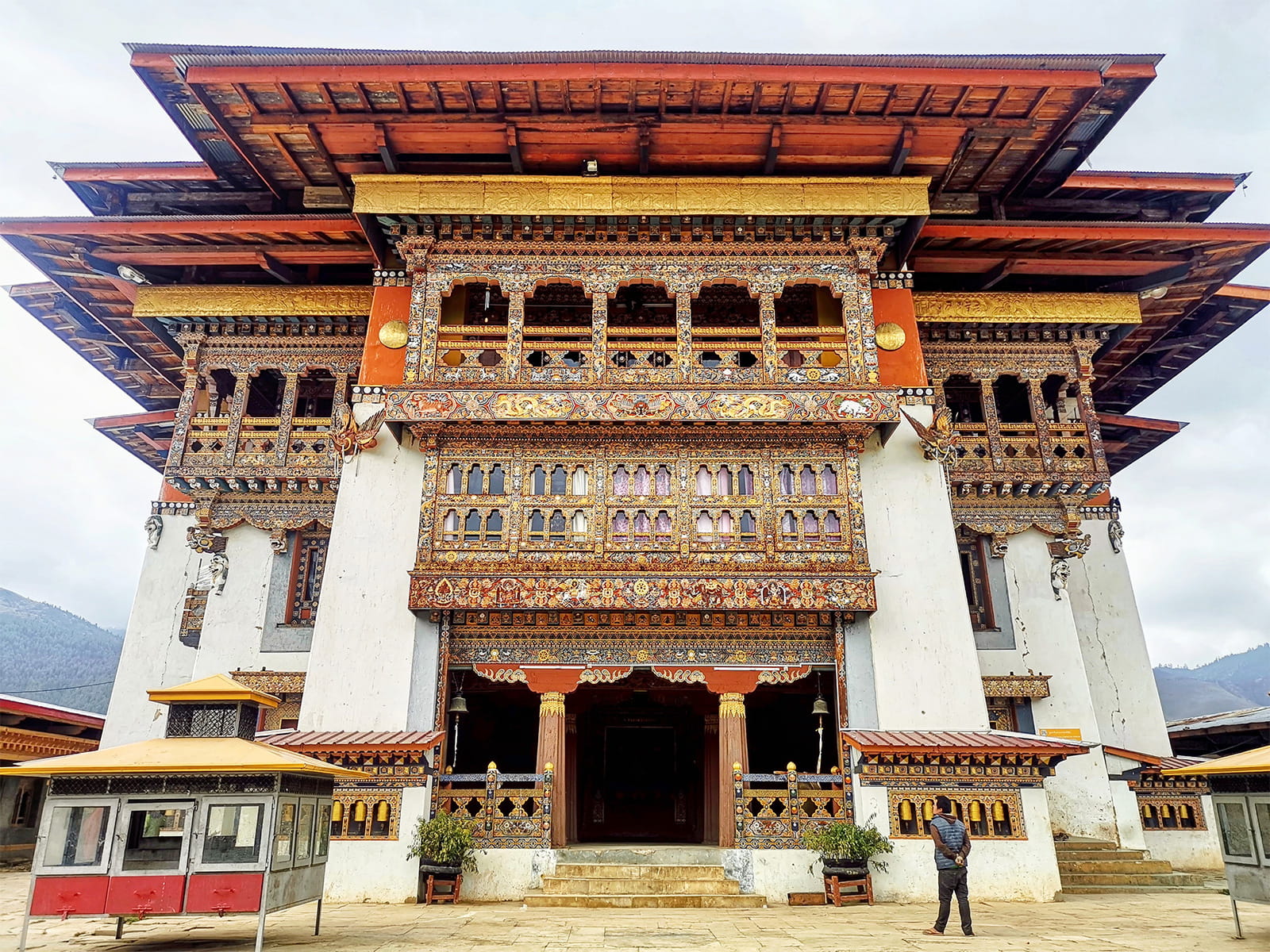
Day 6: Phobjikha to Bumthang
Continue towards central Bhutan. This is a substantial road day, often passing Trongsa. Stop for views of Trongsa Dzong or visit the site if the schedule allows.
Road conditions determine the pace. Treat the journey as part of the experience rather than lost time.
Day 7: Bumthang temples and villages
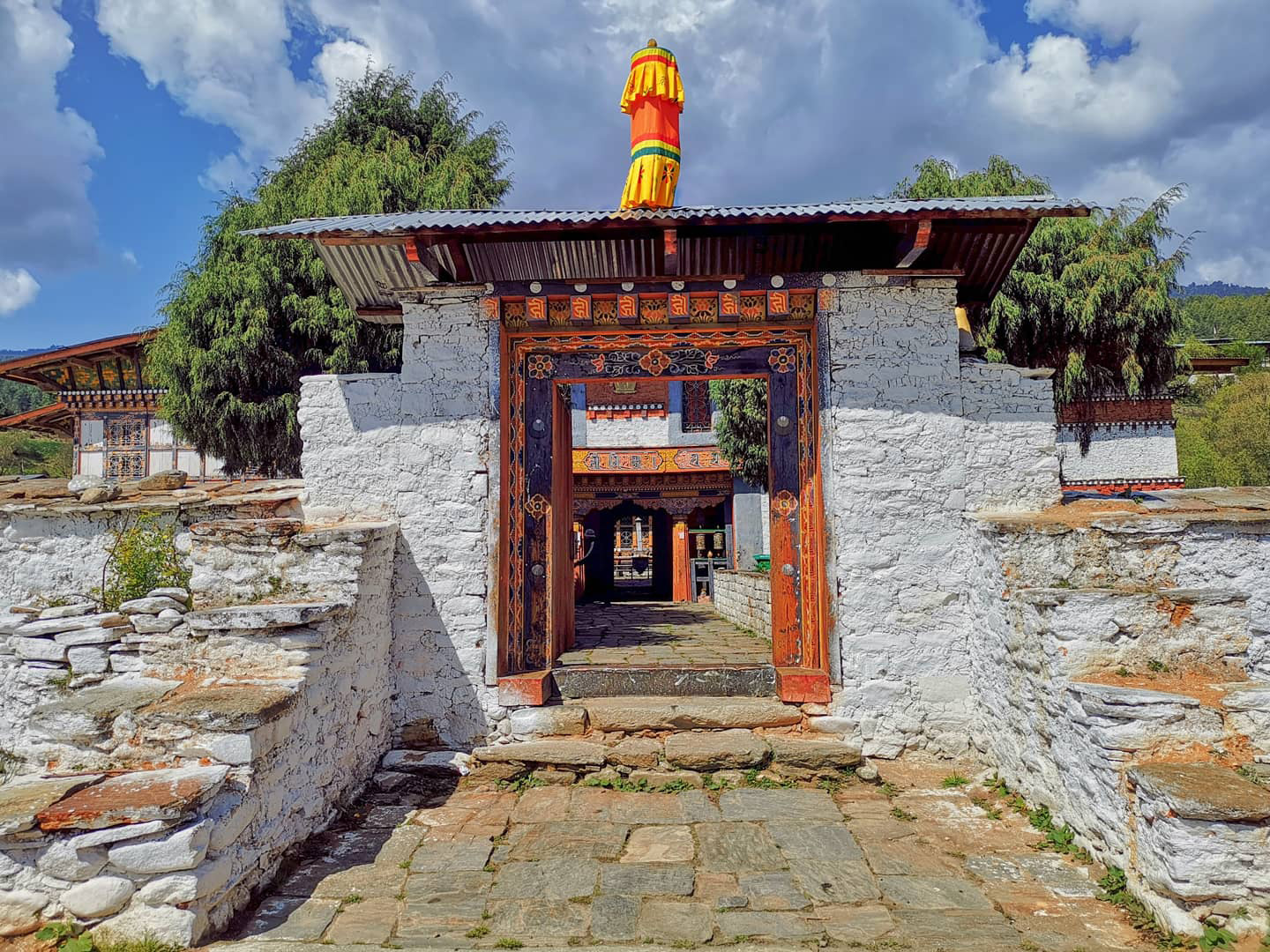
Explore sacred sites such as Jambay Lhakhang, Kurjey Lhakhang and Tamshing Lhakhang. A walking route between selected temples helps you experience the valley as a connected cultural landscape.
Day 8: Bumthang to Paro
Use a domestic flight when it operates and fits the itinerary. Schedules are limited and weather dependent, so keep a road alternative in mind. A full road return needs considerably more time and may require another overnight stop.
Once in Paro, rest and prepare for Tiger’s Nest.
Day 9: Tiger’s Nest Monastery
Complete the climb at a steady pace. By this stage of the trip, you should be better adjusted to Bhutan’s altitude and daily rhythm.
Day 10: Depart Paro
Transfer to the airport. If the domestic flight plan has changed, your operator may need to adjust the final sequence to protect the international departure.
The Bhutan Discovery Journey follows a deeper cultural route through these five regions.
Should you drive or fly to Bumthang?
Driving reveals Trongsa, high passes and the gradual shift from western to central Bhutan. It also takes considerable time on winding roads. A domestic flight is faster but operates on limited schedules and can change with weather.
A balanced plan may drive east and fly back to Paro. Build contingency into the final days and avoid placing the domestic flight immediately before your international departure.
How to adapt your Bhutan itinerary
For culture and spiritual experiences
Spend more time in Bumthang, Paro and Punakha. Replace a long scenic drive with temple walks, conversations and a quieter monastery visit.
For nature and photography
Add Phobjikha and allow two nights. Start key viewpoints early and keep more than one opportunity for mountain scenery because visibility changes with weather.
For trekking
Extend the trip rather than attaching a serious trek to a short cultural route. All treks require an accredited operator or guide. The Soi Yaksa Trek and cultural journey provides a fuller active option.
For luxury and wellness
Focus on Paro, Thimphu and Punakha with two or three nights in each. This leaves time for spa treatments, hot stone baths and slower mornings. The Luxury and Soulful Retreat in Bhutan follows this gentler approach.
For travellers with limited mobility
Choose accessible cultural sites in Paro, Thimphu and Punakha. Replace Tiger’s Nest with a valley viewpoint, temple visit or a comfortable day in Paro. Discuss steps, slopes, vehicle access and bathroom stops before finalising each day.
When is the best time for these routes?
Spring and autumn are popular for walking and clearer conditions. Winter is quiet and often dry, though mornings are cold and high passes may receive snow. Summer brings green landscapes and monsoon rain, with a greater risk of road disruption.
Check out the Best Time to Visit Bhutan.
Common Bhutan itinerary mistakes
The most common mistake is adding too many valleys. Every hotel change takes time, and mountain roads can be tiring.
Another mistake is placing Tiger’s Nest on the first day. Give yourself time to adjust to altitude and recover from the flight.
Do not build critical connections around a domestic flight. Limited schedules and weather can force changes.
Finally, avoid treating guide estimates as fixed promises. Road works, festivals and weather can alter travel times. A good itinerary includes breathing room.
Frequently asked questions
-
Is five days enough for Bhutan?
Five days are enough for a focused visit to Paro and Thimphu. You can see major cultural sites and hike to Tiger’s Nest without changing hotels every night.
-
Is seven days enough for Bhutan?
Yes. Seven days are ideal for a first route through Paro, Thimphu and Punakha. This length balances cultural visits, road travel and one major hiking day.
-
What can you see in ten days?
Ten days allow you to add Phobjikha and Bumthang to the classic western circuit. Domestic flights can reduce return travel time when they operate.
-
Should Tiger’s Nest be at the start or end?
Place it near the end. You will have more time to adjust to altitude and understand the site’s spiritual context before the climb.
-
How many nights should you spend in Punakha?
Two nights are ideal. One night covers the main dzong and a short stop, while two allow a valley walk and a less hurried pace.
-
Is Phobjikha possible on a first trip?
Yes, especially with seven to ten days. The valley suits travellers who enjoy nature and quiet, but it adds road time and deserves at least one night.
-
Do you need a guide for a Bhutan itinerary?
A certified guide is mandatory and all treks require an accredited guide or operator. Confirm the latest implementation before travel because rules can change.
-
Can families follow these routes?
Yes. Reduce long road days, include regular stops and choose shorter walks. A private itinerary makes it easier to adjust meals, rest and sightseeing for children.
-
Can older travellers visit Bhutan comfortably?
Yes, with thoughtful pacing. Select accessible sites, avoid consecutive long drives and discuss altitude, steps and mobility needs before booking.
-
Should you book domestic flights in Bhutan?
They are useful for Bumthang and eastern Bhutan, but schedules are limited. Keep a road alternative and protect your international departure with sufficient time.
Build a Bhutan itinerary that feels unhurried
The right Bhutan itinerary is not the one that covers the most ground. Five days can create a meaningful Paro and Thimphu visit, seven days give the classic western route room to breathe, and ten days reveal the deeper cultural landscapes of Phobjikha and Bumthang.
Start with your available nights, flight times and preferred pace. Then choose the valleys that genuinely support your interests. Explore the SoulTrips Bhutan journey collection, or use the SoulTrips Plan My Trip service for a private route shaped around you.