By Soul Trips · Updated on 12 October, 2026
Where to Stay in Japan: Best Areas, Hotels and Unique Stays
Deciding where to stay in Japan is easier when you prioritise location, room layout and the role of each stop. Choose convenient city hotels for transport, then add one distinctive stay such as a ryokan, temple lodging, minshuku or art island property. The contrast gives the journey character without making every night complicated.
Japanese rooms can be compact and occupancy rules are strict, so check the floor area, bed setup and bathroom before booking. The SoulTrips Japan destination page includes journeys that combine practical hotels with more memorable regional accommodation.
Where to stay in Japan at a glance
The best accommodation is not always the most atmospheric address. A station hotel can save hours, while one rural inn can provide the cultural depth that a city hotel cannot.
- Tokyo: Marunouchi for transport, Shinjuku for western Tokyo, Ueno or Asakusa for older districts.
- Kyoto: Kyoto Station for convenience, Higashiyama for atmosphere, central Kyoto for balanced access.
- Osaka: Umeda for rail connections, Namba for food and nightlife.
- Fukuoka: Hakata for transport, Tenjin for shopping and dining.
- Sapporo: near Sapporo Station for easy connections, Odori for central sightseeing.
- Regional stays: ryokan, minshuku, temple lodging and small heritage hotels.
- Families: apartment hotels with proper beds and laundry.
Use the SoulTrips Japan destination guide to identify the regions before choosing individual properties.
Best areas to stay in Tokyo
Marunouchi and Tokyo Station
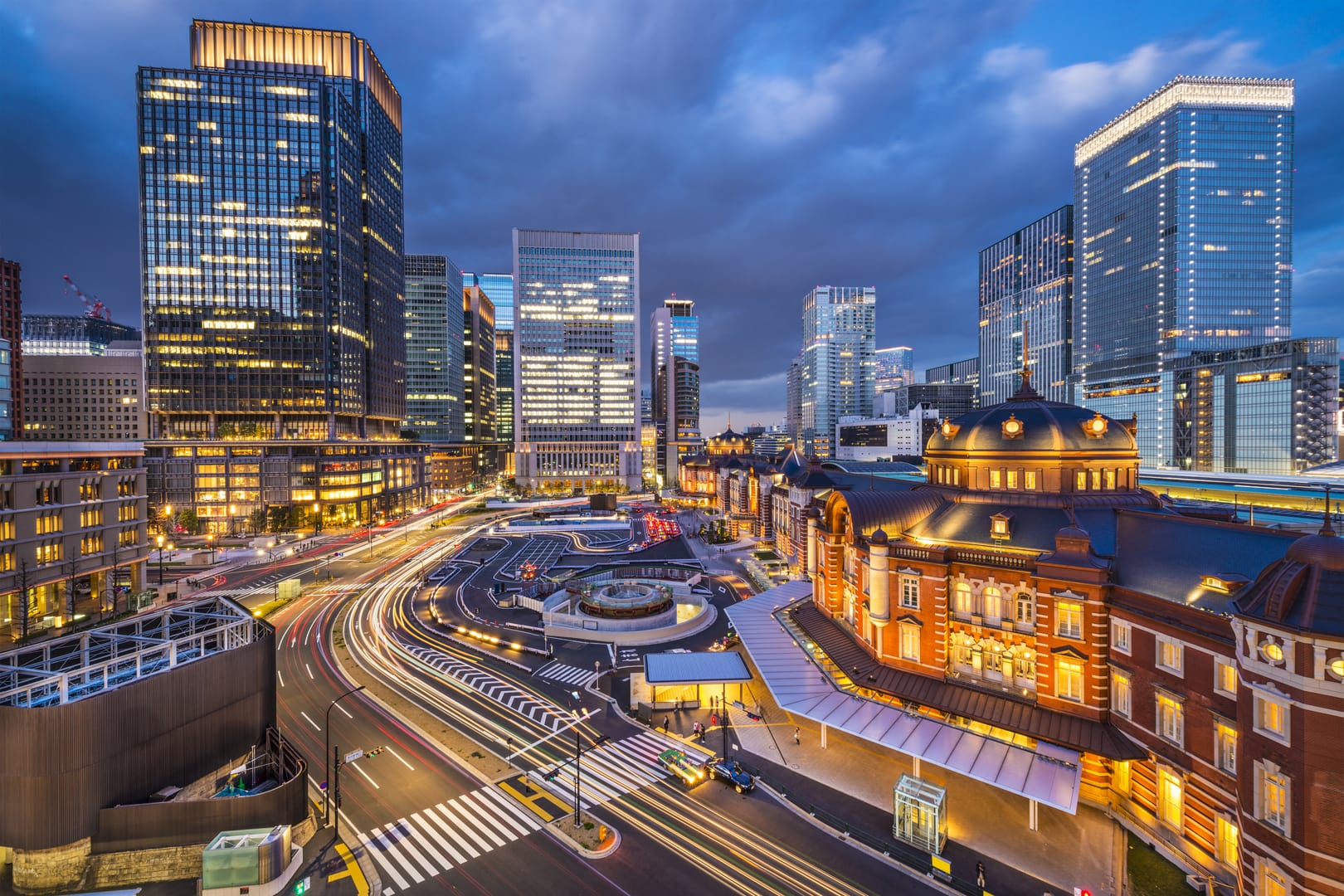
Stay near Tokyo Station for Shinkansen journeys, airport links and easy movement across the city. The area suits short visits, business travellers and anyone beginning a regional rail route. Hotels cost more, but the saved transfer time can justify the rate.
Shinjuku
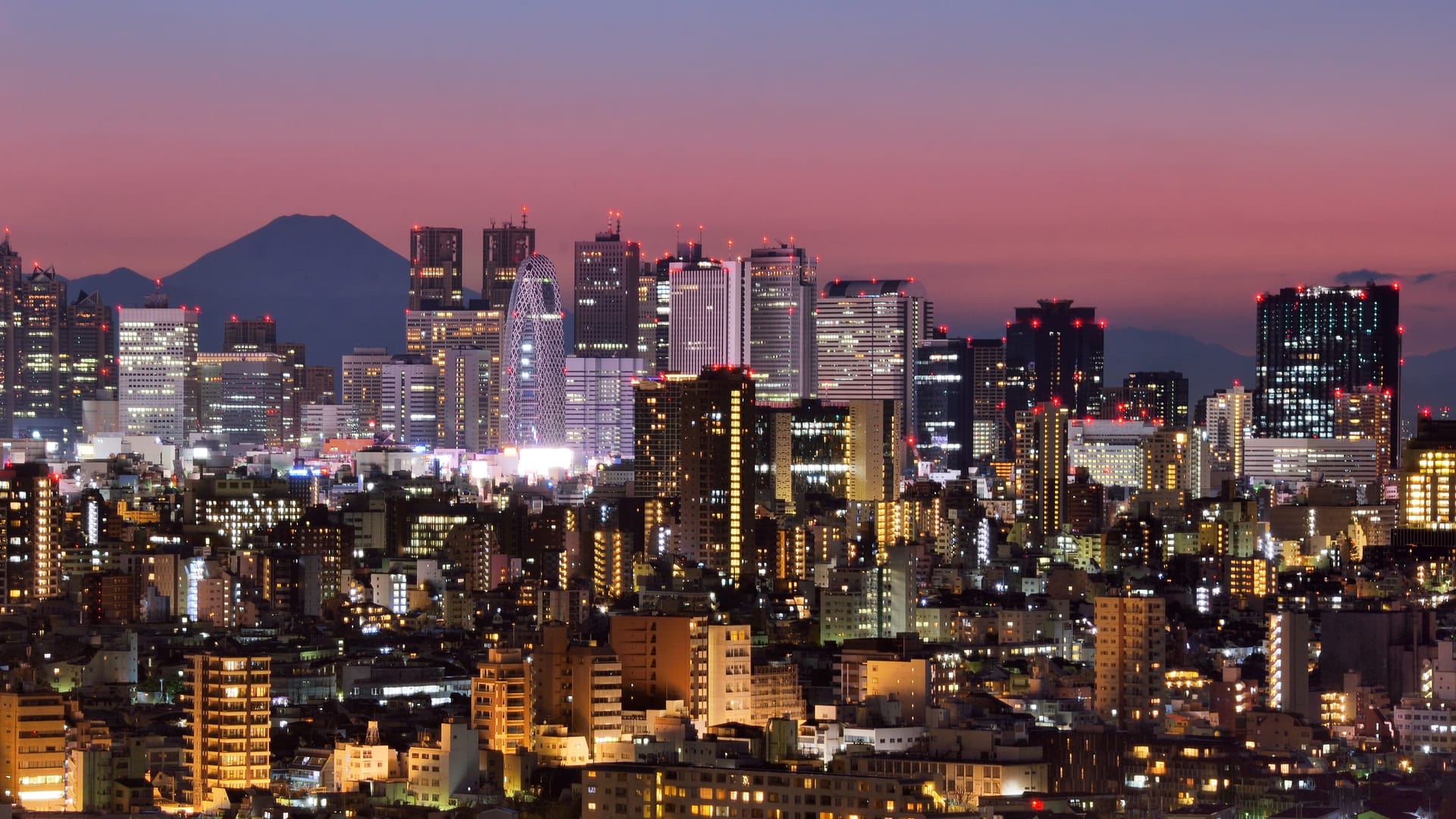
Shinjuku gives you extensive rail connections, shopping, restaurants and access to western Tokyo. The station is enormous, so choose the exact side and exit carefully. A hotel described as near Shinjuku can still involve a long walk through busy corridors.
Ueno and Asakusa
Ueno works well for museums, older neighbourhoods and access to northern rail routes. Asakusa offers temple atmosphere and river views but needs more transfers for some modern districts. Both can feel more manageable than the largest commercial centres.
Shibuya and Ginza
Shibuya suits nightlife, fashion and western neighbourhoods. Ginza is polished, central and strong for dining, galleries and shopping. Choose them for the experience, not because either is universally the best base.
Families can consider the SoulTrips Pokémon room experience when apartment style space and themed design add genuine enjoyment.
Best areas to stay in Kyoto
Kyoto Station is the practical choice for day trips, Shinkansen travel and travellers with luggage. The immediate area has many hotels and restaurants, though it feels less traditional.
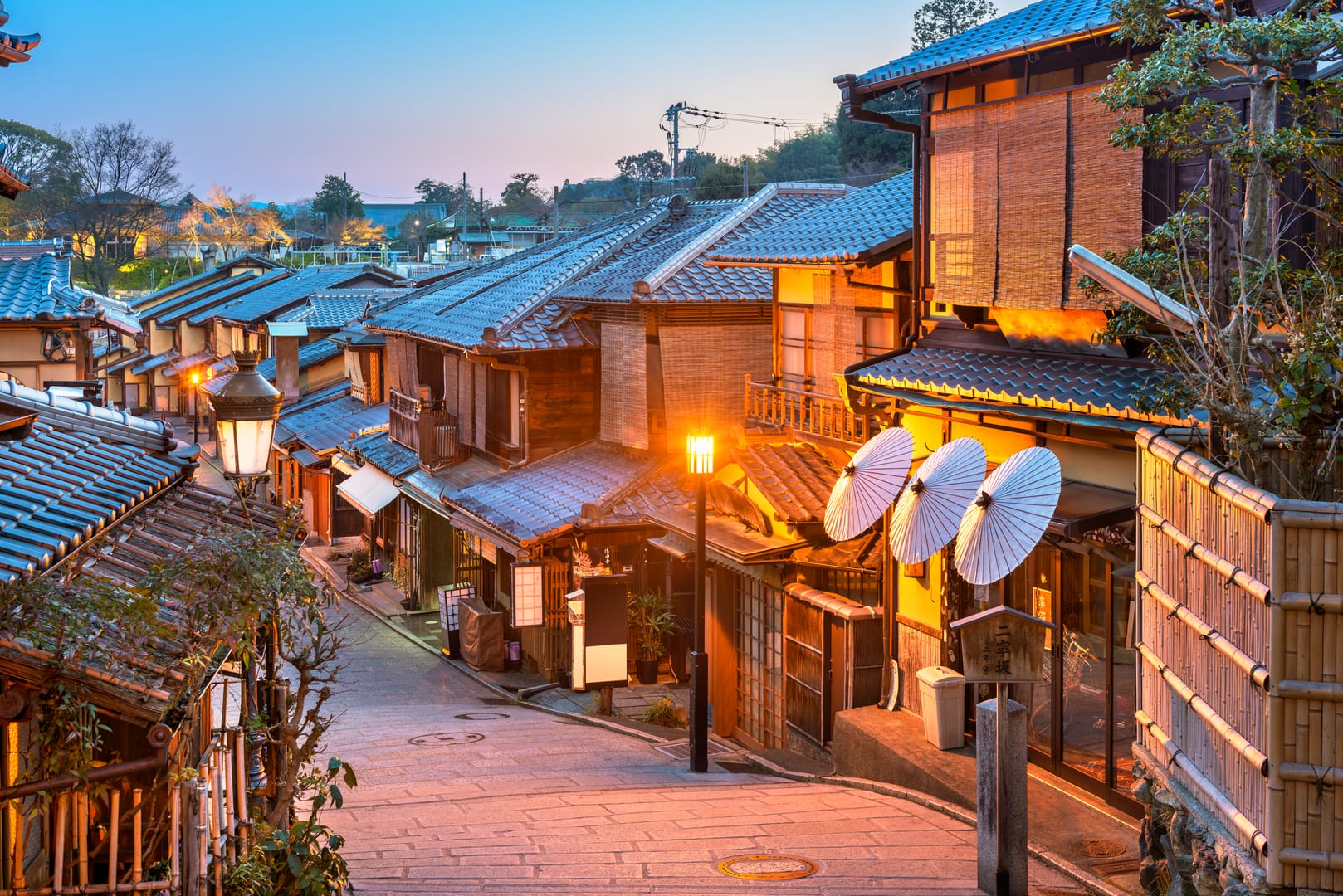
Higashiyama and Gion offer atmosphere, old streets and morning access to temples. They also bring higher rates, crowds and more bus or taxi use. Respect residential lanes and check the precise vehicle access to the property.
Central Kyoto around Shijo and Karasuma provides a strong balance of subway access, food and shopping. Northern or western areas can suit repeat visitors who prefer quiet evenings.
Do not choose a remote machiya townhouse without understanding stairs, heating, sound and luggage access. Historic character comes with practical differences.
Best areas to stay in Osaka
Umeda and Osaka Station are best for Kyoto, Kobe and regional rail connections. The area has extensive shopping and dining, though navigation takes time.
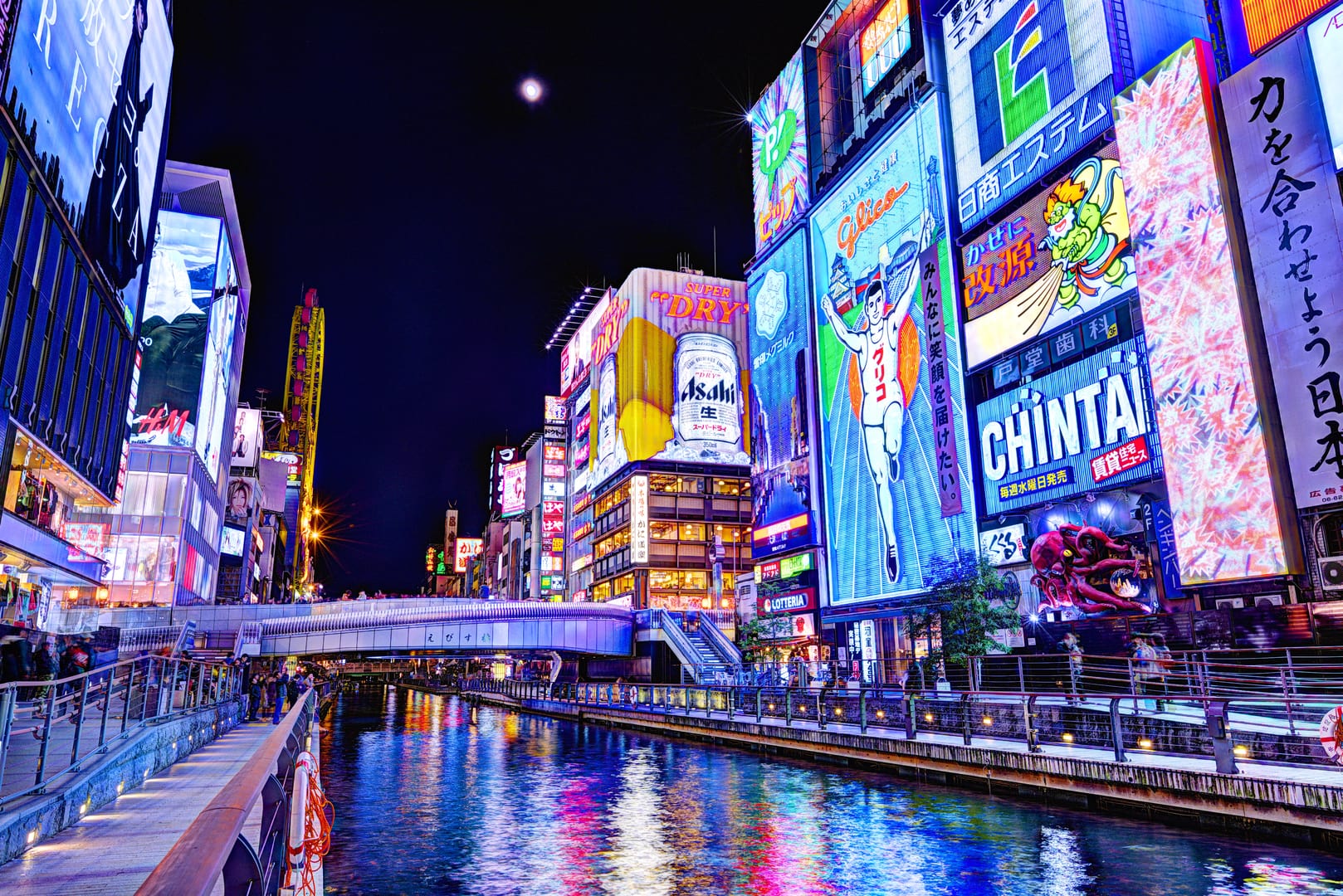
Namba suits food, nightlife and southern Osaka. It provides useful access to Kansai Airport and is ideal when the evening atmosphere matters. Tennoji offers transport and often better value.
Choose Osaka as a base for city energy and airport convenience, not simply as a cheaper place to sleep while spending every day in Kyoto. The SoulTrips Tenjin Matsuri guide is useful for summer visitors staying near festival transport routes.
Where to stay in regional Japan
Shikoku
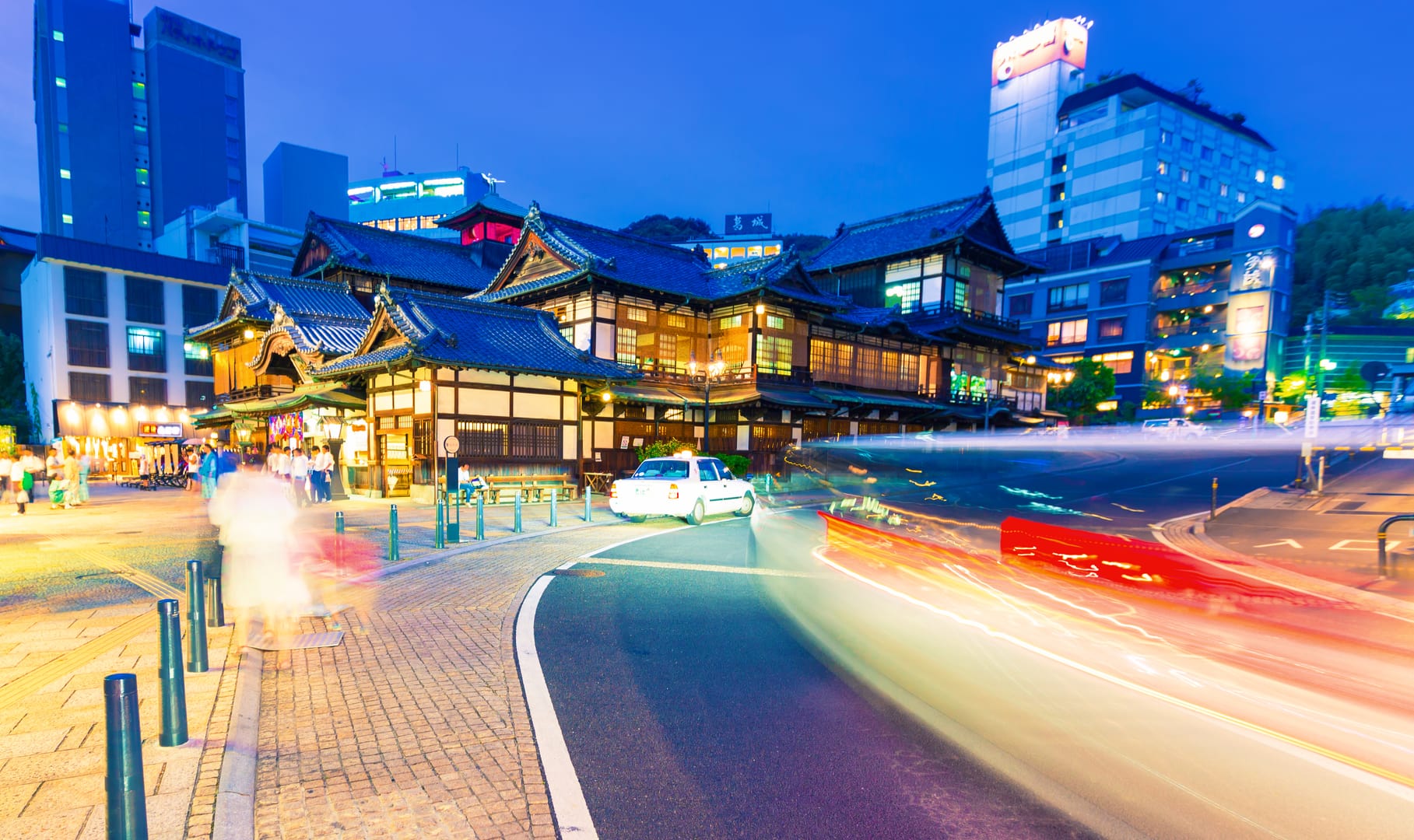
Matsuyama combines city hotels with onsen accommodation around Dogo. Ozu and Uchiko offer small historic properties, while Takamatsu is practical for art island ferries. The SoulTrips Ehime journey shows how a regional itinerary can mix castle towns and hot spring culture.
Kyushu
Stay near Hakata Station in Fukuoka for rail, or choose Tenjin for restaurants and shopping. Beppu has large onsen hotels and smaller inns, while Yufuin and Kurokawa suit a restorative ryokan stay. Kagoshima works near the station or waterfront depending on the route.
The SoulTrips Kyushu scenic rail guide helps align hotel nights with limited train services.
Hokkaido
Sapporo Station gives easy rail and airport access. Otaru works for a smaller port atmosphere, while national park regions require a car, bus or arranged transfer. Remote lodges can be wonderful, but meal plans and arrival times matter.
The SoulTrips Hokkaido campervan journey is an alternative for travellers who prefer mobile accommodation and road based nature travel.
Setouchi
Takamatsu, Uno and Okayama are useful gateways. Staying on Naoshima or another art island gives you quiet evenings and early museum access, but ferry and restaurant choices are limited. The Setouchi art islands tour coordinates these details.
Ryokan: traditional Japanese inns
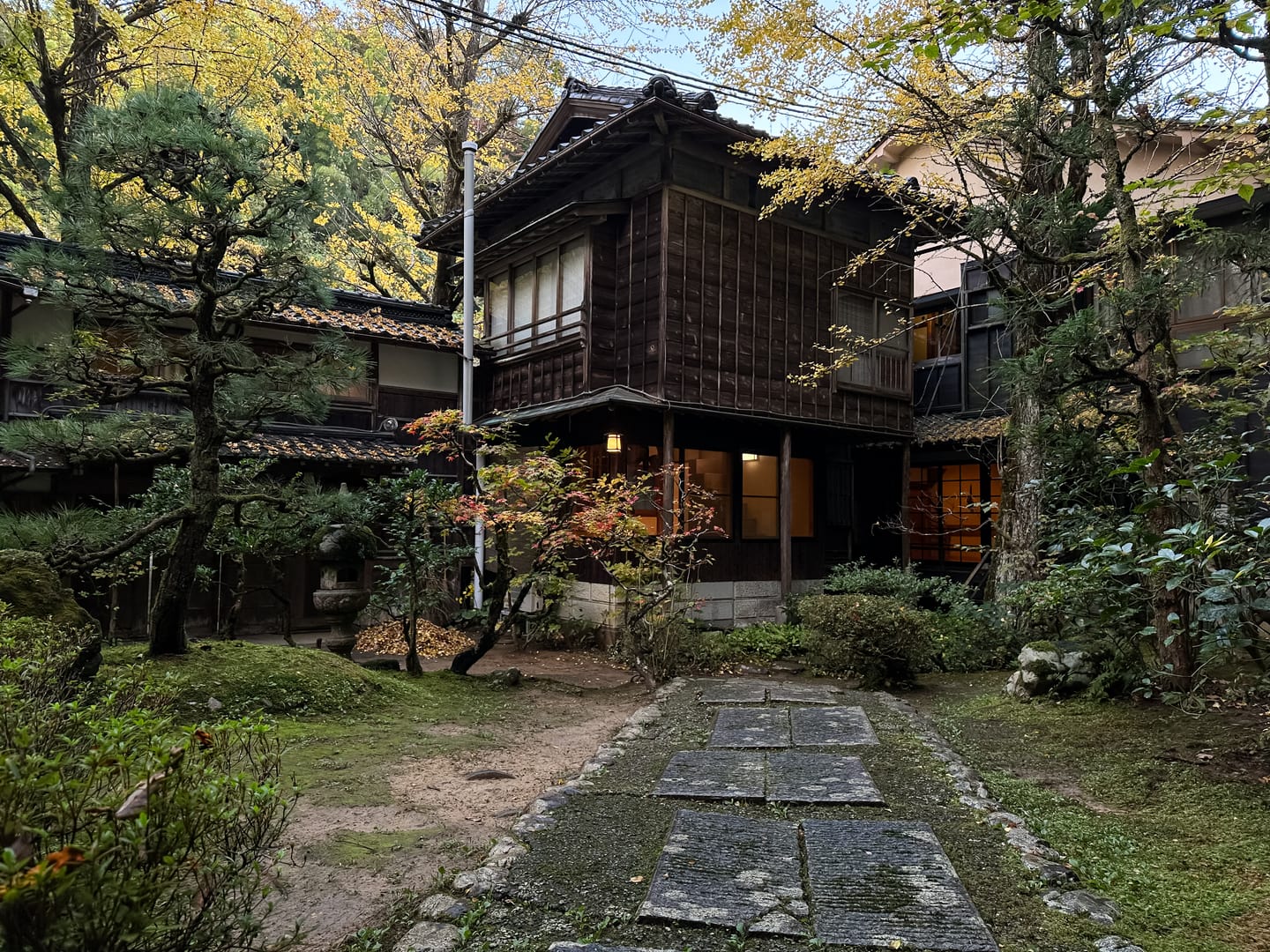
A ryokan stay can include tatami rooms, futon bedding, yukata, onsen and seasonal meals. It is an experience as well as accommodation. Arrive on time, especially when dinner is included.
Check the bathing facilities, private bathroom, tattoo policy, bedding and meal plan before booking. Some rooms have western beds, while others use futons. Older buildings can have stairs and limited lifts.
One or two ryokan nights are enough for many first trips. Use practical hotels around them so the entire itinerary does not require formal meal times and repeated luggage handling. Read the SoulTrips onsen guide before arrival.
Minshuku and guesthouses
Minshuku are often family run and more informal than ryokan. Rooms can use tatami and futons, bathrooms may be shared and meals can feature local home cooking.
They are excellent in rural and coastal areas when you value personal contact. English may be limited, so confirm arrival time, transport and dietary needs in advance. Do not expect the same service pattern as a full hotel.
Temple lodging
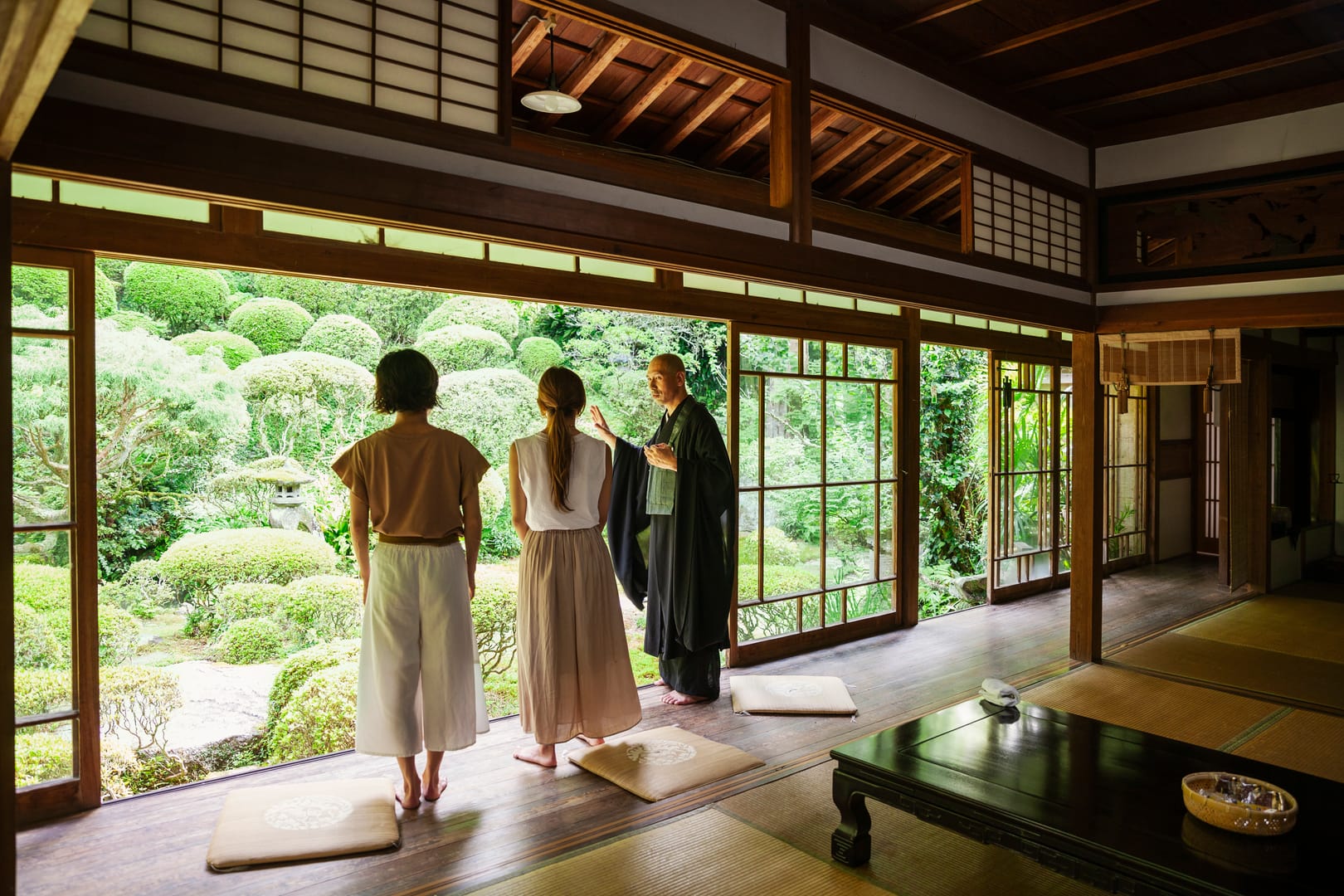
Shukubo temple lodging offers a chance to join morning services, meditation or Buddhist meals. Koyasan is the best known destination, but temple stays exist in other regions.
This is not a themed hotel. Dress modestly, follow quiet hours and participate respectfully. Facilities range from simple shared rooms to comfortable private accommodation.
Business hotels and city hotels
Business hotels provide reliable beds, private bathrooms, laundry and strong station locations. Rooms are compact, but the value can be excellent. Check the bed width, floor space and window description.
Full service city hotels offer larger rooms, concierge support and easier dietary or accessibility communication. They are particularly useful at the start of a first trip or before an international departure.
Apartment hotels for families and longer stays
Apartment hotels can provide multiple beds, a dining area, kitchenette and laundry. They suit families and travellers staying four nights or more.
Confirm that every sleeping space is a real bed or proper futon, not a narrow sofa. Housekeeping can be less frequent than at a hotel. A central apartment can still cost less than two rooms and reduce meal pressure.
Capsule hotels
Capsule hotels are designed for short, simple stays and can be interesting for one night. They are not ideal for large luggage, light sleepers, families or travellers who need a private bathroom.
Read the gender arrangement, age rules, luggage storage and check out policy. Some properties require guests to leave the capsule during cleaning hours.
Booking questions that prevent disappointment
Check room size, bed type, occupancy, bathroom, lift, laundry, breakfast, check in time and station exit. For rural properties, confirm dinner, transfer service and the last bus.
Tell the property about dietary and mobility needs before payment. Japanese accommodation follows declared occupancy closely, so every child must be included in the reservation.
How a Japan travel specialist plans accommodation across Japan
A strong Japan journey begins with one clear idea. Give each stay a role: transport convenience, regional atmosphere, family comfort, wellness or cultural depth. Once that purpose is settled, choose the few places that express it best and remove stops that add more transfers than enjoyment. Japan makes fast movement possible, but an efficient rail network is not a reason to change hotels every night.
Alternate practical station hotels with one or two distinctive properties, then stay long enough to enjoy the accommodation rather than arriving late and leaving early. Two or three nights in an important base gives you time for an early start, a slower meal and one unplanned discovery. Rural regions need more breathing room because local trains and buses are less frequent. Build the route around the least flexible element, such as a reserved scenic train, a seasonal festival, a small ryokan or an island ferry.
Reserve international flights, high demand accommodation and limited capacity experiences first. Then add rail reservations, luggage delivery, local guides and restaurants. The SoulTrips guide to booking an international trip in advance provides a practical timeline, while the wider collection of travel planning advice helps you organise the final details.
A specialist adds most value where transport, language or access becomes complicated. Use expert support for a countryside drive, a pilgrimage route, a formal meal, an art island programme or a family trip with several room requirements. Keep independent time in places where walking, browsing and changing your mind are part of the pleasure.
Common planning mistakes
- Booking by neighbourhood name without checking the exact station exit.
- Assuming a standard room can hold extra children or large luggage.
- Arriving late for a ryokan dinner without advance agreement.
- Choosing a remote property without confirming the last bus or transfer.
These are easy to correct before you travel. A focused route, sensible luggage plan and realistic daily rhythm will make Japan feel calm rather than rushed.
Practical advice for different travellers
First time visitors
Use a full service or well connected hotel for the first nights, then add a traditional stay once the travel rhythm feels familiar. Choose accommodation close to a useful station for the first few nights, save the hotel address in Japanese and start with one neighbourhood rather than crossing a major city several times in a day.
Solo travellers
Japan is straightforward for solo travel, especially in cities and along major rail routes. Book small rural inns before arrival, share your route with someone you trust and avoid assuming that every restaurant accepts walk in diners. Counter seating, business hotels and excellent public transport make solo days easy to structure.
Families
Choose apartment hotels or confirmed family rooms, include every child in the booking and prioritise laundry. Apartment hotels and rooms with laundry facilities reduce daily friction. Forward large luggage between longer stays and keep one light day after a theme park, major transfer or very early start.
Older travellers and travellers with mobility concerns
Ask about lifts, steps, floor seating, bed height and bathing access before booking traditional properties. Major stations are well equipped, but transfers can involve long corridors, stairs and busy platforms. Request station assistance when needed, choose hotels close to lifts and ask for honest walking descriptions at temples, gardens, castles and older neighbourhoods.
Travel responsibly and stay prepared
Responsible travel in Japan begins with consideration for the people sharing each place. Keep voices low on public transport, queue carefully, carry your rubbish until you find the correct bin and follow photography rules at temples, shrines, markets and residential streets. Do not block narrow lanes or private entrances for a photograph.
Small inns prepare rooms and meals around confirmed guests. Arrive on time, communicate changes early and respect quiet hours in residential areas. Use luggage delivery instead of taking large cases onto crowded local trains, support independent restaurants and craftspeople, and book popular sites for quieter times when possible. The SoulTrips Japan destination guide connects these practical choices with slower regional journeys.
Japan experiences earthquakes, typhoons, heavy snow, volcanic activity and periods of extreme heat. Save the official emergency information, follow transport instructions and never continue an outdoor plan against a warning. Travel insurance should cover medical care, disruption and the activities on your itinerary.
Frequently asked questions
-
What is the best area to stay in Tokyo?
Tokyo Station suits rail travel, Shinjuku suits western districts, and Ueno or Asakusa suits older neighbourhoods. Choose around the planned days rather than one universal answer.
-
Where should you stay in Kyoto?
Kyoto Station is best for transport, Higashiyama for atmosphere and central Kyoto for balanced access. Check the exact bus, subway and taxi pattern.
-
Is Umeda or Namba better in Osaka?
Umeda is better for regional rail and Kyoto, while Namba suits food, nightlife and airport access. Both are strong choices.
-
What is a ryokan?
A ryokan is a traditional Japanese inn that can include tatami rooms, futons, onsen and seasonal meals. Arrive on time and confirm the room and bath details.
-
Are Japanese hotel rooms small?
Many city business hotel rooms are compact. Check the floor area, bed width and luggage space instead of judging only by photographs.
-
What accommodation is best for families?
Apartment hotels and confirmed family rooms provide more space and proper sleeping arrangements. Laundry facilities are especially valuable on longer trips.
-
Are capsule hotels suitable for tourists?
They can suit one simple night for a solo traveller, but they offer limited privacy and luggage space. Read the age, gender and check out rules.
-
What is temple lodging in Japan?
Temple lodging, or shukubo, lets guests stay in a Buddhist setting and join services or meals. It should be approached as a religious experience.
-
How early should you book Japan hotels?
Book six to twelve months ahead for famous seasonal periods, small ryokan, art islands and family rooms. City business hotels can be more flexible outside peak dates.
-
Can SoulTrips recommend and book Japan stays?
Yes. Use SoulTrips trip planning to match hotels and unique stays with your route, comfort and budget.
Choose where to stay in Japan with purpose
The answer to where to stay in Japan changes from one stop to the next. Use convenient hotels for movement, a well chosen ryokan or regional inn for depth, and the right room layout for genuine comfort. Browse SoulTrips Japan journeys or contact the team to create a balanced accommodation plan.