By Soul Trips · Updated on 09 October, 2026
How to Get to Japan from Singapore: Flights, Connections and Travel Time
Travel from Singapore to Japan is easiest when you choose the airport around the itinerary rather than the cheapest fare alone. Direct services connect Singapore with major gateways including Tokyo, Osaka, Nagoya and Fukuoka. Flight time is roughly six to seven hours for many direct routes, with Tokyo at the longer end.
Tokyo is best for eastern and central Japan, Osaka for Kansai and Setouchi, Nagoya for the Japanese Alps and Mie, and Fukuoka for Kyushu. The SoulTrips Japan destination page helps you identify the right region before comparing flights.
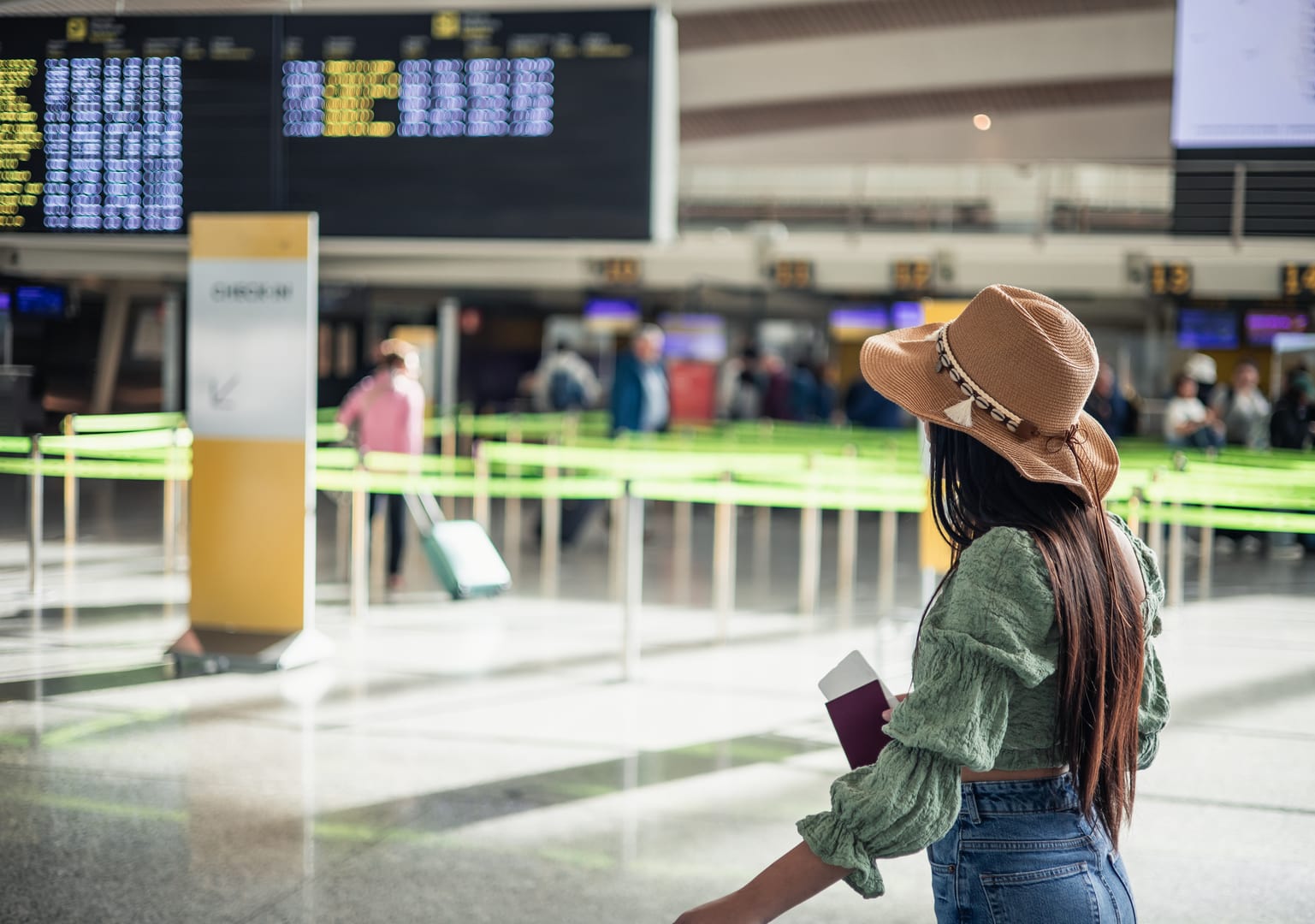
Singapore to Japan flights at a glance
Singapore Changi Airport offers strong access to Japan. Singapore Airlines operates direct services to Tokyo, Osaka, Nagoya and Fukuoka, while low cost and Japanese carriers add options to selected cities and seasons.
- Tokyo: about seven hours on a direct service.
- Osaka: about six and a half hours.
- Nagoya: about six hours and forty minutes.
- Fukuoka: about six hours.
- Sapporo and Okinawa: direct or one stop patterns depend on airline and season.
- Time difference: Japan is one hour ahead of Singapore.
Schedules change, so compare the live timetable for your dates and inspect any technical stop or transit point before payment.
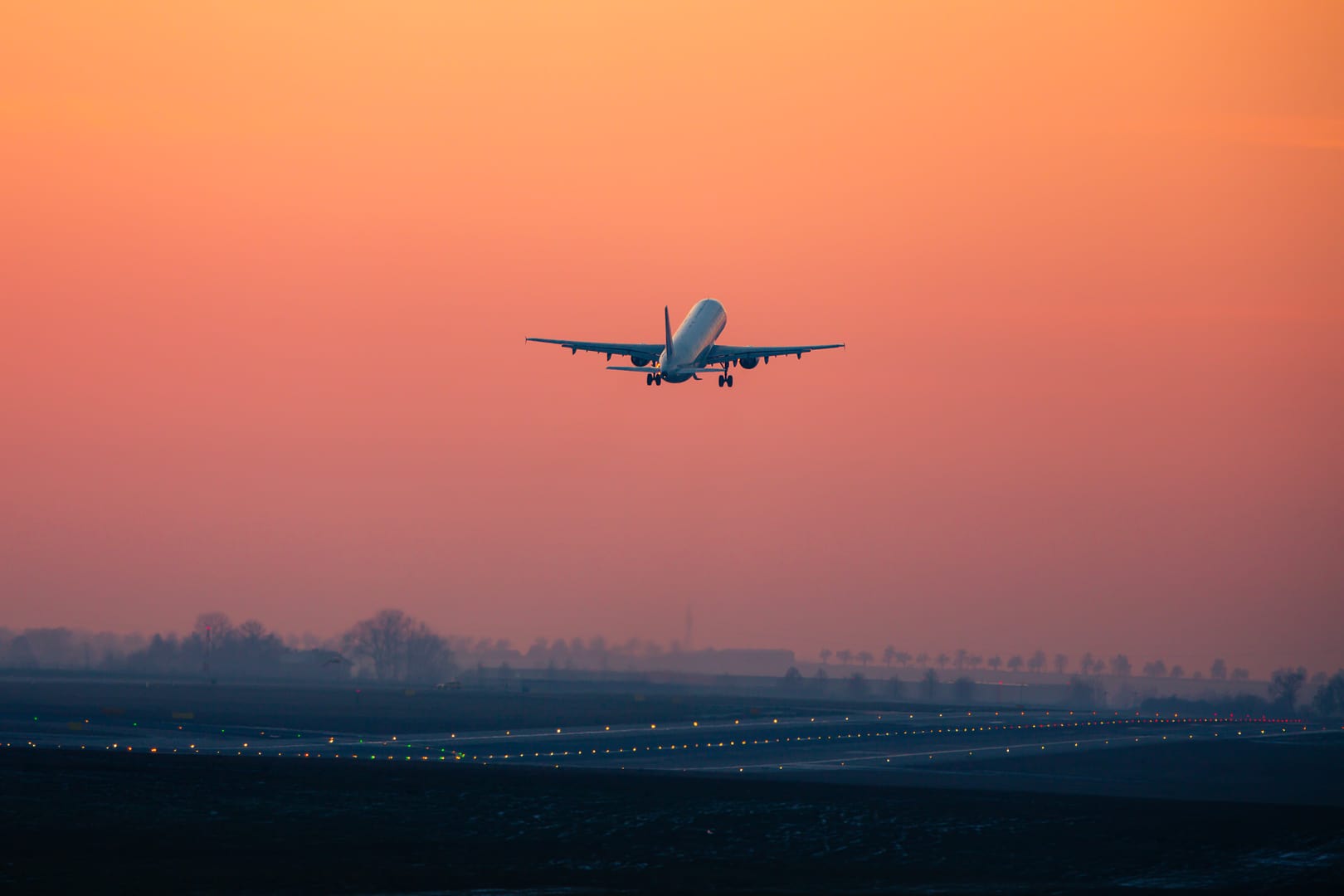
Choose Tokyo for eastern Japan
Tokyo has two international airports. Haneda is closer to central neighbourhoods and often provides a shorter city transfer. Narita has a wider mix of international services and remains practical with express trains and airport buses.
Choose Tokyo when the route includes the capital, Nikko, Kamakura, Hakone, Mount Fuji, Nagano, Tohoku or the eastern side of Hokkaido through a domestic connection. The SoulTrips Mount Fuji family journey shows how an arrival in Tokyo can flow into a slower landscape stay.
Do not book a domestic departure from the other Tokyo airport without enough time to cross the city. Haneda and Narita are far apart, and a same day airport change requires a generous buffer.
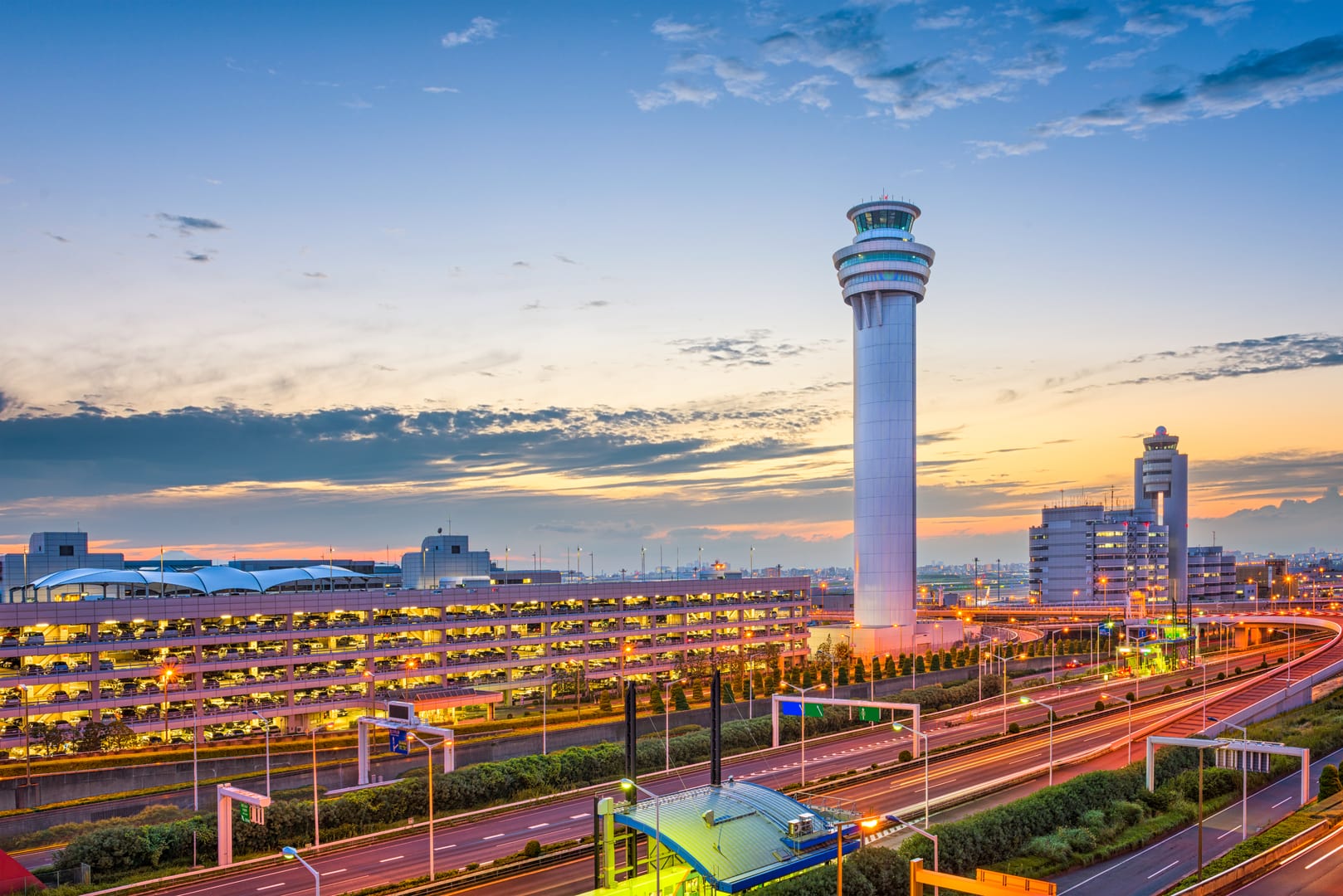
Choose Osaka for Kyoto, Kansai and Setouchi
Kansai International Airport serves Osaka, Kyoto, Nara, Kobe and the wider Kansai region. It is also a useful gateway for Okayama, the Setouchi art islands, Shikoku and the Kii Peninsula.
Direct trains and airport buses connect the airport with Osaka and Kyoto. Check the final train when arriving late, as a bargain flight can lose value if it requires a costly private transfer or airport hotel.
The SoulTrips Setouchi art islands journey and Mie family journey both work naturally from a Kansai arrival when the sequence is planned carefully.
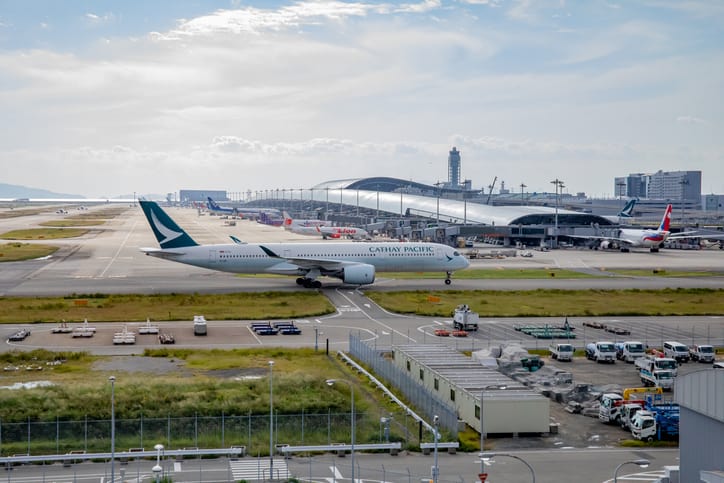
Choose Nagoya for central Japan and Mie
Chubu Centrair International Airport near Nagoya is useful for the Japanese Alps, Takayama, Mie and central Honshu. It can reduce backtracking for a route that does not need Tokyo or Osaka at the beginning.
Nagoya connects by Shinkansen to Tokyo and Kyoto, and by regional rail to Ise Shima. Check the full transfer time to the first destination. A direct flight into Nagoya followed by a sensible overnight stay can feel easier than landing elsewhere and adding several hours of rail.
Choose Fukuoka for Kyushu
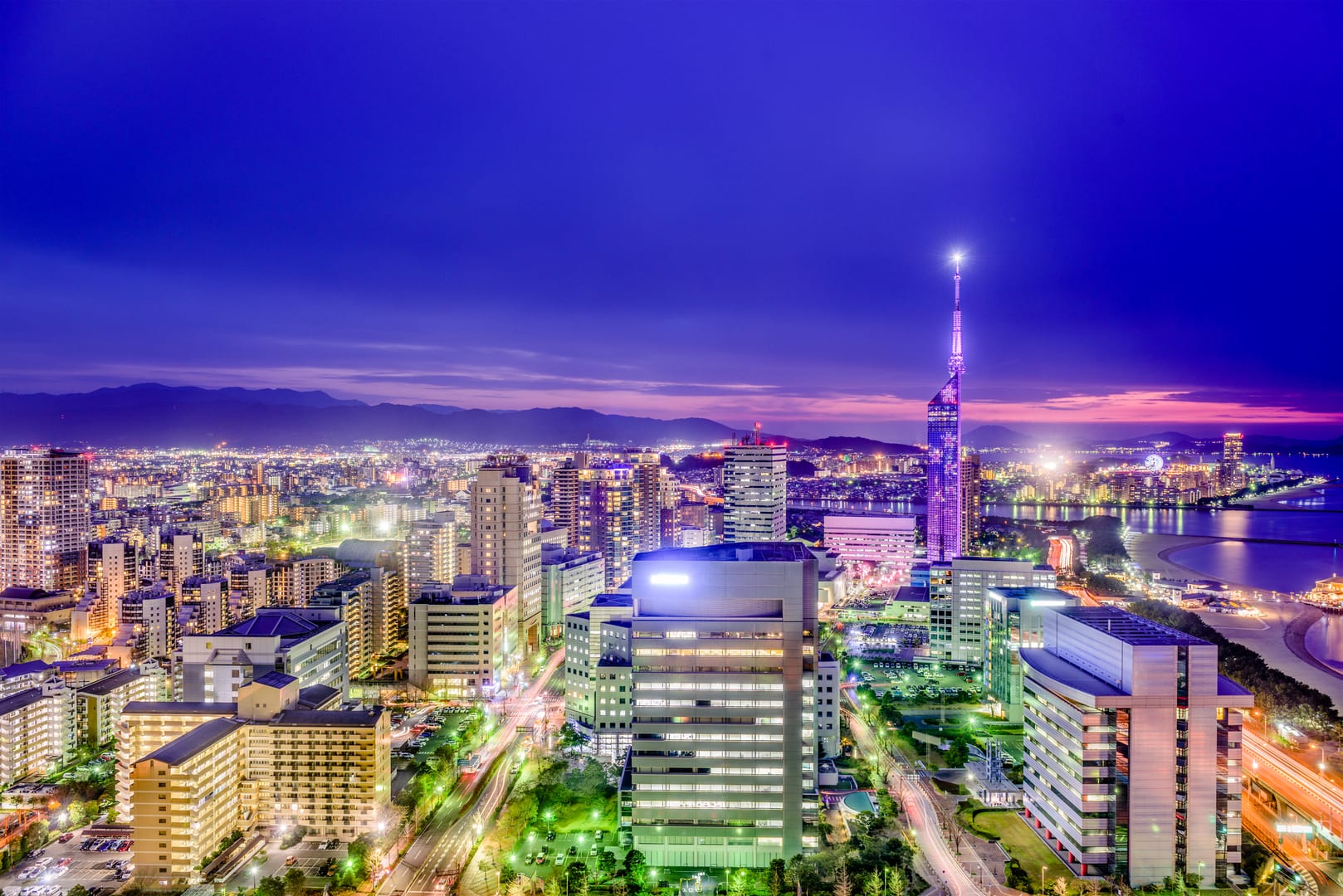
Fukuoka Airport is close to the city centre and connects quickly with Hakata Station. This makes it one of Japan's most convenient gateways. Choose it for Fukuoka, Nagasaki, Kumamoto, Beppu, Yufuin, Kagoshima and a wider Kyushu circuit.
The airport also allows an open jaw itinerary, flying into Fukuoka and home from another city after travelling through Japan. Read the SoulTrips Kyushu scenic train guide before deciding which rail experiences need early reservations.
Reaching Hokkaido and Okinawa
Sapporo's main airport is New Chitose. Services from Singapore can be direct, seasonal or routed through another city depending on the airline and travel date. A domestic connection through Tokyo or Osaka gives more schedule options, but it also adds transfer risk.
For Hokkaido, compare a through ticket with separate bookings. A protected connection on one ticket gives better support during disruption. The SoulTrips Hokkaido campervan adventure begins near New Chitose and works best when the arrival day remains light.
Naha is the main gateway to Okinawa. Direct services vary, while connections through major Japanese hubs are common. Leave more time when changing from an international to a domestic terminal and account for baggage collection where required.
Direct flight or connecting flight
A direct flight is worth paying more for when the journey is short, the arrival time is convenient or you are travelling with children, older relatives or large luggage. It reduces missed connections and keeps the first day usable.
A connecting flight can make sense when it lands closer to the actual route, lowers the fare significantly or provides a through ticket to a regional airport. Study the connection airport, terminal change, baggage process and minimum connection time.
Separate tickets need a much larger buffer. The second airline has no obligation to protect the onward sector after a delay on an unrelated ticket. Add an overnight stay when the financial and emotional cost of a missed flight would be high.
Day flight or overnight flight
An overnight flight can deliver you to Japan in the morning, but a poor night's sleep affects the first day. Arrange the airport transfer, leave luggage at the hotel and choose one gentle neighbourhood rather than starting with a full excursion.
A daytime flight arrives later but can align with hotel check in and a simple dinner. Confirm the last train or bus from the airport, especially for Narita and Kansai.
Choose the timing around your own sleep pattern. A slightly higher fare that supports the first two days can be better value than the cheapest departure.
Booking strategy and baggage
Book peak blossom, autumn, ski and holiday travel early. Compare the fare only after adding checked baggage, seat selection, meals and payment fees. Check that every sector uses the same baggage allowance.
Japan rewards lighter packing. Large cases are awkward on city trains and rural buses. Use luggage delivery between longer stays and carry a small bag for short regional sections.
If you plan to take the Tokaido, Sanyo, Kyushu or Nishi Kyushu Shinkansen with baggage above 160 centimetres in total dimensions, reserve a seat with an oversized baggage area.
Arrival transfers and first night planning
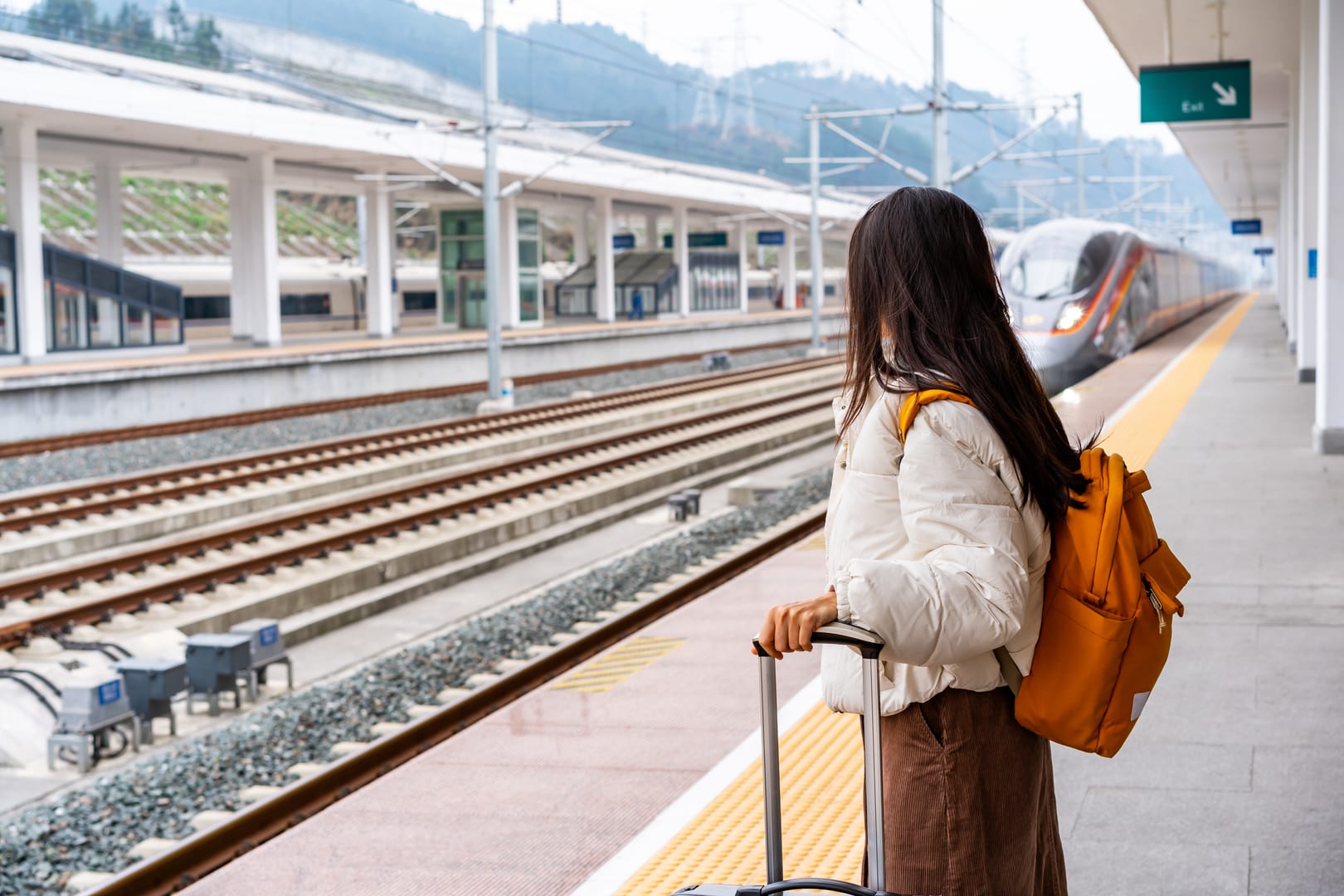
Match the airport to the hotel before booking. From Haneda, many central Tokyo districts are reached in about thirty to sixty minutes. Narita usually needs around one hour or more, depending on the train, bus and final neighbourhood. Kansai Airport transfers to central Osaka are commonly faster than transfers to Kyoto, while Fukuoka Airport reaches Hakata by a short subway ride.
Airport buses can be an excellent choice with luggage because they reduce station changes, but the timetable and road traffic matter. Express trains give more predictable timing, while taxis suit short local transfers rather than long journeys from distant airports. Reserve an accessible vehicle in advance if you need a wheelchair ramp, child seat or space for specialist equipment.
Allow time to clear immigration, collect bags, pass customs and find the correct platform. Do not book a reserved train immediately after the scheduled landing time. A flexible ticket or a later reservation protects the first evening from normal arrival delays.
Save the hotel address in Japanese, download the transfer instructions and know which station exit is closest. Major stations can be large enough for a wrong exit to add a long walk.
Keep the first night near a direct airport train or bus stop. Avoid a rural connection after a late arrival unless the timetable is reliable and the accommodation has confirmed your check in time.
Complete Visit Japan Web before departure and keep the codes offline. A smooth arrival begins before the flight, not at the immigration desk.
How a Japan travel specialist plans flights from Singapore to Japan
A strong Japan journey begins with one clear idea. Choose the Japanese gateway that removes the most backtracking, then compare fare, arrival time and transfer effort together. Once that purpose is settled, choose the few places that express it best and remove stops that add more transfers than enjoyment. Japan makes fast movement possible, but an efficient rail network is not a reason to change hotels every night.
Keep the first day light after an overnight flight and finish the last night near a dependable route to the departure airport. Two or three nights in an important base gives you time for an early start, a slower meal and one unplanned discovery. Rural regions need more breathing room because local trains and buses are less frequent. Build the route around the least flexible element, such as a reserved scenic train, a seasonal festival, a small ryokan or an island ferry.
Reserve international flights, high demand accommodation and limited capacity experiences first. Then add rail reservations, luggage delivery, local guides and restaurants. The SoulTrips guide to booking an international trip in advance provides a practical timeline, while the wider collection of travel planning advice helps you organise the final details.
A specialist adds most value where transport, language or access becomes complicated. Use expert support for a countryside drive, a pilgrimage route, a formal meal, an art island programme or a family trip with several room requirements. Keep independent time in places where walking, browsing and changing your mind are part of the pleasure.
Common planning mistakes
- Choosing the cheapest flight without pricing baggage and airport transfers.
- Booking a same day change between Haneda and Narita with too little time.
- Using separate tickets for a tight international and domestic connection.
- Planning a long rural transfer after a late evening arrival.
These are easy to correct before you travel. A focused route, sensible luggage plan and realistic daily rhythm will make Japan feel calm rather than rushed.
Practical advice for different travellers
First time visitors
Choose Tokyo, Osaka, Nagoya or Fukuoka to suit the main region rather than defaulting to Tokyo. Choose accommodation close to a useful station for the first few nights, save the hotel address in Japanese and start with one neighbourhood rather than crossing a major city several times in a day.
Solo travellers
Japan is straightforward for solo travel, especially in cities and along major rail routes. Book small rural inns before arrival, share your route with someone you trust and avoid assuming that every restaurant accepts walk in diners. Counter seating, business hotels and excellent public transport make solo days easy to structure.
Families
Direct flights and simple airport transfers are worth prioritising, especially with strollers and several cases. Apartment hotels and rooms with laundry facilities reduce daily friction. Forward large luggage between longer stays and keep one light day after a theme park, major transfer or very early start.
Older travellers and travellers with mobility concerns
Request airport support in advance and choose a hotel served by a direct train or accessible airport bus. Major stations are well equipped, but transfers can involve long corridors, stairs and busy platforms. Request station assistance when needed, choose hotels close to lifts and ask for honest walking descriptions at temples, gardens, castles and older neighbourhoods.
Travel responsibly and stay prepared
Responsible travel in Japan begins with consideration for the people sharing each place. Keep voices low on public transport, queue carefully, carry your rubbish until you find the correct bin and follow photography rules at temples, shrines, markets and residential streets. Do not block narrow lanes or private entrances for a photograph.
A route with fewer unnecessary domestic sectors reduces both fatigue and emissions. Use rail when it fits the geography and a flight when distance makes rail inefficient. Use luggage delivery instead of taking large cases onto crowded local trains, support independent restaurants and craftspeople, and book popular sites for quieter times when possible. The SoulTrips Japan destination guide connects these practical choices with slower regional journeys.
Japan experiences earthquakes, typhoons, heavy snow, volcanic activity and periods of extreme heat. Save the official emergency information, follow transport instructions and never continue an outdoor plan against a warning. Travel insurance should cover medical care, disruption and the activities on your itinerary.
Frequently asked questions
-
How long is the flight from Singapore to Japan?
Direct flights take about six hours to Fukuoka and close to seven hours to Tokyo. Osaka and Nagoya fall between those times.
-
Which Japanese cities have direct flights from Singapore?
Direct options include Tokyo, Osaka, Nagoya and Fukuoka, with other routes depending on airline and season. Check the live timetable for your dates.
-
Should you fly into Haneda or Narita?
Choose Haneda for a shorter central Tokyo transfer and Narita when its fare or schedule is better. Avoid changing between the two airports on a tight connection.
-
What is the best airport for Kyoto?
Kansai International Airport is the main overseas gateway for Kyoto and Osaka. Direct rail and bus transfers connect the airport with both cities.
-
What is the best airport for Kyushu?
Fukuoka is the easiest gateway for a broad Kyushu route. It sits close to Hakata Station and connects well with Nagasaki, Kumamoto and Kagoshima.
-
Can you fly directly from Singapore to Hokkaido?
Direct or seasonal services can operate, while connections through Tokyo or Osaka provide more choice. Confirm that a listed flight is nonstop before booking.
-
Is an overnight flight to Japan a good idea?
It can save daytime, but only if you can manage the first day after limited sleep. Keep the arrival programme light and arrange luggage storage.
-
How early should you book flights to Japan?
Book six to twelve months ahead for famous seasonal periods and school holidays. Outside peak dates, compare schedules before committing to the lowest fare.
-
Should you book an open jaw ticket?
Yes when the route moves in one direction. Flying into Tokyo and home from Osaka or Fukuoka can remove an unnecessary return journey.
-
Can SoulTrips arrange the journey after the flight?
Yes. Use SoulTrips Japan planning to connect your flights with hotels, rail, private transport and regional experiences.
Choose the right Singapore to Japan flight
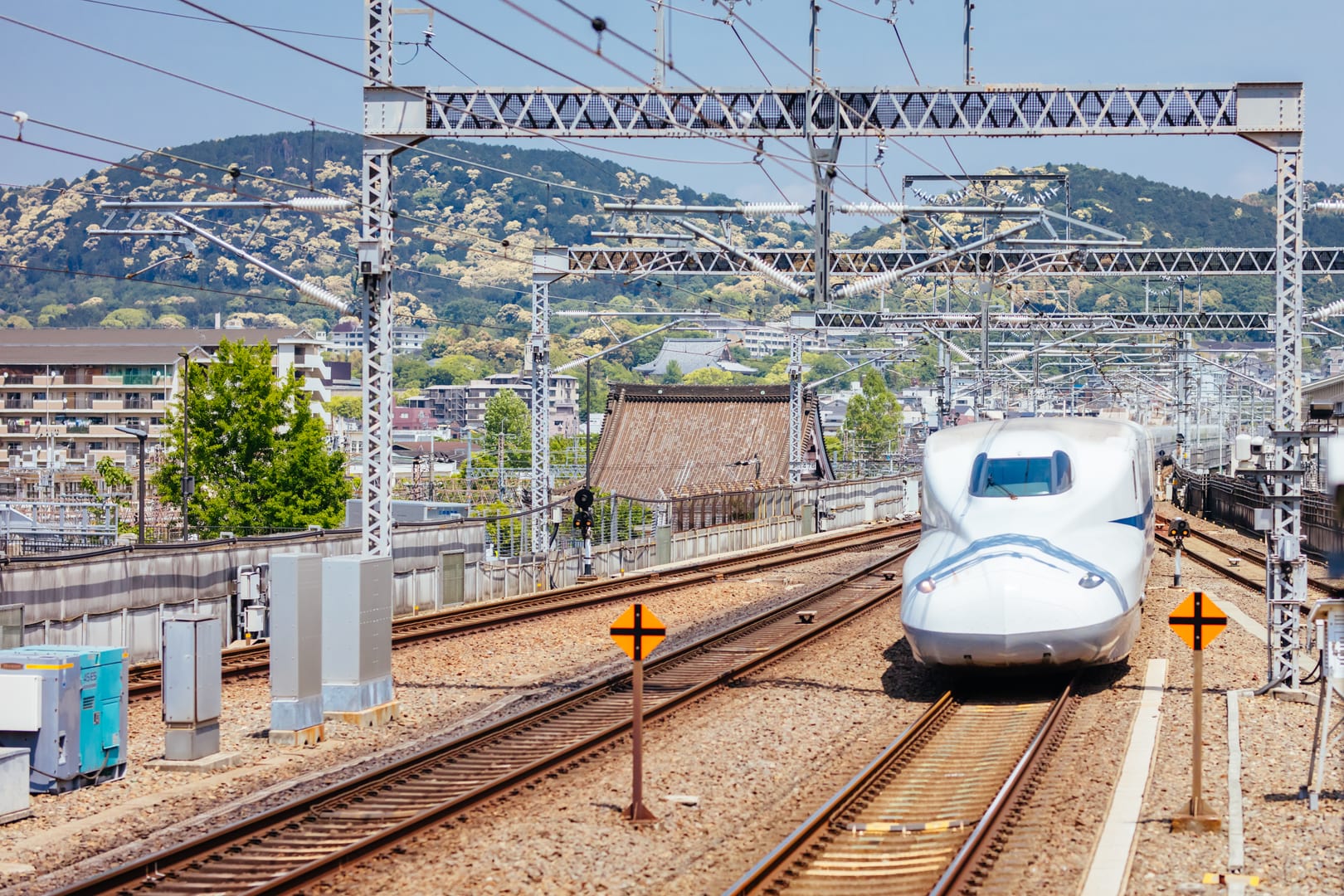
The best Singapore to Japan flight is the one that supports the whole route. Choose the right gateway, value a convenient arrival time and protect every connection with enough time. Browse SoulTrips Japan journeys or contact a travel specialist to align the flights with a thoughtfully paced itinerary.