By Soul Trips · Updated on 09 October, 2026
Nepal Visa and Entry Requirements for Singapore Travellers
Nepal visa and entry requirements are straightforward for Singapore passport holders. You need a tourist visa and can obtain it on arrival at Tribhuvan International Airport or designated land borders. The current fees are USD 30 for 15 days, USD 50 for 30 days and USD 125 for 90 days. Ensure that your passport has at least six months of validity from your expected departure from Nepal.
The Singapore Ministry of Foreign Affairs Nepal page confirms visa on arrival access for Singaporeans and a maximum tourist stay of 150 days in a calendar year. Recheck the official immigration portal close to departure because entry systems and eligible border points can change.
Visa and entry essentials
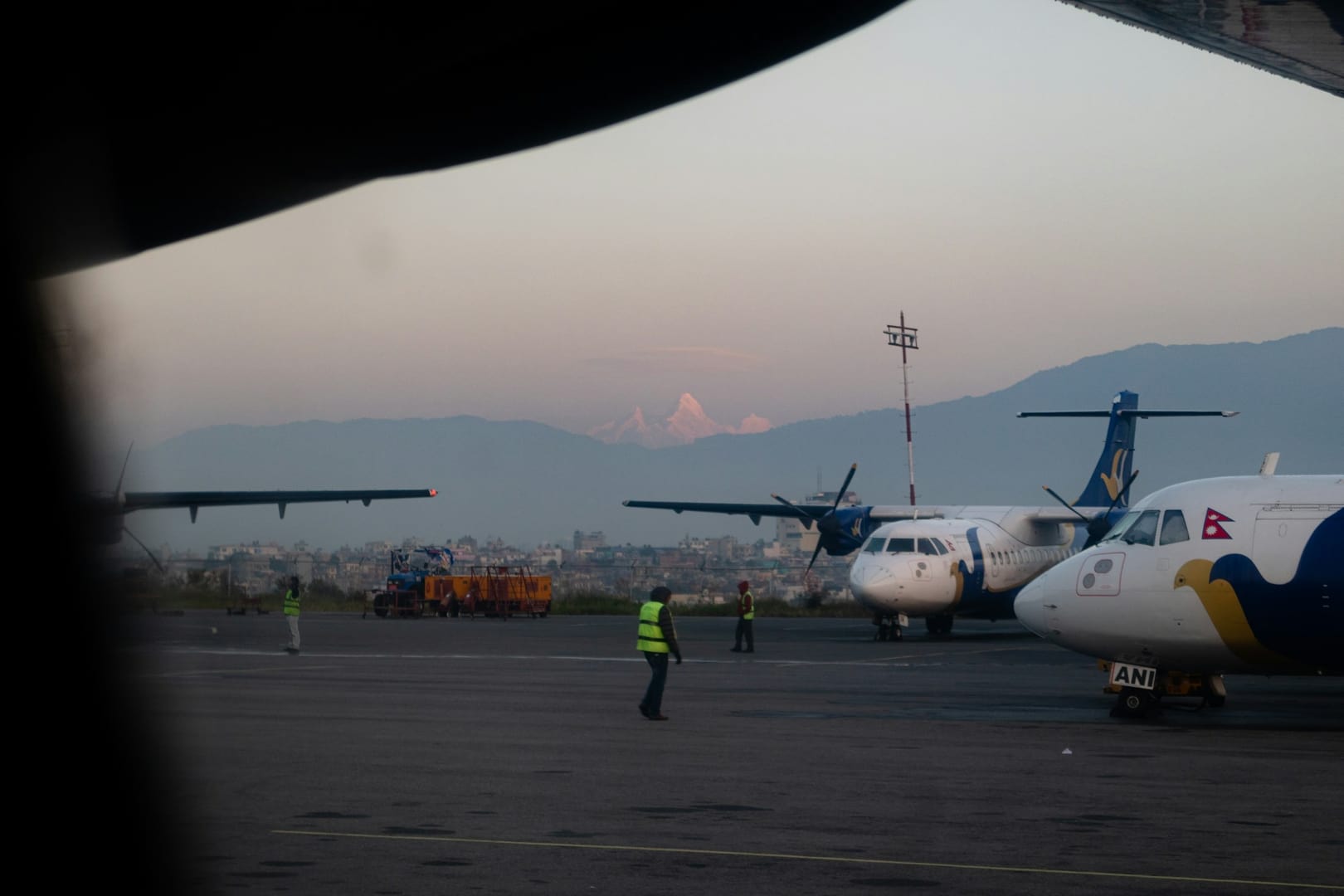
Most international visitors can obtain a tourist visa on arrival at Tribhuvan International Airport. The current Department of Immigration visa page lists multiple entry visas at USD 30 for 15 days, USD 50 for 30 days and USD 125 for 90 days. Complete the arrival card and online tourist visa form, pay the fee, then present the receipt and your passport at immigration.
Your passport must have at least six months of validity. Carry a spare passport photograph, a printed accommodation address, proof of onward travel and US dollars in good condition. Card payment is not always the fastest option at arrival, so keep enough cash for the visa fee.
A small group of nationalities must obtain a visa before travel. If this applies to your passport, use a Nepali diplomatic mission or the official electronic authorisation route rather than relying on arrival processing. Tourist stays are limited to 150 days in a calendar year.
- Complete the online form within 15 days of arrival and save the barcode receipt.
- Choose the visa duration that covers the whole trip, including any buffer nights.
- Keep the payment receipt and check the visa stamp before leaving the counter.
- Use the immigration office in Kathmandu or Pokhara for an extension before the existing visa expires.
Documents to prepare before departure
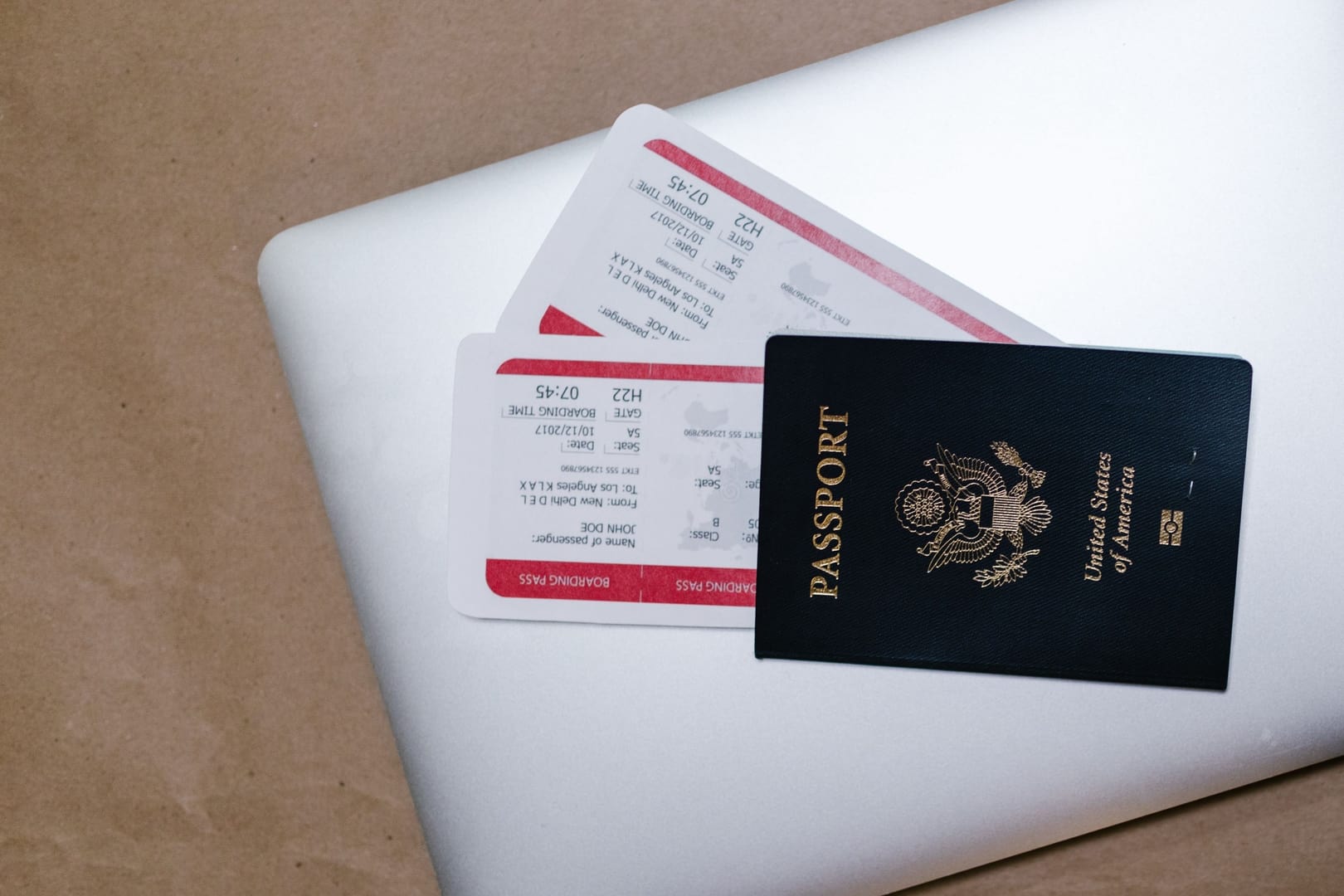
- Singapore passport with at least six months of remaining validity from the expected departure date.
- Completed online tourist visa form and barcode receipt if submitted before travel.
- US dollar cash in good condition for the visa fee, plus a backup payment method.
- One spare passport photograph, even if the current counter process does not request it.
- Accommodation address and local contact details.
- Confirmed onward or return ticket.
- Travel insurance certificate with trekking and evacuation cover if relevant.
- Copies of trekking permits, agency confirmation and guide details for mountain routes.
Visa on arrival at Kathmandu airport
- Complete the arrival card and the online tourist visa form before travel or at an airport kiosk.
- Select a 15, 30 or 90 day multiple entry visa and pay the corresponding fee.
- Keep the payment receipt with your passport.
- Present the passport, form receipt and payment receipt at the immigration desk.
- Check the visa duration and entry stamp before collecting baggage.
Queues can build when several flights arrive together. Completing the form before departure saves data entry time, but the receipt is only valid for 15 days. Keep the first hotel address accessible without relying on airport internet.
Applying before travel
You can apply through a Nepali diplomatic mission or the official electronic authorisation information. A prearranged visa can reduce arrival uncertainty, but it does not remove the need to carry the supporting documents requested by the issued approval.
Use only government domains or a recognised Nepali mission. Look alike visa sites can charge unnecessary service fees or collect personal data. Save the submission identifier and print the final approval.
Visa extensions and the 150 day limit
Tourist visas can be extended through Department of Immigration offices in Kathmandu or Pokhara, subject to the annual 150 day maximum. Apply before your current visa expires and keep the payment and extension records.
Do not plan around an overstay. Penalties, administrative delay and departure problems can disrupt onward flights. Count arrival day within the permitted stay and leave time to resolve any stamp error immediately.
Trekking permits are separate from the visa
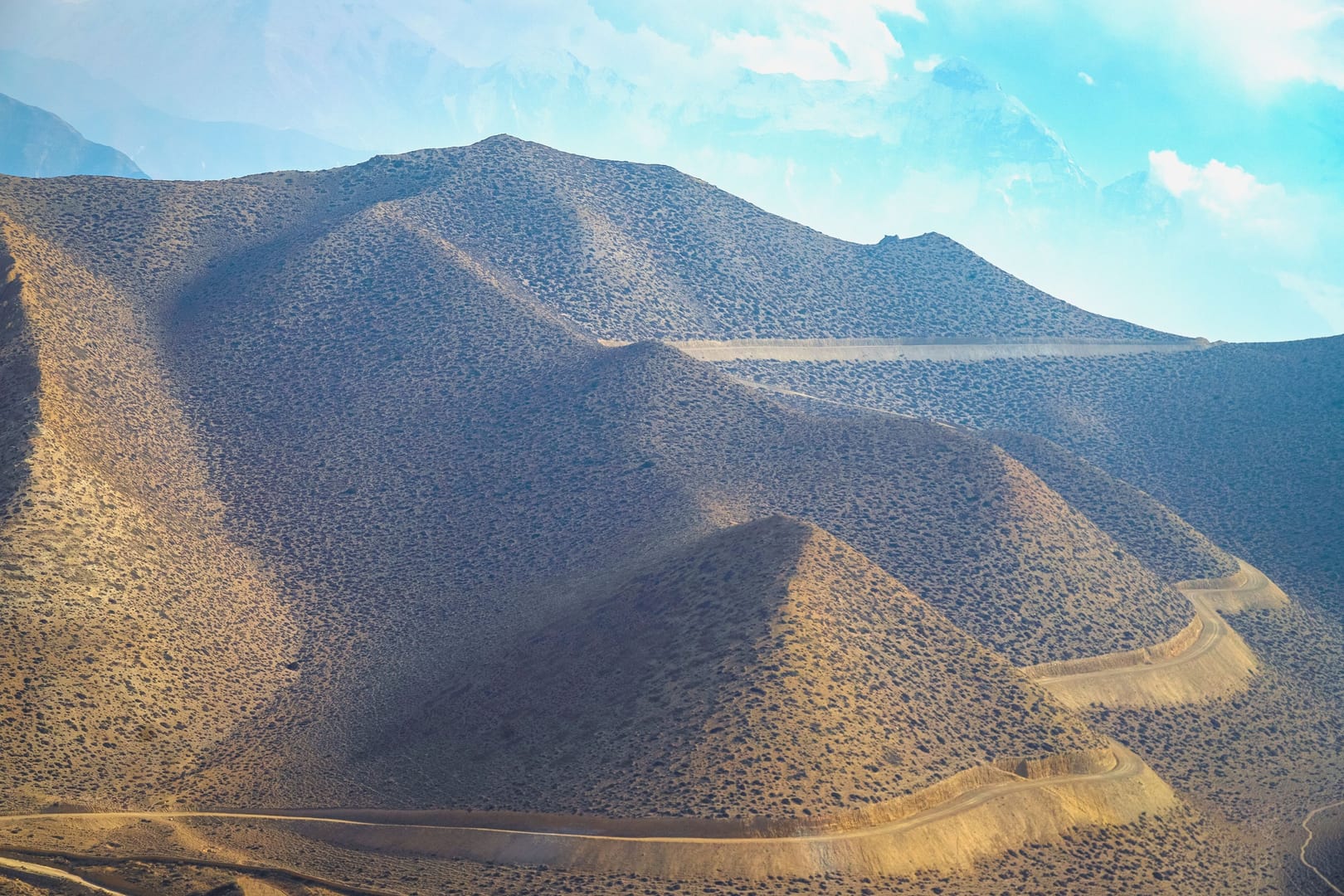
A tourist visa does not authorise every trekking route. The current TIMS guidance requires a licensed trekking guide and an agency issued TIMS card on listed protected routes, including major Everest, Langtang, Manaslu, Annapurna and Mustang itineraries.
Restricted areas require additional permits through the Department of Immigration. The official trekking permit page lists controlled areas and fees. Upper Mustang, Upper Dolpo, Manaslu and other restricted regions need specialist arrangements, and rules can define minimum group or guide conditions.
Ask the trekking agency to state in writing which permits it will obtain, which fees are included and which documents you must provide. Carry the permits during the trek and present them at checkpoints when requested.
Entry by land
Visa on arrival is available at designated border points, but opening status, road conditions and processing facilities need a current check. Singapore travellers arriving from India must also hold the correct permission for India and any return crossing.
An overland route can add Lumbini or northern India, but it is not automatically simpler than flying. Confirm the exact border name, operating hours, local transport and visa facilities before committing.
Arrival customs and money
Use the green channel if you have no dutiable goods and the red channel when a declaration is required. Carrying more than USD 5,000 or the equivalent in convertible foreign currency requires declaration under current Nepal Rastra Bank rules.
Exchange money only through authorised banks or licensed counters and keep the receipt. Visa counters and exchange desks can be busy, so separate visa cash from your general spending money.
If your Singapore passport is lost
Report the loss to Nepal Police and contact the Singapore High Commission in New Delhi. A replacement passport or Singapore Document of Identity must be taken to Nepal’s Department of Immigration for an exit visa before you can leave legally.
Keep digital copies of the identity page, visa and travel insurance in secure cloud storage. Carry photocopies separately from the original passport, but do not treat a copy as an entry document.
Health, safety and travel insurance
Arrange insurance that covers the highest elevation on your itinerary, trekking activity and helicopter evacuation if your route requires it. Read the current CDC Nepal health guidance and speak with a travel health professional in time to complete any recommended vaccinations.
Altitude illness can affect fit travellers. Do not ascend when symptoms are worsening. Build acclimatisation into the route, tell your guide promptly about headache, nausea, unusual fatigue or poor coordination, and descend if severe symptoms develop.
Road conditions, monsoon landslides and weather related flight disruption are more common practical risks than serious crime. Keep your final night in Kathmandu before an international departure, add another buffer if you are returning from a remote trek, and avoid driving after dark on unfamiliar mountain roads.
Use registered operators and keep copies of your passport, visa, insurance and permits. Nepal Tourist Police operate a toll free hotline on 1144, with details on the official Tourist Police page. Keep valuable items secured and use authorised money changers.
Money, cards and connectivity
The currency is the Nepalese rupee. Cards are accepted at many larger hotels and restaurants in Kathmandu and Pokhara, but cash remains important for small shops, tips, rural meals, trail lodges and local transport. The official currency and card guidance recommends keeping exchange receipts, especially if you plan to convert remaining rupees before departure.
Use bank ATMs and authorised exchange counters. Carry more than one payment card and keep a small reserve of US dollars separate from your wallet. Remote areas can have unreliable cash access, so withdraw before leaving a major centre.
Local data is inexpensive compared with international roaming. Ncell sells registered tourist SIM and eSIM plans and requires your original passport for activation, as described on its official tourist mobile plan page. Coverage weakens in remote valleys, so download maps and key documents before travelling.
Understand Nepal by region
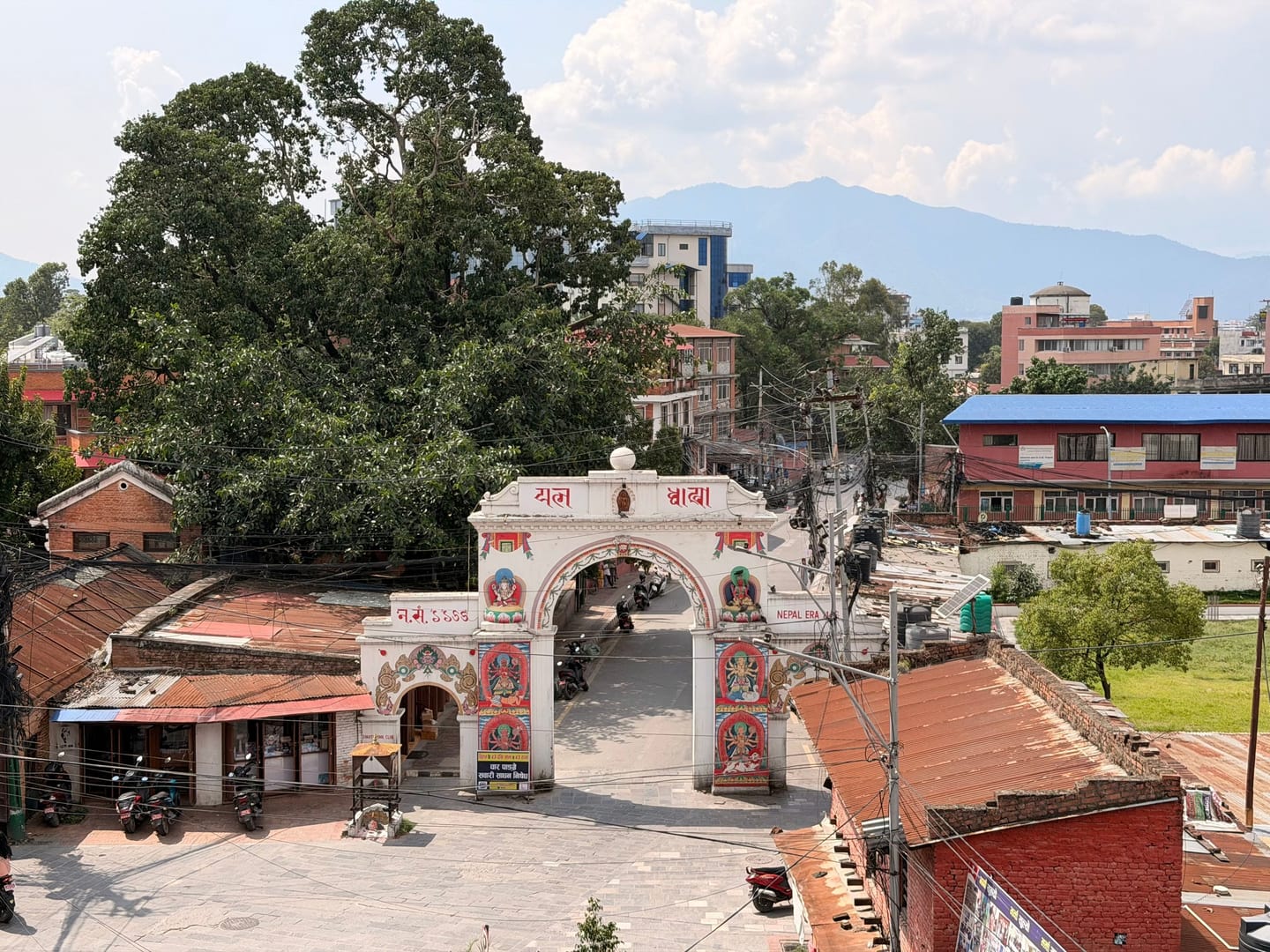
Kathmandu Valley is the cultural starting point for most journeys. The Kathmandu Valley World Heritage property contains seven monument zones, including the three Durbar Squares, Swayambhunath, Boudhanath, Pashupatinath and Changu Narayan. Plan at least three nights so you can separate the old cities and sacred sites instead of racing between them in traffic.
Pokhara gives you lakeside calm and close views towards the Annapurna range. The Nepal Tourism Board guide to Pokhara highlights Phewa Lake, the World Peace Pagoda, museums and active experiences. Two or three nights work well for a cultural journey, while a trek needs extra time before and after the trail.
Chitwan changes the rhythm completely. Forest, river grassland and Tharu culture sit in the subtropical plains, with wildlife activities arranged by lodges and authorised guides. The official Chitwan overview places the park headquarters near Kasara, reached from Bharatpur or by road from Kathmandu.
Mustang lies beyond the main Himalayan barrier and has a much drier landscape. Lower Mustang can fit a comfortable scenic journey through Jomsom and Muktinath. Upper Mustang requires a restricted area permit and specialist arrangements. Use the official Upper Mustang guidance when assessing access and season.
The Everest and Annapurna regions are major trekking areas rather than simple sightseeing extensions. Routes reach serious altitude, weather affects flights and walking days, and permits differ. Read the SoulTrips advice on preparing for high altitude travel before you choose a route.
Getting around Nepal
Use private road transport for cultural touring, domestic flights for selected long sectors and guided walking for trekking routes. The Nepal Tourism Board transport guidance confirms that intercity buses and domestic air services connect the main regions, but journey quality and travel time vary sharply with road and weather conditions.
Kathmandu traffic makes short map distances slow. A private vehicle adds value when you are visiting several heritage zones, carrying luggage or travelling with children or older relatives. Leave early for Bhaktapur, Panauti, Dhulikhel and Nagarkot, and avoid placing a fixed international departure after a long road transfer.
Kathmandu to Pokhara can be flown or driven. Flying protects time but remains weather sensitive. Driving gives a better sense of the hills and allows a stop, yet road works and congestion can extend the day. Treat the transfer as a full travel segment rather than a small gap between activities.
Chitwan can be reached by road or a flight to Bharatpur followed by a lodge transfer. Lodge programmes often coordinate arrival times with wildlife activities, so confirm the exact meeting point before booking transport independently.
Mountain airports require conservative planning. Review the current Civil Aviation Authority domestic schedule, book early in busy seasons and keep a buffer before your international flight. Separate tickets transfer delay risk to you.
Culture and respectful travel
Greet people with namaste and joined palms. Remove shoes before entering homes and many sacred spaces, use your right hand to give or receive, and walk clockwise around stupas. The Nepal Tourism Board cultural etiquette guide also asks visitors to request permission before photographing people or ceremonies.
Dress modestly at temples, monasteries and in rural communities. Some Hindu sanctuaries do not admit non Hindus, including the main inner temple at Pashupatinath. Observe signs and follow the guide rather than treating a restricted doorway as a challenge.
Ask before photographing monks, worshippers, children or cremation rituals. Keep your voice low during prayer and do not step over people, food or religious objects. Public affection that feels ordinary at home can be uncomfortable in conservative settings.
Nepal is culturally diverse. Newar heritage shapes Kathmandu Valley, Tharu communities are central to the Chitwan region, Gurung and Magar traditions are important around the Annapurna foothills, and Sherpa culture is integral to the Everest region. Avoid presenting one community as representative of the whole country.
Advice for different travellers
Families should slow the pace and avoid long road transfers on consecutive days. Choose connected rooms where needed, carry familiar snacks and confirm minimum ages for rafting, paragliding or demanding treks. Kathmandu Valley, Pokhara and Chitwan combine well for a varied first journey.
Solo travellers gain reassurance from prearranged airport transport and a registered guide for remote areas. Do not trek alone. Share your route with someone at home and keep enough flexibility to accept weather changes without forcing unsafe decisions.
Older travellers should ask about stairs, bathroom access, vehicle height, walking surfaces and the distance from a lodge room to dining areas. Private transport and well placed hotels add more value than squeezing another destination into the route.
Travellers with limited mobility need detailed access checks. Historic squares have uneven brick, temples use steps, and older hotels may lack lifts. Pokhara has an accessible tourism trail, but accessibility is not consistent across the country, so request exact arrangements rather than broad assurances.
Responsible travel in practice
Refill water where safe treatment systems exist, carry waste out of remote areas and reduce single use plastic. Choose lodges and operators that employ local staff, explain porter welfare and respect park rules.
Do not buy wildlife products or remove religious or archaeological objects. Keep distance from wildlife in Chitwan, follow your naturalist and choose activities that do not depend on harmful animal handling.
Ask before photographing people and pay fairly for crafts or guided experiences. A community homestay is most meaningful when you arrive as a guest, follow household customs and allow the host to set boundaries.
Final entry checklist
- Passport validity checked against the planned departure date.
- Tourist visa route selected and official form completed at the right time.
- Visa fee cash and backup payment method prepared.
- Travel insurance covers the actual activities and elevations.
- Trekking agency confirms TIMS and restricted permits where needed.
- Onward travel, first hotel and local contact saved offline.
- MFA eRegistration completed for the journey.
Continue planning with SoulTrips
Use the Nepal destination guide alongside the wider Destination Guides library and practical Travel Tips. You can also compare SoulTrips destinations, start a personalised trip plan or contact a travel specialist.
Frequently asked questions
-
Do Singaporeans need a visa for Nepal?
Yes. Singapore passport holders require a tourist visa and can obtain it on arrival at Kathmandu airport and designated border points.
-
How much is a Nepal visa on arrival?
The current tourist visa fees are USD 30 for 15 days, USD 50 for 30 days and USD 125 for 90 days. Each is multiple entry.
-
How much passport validity is required?
Ensure at least six months of validity from the expected departure date from Nepal. Renew early if your passport is close to the limit.
-
Do you need a passport photograph?
Current airport systems use an online form and kiosks, but carrying one spare photograph remains sensible. It can also help with permits or administrative problems.
-
Can you pay the visa fee by card?
Payment modes exist, but card reliability can vary. Carry enough US dollar cash in good condition so payment does not delay entry.
-
Can you complete the visa form before travel?
Yes. Complete it through the official immigration site within 15 days of arrival and save or print the barcode receipt.
-
How long can a tourist stay in Nepal?
Tourist visas can be extended up to a combined maximum of 150 days in a calendar year. Apply before the existing permission expires.
-
Do you need a TIMS card?
A TIMS card and licensed guide are required on listed trekking routes. Ask a registered agency to confirm the current rule for your exact trail.
-
Does a Nepal visa cover Upper Mustang?
No. Upper Mustang is a restricted area and needs an additional permit plus organised arrangements.
-
What happens if you lose your passport?
Make a police report, contact the Singapore High Commission in New Delhi and obtain a replacement travel document. Nepal immigration must then issue an exit visa.
Prepare for Nepal visa and entry requirements
Nepal visa and entry requirements are straightforward when you prepare the form, correct fee and passport validity in advance. Treat trekking permits as a separate planning step and keep the final documents available offline.
Review Nepal journey options, read the high altitude travel guide and start a personalised plan with SoulTrips.