By Soul Trips · Updated on 09 October, 2026
Japan Travel Guide: Everything You Need to Know Before You Go
A Japan travel guide should help you turn an exciting list of possibilities into a comfortable route. Start with your travel month, choose one or two regions and allow enough time to enjoy each base. Japan rewards curiosity, but it also rewards preparation, especially during cherry blossom season, autumn foliage, national holidays and major festivals.
For a first journey, Tokyo and Kyoto remain valuable introductions, but they are only the beginning. Add a quieter region that reflects your interests, such as Shikoku for pilgrimage and coastal culture, Kyushu for hot springs and scenic trains, Hokkaido for nature, or Setouchi for contemporary art. Explore the SoulTrips Japan destination page before fixing the route so the journey has a clear character rather than becoming a checklist.
Japan travel guide at a glance
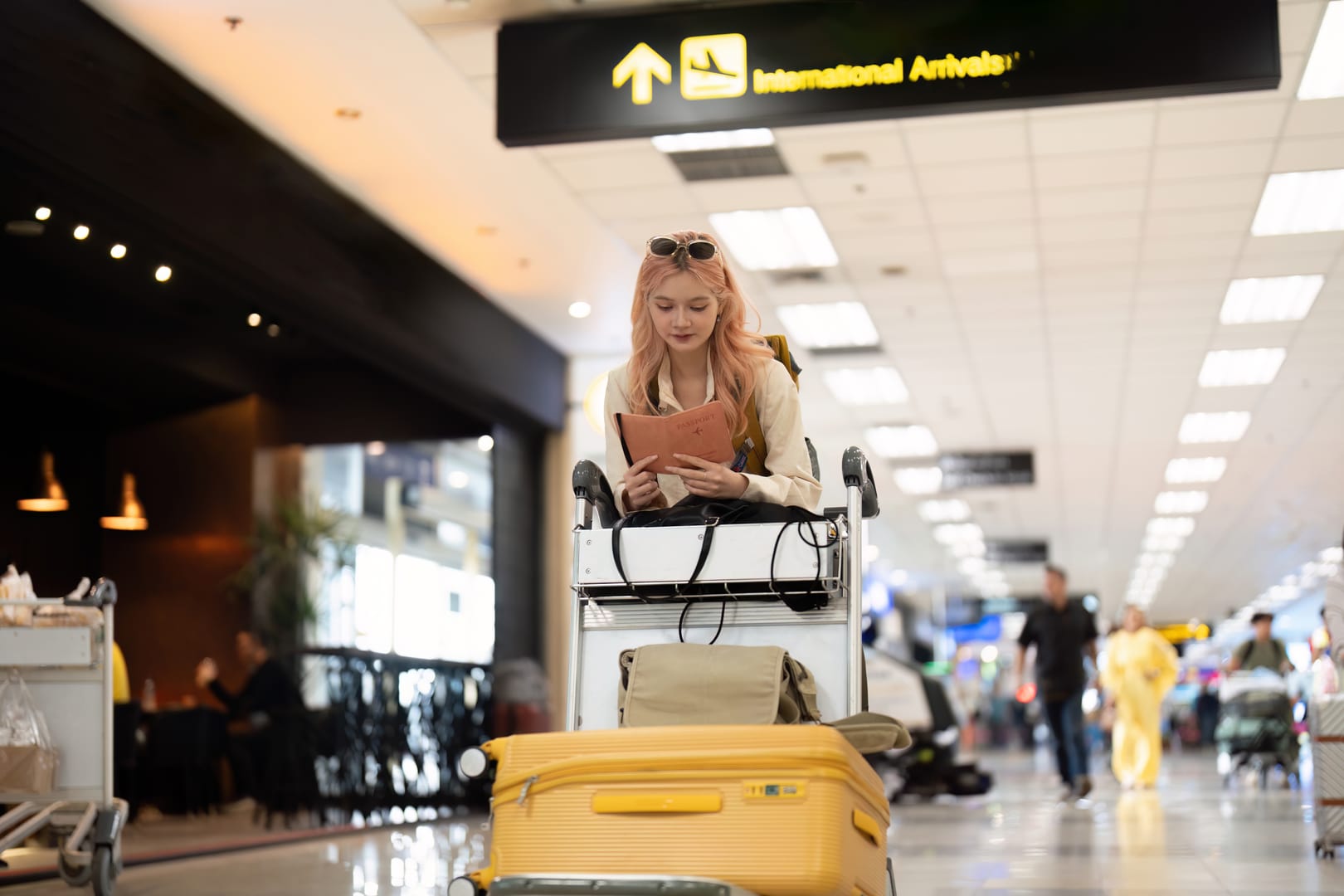
Japan combines remarkably efficient cities with rural regions where transport needs careful timing. The currency is the Japanese yen, the language is Japanese and the country operates one hour ahead of Singapore. English signage is common in major transport hubs, though a translation app and saved Japanese addresses remain useful.
- Best broad seasons for city and cultural travel: spring and autumn.
- Best first trip length: ten to fourteen days.
- Best planning approach: two main regions with two or three nights in most bases.
- Main gateways: Tokyo, Osaka, Nagoya and Fukuoka, with other airports useful for regional routes.
- Essential tools: an IC transport card, mobile data, offline addresses and a compact luggage plan.
- Experiences worth reserving early: ryokan stays, scenic trains, small restaurants, museums and seasonal activities.
Use the SoulTrips Japan destination guide as your central planning page and connect it with specialist articles as your route takes shape.
Choose the right region for your first trip
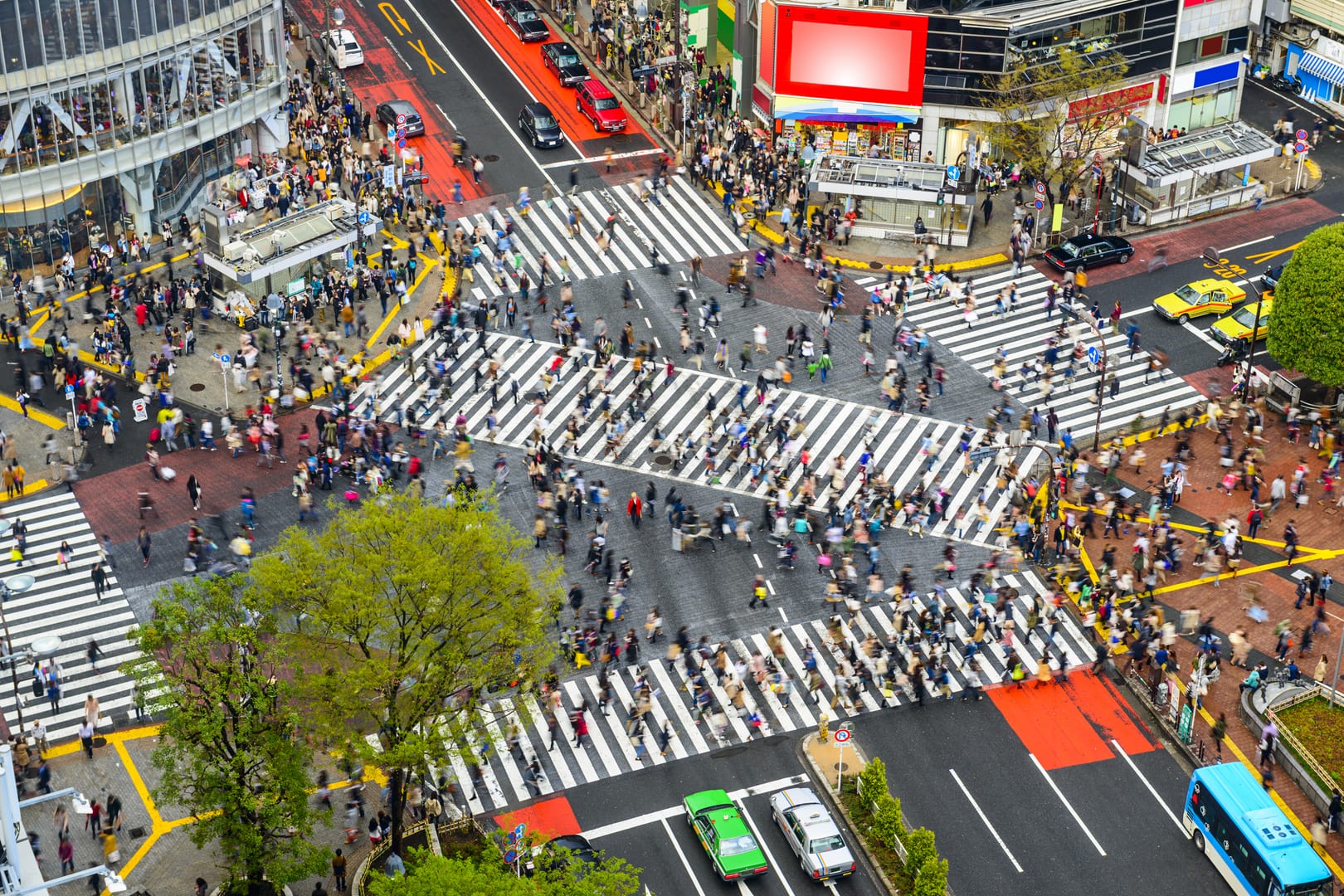
Tokyo gives you the clearest introduction to modern Japan. Stay in a well connected neighbourhood and explore by area, not by attraction. One day might focus on Asakusa and Ueno, another on Meiji Jingu and the western districts, and another on food, design or contemporary culture. This prevents the city from becoming a sequence of long train rides.
Kyoto offers temples, gardens, craft, food and traditional neighbourhoods. Begin popular days early and include places outside the most crowded central circuit. Nearby Nara, Uji and Lake Biwa work as day trips, while Osaka adds street food and a more energetic evening rhythm. The SoulTrips Mount Fuji family journey shows how a classic route can slow down with a countryside stay.
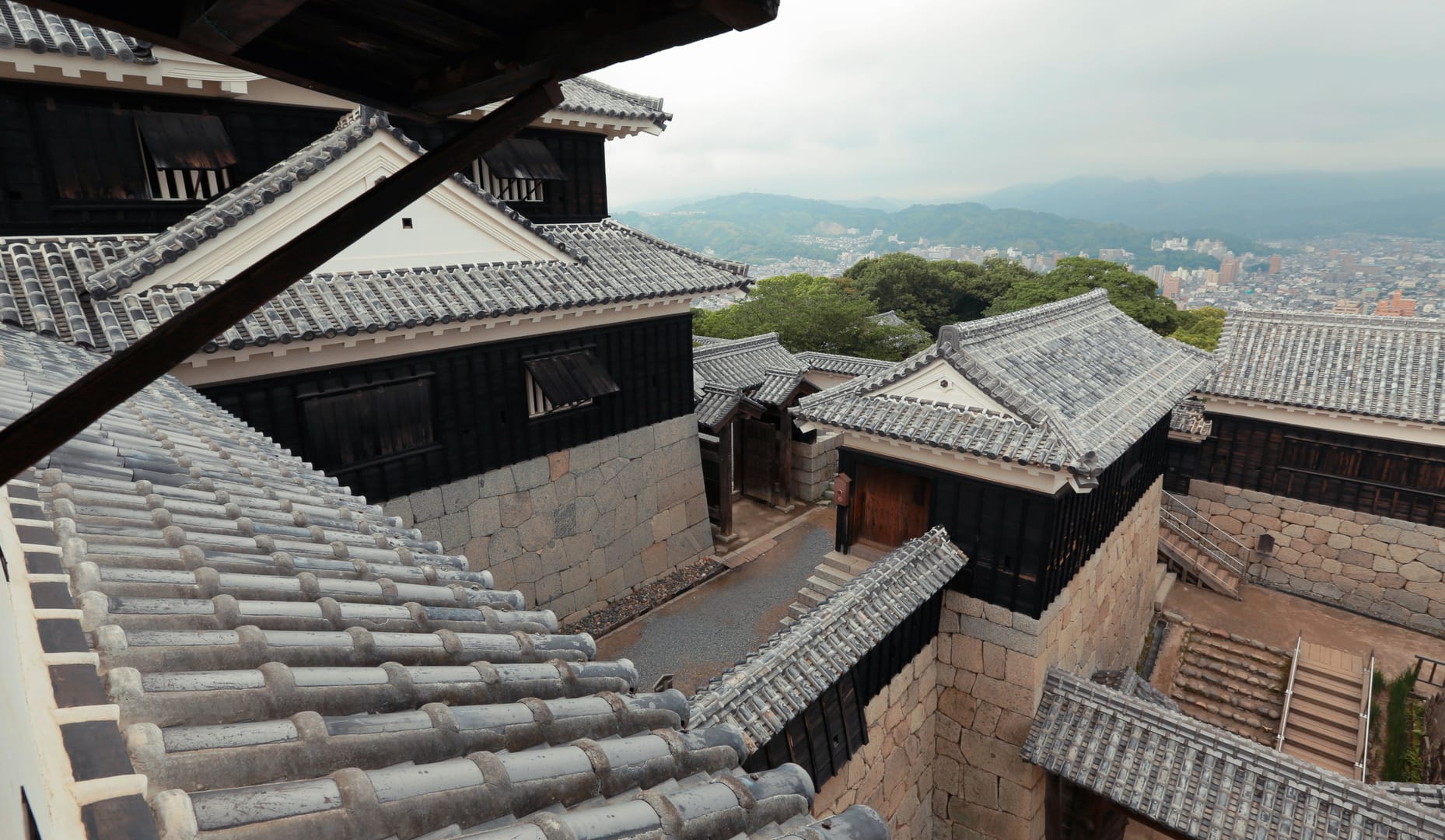
Shikoku suits travellers who want pilgrimage, castles, hot springs and coastal landscapes. Matsuyama combines Dogo Onsen with an original castle keep, while Ozu and Uchiko offer preserved townscapes. The SoulTrips Ehime journey is a practical regional introduction with experienced support.
Kyushu brings together volcanic scenery, onsen towns, historic ports and distinctive food. Fukuoka is the easiest gateway, then trains connect Nagasaki, Kumamoto and Kagoshima. Rural areas around Aso, Kurokawa Onsen and the southern islands need more time. Read the SoulTrips guide to Kyushu scenic trains if the journey itself matters as much as the destination.
Hokkaido is a separate trip rather than an easy addition to Tokyo. Winter appeals to snow travellers, while summer brings mild conditions, flowers and national parks. A self drive or campervan route opens quieter landscapes, as shown in the SoulTrips Hokkaido campervan adventure.
Entry requirements and arrival preparation
Singapore ordinary passport holders can enter Japan without a visa for a short visit of up to ninety days. Your passport must remain valid for the entire stay. If you hold another passport, check your eligibility through the official visa exemption list before booking non refundable arrangements.
Complete your immigration and customs details through Visit Japan Web before departure. The service is not a visa and does not replace any visa requirement that applies to your nationality. Save the generated codes on your phone and keep a screenshot available in case airport connectivity is slow.
Carry your first accommodation address, onward or return flight information and evidence that you can support the trip. Medicines should remain in original packaging. Some prescription and over the counter medicines require advance approval, so check the active ingredients before packing rather than relying on the brand name used at home.
Best time to visit Japan
Spring and autumn bring mild conditions across much of central Japan, but they also attract strong demand. Cherry blossom timing moves from warmer southern areas towards northern Japan, while autumn colour begins in cooler northern and mountain regions before moving south. Book early if a seasonal landscape is central to the trip, then keep expectations flexible because nature does not follow a fixed calendar.
Summer is hot and humid in Tokyo, Kyoto and Osaka. It is also rich in festivals, mountain travel and fireworks. Plan outdoor visits early, drink regularly and use the middle of the day for museums, lunch or rest. Hokkaido offers a cooler summer alternative.
Winter works well for snow, hot springs, clear Pacific coast days and lower visitor numbers outside the holiday period. Northern and mountain routes need proper footwear and weather buffers. Okinawa remains mild compared with the main islands, though sea conditions and seasonal closures still affect activities.
Getting around Japan
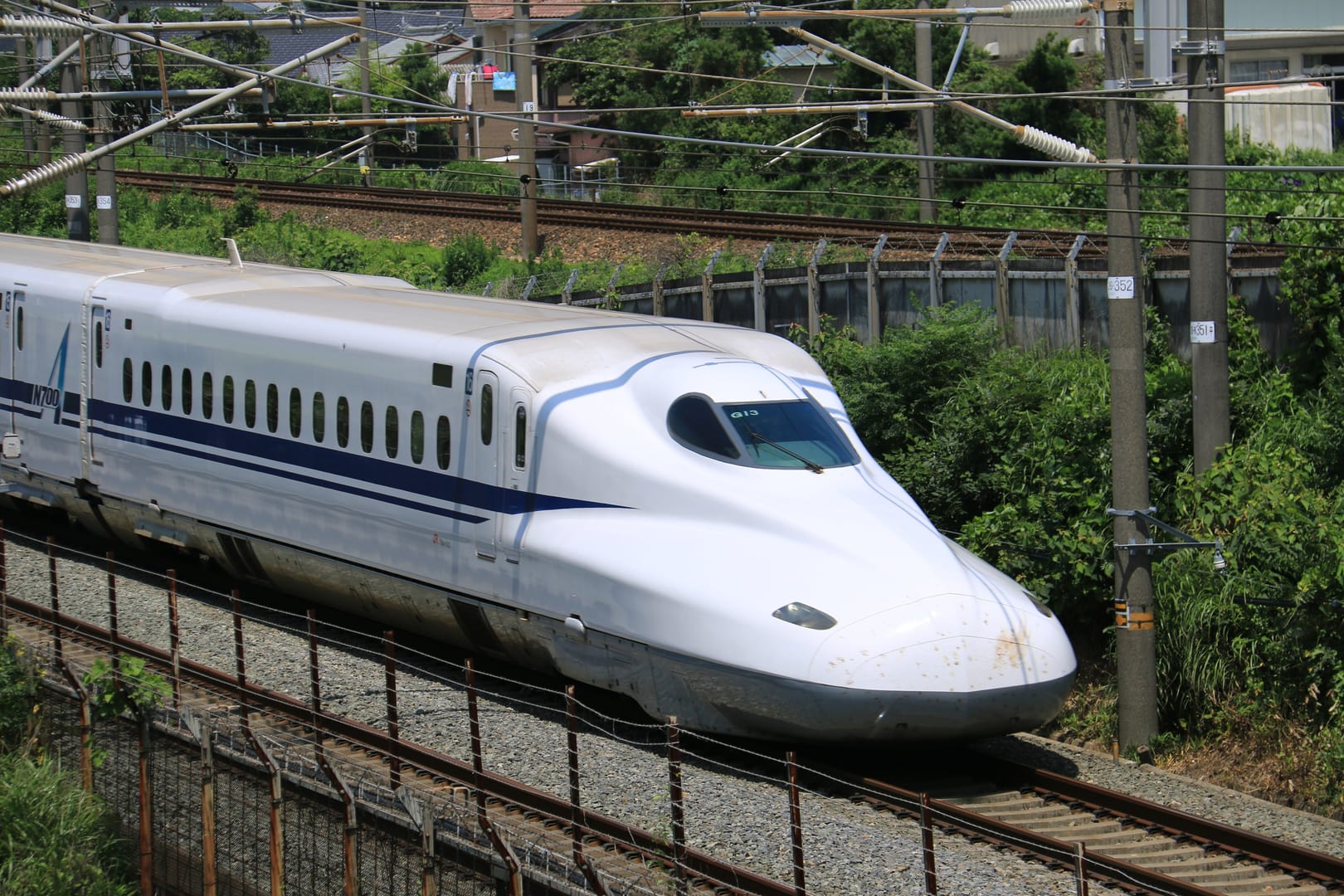
Use trains for major city corridors and domestic flights for very long distances. The Shinkansen is fast and comfortable, but the national rail pass is not automatically cheaper than individual tickets. Price the exact route before buying the Japan Rail Pass and compare regional passes when most travel stays within one area.
An IC card makes local trains, buses and small purchases easier. It does not replace every limited express or Shinkansen ticket. Keep the card topped up and retain a little cash for rural buses, lockers, small restaurants and temples.
Large luggage changes the travel experience. Forward cases between major hotels and carry a small overnight bag for one or two nights. On the Tokaido, Sanyo, Kyushu and Nishi Kyushu Shinkansen, baggage with total dimensions above 160 centimetres and up to 250 centimetres needs a reserved seat with an oversized baggage area.
Money, connectivity and everyday practicalities
Cards are widely accepted in cities, yet cash remains useful. Withdraw yen from a reliable cash machine, keep coins for lockers and buses, and avoid depending on a foreign contactless wallet for every purchase. Tipping is not part of ordinary Japanese service culture.
Arrange mobile data before arrival or collect a data solution at the airport. Save hotel names in Japanese, download regional maps and keep key reservation numbers offline. Japan uses Type A plugs and 100 volt electricity. A universal adaptor is useful, and high powered appliances from another voltage system need careful checking.
Pack lightly. Hotel rooms, station lockers and local trains are easier with a medium case or carry on bag. Laundry facilities are common in business and apartment hotels, so you can repeat simple layers rather than carrying a different outfit for every day.
Food, accommodation and cultural confidence
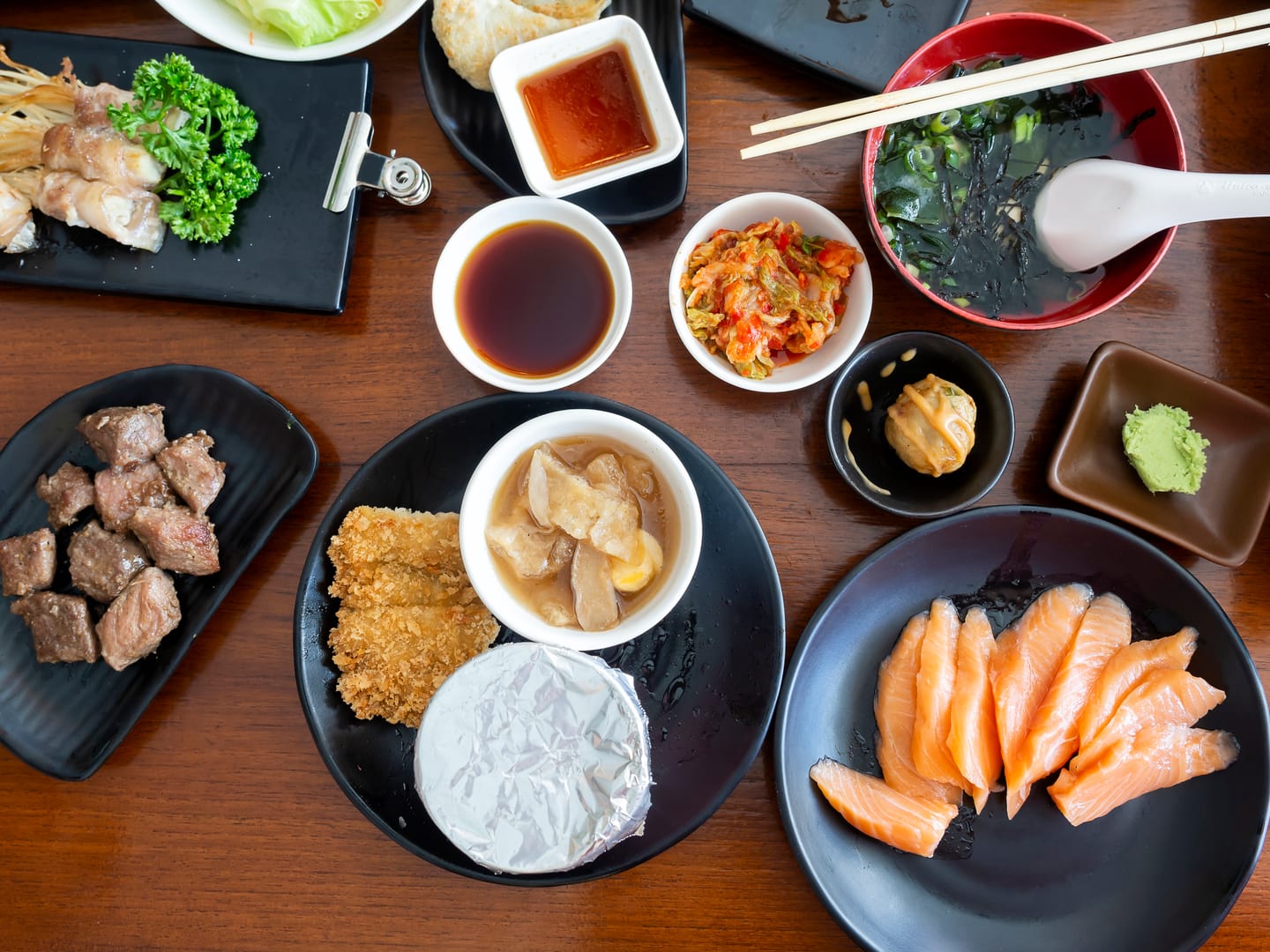
Japanese food is regional. Tokyo offers extraordinary range, Kyoto is known for refined seasonal cuisine, Osaka for lively casual dishes, Shikoku for udon and sea bream, Kyushu for tonkotsu ramen, shochu and volcanic landscapes that shape local produce. Tell restaurants about allergies in clear ingredient terms because dashi, sauces and garnishes can contain fish, shellfish, wheat or soy.
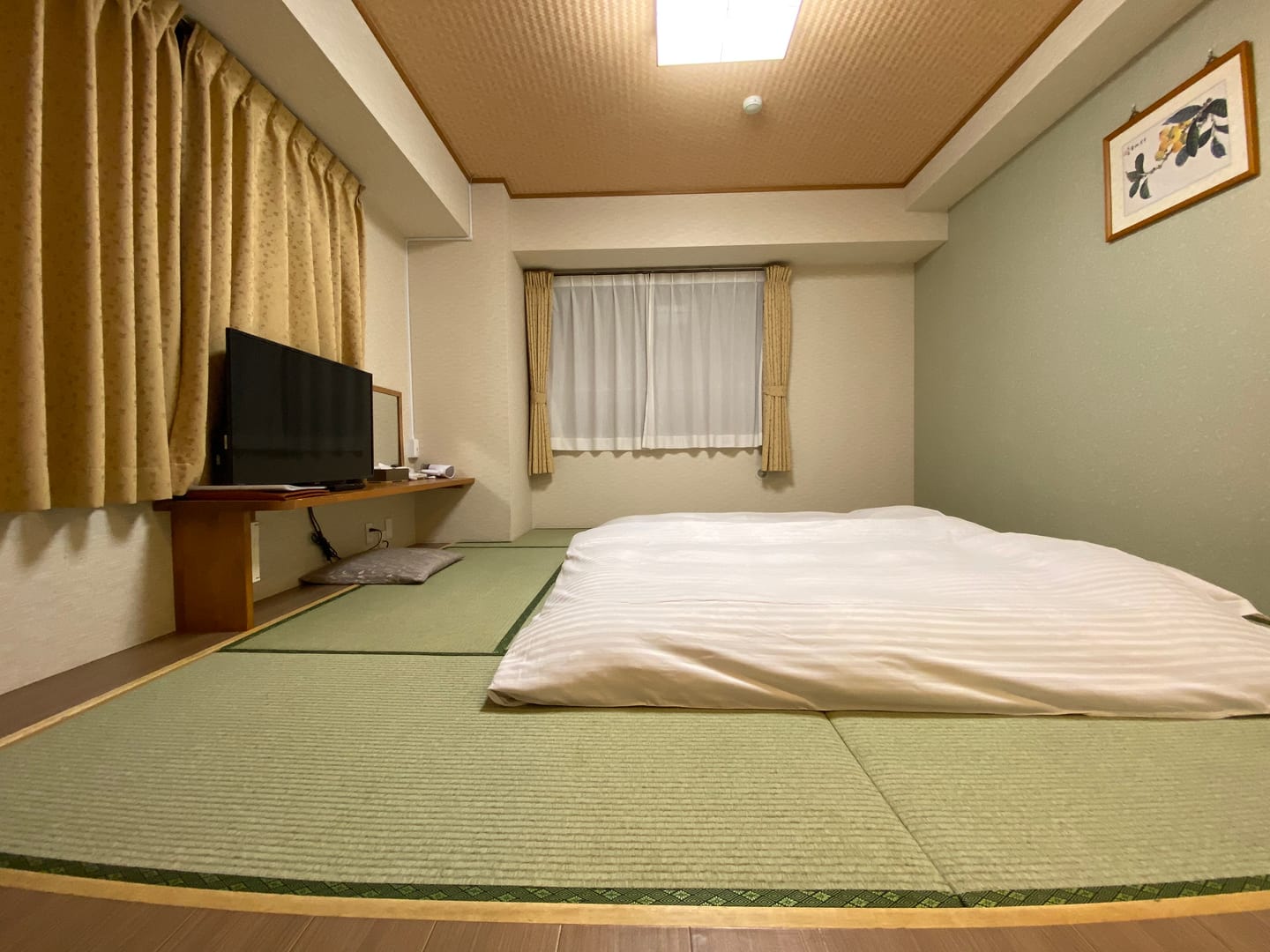
Mix accommodation styles. City hotels make transport simple, a ryokan adds tatami rooms, bathing and a meal built around the season, while a minshuku gives you a more personal rural stay. Temple lodging and family friendly apartment hotels serve different needs. Read the SoulTrips guide to Japanese onsen before your first traditional bath.
Daily etiquette is based on consideration. Queue neatly, speak softly on trains, let passengers leave before boarding and remove shoes when indicated. At shrines and temples, follow local signs and avoid treating worship spaces as photo sets. You do not need perfect knowledge. Calm observation and a respectful manner will carry you through most situations.
How a Japan travel specialist plans a first trip to Japan
A strong Japan journey begins with one clear idea. Decide if the trip is mainly about food, seasonal scenery, cities, spiritual heritage, family time, art or nature. Once that purpose is settled, choose the few places that express it best and remove stops that add more transfers than enjoyment. Japan makes fast movement possible, but an efficient rail network is not a reason to change hotels every night.
Aim for three nights in Tokyo, three or four in Kyoto or another cultural base, then give the regional part of the journey enough time to feel distinct. Two or three nights in an important base gives you time for an early start, a slower meal and one unplanned discovery. Rural regions need more breathing room because local trains and buses are less frequent. Build the route around the least flexible element, such as a reserved scenic train, a seasonal festival, a small ryokan or an island ferry.
Reserve international flights, high demand accommodation and limited capacity experiences first. Then add rail reservations, luggage delivery, local guides and restaurants. The SoulTrips guide to booking an international trip in advance provides a practical timeline, while the wider collection of travel planning advice helps you organise the final details.
A specialist adds most value where transport, language or access becomes complicated. Use expert support for a countryside drive, a pilgrimage route, a formal meal, an art island programme or a family trip with several room requirements. Keep independent time in places where walking, browsing and changing your mind are part of the pleasure.
Common planning mistakes
- Trying to visit Tokyo, Kyoto, Osaka, Hiroshima and a remote region in one short week.
- Buying a national rail pass before comparing the actual ticket cost.
- Taking large suitcases through every station instead of using luggage delivery.
- Assuming small restaurants and rural inns can always accept an unplanned arrival.
These are easy to correct before you travel. A focused route, sensible luggage plan and realistic daily rhythm will make Japan feel calm rather than rushed.
Practical advice for different travellers
First time visitors
Start with Tokyo and one regional contrast, then add Kyoto only if the trip length supports it. Choose accommodation close to a useful station for the first few nights, save the hotel address in Japanese and start with one neighbourhood rather than crossing a major city several times in a day.
Solo travellers
Japan is straightforward for solo travel, especially in cities and along major rail routes. Book small rural inns before arrival, share your route with someone you trust and avoid assuming that every restaurant accepts walk in diners. Counter seating, business hotels and excellent public transport make solo days easy to structure.
Families
Balance temples and museums with trains, food experiences, parks, craft and unstructured neighbourhood time. Apartment hotels and rooms with laundry facilities reduce daily friction. Forward large luggage between longer stays and keep one light day after a theme park, major transfer or very early start.
Older travellers and travellers with mobility concerns
Choose fewer hotel changes and study station exits, slopes and temple access before each day. Major stations are well equipped, but transfers can involve long corridors, stairs and busy platforms. Request station assistance when needed, choose hotels close to lifts and ask for honest walking descriptions at temples, gardens, castles and older neighbourhoods.
Travel responsibly and stay prepared
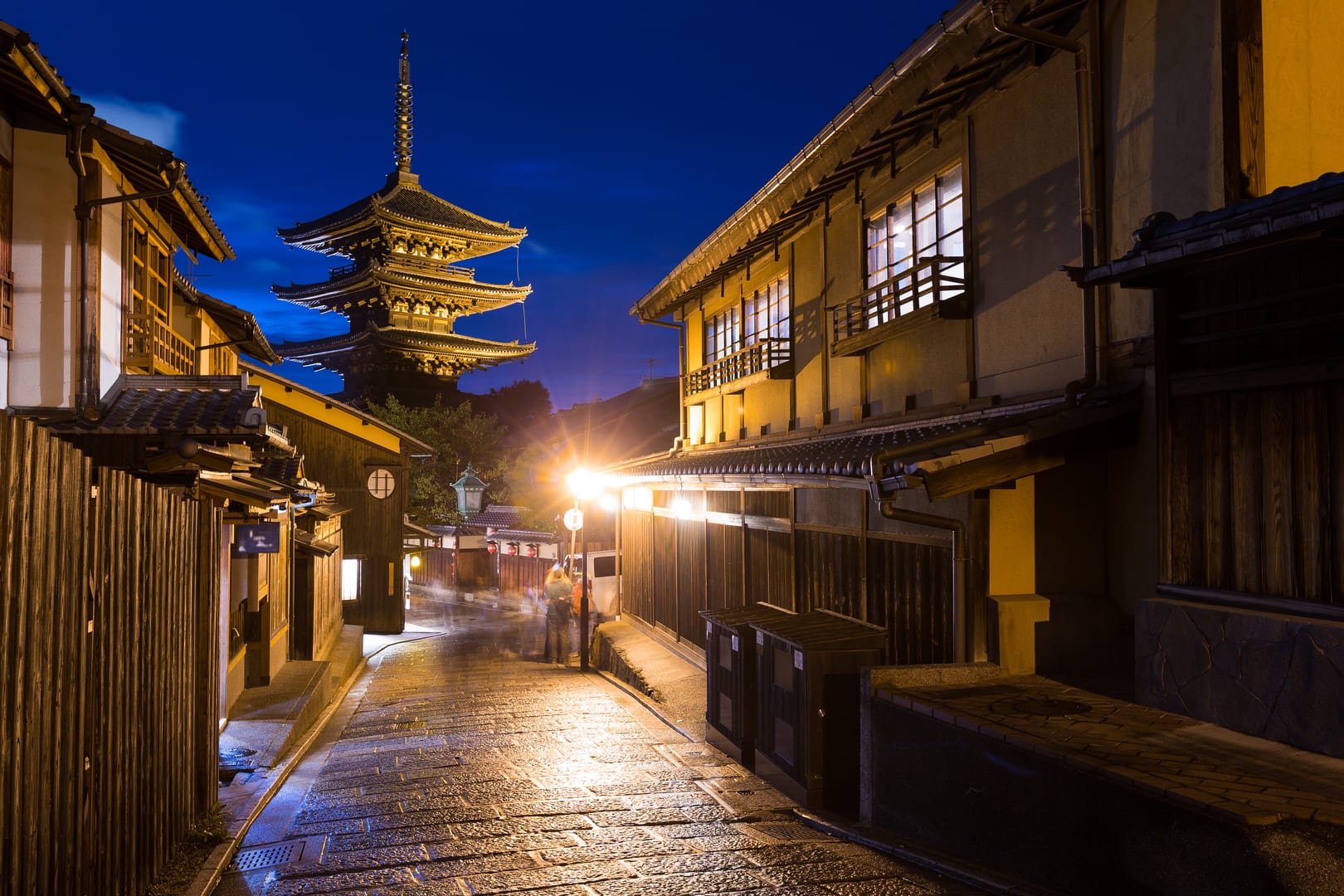
Responsible travel in Japan begins with consideration for the people sharing each place. Keep voices low on public transport, queue carefully, carry your rubbish until you find the correct bin and follow photography rules at temples, shrines, markets and residential streets. Do not block narrow lanes or private entrances for a photograph.
Move beyond the busiest attractions when the itinerary allows, but remember that quieter places are communities rather than empty backdrops. Use luggage delivery instead of taking large cases onto crowded local trains, support independent restaurants and craftspeople, and book popular sites for quieter times when possible. The SoulTrips Japan destination guide connects these practical choices with slower regional journeys.
Japan experiences earthquakes, typhoons, heavy snow, volcanic activity and periods of extreme heat. Save the official emergency information, follow transport instructions and never continue an outdoor plan against a warning. Travel insurance should cover medical care, disruption and the activities on your itinerary.
Frequently asked questions
-
How many days do you need for Japan?
Ten to fourteen days gives you time for two main regions without constant hotel changes. Seven days works best with one major base and a short regional extension.
-
What is the best month to visit Japan?
April, May, October and November offer comfortable conditions in many central areas. Your best month changes with the region and the experience, especially for blossoms, snow and mountain travel.
-
Do Singapore passport holders need a visa for Japan?
Singapore ordinary passport holders can visit for up to ninety days without a visa for a short stay. The passport must remain valid throughout the visit.
-
Should you buy a Japan Rail Pass?
Buy it only when the cost of eligible long distance journeys exceeds the pass price. Many focused routes cost less with individual tickets or a regional pass.
-
Is Japan easy to visit without speaking Japanese?
Yes, especially in cities and major transport hubs. Save addresses in Japanese and use a translation tool for smaller restaurants, rural buses and detailed requests.
-
How much cash should you carry?
Carry enough yen for a day of small purchases, transport gaps and meals at cash only businesses. Use cards for larger expenses and replenish cash from reliable machines as needed.
-
Can you travel with large luggage on Japanese trains?
Yes, but it is inconvenient on busy local trains and some Shinkansen routes require an oversized baggage reservation. Luggage forwarding makes a multi city route much easier.
-
What should you book first?
Book flights, seasonal accommodation, ryokan stays and limited capacity experiences first. Add flexible city activities after the main route is secure.
-
Is Japan suitable for families?
Japan works very well for families when the itinerary limits transfers and includes suitable rooms. Plan meals before children become tired and use luggage delivery between longer stays.
-
How do you start planning a personalised journey?
Choose your month, trip length and three priority experiences, then plan your Japan journey with SoulTrips so the route and accommodation can be shaped around them.
Plan your Japan journey with confidence
The most useful Japan travel guide gives you clarity, not a crowded schedule. Choose a route with a strong purpose, pack lightly and reserve the experiences that matter most. Then leave space for the small rituals, meals and neighbourhood discoveries that give Japan its depth. Explore SoulTrips journeys in Japan or speak with a travel specialist to create a thoughtfully paced trip.