By Soul Trips · Updated on 12 October, 2026
What to Eat in Japan: Regional Specialities, Ryokan Meals and Food Etiquette
A useful Japan food guide should take you beyond sushi and ramen. Every prefecture takes pride in local dishes, ingredients and methods. Follow the route through its food, from Hokkaido seafood and Kyoto vegetables to Shikoku udon, Kyushu ramen and Okinawan island cooking.
Mix casual counters, markets, neighbourhood restaurants and one formal meal. A ryokan stay can bring the whole food culture together through seasonal kaiseki and breakfast. The SoulTrips Japan destination page highlights regional journeys where food is part of the experience.
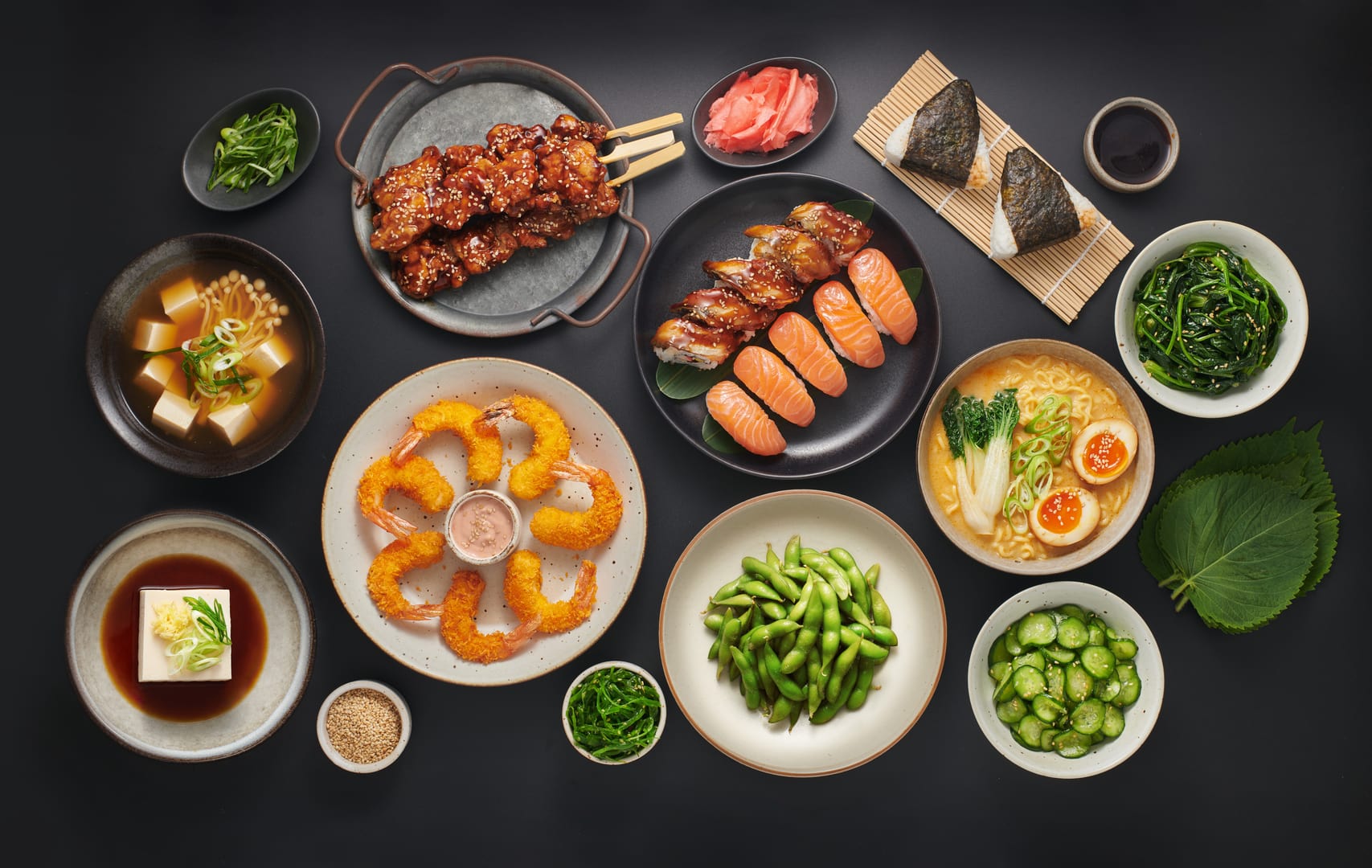
Japan food guide at a glance
Japanese cuisine values season, balance, presentation and regional identity. Washoku refers broadly to traditional Japanese food culture, while everyday eating includes many local and international influences.
- Tokyo: sushi, soba, tempura, monjayaki and wide global choice.
- Kyoto: kaiseki, tofu, yudofu, seasonal vegetables and sweets.
- Osaka: okonomiyaki, takoyaki, kushikatsu and casual dining.
- Hokkaido: seafood, dairy, miso ramen, soup curry and lamb.
- Shikoku: sanuki udon, sea bream rice, bonito and citrus.
- Kyushu: tonkotsu ramen, chicken dishes, shochu and volcanic region produce.
- Okinawa: goya champuru, Okinawa soba, pork and tropical ingredients.
Use the SoulTrips Japan destination guide to connect these flavours with the regions you plan to visit.
What to eat in Tokyo
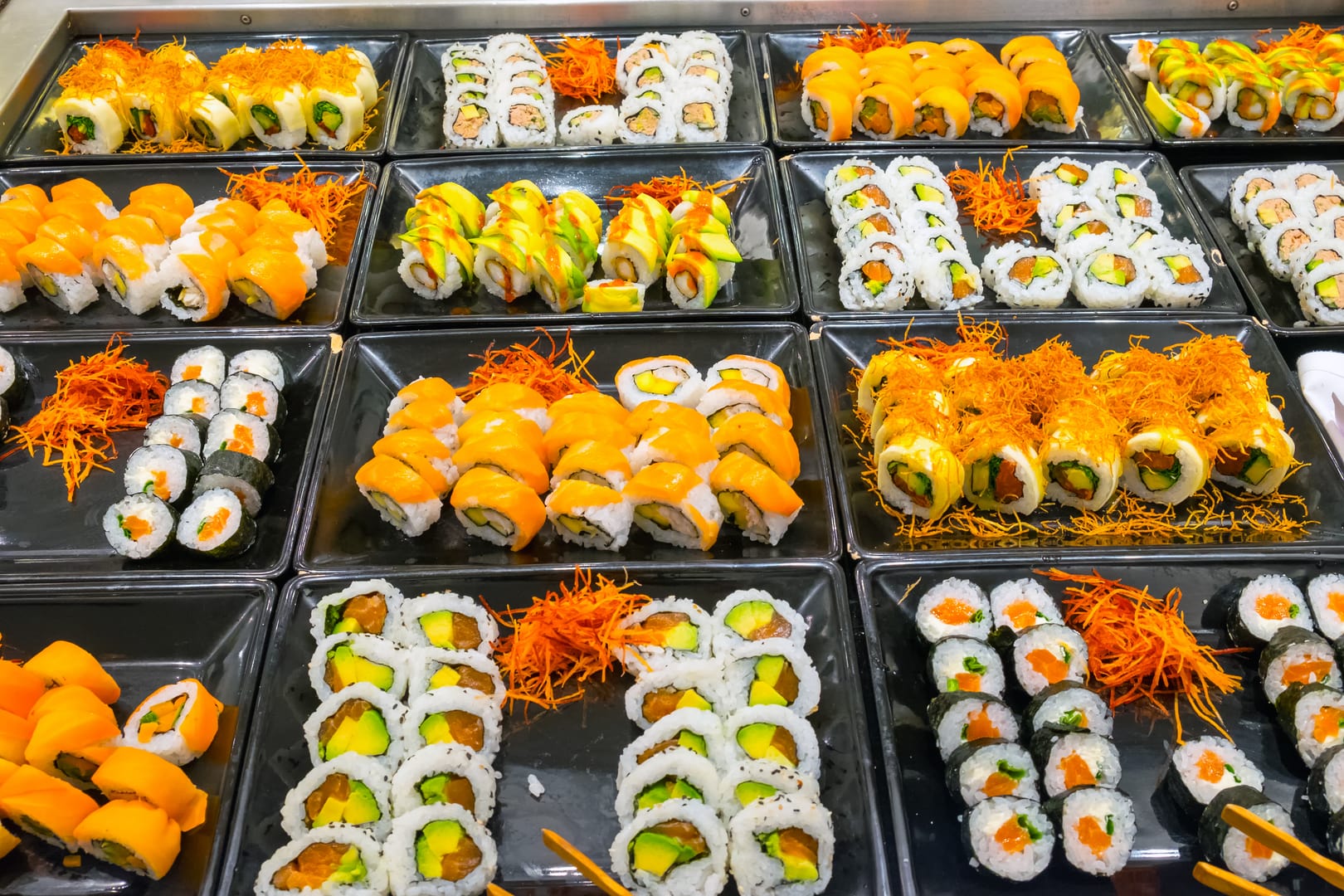
Tokyo rewards every budget. Visit a sushi counter, eat soba, try tempura and explore a specialist neighbourhood restaurant. Edomae sushi developed around ingredients and preservation methods linked with old Tokyo Bay.
Department store food halls provide an easy introduction to seasonal sweets, prepared dishes and regional products. Markets can be fascinating, but they are working places. Follow queue rules, keep pathways clear and eat only where permitted.
Tokyo also excels at chef led dining. Reserve famous small restaurants early, arrive on time and tell the restaurant about allergies during booking rather than at the counter.
What to eat in Kyoto
Kyoto cuisine expresses season through subtle flavour and presentation. Kaiseki is a formal multi course meal, while kyo ryori refers more broadly to the city's culinary traditions. Yudofu, tofu skin, pickles, vegetables and wagashi sweets are important parts of the food landscape.
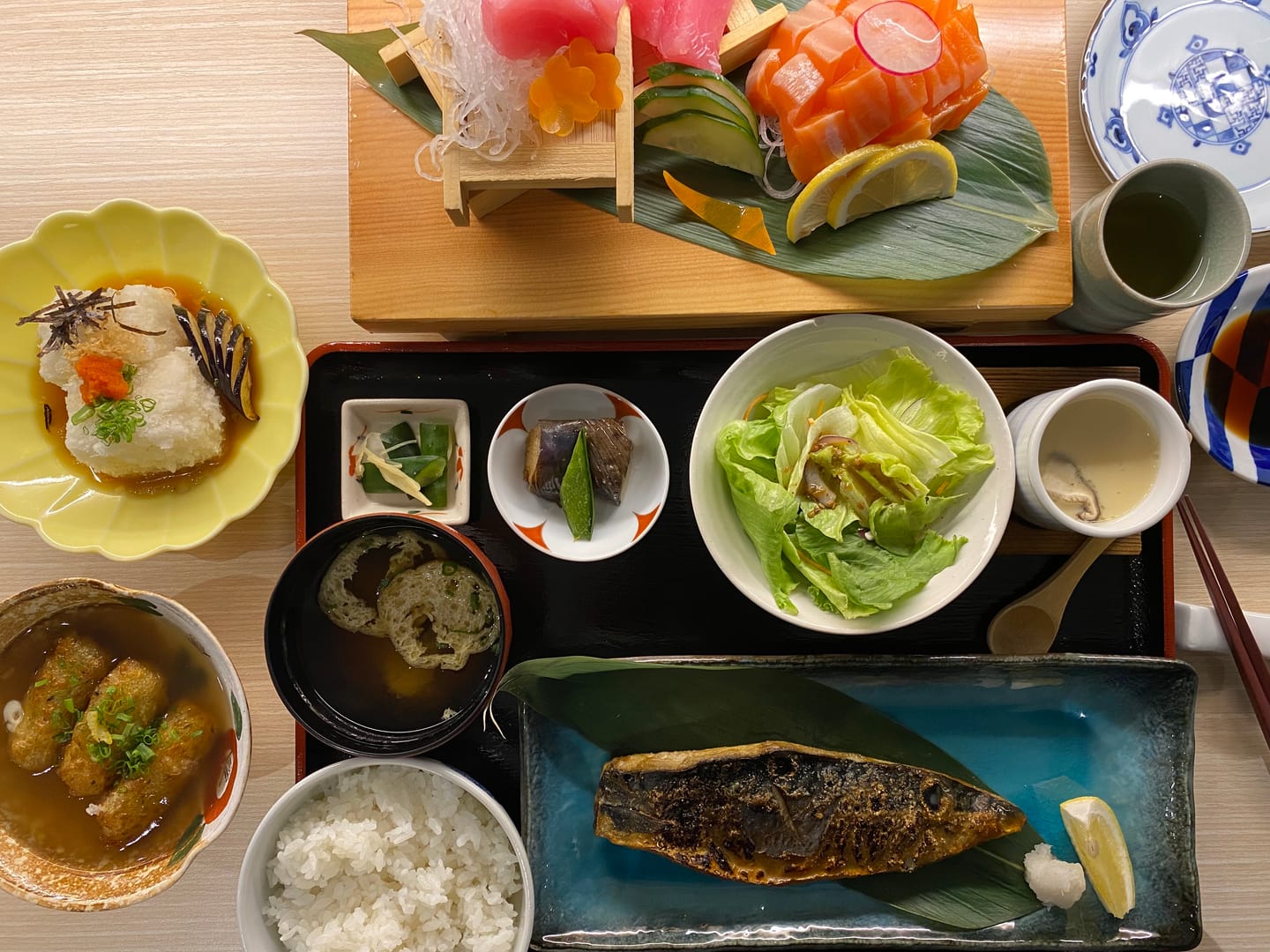
Shojin ryori is Buddhist temple cuisine based on plant ingredients, but definitions and preparation still need checking for strict dietary requirements. A tea experience can help you understand the relationship between sweets, ceramics, movement and hospitality.
Kyoto restaurants range from casual noodle shops to highly formal dining. Do not assume that every traditional meal requires luxury pricing. Lunch often provides a more approachable entry.
What to eat in Osaka
Osaka is known for lively, direct food culture. Okonomiyaki, takoyaki and kushikatsu are famous, but the city also offers udon, sushi, yakiniku and strong Korean influences.
At kushikatsu restaurants, shared sauce rules can differ now that individual containers are common, so follow the current table instructions. At takoyaki stalls, allow the centre to cool before eating.
Summer visitors can combine food with the SoulTrips Tenjin Matsuri guide, but festival stalls should complement rather than replace a wider introduction to local restaurants.
Hokkaido food
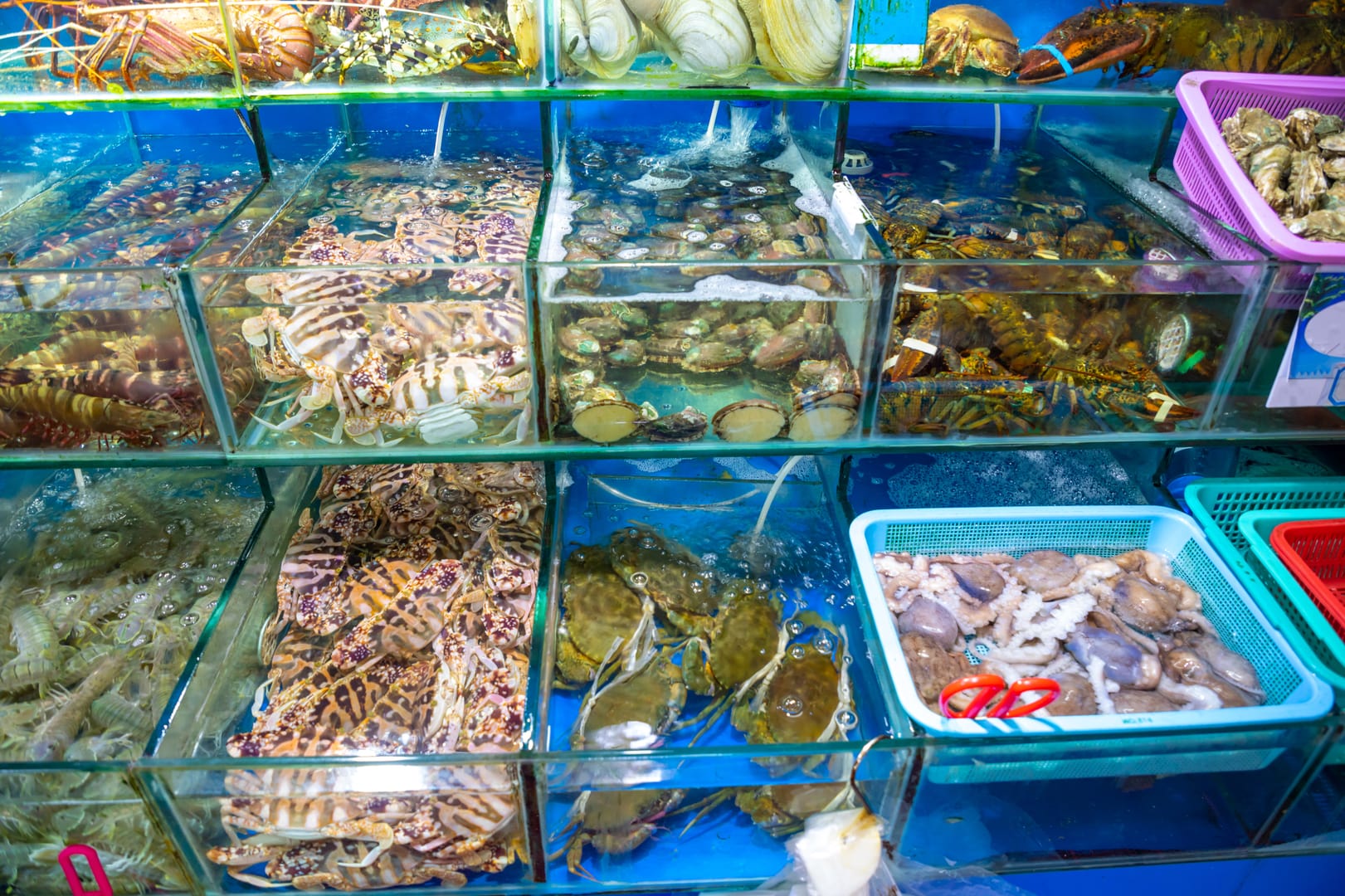
Hokkaido is one of Japan's strongest food destinations. Cold waters provide crab, scallops, sea urchin and salmon roe, while agriculture supports dairy, corn, potatoes and fruit.
Sapporo is associated with miso ramen, soup curry and jingisukan lamb. Hakodate and eastern ports offer distinctive seafood markets. Furano and Biei connect farm landscapes with seasonal produce.
Road travellers should plan meals as carefully as fuel and accommodation because rural restaurants can close early. The SoulTrips Hokkaido campervan journey gives the route enough time for local food stops.
Shikoku food
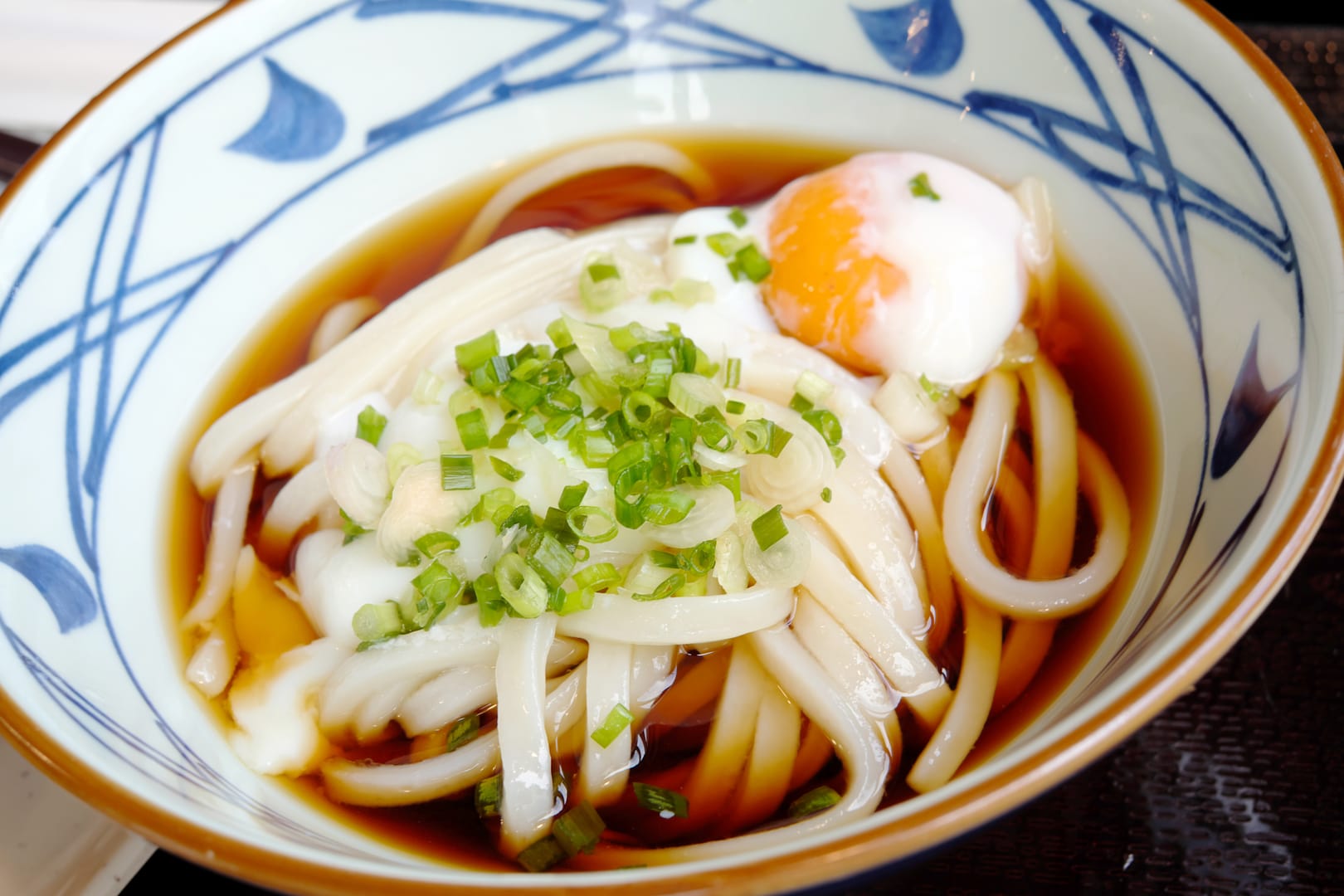
Kagawa is famous for sanuki udon, served in styles ranging from simple broth to chilled noodles with dipping sauce. Ehime is known for sea bream rice, citrus and coastal produce. Kochi celebrates seared bonito, while Tokushima offers sudachi citrus and regional noodles.
Food is an excellent way to understand Shikoku's landscapes. Sea, mountains, pilgrimage towns and agricultural valleys produce distinct local meals. The SoulTrips Ehime journey connects castle towns and coastal culture with regional dining.
Kyushu food
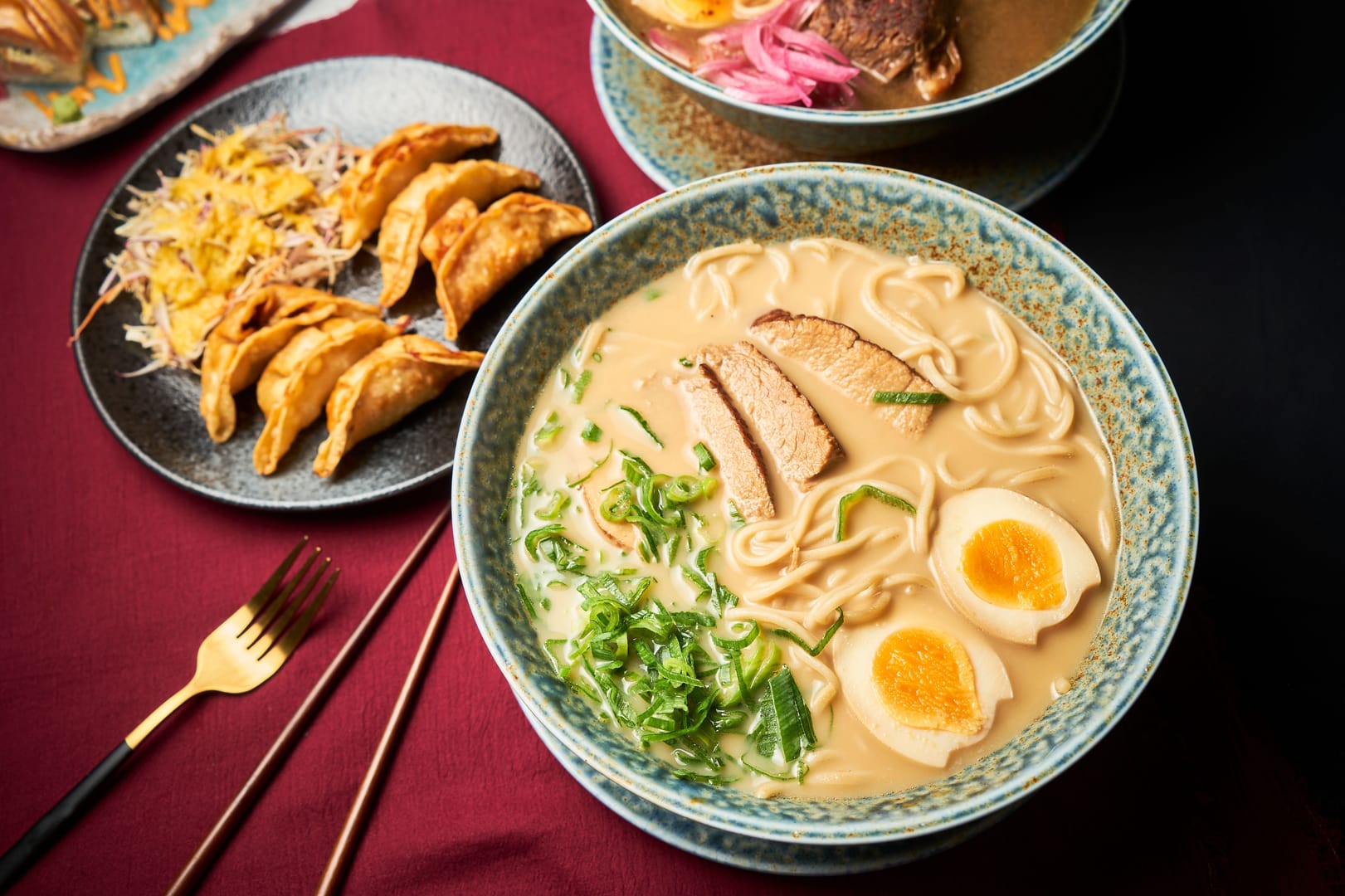
Fukuoka is known for Hakata style tonkotsu ramen and yatai stalls. Nagasaki reflects international exchange through champon noodles, castella cake and other dishes with outside influences. Kumamoto has distinctive noodles and local produce, while Kagoshima is associated with kurobuta pork, sweet potato shochu and southern flavours.
Oita and Kumamoto combine onsen travel with local meals. Scenic trains also feature regional ingredients and presentation. Read the SoulTrips Kyushu scenic train guide when transport and food are both priorities.
Ryokan meals and kaiseki
A ryokan dinner is often served as a sequence of small dishes built around season and place. It can include appetisers, sashimi, grilled food, simmered dishes, rice, soup and dessert. The exact structure changes by property.
Arrive on time because the kitchen prepares dishes around the agreed service. Tell the ryokan about allergies and dietary requirements during booking. Last minute changes can be impossible, especially at small inns.
Breakfast is often Japanese style with rice, soup, fish, vegetables and pickles. Ask before booking if you need a western breakfast. The SoulTrips onsen guide helps you understand the wider rhythm of a traditional inn stay.
Dining etiquette
Say itadakimasu before eating when it feels natural and gochisosama deshita afterwards. Do not place chopsticks upright in rice or pass food from chopsticks to chopsticks.
Slurping noodles is accepted but not required. Lift small bowls closer to the mouth and use serving utensils for shared dishes. At sushi counters, follow the chef's pace and avoid wearing strong perfume.
Tipping is not expected. Pay the stated amount and use the tray when provided. Many small restaurants do not divide bills, so organise group payment clearly.
Food allergies and dietary needs
Prepare a Japanese allergy card that names the exact ingredients and the risk of cross contact. Dashi often contains fish, sauces can contain wheat or soy, and curry, dressings and marinades can hide allergens.
Vegetarian and vegan food is improving, especially in major cities, but the definition can be flexible. Bonito stock, fish sauce and animal fat may appear in dishes that look plant based. Shojin ryori can be a good option, but still confirm the ingredients.
Halal and kosher choices need research and reservations. Do not assume a restaurant can adapt a fixed menu after arrival. A knowledgeable specialist or hotel concierge can save considerable time.
Markets, convenience stores and food halls
Convenience stores are practical for breakfast, snacks and travel days. Department store food halls offer high quality prepared food and regional gifts. Supermarkets become useful for fruit, yoghurt and simple meals.
Markets should be visited respectfully. Keep pathways open, ask before photographing staff and avoid touching produce. Eat in designated areas and carry rubbish away when bins are not available.
How to plan a food focused journey
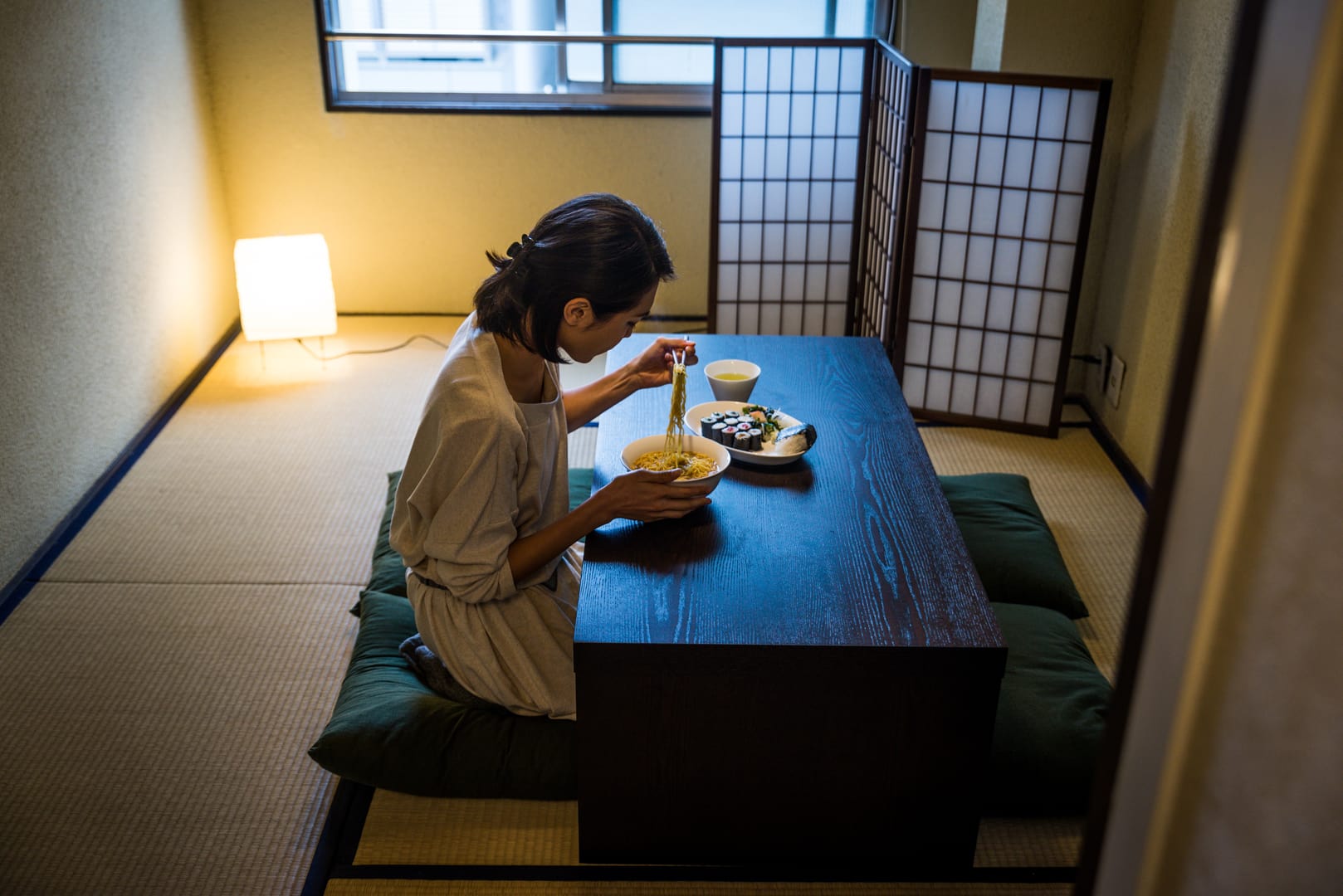
Menus may use photographs, display models, ticket machines or ordering tablets. At a ticket machine, select and pay first, then hand the ticket to the staff member. Some small shops ask you to choose the portion size before sitting down, while counter restaurants may take the order directly.
Use translation tools carefully and confirm quantities before submitting a digital order. An apparent price can refer to one piece, one skewer or an additional topping rather than the full dish. At specialist restaurants, set menus often provide the smoothest experience and let the kitchen present seasonal ingredients in a sensible sequence.
Make reservations under the exact name you will use on arrival. If plans change, cancel promptly so a small restaurant is not left holding seats and prepared ingredients.
Choose one formal meal, one market, one regional speciality and one hands on experience in each main region. Leave the rest open to local recommendations. A cooking class, brewery visit, tea experience or guided food walk can provide more context than another famous restaurant.
Book small counters, ryokan dinners and dietary requests first. Keep casual meals flexible and never schedule every hour around reservations. Hunger, transport and jet lag affect the first days more than expected.
How a Japan travel specialist plans a food journey through Japan
A strong Japan journey begins with one clear idea. Choose regions with different culinary identities, then balance formal meals with markets, neighbourhood restaurants and simple local favourites. Once that purpose is settled, choose the few places that express it best and remove stops that add more transfers than enjoyment. Japan makes fast movement possible, but an efficient rail network is not a reason to change hotels every night.
Allow time between a substantial ryokan breakfast and lunch, and avoid placing a strict dinner reservation after a weather sensitive transfer. Two or three nights in an important base gives you time for an early start, a slower meal and one unplanned discovery. Rural regions need more breathing room because local trains and buses are less frequent. Build the route around the least flexible element, such as a reserved scenic train, a seasonal festival, a small ryokan or an island ferry.
Reserve international flights, high demand accommodation and limited capacity experiences first. Then add rail reservations, luggage delivery, local guides and restaurants. The SoulTrips guide to booking an international trip in advance provides a practical timeline, while the wider collection of travel planning advice helps you organise the final details.
A specialist adds most value where transport, language or access becomes complicated. Use expert support for a countryside drive, a pilgrimage route, a formal meal, an art island programme or a family trip with several room requirements. Keep independent time in places where walking, browsing and changing your mind are part of the pleasure.
Common planning mistakes
- Treating Japanese food as one national menu rather than a regional culture.
- Telling a small restaurant about a serious allergy only after arrival.
- Booking several formal meals without enough rest or appetite between them.
- Assuming every apparently vegetable dish is vegetarian.
These are easy to correct before you travel. A focused route, sensible luggage plan and realistic daily rhythm will make Japan feel calm rather than rushed.
Practical advice for different travellers
First time visitors
Try one familiar dish, one regional speciality and one meal recommended locally in each destination. Choose accommodation close to a useful station for the first few nights, save the hotel address in Japanese and start with one neighbourhood rather than crossing a major city several times in a day.
Solo travellers
Japan is straightforward for solo travel, especially in cities and along major rail routes. Book small rural inns before arrival, share your route with someone you trust and avoid assuming that every restaurant accepts walk in diners. Counter seating, business hotels and excellent public transport make solo days easy to structure.
Families
Use department food halls, set meals and casual counters for choice, then reserve one special experience that suits the children’s attention and appetite. Apartment hotels and rooms with laundry facilities reduce daily friction. Forward large luggage between longer stays and keep one light day after a theme park, major transfer or very early start.
Older travellers and travellers with mobility concerns
Choose restaurants with accessible seating in advance because traditional floor seating, steps and compact counters can be difficult. Major stations are well equipped, but transfers can involve long corridors, stairs and busy platforms. Request station assistance when needed, choose hotels close to lifts and ask for honest walking descriptions at temples, gardens, castles and older neighbourhoods.
Travel responsibly and stay prepared
Responsible travel in Japan begins with consideration for the people sharing each place. Keep voices low on public transport, queue carefully, carry your rubbish until you find the correct bin and follow photography rules at temples, shrines, markets and residential streets. Do not block narrow lanes or private entrances for a photograph.
Order thoughtfully, reduce food waste and respect working markets. Support producers and small businesses without turning staff or kitchens into photo props. Use luggage delivery instead of taking large cases onto crowded local trains, support independent restaurants and craftspeople, and book popular sites for quieter times when possible. The SoulTrips Japan destination guide connects these practical choices with slower regional journeys.
Japan experiences earthquakes, typhoons, heavy snow, volcanic activity and periods of extreme heat. Save the official emergency information, follow transport instructions and never continue an outdoor plan against a warning. Travel insurance should cover medical care, disruption and the activities on your itinerary.
Frequently asked questions
-
What food should you try in Japan?
Try sushi, noodles, tempura and a regional set meal, then add local dishes from each prefecture. A ryokan dinner provides an excellent seasonal introduction.
-
What is kaiseki?
Kaiseki is a carefully sequenced multi course meal shaped by season, technique and presentation. It is commonly served at ryokan and specialist restaurants.
-
Is it rude to slurp noodles in Japan?
No. Slurping noodles is accepted, but you do not need to do it. Eat comfortably without making exaggerated noise.
-
Do you tip in Japanese restaurants?
No. Pay the stated total unless a specific booking says otherwise. Good service does not require a cash tip.
-
Is vegetarian food easy to find in Japan?
It is easier in major cities, but fish stock and animal ingredients can appear in dishes that look vegetarian. Confirm exact ingredients in advance.
-
How should you manage a food allergy in Japan?
Carry a Japanese allergy card, name the precise ingredients and reserve suitable restaurants. Explain cross contact needs before arrival.
-
What is a ryokan dinner like?
Expect several seasonal dishes served in a planned order, often in your room or a dining area. Arrive on time and confirm dietary needs when booking.
-
Are convenience store meals good in Japan?
They are useful for breakfast and travel days, with consistent quality and clear packaging. Balance them with local restaurants and regional food experiences.
-
Which Japanese region is best for food?
Hokkaido, Kyushu, Shikoku, Osaka, Kyoto and Tokyo all have strong food cultures. Choose the region whose dishes and landscapes interest you most.
-
Can SoulTrips plan a food focused Japan itinerary?
Yes. Use SoulTrips trip planning to combine regional dining, markets, ryokan meals and cultural experiences.
Use this Japan food guide to eat regionally
A Japan food guide becomes meaningful when you follow ingredients back to place. Mix casual meals, one carefully chosen formal experience and the dishes each region is proud to serve. Explore SoulTrips Japan journeys or contact a travel specialist to create an itinerary where food, culture and landscape belong together.