By Soul Trips · Updated on 12 October, 2026
Japan Cherry Blossom Guide: Best Places, Timing and Planning Tips
A reliable Japan cherry blossom guide begins with one truth: bloom dates change every year. The sakura season moves from warmer southern regions towards northern Japan, and peak bloom in one place can last only seven to ten days. Plan a rewarding spring journey first, then treat perfect blossoms as a beautiful addition.
Tokyo, Kyoto and Osaka often bloom around late March and early April, while Tohoku and Hokkaido extend the season later. Use the official cherry blossom forecast close to departure and explore the SoulTrips Japan destination guide for routes that remain meaningful even when nature moves early or late.
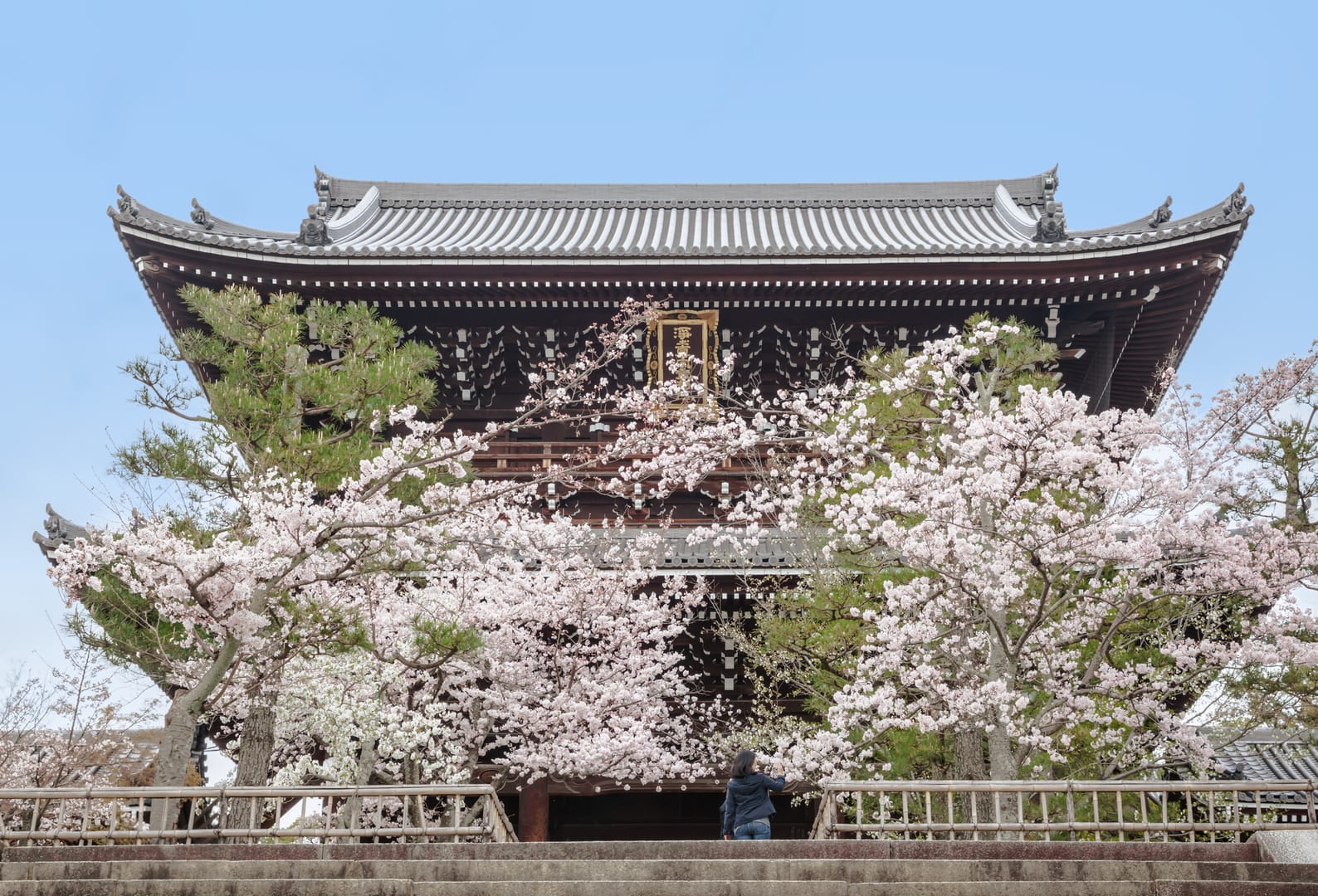
Japan cherry blossom guide at a glance
Cherry blossom timing changes with temperature, variety, altitude and location. The first opening date is not the same as full bloom, and wind or rain can shorten the display.
- Southern early varieties: from winter into early spring in selected places.
- Tokyo, Kyoto and Osaka: often late March into early April.
- Mountain and northern Honshu: commonly April.
- Hokkaido: commonly late April into early May.
- Typical peak window in one place: about seven to ten days.
- Best strategy: two blossom opportunities plus a strong cultural itinerary.
- Booking lead time: six to twelve months for preferred hotels and flights.
The SoulTrips Japan destination page includes spring journeys and regional alternatives beyond the busiest city parks.
How cherry blossom timing works
Somei Yoshino is the variety used for many headline forecasts. It opens quickly and creates the familiar pale canopy, but Japan has many other varieties with earlier, later and differently coloured flowers.
Forecasts distinguish the first bloom from full bloom. A city can announce opening when only a small number of reference tree flowers have appeared. The strongest display usually comes later.
Warm periods can advance the season, while cold spells delay it. Heavy rain and wind can shorten peak bloom. Check updates repeatedly during the weeks before departure, then adjust day trips rather than rebuilding the entire journey.
Best cherry blossom places in Tokyo
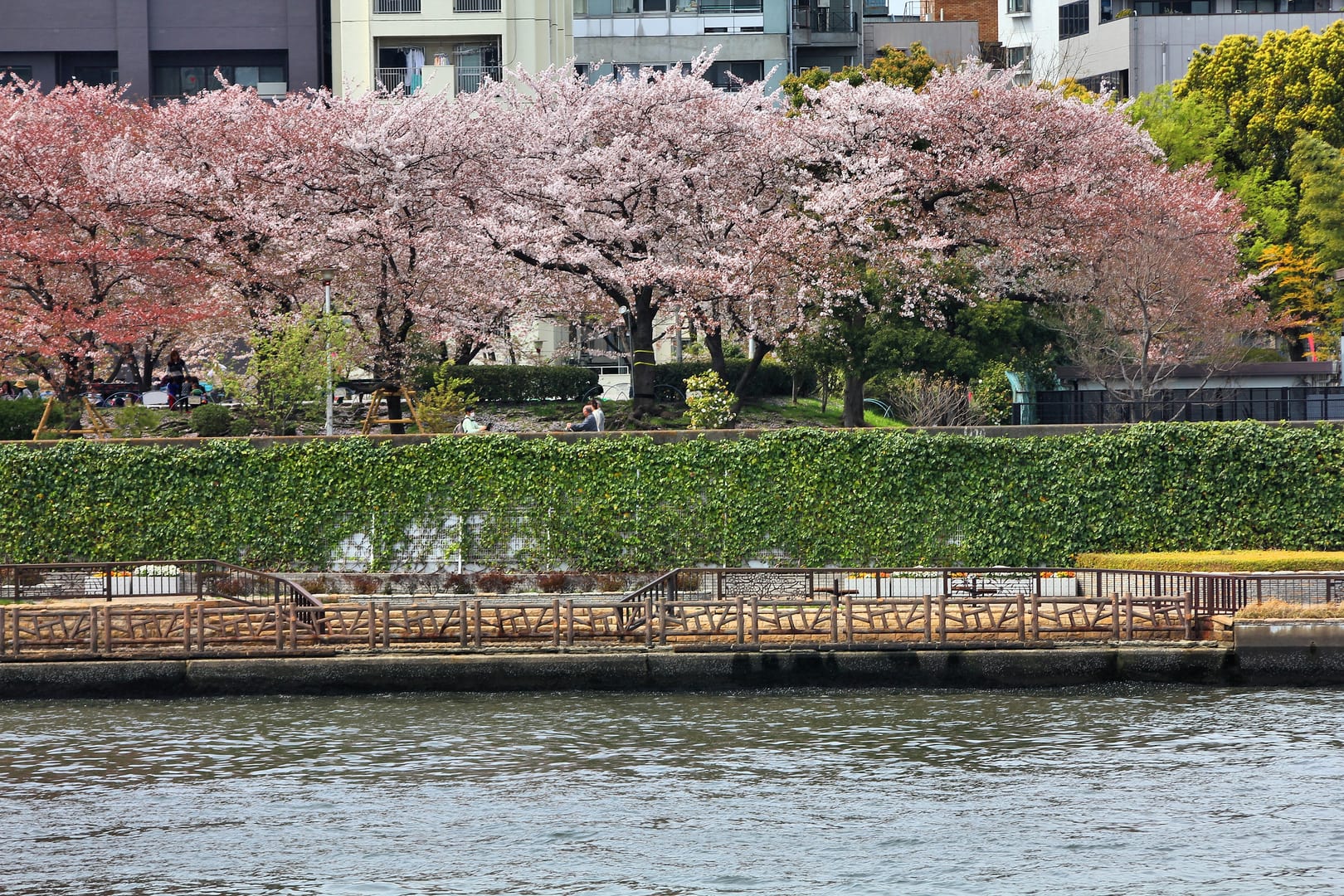
Ueno Park offers a lively classic hanami atmosphere and large crowds. Shinjuku Gyoen has several varieties and a more garden focused experience, though entry rules and reservations can apply. Chidorigafuchi combines blossoms with the palace moat, while the Meguro River creates an urban evening scene.
Choose one or two sites that suit your style. Visit early in the morning for space, then explore the surrounding neighbourhood. Do not spend the whole trip travelling between crowded parks that offer similar views.
Tokyo also works as a base for later or higher blossoms around the Mount Fuji area, subject to weather. The SoulTrips Mount Fuji family journey adds lakes, countryside and a slower pace to the spring route.
Best cherry blossom places in Kyoto
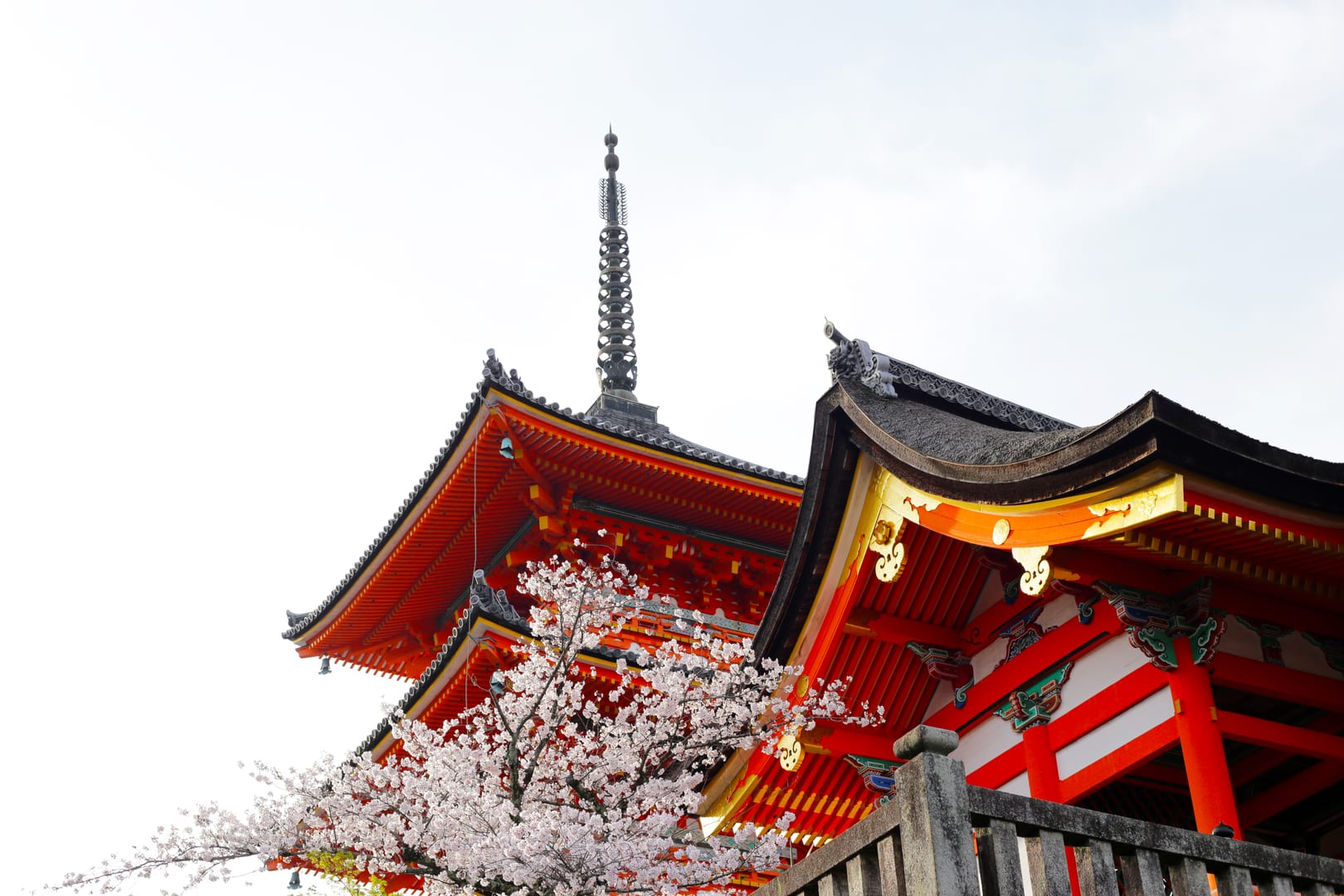
The Philosopher's Path, Maruyama Park, the Kamo River and temple gardens are well known. Famous places become extremely crowded, so begin early and include less central districts.
Kyoto's strength lies in the relationship between blossoms, gardens, architecture and ritual. A local guide can help you understand the setting rather than moving from tree to tree.
Respect photography restrictions and residential lanes. Do not enter private property, block narrow streets or photograph residents without permission. Spring beauty does not remove the city's everyday life.
Osaka, Nara and Himeji
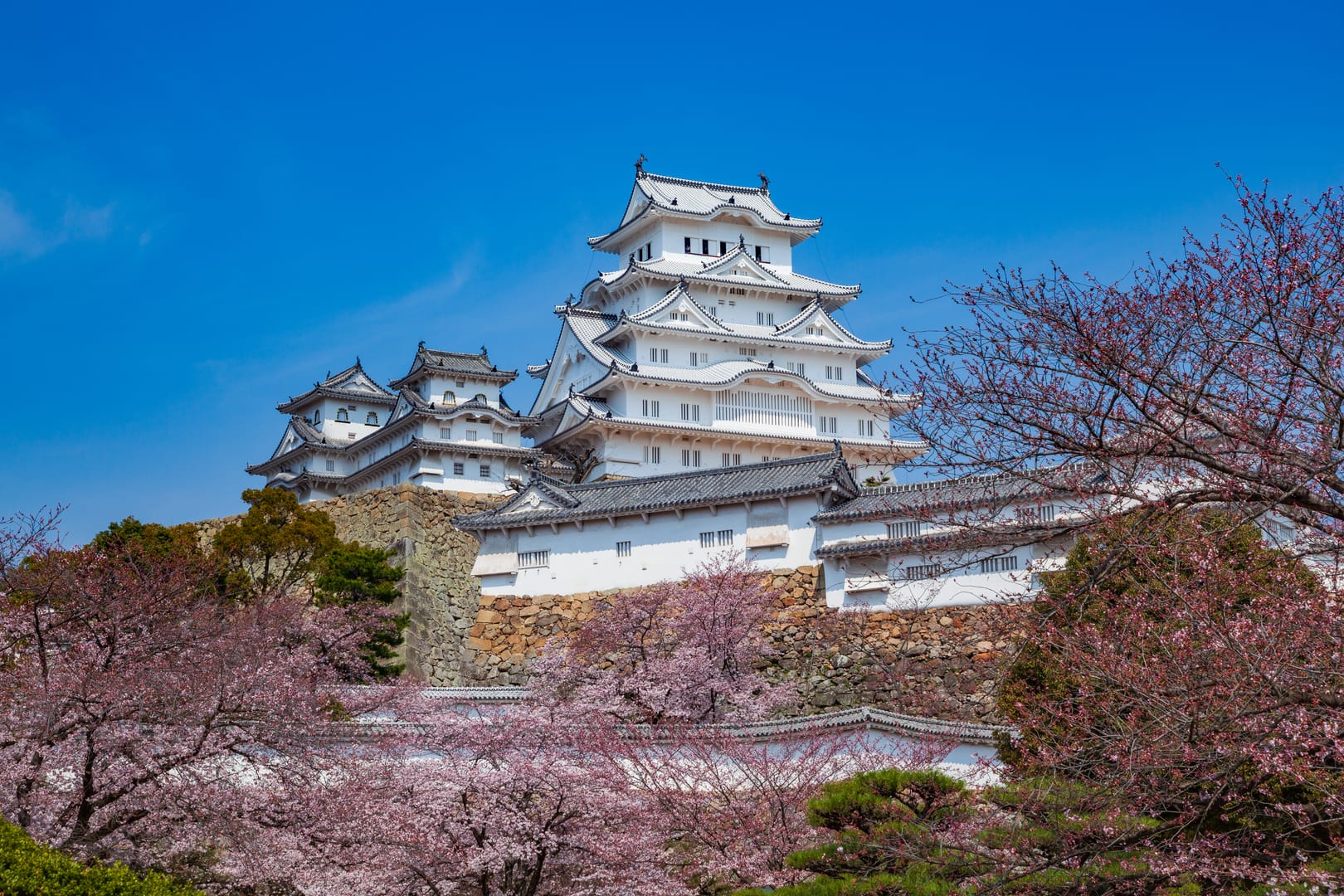
Osaka Castle Park and Kema Sakuranomiya Park provide large displays, while Nara combines blossoms with temple landscapes. Himeji Castle creates one of the most recognised spring scenes in Japan.
Use Osaka as a transport base when hotel availability in Kyoto is tight. Travel early and reserve limited trains when domestic holiday demand overlaps with the trip.
The region also offers food and evening energy after a blossom day. Browse the SoulTrips Osaka festival guide for a wider sense of the city's seasonal culture.
Mount Yoshino and mountain blossoms
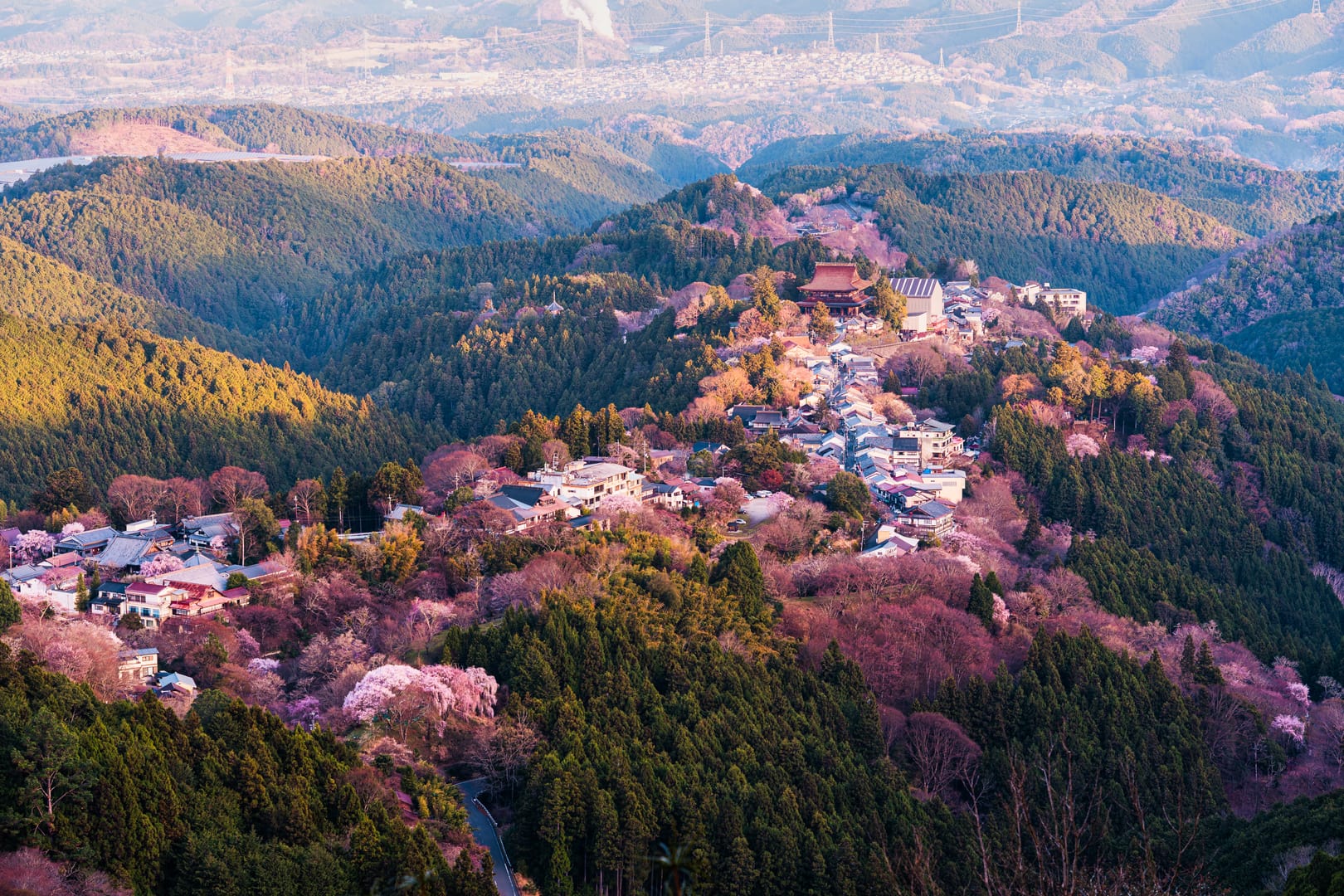
Mount Yoshino in Nara Prefecture is famous for thousands of trees across different elevations. The layered slopes can extend the viewing period, but transport and walking need preparation.
Stay nearby or begin very early. Wear proper shoes, expect hills and choose a route that matches your mobility. Traffic and buses become crowded during peak periods.
Higher elevations around Japan can provide a later opportunity after lowland trees have finished. Access conditions and local forecasts matter more than a general national calendar.
Hirosaki and northern Japan
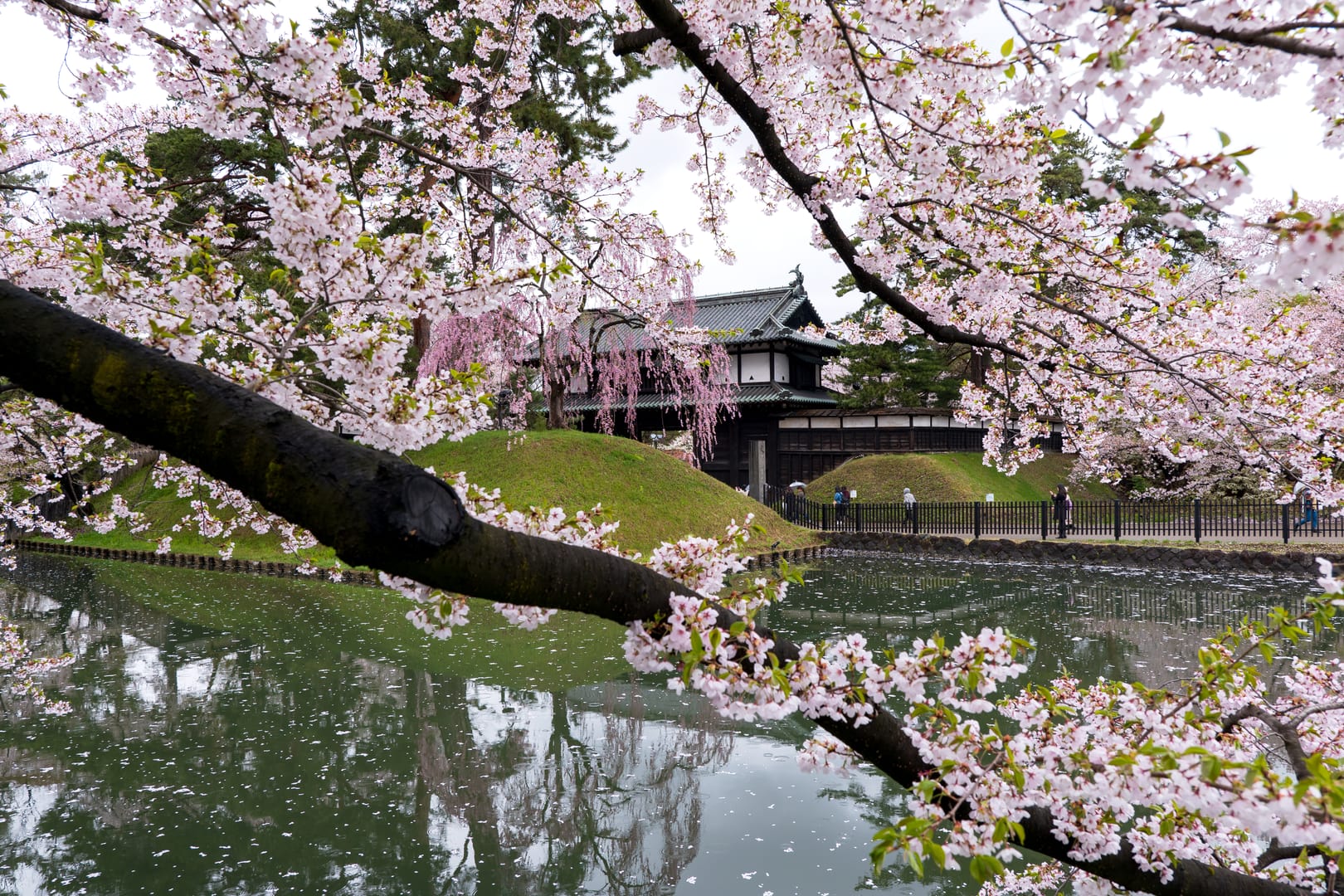
Hirosaki Park in Aomori is known for castle grounds, many trees and petal filled moats. Northern Honshu blooms later than Tokyo and Kyoto, which makes it useful for travellers with April dates.
The journey from Tokyo is substantial, so give Tohoku several nights. Add regional food, landscapes and another cultural stop instead of flying in for one photograph.
Cooler weather requires warm layers. Spring in northern Japan can feel wintery compared with central cities.
Hokkaido cherry blossoms
Hokkaido usually blooms later, often from late April into early May. Goryokaku in Hakodate is a famous star shaped fort setting, while Sapporo and other areas offer their own displays.
Hokkaido is a full regional journey, not a simple Tokyo day trip. Allow at least five days and choose one area. The SoulTrips Hokkaido campervan adventure works later in the green season, while a spring self drive needs careful weather and road planning.
Shikoku and Kyushu blossoms
Shikoku and Kyushu provide earlier spring opportunities, castle settings and regional parks. Matsuyama Castle, rural temple routes and Kyushu mountain areas can complement the famous city season.
The SoulTrips Ehime journey adds castle towns, Dogo Onsen and coastal travel. In Kyushu, build the route around food, onsen and landscapes, then use the current forecast to locate the best blooms.
Hanami etiquette
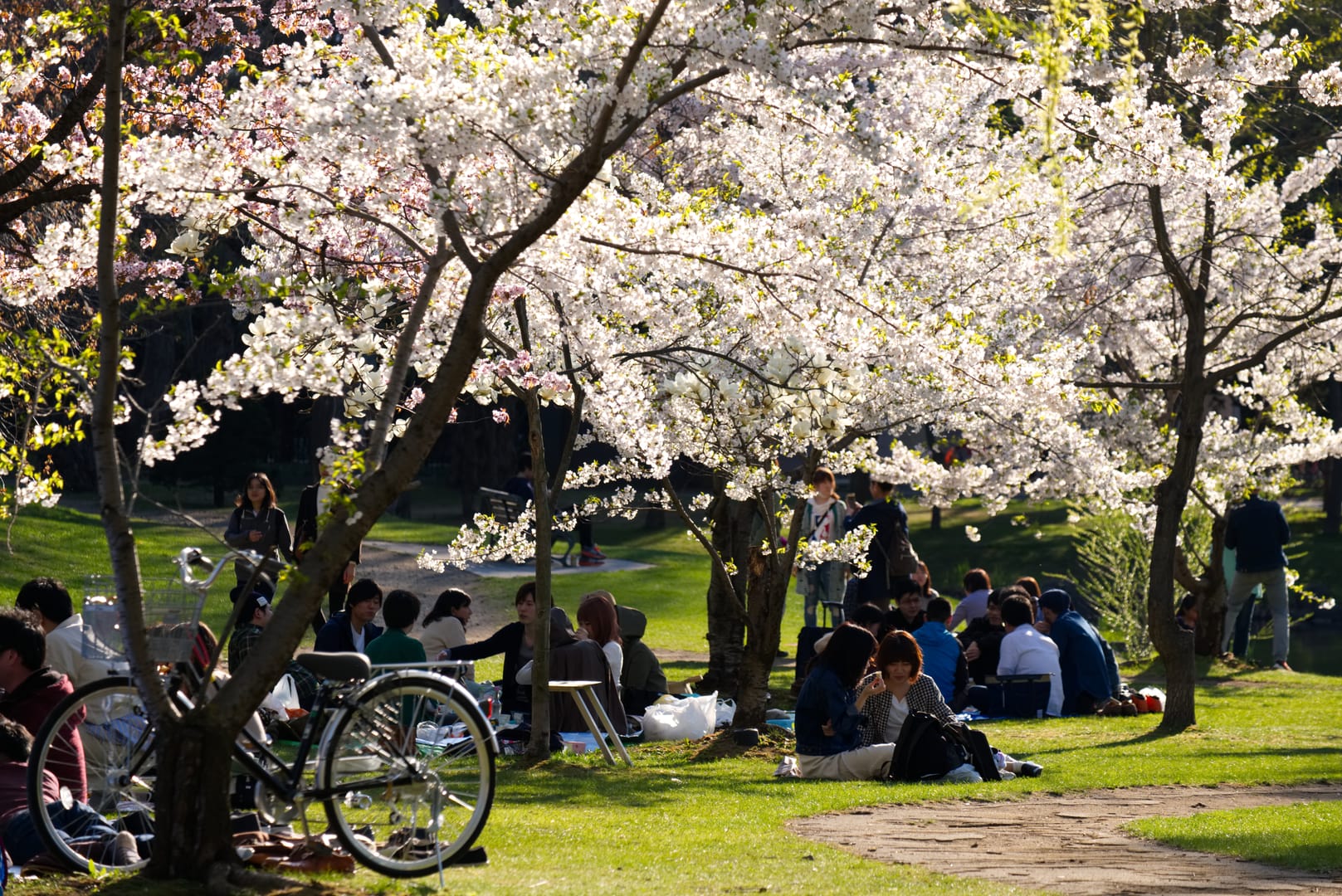
Hanami means flower viewing and often includes a picnic. Use only permitted areas, protect tree roots and never shake or pull branches. Take all rubbish away and keep noise within local expectations.
Do not reserve excessive space or block a path. Alcohol rules differ by park and event. Follow signs, use toilets responsibly and respect the people who maintain the site.
Photography should not damage the experience for others. Avoid tripods in crowded places, do not climb barriers and never step into planted areas for a better angle.
How to book a blossom trip
Reserve international flights, preferred hotels and special ryokan six to twelve months ahead. You will book before an accurate forecast exists, so choose flexible cancellation terms where possible.
Use two or three bases across a modest geographic range. Tokyo with Mount Fuji, Kyoto with Nara, or Osaka with Himeji creates options without excessive transfers. A longer northbound journey can follow the season, but it needs more time and budget.
Book key restaurants and popular attractions separately. Blossom crowds affect the whole city, not only parks. Luggage delivery and central hotels reduce the strain.
Build a good trip beyond the blossoms
Pair the season with temples, food, craft, onsen and neighbourhoods. If flowers arrive early, a tea experience, garden, museum or regional meal still belongs to spring.
Avoid promising children or companions one exact view. Nature changes. A flexible mindset protects the holiday from disappointment and creates room for unexpected varieties, plum blossoms or late mountain colour.
The SoulTrips onsen guide offers an excellent spring complement, especially when cool evenings remain.
What to wear and carry during blossom season
Spring temperatures change through the day. Wear layers, bring a light waterproof jacket and choose shoes that remain comfortable after several hours in parks and temple grounds. Northern Japan and mountain areas need a warmer outer layer than Tokyo or Kyoto.
Carry a compact power bank, water and a small bag for rubbish. A lightweight camera setup is easier in crowds than a large tripod, which many popular sites restrict. Keep one free layer in your day bag for evening illuminations, when temperatures can fall quickly after sunset.
How a Japan travel specialist plans a cherry blossom journey in Japan
A strong Japan journey begins with one clear idea. Choose a spring route with cultural depth, then create more than one blossom opportunity across nearby locations or elevations. Once that purpose is settled, choose the few places that express it best and remove stops that add more transfers than enjoyment. Japan makes fast movement possible, but an efficient rail network is not a reason to change hotels every night.
Begin famous parks early, keep afternoons flexible and avoid crossing a city several times to chase similar scenes. Two or three nights in an important base gives you time for an early start, a slower meal and one unplanned discovery. Rural regions need more breathing room because local trains and buses are less frequent. Build the route around the least flexible element, such as a reserved scenic train, a seasonal festival, a small ryokan or an island ferry.
Reserve international flights, high demand accommodation and limited capacity experiences first. Then add rail reservations, luggage delivery, local guides and restaurants. The SoulTrips guide to booking an international trip in advance provides a practical timeline, while the wider collection of travel planning advice helps you organise the final details.
A specialist adds most value where transport, language or access becomes complicated. Use expert support for a countryside drive, a pilgrimage route, a formal meal, an art island programme or a family trip with several room requirements. Keep independent time in places where walking, browsing and changing your mind are part of the pleasure.
Common planning mistakes
- Booking around one predicted peak date many months ahead.
- Trying to see Tokyo, Kyoto and northern Japan in a short blossom week.
- Ignoring domestic crowds around Golden Week.
- Damaging trees, blocking paths or entering private lanes for photographs.
These are easy to correct before you travel. A focused route, sensible luggage plan and realistic daily rhythm will make Japan feel calm rather than rushed.
Practical advice for different travellers
First time visitors
Choose Tokyo or Kansai as the main spring base, then add one nearby later or higher blossom option. Choose accommodation close to a useful station for the first few nights, save the hotel address in Japanese and start with one neighbourhood rather than crossing a major city several times in a day.
Solo travellers
Japan is straightforward for solo travel, especially in cities and along major rail routes. Book small rural inns before arrival, share your route with someone you trust and avoid assuming that every restaurant accepts walk in diners. Counter seating, business hotels and excellent public transport make solo days easy to structure.
Families
Use parks with toilets, food and open space, and avoid long queues at midday. Apartment hotels and rooms with laundry facilities reduce daily friction. Forward large luggage between longer stays and keep one light day after a theme park, major transfer or very early start.
Older travellers and travellers with mobility concerns
Research slopes, gravel, steps and park access, then choose central hotels and early visits before paths become crowded. Major stations are well equipped, but transfers can involve long corridors, stairs and busy platforms. Request station assistance when needed, choose hotels close to lifts and ask for honest walking descriptions at temples, gardens, castles and older neighbourhoods.
Travel responsibly and stay prepared
Responsible travel in Japan begins with consideration for the people sharing each place. Keep voices low on public transport, queue carefully, carry your rubbish until you find the correct bin and follow photography rules at temples, shrines, markets and residential streets. Do not block narrow lanes or private entrances for a photograph.
Protect roots and branches, take rubbish away, follow picnic rules and treat residential blossom streets as neighbourhoods rather than attractions. Use luggage delivery instead of taking large cases onto crowded local trains, support independent restaurants and craftspeople, and book popular sites for quieter times when possible. The SoulTrips Japan destination guide connects these practical choices with slower regional journeys.
Japan experiences earthquakes, typhoons, heavy snow, volcanic activity and periods of extreme heat. Save the official emergency information, follow transport instructions and never continue an outdoor plan against a warning. Travel insurance should cover medical care, disruption and the activities on your itinerary.
Frequently asked questions
-
When is cherry blossom season in Japan?
The season moves north from warmer areas into Hokkaido. Tokyo, Kyoto and Osaka often bloom around late March and early April, while northern areas bloom later.
-
How long do cherry blossoms last?
Peak bloom in one place often lasts about seven to ten days. Wind, rain and temperature can shorten or extend the display.
-
When should you book a cherry blossom trip?
Book flights and key hotels six to twelve months ahead. Accurate forecasts appear much closer to spring, so choose a good route with flexible details.
-
Where is the best place to see cherry blossoms?
Tokyo and Kyoto offer famous city scenes, Himeji adds a castle setting, Yoshino offers mountain slopes, and Hirosaki or Hokkaido extends the season north.
-
Can you rely on a cherry blossom forecast?
Use it as a current planning tool, not a guarantee. Check updates close to departure and adjust day trips around the actual progress.
-
Is Kyoto too crowded during cherry blossom season?
Kyoto is very busy, but early starts and quieter districts improve the experience. Stay several nights and avoid crossing the city repeatedly.
-
What is hanami etiquette?
Use permitted picnic areas, protect trees and roots, keep noise considerate and remove all rubbish. Follow local rules on alcohol and photography.
-
What happens if blossoms arrive early?
A well designed spring trip still offers gardens, temples, food, craft and onsen. Look for later varieties or higher elevation locations without rebuilding the entire route.
-
Is Hokkaido good for cherry blossoms?
Yes. Hokkaido blooms later and can extend the season into late April and early May. Treat it as a separate regional trip.
-
Can SoulTrips plan a spring Japan journey?
Yes. Use SoulTrips Japan planning to combine flexible blossom opportunities with culture, accommodation and transport.
Plan a Japan cherry blossom journey with flexibility
The best Japan cherry blossom guide cannot promise one perfect date. It can help you choose a resilient route, follow current forecasts and appreciate the season without placing the entire holiday on one tree. Explore SoulTrips Japan journeys or contact a travel specialist to plan spring with care.