By Soul Trips · Updated on 18 September, 2026
Bhutan Trip Cost from Singapore: How Much Does a Journey Cost?
A realistic Bhutan trip cost from Singapore depends on four big choices: how long you stay, the season, your hotel standard and the style of journey you prefer. Bhutan is not usually a spontaneous budget destination. It rewards thoughtful planning, and much of the value comes from private transport, an accredited guide, carefully paced days and access to a culture that protects its heritage.
The most useful way to budget is to separate fixed government charges from variable travel costs. At the time of writing, the official Bhutan visa guidance states that most international visitors pay a visa application fee of US$40. The official Bhutan travel FAQs list the Sustainable Development Fee, known as the SDF, at US$100 per adult per night, with a reduced rate for children aged six to under twelve and an exemption for children under six. Check the official pages again before paying because policies can change.
Flights, hotels, meals, guides and ground transport sit on top of those charges. A well designed package often bundles many of them, which makes the total easier to understand. This guide shows you how the pieces fit together and how to compare offers fairly.
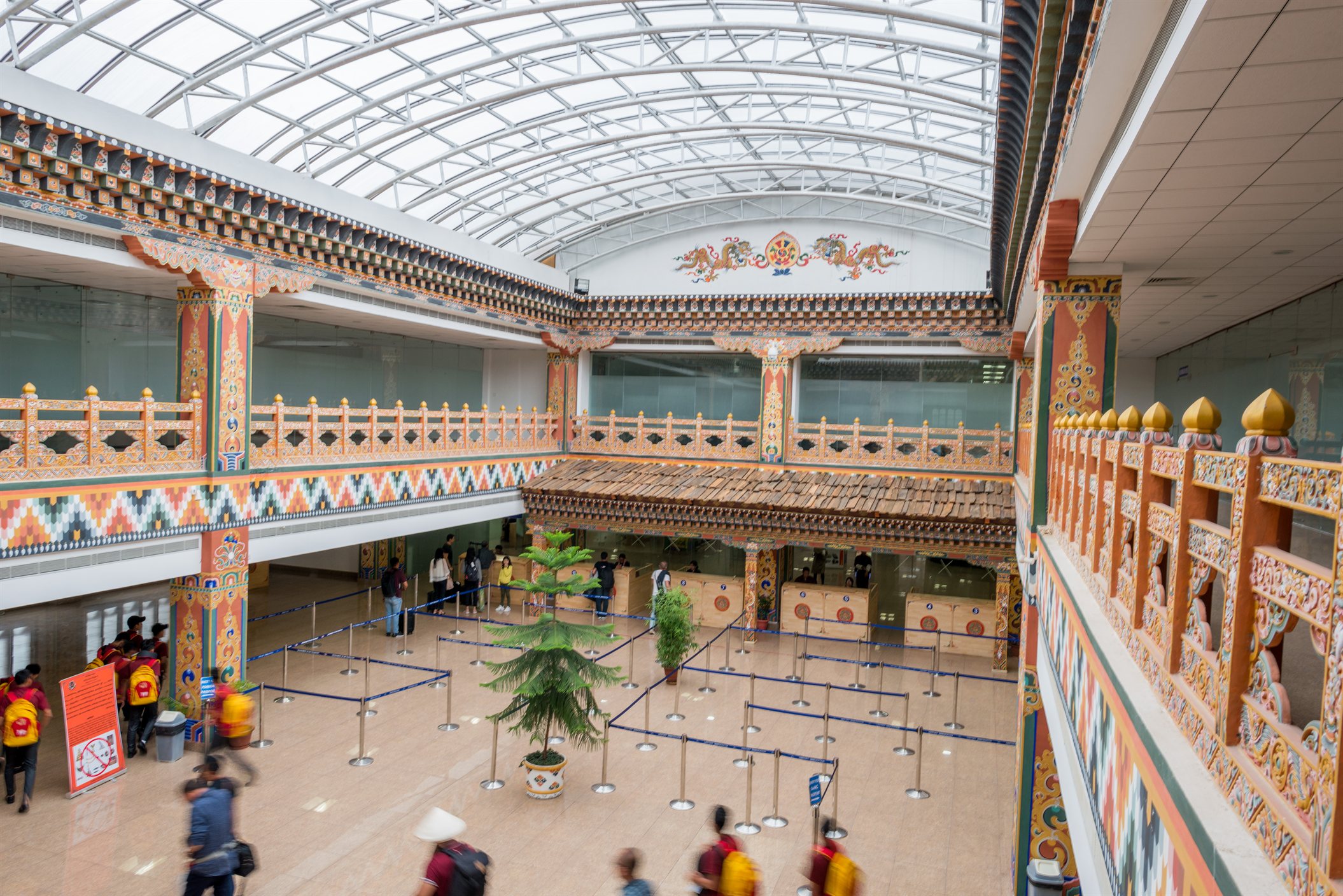
Bhutan trip cost from Singapore at a glance
There is no single correct price for Bhutan. A seven day cultural holiday can range from a comfortable private journey to a highly polished luxury retreat. Use the following framework rather than treating any one package price as universal.
- Visa application fee: currently US$40 for most international visitors.
- Sustainable Development Fee: currently US$100 per adult per night.
- Return flights: variable by route, travel month, fare class and booking date.
- Accommodation: from certified simple hotels to secluded luxury lodges.
- Guide and driver: normally priced into an organised private journey.
- Meals: sometimes fully included, sometimes breakfast only.
- Monument fees and activities: inclusion varies by itinerary.
- Travel insurance, tips and personal spending: usually separate.
For a quick starting point, look at the published price and inclusions on SoulTrips Bhutan tours. These are more useful than a generic daily figure because the route, hotel category, flights and experiences can materially change the final amount.
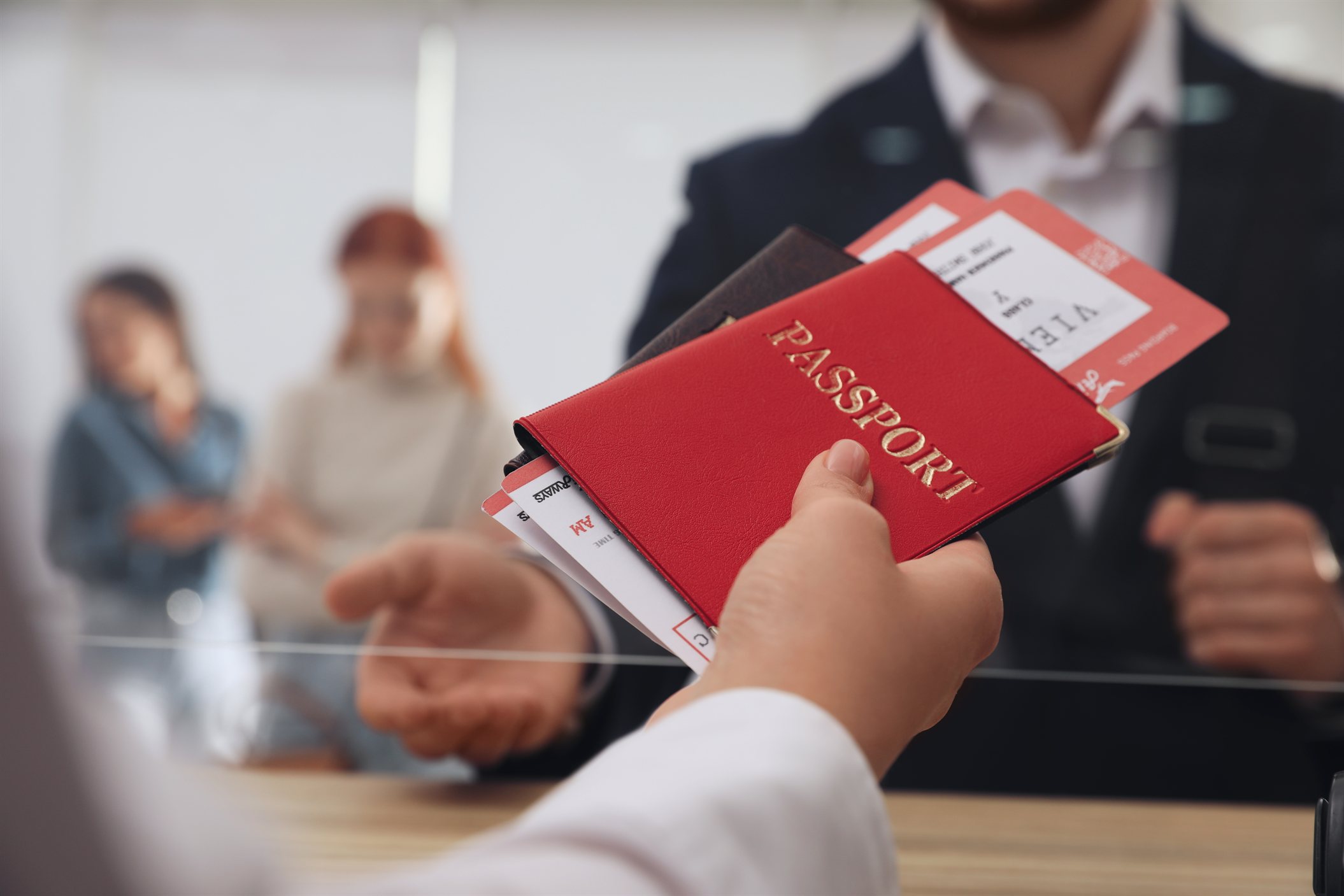
The fixed government costs
Sustainable Development Fee
The SDF is the largest fixed charge for many visitors. At the current adult rate, a six night stay creates an SDF cost of US$600 per adult. An eight night stay creates an SDF cost of US$800. The fee is calculated by nights, so count the nights in Bhutan rather than the calendar days shown in a tour title.
Bhutan explains that the SDF supports national development, conservation, infrastructure and cultural preservation. It is not the same as a tour payment, hotel bill or monument ticket. When you compare quotes, confirm that the SDF appears as a clear line item or is explicitly included in the total.
Children receive concessions under the current rules. Families should provide exact ages at the time of travel because the rate is based on age and because airlines and hotels may use different child policies.
Visa application fee
Most visitors need a visa before arrival. The current application fee is US$40 per person. It can take up to five working days once a complete application is submitted, although planning earlier is sensible.
Flights from Singapore to Bhutan
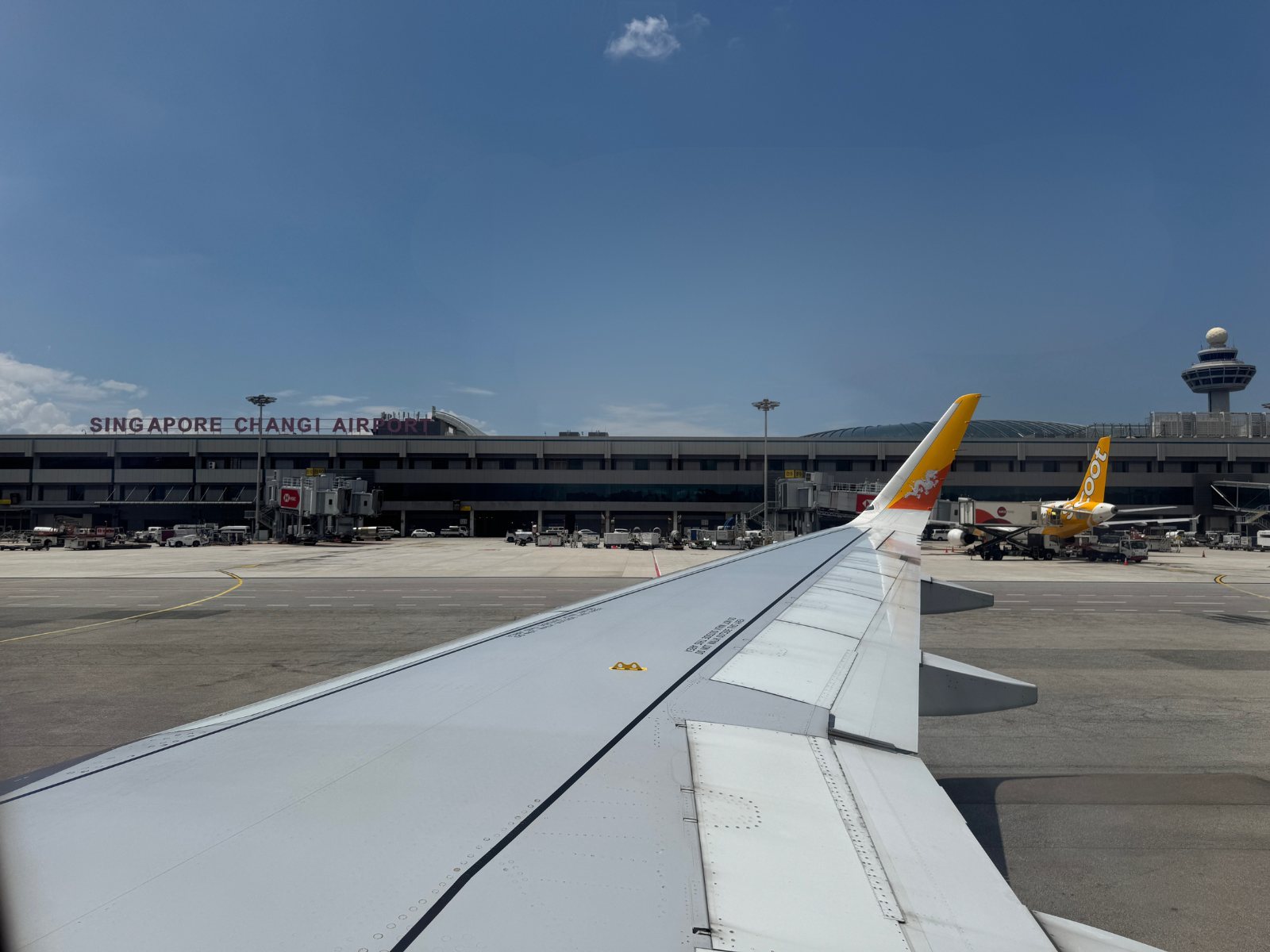
There are generally no assumptions you should make about a permanent direct schedule. Most Singapore travellers reach Bhutan through a regional gateway served by Bhutanese carriers. Common connections may involve Bangkok, Delhi, Kolkata, Kathmandu or another city, depending on the current timetable and the ticket issued.
Airfares move with demand and availability. Festival periods and the popular spring and autumn months can sell quickly. A route that looks cheaper may also require an overnight stop, an additional visa or more baggage handling. Compare the complete journey, not just the first fare shown.
When reviewing flight costs, check:
- the total return fare and taxes
- checked baggage allowance for every sector
- connection time and any overnight hotel
- transit or entry requirements at the gateway
- change and cancellation conditions
- protection if separate tickets are used
The official Bhutan visit information explains the available air gateways and notes that mountain weather can affect operations. Keep a sensible buffer before an important commitment at home. A flexible final night or changeable onward ticket can be worth more than a small saving.
Some SoulTrips itineraries include selected international sectors in the published package. Read the inclusions closely on options such as the Essential Bhutan Cultural Journey and confirm the exact departure city, airline, fare conditions and taxes for your dates.
Accommodation and hotel costs
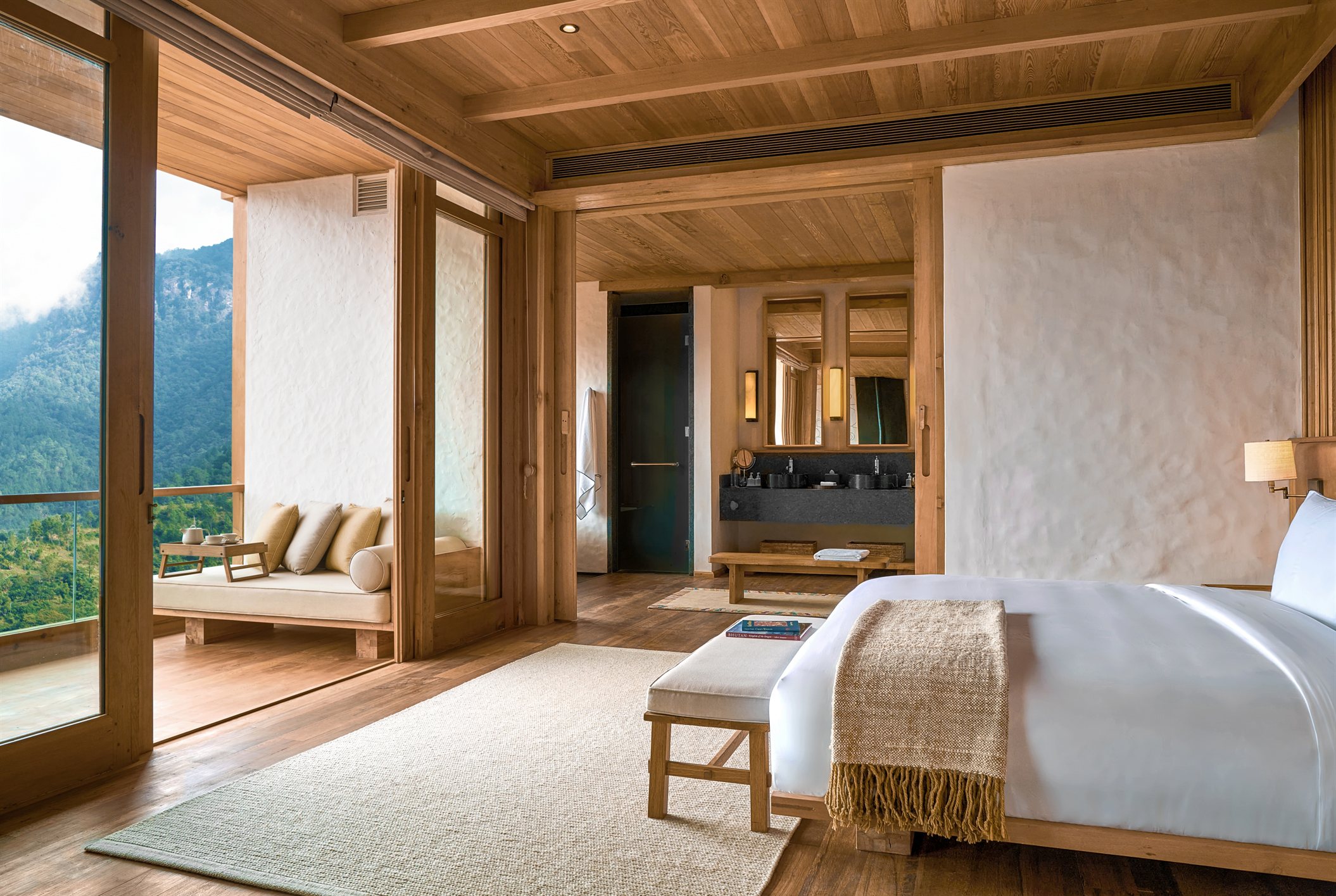
Visitors should stay in accommodation approved for tourists. The Department of Tourism maintains a certified hotel directory, and its guide to homestays and hotels describes the range from local stays to luxury resorts.
Your hotel choice is one of the strongest variables in the budget. A practical three star hotel offers a clean base and often places more emphasis on the day’s touring. Four star properties generally add space, stronger dining and more refined service. Luxury lodges can transform the stay with spa treatments, private experiences, exceptional settings and highly personalised hosting.
Do not compare hotels by star label alone. Location affects driving time, and a beautiful remote lodge may require a longer transfer. A lower nightly price outside town can be poor value if it shortens your sightseeing or adds transport. Ask for the exact hotel names or a clearly defined category before confirming.
For an elevated benchmark, compare the style of the Luxury and Soulful Retreat in Bhutan, the COMO Uma Paro and Punakha journey and the Himalayan Luxury Journey at Taj Resorts. Their current published prices and inclusions may change, so use the live tour page for comparison rather than copying an old figure.
Guides, drivers and private transport
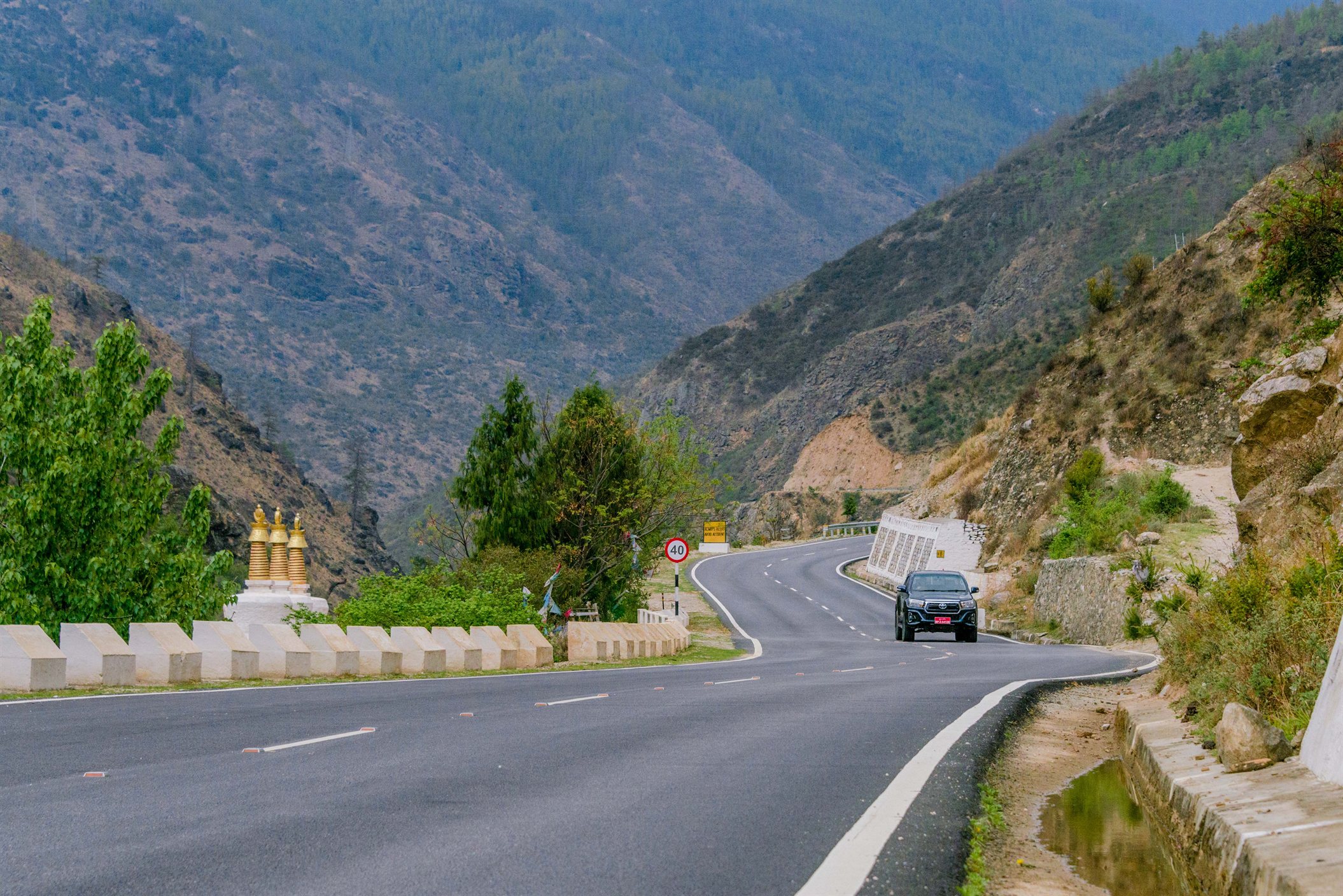
Bhutan’s current visitor guidance states that a guide is required in key situations, and all treks must be undertaken with an accredited guide or operator. In practice, a dedicated guide and driver also make a cultural circuit much easier. They manage checkpoints, monument access, road timing, local interpretation and changes caused by weather.
A private vehicle costs more than joining a large group, but it adds real value on winding mountain roads. You can pause at viewpoints, adjust the pace and spend longer in places that interest you. The vehicle type should suit the party size and luggage. Ask if airport transfers, fuel, parking and the guide’s and driver’s expenses are included.
Meals and drinks
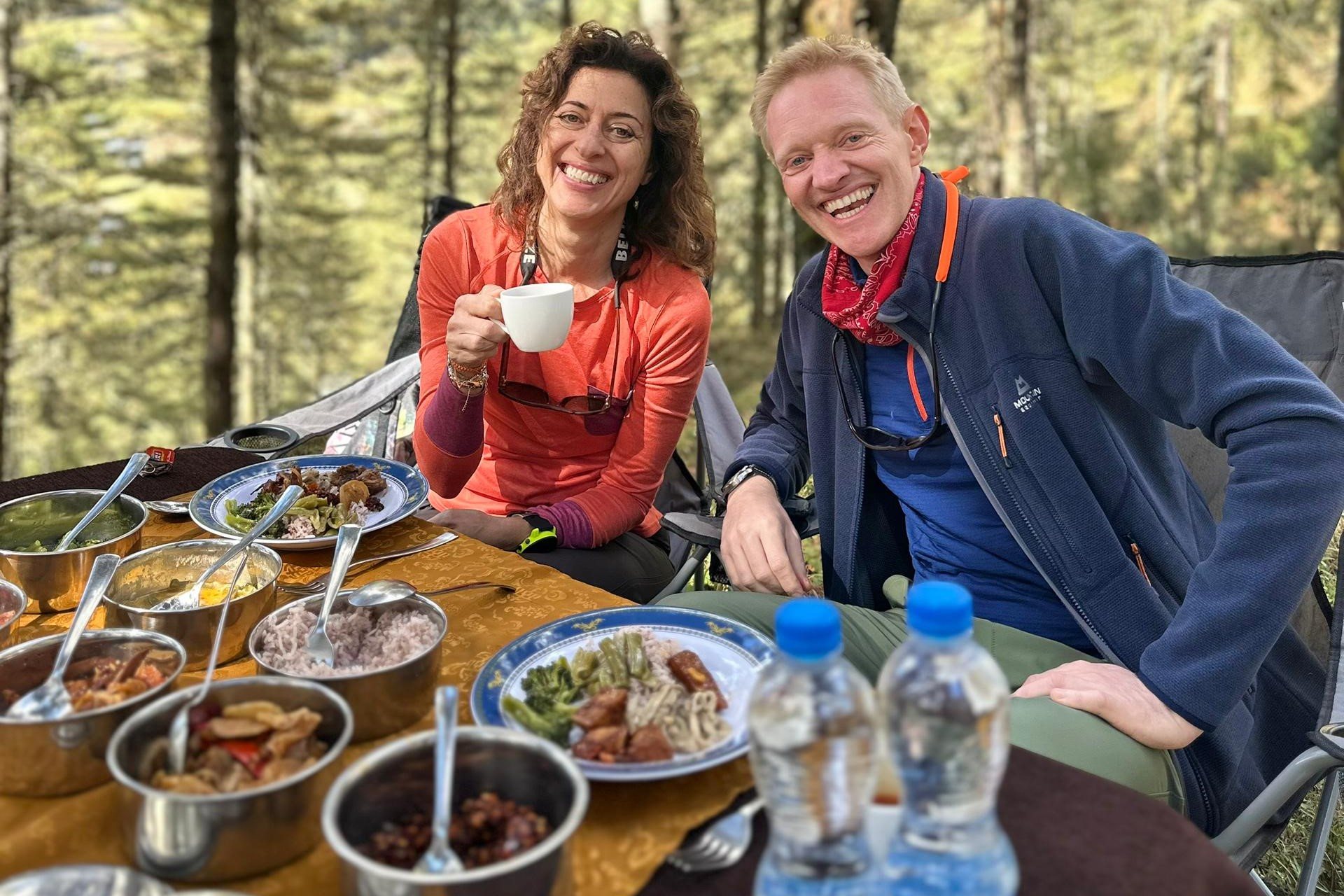
Many Bhutan packages include three meals a day, while some luxury programmes include breakfast and selected dining experiences. A cheaper headline price may become less attractive once lunches and dinners are added.
Hotel buffets and set menus are common on touring routes. Independent cafés and restaurants in Paro and Thimphu add variety. Local meals are usually modest compared with luxury hotel dining, but imported wine, spirits and speciality ingredients can raise the bill quickly.
Check these details:
- number of included breakfasts, lunches and dinners
- drinks included with meals
- supplements at luxury properties
- dietary requirements and advance notice
- packed meals on long driving or hiking days
The Bhutan food guide can help you plan what to try, from ema datshi to momos and red rice.
Monument fees and experiences
Dzongs, museums and sacred sites may charge entry fees. Tiger’s Nest is often a central cost and planning point. Hot stone baths, archery, craft workshops, farm visits, rafting and specialist cultural activities may also be separate.
Ask for a day by day inclusion list. The phrase sightseeing included does not always mean every ticket is included. A good quote should state what is covered and identify optional experiences before you travel.
The Bhutan Adventure and Culture Journey is a useful example of how active experiences can be woven into a cultural itinerary. For a longer route, the Bhutan Discovery Journey shows how extra nights and valleys affect the overall scope.
Sample budgets by travel style
These examples are planning frameworks, not quotations. Airfares, hotel rates and package prices change, and the total should be confirmed for your exact travel dates.
Comfortable cultural journey
A comfortable private trip normally combines certified three or four star hotels, a private guide and driver, most meals, major sightseeing and a well paced Paro, Thimphu and Punakha route. Add the current visa fee and SDF, then confirm if international flights and monument fees are included.
This is often the best value for a first visit. You spend on expert logistics and meaningful experiences rather than elaborate resort facilities. The Essential Bhutan Culture and Short Hikes tour gives a useful live reference for this style.
Premium private journey
A premium plan may use stronger four star hotels or an appealing mix of local and luxury properties. It can include private meals, more spacious vehicles, special access, a hot stone bath or curated craft experiences. This middle ground suits travellers who value comfort but plan to be out exploring most days.
Luxury retreat
Luxury prices reflect more than the room. They may include remote lodge settings, spa facilities, refined dining, private hosts and beautifully designed experiences. A short luxury stay can cost more than a longer comfortable circuit, so decide if the resort itself is part of your reason for travelling.
The five day luxury Bhutan escape shows how a concise itinerary can prioritise premium accommodation without adding many nights.
Hidden or easily missed costs
The following items are commonly overlooked:
- gateway hotel and transfers during an overnight connection
- travel insurance with suitable medical and disruption cover
- passport photos or document preparation
- optional monument and museum tickets
- laundry and spa treatments
- alcoholic drinks and imported beverages
- guide and driver gratuities
- souvenirs and craft purchases
- card charges, bank fees and currency conversion
- changes caused by delayed flights or weather
Build a contingency rather than budgeting to the final dollar. Bhutan’s roads and mountain flights are part of its character, but they can also require patience and flexibility.
How to compare Bhutan tour quotes fairly
Put each quote into the same categories. Start with travel dates and number of nights. Then compare flights, SDF, visa, named hotels, room type, meals, guide, vehicle, tickets and activities. A quote that is several hundred dollars higher may include a flight, better hotel, more meals or a private vehicle that the cheaper one omits.
Ask these questions:
- Is the price per person and based on how many travellers?
- Is the SDF included for every night?
- Are the visa fee and processing support included?
- Which flight sectors and fare class are covered?
- Are hotel names confirmed or only examples?
- Is the room shared, single or family configured?
- Are all meals and monument fees included?
- Is the guide private to the party?
- What are the deposit, change and cancellation terms?
- Which costs must be paid locally?
You can also review how far in advance to book an international trip before committing to popular travel months.
Ways to manage the cost without weakening the trip
Travel outside the busiest spring and autumn festival weeks if your schedule allows. Choose reliable comfortable hotels for most nights, then add one or two luxury nights where the setting matters. Keep the classic western circuit compact rather than adding long drives for the sake of ticking off another valley.
Book as a couple or small private party because guide and vehicle costs can be shared. Select experiences that deepen your understanding, such as a farm visit or craft workshop, rather than paying for every optional extra. Most importantly, compare complete inclusions.
Saving money should not mean rushing. A very short trip can leave you tired after the flights and mountain roads. The Magical Bhutan Journey can work for limited leave, but seven days usually gives first time visitors more breathing room.
Payment and money in Bhutan
The Bhutanese ngultrum is used locally and is linked to the Indian rupee at parity. Cards are increasingly accepted in hotels and larger businesses, but cash remains useful for smaller purchases and rural stops.
Bring more than one payment method. Tell your bank you are travelling and understand its foreign currency fees. Do not depend on one card or one ATM, particularly outside Paro and Thimphu.
Is Bhutan worth the cost?
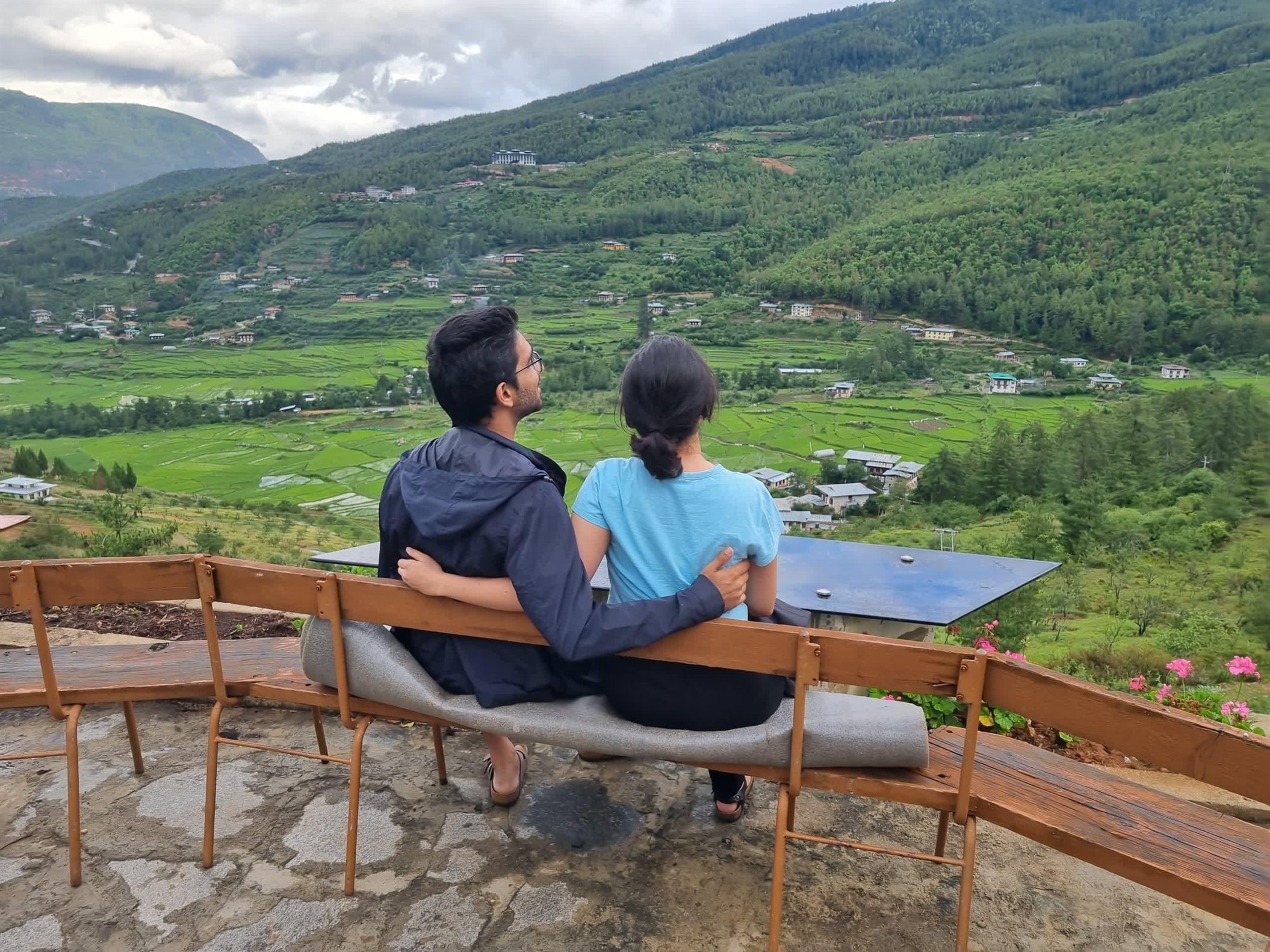
Bhutan is good value for travellers who care about cultural depth, calm pacing, natural beauty and expert local guidance. It is less suitable if your main goal is the lowest possible daily price or an entirely independent backpacking trip.
The SDF makes the price visible, but it also forces a useful question: what do you want from the journey? A thoughtful itinerary can give you time in monasteries, conversations with local hosts, gentle walks, mountain views and unhurried evenings. Those moments often matter more than adding another hotel category or attraction.
Read Returning to Bhutan: Finding Peace in the Ordinary for a sense of the experience beyond the numbers.
Frequently asked questions
-
How much is the Bhutan Sustainable Development Fee?
The SDF is currently at US$100 per adult per night. Children aged six to under twelve receive a reduced rate, and children under six are exempt under the current policy. Verify the rate before booking.
-
Do Singapore citizens need a visa for Bhutan?
Singapore passport holders should check the official Bhutan visa page for the current rule that applies to their trip. Most international visitors arrange a visa before travel and pay the current US$40 application fee.
-
Are flights from Singapore included in Bhutan tour prices?
It depends on the tour. Some packages include selected return sectors, while others begin on arrival in Bhutan. Confirm the departure city, airline, taxes, baggage and fare conditions in writing.
-
Is the SDF included in a package quote?
Often it is, but never assume. The quote should state the SDF amount, number of nights and traveller ages clearly. If it is absent, add it before comparing totals.
-
How many days should I budget for?
Seven days is a comfortable first visit for Paro, Thimphu and Punakha. Five days can work with a focused route, while ten days allows more valleys and slower travel. Remember that the SDF is charged per night.
-
Is Bhutan expensive once I arrive?
Many organised journeys include hotels, transport, guides and meals, so daily spending can be modest. Luxury dining, drinks, spa treatments, optional activities and crafts can increase the total.
-
Should I carry cash in Bhutan?
Yes, carry some local cash for small shops, tips and rural purchases. Cards are useful in larger establishments, but acceptance and connections can vary. Bring a backup card as well.
-
When is Bhutan cheapest to visit?
Quieter winter and summer periods may offer better hotel value, though conditions differ by valley and altitude. Festival weeks and popular spring and autumn dates often have stronger demand. Compare the experience you want, not only the room rate.
-
Do I have to book through a tour operator?
The current official guidance allows independent arrangements, but guides are required in key circumstances and accredited support is essential for treks. Many Singapore travellers choose an organised journey because it simplifies visas, flights, hotels and ground logistics.
-
How much should I allow for tips?
Tipping is discretionary and should reflect service, trip length and party size. Ask your travel specialist for current local guidance rather than treating an old online figure as compulsory.
Plan your Bhutan budget with confidence
Your Bhutan trip cost from Singapore becomes much clearer once fixed fees, flights and on the ground services are separated. Start with the current visa and SDF, choose the right travel style, then compare complete inclusions line by line.
For a personalised figure based on your dates, preferred hotels and pace, use the SoulTrips trip planning service or contact SoulTrips. A carefully built quote will show where your money goes and help you invest in the parts of Bhutan that will mean the most to you.