By Soul Trips · Updated on 09 October, 2026
Best Places to Visit in Japan: Tokyo, Kyoto, Shikoku and Hokkaido
The best places to visit in Japan depend on the journey you want to have. Tokyo and Kyoto make a strong first introduction, but Shikoku, Hokkaido, Kyushu and Setouchi give the trip greater range and a more personal rhythm. Choose places that create a meaningful contrast rather than collecting cities with similar roles.
A rewarding itinerary might pair Tokyo with Hokkaido nature, Kyoto with the art islands of Setouchi, or Fukuoka with a deeper Kyushu route. The SoulTrips Japan destination page shows how regional journeys can connect culture, food, wellness and landscape without losing practical comfort.
Best places to visit in Japan at a glance
For a first trip, choose one major city, one cultural region and one slower landscape. This creates variety without constant transport.
- Tokyo: neighbourhoods, design, food, museums and modern culture.
- Kyoto: temples, gardens, craft, seasonal food and traditional townscapes.
- Shikoku: pilgrimage, castles, hot springs, coast and rural communities.
- Hokkaido: national parks, snow, wildlife, flowers and wide road journeys.
- Kyushu: volcanic scenery, onsen, historic ports and scenic trains.
- Setouchi: contemporary art, islands, cycling and calm inland sea landscapes.
- Hokuriku: gardens, craft, coast and preserved historic districts.
Use the SoulTrips Japan destination guide to compare these regions before choosing arrival and departure airports.
Tokyo: begin with neighbourhoods, not landmarks
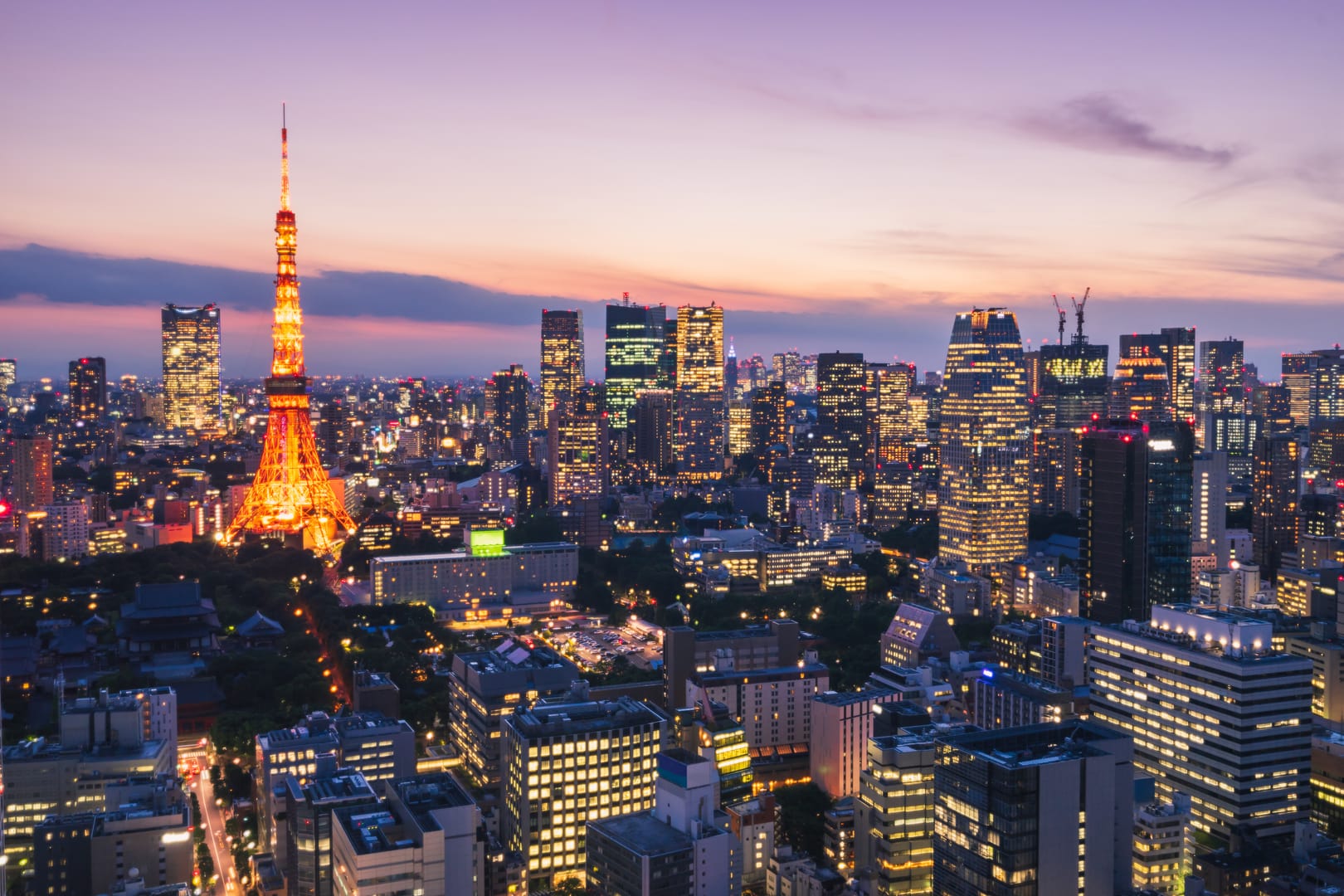
Tokyo works best when you divide it into compact areas. Asakusa and Ueno introduce older urban traditions, museums and temple life. Marunouchi and Ginza connect architecture, galleries and polished dining. Shibuya, Harajuku and the western districts show contemporary culture, while quieter neighbourhoods such as Yanaka or Kiyosumi Shirakawa give you room to walk.
Stay near a useful rail line, then plan one side of the city each day. Early mornings suit markets, gardens and famous shrines. Afternoons work well for museums and shopping, followed by a neighbourhood dinner. A family route can add the SoulTrips Pokémon room experience without making character attractions the whole purpose of the trip.
Tokyo is also a gateway to Nikko, Kamakura, Hakone and the Mount Fuji area. Add an overnight stay rather than compressing every landscape into a rushed day trip. The Mount Fuji family escape shows how a slower countryside stay creates a genuine contrast to the capital.
Kyoto: culture needs time and early starts
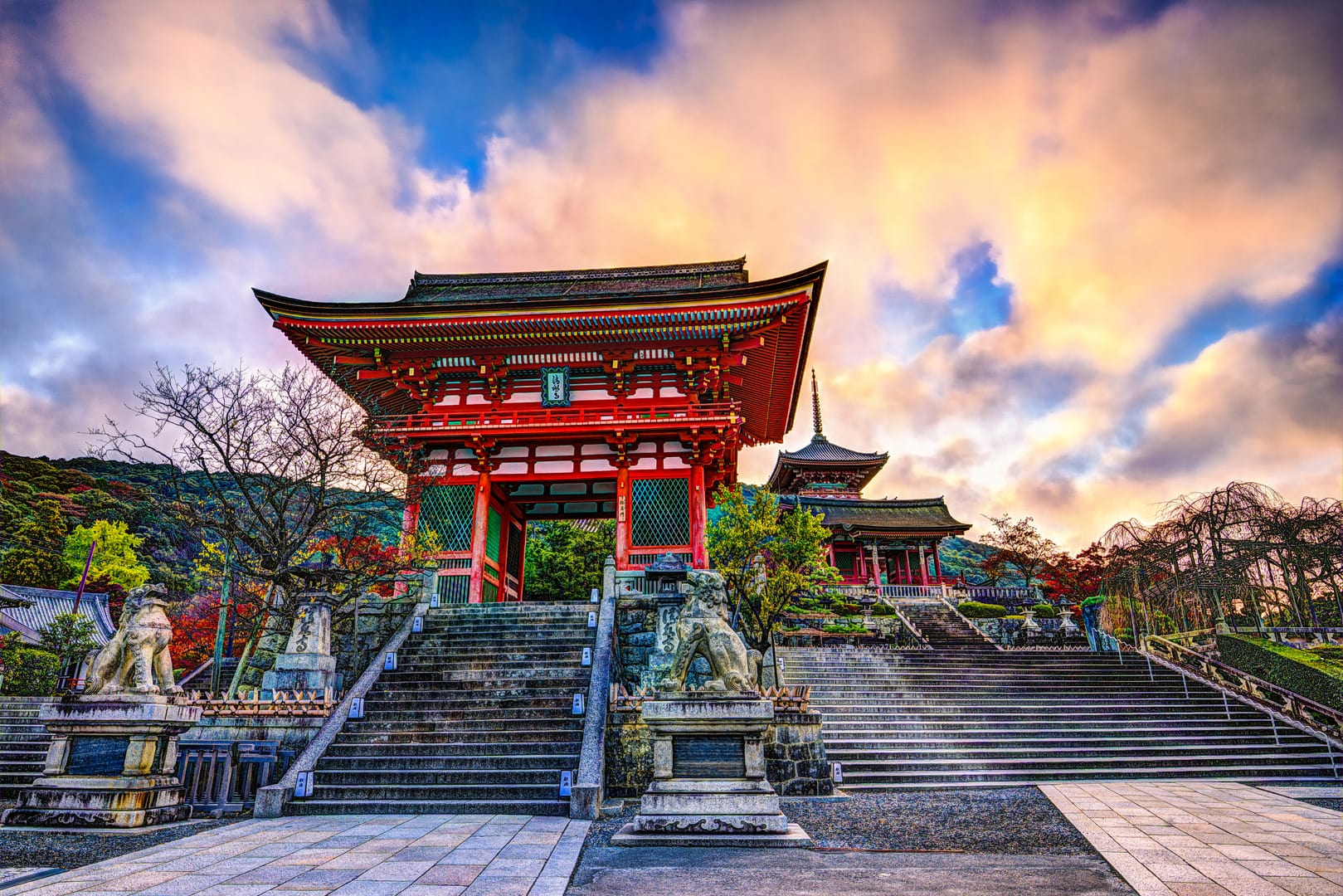
Kyoto deserves at least three full days. Choose one temple district each morning, then balance it with craft, gardens, food or a quieter walk. Higashiyama holds many famous sites, but northern Kyoto, Uji and the western hills reveal different landscapes and traditions.
Begin popular places early and avoid blocking residential lanes for photographs. Kyoto is a living city, not a stage set. Private guidance adds value when you want to understand Buddhist schools, garden design, tea culture or the role of craft in daily life.
Stay near Kyoto Station for transport convenience or choose a traditional area for atmosphere, accepting that buses and taxis become more important. Nara, Uji and Lake Biwa can extend the stay without another hotel change.
Shikoku: pilgrimage, castles and coastal Japan
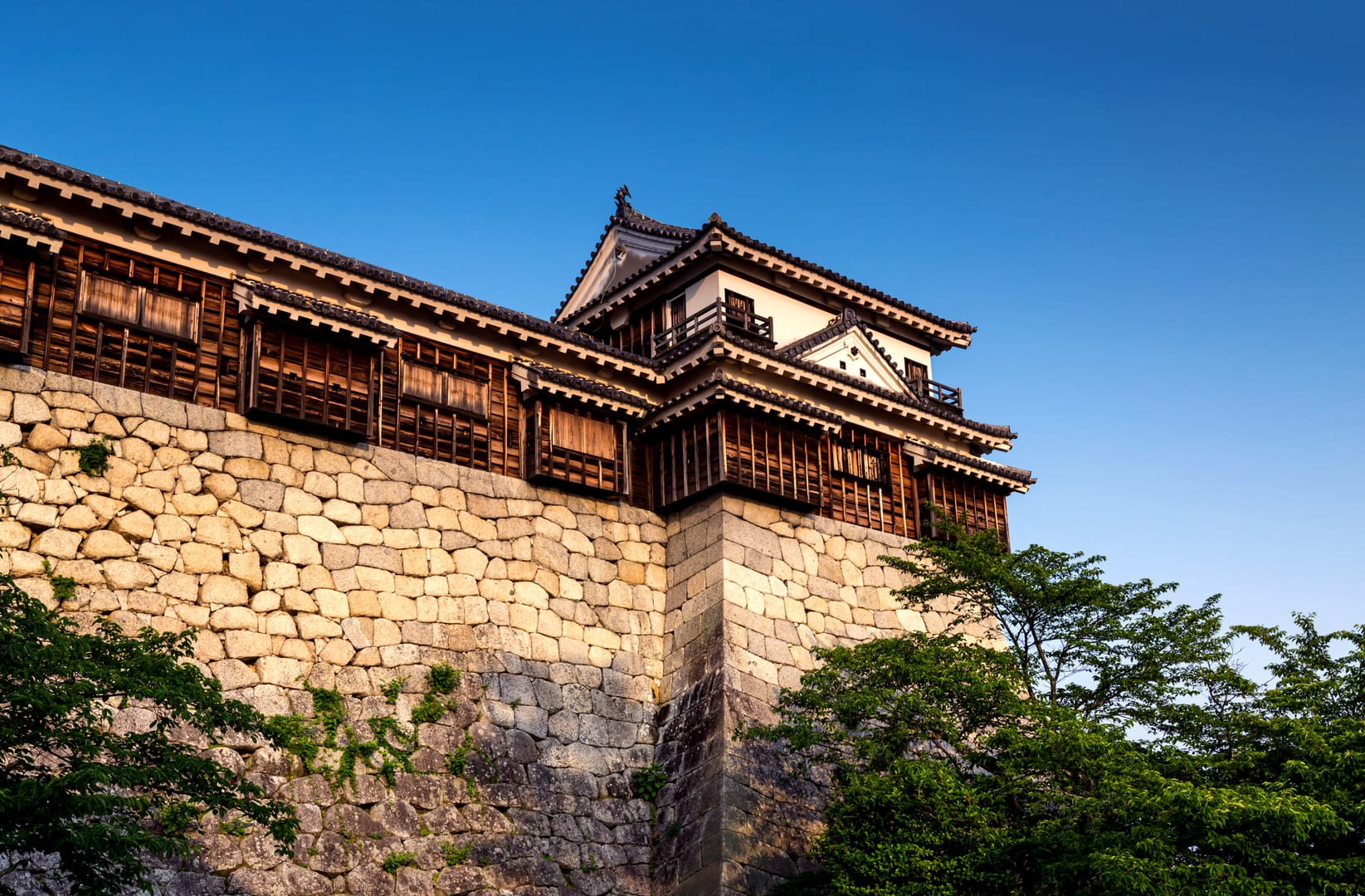
Shikoku is one of the best places to visit in Japan when you want slower travel. The island's 88 temple pilgrimage links spiritual practice with rural communities, but you do not need to walk the full route. A guided section gives you context on clothing, temple customs and the meaning of the journey.
Matsuyama combines a hilltop castle with Dogo Onsen. Ozu and Uchiko preserve merchant streets, wooden buildings and riverside character. Takamatsu is the gateway to Ritsurin Garden and the art islands, while Kochi adds market culture, an original castle keep and Pacific landscapes. Tokushima connects pilgrimage temples, dance traditions and the dramatic Iya Valley.
The SoulTrips Ehime tour is a comfortable introduction to Matsuyama, Ozu and the coast. It works well for travellers who want regional depth without arranging every local transfer alone.
Hokkaido: nature on a different scale
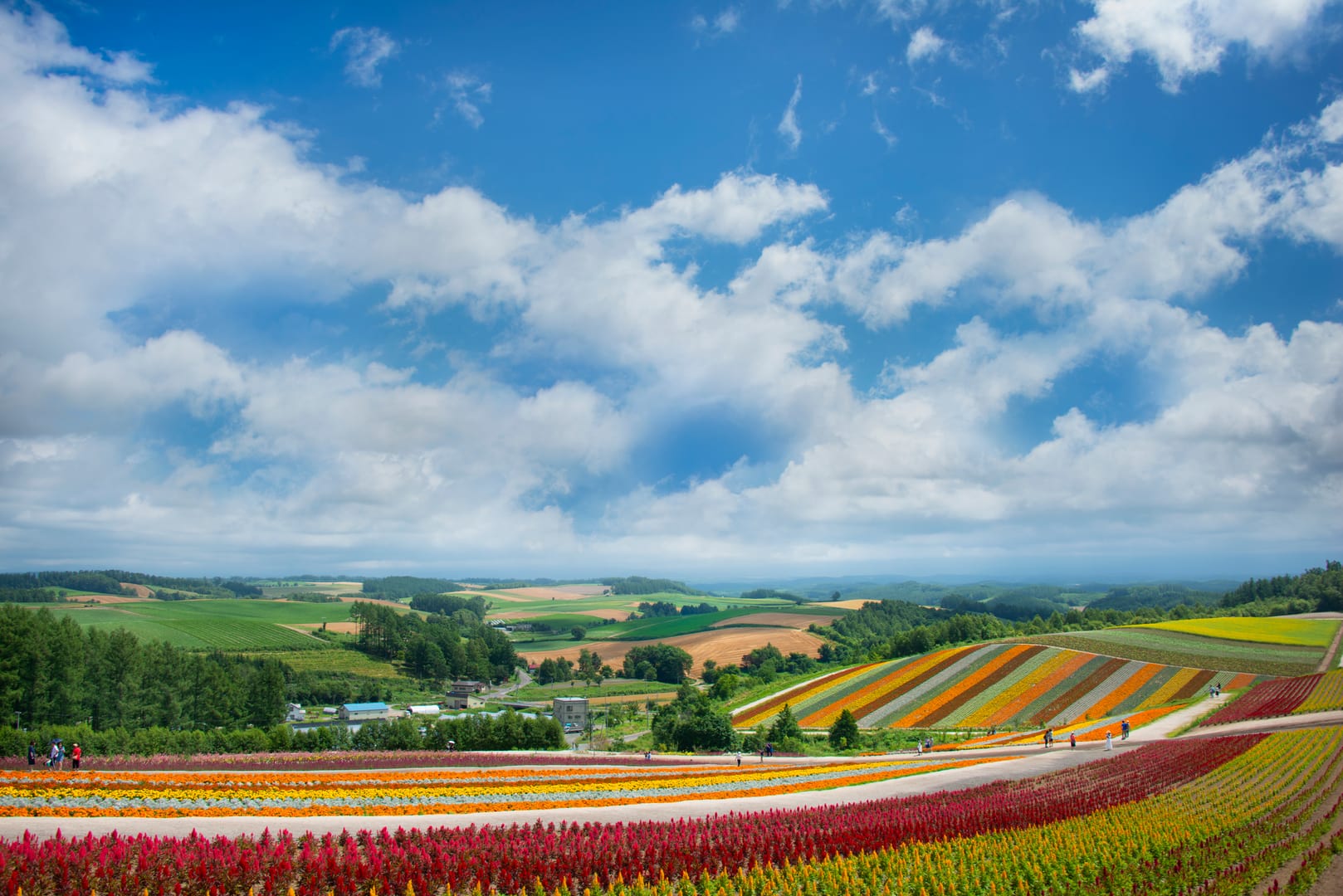
Hokkaido feels distinct from central Japan. Sapporo provides an easy urban base, but the island's strongest experiences lie in national parks, onsen towns, rural food regions and long scenic drives. Summer brings flowers, walking and mild weather. Winter brings deep snow, skiing, drift ice and demanding road conditions.
Choose one part of Hokkaido rather than circling the entire island. Central Hokkaido links Sapporo, Otaru, Furano and Biei. Eastern Hokkaido focuses on Kushiro, Akan Mashu and Shiretoko. Southern Hokkaido connects Hakodate and Onuma. Each route needs several days.
Self drive travel gives you freedom, but distance, wildlife, snow and limited fuel stations require preparation. The SoulTrips Hokkaido campervan adventure provides a framework for slow travel through major landscapes.
Kyushu: hot springs, trains and living history
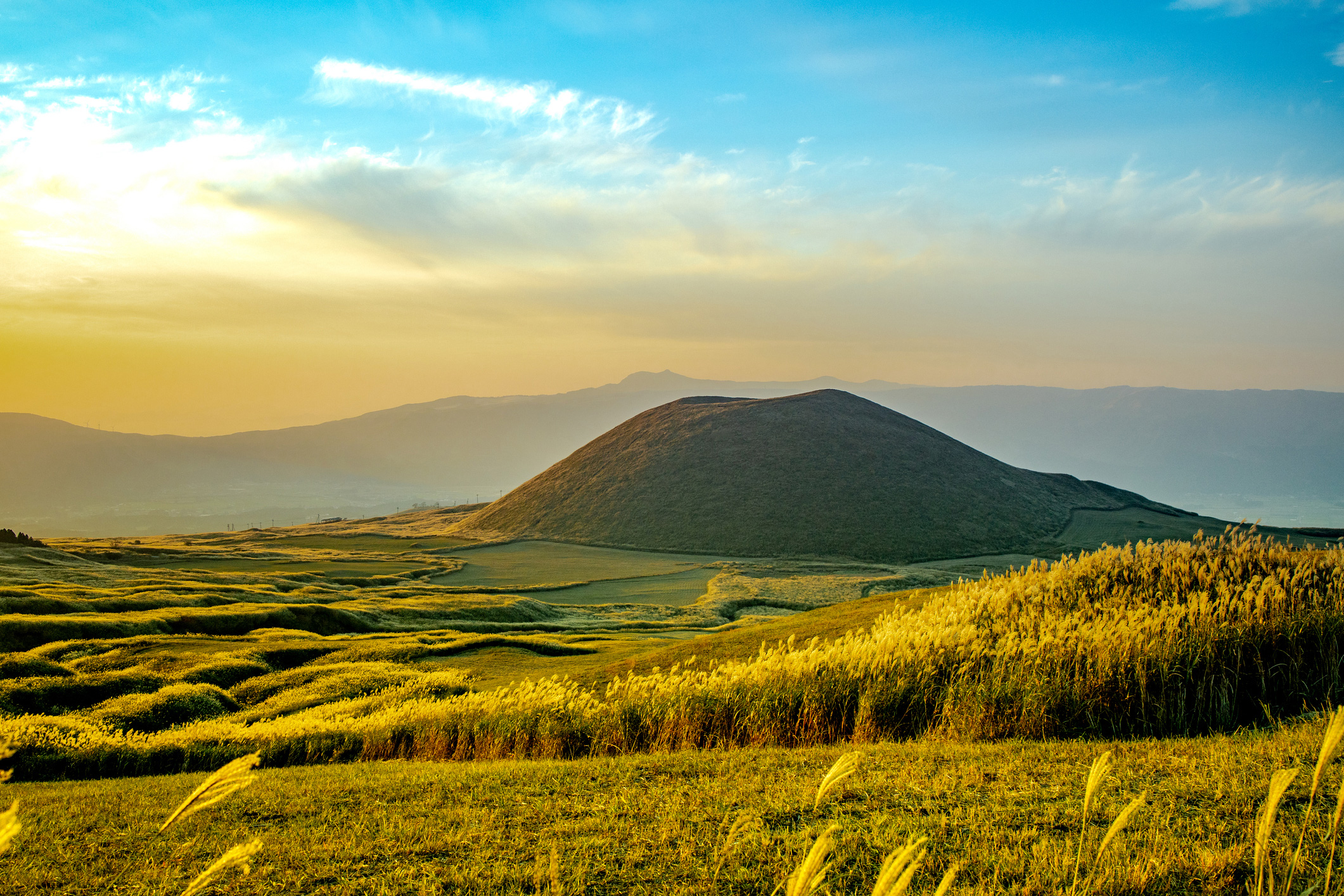
Fukuoka is a relaxed gateway with excellent food and transport. Nagasaki tells a complex story of international exchange, faith and war. Kumamoto connects castle heritage with the volcanic Aso region, while Oita offers Beppu and Yufuin. Kagoshima opens the way to Sakurajima, Kirishima and Yakushima.
Kyushu is especially rewarding by rail when you reserve selected scenic services. The SoulTrips guide to Kyushu scenic trains explains Yufuin no Mori, Aso Boy! and Kawasemi Yamasemi. Use ordinary trains and private transport around them instead of trying to build the whole route around rare seats.
Setouchi: art, islands and cycling
Setouchi combines small islands, working ports, contemporary art and calm sea views. Naoshima, Teshima and Inujima are the best known art islands, while Takamatsu, Okayama and Uno provide useful bases. Museum opening days and ferry times control the rhythm, so planning matters.
The Shimanami Kaido connects Honshu and Shikoku through islands and bridges. You can cycle the full route or choose a shorter supported section. Onomichi adds hillside temples and old lanes, while nearby port towns create an easy coastal extension.
The Setouchi art islands journey gives art lovers a structured route that reduces ferry and ticket stress.
Hokuriku and the Japanese Alps
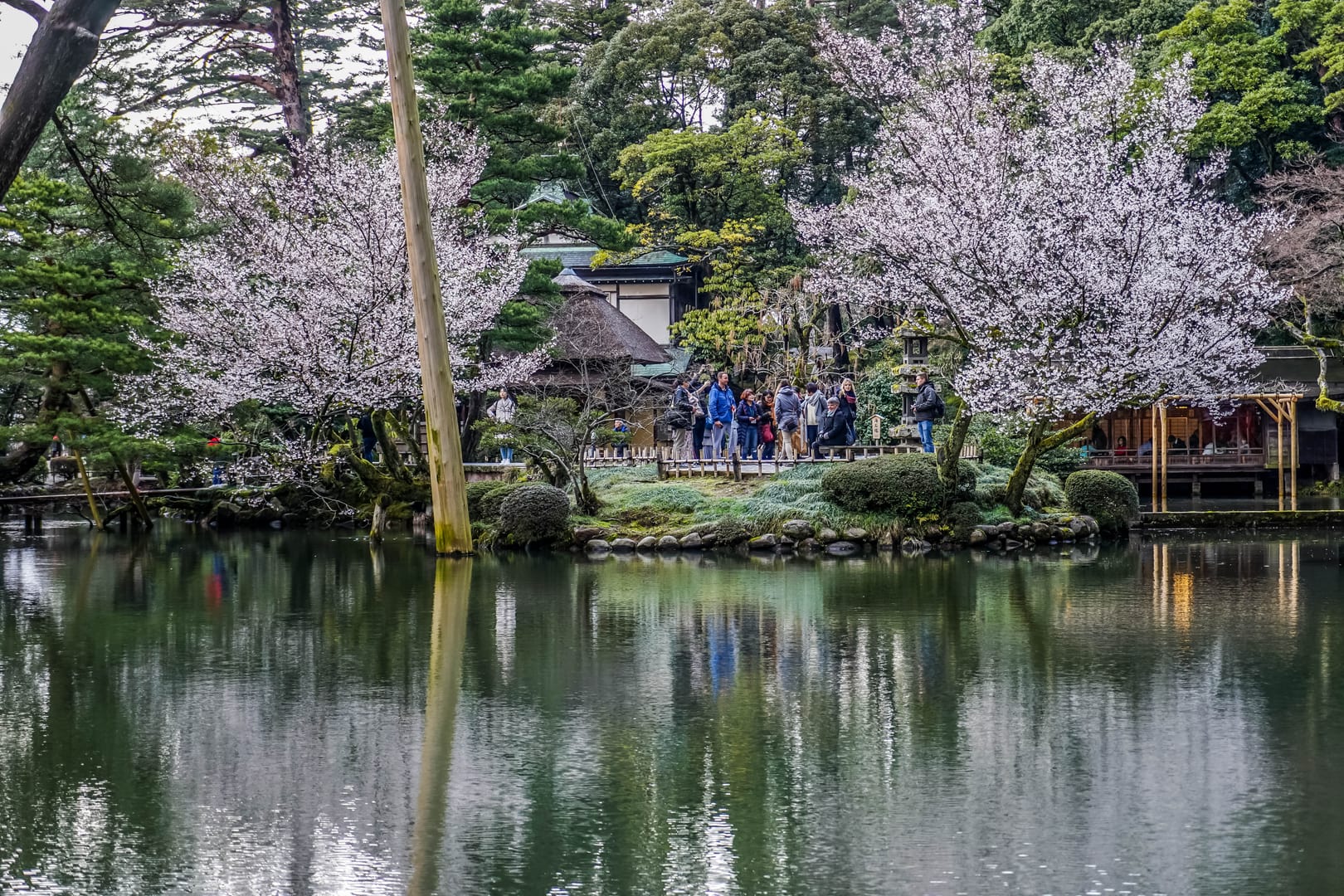
Kanazawa combines Kenrokuen Garden, craft districts, samurai history and an excellent food scene. Takayama offers preserved streets and mountain culture, while Shirakawa go adds distinctive traditional farmhouses. Matsumoto brings an original castle and access to the Alps.
This route works as an alternative to the busiest Tokyo to Kyoto corridor or as a bridge between the two cities. Winter creates beautiful landscapes but requires more transport flexibility. Spring and autumn suit walking, gardens and rural stays.
Mie and the Kii Peninsula
Mie brings together Ise Jingu, coastal food, pearl culture and rural traditions. Farther south, the Kumano region adds sacred routes, waterfalls and forested shrines. The area is slower than the main corridor and often suits private transport or a carefully timed rail itinerary.
Families can explore food and craft through the SoulTrips Mie journey, while active travellers can build a longer pilgrimage route through Kumano.
How many destinations should you combine
Seven days supports one major city and one nearby region. Ten days gives you time for two connected areas, while fourteen days can combine a familiar gateway with a deeper regional circuit.
Count hotel changes rather than attraction names. Three bases in ten days feel comfortable for most travellers, while five bases create repeated packing and check in. Use day trips for places within an hour or two, then stay overnight when evening atmosphere, early access or a distinctive property adds value.
Open jaw flights can keep the route moving forward. Arrive in Tokyo and leave from Osaka, Fukuoka or another international gateway when this removes a long return journey.
How a Japan travel specialist plans the best places in Japan
A strong Japan journey begins with one clear idea. Identify the three experiences you care about most, then select destinations that deliver different parts of that story. Once that purpose is settled, choose the few places that express it best and remove stops that add more transfers than enjoyment. Japan makes fast movement possible, but an efficient rail network is not a reason to change hotels every night.
Use one major transport day to change regions, then stay long enough to understand the new place instead of arriving at night and leaving the next morning. Two or three nights in an important base gives you time for an early start, a slower meal and one unplanned discovery. Rural regions need more breathing room because local trains and buses are less frequent. Build the route around the least flexible element, such as a reserved scenic train, a seasonal festival, a small ryokan or an island ferry.
Reserve international flights, high demand accommodation and limited capacity experiences first. Then add rail reservations, luggage delivery, local guides and restaurants. The SoulTrips guide to booking an international trip in advance provides a practical timeline, while the wider collection of travel planning advice helps you organise the final details.
A specialist adds most value where transport, language or access becomes complicated. Use expert support for a countryside drive, a pilgrimage route, a formal meal, an art island programme or a family trip with several room requirements. Keep independent time in places where walking, browsing and changing your mind are part of the pleasure.
Common planning mistakes
- Choosing destinations only because they appear on a standard first trip list.
- Adding Hokkaido or Kyushu to a short Tokyo and Kyoto itinerary without enough regional time.
- Ignoring ferry days, rural bus frequency and museum closures.
- Treating residential streets and sacred sites as unrestricted photography locations.
These are easy to correct before you travel. A focused route, sensible luggage plan and realistic daily rhythm will make Japan feel calm rather than rushed.
Practical advice for different travellers
First time visitors
Pair Tokyo or Kyoto with one region such as Shikoku, Kyushu, Hokuriku or Setouchi. Choose accommodation close to a useful station for the first few nights, save the hotel address in Japanese and start with one neighbourhood rather than crossing a major city several times in a day.
Solo travellers
Japan is straightforward for solo travel, especially in cities and along major rail routes. Book small rural inns before arrival, share your route with someone you trust and avoid assuming that every restaurant accepts walk in diners. Counter seating, business hotels and excellent public transport make solo days easy to structure.
Families
Choose regions with direct transport and build days around one main experience rather than several distant attractions. Apartment hotels and rooms with laundry facilities reduce daily friction. Forward large luggage between longer stays and keep one light day after a theme park, major transfer or very early start.
Older travellers and travellers with mobility concerns
Historic districts, castles and temple approaches can include slopes and stairs, so confirm access before finalising each stop. Major stations are well equipped, but transfers can involve long corridors, stairs and busy platforms. Request station assistance when needed, choose hotels close to lifts and ask for honest walking descriptions at temples, gardens, castles and older neighbourhoods.
Travel responsibly and stay prepared
Responsible travel in Japan begins with consideration for the people sharing each place. Keep voices low on public transport, queue carefully, carry your rubbish until you find the correct bin and follow photography rules at temples, shrines, markets and residential streets. Do not block narrow lanes or private entrances for a photograph.
Regional travel supports communities outside the busiest corridor, but visitors should respect local transport capacity, private homes and sacred traditions. Use luggage delivery instead of taking large cases onto crowded local trains, support independent restaurants and craftspeople, and book popular sites for quieter times when possible. The SoulTrips Japan destination guide connects these practical choices with slower regional journeys.
Japan experiences earthquakes, typhoons, heavy snow, volcanic activity and periods of extreme heat. Save the official emergency information, follow transport instructions and never continue an outdoor plan against a warning. Travel insurance should cover medical care, disruption and the activities on your itinerary.
Frequently asked questions
-
What are the best places to visit in Japan for a first trip?
Tokyo and Kyoto provide a strong introduction. Add one contrasting region such as Shikoku, Kyushu, Hokuriku or Setouchi if you have at least ten days.
-
Is Shikoku worth visiting?
Yes. Shikoku is ideal for pilgrimage, castles, hot springs, rural landscapes and coastal culture. Allow enough time because local transport is slower than the main city corridor.
-
How many days do you need in Hokkaido?
Allow at least five to seven days for one part of Hokkaido. The island is large, so trying to cover every region creates long drives and shallow stops.
-
Which part of Japan is best for food?
Every region has a strong food identity. Kyushu, Hokkaido, Osaka, Kyoto, Shikoku and Hokuriku each offer distinctive ingredients and dining traditions.
-
Where should art lovers go in Japan?
Tokyo and Naoshima provide a strong contrast between urban museums and island art. Add Teshima, Takamatsu and Okayama for a fuller Setouchi route.
-
Which places in Japan are good for families?
Tokyo, Osaka, the Mount Fuji area, Hokkaido and Kyushu work well with thoughtful pacing. Apartment hotels and luggage forwarding make multi city family travel easier.
-
Where can you experience traditional Japan without Kyoto crowds?
Kanazawa, Takayama, Matsuyama, Ozu, Uchiko and regional temple towns offer craft, history and traditional architecture with a different rhythm.
-
Do you need a car outside Japan’s major cities?
Not always. Rail and buses reach many regional centres, but a car is valuable in rural Hokkaido, parts of Kyushu, Shikoku valleys and remote coastal areas.
-
How do you combine Tokyo with regional Japan?
Fly or take a long distance train to one regional gateway, then stay within that area for several nights. Avoid using Tokyo as a base for distant day trips.
-
Who can help design a regional Japan journey?
Share your interests through SoulTrips trip planning. The team can connect regional transport, guides and accommodation into one realistic route.
Choose places to visit in Japan with purpose
The best places to visit in Japan are the ones that create a coherent journey. Begin with Tokyo or Kyoto if they match your interests, then give Shikoku, Hokkaido, Kyushu, Setouchi or Hokuriku enough time to feel distinct. Browse SoulTrips Japan tours or contact the team to shape a route with cultural depth and comfortable pacing.