By Soul Trips · Updated on 09 October, 2026
Staying in a Mongolian Ger: What to Expect and How to Be a Respectful Guest
A Mongolia ger stay gives you a closer relationship with the landscape than an ordinary hotel. Tourist camps provide proper beds, a central dining room and bathroom facilities, while family stays are simpler and follow the household's daily life. Facilities vary, so ask precise questions before booking.
The experience feels most rewarding when you arrive prepared for cold nights, limited power and a different rhythm. The SoulTrips Mongolia destination guide helps you compare camp based routes and regions.
Mongolia ger stay at a glance
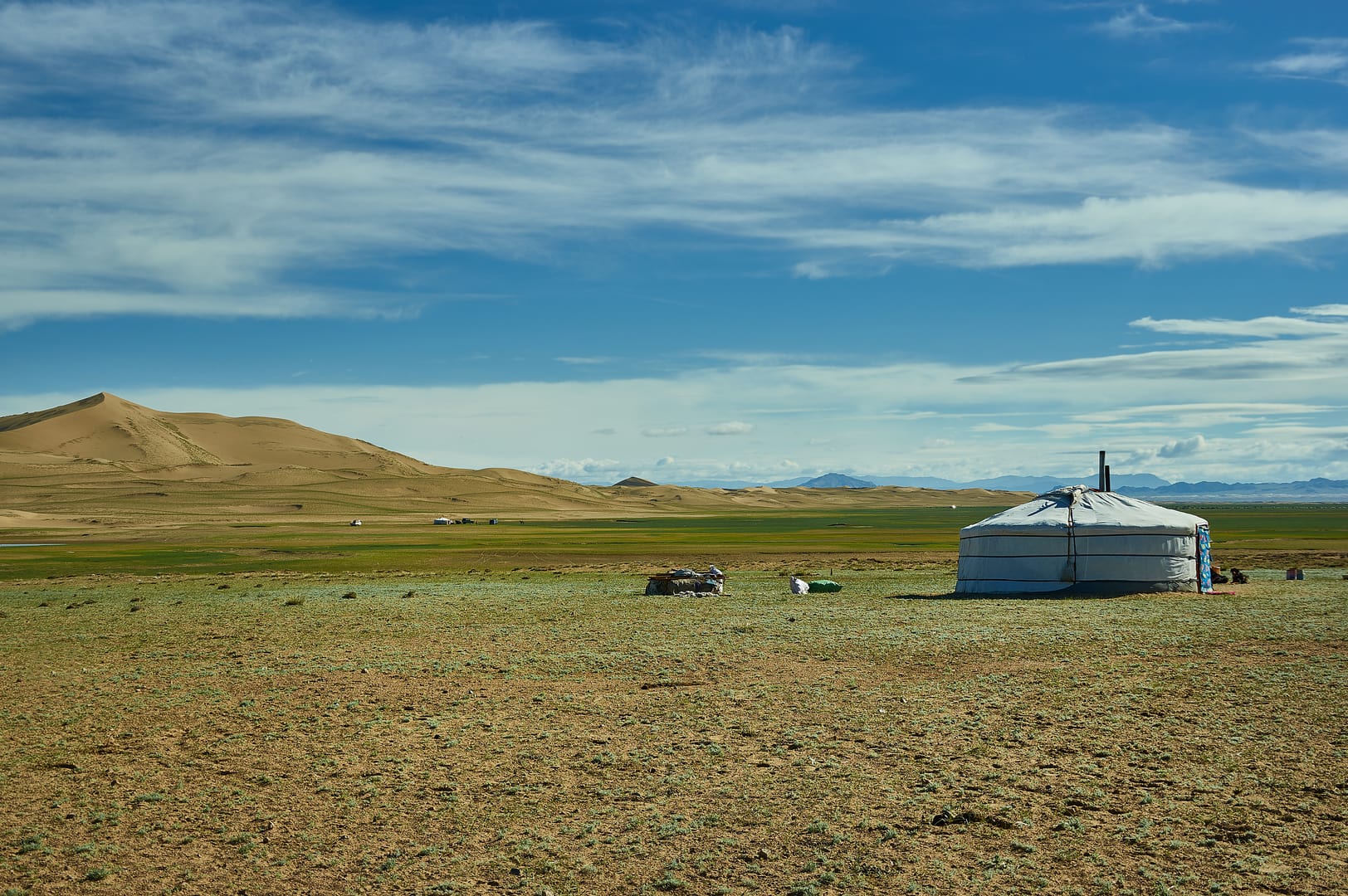
A ger is a circular portable dwelling made from a wooden frame, felt insulation and an outer cover.
- Sleeping: proper single or double beds in tourist camps.
- Heating: central stove using fuel supplied by the camp or household.
- Bathrooms: shared block or attached private facilities, depending on the camp.
- Meals: served in a separate dining ger or building.
- Electricity: often available during set hours.
- Wireless access: limited or absent outside main settlements.
- Essential items: head torch, warm sleepwear, slip on shoes and power bank.
The SoulTrips culture and wilderness tour includes ger camp stays at Elsen Tasarkhai and Terelj, creating a comfortable first introduction.
Ger, yurt and the correct term
Ger is the Mongolian word for the dwelling and the most appropriate term in Mongolia. Yurt comes from another linguistic tradition and is widely understood in international travel.
The structure is designed for pastoral mobility, strong wind and severe temperature changes. Its circular form uses space efficiently and can be dismantled when a family moves.
Treat the ger as a living home and cultural space, not only an unusual room shape.
Tourist ger camp or family stay
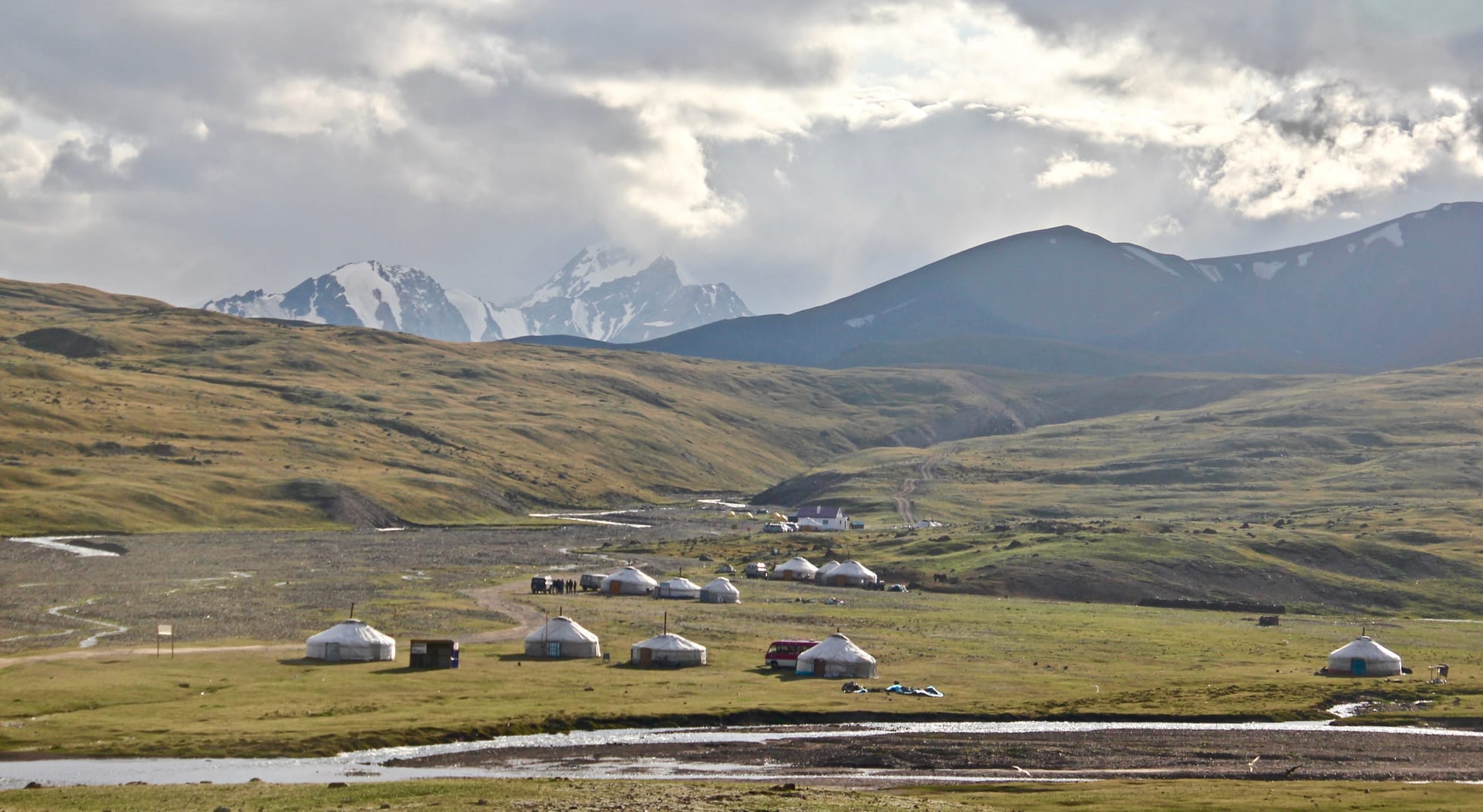
A tourist camp operates like a remote lodge. You have a private sleeping ger, staff, meals and managed bathrooms. Some higher comfort properties provide attached facilities.
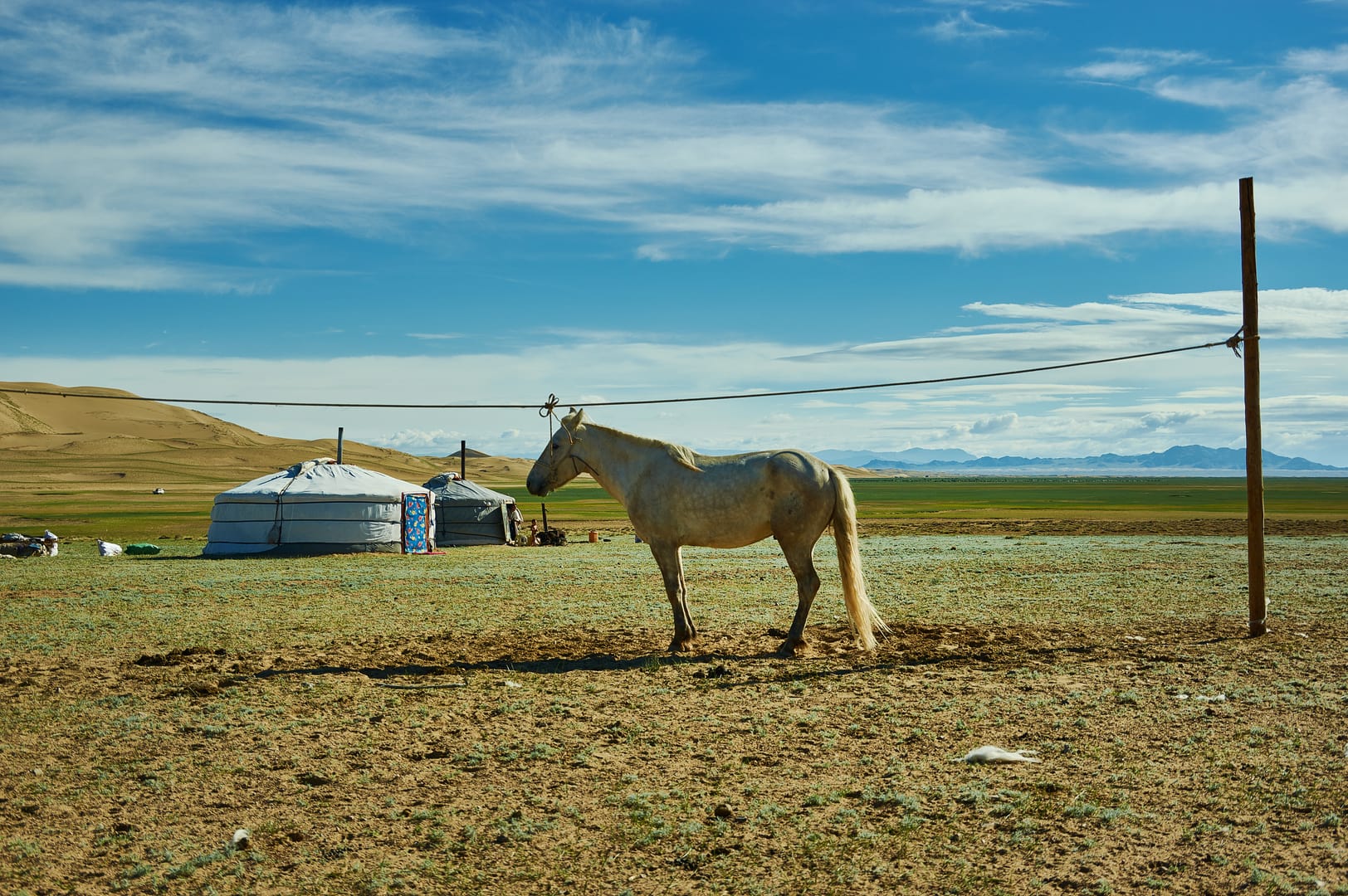
A nomadic family stay places you within or beside a working household. You may use an outdoor toilet, wash with a basin and eat food prepared from local supplies.
Choose the family stay for relationship and learning, not to save money. It needs a trusted local arrangement, fair payment and clear guest expectations.
Beds and bedding
Tourist gers usually contain two or more proper beds with mattresses, sheets, pillows and blankets. Family guest gers can be simpler.
Ask about bed type when you need a double bed, firm mattress or extra support. Do not assume that two single beds can be joined safely around the stove.
Bring warm sleepwear and socks. A heated ger can cool during the early morning once the fire burns down.
How the stove works
The stove sits near the centre and sends heat through a chimney. Camp staff can light it before bedtime and may return during very cold nights.
Keep clothing, luggage and children away from the hot surface and chimney. Never place rubbish into the stove or adjust it without permission.
If you feel too hot or cold, ask the staff to help. Opening the door for long periods wastes heat and can fill the ger with dust or insects.
Shared bathrooms
Many camps use a separate bathroom building with western toilets, sinks and showers. Hot water can run during set hours or depend on solar heating.
Carry a head torch and slip on shoes for night visits. Keep a waterproof bag for toiletries and bring a quick drying towel if the camp does not supply one.
Ask how far the sleeping ger is from the bathroom. Travellers with mobility concerns should request the closest suitable unit.
Private bathroom gers
Private facilities provide convenience but remain part of a remote system. Water pressure, temperature and drainage can feel different from a city hotel.
Use water thoughtfully and report leaks. Do not flush wipes or sanitary products.
Confirm if the bathroom is fully inside the ger, attached through a small extension or located in a private nearby cabin.
Electricity and charging
Some camps provide sockets inside each ger, while others use a central charging area. Power can operate only during evening generator hours.
Bring a universal adaptor, multi port charger and power bank. Charge essential devices as soon as supply is available.
Keep spare camera batteries warm during cold weather. Dust proof pouches protect cables and electronics.
Meals at a ger camp
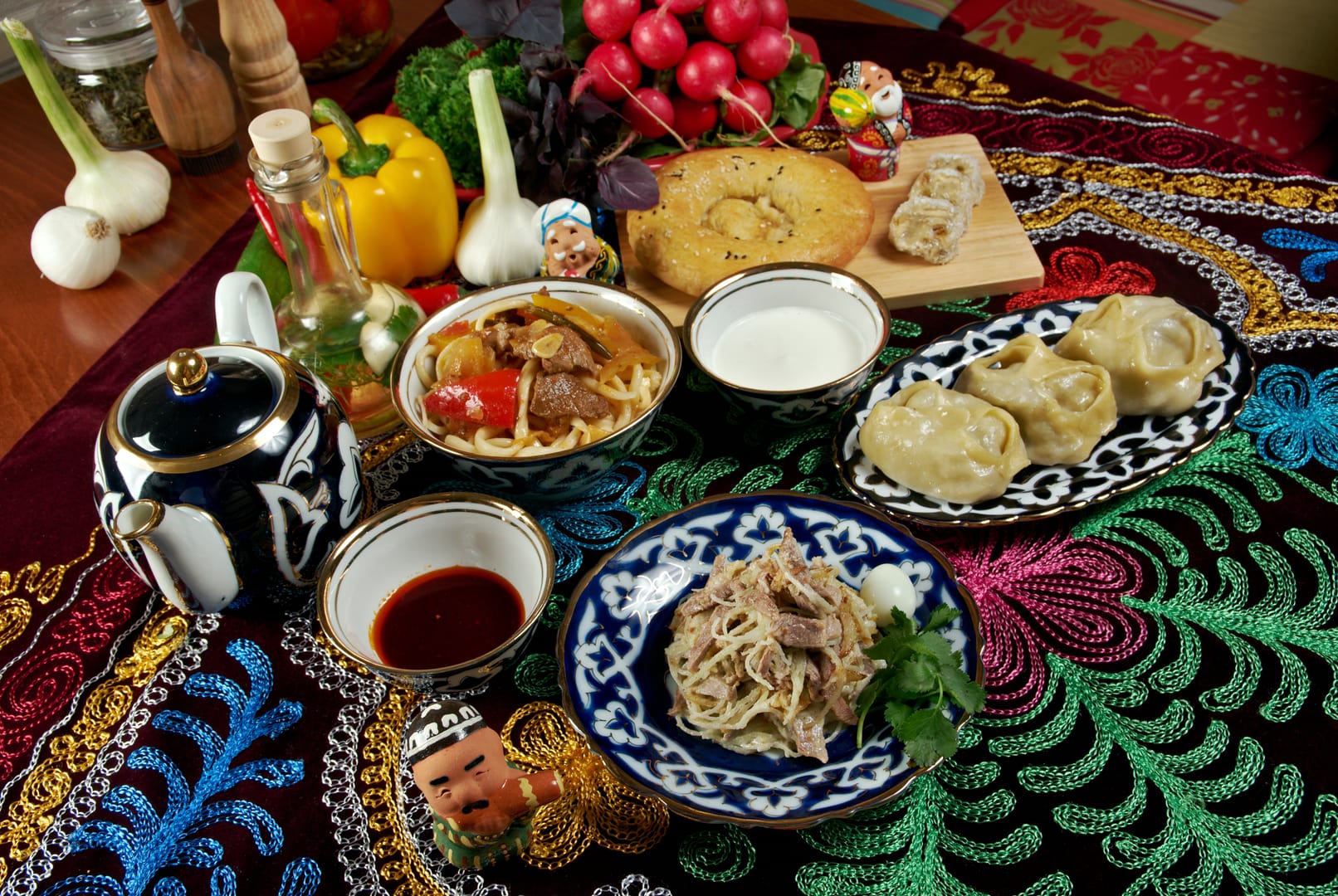
Meals are normally served in a dining room and included in the camp rate or tour. Expect soup, meat, noodles, rice, vegetables, bread and breakfast dishes.
Dietary needs must be sent before arrival. Remote kitchens cannot always source specialist products or prevent cross contact.
Carry a few suitable snacks for delays, but give local meals a fair place in the experience.
Entering a family ger respectfully
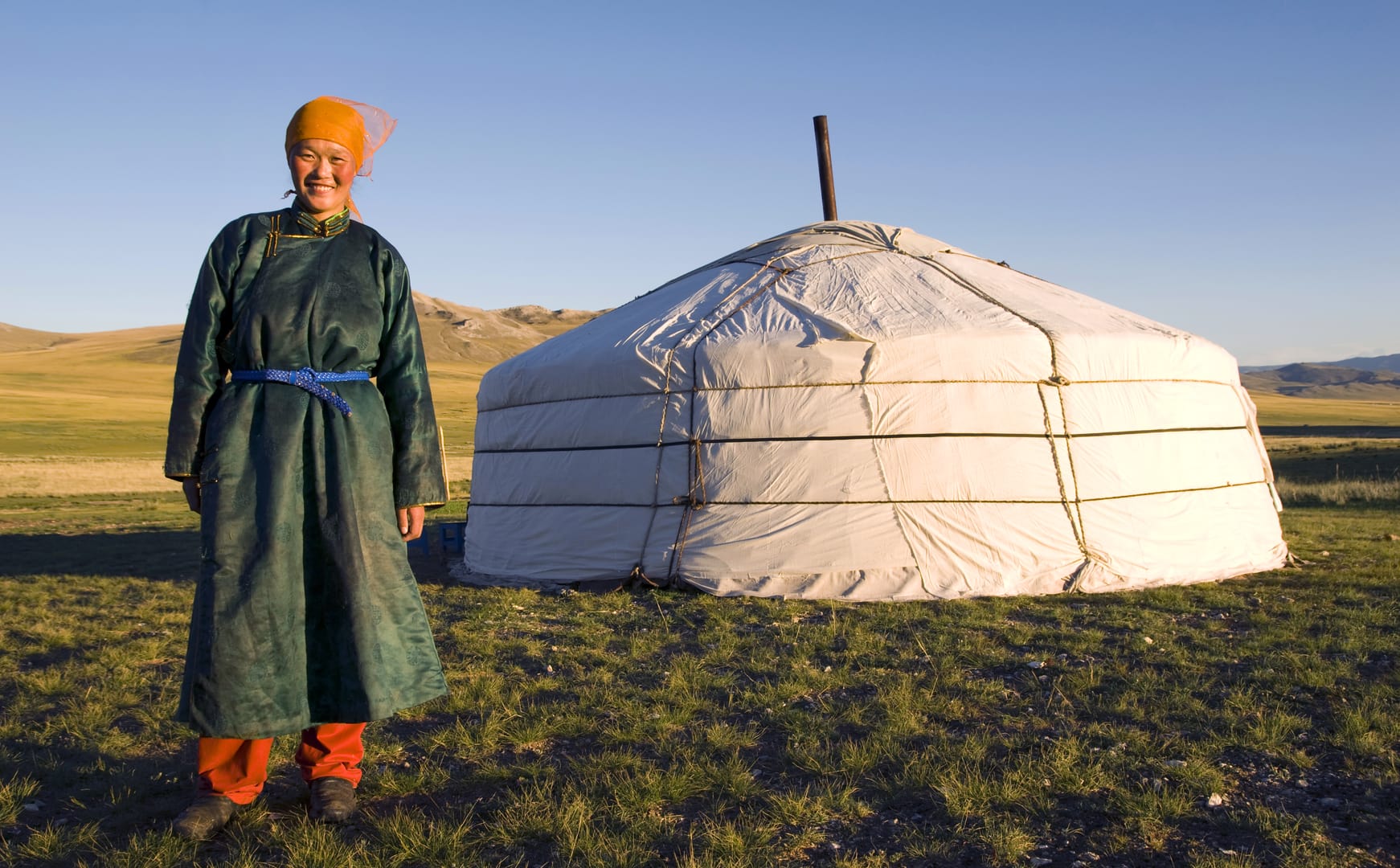
Step over the threshold rather than on it. Sit where the host indicates and keep your feet away from the altar and stove.
Accept tea or food with the right hand or both hands when possible. Explain allergies through your guide before the visit.
Do not touch hats, sacred objects, tools or family possessions without permission. Ask before photographing any person or private area.
Daily rhythm in a family stay
Household life follows livestock, weather and the season. Activities can begin early and change without a visitor timetable.
Join only when invited and follow instructions around animals. A milking, herding or dairy demonstration should not be forced for a photograph.
Spend time in conversation through the guide. Quiet observation can be more meaningful than completing a list of activities.
What to pack for a ger stay
Bring warm layers, sleepwear, head torch, slip on shoes, toiletries, hand sanitiser, power bank, ear plugs and a refillable bottle.
Add insect repellent near lakes and wetlands. A small seat pad and warm hat are useful in autumn.
Use a soft bag that stays clear of the stove and does not block the narrow walking space.
Noise, privacy and sleep
Ger walls are not soundproof. You can hear wind, animals, vehicles and nearby guests. Ear plugs help without disconnecting you from the setting.
Close the door securely and keep voices low at night. Use curtains or the changing area provided by the camp.
Store food as instructed because it can attract animals. Keep valuables in a secure pouch or hotel storage as your operator recommends.
Ger stays in different regions
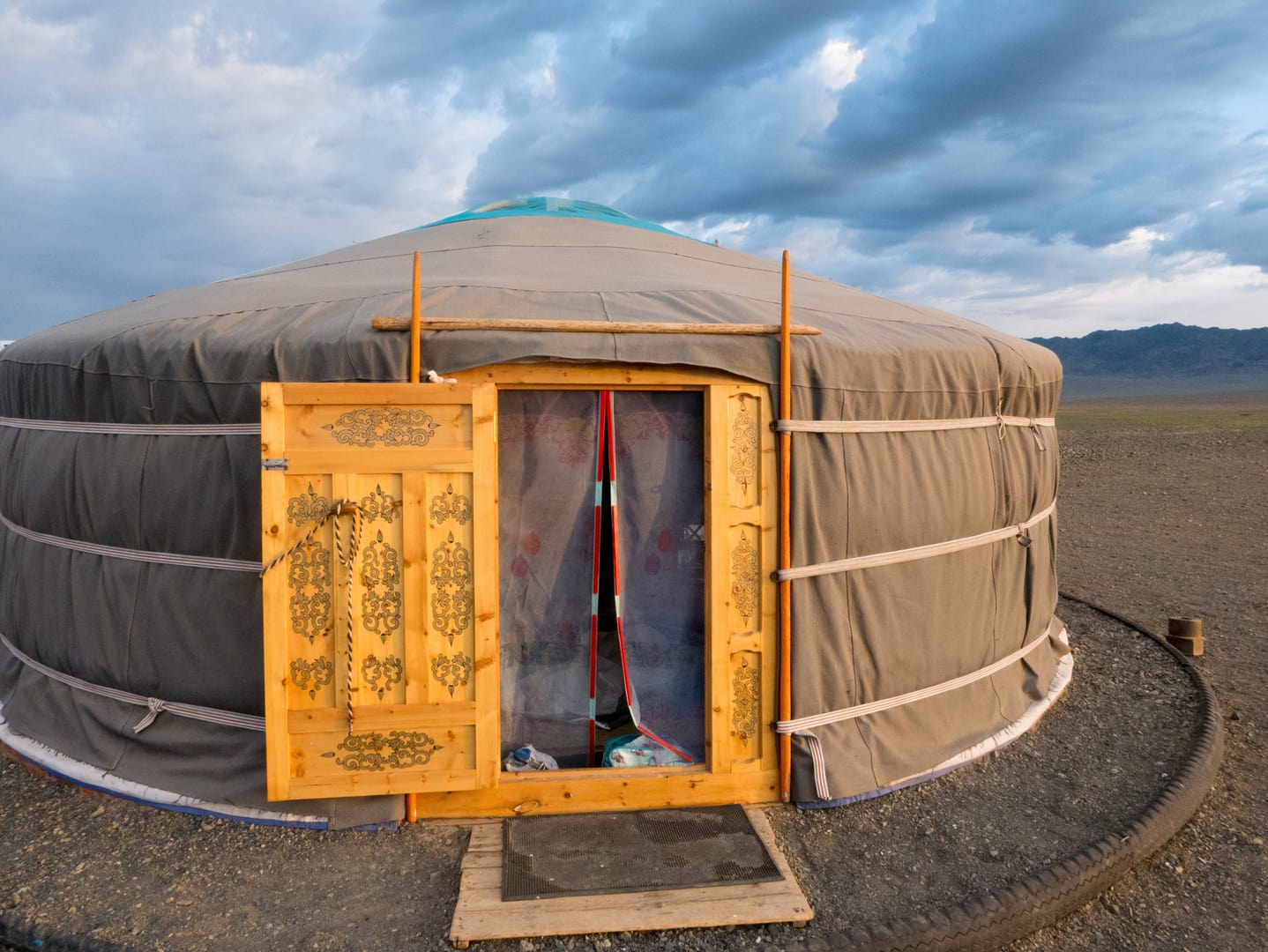
Terelj camps are accessible and offer a wide comfort range. Central Mongolia combines camps with dunes, monasteries and steppe. Gobi camps manage scarce water and longer supply lines.
Khovsgol camps are cooler and often spread along the lake, while western family stays are simpler and culturally distinct. The SoulTrips Golden Eagle Festival journey includes both local hotel and ger camp experiences across different regions.
Ger stays for families
Children often enjoy the circular room and open landscape. Explain stove safety, bathroom routes and animal boundaries immediately after arrival.
Request bed guards or suitable arrangements for young children. Bring a separate head torch for each older child and supervise every night walk.
Two nights in one camp gives the family time to settle and enjoy the space.
Ger stays for older travellers
Ask for firm beds, a chair, western toilet, close bathroom access and staff help with the stove. A private bathroom can be worth the extra cost.
Low thresholds and uneven ground require care. Use walking support and a light at night.
Choose a route with fewer camp changes so packing and unpacking do not become the hardest part of the trip.
A simple evening routine
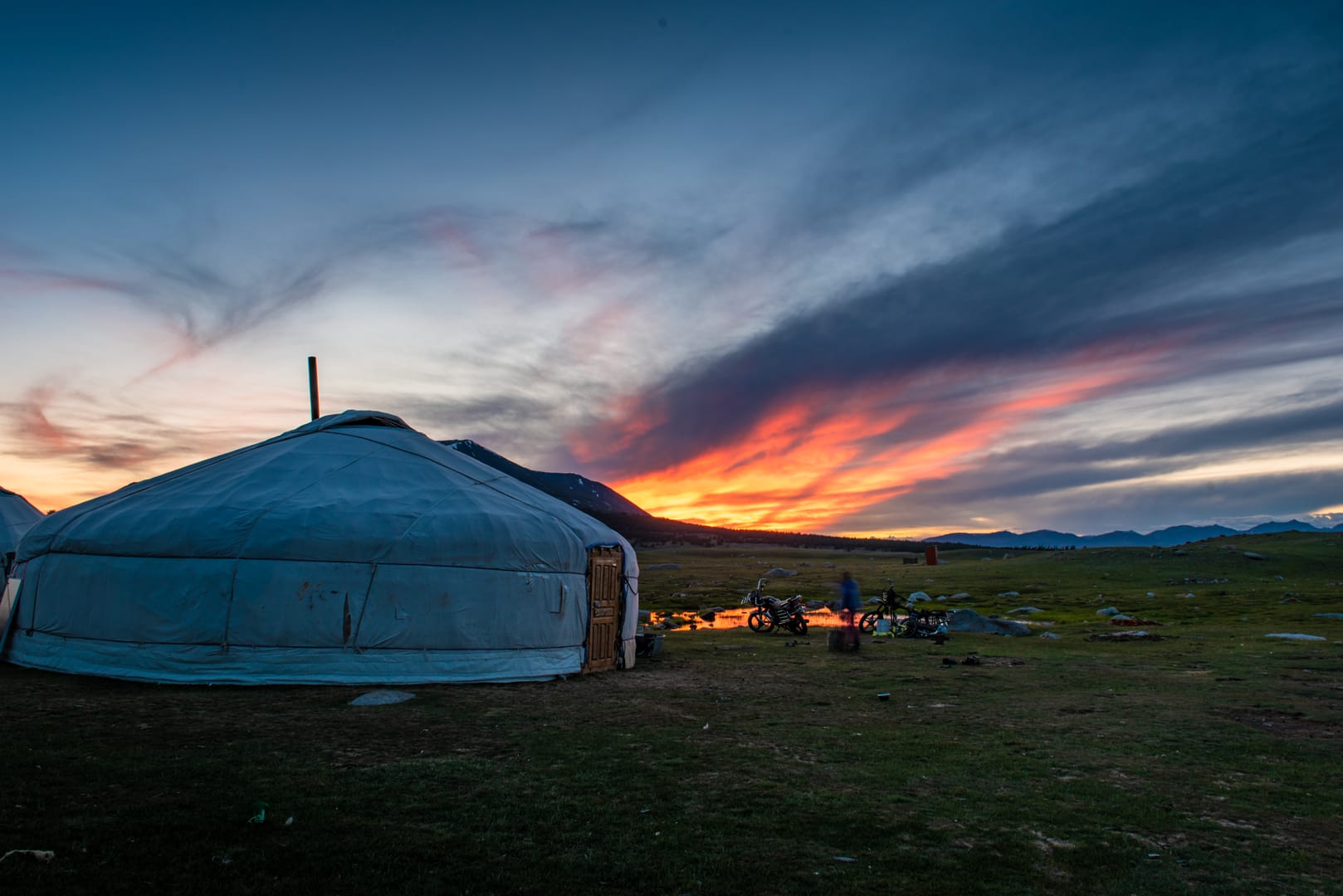
Before dinner, ask when the stove will be attended and when electricity will stop. Charge essential devices, refill water and lay out sleepwear, gloves and a torch. Visit the bathroom while the paths are still easy to see, then check that shoes and a warm outer layer are beside the bed.
After dinner, step outside for the stars only with suitable clothing and a light. Keep quiet near other gers and avoid wandering towards livestock or working areas. Once inside, close the door securely and keep the stove area clear.
In the morning, dress before the fire loses heat, pack small items and check under every bed. Leave enough time for breakfast and a relaxed departure. This routine turns a simple room into a comfortable base without expecting hotel service.
Responsible camp behaviour
Save water, reduce packaging and carry batteries and wipes back to the city. Keep soap and waste away from lakes, rivers and household wells.
Do not drive vehicles across fragile grass or dunes for convenience. Follow camp paths and local land use instructions.
Support locally owned camps and buy craft directly from makers when the quality and price suit you.
How a Mongolia travel specialist plans a comfortable ger stay
Choose the camp from its location, bathroom, heating and operating season, then pack for the simplest night in the route. Mongolia looks simple on a map, but scale, road conditions, limited flights and changing weather decide what is comfortable. Start with the one experience that matters most, then build the route around it.
Keep city nights, countryside nights and travel days visually separate when reviewing the itinerary. A short distance can take longer than expected once the paved road ends. Two or three nights in an important region usually create a better experience than a sequence of single night stops.
Reserve the least flexible element first. This could be a domestic flight to Ulgii, a ger camp with limited rooms, the Golden Eagle Festival, a Naadam programme or a family visit arranged through a trusted local partner. The SoulTrips guide to booking ahead gives you a useful planning timeline.
Common planning mistakes
- Assuming every tourist ger has an attached bathroom.
- Leaving warm sleepwear and the head torch in the vehicle.
- Treating a family home like a themed hotel.
- Touching the stove, hat or household objects without permission.
These mistakes are easy to prevent with a focused route, realistic driving times and one weather buffer. Stay two nights when possible so the ger becomes a base rather than another room to pack and leave.
Make the final plan work on the ground
Review a comfortable ger stay one last time with the local team before paying the final balance. Confirm the real driving hours, meal arrangements, bathroom standard, heating, luggage limits and the point where mobile coverage becomes unreliable. Ask which day is most exposed to weather and what the practical alternative will be.
Keep one flexible half day in Ulaanbaatar and one complete night before the international departure. This margin gives the guide room to respond to a delayed domestic flight, a difficult road or a camp change without removing the experience that matters most.
Share medical needs, dietary requirements and mobility concerns clearly. A specialist can adjust the vehicle, room location, walking route and meal plan only when the details are known in advance. Carry the confirmed programme offline, but expect the guide to refine each day using current local conditions. That balance of preparation and flexibility is the key to travelling comfortably across Mongolia.
Practical advice for different travellers
First time visitors
Begin with a well managed tourist camp before adding a simpler family stay later in the journey. The SoulTrips Mongolia culture and wilderness journey is a useful model because it balances Ulaanbaatar, central history, sand dunes, nomadic encounters and Terelj without trying to cross the whole country.
Solo travellers
Use an experienced local guide and driver outside Ulaanbaatar. Remote roads, limited mobile coverage and great distances make improvised solo transport difficult. Share the route with someone at home and keep the guide's local contact details offline.
Families
Request safe bed arrangements, explain stove rules and give every child a light for the bathroom route. Build in regular toilet stops, warm layers, familiar snacks and quiet time at camp. Horse and camel activities need properly fitted equipment, clear supervision and a pace suited to the least confident rider.
Older travellers and travellers with mobility concerns
Choose a private bathroom or the ger closest to the shared block, with a chair and firm bed arranged in advance. Ger thresholds, uneven ground, basic bathrooms and long vehicle days can be demanding. Ask for photographs and exact walking descriptions, then request private facilities, a western toilet and the ger closest to the main building where possible.
Responsible travel and safety
Use water carefully, keep waste out of stoves and support camps that manage sewage, energy and local employment responsibly. Mongolia's open landscape can look empty, but it supports families, livestock, wildlife and fragile water sources. Stay on established tracks when instructed, carry rubbish out and never photograph people at close range without permission.
Weather can change quickly. Carry warm layers, drinking water, sun protection and a basic personal medicine kit even on a summer day. Follow your guide during storms, strong wind, wildfire conditions or flooding, and do not separate from the vehicle in remote country.
Travel insurance should cover medical treatment, evacuation, domestic flight disruption and the activities in your itinerary. Mobile coverage becomes limited beyond settlements, so a good operator carries communication and contingency plans that match the route.
Review the SoulTrips Mongolia destination guide for related planning articles and browse SoulTrips travel tips before departure.
Frequently asked questions
-
What is it like to sleep in a Mongolian ger?
You sleep in a circular felt dwelling with proper beds and a central stove. The space feels simple, warm and closely connected to the landscape.
-
Do ger camps have toilets and showers?
Yes. Tourist camps use shared bathroom blocks or private attached facilities. Hot water hours and pressure vary.
-
Are Mongolian gers warm at night?
A stove heats the ger effectively, but the room can cool before dawn. Bring warm sleepwear and confirm the heating arrangement.
-
Is there electricity in a ger camp?
Many camps provide power during set hours. Bring a power bank and universal adaptor because supply is not constant everywhere.
-
What should you bring to a ger camp?
Pack a head torch, slip on shoes, warm layers, sleepwear, toiletries, power bank and a small day bag.
-
What food is served at ger camps?
Expect set meals with soup, meat, noodles, rice, vegetables and breakfast dishes. Tell the camp about dietary needs before arrival.
-
Can families stay in a ger?
Yes. Confirm the number of beds, stove safety and private bathroom needs, and stay two nights when the itinerary allows.
-
What is the difference between a ger camp and a family stay?
A camp is managed tourist accommodation. A family stay takes place within a working household and has much simpler facilities.
-
How do you enter a ger respectfully?
Step over the threshold, sit where your host indicates and keep feet away from the altar and stove.
-
Can SoulTrips arrange a suitable ger stay?
Yes. Use SoulTrips trip planning to choose camps and family visits that match your comfort and cultural interests.
Make your Mongolia ger stay part of the journey
A Mongolia ger stay becomes comfortable when you understand the facilities and arrive ready for the rhythm. Pack warm layers, respect the household space and choose the camp for location as well as comfort. Explore SoulTrips Mongolia tours or contact a specialist to include the right ger experience.