By Soul Trips · Updated on 09 October, 2026
Mongolia Travel Guide: Everything You Need to Know Before You Go
A Mongolia travel guide should prepare you for vast landscapes, long road journeys and a travel rhythm shaped by weather. Begin with the region and season, then decide how much comfort, cultural immersion and adventure you want. Mongolia rewards travellers who leave space for distance, conversation and changing conditions.
A first trip can connect Ulaanbaatar, Karakorum, Elsen Tasarkhai and Terelj in eight days. Add the Gobi, Khovsgol or western Mongolia when you have more time. Explore the SoulTrips Mongolia destination page before fixing the route so every stop adds a different part of the story.
Mongolia travel guide at a glance
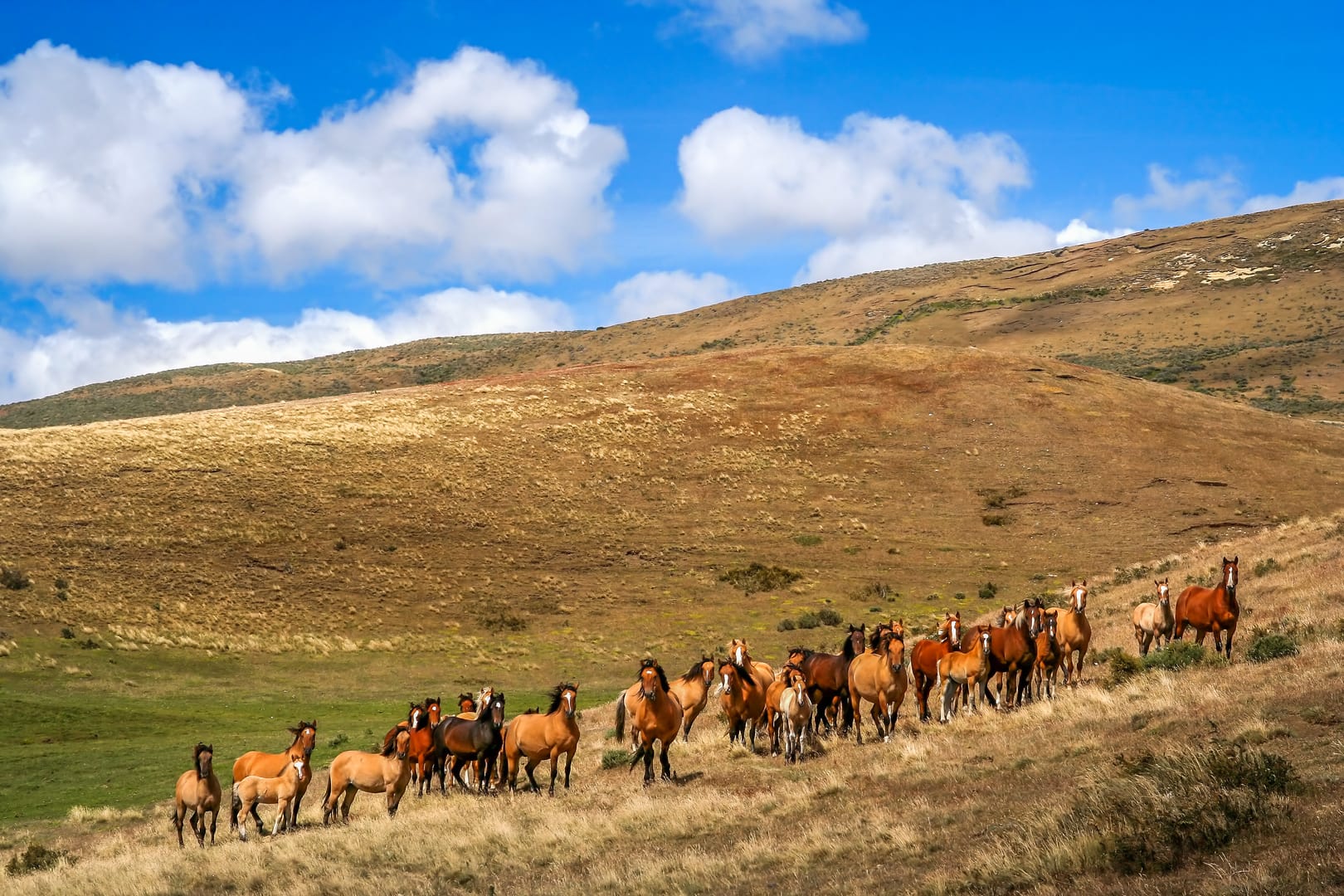
Mongolia is a large landlocked country between Russia and China. Ulaanbaatar is the main international gateway, while countryside journeys cross steppe, desert, forest, lakes and mountains.
- Best broad travel season: June to September for open roads and warmer conditions.
- Best first trip length: eight to fourteen days.
- Main gateway: Chinggis Khaan International Airport near Ulaanbaatar.
- Currency: Mongolian tugrik.
- Time: Ulaanbaatar uses the same standard time as Singapore.
- Best transport: a private vehicle with an experienced local driver outside the capital.
- Signature stay: a tourist ger camp or carefully arranged nomadic family visit.
- Essential packing: warm layers, sun protection, sturdy shoes and personal medicines.
The SoulTrips Mongolia destination guide brings all the practical articles together as your plans develop.
Choose the right Mongolia route
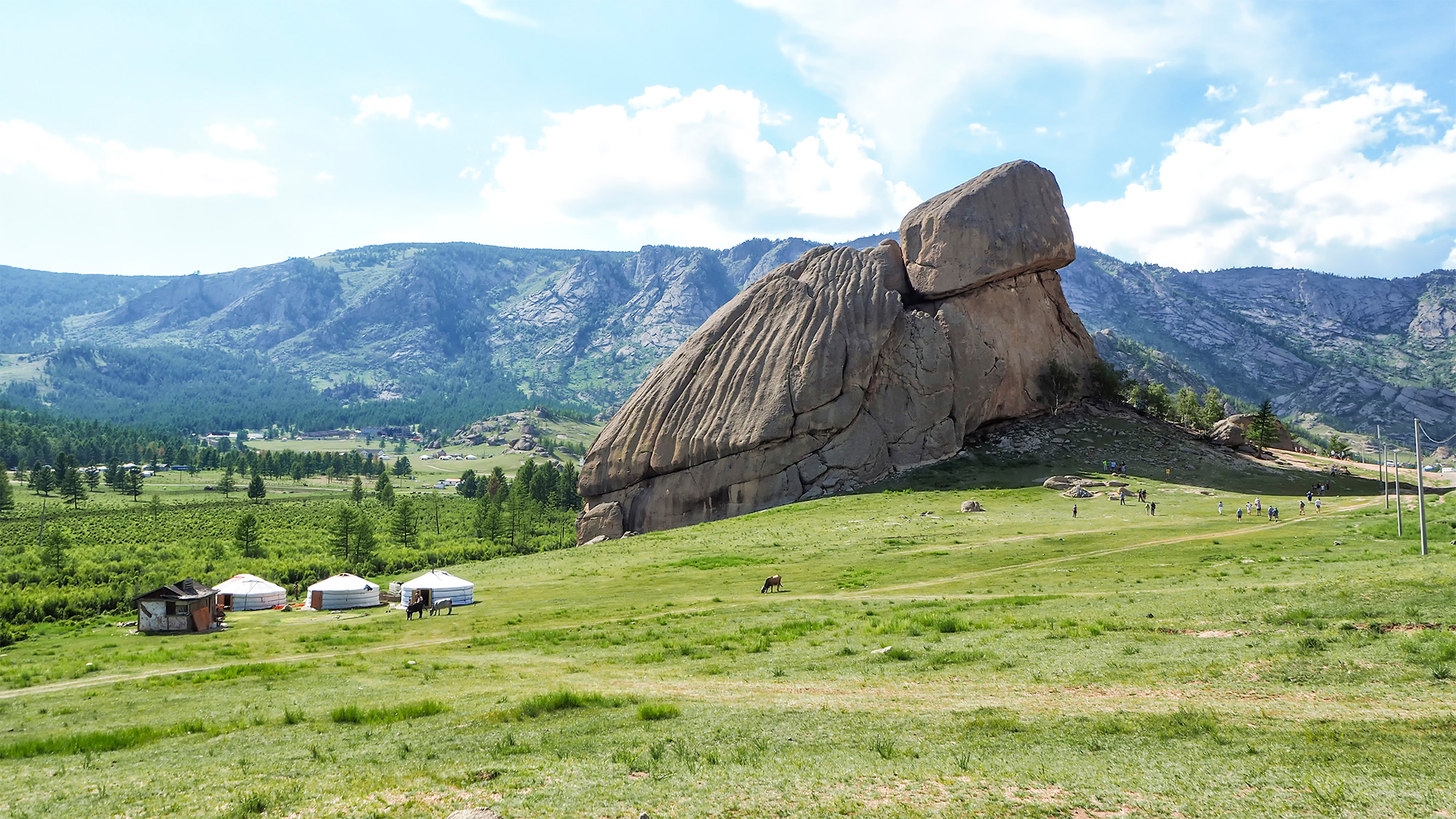
Central Mongolia is the easiest introduction. Ulaanbaatar gives you museums, Buddhist heritage and contemporary culture. Karakorum and the Orkhon Valley add the history of the Mongol Empire, Erdene Zuu Monastery and open grasslands. Elsen Tasarkhai provides sand dunes without the long journey to the southern Gobi, while Terelj adds granite formations, forest and accessible ger camps.
The Gobi suits travellers who want desert scale, camel culture, dramatic cliffs and remote camps. It needs several driving days or a domestic flight combined with road travel. Khovsgol adds deep blue water, forest and northern landscapes, while Bayan Ulgii and the Altai offer Kazakh culture, eagle hunting traditions and mountain scenery.
Do not combine the Gobi, Khovsgol and the Altai in a short trip. Flights often return through Ulaanbaatar and road sectors are long. Choose one major outer region, then add a central circuit if the schedule remains comfortable.
Best time to visit Mongolia
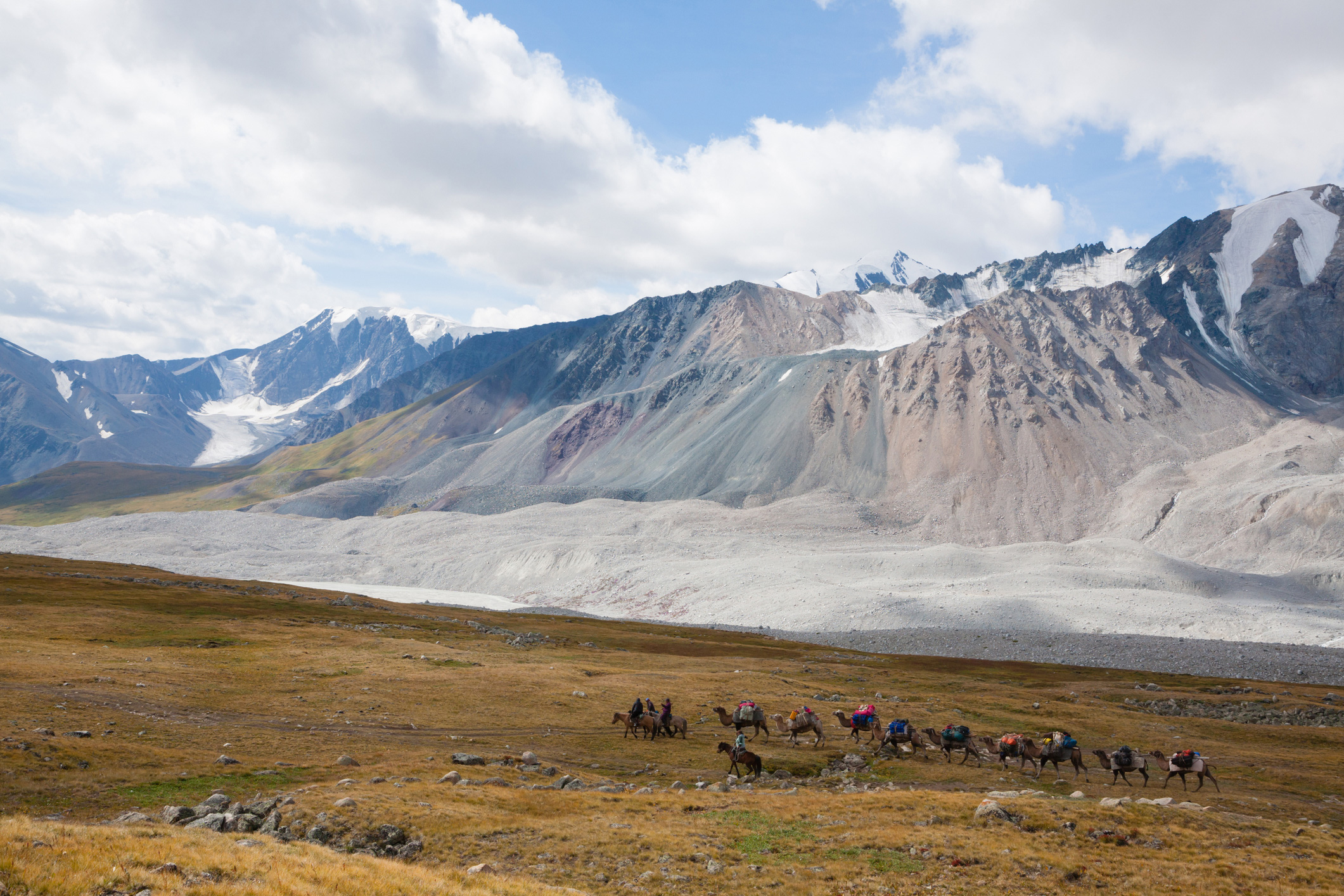
June to August brings the warmest weather, green steppe and the widest range of camps. July includes Naadam celebrations and strong visitor demand. Daytime conditions can feel pleasant, but nights remain cool and rain can affect unpaved roads.
September gives you clearer autumn colour, fewer visitors and excellent photography. The west becomes colder quickly, especially around the Golden Eagle festivals. Pack for frost, wind and occasional snow even when Ulaanbaatar remains mild during the day.
Winter is a specialist season for deep cold, snow, frozen landscapes and festivals. Spring can be dry, dusty and very windy. Both seasons need experienced support and flexible routing. Read the SoulTrips guide to Mongolia seasons before choosing dates for a remote journey.
Entry requirements and arrival preparation
Singapore passport holders can visit Mongolia without a visa for up to thirty days. Ensure that your passport has at least six months of validity from arrival and keep a blank page available. The Mongolian visa exemption list confirms the permitted stay for different nationalities.
Carry your return or onward flight, first accommodation details and tour contact. Visitors are expected to carry their original passport or registration card, so use a secure document pouch and keep separate digital copies.
Chinggis Khaan International Airport is outside the city. Arrange a transfer before arrival, especially after a late flight. The airport transport information lists public services, but a private transfer gives you a simpler first arrival with luggage.
Flights from Singapore
MIAT Mongolian Airlines operates direct services between Singapore and Ulaanbaatar on selected days. The nonstop journey takes about seven and a half hours. Schedules are seasonal and can change, so choose your land itinerary only after checking the live MIAT timetable.
Connections through Seoul, Beijing, Hong Kong or another Asian hub add choice. Book the whole journey on one ticket when possible. A protected connection gives you better support if the first flight is delayed.
Keep the first night in Ulaanbaatar. Moving straight into the countryside after an overnight journey can turn a memorable landscape into an exhausting travel day.
Getting around Mongolia
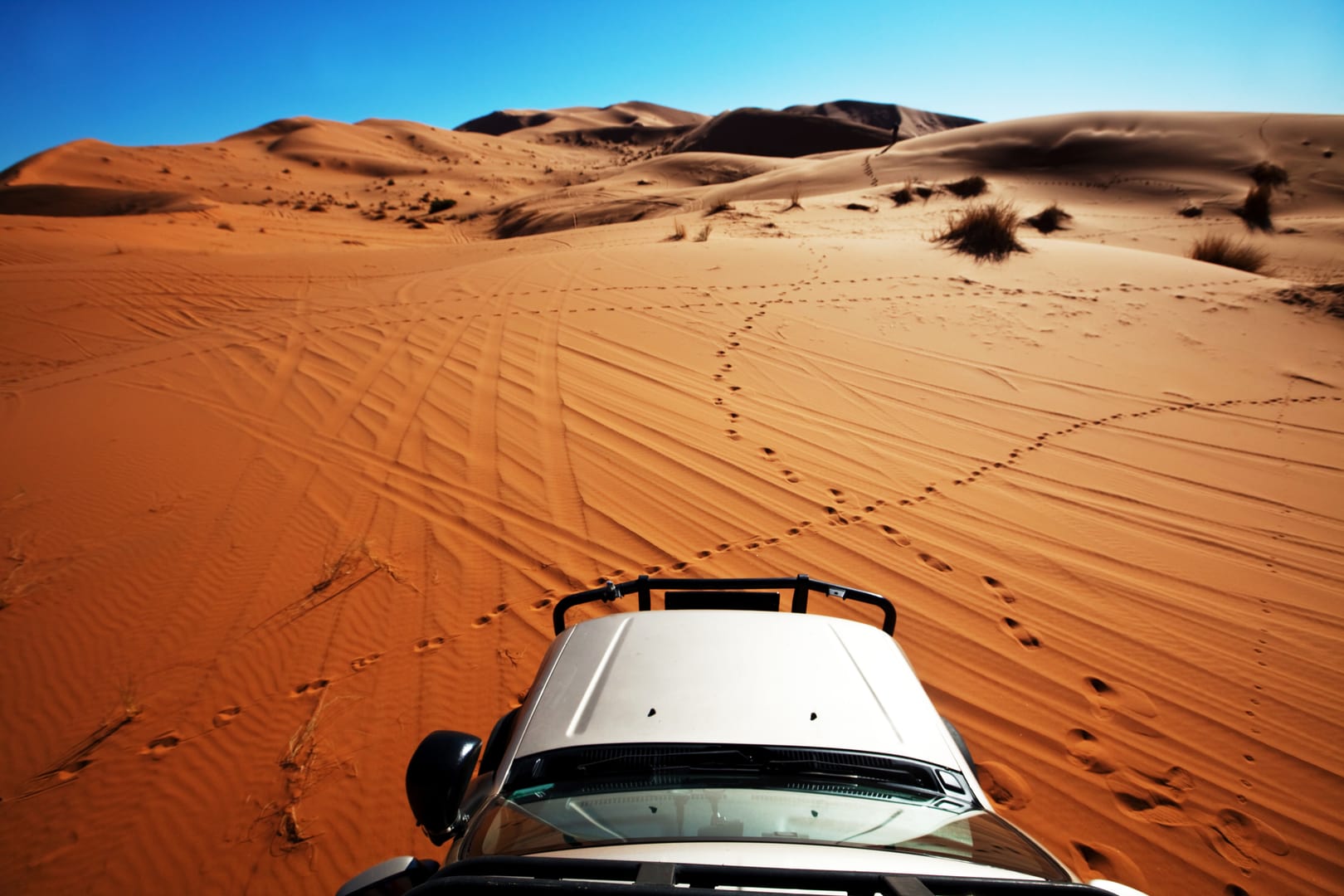
Use a private four wheel drive vehicle with a local driver for most countryside routes. Main roads have improved, but many scenic areas still involve gravel, earth tracks and river crossings. Navigation is based on local knowledge as much as road signs.
Domestic flights reduce travel time to Ulgii, Khovd, Murun, Dalanzadgad and other regional centres when services operate. Seats can be limited and timetables can change, so build one buffer before an international departure.
Trains connect Ulaanbaatar with selected towns and international routes, but they do not reach most national parks or ger camps. City taxis and ride services are useful in Ulaanbaatar. Agree on the transport plan through your hotel or local operator.
What to expect from a ger camp
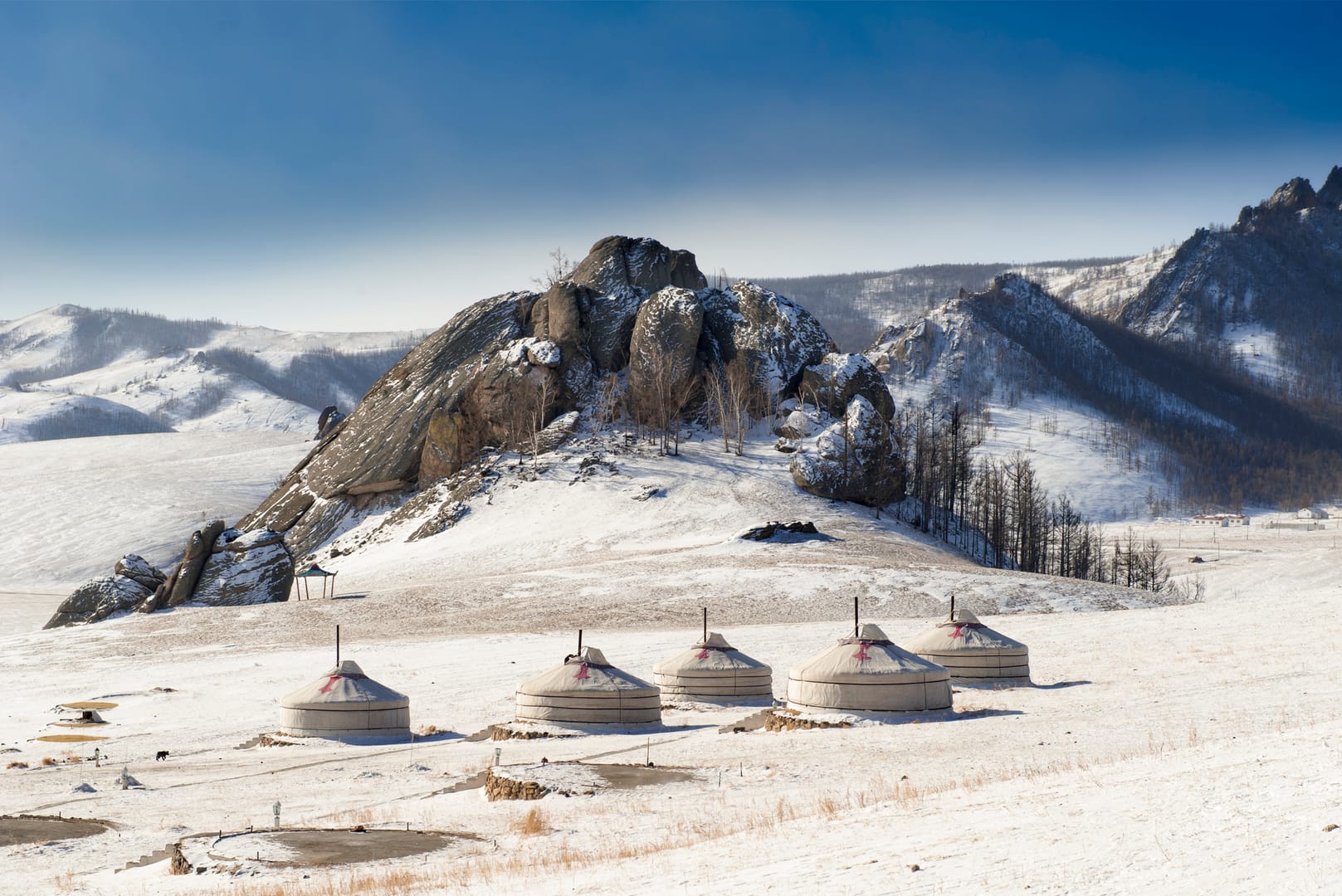
A ger is a circular felt dwelling designed for Mongolia's climate and mobile pastoral life. Tourist camps provide private sleeping gers with proper beds, a central restaurant and shared or private bathrooms depending on the property.
Heating often comes from a stove that needs attention during cold nights. Electricity can run for limited hours, water pressure may be modest and mobile coverage can disappear. Pack a head torch, power bank, slip on shoes and a small wash kit.
A family ger visit is different from a tourist camp. You are entering a home. Accept tea or food with thanks, sit where your host indicates and ask before photographing people, children or possessions.
Food, water and dietary needs
Mongolian food reflects pastoral life. Meat, flour and dairy are central, with dishes such as buuz dumplings, khuushuur pastries, noodle soups and boiled mutton. Kazakh meals in the west introduce different breads, meat dishes and dairy traditions.
Tell your operator about allergies, vegetarian needs and religious restrictions before the trip. Remote camps work with limited supplies and cannot always redesign a menu after arrival. Carry a few suitable snacks for long drives, but use local meals as an opportunity to understand the landscape and its food culture.
Drink treated or sealed water. Use a refillable bottle when the operator can provide safe drinking water, and clean your hands before meals in remote areas.
Money, connectivity and electricity
Cards are common in larger hotels, restaurants and shops in Ulaanbaatar. Carry tugrik for markets, small businesses, tips and remote areas. Withdraw or exchange enough before leaving the capital because rural cash machines can be unreliable.
Buy a local SIM or arrange roaming for the city and main settlements. Mobile coverage becomes inconsistent on long countryside drives. Download maps, bookings and emergency details before departure.
Mongolia uses several plug types, and supply can be limited at camps. Bring a universal adaptor and power bank. Charge devices whenever electricity is available rather than waiting until bedtime.
Culture and everyday etiquette
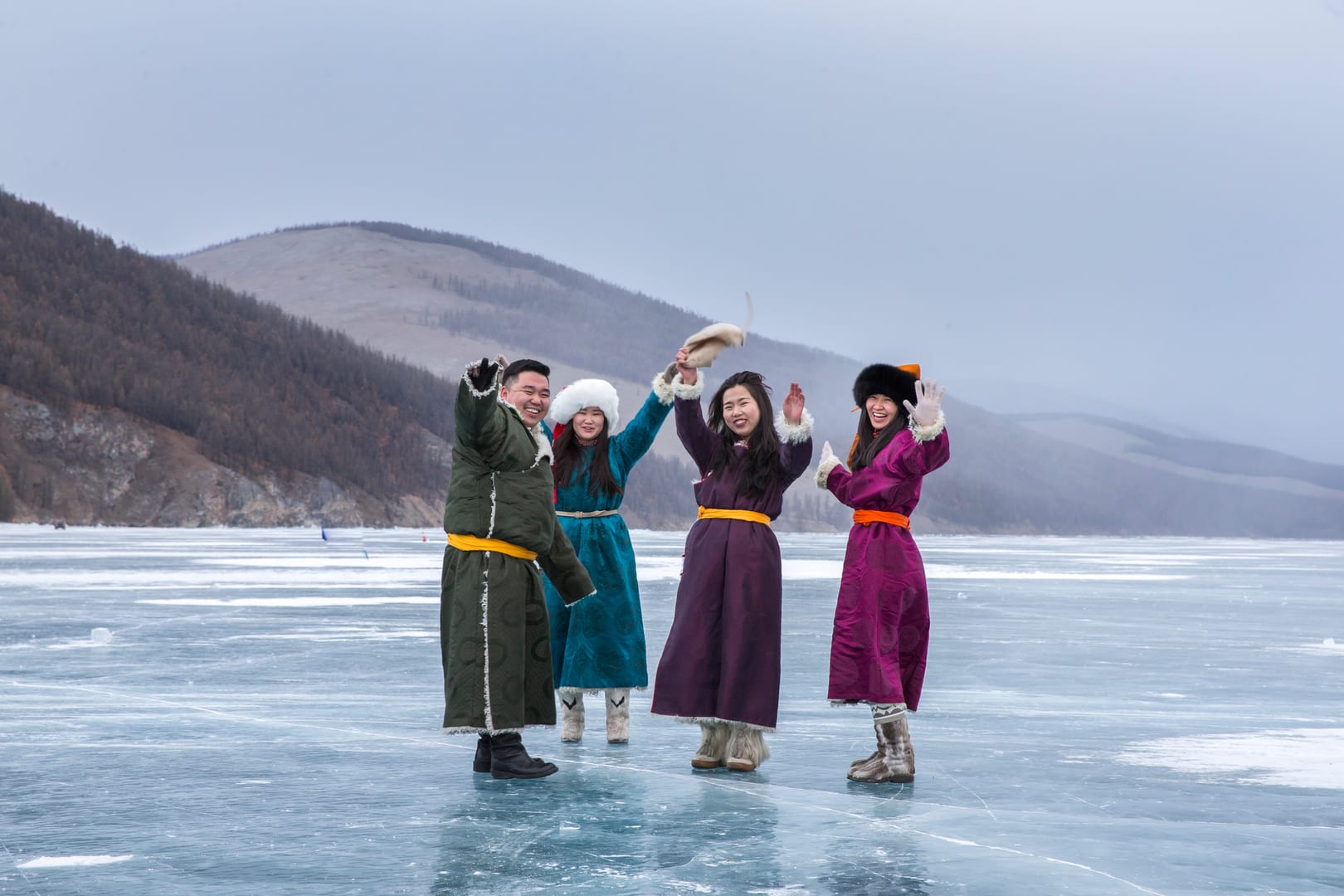
Hospitality is central to Mongolian life. Receive tea, food and small objects with your right hand or both hands. Avoid stepping on the ger threshold, pointing your feet towards the altar and touching another person's hat without permission.
Walk around the central stove and sacred objects in the direction shown by your host. Do not whistle inside a ger. If you accidentally touch someone's foot, a quick handshake is a traditional way to acknowledge it.
Ask before photographing herders, monks, eagle hunters and children. Cultural access should feel like an exchange, not a staged collection of images.
Health, safety and accessibility
Road travel is the main physical challenge. Expect vibration, dust and limited toilets on some days. Keep drinking water, tissues, hand sanitiser and prescribed medicine in the vehicle rather than in the main luggage.
Ulaanbaatar has the country's strongest medical facilities. Remote treatment and evacuation take time, so insurance and an experienced operator matter. Bring enough medicine for delays and carry prescriptions by generic name.
Accessibility varies greatly. A private vehicle allows more control, but camps can have steps, uneven paths and distant bathrooms. Ask for exact conditions before booking and shorten driving days when fatigue or joint pain is a concern.
How a Mongolia travel specialist plans a first trip
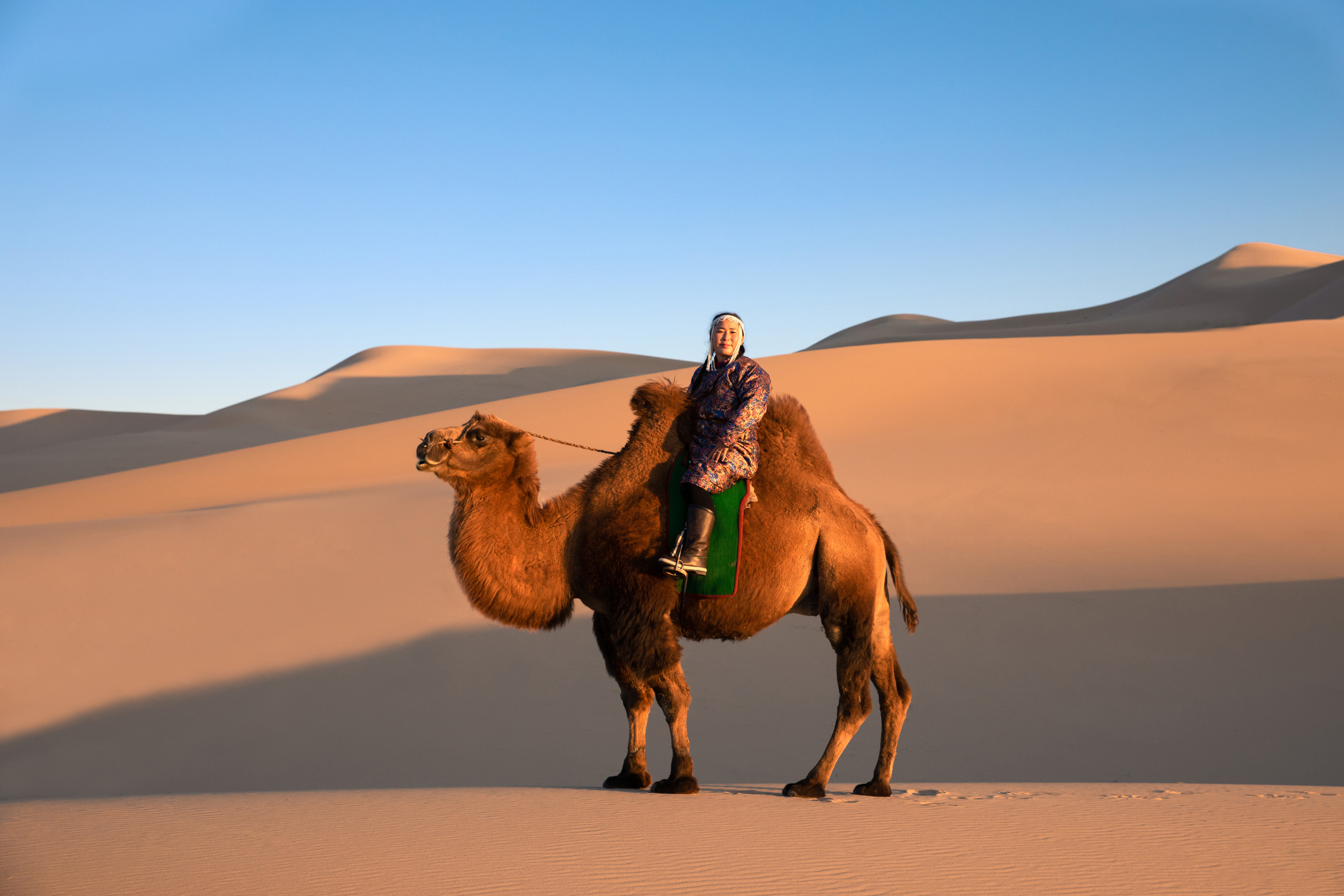
Choose one central route and one optional outer region, then let the available days determine the depth of each stay. Mongolia looks simple on a map, but scale, road conditions, limited flights and changing weather decide what is comfortable. Start with the one experience that matters most, then build the route around it.
Keep city nights, countryside nights and travel days visually separate when reviewing the itinerary. A short distance can take longer than expected once the paved road ends. Two or three nights in an important region usually create a better experience than a sequence of single night stops.
Reserve the least flexible element first. This could be a domestic flight to Ulgii, a ger camp with limited rooms, the Golden Eagle Festival, a Naadam programme or a family visit arranged through a trusted local partner. The SoulTrips guide to booking ahead gives you a useful planning timeline.
Common planning mistakes
- Treating driving distances like travel times on a paved motorway.
- Adding the Gobi, Khovsgol and western Mongolia to one short journey.
- Packing only for the expected daytime temperature.
- Assuming every ger camp has private bathrooms, constant electricity and mobile coverage.
These mistakes are easy to prevent with a focused route, realistic driving times and one weather buffer. Keep arrival and departure nights in Ulaanbaatar and avoid placing a long countryside drive beside an international flight.
Make the final plan work on the ground
Review a first trip one last time with the local team before paying the final balance. Confirm the real driving hours, meal arrangements, bathroom standard, heating, luggage limits and the point where mobile coverage becomes unreliable. Ask which day is most exposed to weather and what the practical alternative will be.
Keep one flexible half day in Ulaanbaatar and one complete night before the international departure. This margin gives the guide room to respond to a delayed domestic flight, a difficult road or a camp change without removing the experience that matters most.
Share medical needs, dietary requirements and mobility concerns clearly. A specialist can adjust the vehicle, room location, walking route and meal plan only when the details are known in advance. Carry the confirmed programme offline, but expect the guide to refine each day using current local conditions. That balance of preparation and flexibility is the key to travelling comfortably across Mongolia.
Practical advice for different travellers
First time visitors
Begin with Ulaanbaatar, central Mongolia and Terelj, then add one farther region when you have at least ten days. The SoulTrips Mongolia culture and wilderness journey is a useful model because it balances Ulaanbaatar, central history, sand dunes, nomadic encounters and Terelj without trying to cross the whole country.
Solo travellers
Use an experienced local guide and driver outside Ulaanbaatar. Remote roads, limited mobile coverage and great distances make improvised solo transport difficult. Share the route with someone at home and keep the guide's local contact details offline.
Families
Choose fewer bases and request shorter driving days, private bathroom options and age suitable riding activities. Build in regular toilet stops, warm layers, familiar snacks and quiet time at camp. Horse and camel activities need properly fitted equipment, clear supervision and a pace suited to the least confident rider.
Older travellers and travellers with mobility concerns
Prioritise central routes, hotels with lifts and camps that can place you close to dining and bathroom facilities. Ger thresholds, uneven ground, basic bathrooms and long vehicle days can be demanding. Ask for photographs and exact walking descriptions, then request private facilities, a western toilet and the ger closest to the main building where possible.
Responsible travel and safety
Choose locally operated camps, guides and family visits that pay hosts fairly and explain the purpose of each encounter. Mongolia's open landscape can look empty, but it supports families, livestock, wildlife and fragile water sources. Stay on established tracks when instructed, carry rubbish out and never photograph people at close range without permission.
Weather can change quickly. Carry warm layers, drinking water, sun protection and a basic personal medicine kit even on a summer day. Follow your guide during storms, strong wind, wildfire conditions or flooding, and do not separate from the vehicle in remote country.
Travel insurance should cover medical treatment, evacuation, domestic flight disruption and the activities in your itinerary. Mobile coverage becomes limited beyond settlements, so a good operator carries communication and contingency plans that match the route.
Review the SoulTrips Mongolia destination guide for related planning articles and browse SoulTrips travel tips before departure.
Frequently asked questions
-
How many days do you need in Mongolia?
Eight days works for Ulaanbaatar and a central circuit. Ten to fourteen days gives you time for the Gobi, Khovsgol or western Mongolia without turning every day into a transfer.
-
What is the best month to visit Mongolia?
June, August and September suit many first trips. July is lively because of Naadam, but availability is tighter and prices are often higher.
-
Do Singapore passport holders need a visa for Mongolia?
Singapore passport holders can visit without a visa for up to thirty days. Ensure that your passport has at least six months of validity from arrival.
-
Is Mongolia suitable for first time adventure travellers?
Yes, with a well planned private route and an experienced local team. You need to be comfortable with long drives, changing weather and simpler countryside facilities.
-
Can you travel independently in Mongolia?
You can explore Ulaanbaatar independently, but countryside travel is much easier with a driver and guide. Roads, navigation, fuel, language and limited services make local support valuable.
-
What is a ger camp like?
You sleep in a circular felt dwelling with proper beds and a stove. Tourist camps have a restaurant and shared or private bathrooms, though facilities vary greatly.
-
Is Mongolia expensive to visit?
The land journey can cost more than expected because private vehicles, long distances, guides and remote accommodation are essential. The experience becomes better value when the route avoids unnecessary backtracking.
-
What should you pack for Mongolia?
Pack warm layers, a waterproof jacket, sun protection, sturdy shoes, a head torch, power bank and personal medicines. Bring cold weather clothing even for some summer and autumn routes.
-
Is mobile coverage available across Mongolia?
Coverage is useful in Ulaanbaatar and many towns but can disappear for long periods in remote areas. Save important information offline and travel with a prepared local team.
-
How do you start planning a Mongolia journey?
Choose your travel month, trip length and priority region, then plan your Mongolia trip with SoulTrips. A specialist can match transport, camps and cultural experiences to your comfort level.
Plan your Mongolia journey with confidence
A useful Mongolia travel guide gives you the confidence to embrace distance without underestimating it. Choose one coherent route, prepare for changing weather and let local knowledge shape the countryside experience. Explore SoulTrips Mongolia journeys or speak with a travel specialist to create a thoughtfully paced trip.