By Soul Trips · Updated on 09 October, 2026
Mongolia Culture and Etiquette: What Travellers Should Know
Mongolia travel etiquette becomes easier when you treat hospitality as a relationship rather than a performance. Accept a welcome calmly, follow your host's lead and ask before photographing people or private spaces. A respectful manner matters more than perfect knowledge of every custom.
Mongolia includes many regional and ethnic identities, and urban life differs from a family home on the steppe. This guide explains the practical habits that help you participate with confidence. The SoulTrips Mongolia destination guide connects them with real journeys.
Mongolia travel etiquette at a glance
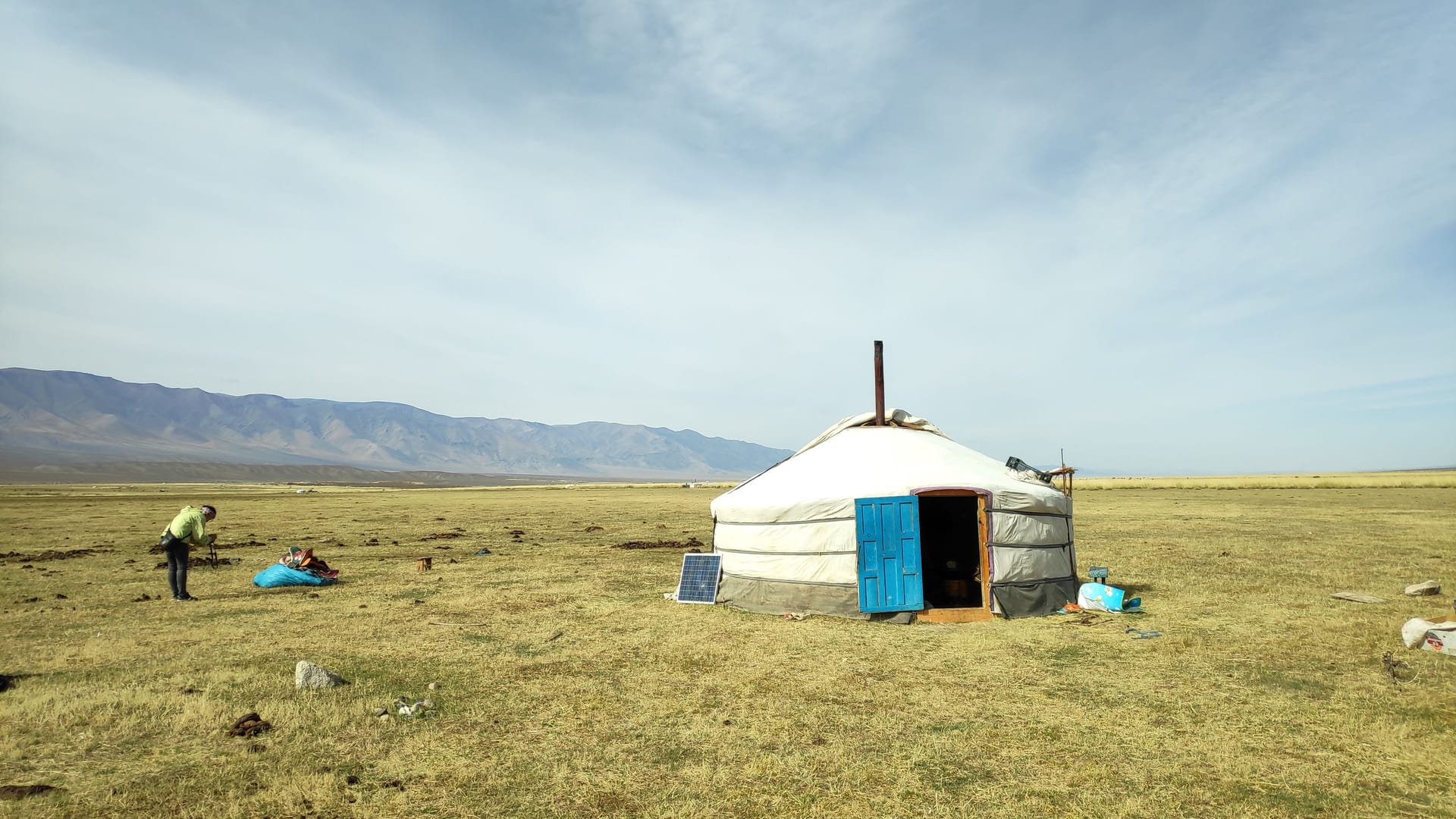
Respect for hosts, elders, animals and the household space underpins many everyday customs.
- Step over the ger threshold without standing on it.
- Accept tea, food and objects with your right hand or both hands.
- Sit where the host indicates.
- Keep feet away from the altar, stove and other people.
- Ask before photographing people, children and homes.
- Do not touch another person's hat without permission.
- Follow monastery rules and keep voices low.
- Treat animals calmly and follow the handler's instructions.
The SoulTrips culture and wilderness journey includes guided family and cultural encounters that make these customs easier to understand.
Greetings and communication
A warm verbal greeting and gentle manner are enough in most travel situations. Handshakes are common in urban and tourism settings, but follow the other person's lead.
Use two hands or support the right forearm with the left when giving something formally to an elder. This gesture communicates attention and respect.
English is used in parts of the tourism industry, while Mongolian is the national language and Kazakh is widely spoken in Bayan Ulgii. Learn simple greetings and allow your guide to interpret detailed cultural questions.
Entering a ger
Enter without stepping on the wooden threshold. Move to the seating place shown by the host and avoid blocking the door.
The central stove is both practical and symbolically important. Walk around it in the direction shown by the household, keep rubbish out of the fire and do not place wet or dirty items on it.
Avoid pointing your feet towards the altar, stove or another person. Sit cross legged or with legs to one side when comfortable. Your guide can help arrange a chair for mobility needs.
Tea, dairy and hospitality
Hosts often offer milk tea, dairy foods or snacks soon after you arrive. Accept the bowl or cup with the right hand or both hands, and taste a small amount when health and dietary needs allow.
You do not need to finish every item. Explain allergies or restrictions to the guide before entering so the host is not surprised by a refusal.
Hospitality is an exchange. Give your attention, ask respectful questions and avoid treating the family as background for photographs.
Food etiquette
Meals can be generous and meat focused. Wait for the host or guide to indicate when to begin. Use the right hand for shared food and personal bowls when practical.
Do not criticise unfamiliar flavours or make jokes about livestock based food. These dishes reflect climate, mobility and the value of animals to family life.
Tell the operator about vegetarian, halal, allergy and medical needs before the journey. Remote families and camps work with limited ingredients and need time to prepare.
Hats, feet and personal space
The head and hat carry personal significance. Do not touch, borrow or play with another person's hat without permission.
Avoid pointing the soles of your feet towards people or sacred objects. If you accidentally touch someone's foot, offer a quick handshake. It acknowledges the contact without a long apology.
Do not step over a person, food, tools or objects on the floor. Walk around them carefully inside the small ger space.
Gifts during a family visit
A gift is not required when the visit has been arranged and paid fairly through the operator. If you want to bring something, choose a practical shared item or quality food that the local partner recommends.
Avoid sweets for children, alcohol without context and items that create waste. Give the gift to the adult host rather than distributing objects directly to children.
Cash should follow the arrangement made by the guide. Do not turn a family interaction into bargaining or surprise payment.
Monastery etiquette
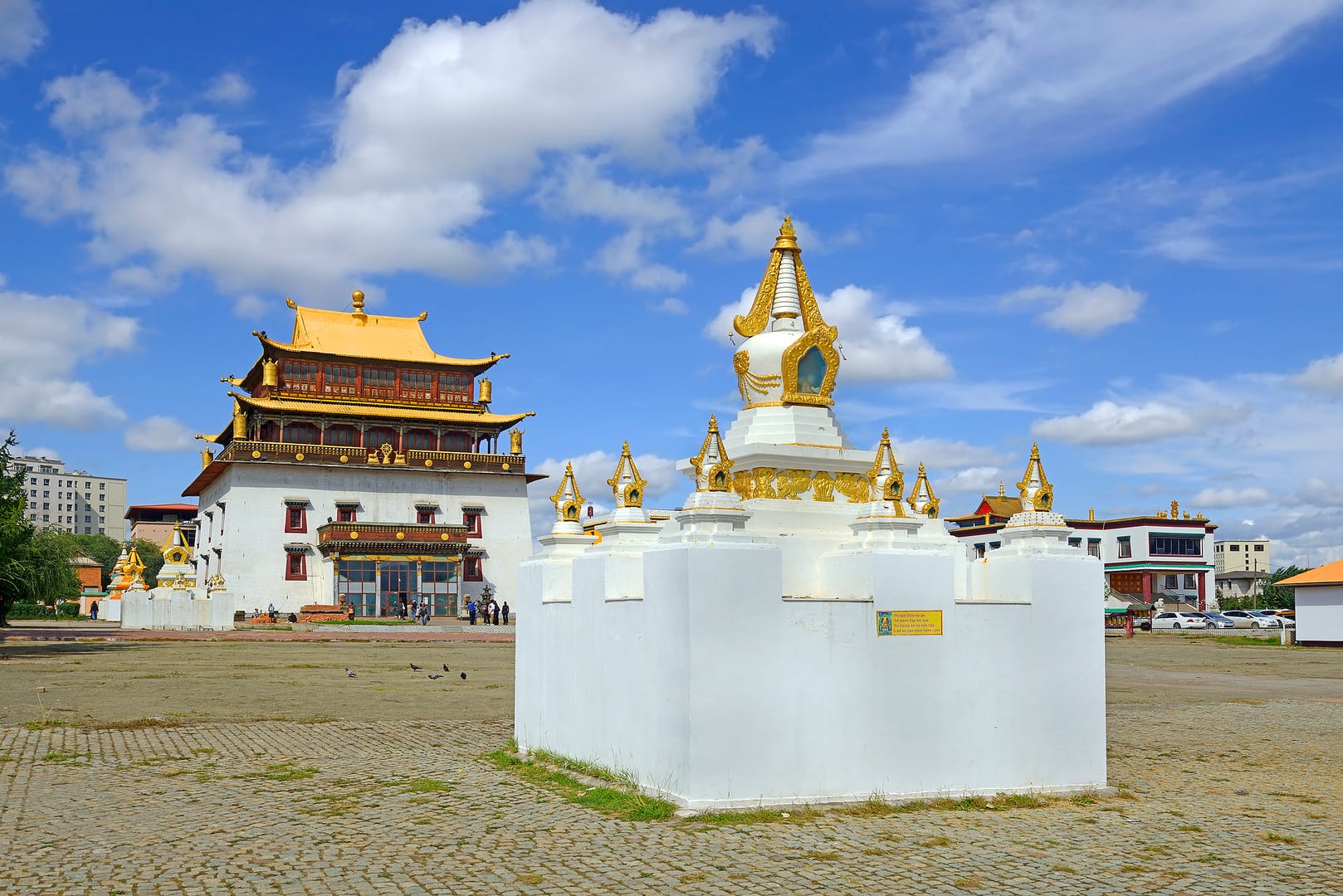
Wear clean modest clothing, keep voices low and follow signs about photography. Remove hats where requested and never touch sacred images, books or ritual objects.
Walk around shrines and prayer objects in the direction indicated by worshippers or your guide. Do not interrupt chanting or place yourself between a devotee and the altar for a photograph.
Ask before photographing monks. Some areas charge a camera fee or prohibit images entirely.
Photography etiquette
Ask permission before photographing an identifiable person, even at a public festival. A long lens does not remove the need for respect.
Show the image when the interaction allows and accept a refusal immediately. Do not direct a family member, child or eagle hunter into repeated poses unless a portrait session has been clearly arranged.
The SoulTrips Golden Eagle Festival tour gives photographers cultural context and a local guide who can manage permission.
Golden Eagle Festival etiquette
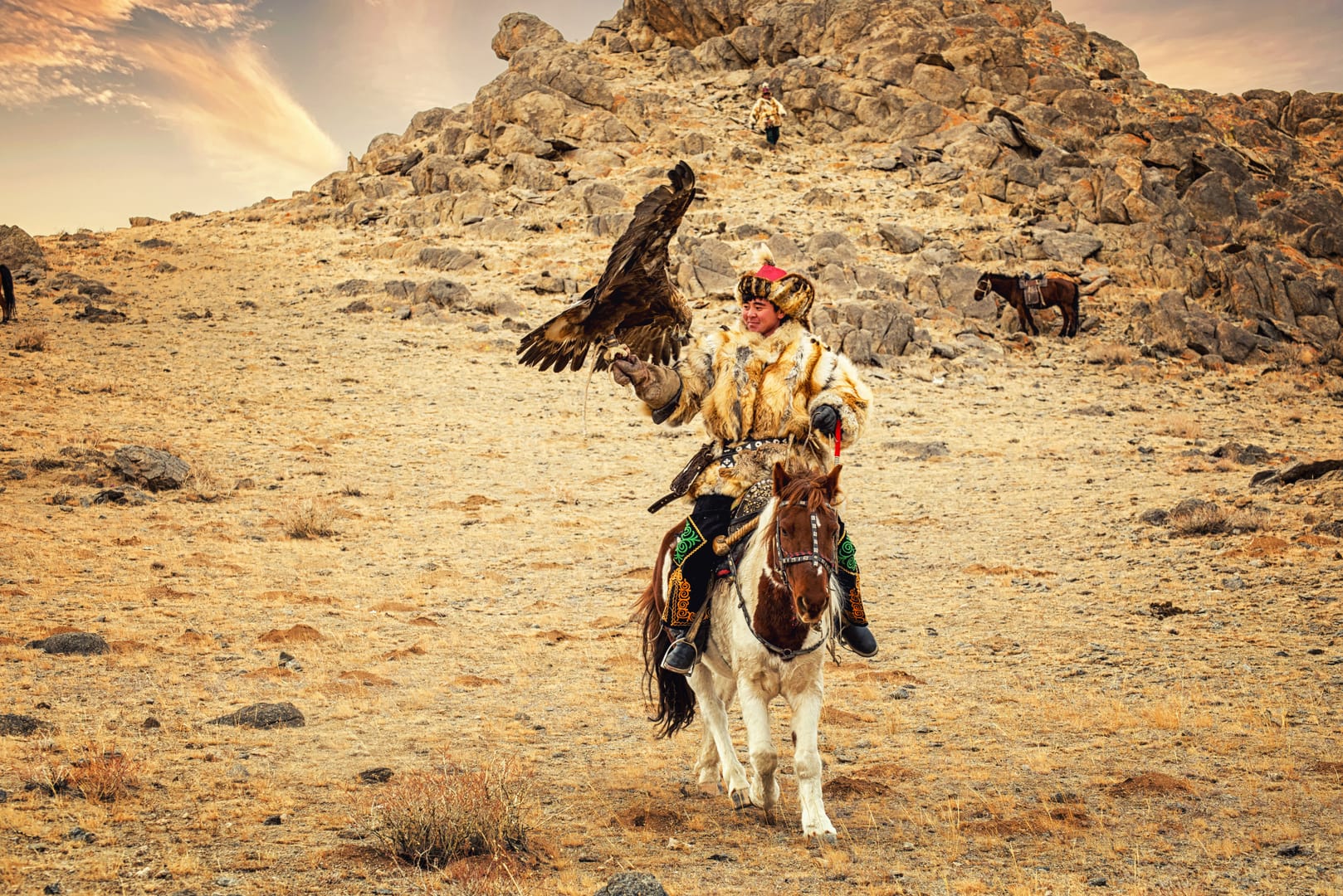
The festival is a community event and competition, not a staged costume show. Keep away from horses, flight paths and competition areas unless officials invite you closer.
Do not touch an eagle or equipment without the hunter's permission. Birds are powerful working animals, and handlers need space before each event.
Photograph the wider setting, families and preparation with the same care as the main competitions. The UNESCO falconry heritage page explains the living tradition behind the spectacle.
Horse and camel etiquette
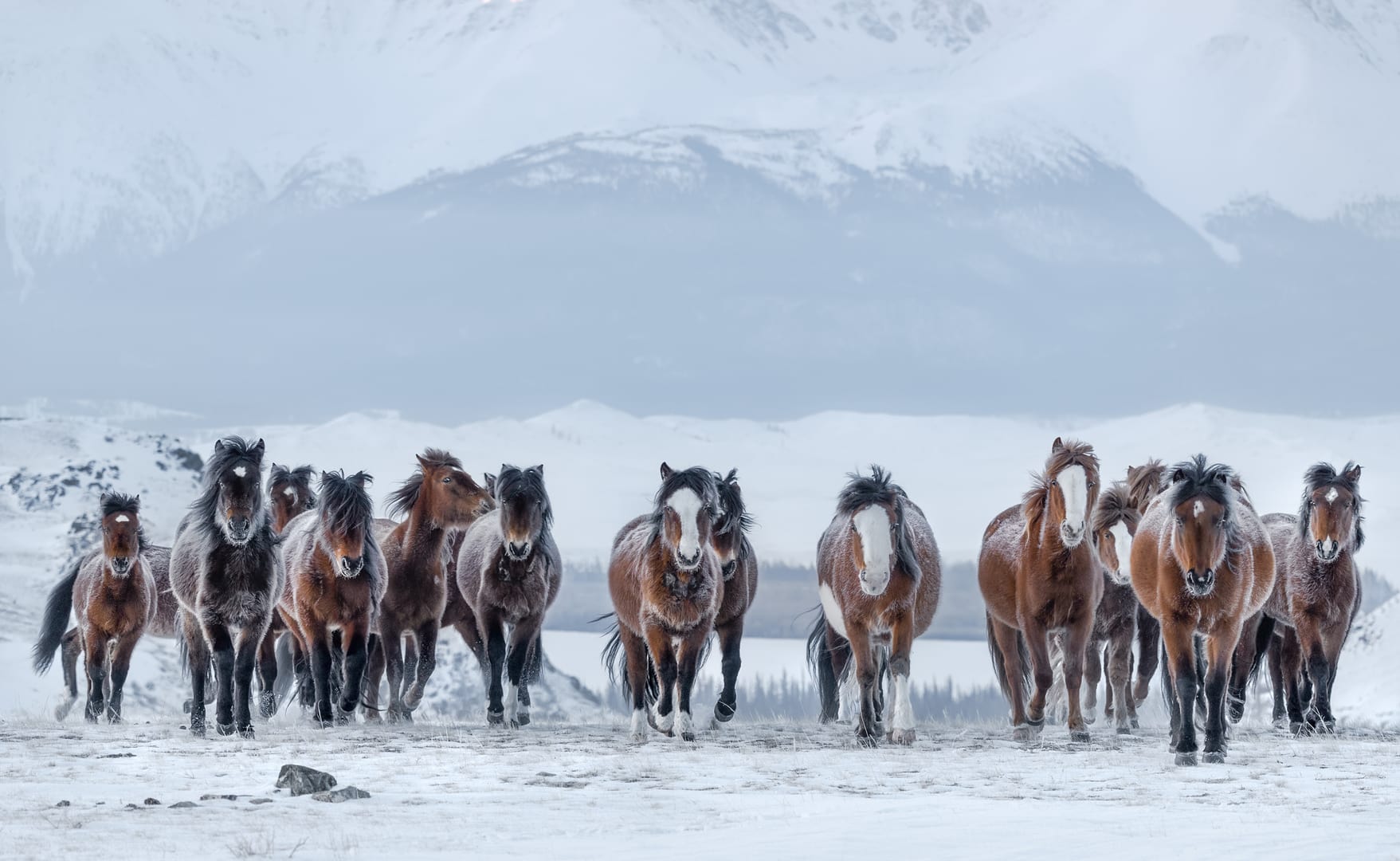
Approach animals from the side where the handler can see you. Avoid sudden movements, loud noise and walking directly behind a horse or camel.
Tell the guide your honest riding experience. Wear a helmet when available and follow the local handler rather than trying to control the pace for a photograph.
Respect the animal's workload. A responsible ride can be shortened or cancelled because of weather, ground or the animal's condition.
Naadam etiquette
Naadam centres on wrestling, archery and horse racing and carries deep national significance. Follow seating and access rules, keep routes clear for competitors and avoid entering restricted areas.
Horse racing involves young riders and long courses. Approach the event with cultural sensitivity and discuss any welfare concerns calmly with a knowledgeable guide.
Local Naadam events can feel more intimate than the national programme. Ask before moving close to families, horses and preparations.
Tipping and payment
Tipping is not an everyday social requirement in the same way as in some countries, but it is appreciated in tourism. Follow the operator's guidance for guides, drivers and camp teams.
Pay family visits and craft purchases through clear arrangements. Bargain respectfully in markets only when the setting supports it, and do not push a maker below a fair price.
Environmental etiquette
Water sources are precious. Keep soap, food waste and litter away from rivers and lakes. Use camp toilets rather than open ground near a household.
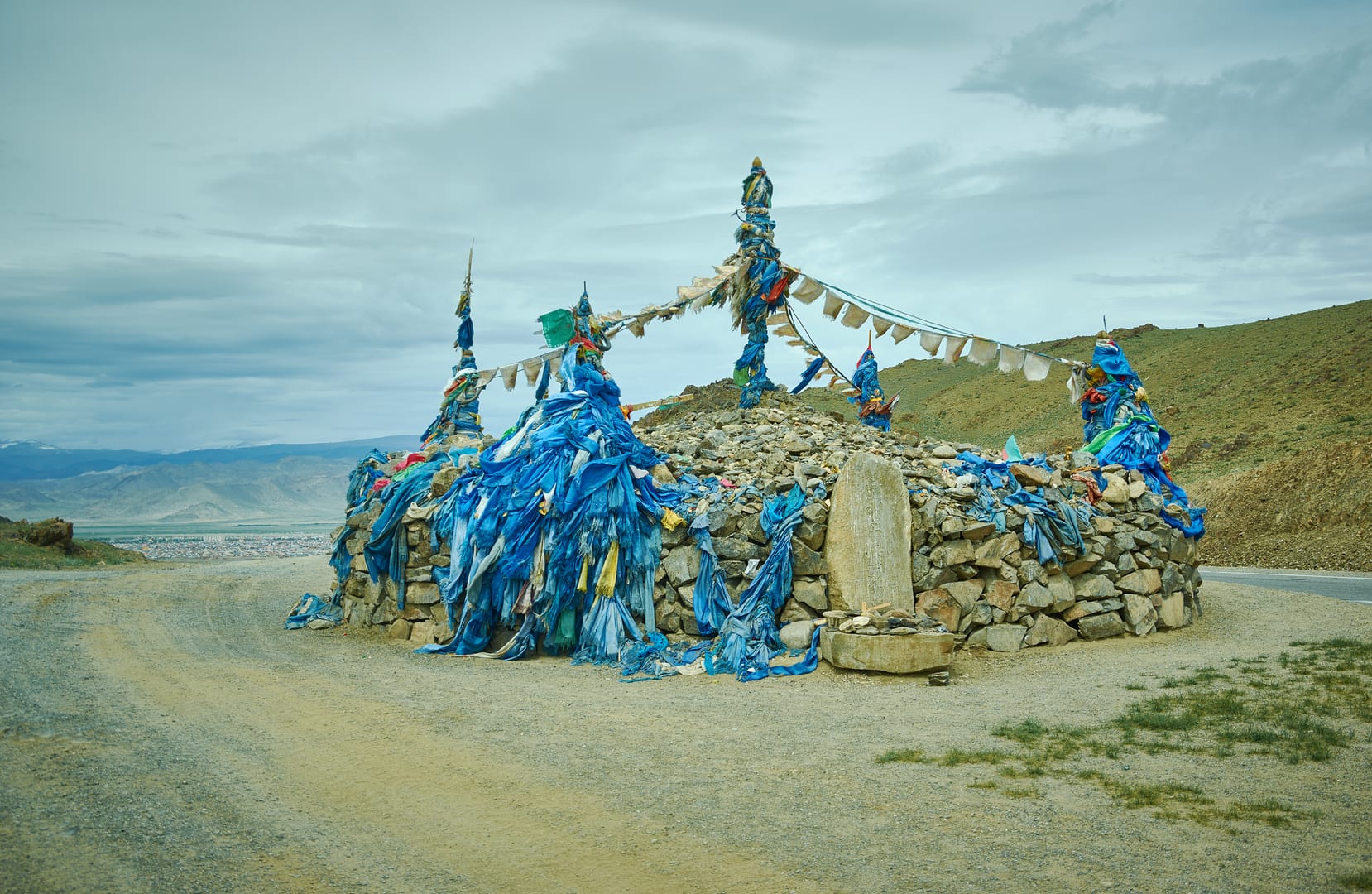
Do not move stones, disturb ovoo offerings or remove natural and cultural objects. An ovoo is a sacred cairn found on passes and important sites. Follow your guide if invited to walk around it or make an offering.
Stay on established tracks in fragile desert and steppe areas. Open land is not empty land.
Conversation and cultural exchange
Begin with everyday subjects such as family, landscape, animals, weather and the journey. Your guide can translate more than words by explaining when a question feels too personal or needs cultural context. Speak to the host rather than looking only at the interpreter, and allow pauses while the answer is translated.
Avoid rapid questions that make a family visit feel like an interview. Share something about your own home and journey as well. Mutual conversation creates a warmer exchange than treating the household as an attraction.
Ask before discussing income, politics, religion or difficult historical subjects. People have individual views and should not be expected to represent an entire culture. Use names correctly, listen to the pronunciation and do not invent nicknames without invitation.
When leaving, thank the hosts directly. A simple translated message about what you appreciated is more meaningful than a vague compliment. Let the guide handle any agreed payment or gift discreetly so the farewell remains personal rather than transactional.
Handling mistakes gracefully
You will make small mistakes. Stop, apologise briefly and follow the correction from your guide or host.
Do not defend the action or turn the moment into a debate. Calm curiosity and willingness to adjust create a much better interaction than memorising a long rule list.
How a Mongolia travel specialist plans a culturally respectful journey
Choose family visits, monasteries and festivals where a knowledgeable local guide can explain context and manage permission. Mongolia looks simple on a map, but scale, road conditions, limited flights and changing weather decide what is comfortable. Start with the one experience that matters most, then build the route around it.
Keep city nights, countryside nights and travel days visually separate when reviewing the itinerary. A short distance can take longer than expected once the paved road ends. Two or three nights in an important region usually create a better experience than a sequence of single night stops.
Reserve the least flexible element first. This could be a domestic flight to Ulgii, a ger camp with limited rooms, the Golden Eagle Festival, a Naadam programme or a family visit arranged through a trusted local partner. The SoulTrips guide to booking ahead gives you a useful planning timeline.
Common planning mistakes
- Stepping on the threshold when entering a ger.
- Photographing people or children before asking permission.
- Treating an eagle festival as a costume show for visitors.
- Offering gifts or cash directly to children without the host’s agreement.
These mistakes are easy to prevent with a focused route, realistic driving times and one weather buffer. Leave time before meals and cultural visits so etiquette never becomes another rushed task.
Make the final plan work on the ground
Review a culturally respectful journey one last time with the local team before paying the final balance. Confirm the real driving hours, meal arrangements, bathroom standard, heating, luggage limits and the point where mobile coverage becomes unreliable. Ask which day is most exposed to weather and what the practical alternative will be.
Keep one flexible half day in Ulaanbaatar and one complete night before the international departure. This margin gives the guide room to respond to a delayed domestic flight, a difficult road or a camp change without removing the experience that matters most.
Share medical needs, dietary requirements and mobility concerns clearly. A specialist can adjust the vehicle, room location, walking route and meal plan only when the details are known in advance. Carry the confirmed programme offline, but expect the guide to refine each day using current local conditions. That balance of preparation and flexibility is the key to travelling comfortably across Mongolia.
Practical advice for different travellers
First time visitors
Observe first, follow the guide and enter each home or sacred place with a calm pace. The SoulTrips Mongolia culture and wilderness journey is a useful model because it balances Ulaanbaatar, central history, sand dunes, nomadic encounters and Terelj without trying to cross the whole country.
Solo travellers
Use an experienced local guide and driver outside Ulaanbaatar. Remote roads, limited mobile coverage and great distances make improvised solo transport difficult. Share the route with someone at home and keep the guide's local contact details offline.
Families
Teach children the threshold, hat and animal rules before the visit, then keep the encounter short enough for good attention. Build in regular toilet stops, warm layers, familiar snacks and quiet time at camp. Horse and camel activities need properly fitted equipment, clear supervision and a pace suited to the least confident rider.
Older travellers and travellers with mobility concerns
Tell the host and guide if floor seating is difficult so a chair or suitable position can be arranged without embarrassment. Ger thresholds, uneven ground, basic bathrooms and long vehicle days can be demanding. Ask for photographs and exact walking descriptions, then request private facilities, a western toilet and the ger closest to the main building where possible.
Responsible travel and safety
Pay hosts fairly, reduce gift waste and let cultural encounters follow the household rather than demanding a staged performance. Mongolia's open landscape can look empty, but it supports families, livestock, wildlife and fragile water sources. Stay on established tracks when instructed, carry rubbish out and never photograph people at close range without permission.
Weather can change quickly. Carry warm layers, drinking water, sun protection and a basic personal medicine kit even on a summer day. Follow your guide during storms, strong wind, wildfire conditions or flooding, and do not separate from the vehicle in remote country.
Travel insurance should cover medical treatment, evacuation, domestic flight disruption and the activities in your itinerary. Mobile coverage becomes limited beyond settlements, so a good operator carries communication and contingency plans that match the route.
Review the SoulTrips Mongolia destination guide for related planning articles and browse SoulTrips travel tips before departure.
Frequently asked questions
-
What should you do when entering a Mongolian ger?
Step over the threshold, sit where your host indicates and keep feet away from the altar and stove. Follow your guide around the central space.
-
Should you accept Mongolian milk tea?
Accept it with the right hand or both hands and taste a small amount when you can. Explain allergies or medical restrictions through your guide.
-
Can you photograph nomadic families?
Ask permission first and accept a refusal. Arrange extended portrait sessions clearly and compensate people fairly through the local partner.
-
Is it rude to refuse food in Mongolia?
A polite explanation is acceptable, especially for allergies or dietary restrictions. Tell the guide before the visit so the host can prepare.
-
Why should you avoid touching a Mongolian hat?
A hat is personal and culturally significant. Do not touch, borrow or play with it without permission.
-
What should you wear to a monastery?
Wear clean modest clothing, remove hats when requested and follow all photography rules. Keep your voice low.
-
Do you tip in Mongolia?
Tipping is appreciated in tourism. Follow the operator's guidance for suitable amounts for guides, drivers and camp teams.
-
Can you touch a golden eagle at a festival?
Only with the hunter's clear permission and direct guidance. Eagles are powerful working birds and need space.
-
What is an ovoo?
An ovoo is a sacred cairn found on passes and significant places. Do not disturb it and follow your guide if invited to take part in a custom.
-
Can a guide help with cultural etiquette?
Yes. Plan a cultural Mongolia journey with SoulTrips to include respectful family visits, monasteries and festival experiences.
Approach Mongolia culture with respect and curiosity
Mongolia travel etiquette is rooted in care for the host, home, animals and land. Observe, ask permission and let each encounter develop at a human pace. Explore SoulTrips Mongolia journeys or speak with a specialist to plan cultural experiences with suitable local guidance.