By Soul Trips · Updated on 12 October, 2026
Japan Weather by Month: Temperature, Rain and Seasonal Conditions
Japan weather by month varies far more than a single national forecast suggests. January can mean deep snow in Hokkaido, dry cold in Tokyo and mild subtropical weather in Okinawa. August brings intense heat across central Japan, while northern regions remain more comfortable. Plan around the exact route, not an average for the country.
Tokyo is a useful reference for central Japan, but Kyoto often feels hotter in summer and colder in winter. Sapporo represents a northern climate, while Naha in Okinawa remains much warmer. Use this guide with the SoulTrips Japan destination guide to choose a route that matches your comfort level.
Japan weather by month at a glance
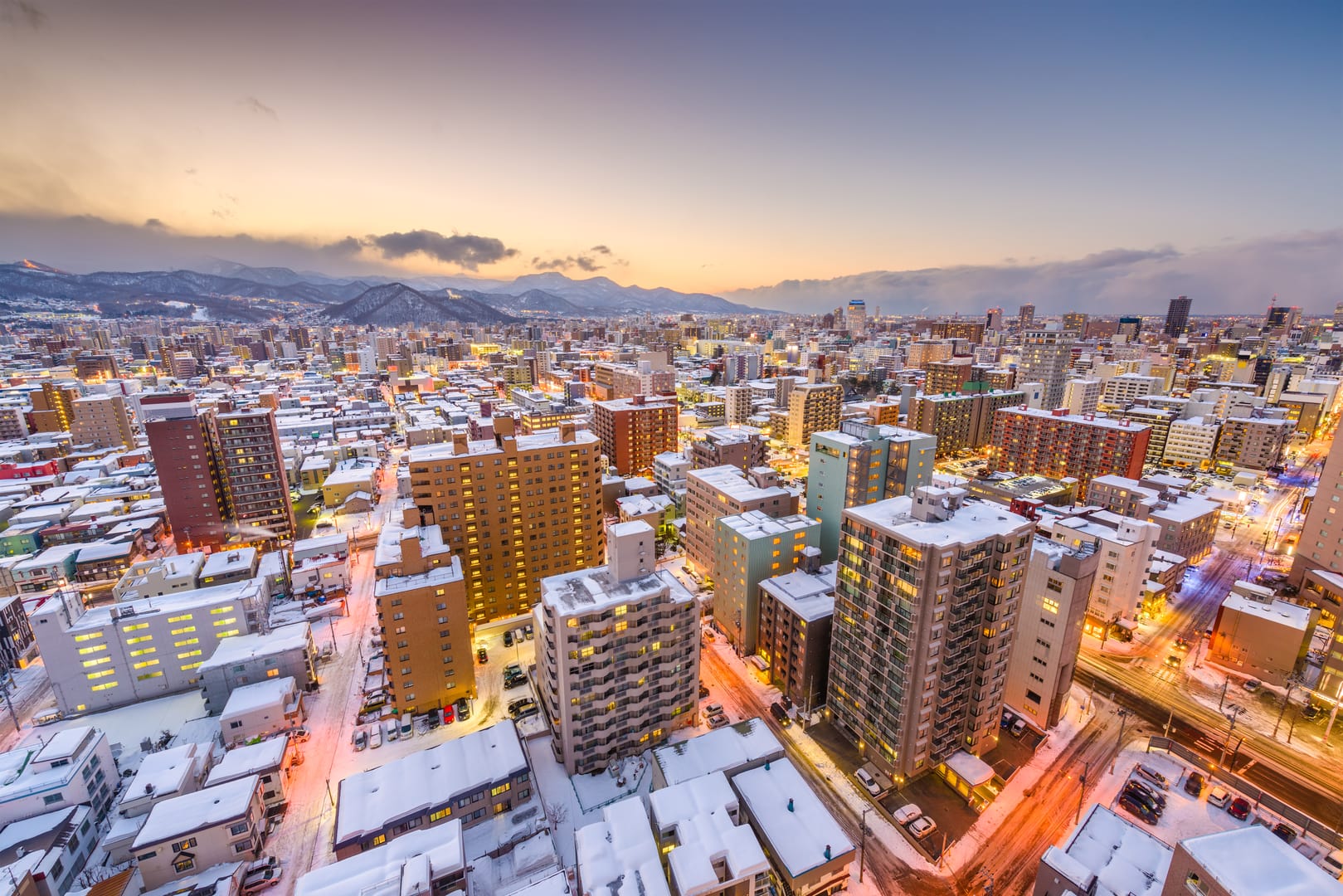
Japan stretches from subarctic Hokkaido to subtropical Okinawa. Long mountain ranges and two major coastlines create strong regional differences. The climate normals show the contrast clearly: Tokyo averages about 5°C in January and 27°C in August, Sapporo about minus 3°C in January and 22°C in August, and Naha about 17°C in January and 29°C in July.
- Coldest broad period: January and February.
- Main blossom period: March to May across different regions.
- Rainy season: late spring into summer across much of the country.
- Hottest period: July and August.
- Highest typhoon risk: summer into early autumn.
- Main foliage period: late September to early December by region.
- Main snow period: winter, strongest in Hokkaido, Tohoku, mountain areas and the Sea of Japan side.
Review current regional forecasts through Japan travel planning information shortly before each transfer.
Japan weather in January
January is cold and often snowy in northern Japan and mountain regions. Sapporo stays below freezing for long periods, while ski areas across Hokkaido, Tohoku and Nagano operate in full winter conditions. Tokyo and Osaka are cold but often dry and bright. Kyoto requires warm layers because temple days involve long periods outdoors.
Okinawa is mild, though not guaranteed beach weather. Pack a warm coat for central and northern routes, plus footwear with grip for snow destinations. Transport can be disrupted during major snow events, so keep a buffer before international flights.
Japan weather in February
February remains wintery, with strong snow conditions in northern areas. Days begin to lengthen and plum blossoms appear in some warmer locations. Tokyo stays cool and relatively dry, while the Sea of Japan coast can receive heavy snow.
This month suits onsen, winter food and snow festivals. Read the SoulTrips onsen guide before choosing a traditional hot spring stay. Popular winter events and ski resorts need early reservations.
Japan weather in March
March is a transition month. Early weeks can still feel wintery, especially at night, while warmer southern and central areas begin to show spring. Blossoms often reach Tokyo and Kyoto near the end of the month, but timing changes each year.
Pack layers and a compact umbrella. Snow remains possible in the north and at elevation, so a spring city wardrobe is not enough for a mixed route. Check the official cherry blossom forecast close to departure.
Japan weather in April
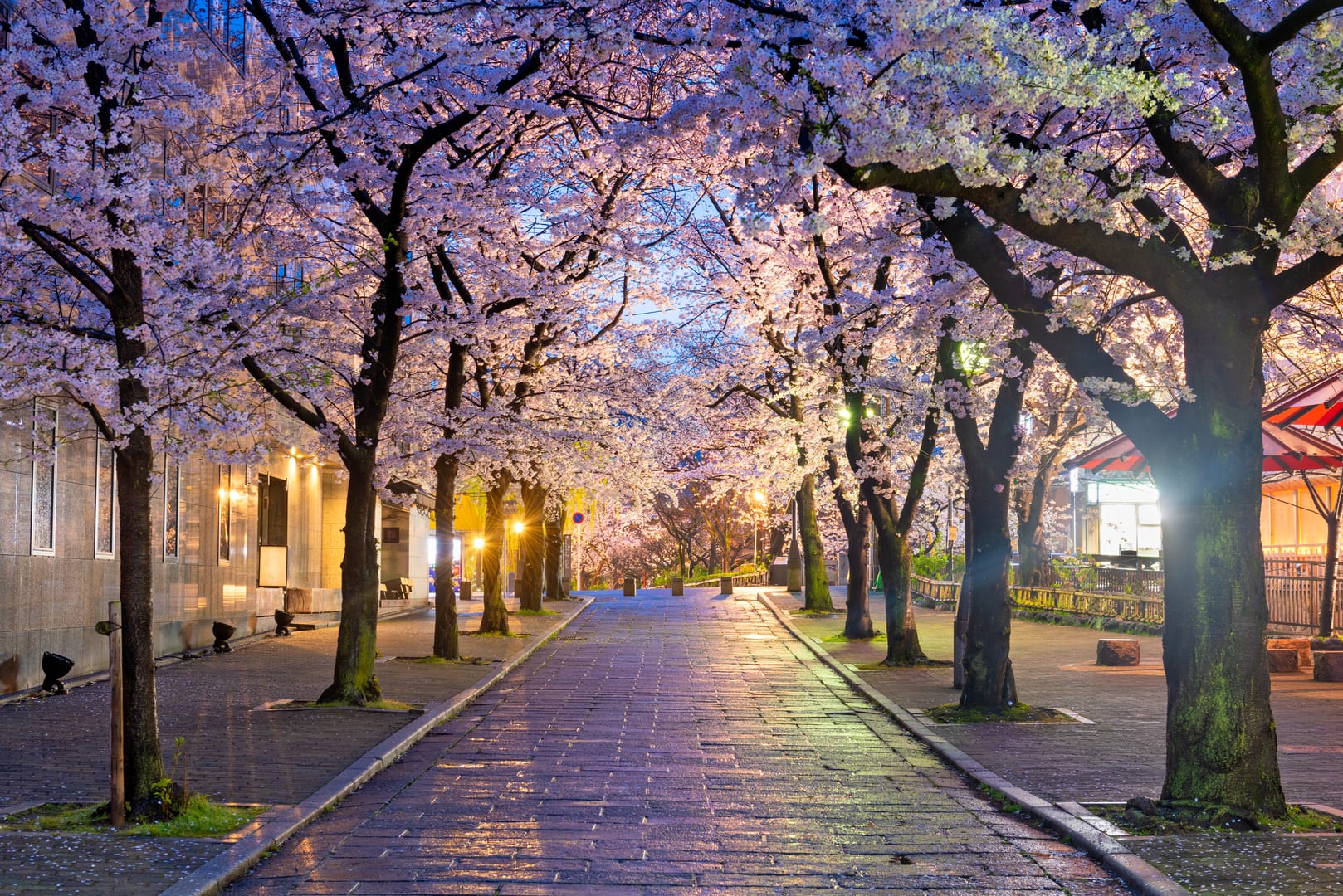
April is mild across much of central Japan and one of the most popular months for travel. Tokyo, Kyoto, Osaka and Shikoku are comfortable for walking, though mornings and evenings still need a light jacket. Hokkaido remains cooler and its spring arrives later.
Demand is high around blossom periods and the approach to Golden Week. Reserve trains and accommodation early, then avoid structuring the entire trip around one exact bloom date.
Japan weather in May
May is warm, green and pleasant across many regions after the busy holiday period. Tokyo and Kyoto suit long walking days, while higher mountain areas begin opening more widely. Hokkaido moves into spring, and southern regions become warmer and more humid.
Late May can bring the beginning of rainy season conditions in parts of the south. A light waterproof layer is useful, but heavy winter clothing is unnecessary on most central routes.
Japan weather in June
June marks the rainy season across much of central and southern Japan. Temperatures are warm rather than extreme, but humidity rises. Expect showers, overcast periods and occasional heavy rain. Hokkaido has a less pronounced rainy season and works well for nature travel.
Choose breathable clothing, quick drying shoes and a small umbrella. Museums, food experiences and covered shopping streets keep a wet day interesting. Avoid overloading the schedule because rain slows transfers.
Japan weather in July
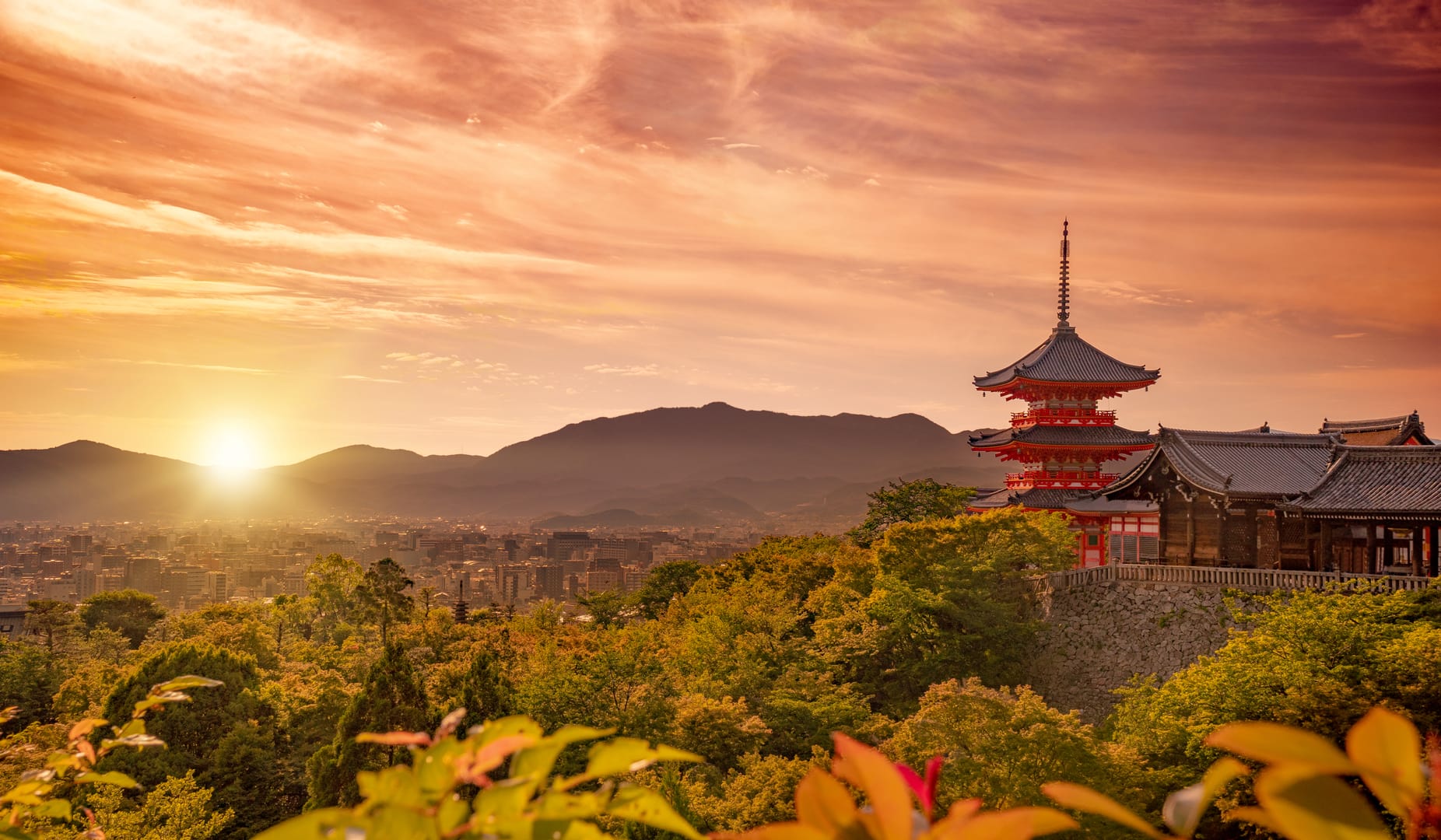
July becomes hot and humid in Tokyo, Kyoto, Osaka and Kyushu. The rainy season ends at different times, then intense summer heat takes over. Outdoor festivals, mountain routes and fireworks give the month its appeal.
Start early, rest during the hottest hours and carry water. The SoulTrips Tenjin Matsuri guide shows how to enjoy a major summer event with realistic crowd and transport planning. Hokkaido remains a comfortable alternative for road trips and walking.
Japan weather in August
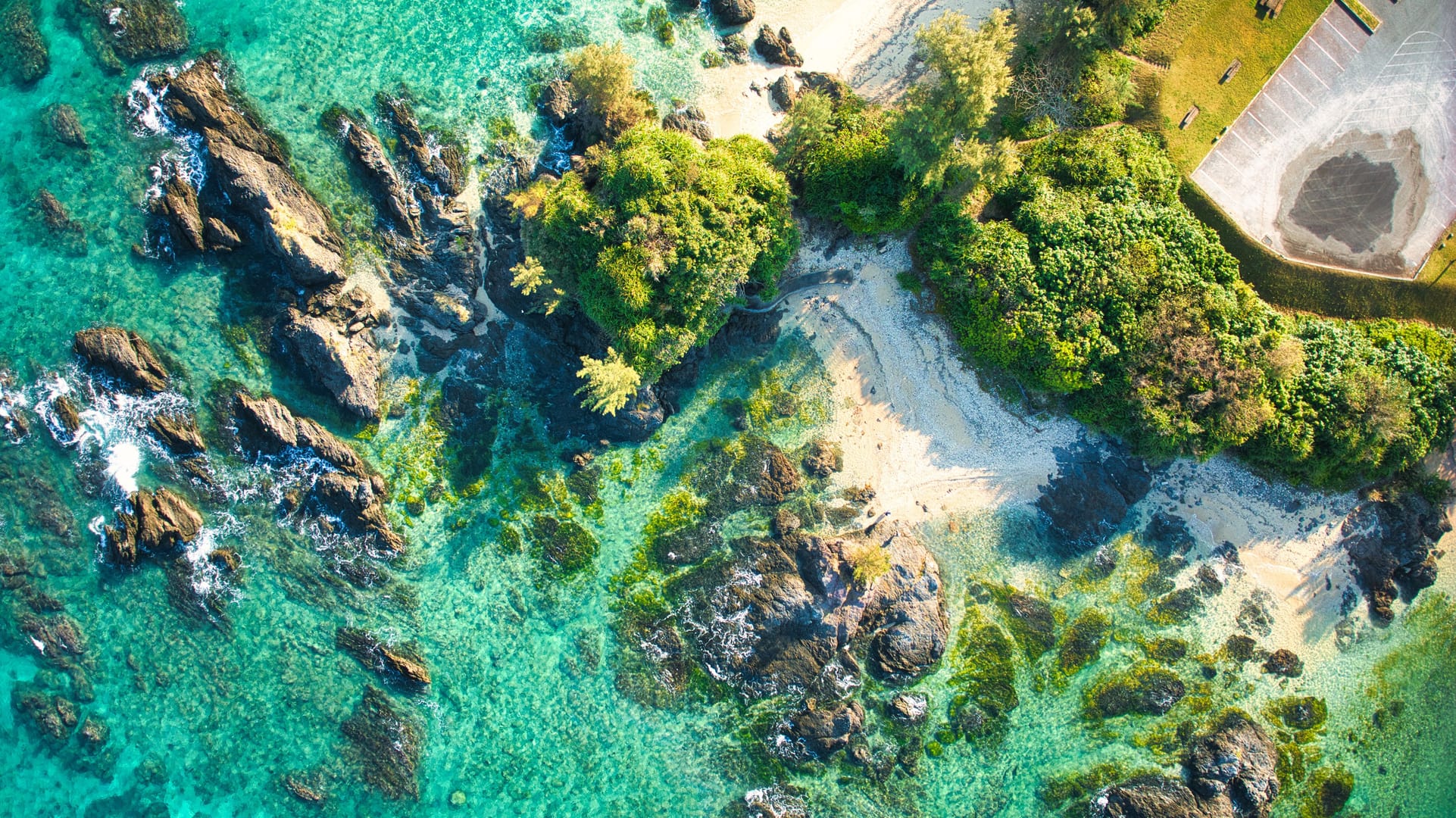
August is one of the hottest months in central and southern Japan. Afternoon conditions can be physically demanding, especially on exposed temple grounds and city streets. Typhoons can affect flights, ferries and trains.
Plan fewer outdoor sights, use air conditioned breaks and avoid tight connections. Obon travel increases domestic demand in the middle of the month. Hokkaido is cooler, though popular nature areas and campsites still require reservations.
Japan weather in September
September remains warm and humid in much of the country. Typhoon disruption is a real planning factor, particularly for islands, coastal routes and flights. Northern Japan begins cooling, and the first autumn colour can appear at high elevation.
Keep one flexible day in a weather sensitive itinerary. Travel insurance, refundable bookings and a calm response to official warnings matter more than trying to preserve every planned activity.
Japan weather in October
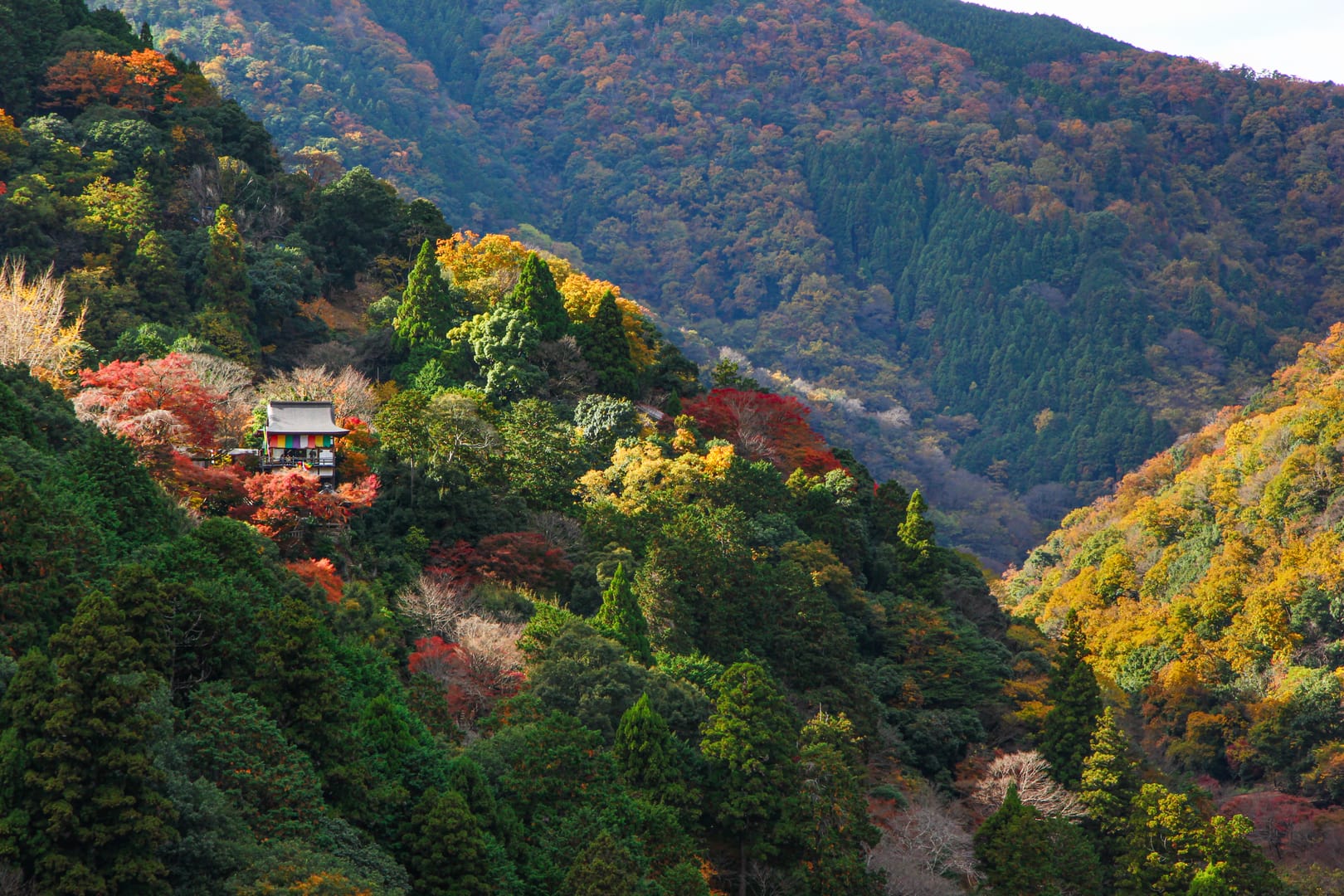
October brings comfortable temperatures to many regions. Hokkaido and mountain areas are already in autumn colour, while Tokyo, Kyoto and Osaka remain mostly green early in the month. Typhoons are less frequent than in peak season but still possible.
This is an excellent month for Shikoku, Kyushu and regional rail journeys. The SoulTrips Kyushu scenic train guide helps you connect seasonal landscapes with memorable transport.
Japan weather in November
November is cool, crisp and popular for cultural travel. Autumn colour reaches many central cities and temple regions, though exact timing depends on temperature and elevation. Tokyo and Kyoto need a jacket, especially after sunset.
Book famous foliage areas early and consider regional alternatives. Setouchi, Mie, Ehime and parts of Kyushu offer attractive conditions without requiring the entire trip to follow the busiest city circuit. Explore the SoulTrips Mie family journey for a slower cultural option.
Japan weather in December
December begins with late autumn colour in warmer areas and ends in full winter conditions across the north. Tokyo and Osaka are cold but often clear. Snow builds in Hokkaido, Tohoku and mountain regions, while Okinawa stays mild.
The New Year period changes opening hours, transport demand and restaurant availability. Confirm holiday arrangements and avoid assuming every small business will operate normally.
How regional weather changes your packing
For Tokyo, Kyoto and Osaka, build a layered wardrobe around the monthly pattern. For Hokkaido, add stronger winter protection or a light summer layer depending on the season. For Okinawa, prioritise sun and rain protection, then check sea conditions for planned activities.
Mountain and rural routes need more preparation than city travel. Temperatures fall with elevation, weather changes quickly and transport alternatives are limited. Carry essential medication, a charged phone and one extra warm layer even when the city forecast looks comfortable.
Check the local forecast again each morning and change exposed activities promptly when warnings or difficult conditions appear.
How a Japan travel specialist plans a weather smart Japan itinerary
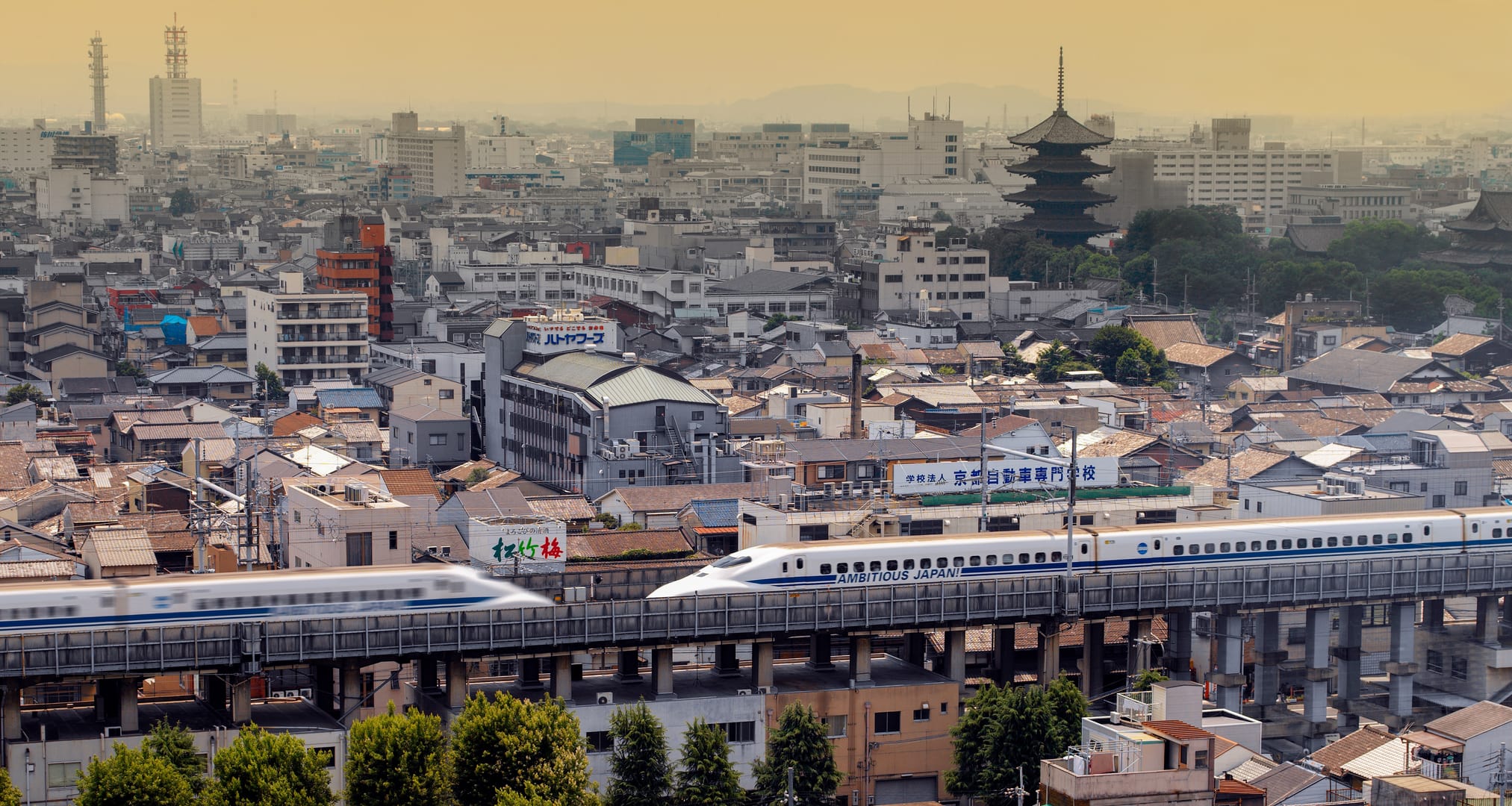
A strong Japan journey begins with one clear idea. Match each region to its monthly climate, then arrange the order so you are not carrying specialist winter and summer equipment throughout the same short trip. Once that purpose is settled, choose the few places that express it best and remove stops that add more transfers than enjoyment. Japan makes fast movement possible, but an efficient rail network is not a reason to change hotels every night.
Keep outdoor days lighter during heat, preserve buffers during typhoon and snow periods, and use wet days for food, craft and museums rather than forcing exposed sightseeing. Two or three nights in an important base gives you time for an early start, a slower meal and one unplanned discovery. Rural regions need more breathing room because local trains and buses are less frequent. Build the route around the least flexible element, such as a reserved scenic train, a seasonal festival, a small ryokan or an island ferry.
Reserve international flights, high demand accommodation and limited capacity experiences first. Then add rail reservations, luggage delivery, local guides and restaurants. The SoulTrips guide to booking an international trip in advance provides a practical timeline, while the wider collection of travel planning advice helps you organise the final details.
A specialist adds most value where transport, language or access becomes complicated. Use expert support for a countryside drive, a pilgrimage route, a formal meal, an art island programme or a family trip with several room requirements. Keep independent time in places where walking, browsing and changing your mind are part of the pleasure.
Common planning mistakes
- Using Tokyo weather to pack for Hokkaido, Okinawa or high mountains.
- Treating blossom and foliage dates as fixed annual appointments.
- Planning outdoor summer days without shade and midday rest.
- Booking ferries or regional flights without a weather buffer.
These are easy to correct before you travel. A focused route, sensible luggage plan and realistic daily rhythm will make Japan feel calm rather than rushed.
Practical advice for different travellers
First time visitors
Choose one climate zone for a short trip, or pack deliberate layers for a longer north to south route. Choose accommodation close to a useful station for the first few nights, save the hotel address in Japanese and start with one neighbourhood rather than crossing a major city several times in a day.
Solo travellers
Japan is straightforward for solo travel, especially in cities and along major rail routes. Book small rural inns before arrival, share your route with someone you trust and avoid assuming that every restaurant accepts walk in diners. Counter seating, business hotels and excellent public transport make solo days easy to structure.
Families
Children need more indoor breaks during heat and dry gloves, socks and footwear during snow travel. Apartment hotels and rooms with laundry facilities reduce daily friction. Forward large luggage between longer stays and keep one light day after a theme park, major transfer or very early start.
Older travellers and travellers with mobility concerns
Rain, snow and heat make long station transfers harder, so reduce hotel changes and choose convenient exits. Major stations are well equipped, but transfers can involve long corridors, stairs and busy platforms. Request station assistance when needed, choose hotels close to lifts and ask for honest walking descriptions at temples, gardens, castles and older neighbourhoods.
Travel responsibly and stay prepared
Responsible travel in Japan begins with consideration for the people sharing each place. Keep voices low on public transport, queue carefully, carry your rubbish until you find the correct bin and follow photography rules at temples, shrines, markets and residential streets. Do not block narrow lanes or private entrances for a photograph.
Adjusting plans during severe weather protects local staff as well as travellers. Do not pressure a guide, driver or boat operator to continue against safety advice. Use luggage delivery instead of taking large cases onto crowded local trains, support independent restaurants and craftspeople, and book popular sites for quieter times when possible. The SoulTrips Japan destination guide connects these practical choices with slower regional journeys.
Japan experiences earthquakes, typhoons, heavy snow, volcanic activity and periods of extreme heat. Save the official emergency information, follow transport instructions and never continue an outdoor plan against a warning. Travel insurance should cover medical care, disruption and the activities on your itinerary.
Frequently asked questions
-
What is the coldest month in Japan?
January is the coldest broad month across much of Japan. Northern and mountain regions remain deeply wintery into February.
-
What is the hottest month in Japan?
August is often the hottest month in central Japan, with high humidity adding to the strain. July is also very hot after the rainy season ends.
-
When is the rainy season in Japan?
The rainy season moves through much of central and southern Japan from late spring into summer. Hokkaido has a less pronounced rainy period.
-
Does Japan get typhoons?
Yes. Typhoons occur most often from summer into early autumn and can disrupt transport across a wide area. Keep flexible bookings and follow official warnings.
-
Does Tokyo get snow?
Tokyo can receive snow, but persistent deep snow is uncommon in the city. Travel north or into mountain regions for reliable winter landscapes.
-
Is Kyoto hotter than Tokyo in summer?
Kyoto can feel especially hot because it sits in a basin with high humidity and limited breeze. Begin early and plan a long indoor break at midday.
-
What is Hokkaido weather like?
Hokkaido has cold snowy winters and milder summers than central Japan. Spring arrives later and autumn begins earlier than in Tokyo or Kyoto.
-
What is Okinawa weather like?
Okinawa remains warmer throughout the year and has a subtropical climate. Rain, strong sun and typhoon conditions still influence travel.
-
What should you pack for Japan in spring and autumn?
Bring light layers, a compact umbrella and comfortable shoes. Add a warmer layer for early mornings, evenings and higher elevations.
-
Where can you get help planning around Japan weather?
Use the SoulTrips Japan planning page to match your dates with regional experiences and realistic transport buffers.
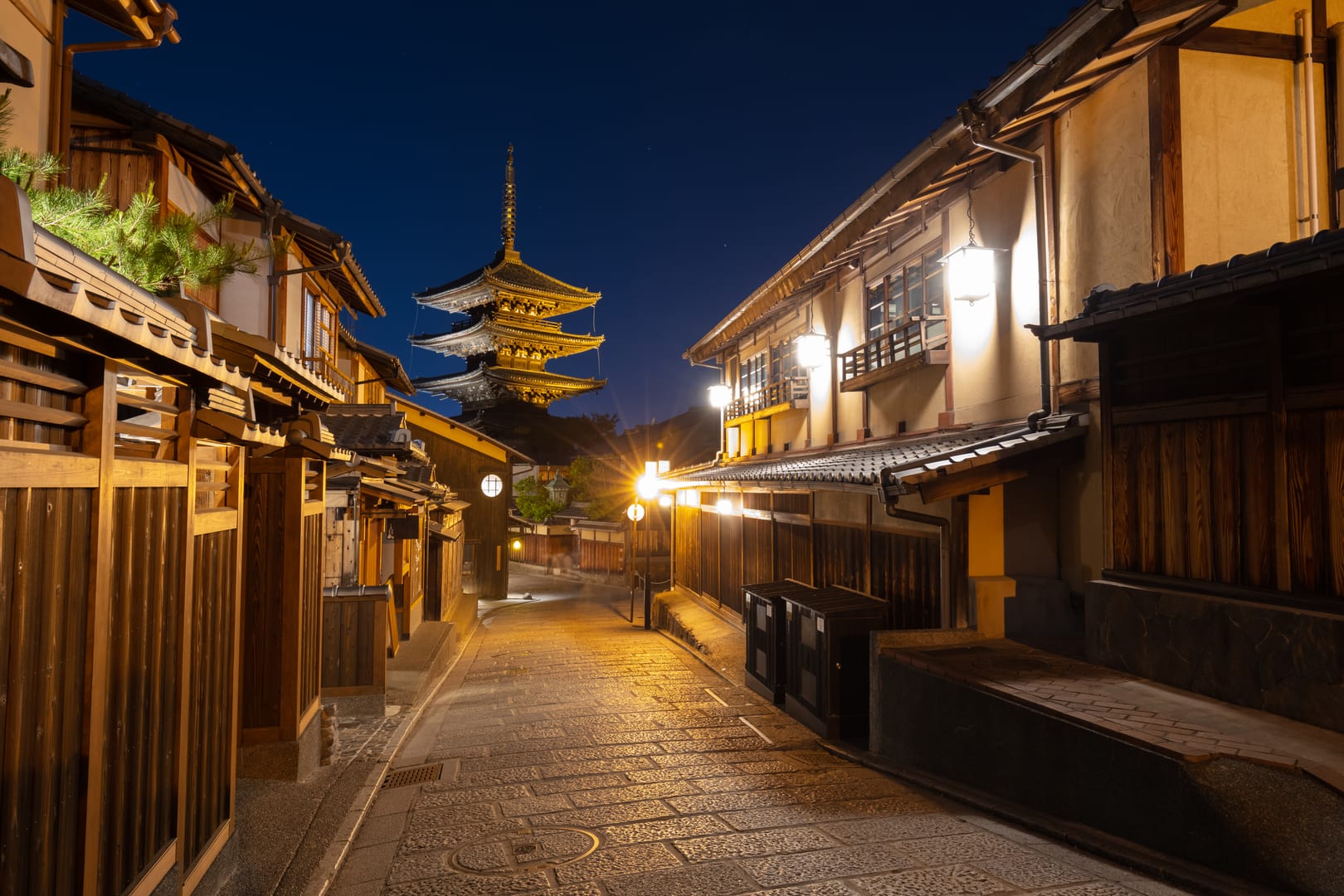
Use Japan weather by month to plan with confidence
Japan weather by month becomes manageable once you compare the actual regions on your route. Pack for latitude and elevation, keep flexibility during severe weather periods and design each day around the conditions. Browse SoulTrips Japan journeys or contact the team for a route that makes the most of the season.