By Soul Trips · Updated on 12 October, 2026
What to Pack for Japan: A Practical Seasonal Guide
Your Japan packing list should make stations, compact rooms and regional transfers easier. Bring less than you think you need, choose clothing that can be layered and plan to do laundry. Comfortable shoes matter more than a large wardrobe because city days often include long walks, station corridors and temple grounds.
The right packing list changes sharply by region and season. Hokkaido winter, Kyoto summer and Okinawa spring need different clothing. Check the SoulTrips Japan destination guide against your route before closing the case.
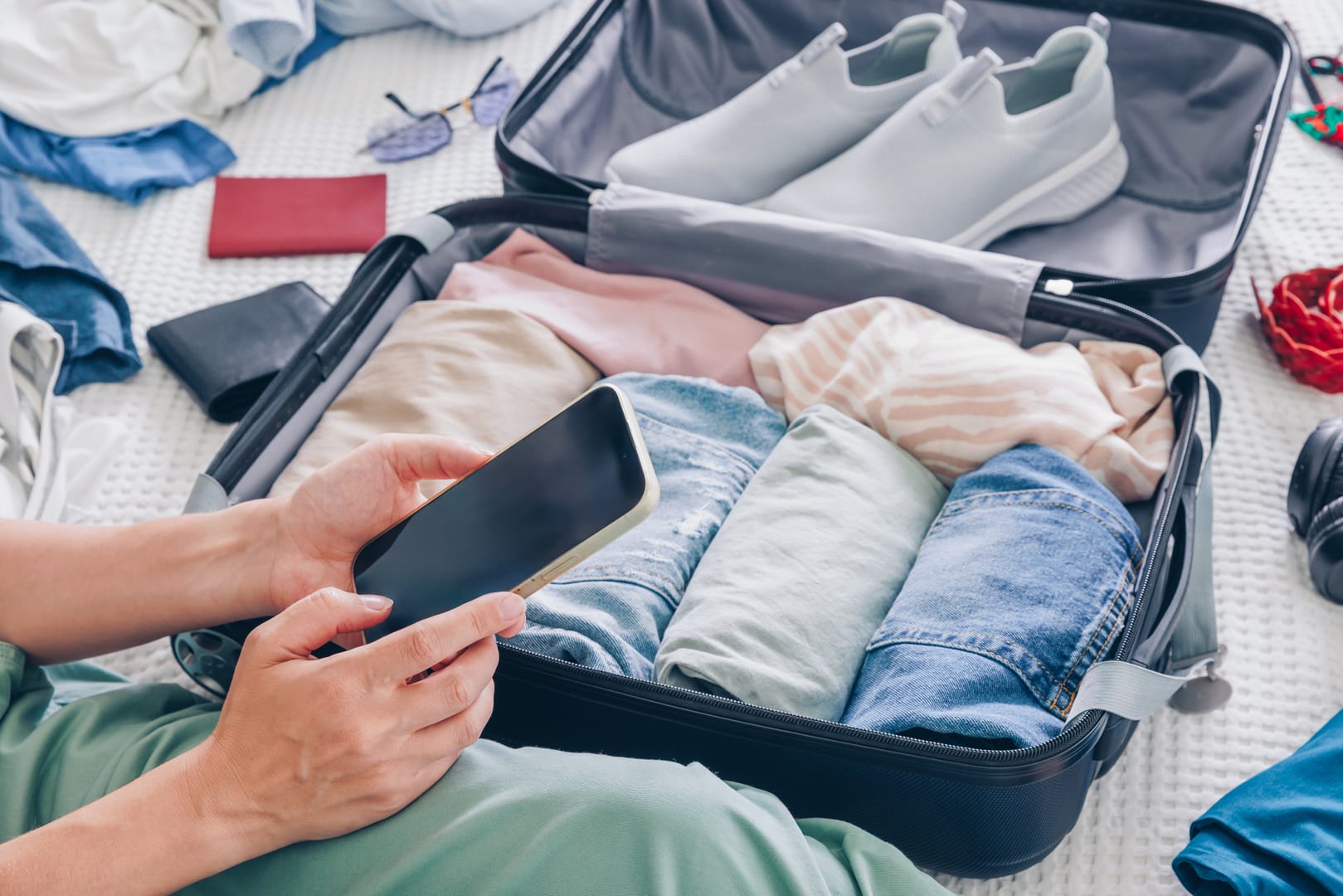
Japan packing list at a glance
Pack one compact wardrobe that works across several days, then add specialist items for snow, hiking or formal experiences.
- Passport and entry documents.
- Comfortable walking shoes that are easy to remove.
- Breathable clothing and simple layers.
- Compact umbrella or light waterproof jacket.
- Small day bag and reusable water bottle.
- Universal adaptor and charging cables.
- Portable power bank in cabin baggage.
- Essential medicine in original packaging.
- Small bag for overnight sections when luggage is forwarded.
The SoulTrips Japan destination page can help you decide if the trip needs city, pilgrimage, campervan, family or onsen equipment.
Documents and money
Carry your passport, flight confirmation, travel insurance and first hotel address. Singapore ordinary passport holders can visit Japan visa free for a short stay of up to ninety days, but another nationality may follow different rules.
Complete Visit Japan Web before departure and save the codes offline. Keep one paper copy of the passport identity page separately and store encrypted digital copies securely.
Bring at least two payment methods. Cards are widely accepted, but cash remains useful in smaller restaurants, temples, rural buses and local shops. Keep a small amount of yen in an easy pocket for transport and lockers.
Spring packing for Japan
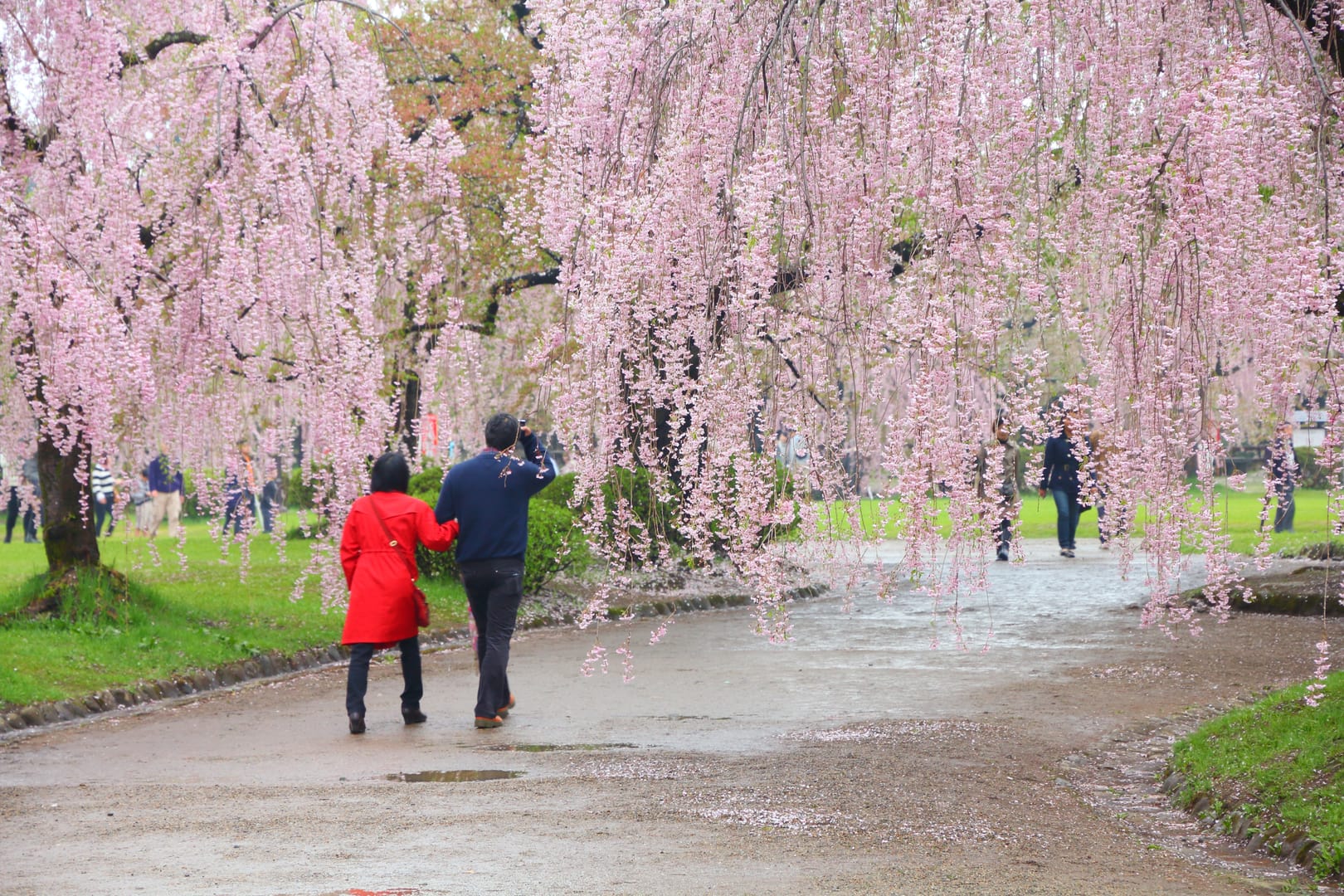
Spring needs layers. March can be cold, April is mild across much of central Japan and May becomes warmer. Northern regions remain cooler and blossom season reaches them later.
Pack long trousers, breathable tops, a light jumper, a mid weight jacket and a compact umbrella. Add a scarf for early mornings and a warmer layer if the route includes mountains or Hokkaido.
Blossom travel involves sitting outdoors and waiting in parks, so a small foldable mat can be useful where picnics are allowed. Bring allergy medicine if pollen affects you, but check the active ingredients against Japan's medicine rules.
Summer packing for Japan
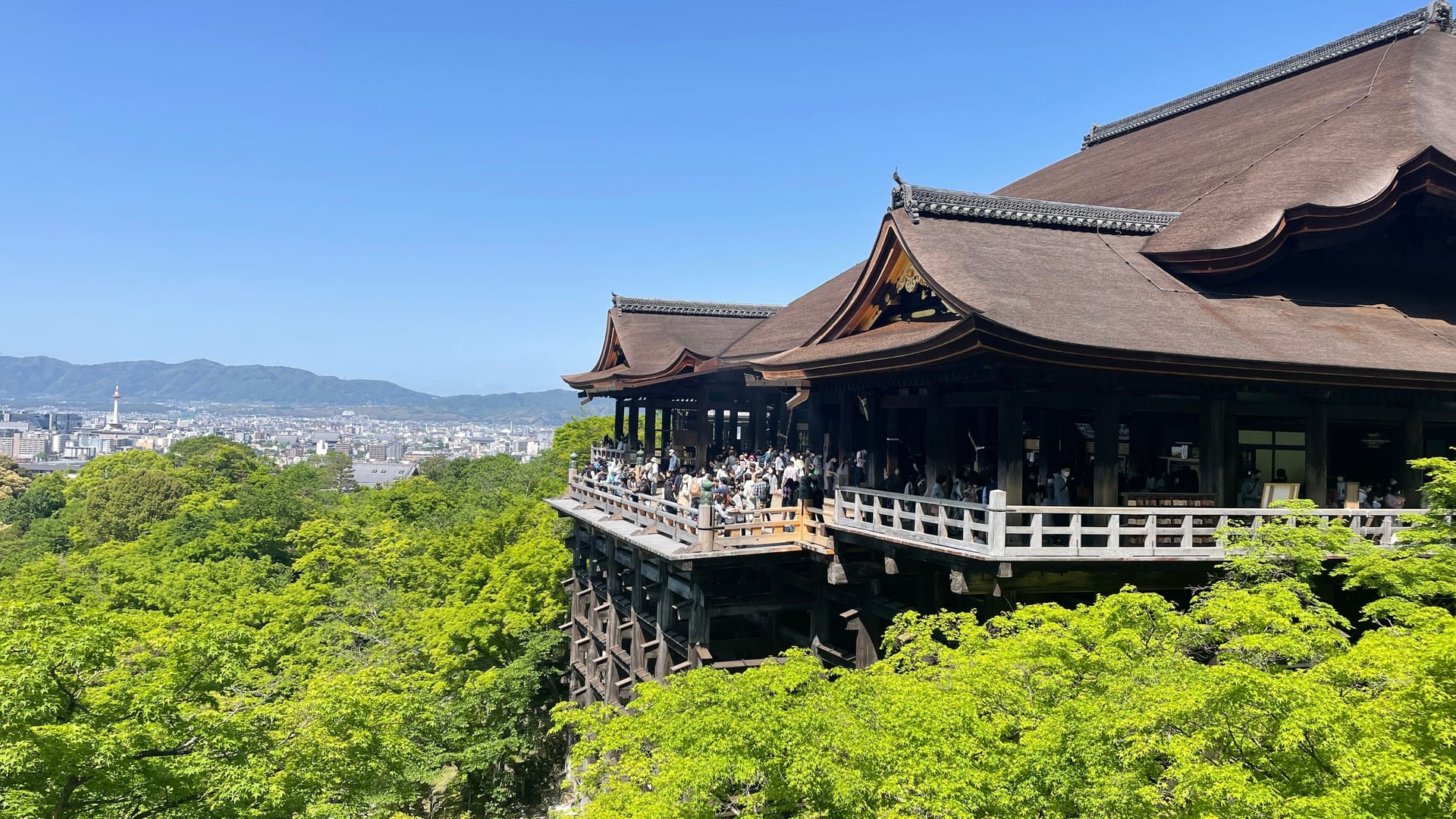
Central Japan is hot and humid in summer. Pack loose breathable clothing, sun protection and quick drying underlayers. A small towel is useful because public hand drying facilities vary.
Bring a hat, sunglasses and a refillable bottle. Use a light rain layer for the rainy season, but avoid a heavy waterproof jacket that traps heat. Shoes should dry quickly after sudden showers.
Air conditioning can feel cool indoors, so one light overshirt remains useful. For festivals, choose secure footwear and a compact bag that does not obstruct crowded spaces. Read the SoulTrips Tenjin Matsuri guide if a summer event is part of the journey.
Autumn packing for Japan
Early autumn can remain warm, while November brings cooler days and cold evenings. Pack short and long sleeve tops, a light jumper, a weather resistant outer layer and comfortable trousers.
Mountain and northern routes need stronger warmth earlier than Tokyo or Kyoto. If the trip follows foliage from Hokkaido to central Japan, build a wider temperature range into the wardrobe.
Typhoons can affect early autumn. Keep documents and electronics protected in a waterproof pouch and carry one dry set of essentials in cabin baggage.
Winter packing for Japan
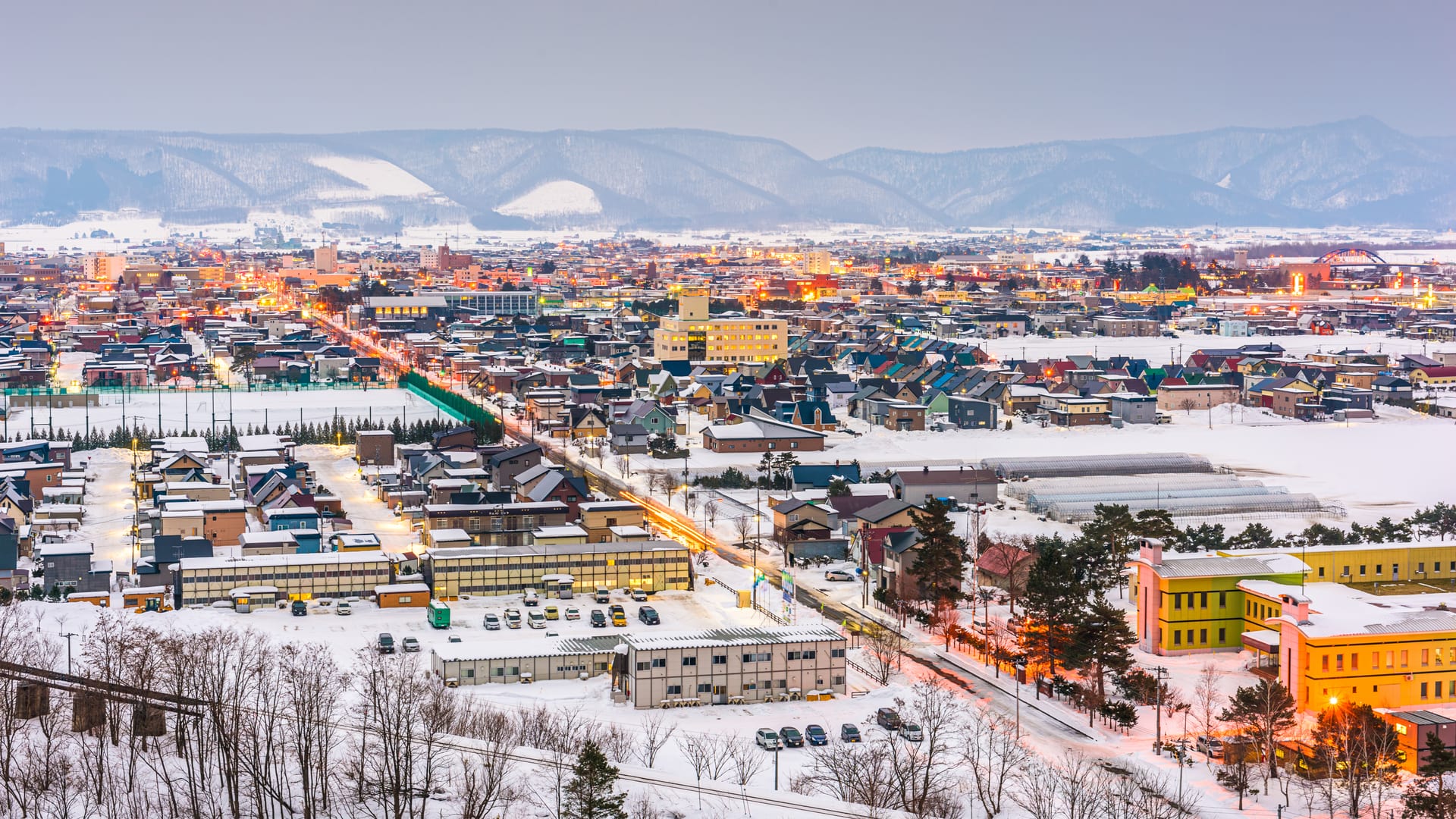
Tokyo, Kyoto and Osaka require a warm coat, thermal layer, jumper, gloves and good socks. Hokkaido, Tohoku and mountain areas need proper winter equipment, including insulated waterproof footwear with grip.
Do not rely on fashion trainers for snow and ice. Pack a hat, neck protection and moisturiser because heated interiors can feel dry. Sunglasses help with glare in snowy landscapes.
Winter hotel rooms and trains are warm, so use layers that can be removed. A very heavy outfit becomes uncomfortable during long indoor periods.
Shoes for Japan
Bring one pair of reliable walking shoes that is already broken in. Temples, gardens, castles and stations can involve uneven surfaces, steps and long distances.
Shoes that slip on and off easily make ryokan, temples, homes and some restaurants more convenient. Wear clean socks without holes because you will remove shoes more often than at home.
Add a second specialist pair only when needed, such as snow boots, hiking footwear or smarter shoes for a formal dinner. Too many shoes consume the case and add weight at every transfer.
Luggage size and forwarding
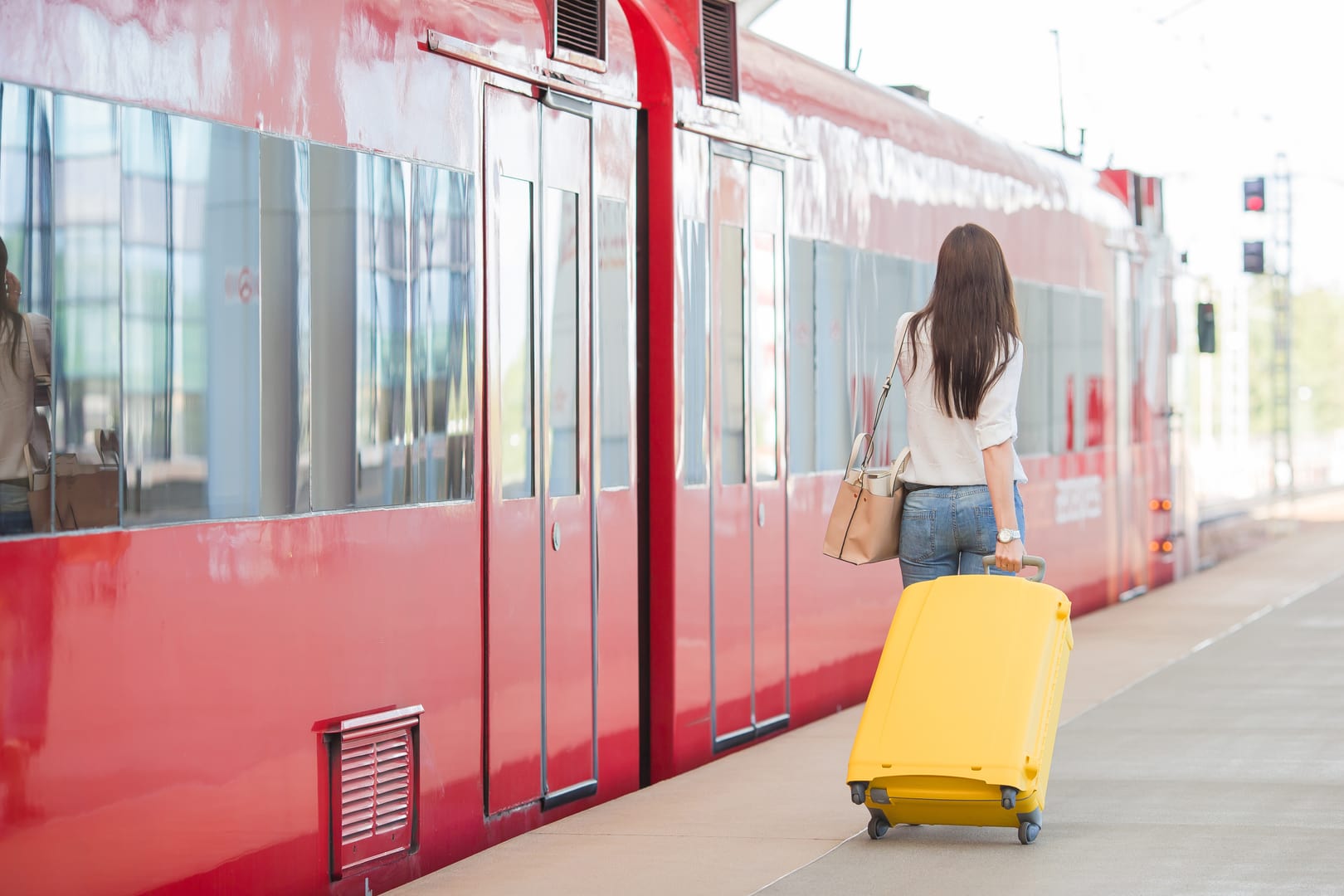
A medium case or carry on size bag works best for most trips. Business hotel rooms can be compact, and local trains have limited space. Use hotel laundry and repeat simple outfits.
Forward the main case between longer stays, then carry a small overnight bag for rural inns, islands or one night stops. The service is reliable, but remote delivery needs extra time. Keep medicine, valuables and essential documents with you.
On major Shinkansen routes, baggage with total dimensions above 160 centimetres requires a reserved oversized baggage area. Measure the case before travel rather than guessing at the station.
The SoulTrips guide to Kyushu scenic trains shows why lighter luggage makes regional rail journeys more enjoyable.
Electronics and connectivity
Japan uses Type A plugs and 100 volt electricity. Many phone and laptop chargers accept a wide voltage range, but check the label. Hair tools and appliances designed for another voltage can fail or become unsafe.
Bring a universal adaptor, compact charger and cables. Keep power banks in cabin baggage and follow your airline's current battery rules. Arrange an eSIM, roaming plan or pocket Wi Fi before arrival, then save maps and reservations offline.
A translation tool and route planner are useful. Download the Japanese address for each hotel and screenshot important QR codes.
Medicines and personal care
Carry medicine in original packaging with the generic ingredient name. Some products sold freely elsewhere contain ingredients restricted in Japan. Bring a prescription or doctor's letter and arrange approval when required.
Pack enough for the trip plus a small delay buffer. Keep essential medicine in cabin baggage. Basic toiletries are easy to buy, and many hotels provide toothbrushes, shampoo and sleepwear, so confirm before filling the case.
For summer, include effective sun protection and any preferred rehydration product. For winter, lip balm and moisturiser are useful. Rural pharmacies may not carry familiar brands.
Onsen, ryokan and temple stay packing
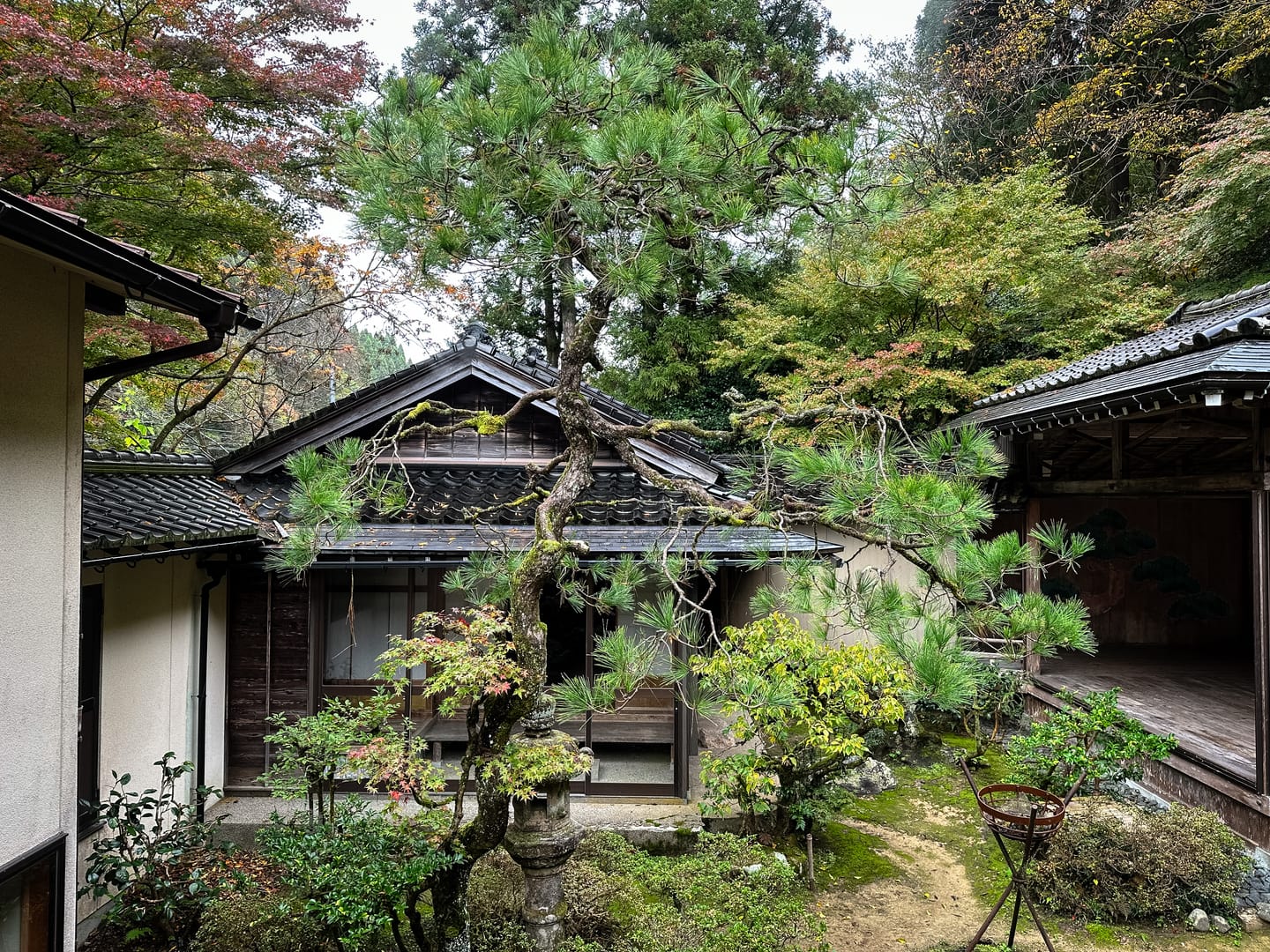
Ryokan usually provide a yukata, towels and basic toiletries. You do not need a separate bathing outfit because traditional communal bathing is nude. Keep the small towel out of the bath water.
Tattoo policies differ. Carrying a small cover sheet can help at facilities that allow it, but it does not guarantee entry. A private bath is the safest choice when access matters. Read the SoulTrips onsen guide before booking.
For temple stays, bring modest comfortable clothing and socks. Morning services can begin early and halls may feel cold, so include a quiet warm layer.
Packing for families
Pack familiar snacks, essential medicine and one complete change for each child in cabin baggage. A compact stroller helps in cities, but temple steps and rural transport can make it difficult. A baby carrier may be more useful on selected days.
Choose accommodation with laundry and forward large luggage between longer stays. The SoulTrips Pokémon room experience is an example of family accommodation where the room itself becomes part of the trip.
Items to leave at home
Leave excessive clothing, multiple large shoes, heavy guidebooks and unverified medicine behind. Do not pack fresh meat, plants, soil or restricted food gifts without checking customs rules.
Avoid carrying a huge case simply for shopping. A foldable secondary bag or planned shipment is easier. Keep valuables limited and do not bring equipment you will not use.
How a Japan travel specialist plans packing for Japan
A strong Japan journey begins with one clear idea. List the actual regions, season and activities, then pack one flexible base wardrobe with only the specialist additions those plans require. Once that purpose is settled, choose the few places that express it best and remove stops that add more transfers than enjoyment. Japan makes fast movement possible, but an efficient rail network is not a reason to change hotels every night.
A lighter bag speeds up every station, hotel and airport day, leaving more energy for the experience rather than luggage management. Two or three nights in an important base gives you time for an early start, a slower meal and one unplanned discovery. Rural regions need more breathing room because local trains and buses are less frequent. Build the route around the least flexible element, such as a reserved scenic train, a seasonal festival, a small ryokan or an island ferry.
Reserve international flights, high demand accommodation and limited capacity experiences first. Then add rail reservations, luggage delivery, local guides and restaurants. The SoulTrips guide to booking an international trip in advance provides a practical timeline, while the wider collection of travel planning advice helps you organise the final details.
A specialist adds most value where transport, language or access becomes complicated. Use expert support for a countryside drive, a pilgrimage route, a formal meal, an art island programme or a family trip with several room requirements. Keep independent time in places where walking, browsing and changing your mind are part of the pleasure.
Common planning mistakes
- Packing for Tokyo weather when the route includes Hokkaido or high mountains.
- Bringing new walking shoes that have not been tested.
- Carrying restricted medicine without checking the active ingredients.
- Filling a large case with items that hotels already provide.
These are easy to correct before you travel. A focused route, sensible luggage plan and realistic daily rhythm will make Japan feel calm rather than rushed.
Practical advice for different travellers
First time visitors
Pack for one week and plan laundry, even when the trip lasts longer. Choose accommodation close to a useful station for the first few nights, save the hotel address in Japanese and start with one neighbourhood rather than crossing a major city several times in a day.
Solo travellers
Japan is straightforward for solo travel, especially in cities and along major rail routes. Book small rural inns before arrival, share your route with someone you trust and avoid assuming that every restaurant accepts walk in diners. Counter seating, business hotels and excellent public transport make solo days easy to structure.
Families
Place one day of essentials in each cabin bag so a delayed suitcase does not disrupt the arrival. Apartment hotels and rooms with laundry facilities reduce daily friction. Forward large luggage between longer stays and keep one light day after a theme park, major transfer or very early start.
Older travellers and travellers with mobility concerns
Use luggage delivery, a light day bag and shoes with secure grip to reduce strain on station and temple days. Major stations are well equipped, but transfers can involve long corridors, stairs and busy platforms. Request station assistance when needed, choose hotels close to lifts and ask for honest walking descriptions at temples, gardens, castles and older neighbourhoods.
Travel responsibly and stay prepared
Responsible travel in Japan begins with consideration for the people sharing each place. Keep voices low on public transport, queue carefully, carry your rubbish until you find the correct bin and follow photography rules at temples, shrines, markets and residential streets. Do not block narrow lanes or private entrances for a photograph.
Reusable items help, but pack only what you will use. Refill water where safe, avoid unnecessary hotel amenities and carry rubbish until you find the correct bin. Use luggage delivery instead of taking large cases onto crowded local trains, support independent restaurants and craftspeople, and book popular sites for quieter times when possible. The SoulTrips Japan destination guide connects these practical choices with slower regional journeys.
Japan experiences earthquakes, typhoons, heavy snow, volcanic activity and periods of extreme heat. Save the official emergency information, follow transport instructions and never continue an outdoor plan against a warning. Travel insurance should cover medical care, disruption and the activities on your itinerary.
Frequently asked questions
-
What should you pack for Japan?
Bring comfortable shoes, seasonal layers, a compact rain layer, essential documents, an adaptor and a small day bag. Pack lightly enough to manage stations easily.
-
What plug adaptor do you need for Japan?
Japan uses Type A plugs and 100 volt electricity. Check every appliance label and bring a suitable adaptor.
-
Do you need cash in Japan?
Yes. Cards are common, but cash remains useful for small restaurants, temples, rural transport and lockers.
-
What shoes are best for Japan?
Choose comfortable walking shoes with secure grip that are easy to remove. Add specialist snow or hiking footwear only when the route needs it.
-
Can you bring prescription medicine to Japan?
Many medicines are allowed for personal use, but some ingredients need approval or are prohibited. Keep original packaging and check the generic ingredient before travel.
-
Should you take a large suitcase to Japan?
A medium case is easier in compact rooms and stations. Use luggage forwarding and a small overnight bag for multi city routes.
-
What should you wear at temples and shrines?
Wear neat, comfortable clothing and follow signs. Avoid overly revealing outfits, remove shoes where required and carry clean socks.
-
Do you need swimwear for an onsen?
No. Traditional communal onsen are used without swimwear. Wash before entering and keep towels out of the bath.
-
What should families pack for Japan?
Bring familiar snacks, child medicine, a complete cabin change and a compact stroller or carrier. Choose hotels with laundry and forward large cases.
-
Can SoulTrips help plan seasonal packing?
Yes. Plan your Japan trip with SoulTrips and the team can advise on the route, weather, luggage and special activities.
Use a Japan packing list that keeps travel easy
The best Japan packing list is light, seasonal and specific to your route. Choose reliable shoes, flexible layers and a luggage plan that works on trains and in compact rooms. Explore SoulTrips Japan journeys or contact a specialist to match your packing with the experiences ahead.