By Soul Trips · Updated on 09 October, 2026
Japan Itinerary: 7, 10 and 14 Day Routes Beyond the Golden Route
A strong Japan itinerary does not need to include every famous city. Seven days is enough for one focused regional route, ten days can connect two neighbouring areas, and fourteen days allows a deeper journey with slower stays. The key is to reduce hotel changes and make each transfer part of a clear story. A clear route also leaves space for regional meals, local guides and the unplanned moments that make Japan especially rewarding.
The routes below move beyond the Golden Route while remaining practical for international travellers. Choose Hokuriku for craft and mountain towns, Setouchi and Shikoku for art, pilgrimage and coast, or Kyushu for hot springs, history and volcanic landscapes. The SoulTrips Japan destination page gives you additional tour ideas before you commit to one route.
Japan itinerary planning at a glance
Match the route to your available nights, not the maximum number of places you can reach.
- Seven days: one region with two or three bases.
- Ten days: one major gateway plus a connected regional circuit.
- Fourteen days: two complementary regions or one deep island journey.
- Best hotel rhythm: two to four nights in major bases.
- Best luggage strategy: one medium case, forwarding between long stays and a small overnight bag.
- Best transport mix: long distance rail or flight, local trains, selected private transfers and ferries where needed.
Read the SoulTrips guide to booking ahead before reserving seasonal travel, ryokan stays and scenic trains.
Seven day Japan itinerary: Hokuriku and the Alps
This route works well for culture, craft, food and historic townscapes. Fly into Tokyo or Nagoya and leave from the same gateway, or connect onward after Kanazawa.
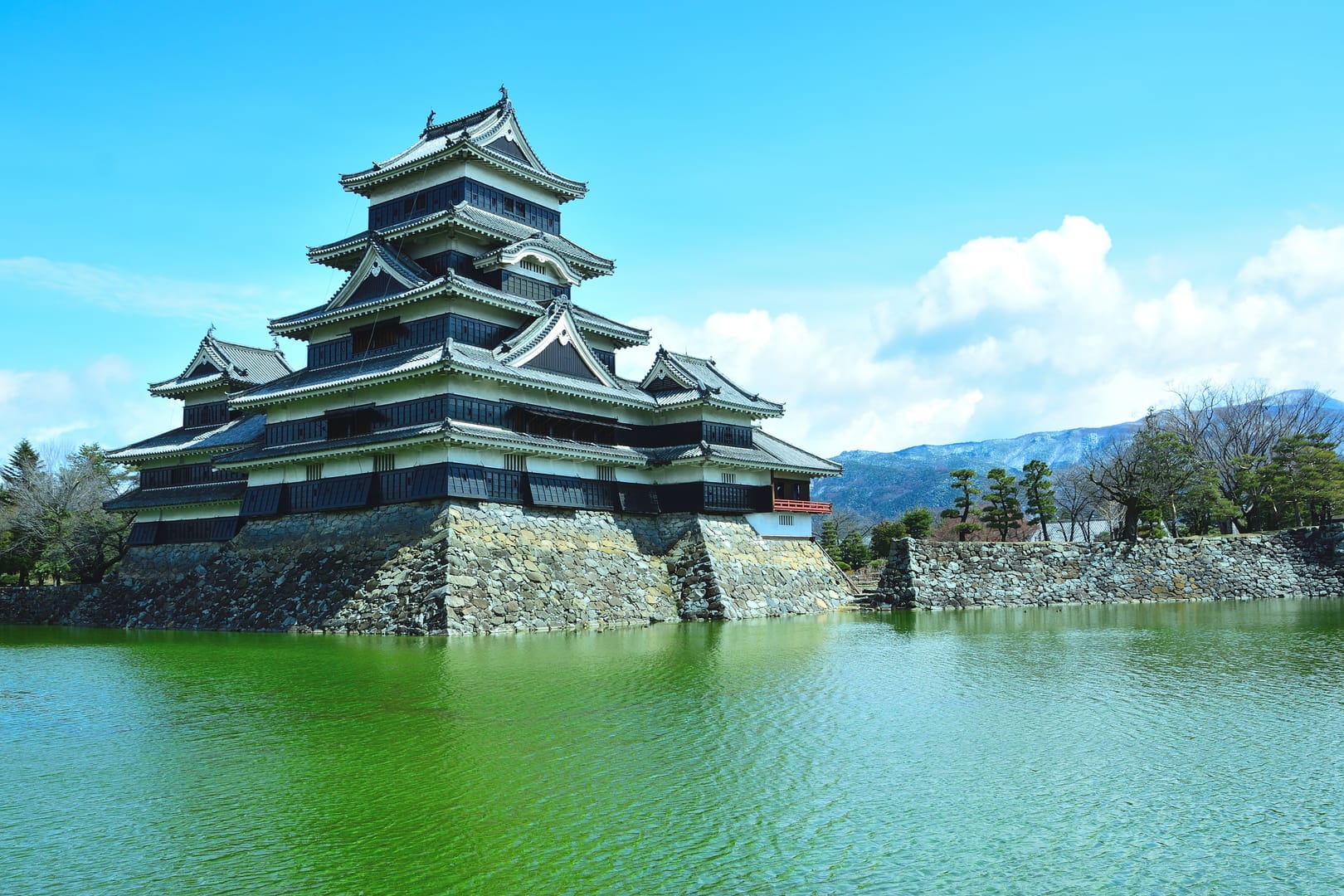
Days one and two: Matsumoto
Travel to Matsumoto and settle into the city. Visit Matsumoto Castle early, then explore local museums, craft and mountain food. The second day can include the surrounding countryside or a carefully planned alpine excursion when seasonal access allows.
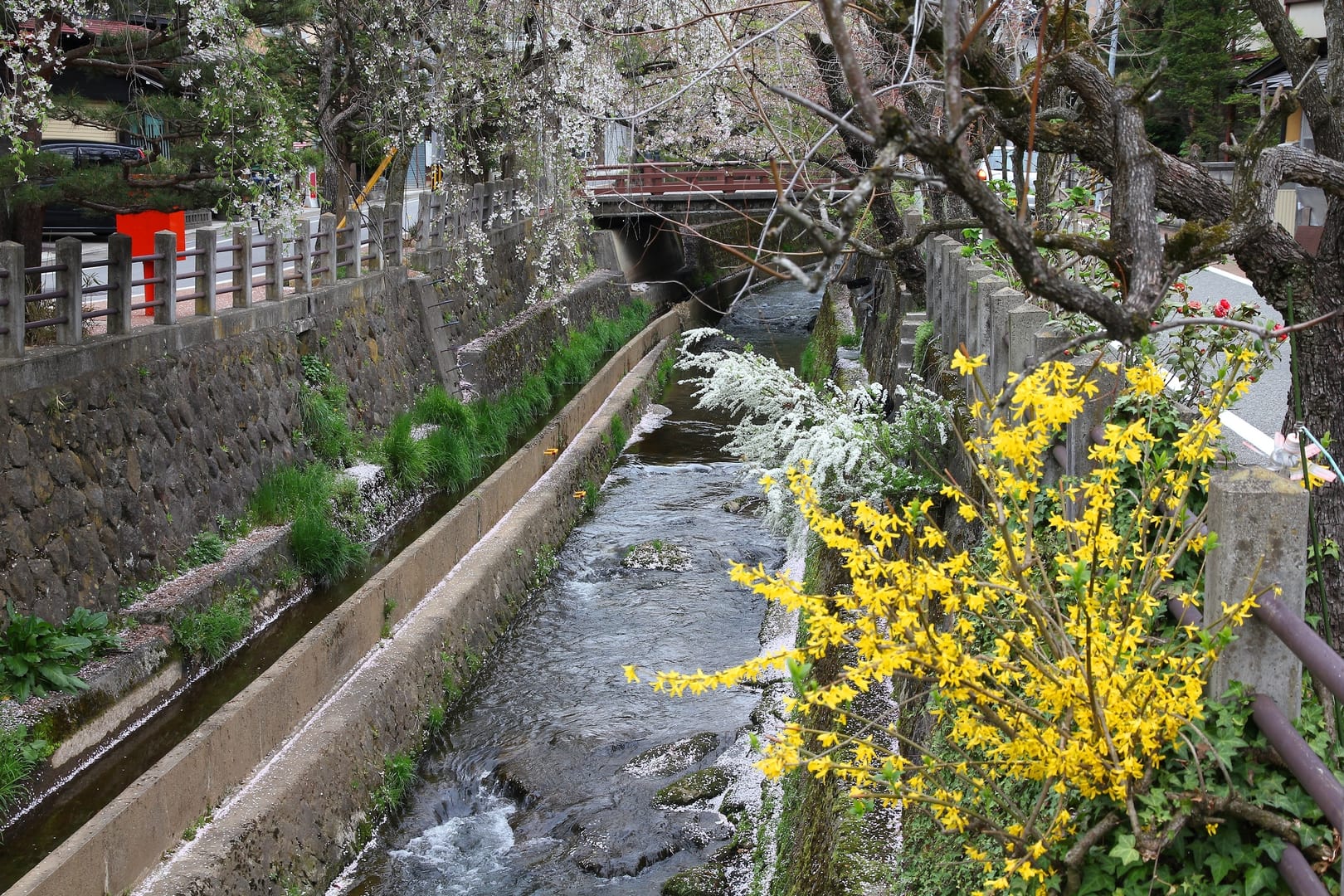
Days three and four: Takayama
Continue to Takayama by bus. Walk the preserved old town in the morning, visit markets and choose a sake or food experience. Use the second day for Hida folk culture or a visit to Shirakawa go, but avoid compressing several rural sites into one rushed circuit.
Days five to seven: Kanazawa
Travel to Kanazawa for Kenrokuen Garden, castle grounds, historic districts, craft and seafood. Three nights give you time for a slower art or workshop day. Depart by Shinkansen towards Tokyo or continue to Kyoto only if the next part of the trip is long enough.
This seven day itinerary is compact but coherent. Winter needs extra road buffers, while spring and autumn suit gardens and walking.
Seven day Japan itinerary: Ehime and Shikoku
For a quieter journey, fly to Matsuyama and base the week in Ehime with two or three carefully chosen stops.
Days one to three: Matsuyama
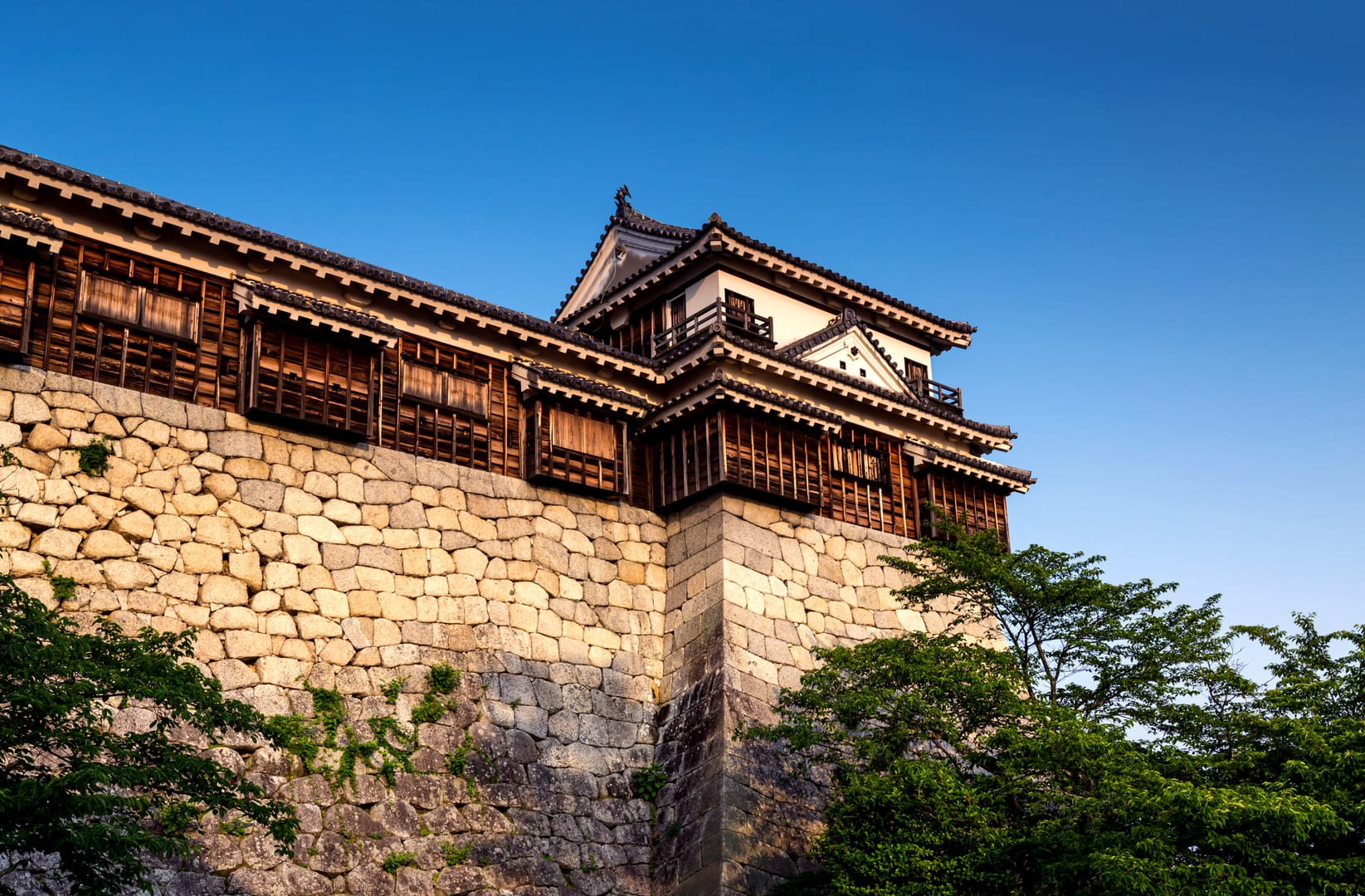
Explore Matsuyama Castle, Dogo Onsen and local food. Keep one day for neighbourhoods and a cultural experience rather than treating the city as a transport point.
Days four and five: Ozu and Uchiko
Travel south to Ozu for its castle town, river and restored historic buildings. Continue to Uchiko for traditional streets and craft. Private transport or a guided arrangement makes the sequence easier.
Days six and seven: the coast
Finish with a coastal rail experience, island view or slower return to Matsuyama. The SoulTrips Ehime itinerary connects these places with practical support and works well for travellers who value local interpretation.
Ten day Japan itinerary: Setouchi and Shikoku
This route combines art, gardens, islands, food and coastal travel. Begin in Osaka or Okayama and finish in Matsuyama, Hiroshima or Osaka.
Days one and two: Okayama and Kurashiki
Use Okayama as the first base. Visit Korakuen Garden, then spend a day in Kurashiki's historic canal district and museums. Staying in one place avoids unnecessary luggage movement.
Days three to five: Naoshima and Teshima
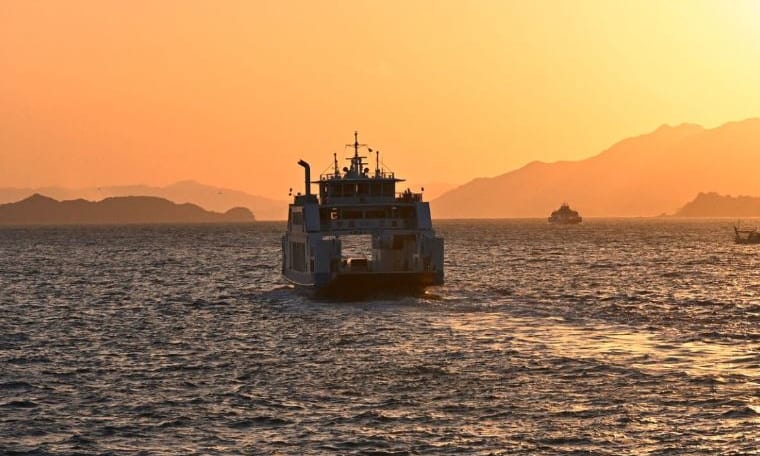
Move to Uno or Takamatsu depending on ferry schedules and accommodation. Reserve major museums before travel and confirm closure days. Do not plan two art islands on the same short day. Island weather and ferries set the pace.
The SoulTrips Setouchi art islands journey is useful when you want the galleries and ferry logistics arranged as one programme.
Days six and seven: Takamatsu
Explore Ritsurin Garden, local sanuki udon and a nearby pilgrimage temple. Takamatsu works as more than a ferry gateway when you give it time.
Days eight to ten: Matsuyama and Ehime
Travel across Shikoku to Matsuyama for its castle and onsen culture. Add Ozu or Uchiko only if transfers remain comfortable. Depart through Matsuyama Airport or continue by ferry towards Hiroshima.
Ten day Japan itinerary: Kyushu by rail and road
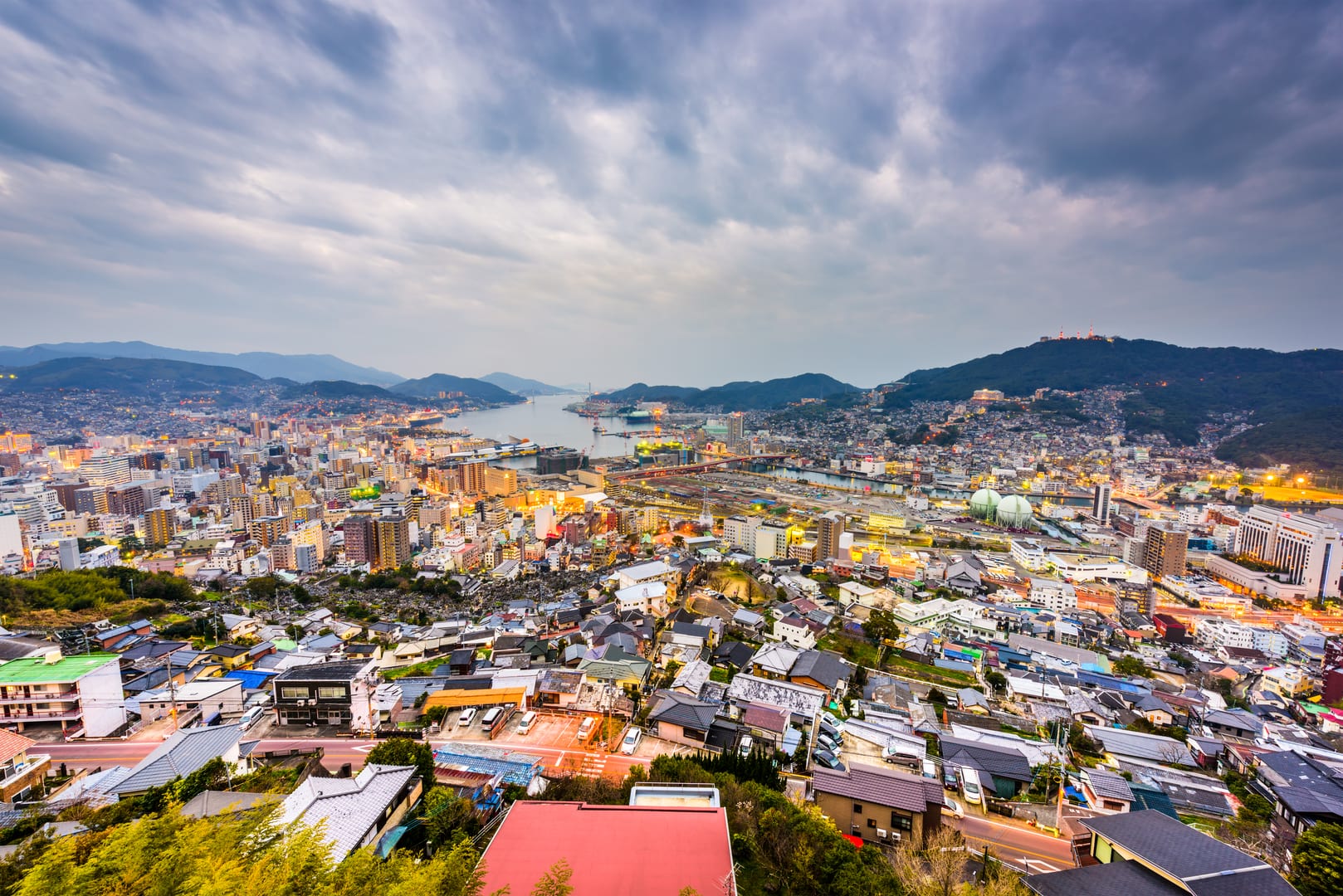
Begin in Fukuoka, then combine rail cities with one rural private transfer.
Days one and two: Fukuoka
Recover from the flight, explore food markets and neighbourhoods, then plan one evening at a yatai stall area. Fukuoka is compact and easy to navigate.
Days three and four: Nagasaki
Travel to Nagasaki for its hillside cityscape, international history and layered religious heritage. A full second day prevents the visit from becoming a quick museum stop.
Days five and six: Kumamoto and Aso
Continue to Kumamoto, then use private transport for the Aso region if you want rural viewpoints, onsen and volcanic landscapes. Access can change with weather and volcanic conditions.
Days seven and eight: Beppu or Yufuin
Choose Beppu for varied hot spring experiences or Yufuin for a smaller resort atmosphere. Reserve the ryokan and meal plan early. Read the SoulTrips onsen guide before arrival.
Days nine and ten: return to Fukuoka
Use the final day for food, shopping and a calm departure. Selected Design and Story trains can enrich the route, as explained in the SoulTrips Kyushu scenic rail guide, but they should not make the itinerary fragile.
Fourteen day Japan itinerary: Tokyo, Hokuriku and Setouchi
This route suits a first time visitor who wants one major city and two regional contrasts.
Days one to three: Tokyo
Explore by neighbourhood and keep the first day light. Use one day for traditional districts and another for design, food or contemporary culture.
Days four to six: Kanazawa
Take the Shinkansen to Kanazawa and focus on gardens, craft and historic districts. Add a workshop or guided food experience instead of another long day trip.
Days seven and eight: Kyoto or Lake Biwa
Use Kyoto as a short cultural bridge, or stay by Lake Biwa for a quieter alternative. The route should not attempt to cover every famous Kyoto site in two days.
Days nine to twelve: Setouchi
Travel to Okayama, Kurashiki and the art islands. Build the island order around museum days and ferries, then leave one flexible half day.
Days thirteen and fourteen: Osaka
Finish with food, shopping and easy airport access. If your dates align with summer celebrations, the Tenjin Matsuri guide will help you plan crowds and transport.
Fourteen day Japan itinerary: a deeper Kyushu journey
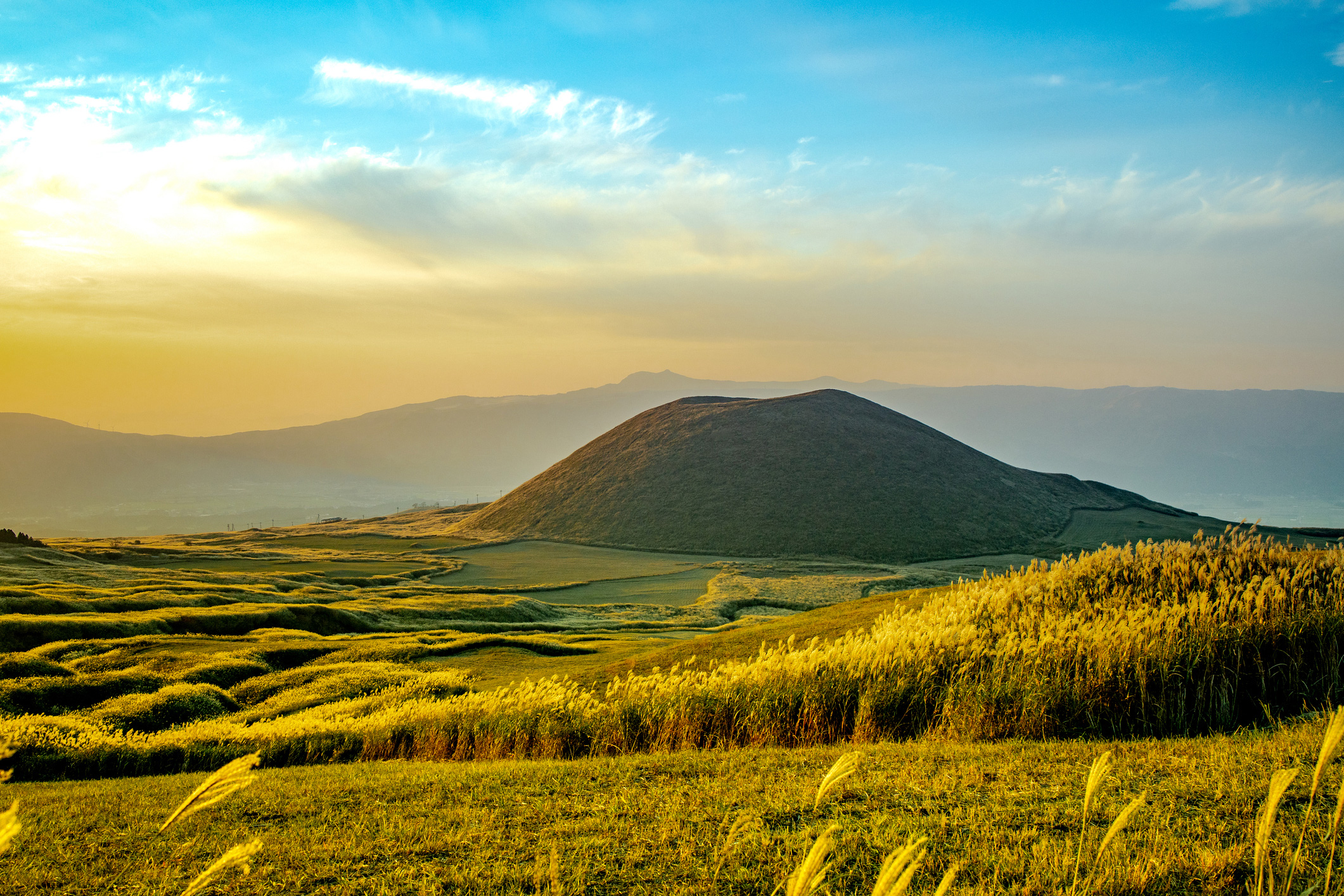
Start in Fukuoka, continue to Nagasaki, Kumamoto and Aso, then travel south to Kagoshima. Finish with Yakushima or Kirishima if nature is the priority. Island travel needs flight or ferry buffers, while a mainland finish allows more reliable departure planning.
Fourteen days gives you enough time for two night stays and one restorative onsen break. It also lets you use a domestic flight into Fukuoka and out of Kagoshima rather than backtracking.
How a Japan travel specialist plans a Japan itinerary beyond the Golden Route
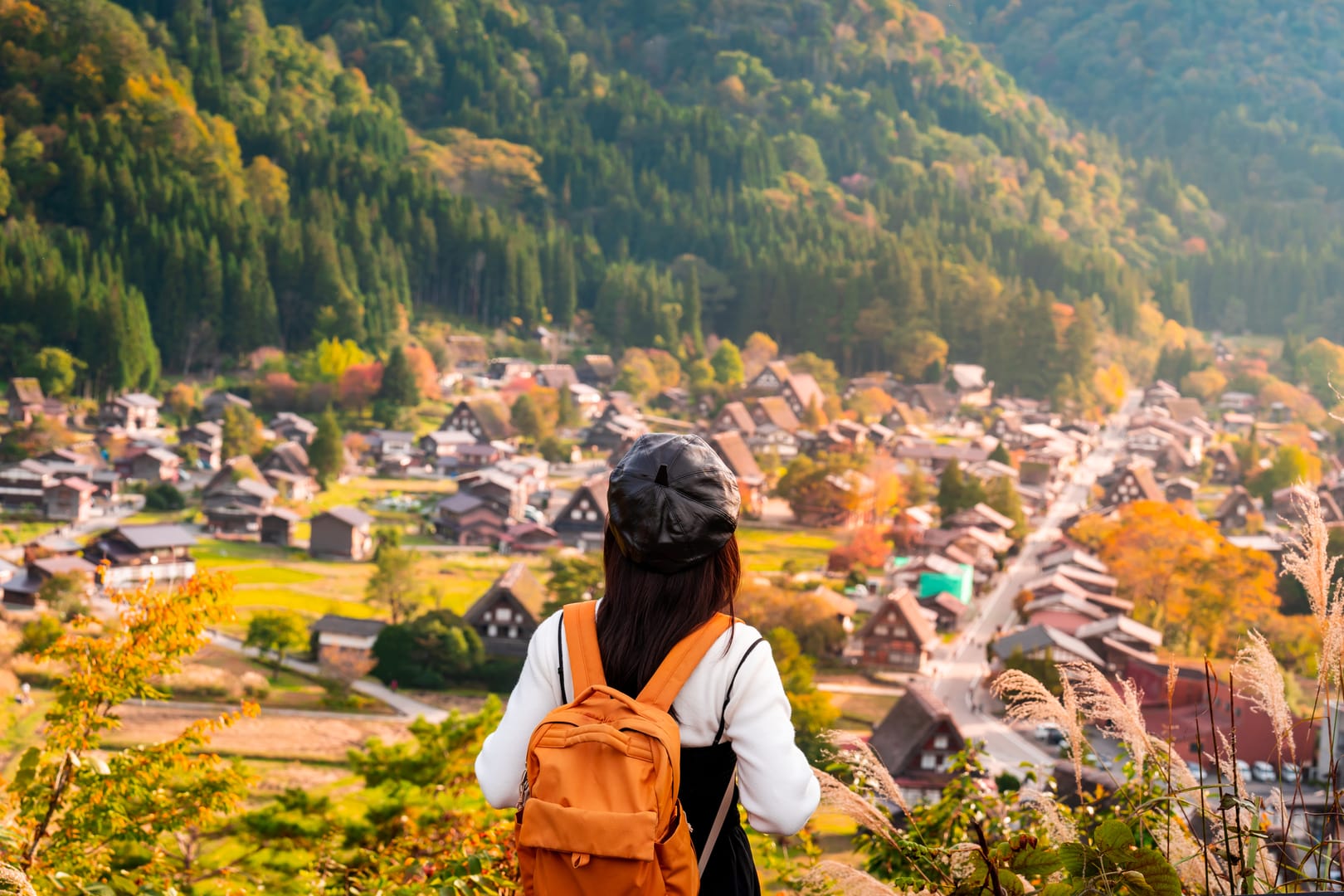
A strong Japan journey begins with one clear idea. Choose one regional story, such as craft, pilgrimage, art, hot springs or nature, and let that story determine the sequence. Once that purpose is settled, choose the few places that express it best and remove stops that add more transfers than enjoyment. Japan makes fast movement possible, but an efficient rail network is not a reason to change hotels every night.
Alternate active city days with smaller towns or restorative stays, and keep a final night close to the international departure gateway. Two or three nights in an important base gives you time for an early start, a slower meal and one unplanned discovery. Rural regions need more breathing room because local trains and buses are less frequent. Build the route around the least flexible element, such as a reserved scenic train, a seasonal festival, a small ryokan or an island ferry.
Reserve international flights, high demand accommodation and limited capacity experiences first. Then add rail reservations, luggage delivery, local guides and restaurants. The SoulTrips guide to booking an international trip in advance provides a practical timeline, while the wider collection of travel planning advice helps you organise the final details.
A specialist adds most value where transport, language or access becomes complicated. Use expert support for a countryside drive, a pilgrimage route, a formal meal, an art island programme or a family trip with several room requirements. Keep independent time in places where walking, browsing and changing your mind are part of the pleasure.
Common planning mistakes
- Counting arrival and departure days as full sightseeing days.
- Changing hotels every night because trains make the distance look easy.
- Building an island route without checking ferry and museum schedules.
- Putting a weather sensitive flight or ferry on the same day as the international departure.
These are easy to correct before you travel. A focused route, sensible luggage plan and realistic daily rhythm will make Japan feel calm rather than rushed.
Practical advice for different travellers
First time visitors
Use Tokyo as one part of the trip, then spend at least four nights in a connected regional area. Choose accommodation close to a useful station for the first few nights, save the hotel address in Japanese and start with one neighbourhood rather than crossing a major city several times in a day.
Solo travellers
Japan is straightforward for solo travel, especially in cities and along major rail routes. Book small rural inns before arrival, share your route with someone you trust and avoid assuming that every restaurant accepts walk in diners. Counter seating, business hotels and excellent public transport make solo days easy to structure.
Families
Select apartment style stays in major bases and avoid more than one demanding transfer every two days. Apartment hotels and rooms with laundry facilities reduce daily friction. Forward large luggage between longer stays and keep one light day after a theme park, major transfer or very early start.
Older travellers and travellers with mobility concerns
Private transfers are valuable in rural areas, while central hotels reduce long station walks and repeated luggage handling. Major stations are well equipped, but transfers can involve long corridors, stairs and busy platforms. Request station assistance when needed, choose hotels close to lifts and ask for honest walking descriptions at temples, gardens, castles and older neighbourhoods.
Travel responsibly and stay prepared
Responsible travel in Japan begins with consideration for the people sharing each place. Keep voices low on public transport, queue carefully, carry your rubbish until you find the correct bin and follow photography rules at temples, shrines, markets and residential streets. Do not block narrow lanes or private entrances for a photograph.
A regional itinerary should contribute to local places without overwhelming them. Book small properties properly, arrive at agreed times and keep residential areas quiet. Use luggage delivery instead of taking large cases onto crowded local trains, support independent restaurants and craftspeople, and book popular sites for quieter times when possible. The SoulTrips Japan destination guide connects these practical choices with slower regional journeys.
Japan experiences earthquakes, typhoons, heavy snow, volcanic activity and periods of extreme heat. Save the official emergency information, follow transport instructions and never continue an outdoor plan against a warning. Travel insurance should cover medical care, disruption and the activities on your itinerary.
Frequently asked questions
-
Is seven days enough for Japan?
Seven days is enough for one focused region or one major city with a short extension. It is not enough for a comfortable Tokyo, Kyoto and remote regional circuit.
-
What is the best ten day Japan itinerary?
Choose one gateway and one connected region. Setouchi with Shikoku or Fukuoka with a Kyushu circuit both give variety without excessive backtracking.
-
Can you go beyond the Golden Route on a first trip?
Yes. Keep one familiar gateway, then give a regional area at least four nights. This provides support at the start and deeper experiences later.
-
Should you fly or take trains between Japanese regions?
Use trains for connected corridors and flights for very long distances such as Tokyo to Hokkaido or southern Kyushu. Compare total door to door time.
-
How many hotel changes are sensible in fourteen days?
Four or five bases are comfortable for most travellers. Fewer bases work better for families, large luggage and mobility concerns.
-
Do you need a rail pass for these itineraries?
Not automatically. Calculate each long distance fare and compare regional passes before buying a national pass.
-
How should you manage luggage on a regional route?
Forward the main case between longer stays and carry a small bag for one night stops. This is especially helpful for islands, buses and rural stations.
-
Which regional route is best for food?
Kyushu offers ramen, seafood, shochu and strong local produce. Setouchi and Shikoku add udon, citrus, sea bream and island ingredients.
-
Which route is best for art and culture?
Combine Okayama, Kurashiki, Naoshima, Teshima and Takamatsu. Add Kanazawa for craft and gardens if the trip length reaches fourteen days.
-
Can SoulTrips tailor these routes?
Yes. Plan a Japan journey with SoulTrips to adapt the route around your dates, interests, mobility, family needs and preferred accommodation.
Build a Japan itinerary with regional depth
A memorable Japan itinerary gives each region enough time to reveal itself. Choose one clear route, use transport strategically and protect the final departure with a sensible buffer. Explore SoulTrips Japan journeys or speak with a travel specialist to turn these seven, ten and fourteen day ideas into a personalised plan.