By Soul Trips · Updated on 09 October, 2026
Japan Culture and Etiquette: What Travellers Should Know
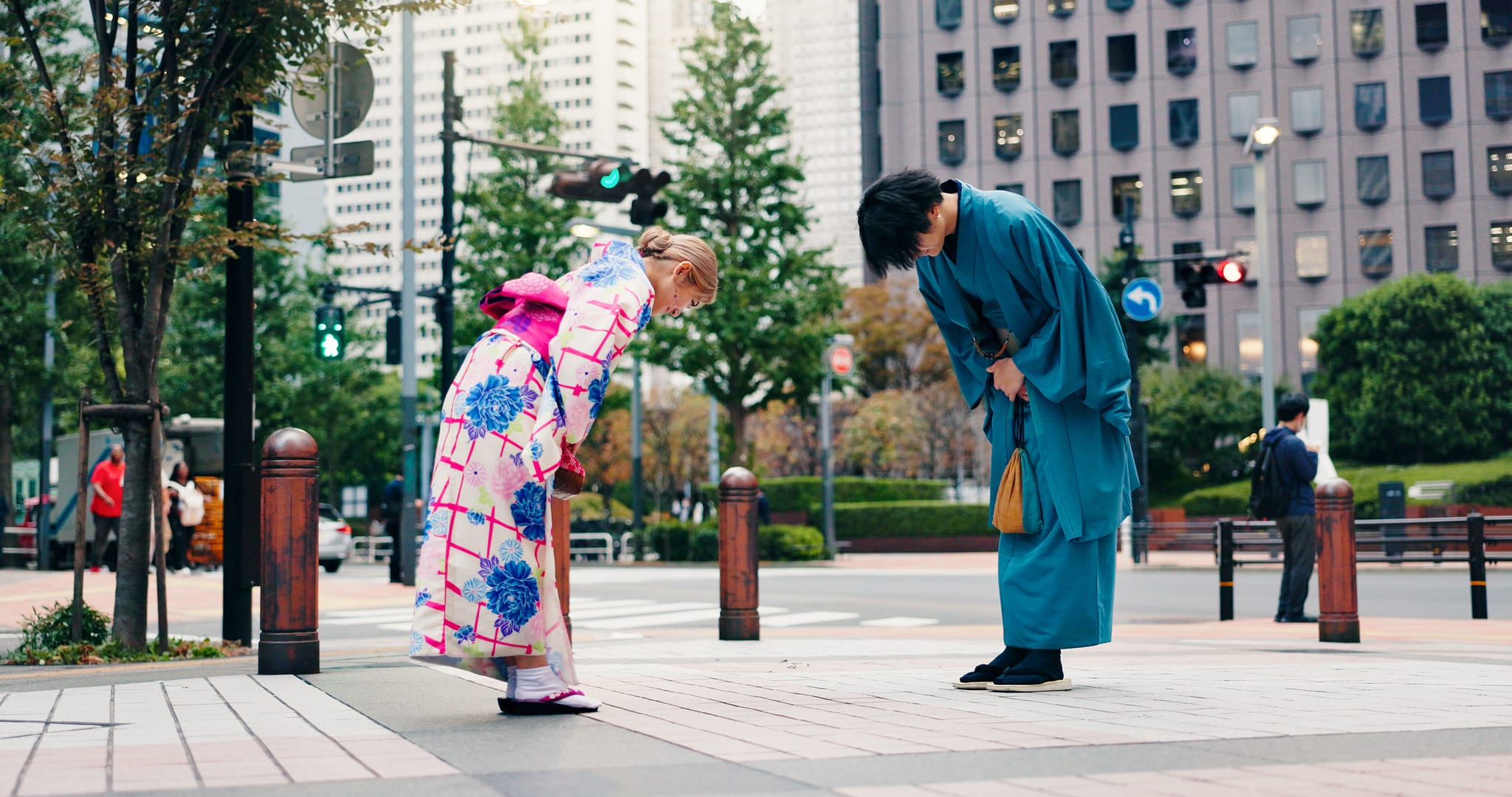
Japan travel etiquette is easier to understand when you focus on consideration rather than memorising a long list of rules. Queue carefully, keep public spaces calm, follow signs and observe how people around you behave. A sincere, respectful response matters more than perfect technique.
Japan is not culturally uniform, and formal settings differ from casual ones. This guide explains the habits that will help you travel confidently, while the SoulTrips Japan destination guide connects them with regional experiences and journeys.
Japan travel etiquette at a glance
Most everyday manners are built around not causing meiwaku, a word associated with inconvenience or disturbance to others.
- Queue at marked lines and let passengers leave first.
- Keep phone calls off trains and speak quietly.
- Remove shoes whenever signs or raised flooring indicate it.
- Do not tip in ordinary service situations.
- Follow temple, shrine and photography rules.
- Wash before entering an onsen bath.
- Keep chopsticks away from taboo funeral associations.
- Carry your rubbish until you find the correct bin.
These habits will feel natural quickly. The SoulTrips Japan destination page offers journeys where local guides can explain deeper context.
Greetings and everyday communication
A small bow is a safe greeting. Handshakes also occur in international settings, but do not force physical contact. Speak calmly and avoid displaying frustration when communication takes time.
Sumimasen is a useful word for excuse me, sorry and attracting polite attention. Arigato gozaimasu expresses thanks. You do not need perfect Japanese, but learning a few phrases shows care.
Give and receive cards, gifts and formal items with both hands when practical. In shops, cash and cards are often placed on a small tray rather than directly into the cashier's hand.
Train and public transport etiquette
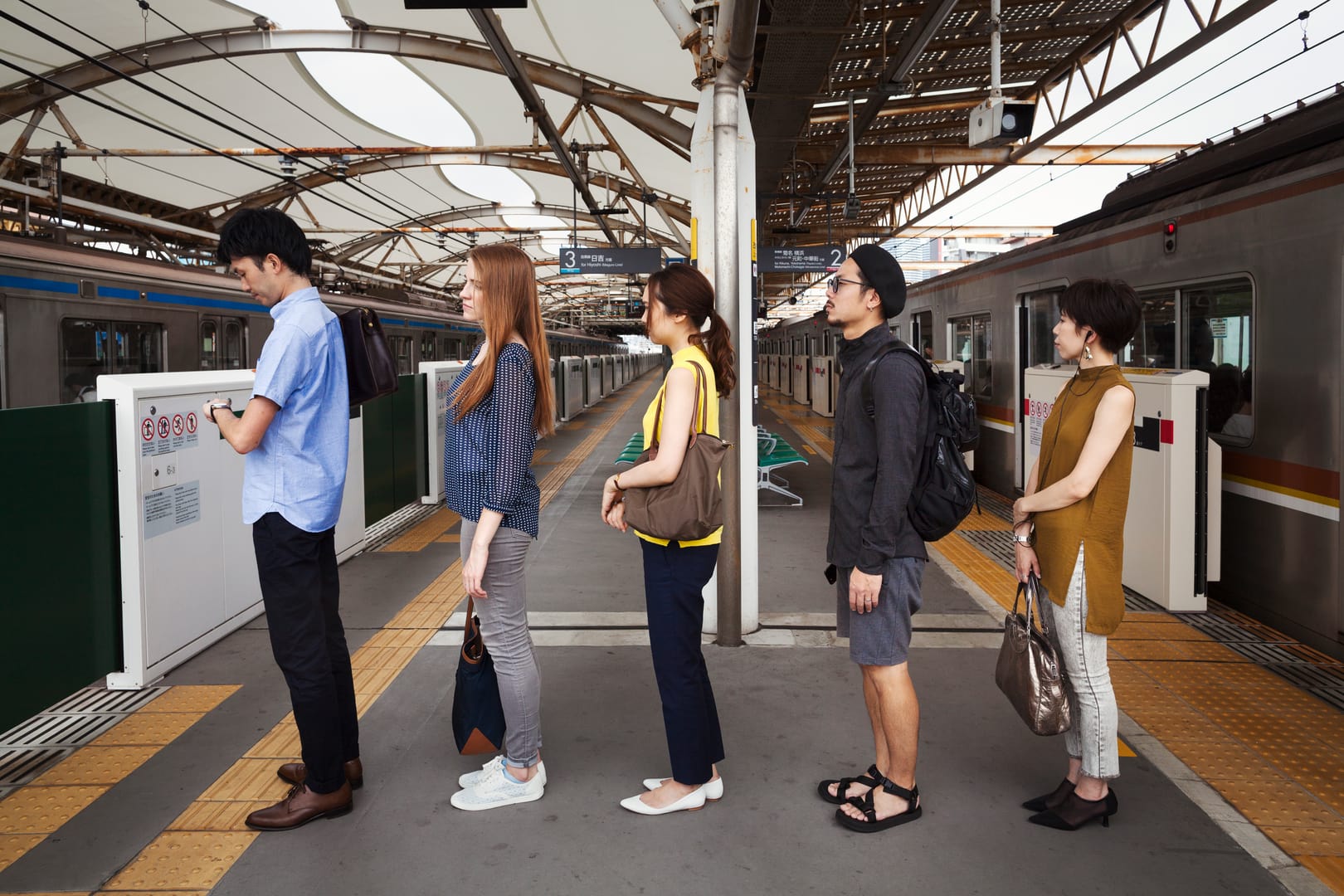
Queue at the marked boarding position and stand aside so passengers can exit. Keep bags close, remove a backpack in a crowded carriage and give priority seats to those who need them.
Phone calls are discouraged on most trains and buses. Text silently and keep conversation low. Eating is normal on the Shinkansen and some limited express trains, but not on crowded local commuter services.
Large luggage creates difficulty during rush hour. Forward cases between hotels or travel outside the busiest period. The SoulTrips Kyushu scenic train guide shows how thoughtful rail travel can become part of the cultural experience.
Shoes and indoor spaces
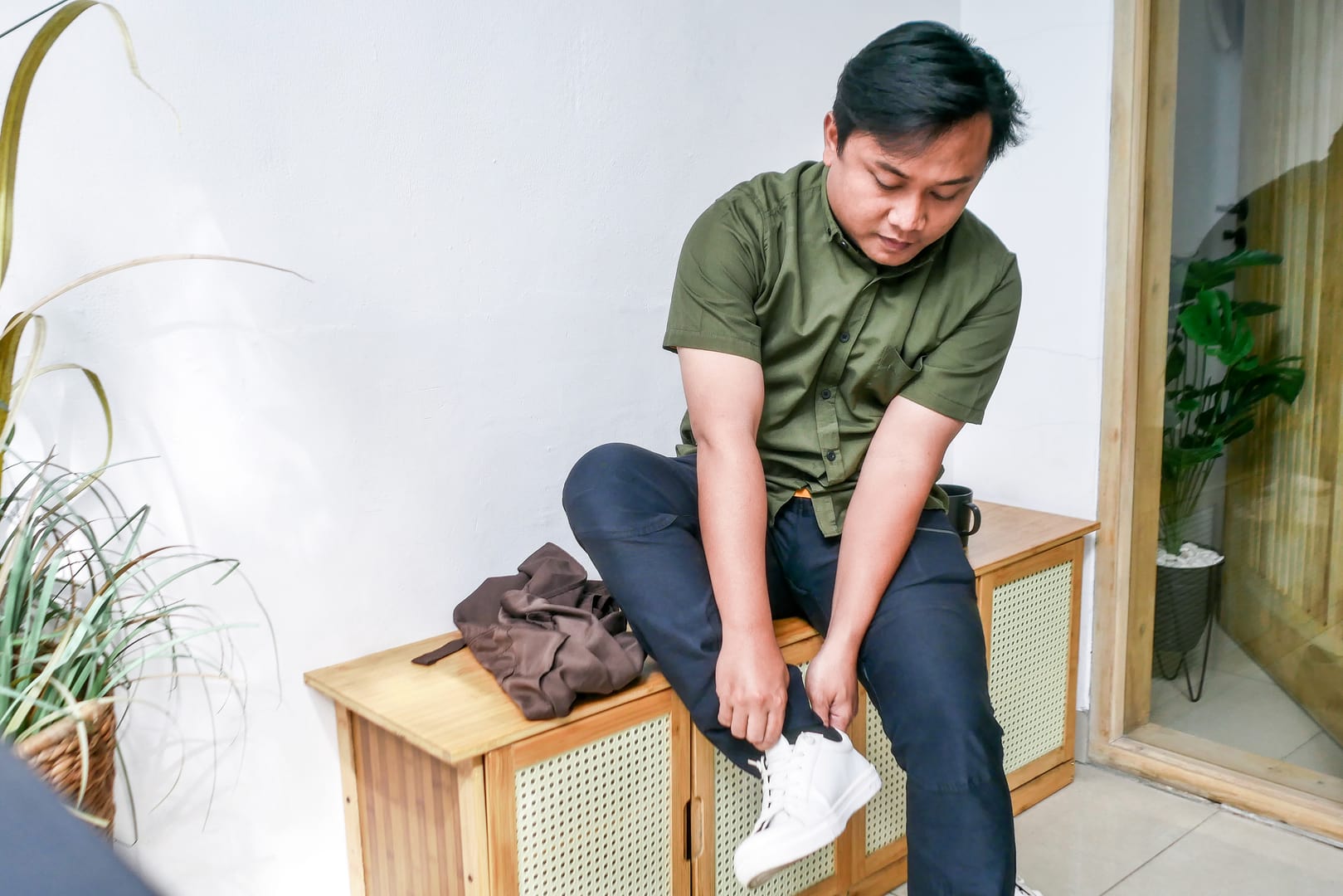
Remove shoes at homes, ryokan, some temples, traditional restaurants and rooms with tatami. The change is often marked by a raised floor, shoe rack or slippers.
Do not step onto the clean raised area in outdoor shoes. Use the slippers provided, but remove ordinary slippers before stepping on tatami. Toilet slippers stay inside the toilet and should never be worn back into the main room.
Wear clean socks and choose shoes that are easy to remove. This small packing decision makes traditional settings much more comfortable.
Dining etiquette
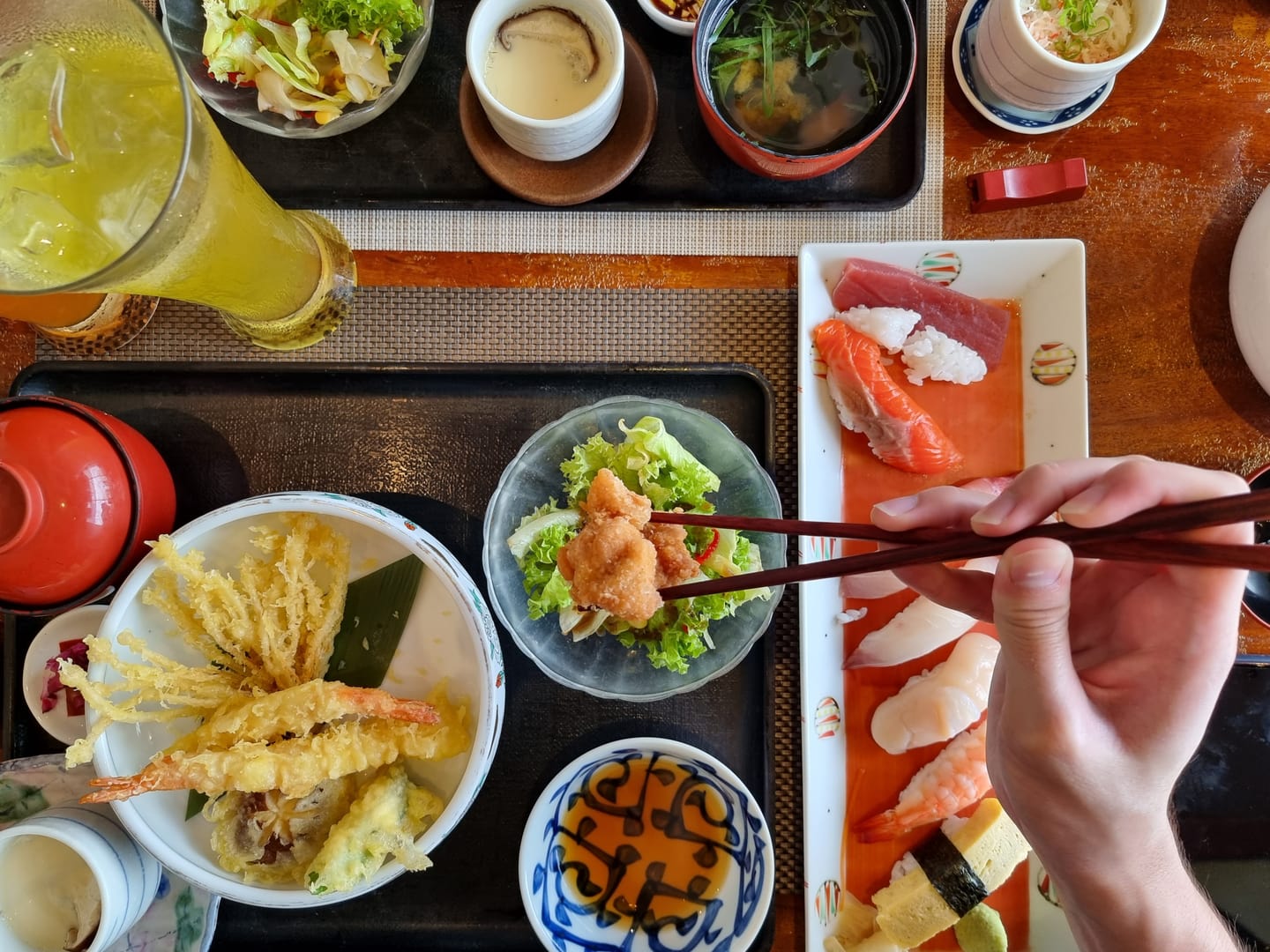
Wait until everyone is served before beginning a shared formal meal. Itadakimasu is commonly said before eating, while gochisosama deshita expresses thanks afterwards.
Do not place chopsticks upright in rice or pass food directly from one pair of chopsticks to another, as both actions are associated with funerals. Use serving utensils when provided and return chopsticks to the rest.
Slurping noodles is accepted, but not required. Lift small rice and soup bowls closer to the mouth. Avoid pouring soy sauce over rice and use condiments with restraint in specialist restaurants.
Allergy communication needs clarity. Dashi can contain fish, and sauces can contain wheat, soy or alcohol. Explain the exact ingredients you cannot consume instead of relying on one broad label.
Tipping and payment
Do not tip at hotels, restaurants, taxis or ordinary guided services unless a specific arrangement says otherwise. Good service is part of the culture and an unexpected cash tip can create confusion.
Some private guides or specialist programmes may accept a gratuity under their own policy, but never assume. Follow the booking information.
Cards are common, yet cash remains useful. Place payment on the tray, check the total on the display and accept change carefully. Splitting bills can be difficult at small restaurants, so organise the group payment before reaching the counter.
Visiting shrines and temples
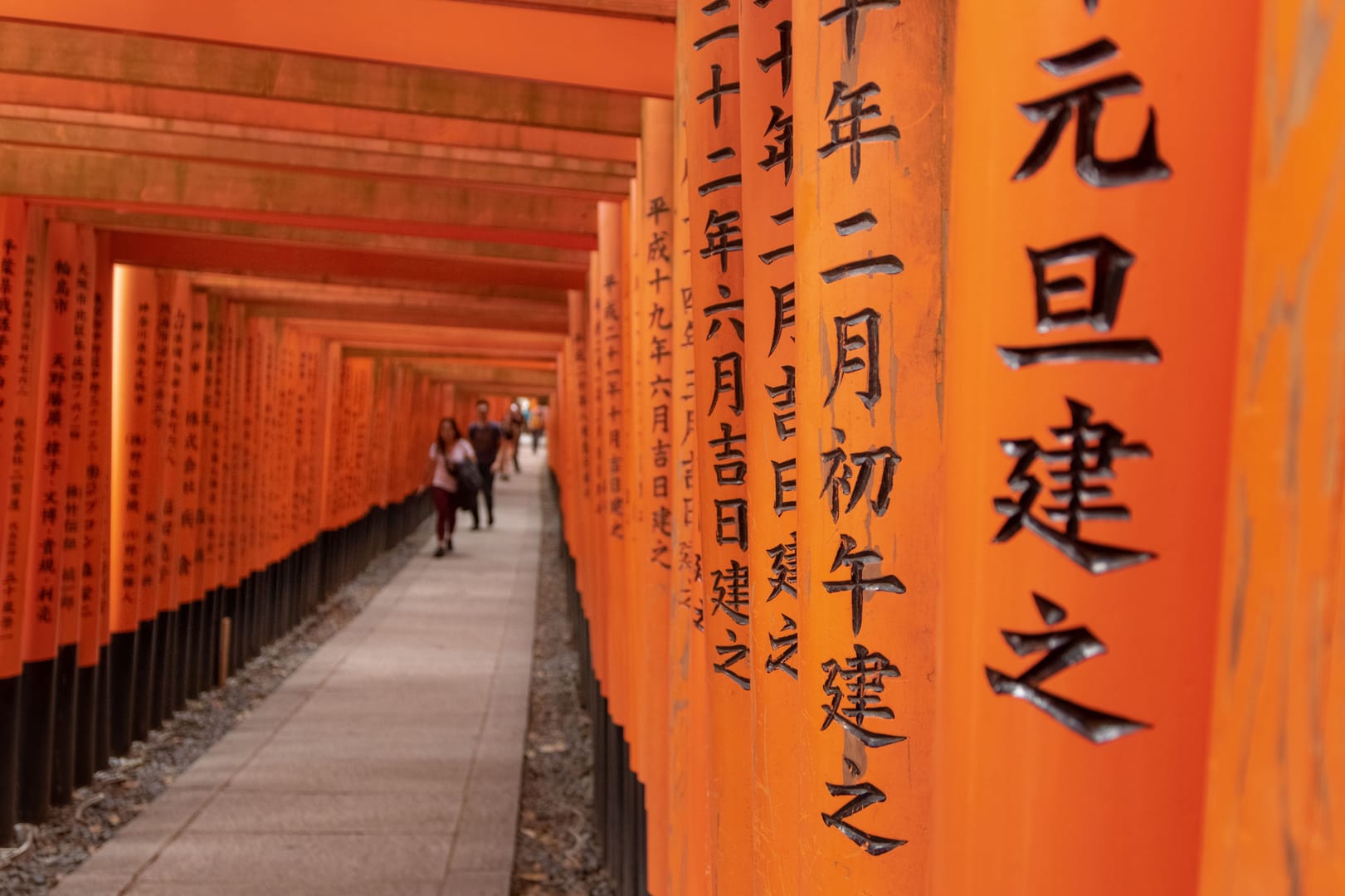
Shrines belong to Shinto traditions, while temples are Buddhist. Both are places of worship. Walk calmly, follow signs and do not enter restricted areas.
At a shrine, visitors often bow before passing through the torii and avoid walking through the exact centre of the approach. Purification fountains have local instructions and can be closed or adapted.
At a temple, remove shoes when asked and keep voices low. Photography may be prohibited inside halls even when it is allowed outdoors. A local guide can explain rituals without turning them into a performance.
Shikoku's pilgrimage culture is especially rich. The SoulTrips Ehime journey offers a regional context for temples, castle towns and onsen traditions.
Onsen etiquette
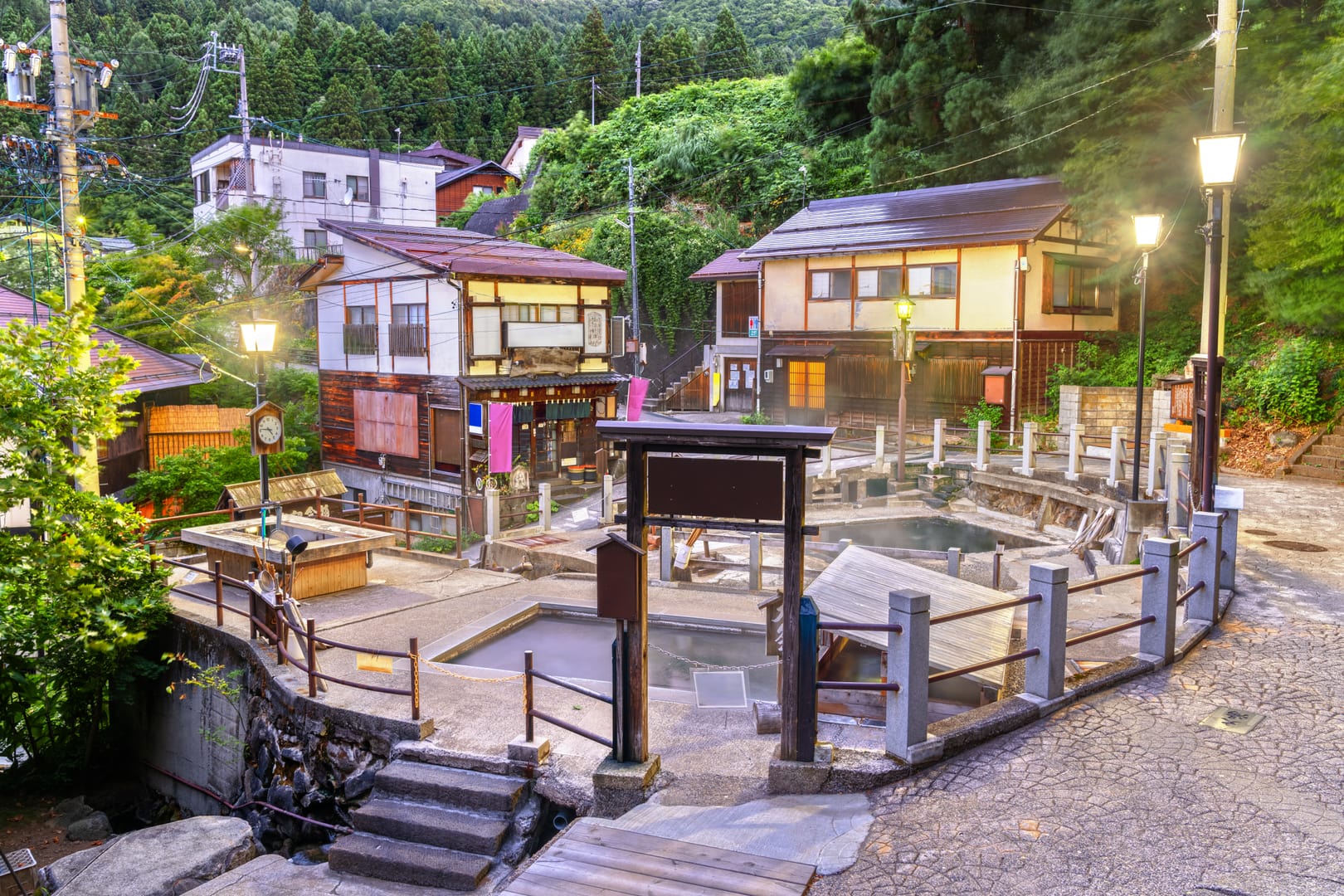
Wash and rinse thoroughly before entering the bath. Communal onsen are normally used nude, and swimwear is not worn. Keep the small towel out of the water, tie long hair up and avoid swimming or splashing.
Tattoo policies differ by facility. Some accept small covered tattoos, some offer private baths and others refuse entry. Confirm before booking rather than confronting staff at the bath.
The SoulTrips guide to Japanese onsen explains the full sequence and helps first time visitors feel prepared.
Photography and residential areas
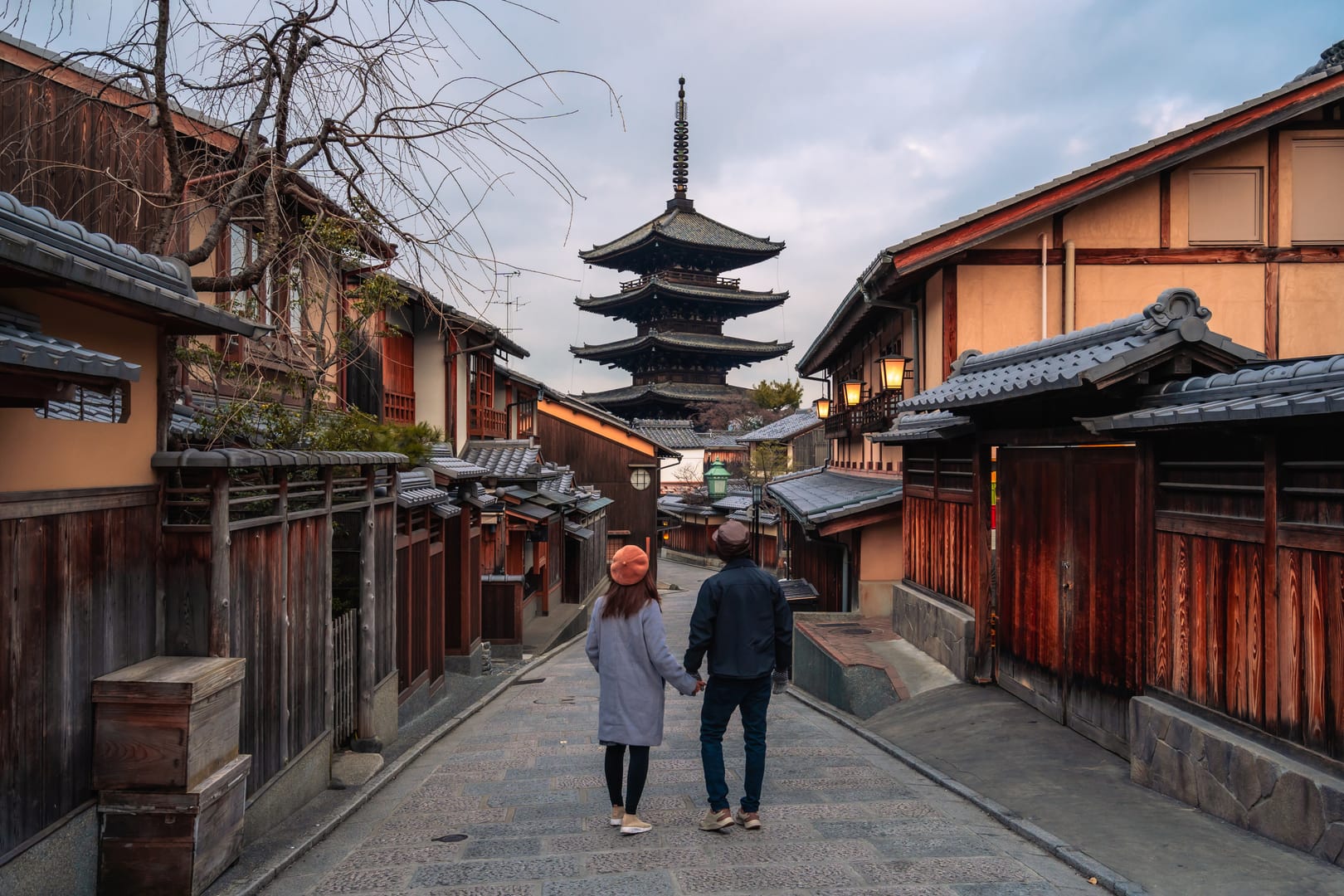
Ask before photographing people, ceremonies, markets and private property. A public street does not remove every expectation of privacy. Never block traffic, doorways or local access for a pose.
Kyoto and other historic districts have introduced stricter rules in residential lanes because of intrusive visitor behaviour. Follow signs and keep to permitted streets. Drones have separate aviation and local restrictions and should never be flown without proper research and permission.
At museums and art islands, photography policies differ by gallery and artwork. The SoulTrips Setouchi art journey is valuable because museum reservations and visitor rules are built into the programme.
Ryokan etiquette
Arrive at the agreed time, especially when dinner is included. Staff prepare the room, bath and meal around the reservation. A late arrival can disrupt service and reduce the experience.
Leave outdoor shoes at the entrance, wear the provided yukata as shown and follow the bathing rules. Meals can include many small dishes served in a planned order. Ask before changing the service time.
Futons are often laid out while you dine. Do not place luggage on tatami if a rack or protected area is available.
Gifts, rubbish and public space
Small gifts are appreciated when visiting a host, but they are not required in ordinary tourism. Presentation matters, so offer the item neatly with both hands.
Public rubbish bins can be limited. Carry a small bag for waste and separate it when you return to the hotel or find the correct bin. Do not leave cups or packaging beside a full bin.
Eating while walking is accepted in some festival and market areas but discouraged in others. Use designated spaces and follow local signs.
Handling mistakes gracefully
Hotel staff, guides and restaurant teams may communicate through careful gestures and indirect phrasing. Listen to the full explanation before responding, especially when a request cannot be accommodated. A calm conversation usually produces the best alternative.
Punctuality matters for private experiences. Arrive several minutes early for a guide, tea ceremony, workshop or reserved meal, and contact the provider immediately if transport disruption makes you late. Small businesses often prepare ingredients, seating and staff around the exact booking.
Respect the limits of each experience. Do not touch craft tools, ceremonial objects, costumes or food displays until invited. Follow the host during participatory activities, then ask questions at a suitable pause rather than interrupting a demonstration.
You will not know every custom, and local people do not expect visitors to perform perfectly. Stop, apologise briefly and correct the action. Long explanations can create more discomfort than the original mistake.
Observe first in formal spaces. When unsure, ask the guide or staff member. Curiosity combined with humility is the most reliable etiquette.
How a Japan travel specialist plans a culturally respectful Japan journey
A strong Japan journey begins with one clear idea. Choose experiences where local interpretation adds meaning, then learn the few practical habits that will help you participate comfortably. Once that purpose is settled, choose the few places that express it best and remove stops that add more transfers than enjoyment. Japan makes fast movement possible, but an efficient rail network is not a reason to change hotels every night.
Leave time before formal meals, temple visits and ryokan check in so etiquette does not become another rushed task. Two or three nights in an important base gives you time for an early start, a slower meal and one unplanned discovery. Rural regions need more breathing room because local trains and buses are less frequent. Build the route around the least flexible element, such as a reserved scenic train, a seasonal festival, a small ryokan or an island ferry.
Reserve international flights, high demand accommodation and limited capacity experiences first. Then add rail reservations, luggage delivery, local guides and restaurants. The SoulTrips guide to booking an international trip in advance provides a practical timeline, while the wider collection of travel planning advice helps you organise the final details.
A specialist adds most value where transport, language or access becomes complicated. Use expert support for a countryside drive, a pilgrimage route, a formal meal, an art island programme or a family trip with several room requirements. Keep independent time in places where walking, browsing and changing your mind are part of the pleasure.
Common planning mistakes
- Treating every temple, shrine or residential street as a photography set.
- Making phone calls on trains or blocking doors with luggage.
- Assuming tipping is required because it is common elsewhere.
- Arriving late for a ryokan dinner or small guided experience.
These are easy to correct before you travel. A focused route, sensible luggage plan and realistic daily rhythm will make Japan feel calm rather than rushed.
Practical advice for different travellers
First time visitors
Observe local behaviour, follow signs and ask when a situation feels unclear. Choose accommodation close to a useful station for the first few nights, save the hotel address in Japanese and start with one neighbourhood rather than crossing a major city several times in a day.
Solo travellers
Japan is straightforward for solo travel, especially in cities and along major rail routes. Book small rural inns before arrival, share your route with someone you trust and avoid assuming that every restaurant accepts walk in diners. Counter seating, business hotels and excellent public transport make solo days easy to structure.
Families
Teach children the simple rules before entering a train, temple or onsen, then choose experiences that allow natural movement. Apartment hotels and rooms with laundry facilities reduce daily friction. Forward large luggage between longer stays and keep one light day after a theme park, major transfer or very early start.
Older travellers and travellers with mobility concerns
Tell ryokan and guides about access needs in advance, as traditional buildings can include steps, floor seating and shared facilities. Major stations are well equipped, but transfers can involve long corridors, stairs and busy platforms. Request station assistance when needed, choose hotels close to lifts and ask for honest walking descriptions at temples, gardens, castles and older neighbourhoods.
Travel responsibly and stay prepared
Responsible travel in Japan begins with consideration for the people sharing each place. Keep voices low on public transport, queue carefully, carry your rubbish until you find the correct bin and follow photography rules at temples, shrines, markets and residential streets. Do not block narrow lanes or private entrances for a photograph.
Respectful etiquette protects daily life in places that receive heavy visitor numbers. Give residents space and support businesses without demanding that they perform culture for the camera. Use luggage delivery instead of taking large cases onto crowded local trains, support independent restaurants and craftspeople, and book popular sites for quieter times when possible. The SoulTrips Japan destination guide connects these practical choices with slower regional journeys.
Japan experiences earthquakes, typhoons, heavy snow, volcanic activity and periods of extreme heat. Save the official emergency information, follow transport instructions and never continue an outdoor plan against a warning. Travel insurance should cover medical care, disruption and the activities on your itinerary.
Frequently asked questions
-
Do you tip in Japan?
No. Tipping is not part of ordinary service culture. Pay the stated amount unless a specialist booking clearly provides different guidance.
-
Can you talk on trains in Japan?
Quiet conversation is acceptable, but phone calls are discouraged. Keep voices low and avoid disturbing other passengers.
-
When should you remove your shoes?
Remove them when signs, staff or raised flooring indicate it, including homes, ryokan, some temples and traditional restaurants. Never wear toilet slippers outside the toilet.
-
What are the main chopstick rules?
Do not place chopsticks upright in rice or pass food between chopsticks. Use serving utensils for shared dishes and rest chopsticks neatly.
-
Can you take photographs at Japanese temples?
Outdoor photography is often allowed, but interior halls and ceremonies can prohibit it. Follow signs and ask before photographing people.
-
Are tattoos allowed in Japanese onsen?
Policies differ. Some facilities accept covered tattoos or offer private baths, while others refuse entry. Confirm before booking.
-
Is it rude to eat while walking in Japan?
It depends on the place. Festival zones and markets can have designated eating areas, while ordinary streets may expect you to stop and eat neatly.
-
How should you behave at a ryokan?
Arrive on time, remove shoes, follow the bathing routine and respect the meal schedule. Staff will explain the room and yukata.
-
What should you do after an etiquette mistake?
Stop, apologise briefly and follow the correct action. A calm response is more respectful than a long defence.
-
Can a guide help explain Japanese culture?
Yes. Plan a cultural Japan journey with SoulTrips to include guides, traditional stays and experiences with suitable context.
Approach Japan culture with confidence and care
Japan travel etiquette is not a test of perfection. Notice the people around you, avoid causing inconvenience and enter cultural spaces with genuine respect. Explore SoulTrips Japan journeys or speak with a specialist to plan experiences where local guidance adds depth and confidence.