By Soul Trips · Updated on 09 October, 2026
Japan Beyond the Golden Route: Shikoku, Kyushu and Hidden Coastal Towns
Japan beyond the Golden Route begins when you give regional places enough time to feel different. Shikoku offers pilgrimage, castles and coastal hot springs. Kyushu brings volcanic landscapes, historic ports and distinctive food. Setouchi links art islands with working harbours and cycling routes.
These regions are not difficult, but they need more planning than Tokyo, Kyoto and Osaka. Local transport runs less often, small inns expect confirmed arrival times and ferries follow weather. The SoulTrips Japan destination page brings several of these regional journeys together.
Japan beyond the Golden Route at a glance
Choose one region and stay long enough to understand it. The reward is not an empty version of Japan. It is a closer relationship with local food, landscape, work and tradition.
- Shikoku: 88 temple pilgrimage, original castles, Dogo Onsen and Pacific coast.
- Kyushu: Fukuoka, Nagasaki, Aso, Beppu, Kagoshima and Yakushima.
- Setouchi: Naoshima, Teshima, Takamatsu, Onomichi and island cycling.
- Sanin coast: Tottori, Matsue, Izumo and Sea of Japan landscapes.
- Western Honshu: Hagi, Iwakuni, Tomonoura and historic port towns.
- Best trip length: seven to fourteen days for one broad region.
- Best approach: regional gateway, two or three bases and selected private transport.
Use the SoulTrips Japan destination guide to compare trip styles before choosing the route.
Shikoku: pilgrimage and living traditions
The Shikoku 88 temple pilgrimage circles the island through Tokushima, Kochi, Ehime and Kagawa. Walking the full route takes substantial time, but a short guided section can still provide cultural and spiritual context.
Begin near Ryozenji in Tokushima or choose a section that fits the wider itinerary. Pilgrims are known as henro, and Kobo Daishi is central to the tradition. Clothing, temple procedures and local hospitality carry meaning, so guidance adds more than navigation.
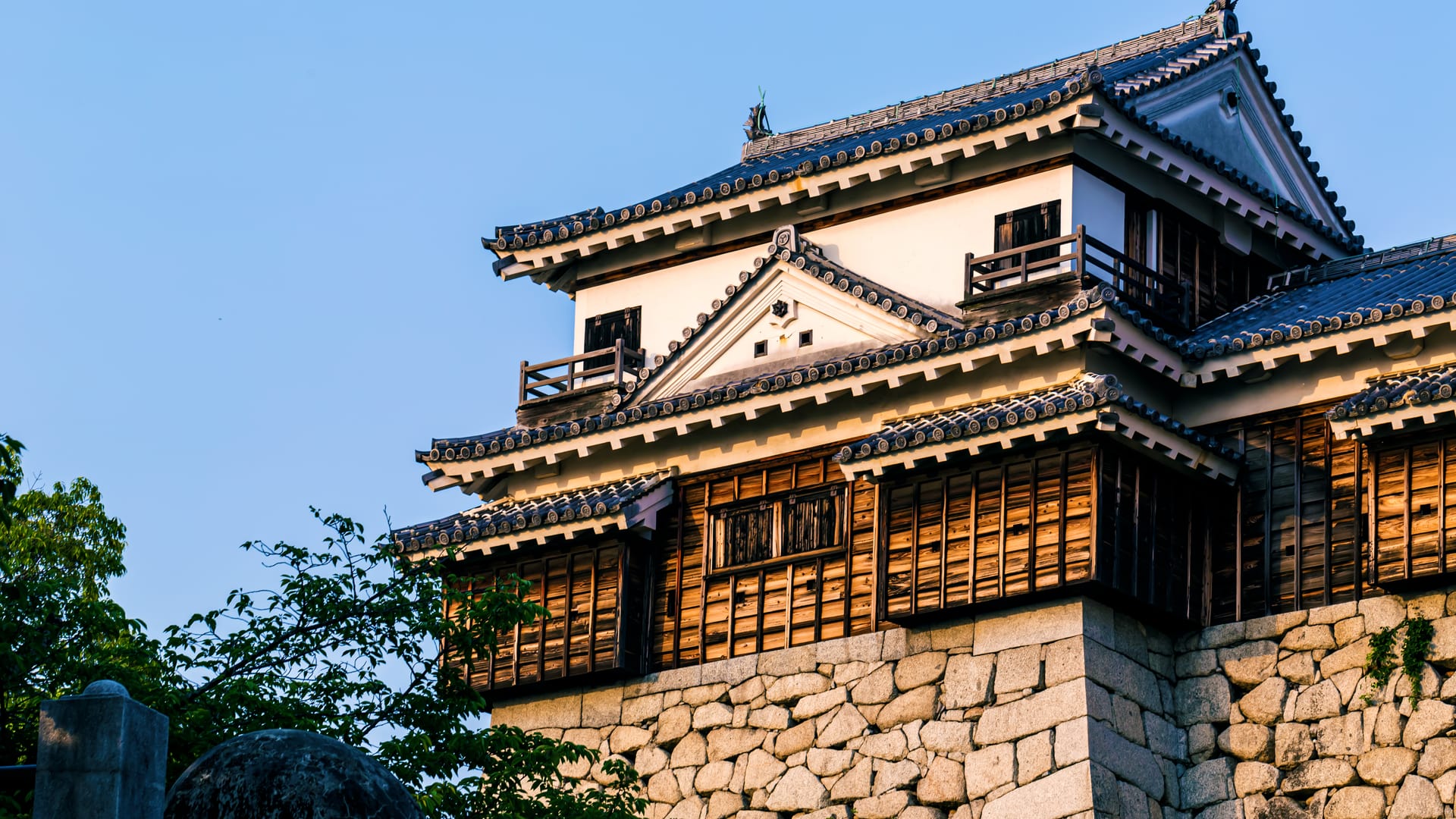
Shikoku also offers original castle keeps in Matsuyama, Kochi, Marugame and Uwajima. These buildings connect regional history with city life rather than standing as isolated monuments.
Ehime: Matsuyama, Ozu and the coast
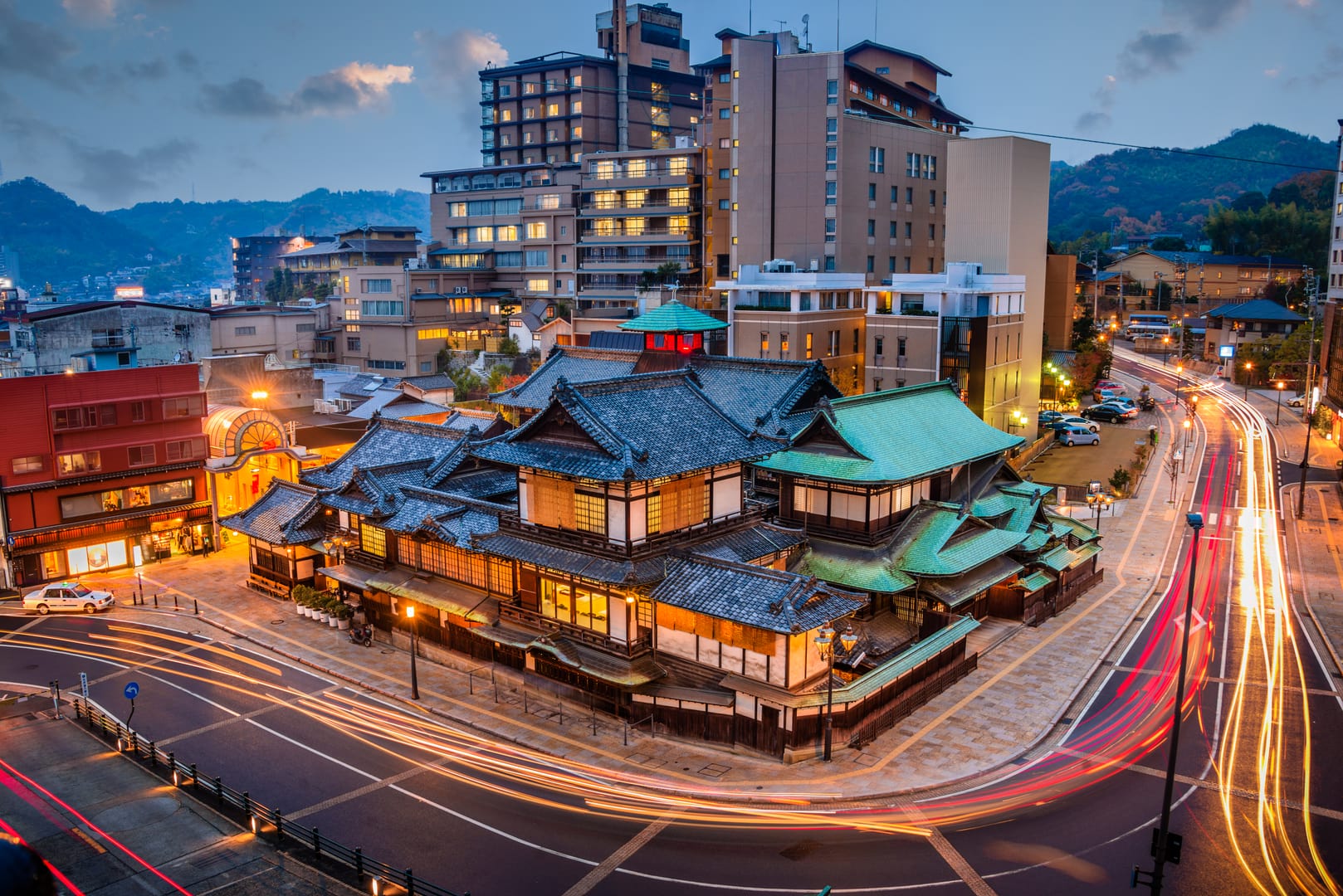
Matsuyama combines a hilltop castle, literary history and Dogo Onsen. The tram network makes the city easy to explore, while the surrounding region rewards slower transport.
Ozu has a restored castle, river setting and traditional properties. Uchiko preserves merchant streets and craft heritage. Along the coast, local trains and small towns create a quieter rhythm, though services need careful timing.
The SoulTrips Ehime journey connects Matsuyama, Ozu and coastal experiences with local support. It is ideal when you want depth without coordinating every bus and rail connection alone.
Kagawa and the Setouchi art islands
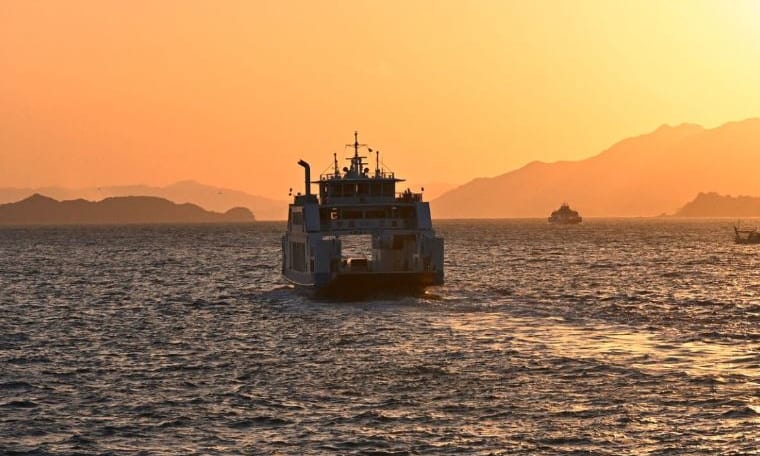
Takamatsu is the gateway to Ritsurin Garden, sanuki udon and the islands of the Seto Inland Sea. Naoshima is best known for art museums and architecture, while Teshima and Inujima offer distinct landscapes and installations.
Museum closure days and ferry times determine the itinerary. Stay on an island for quiet evenings or use Takamatsu and Uno as practical bases. Do not force two islands and several museums into one day.
The SoulTrips Setouchi art islands journey is designed for travellers who want the art and logistics to work together.
Kochi and Tokushima
Kochi offers a lively market, an original castle, seared bonito and access to Pacific rivers and coast. Rural valleys and river activities need road transport and seasonal planning.
Tokushima is associated with Awa Odori dance, pilgrimage temples, Naruto whirlpools and the Iya Valley. The valley's mountain roads and villages require more time than the map suggests.
Choose Kochi or Tokushima as a main focus rather than adding both as quick stops. Shikoku works best when each prefecture is more than a transit line.
Kyushu: a complete regional journey
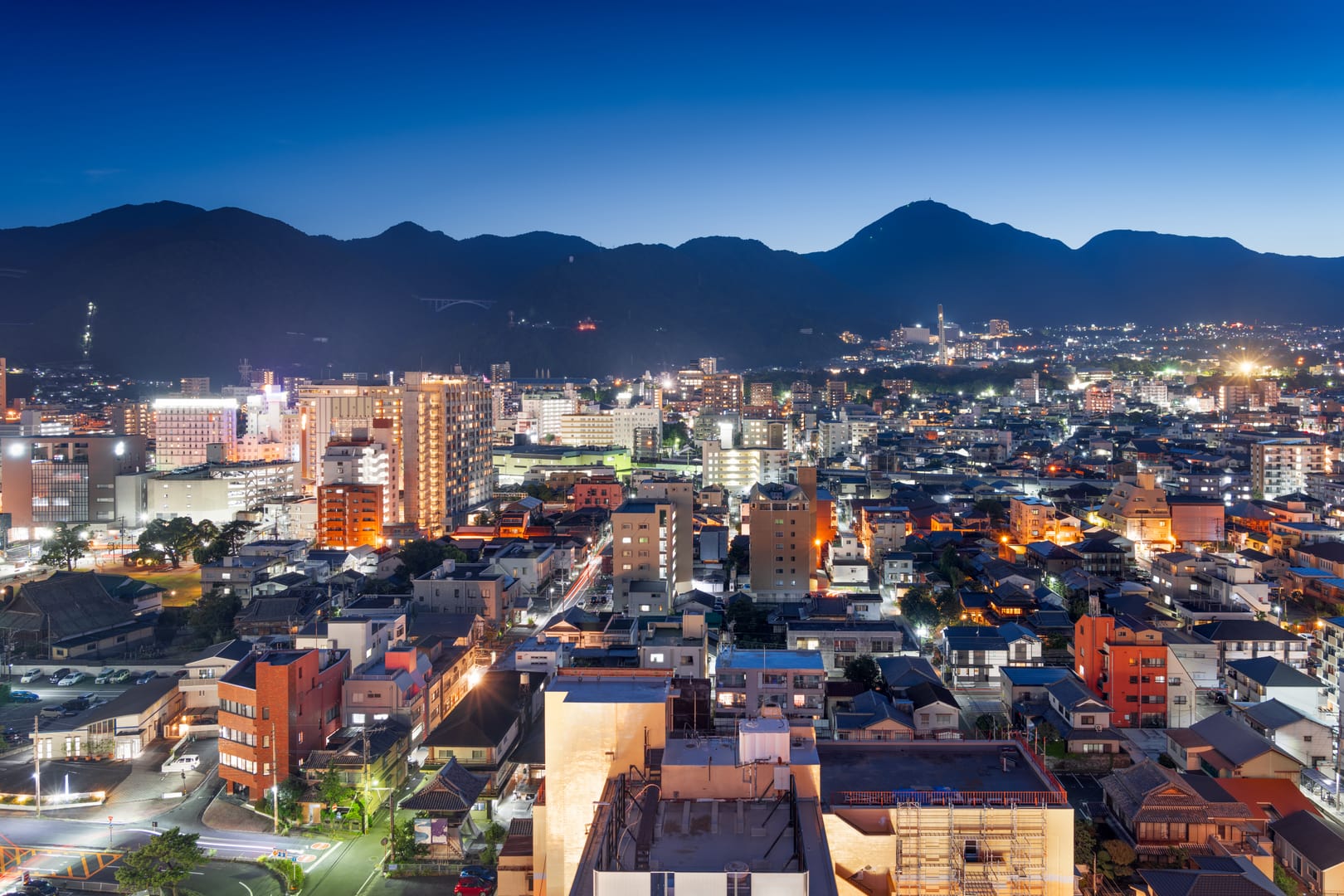
Kyushu deserves ten days or more. Fukuoka provides the main gateway and a relaxed food city. Nagasaki brings international history, hillside neighbourhoods and religious heritage. Kumamoto connects castle culture with the Aso volcanic region.
Oita includes Beppu and Yufuin, while Kagoshima opens routes to Sakurajima, Kirishima and Yakushima. Each destination has enough depth for two or three nights.
Use rail for major cities, then add a car or private driver for Aso, rural onsen and southern landscapes. The SoulTrips Kyushu scenic train guide introduces three trains that turn movement into part of the experience.
Fukuoka and northern Kyushu
Fukuoka is compact, friendly and excellent for food. Stay near Hakata for rail or Tenjin for dining and shopping. Visit yatai stalls with realistic expectations: they are small, weather dependent and can have queues.
From Fukuoka, travel to Dazaifu, Karatsu, Nagasaki or Beppu. Avoid using the city as a base for distant daily returns when an overnight stay gives you a better experience.
Nagasaki and the western coast
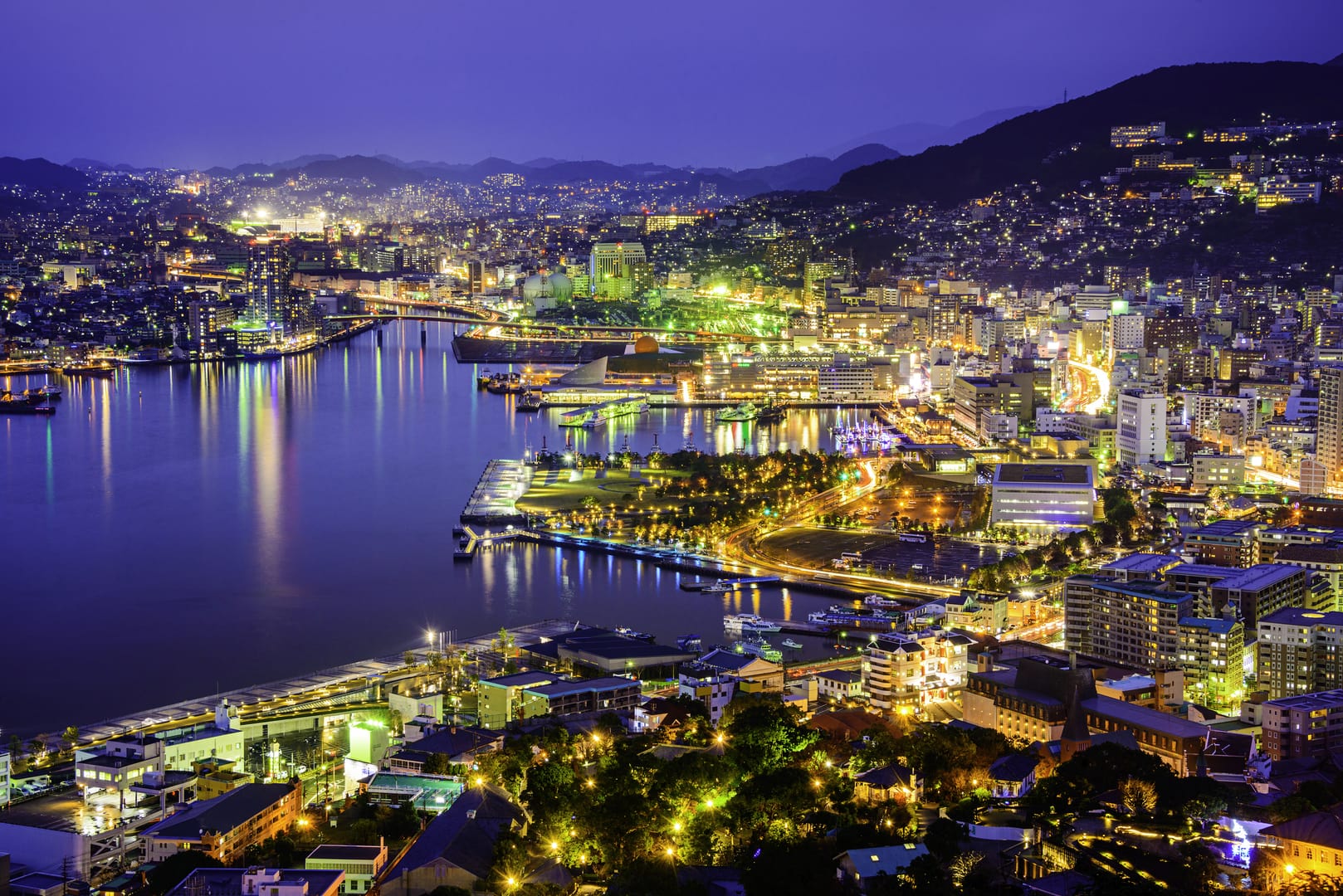
Nagasaki's history reflects trade, Christianity, industrialisation and war. Give the city time beyond the most famous memorial sites. Walk hillside districts, explore food influences and consider the wider prefecture.
The Goto Islands preserve church communities and coastal landscapes, but ferries and flights need weather buffers. A rental car is useful on larger islands. This is a separate extension, not a casual day trip.
Beppu, Yufuin and Kurokawa Onsen
Beppu offers diverse hot spring districts and a broad range of hotels. Yufuin provides a smaller resort landscape, while Kurokawa Onsen in Kumamoto creates a more secluded village experience.
Choose one or two onsen areas rather than collecting all three. Reserve ryokan meals early and confirm tattoo and private bath options. The SoulTrips onsen guide explains the bathing routine and practical questions.
Kagoshima and southern Kyushu
Kagoshima faces the active volcano Sakurajima and serves as the southern transport hub. The city has distinctive food, gardens and ferry travel. Kirishima adds mountain and shrine landscapes.
Yakushima offers ancient forests and serious walking. Trails need weather preparation, suitable footwear and an honest assessment of fitness. Leave a buffer before the international flight because island transport is weather sensitive.
Coastal towns in Setouchi and western Honshu
Onomichi combines hillside temples, narrow lanes and a working port. It is a gateway to the Shimanami Kaido, which can be cycled in full or in supported sections.
Tomonoura preserves a small harbour landscape and works as a slower stop near Fukuyama. Hagi on the Sea of Japan coast offers samurai history, ceramics and old streets. Iwakuni combines Kintaikyo Bridge with a practical extension from Hiroshima.
These towns are rewarding because they are lived in. Keep voices low, avoid private entrances and spend with local cafes, guides and accommodation rather than visiting only for photographs.
Sanin: Tottori, Matsue and Izumo
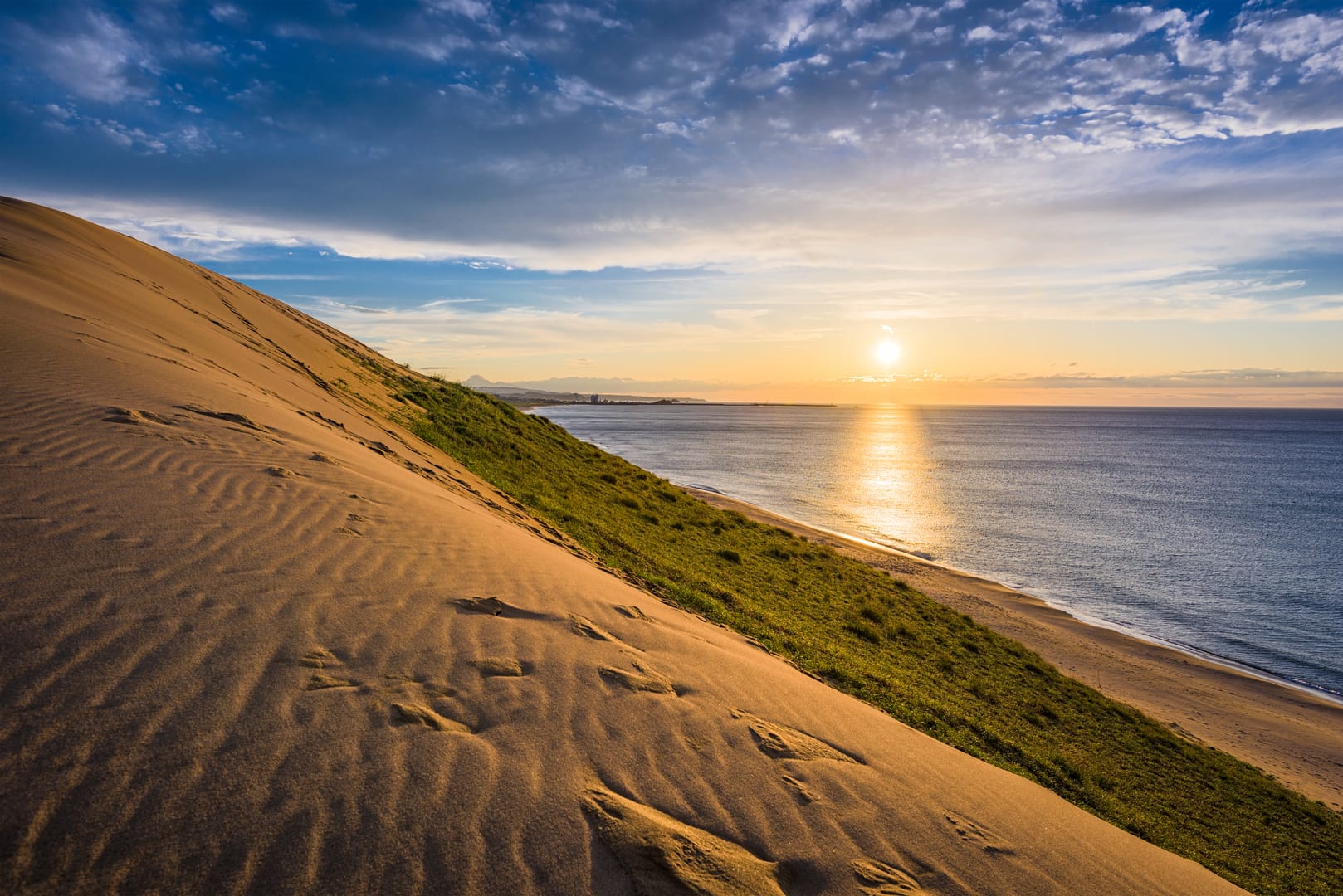
The Sanin coast north of the Chugoku mountains feels far removed from the main Shinkansen corridor. Tottori offers dunes and coast, Matsue has a surviving original castle and Lake Shinji, and Izumo Taisha is one of Japan's most important shrines.
Rail services are slower, so a private car or carefully timed route helps. Stay several nights and connect the region to Okayama, Hiroshima or a domestic airport rather than forcing a long return day.
Transport for regional Japan
Regional travel requires a mixed approach. Use domestic flights into Fukuoka, Matsuyama, Takamatsu, Kochi, Kagoshima or another gateway. Combine rail with local buses, ferries and selected private transfers.
Do not assume a national rail pass covers every service. Compare regional passes and point to point tickets. Forward large luggage and carry a small bag for islands or rural inns.
Driving adds freedom, but prepare the correct permit, book a suitable vehicle and understand tolls, parking and weather. The SoulTrips Hokkaido campervan guide gives useful road travel principles even though the destination differs.
How long to spend beyond the Golden Route
Seven days suits one part of Shikoku or northern Kyushu. Ten days allows a broader Kyushu circuit or Setouchi with Ehime. Fourteen days supports a deep Kyushu route, a full Shikoku journey or a combination of Setouchi and Sanin.
Avoid attaching two regional nights to a crowded Tokyo and Kyoto schedule and calling it slow travel. Regional depth begins when the itinerary has time for weather, conversation and local transport.
How a Japan travel specialist plans Japan beyond the Golden Route
A strong Japan journey begins with one clear idea. Choose one regional theme, such as pilgrimage, coastal art, volcanic landscapes or food, then enter and leave through the most efficient gateways. Once that purpose is settled, choose the few places that express it best and remove stops that add more transfers than enjoyment. Japan makes fast movement possible, but an efficient rail network is not a reason to change hotels every night.
Stay two or three nights in regional bases and treat ferries, scenic trains and rural roads as part of the experience rather than lost time. Two or three nights in an important base gives you time for an early start, a slower meal and one unplanned discovery. Rural regions need more breathing room because local trains and buses are less frequent. Build the route around the least flexible element, such as a reserved scenic train, a seasonal festival, a small ryokan or an island ferry.
Reserve international flights, high demand accommodation and limited capacity experiences first. Then add rail reservations, luggage delivery, local guides and restaurants. The SoulTrips guide to booking an international trip in advance provides a practical timeline, while the wider collection of travel planning advice helps you organise the final details.
A specialist adds most value where transport, language or access becomes complicated. Use expert support for a countryside drive, a pilgrimage route, a formal meal, an art island programme or a family trip with several room requirements. Keep independent time in places where walking, browsing and changing your mind are part of the pleasure.
Common planning mistakes
- Adding Shikoku or Kyushu to a short Tokyo and Kyoto trip without regional time.
- Assuming local buses and ferries run as frequently as city trains.
- Arriving at a small inn after dinner without agreement.
- Entering residential lanes or sacred spaces for photographs without care.
These are easy to correct before you travel. A focused route, sensible luggage plan and realistic daily rhythm will make Japan feel calm rather than rushed.
Practical advice for different travellers
First time visitors
Choose one regional area and arrange the first difficult transfer or guided day in advance. Choose accommodation close to a useful station for the first few nights, save the hotel address in Japanese and start with one neighbourhood rather than crossing a major city several times in a day.
Solo travellers
Japan is straightforward for solo travel, especially in cities and along major rail routes. Book small rural inns before arrival, share your route with someone you trust and avoid assuming that every restaurant accepts walk in diners. Counter seating, business hotels and excellent public transport make solo days easy to structure.
Families
Use private transport for rural days, select rooms carefully and balance heritage with coast, food and nature. Apartment hotels and rooms with laundry facilities reduce daily friction. Forward large luggage between longer stays and keep one light day after a theme park, major transfer or very early start.
Older travellers and travellers with mobility concerns
Confirm castle stairs, temple approaches, ferry boarding and traditional inn access before finalising the route. Major stations are well equipped, but transfers can involve long corridors, stairs and busy platforms. Request station assistance when needed, choose hotels close to lifts and ask for honest walking descriptions at temples, gardens, castles and older neighbourhoods.
Travel responsibly and stay prepared
Responsible travel in Japan begins with consideration for the people sharing each place. Keep voices low on public transport, queue carefully, carry your rubbish until you find the correct bin and follow photography rules at temples, shrines, markets and residential streets. Do not block narrow lanes or private entrances for a photograph.
Regional communities are not alternatives created for visitors. Respect daily life, use local services, follow capacity limits and leave space for residents. Use luggage delivery instead of taking large cases onto crowded local trains, support independent restaurants and craftspeople, and book popular sites for quieter times when possible. The SoulTrips Japan destination guide connects these practical choices with slower regional journeys.
Japan experiences earthquakes, typhoons, heavy snow, volcanic activity and periods of extreme heat. Save the official emergency information, follow transport instructions and never continue an outdoor plan against a warning. Travel insurance should cover medical care, disruption and the activities on your itinerary.
Frequently asked questions
-
What is Japan’s Golden Route?
The term usually describes the popular corridor through Tokyo, Mount Fuji, Kyoto and Osaka, sometimes extending to Hiroshima. It is useful but represents only part of Japan.
-
Is Shikoku suitable for a first visit to Japan?
Yes, especially with a planned gateway and local support. Combine it with Osaka or Okayama, then allow at least five to seven regional nights.
-
How many days do you need for Kyushu?
Ten days gives you a strong circuit through several major areas. Seven days works for northern Kyushu, while fourteen allows southern landscapes or an island extension.
-
What are the best coastal towns in Japan?
Onomichi, Tomonoura, Hagi, Ozu and smaller Setouchi ports offer distinctive history and landscapes. Choose them as proper stays rather than quick photo stops.
-
Do you need a car in Shikoku or Kyushu?
Rail connects the main cities, but a car or private driver adds value in valleys, rural onsen, national parks and remote coastal areas.
-
Can you visit the Shikoku pilgrimage without walking all 88 temples?
Yes. A guided section or selected temples can provide meaningful context. Learn the etiquette and purpose rather than treating the route as a checklist.
-
How do you visit the Setouchi art islands?
Base in Takamatsu, Uno or an island property, then align ferries with museum reservations and closure days. Avoid scheduling too many islands in one day.
-
Is regional Japan difficult without Japanese?
It is manageable with preparation. Save addresses in Japanese, confirm rural transport and use local guides for complex experiences.
-
What is the best season for regional Japan?
Spring and autumn suit many cultural routes, summer works for festivals and northern nature, and winter is excellent for onsen and snow with appropriate buffers.
-
Can SoulTrips design a journey beyond the Golden Route?
Yes. Use SoulTrips Japan planning to combine regional transport, guides, accommodation and meaningful experiences.
Discover Japan beyond the Golden Route
Japan beyond the Golden Route rewards travellers who choose depth over speed. Give Shikoku, Kyushu, Setouchi or a coastal region enough time, then let local food, transport and daily life shape the journey. Explore SoulTrips Japan tours or contact a specialist to plan a regional route with confidence.