By Soul Trips · Updated on 09 October, 2026
Getting Around Mongolia: Private Vehicles, Domestic Flights and Long Distances
Getting around Mongolia is easiest with a private vehicle, experienced local driver and route specific guide. Paved roads connect major centres, but many national parks, camps and family communities still require earth tracks. Domestic flights save time on the longest regional journeys.
Choose transport after the itinerary is clear. The SoulTrips Mongolia destination guide helps you compare regions before deciding which sectors belong on road and which justify a flight.
Getting around Mongolia at a glance
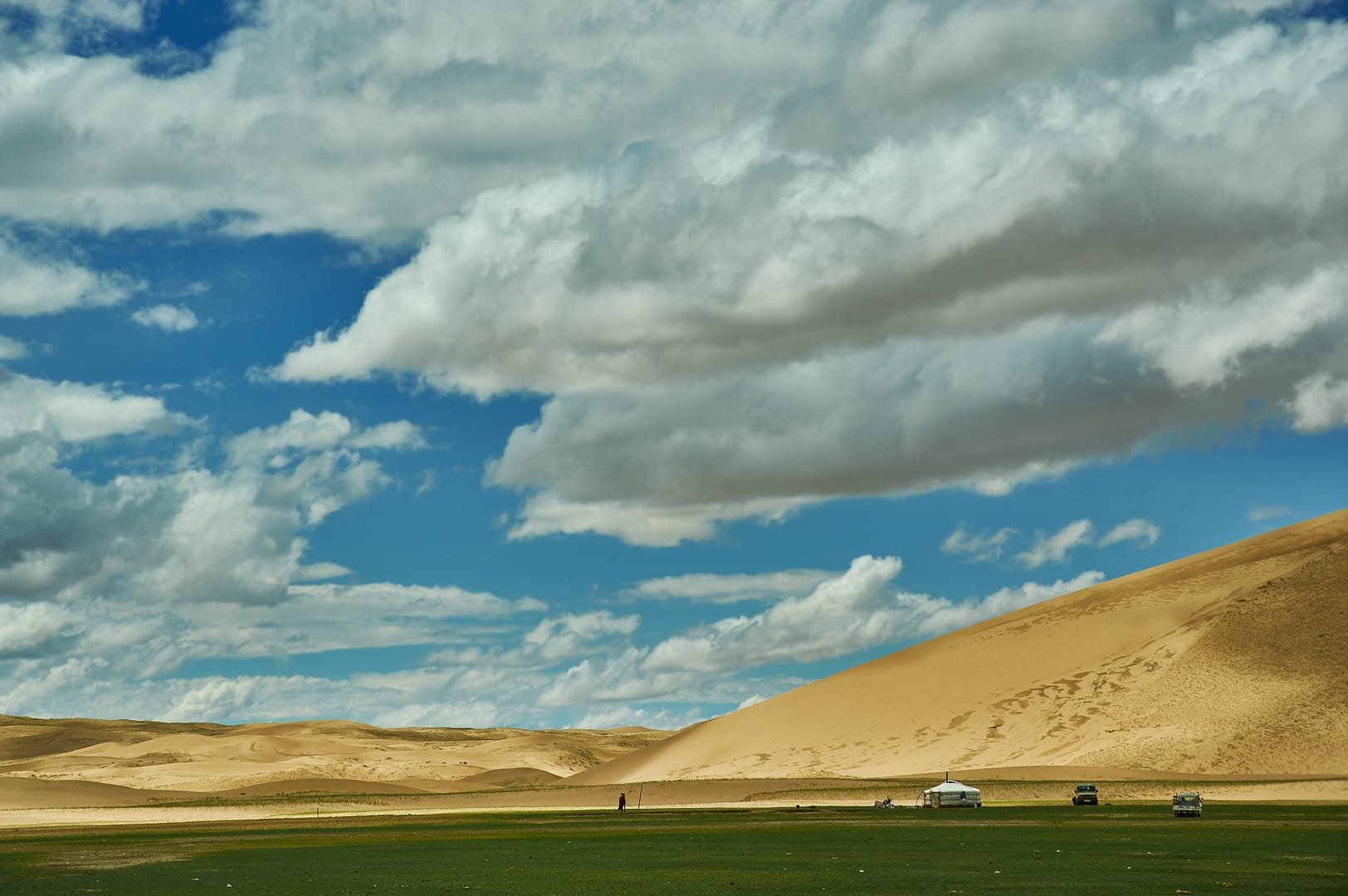
No single transport system covers every Mongolia journey.
- Private four wheel drive: best for countryside routes and camps.
- Domestic flights: best for Ulgii, Khovd, Murun and selected Gobi access.
- Trains: useful for a small number of towns and international rail journeys.
- Intercity buses: suitable for confident independent travel between major settlements.
- City taxis and ride services: useful in Ulaanbaatar with local booking support.
- Walking and riding: activities within a region, not substitutes for long transfers.
The official airport flight pages provide current international and domestic information.
Private vehicles and local drivers
A private vehicle gives you the greatest control over countryside travel. The driver understands local tracks, fuel points, river conditions and alternative routes after weather disruption.
Vehicle choice depends on the route and group. A modern four wheel drive suits smaller parties and rough terrain, while a robust van can provide more interior space on central routes. Seat belts and luggage security matter more than vehicle appearance.
Ask how many passengers and bags will share the vehicle. A technically legal seat can still feel uncomfortable during six hours on an earth road.
Why travel times are longer than expected
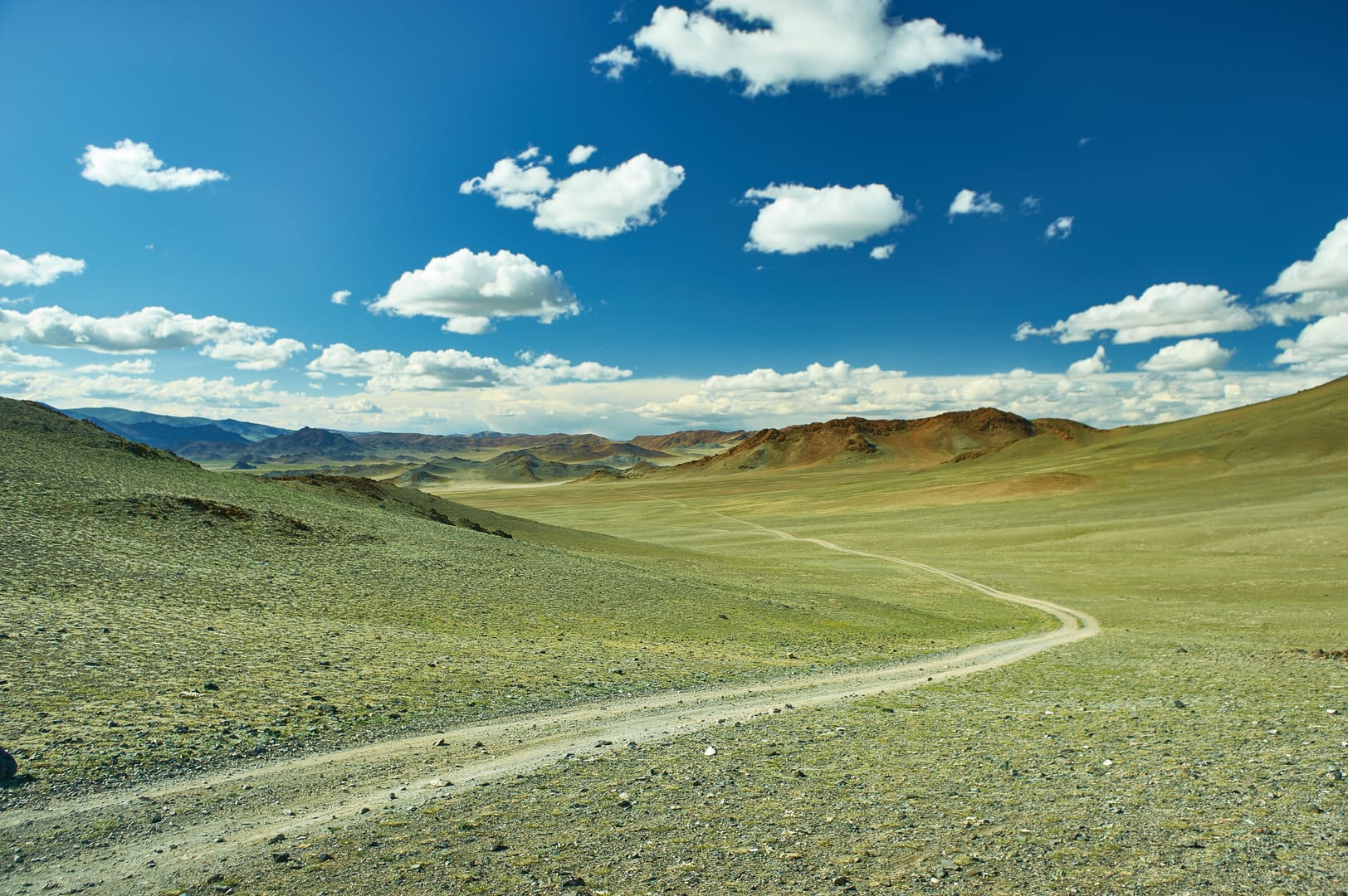
Distance alone does not predict a Mongolia road day. Paved highway can change to gravel, washboard surfaces, mud, sand or trackless steppe. Livestock, weather and mechanical checks also affect progress.
A route described as two hundred kilometres can take most of the day once stops, lunch and rough sections are included. Treat the drive as part of the experience and leave room for photographs and family encounters.
Do not demand that the driver make up time after a late start. Safe speed depends on visibility, animals and the road surface.
Domestic flights
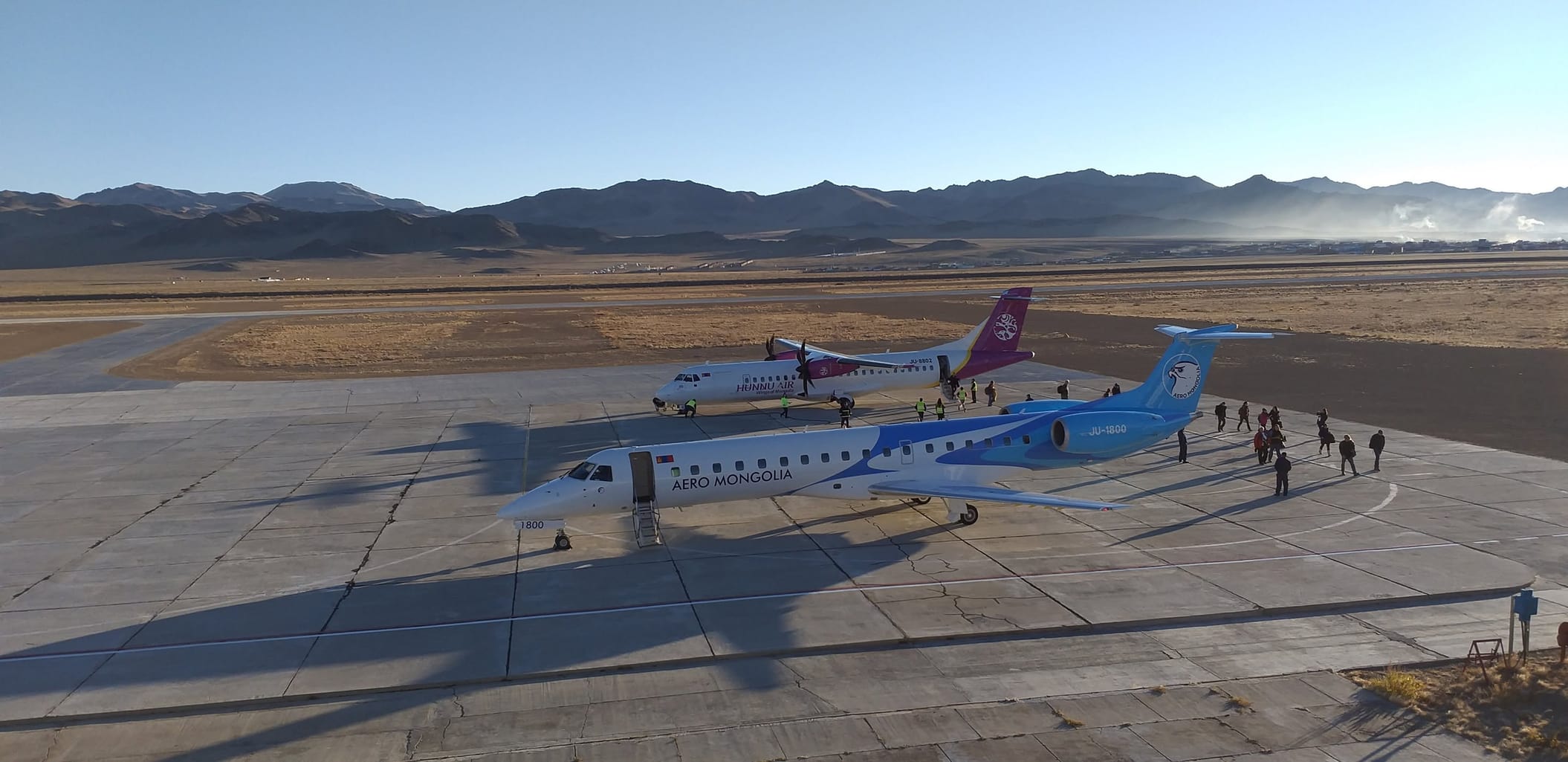
Domestic flights are valuable when a road transfer would consume several days. Ulgii is the main gateway to Bayan Ulgii and the Altai, Murun serves the Lake Khovsgol region, and Dalanzadgad can support a Gobi route when services operate.
Seats and schedules can be limited. Book early, reconfirm close to travel and keep one buffer night before the international departure.
Baggage allowances can be lower than on the flight to Mongolia. Store a larger case in Ulaanbaatar and use a soft regional bag.
Road route to central Mongolia
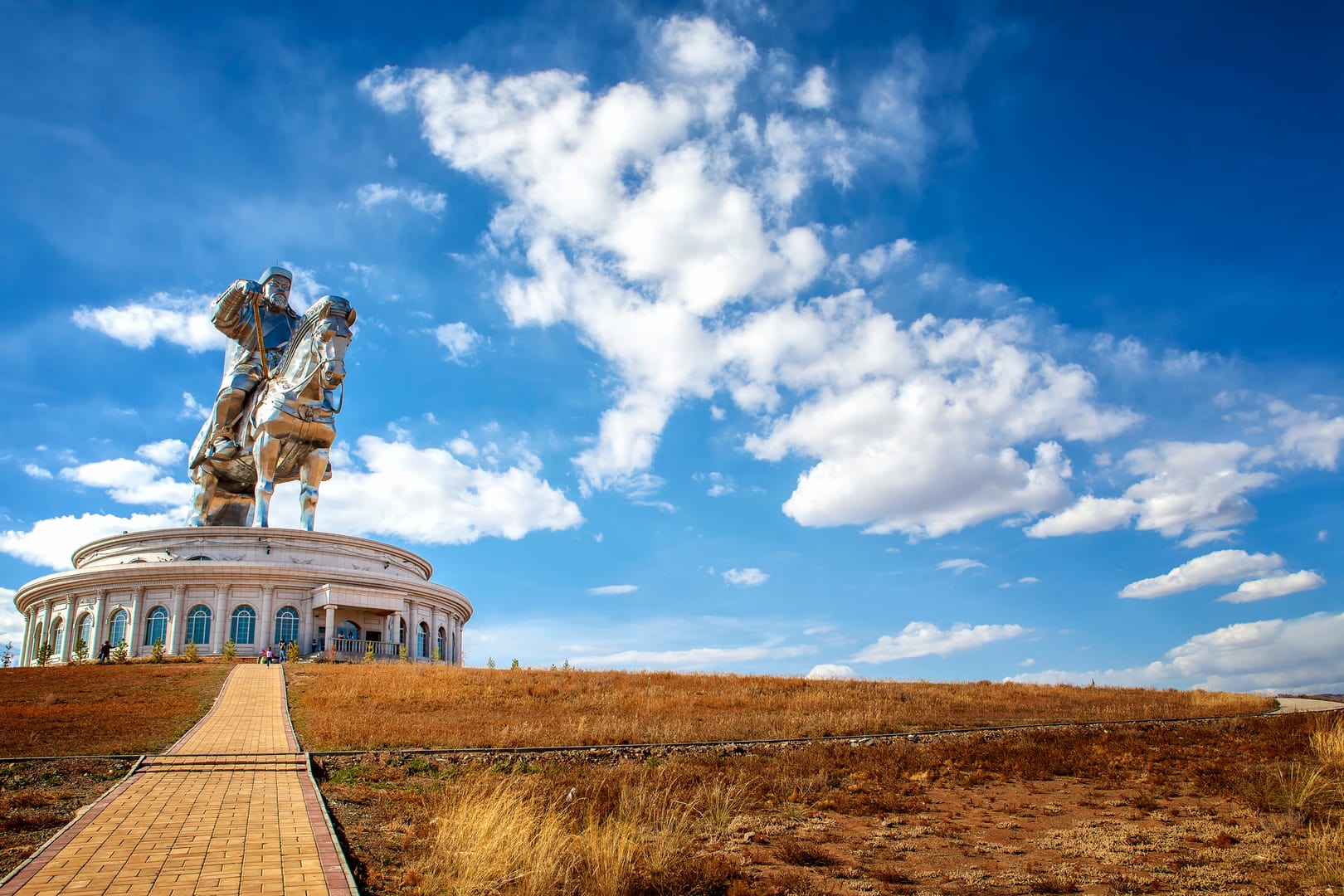
Ulaanbaatar, Khustain, Elsen Tasarkhai, Karakorum and Terelj form a practical first circuit. Some sectors use paved roads, while camp access and scenic stops can use rougher tracks.
The SoulTrips culture and wilderness route uses private transport through this region. It works because the driving days lead to different landscapes rather than repeating the same road.
Keep water, tissues, warm layers and medicine in the vehicle. Toilets between major stops can be basic.
Road and flight planning for the Gobi
A full Gobi road circuit from Ulaanbaatar needs several long driving days. Flying to Dalanzadgad can save time, but the main sights remain spread across the desert and still require a private vehicle.
Earth tracks around Khongoryn Els and the Flaming Cliffs change with weather. Use a driver who knows the current route and carries suitable spares.
Never connect a Gobi flight directly to the international departure. Wind or operational changes can alter the schedule.
Reaching western Mongolia
Fly to Ulgii for the Altai and eagle festival programmes. The overland journey from Ulaanbaatar is extremely long and belongs to an expedition style itinerary.
After arrival, roads are rough and accommodation can be simple. The SoulTrips Golden Eagle Festival tour includes the domestic flight and local vehicle, removing several difficult logistics.
Festival periods create strong demand. Secure the flight, hotel and local team as one planning block.
Trains in Mongolia
The railway runs through Ulaanbaatar and connects selected towns on the north to south corridor. It can be useful for Darkhan, Sainshand and international rail journeys when border rules and schedules support the plan.
Trains do not reach most major countryside attractions. You still need road transport from the station to national parks, ger camps and family communities.
Choose rail for the experience or a logical corridor, not because it appears to cover the whole country.
Intercity buses and shared vehicles
Public buses connect Ulaanbaatar with provincial centres. They cost less than private transport but provide less control over stops, luggage and arrival time.
Independent bus travel suits confident travellers with flexible schedules and enough language support. It does not replace a driver for remote camps and earth tracks beyond town.
Confirm the departure point through a reliable local source. Ulaanbaatar has more than one terminal, and services can move or change.
Getting around Ulaanbaatar
Traffic congestion makes short map distances slow. Group museums, monasteries, shops and restaurants by area. Use a local taxi booking method or hotel arranged vehicle rather than hailing an unmarked car.
Walking works in central districts, but pavement quality, crossings, winter ice and air pollution affect comfort. Keep valuables secure in crowded markets and transport hubs.
The airport is outside the city. Use the official airport transport information or a prearranged transfer.
Self driving in Mongolia
Self driving offers freedom but requires serious preparation. Navigation, fuel, tyre repair, river crossings and emergency communication are not ordinary rental car details on a remote route.
Singapore issued International Driving Permits are not accepted for driving in Mongolia. This makes a professional local driver the practical choice for most visitors from Singapore.
Do not rely on mobile maps alone. A driver who understands seasonal tracks and community access adds safety and cultural value.
Horse and camel riding
Riding is a cultural and outdoor experience within a destination. It is not a reliable way to cover long itinerary sectors.
Wear a helmet when available, use footwear with a secure heel and tell the guide your real experience level. Children need direct supervision and an animal suited to their size.
Choose operators that rest animals, use suitable tack and avoid rides during unsafe weather.
Luggage during road travel
Soft bags fit more easily into countryside vehicles. Keep daily essentials in a small bag that remains accessible without unloading the whole vehicle.
Dust can enter even a good car. Use sealed pouches for electronics, lenses and medicine. A reusable water bottle and compact travel towel are useful on every route.
Forwarding services are not part of travel in the same way as Japan. Plan to carry the bag with the vehicle or store it at the Ulaanbaatar hotel.
Comfort on long driving days
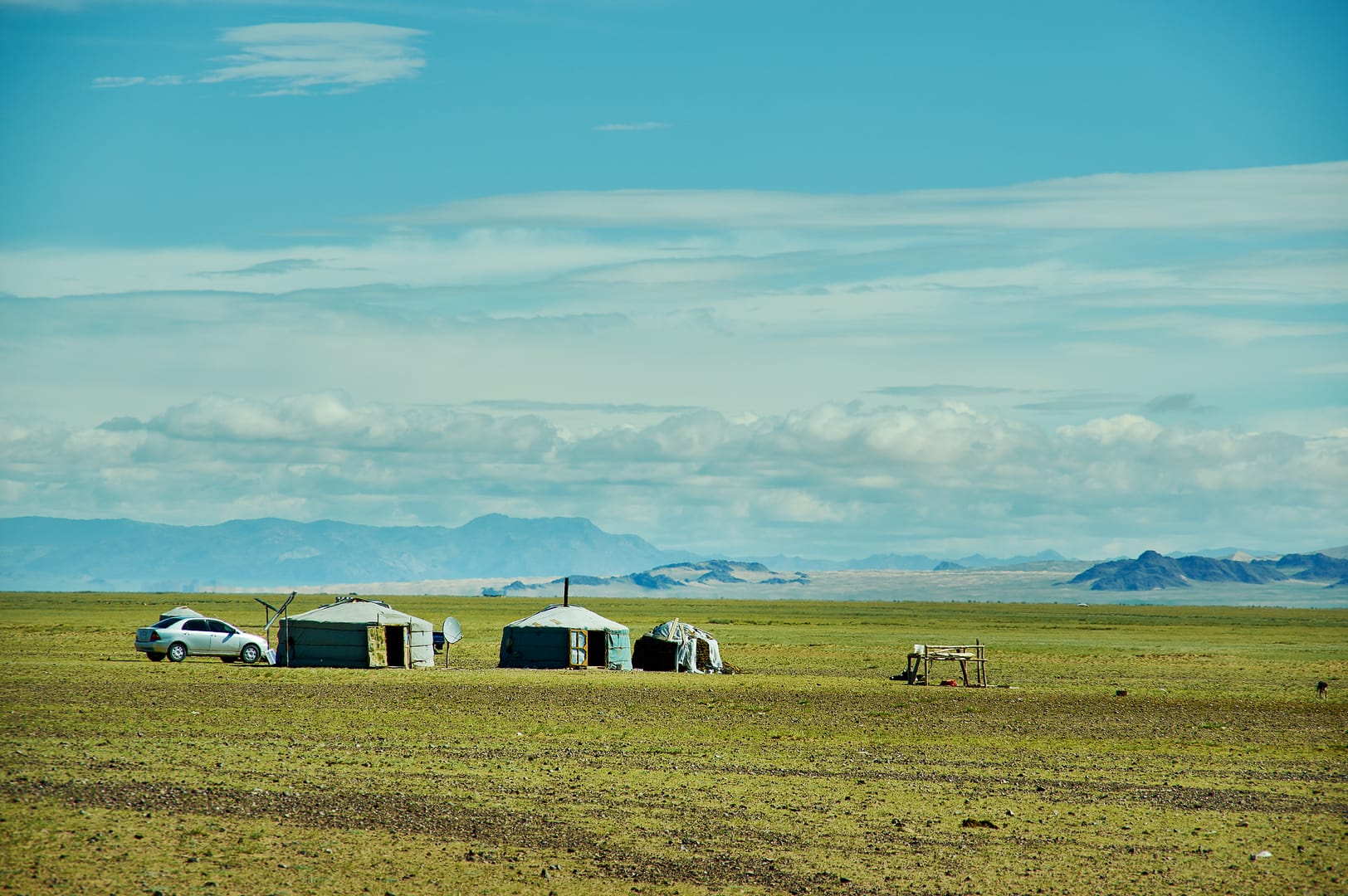
Choose the vehicle for the longest sector rather than the airport transfer. Every traveller should have a proper forward facing seat, working belt and enough legroom for several hours. Leave one spare seat when possible so day bags and camera equipment do not crowd the passengers. Air conditioning and heating matter, but opening doors and windows on dusty tracks can still change the cabin conditions quickly.
Plan a useful stop every two hours or so. A viewpoint, local market, monastery or short walk gives the body a break without turning the day into a series of service stations. Toilet facilities can be basic outside towns, so carry tissues, hand sanitiser and a small rubbish bag. Your guide can explain the next suitable stop and help preserve privacy.
Drink steadily even in cold weather. Dehydration increases fatigue and headaches, especially at elevation. Pack a simple lunch or snacks on remote sectors because road changes can move the meal time. Tell the guide about motion sickness, back pain or food needs before setting out.
At the end of the day, avoid scheduling an immediate activity simply because the written itinerary contains one. Settle into the camp, have tea and assess the weather. A flexible sunset walk is far more enjoyable than arriving late after the driver felt pressured to keep an unrealistic timetable.
Transport safety and contingency planning
Use seat belts whenever fitted and ask the operator about vehicle maintenance, spare tyres, first aid and emergency communication. Night driving outside towns adds risk from livestock, poor visibility and road conditions.
Share the route with someone at home. Keep travel insurance and emergency numbers offline. A realistic itinerary is the first safety measure because it removes pressure to drive too fast or through unsafe weather.
How a Mongolia travel specialist plans local transport
Map each long sector, assign road or air transport and then test the plan against weather, baggage and the final international flight. Mongolia looks simple on a map, but scale, road conditions, limited flights and changing weather decide what is comfortable. Start with the one experience that matters most, then build the route around it.
Keep city nights, countryside nights and travel days visually separate when reviewing the itinerary. A short distance can take longer than expected once the paved road ends. Two or three nights in an important region usually create a better experience than a sequence of single night stops.
Reserve the least flexible element first. This could be a domestic flight to Ulgii, a ger camp with limited rooms, the Golden Eagle Festival, a Naadam programme or a family visit arranged through a trusted local partner. The SoulTrips guide to booking ahead gives you a useful planning timeline.
Common planning mistakes
- Estimating a road day from kilometres alone.
- Booking domestic and international flights on the same day.
- Using a vehicle that is too small for the group and luggage.
- Assuming public transport reaches remote parks and ger camps.
These mistakes are easy to prevent with a focused route, realistic driving times and one weather buffer. Keep road days varied with useful stops and never place two demanding transfers back to back without a recovery night.
Make the final plan work on the ground
Review local transport one last time with the local team before paying the final balance. Confirm the real driving hours, meal arrangements, bathroom standard, heating, luggage limits and the point where mobile coverage becomes unreliable. Ask which day is most exposed to weather and what the practical alternative will be.
Keep one flexible half day in Ulaanbaatar and one complete night before the international departure. This margin gives the guide room to respond to a delayed domestic flight, a difficult road or a camp change without removing the experience that matters most.
Share medical needs, dietary requirements and mobility concerns clearly. A specialist can adjust the vehicle, room location, walking route and meal plan only when the details are known in advance. Carry the confirmed programme offline, but expect the guide to refine each day using current local conditions. That balance of preparation and flexibility is the key to travelling comfortably across Mongolia.
Practical advice for different travellers
First time visitors
Use private transport for a central circuit and add a domestic flight only when it saves several road days. The SoulTrips Mongolia culture and wilderness journey is a useful model because it balances Ulaanbaatar, central history, sand dunes, nomadic encounters and Terelj without trying to cross the whole country.
Solo travellers
Use an experienced local guide and driver outside Ulaanbaatar. Remote roads, limited mobile coverage and great distances make improvised solo transport difficult. Share the route with someone at home and keep the guide's local contact details offline.
Families
Request a roomy vehicle, working seat belts, regular toilet stops and child appropriate riding equipment. Build in regular toilet stops, warm layers, familiar snacks and quiet time at camp. Horse and camel activities need properly fitted equipment, clear supervision and a pace suited to the least confident rider.
Older travellers and travellers with mobility concerns
Confirm step height, seat comfort, toilet stops and the distance from vehicle drop off to every attraction or camp. Ger thresholds, uneven ground, basic bathrooms and long vehicle days can be demanding. Ask for photographs and exact walking descriptions, then request private facilities, a western toilet and the ger closest to the main building where possible.
Responsible travel and safety
Reduce unnecessary backtracking, stay on permitted tracks and avoid pressuring drivers to cross fragile land or unsafe water. Mongolia's open landscape can look empty, but it supports families, livestock, wildlife and fragile water sources. Stay on established tracks when instructed, carry rubbish out and never photograph people at close range without permission.
Weather can change quickly. Carry warm layers, drinking water, sun protection and a basic personal medicine kit even on a summer day. Follow your guide during storms, strong wind, wildfire conditions or flooding, and do not separate from the vehicle in remote country.
Travel insurance should cover medical treatment, evacuation, domestic flight disruption and the activities in your itinerary. Mobile coverage becomes limited beyond settlements, so a good operator carries communication and contingency plans that match the route.
Review the SoulTrips Mongolia destination guide for related planning articles and browse SoulTrips travel tips before departure.
Frequently asked questions
-
What is the best way to get around Mongolia?
Use a private vehicle with a local driver for countryside routes. Add domestic flights for the longest regional journeys.
-
Are Mongolia roads paved?
Major highways are paved, but many parks, camps and remote areas use gravel or earth tracks. Travel time changes with weather and surface conditions.
-
Do you need a four wheel drive vehicle?
Most countryside itineraries benefit from one, especially in the Gobi, Altai and after rain. The exact vehicle should suit the route and group size.
-
Are domestic flights reliable?
They save significant time but schedules can be limited and affected by weather or operations. Keep a buffer before the international departure.
-
Can tourists use trains in Mongolia?
Yes, but trains serve a limited corridor and do not reach most national parks. You still need road transport beyond the station.
-
Can you self drive in Mongolia?
It requires strong remote driving, navigation and mechanical skills. Singapore issued International Driving Permits are not accepted, so use a professional local driver.
-
How long are driving days?
Many countryside days use four to seven hours of driving, sometimes more. The surface, stops and weather matter more than distance alone.
-
Is public transport suitable for families?
Private transport is much easier because it provides space, stops and direct camp access. Public buses suit confident independent travellers.
-
How should you pack for a road journey?
Use a soft bag and keep warm clothing, water, medicine, tissues and electronics in an accessible day bag. Protect equipment from dust.
-
Can SoulTrips arrange Mongolia transport?
Yes. Plan your Mongolia route with SoulTrips to coordinate private vehicles, domestic flights, airport transfers and suitable camps.
Plan getting around Mongolia with realistic time
Getting around Mongolia becomes comfortable when transport supports the landscape instead of racing through it. Use an experienced driver, choose flights selectively and protect every important connection with time. Explore SoulTrips Mongolia journeys or contact the team for a complete route.