By Soul Trips · Updated on 09 October, 2026
Getting Around Japan: Rail Passes, Shinkansen and Local Transport
Getting around Japan is easier than it first appears, but no single pass covers every journey. Use the Shinkansen for major city corridors, an IC card for everyday local travel, regional passes for concentrated routes and domestic flights for long distances. Rural areas often need buses, ferries, a car or private transport. A thoughtful mix gives you faster transfers on major routes and more freedom once you reach the countryside.
The smartest transport plan begins with the itinerary, not the pass. Price the actual route, reduce luggage and leave enough time for station transfers. The SoulTrips Japan destination guide helps you choose the regions before you decide how to connect them.
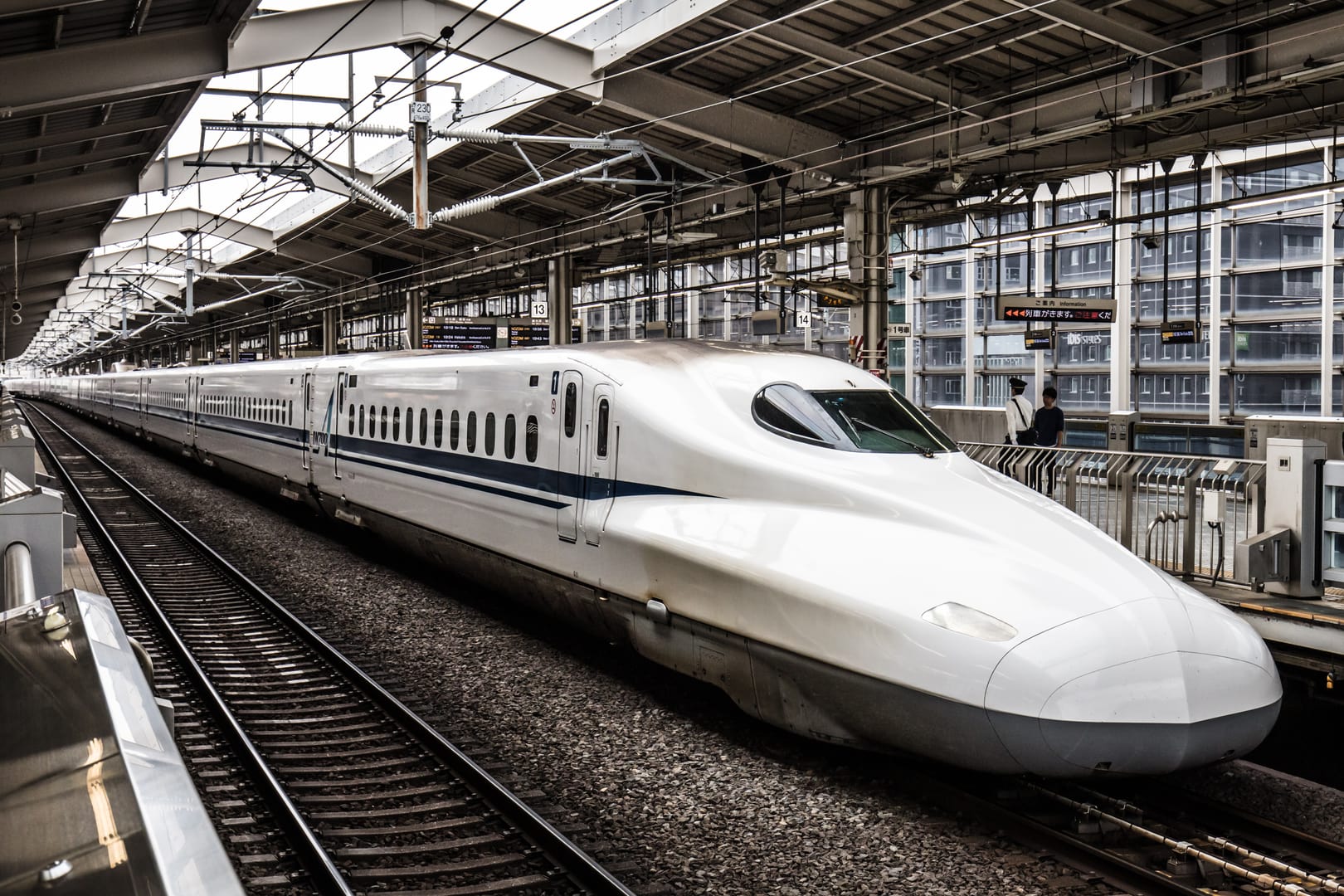
Getting around Japan at a glance
Japan's transport is reliable and extensive, but regional services are less frequent than city trains.
- Shinkansen: best for fast travel along major corridors.
- Local trains and subways: best for cities and nearby day trips.
- IC cards: best for convenient tap travel on participating local services.
- Regional rail passes: useful when several eligible journeys fall within one area.
- Domestic flights: useful for Hokkaido, Okinawa and long north to south routes.
- Buses and cars: essential in many rural areas.
- Ferries: part of island and coastal journeys.
- Luggage delivery: one of the most useful services on a multi city trip.
Use the SoulTrips Japan destination page to identify the true transport pattern before buying any pass.
How to use the Shinkansen
The Shinkansen links major cities with speed and comfort. The busiest corridor connects Tokyo, Nagoya, Kyoto, Osaka, Hiroshima and Fukuoka. Other lines serve Tohoku, Hokkaido, Hokuriku, Joetsu, Kyushu and Nishi Kyushu.
A ticket includes the base fare and Shinkansen supplement. Reserved and non reserved seating varies by train and period. Reserve seats during peak holidays, for groups who want to sit together and whenever the arrival time matters.
Not every service is covered in the same way by every pass. National Japan Rail Pass users need an additional special ticket to use Nozomi and Mizuho services. Read the conditions before boarding rather than assuming the fastest train is included.
Is the Japan Rail Pass worth it?
The national Japan Rail Pass is worth buying only when the eligible journeys cost more than the pass. Price increases mean it is no longer an automatic choice for a Tokyo, Kyoto and Osaka trip.
List every long distance sector and compare point to point fares. Add reserved seat value only when you will use it. Do not count private railways, city subways and buses that the pass does not cover.
Regional passes can be better for Hokkaido, Tohoku, Kansai, Shikoku or Kyushu. They differ in eligibility, booking window and covered services. A focused Kyushu route can combine a regional pass with selected Design and Story trains from the SoulTrips Kyushu rail guide.
IC cards for local transport
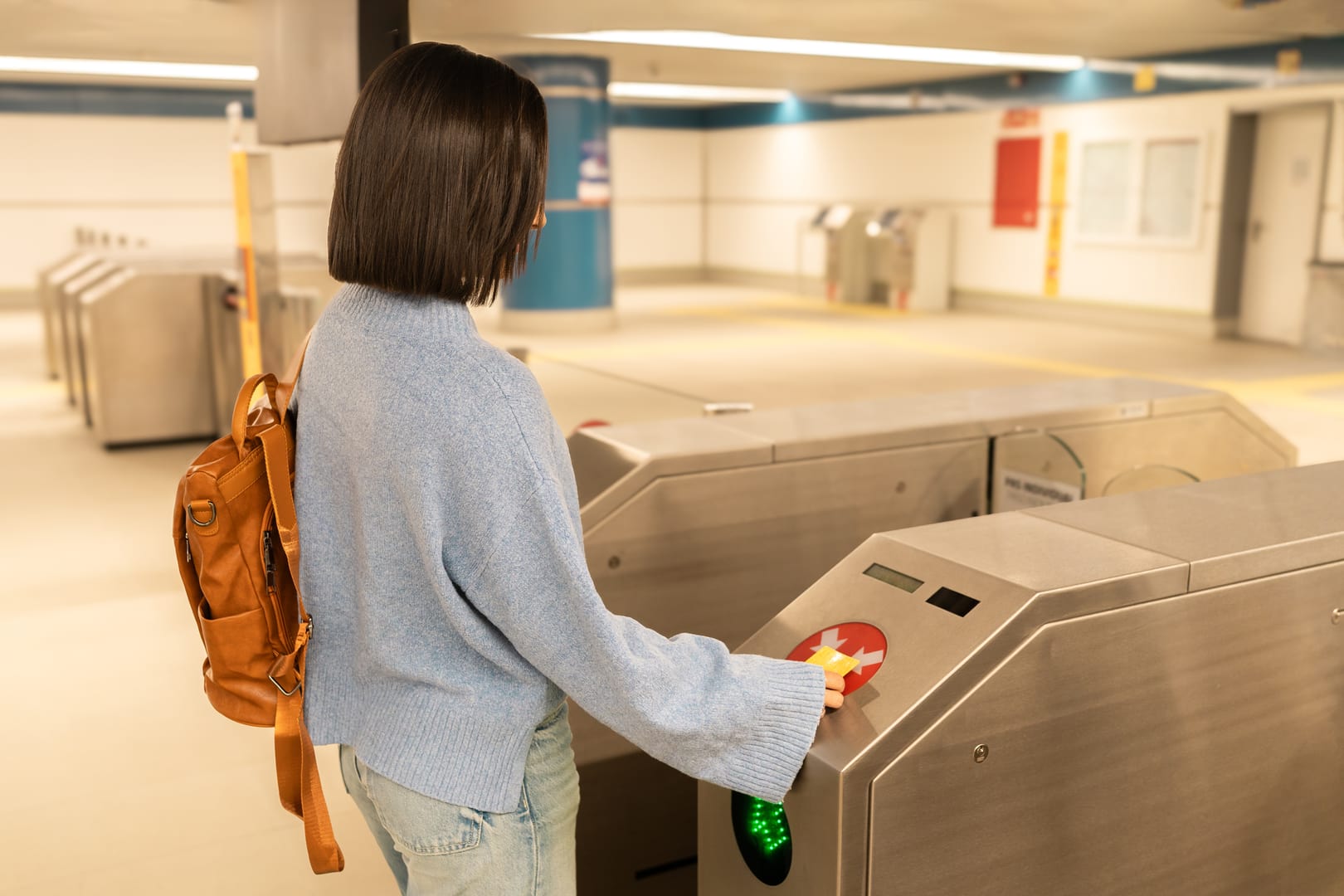
Suica, Pasmo, Icoca and other compatible IC cards let you tap through many local train, subway and bus gates. They can also pay at convenience stores, lockers and vending machines.
An IC card is stored value, not an unlimited travel pass. It does not cover every rural service and does not replace a Shinkansen or limited express ticket when a supplement is required.
The physical Welcome Suica for international visitors is valid for twenty eight days and does not require a deposit. Availability and sales points can change, so check the official information close to arrival. Keep the card balance modest because visitor cards have specific refund conditions.
Local trains and city subways
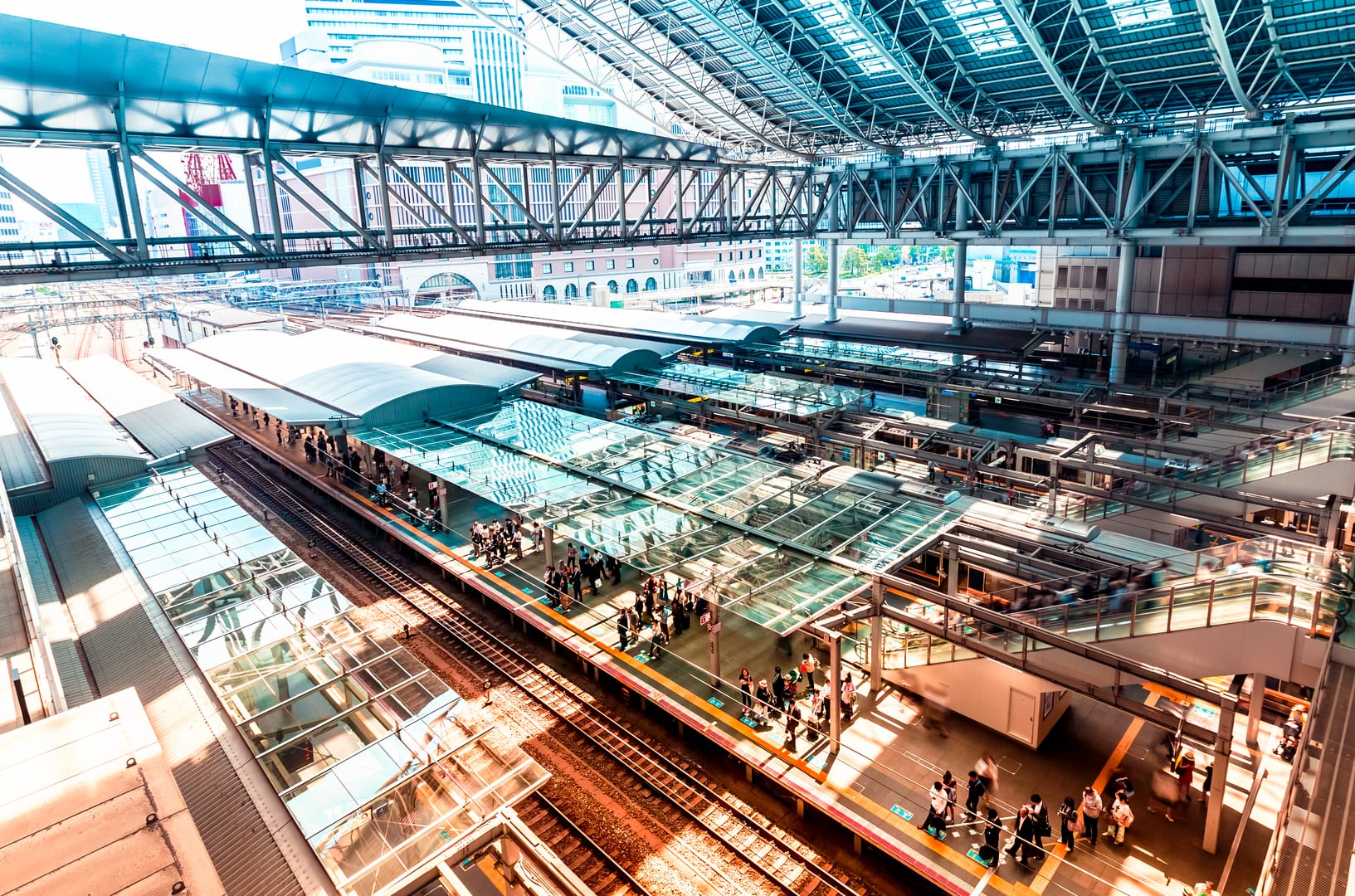
Tokyo, Osaka, Nagoya, Fukuoka and Sapporo have extensive urban networks. Kyoto relies on a combination of subway, rail, bus, walking and taxi. Plan days by area so you are not repeatedly crossing the city.
Station names, line colours and platform numbers are more useful than memorising an entire network. Use the exact destination station and confirm the direction before boarding. Express trains can skip smaller stops.
During rush hours, keep luggage out of doorways and avoid large cases. Let passengers leave before boarding, queue at the marked lines and keep phone calls off trains.
Limited express and scenic trains
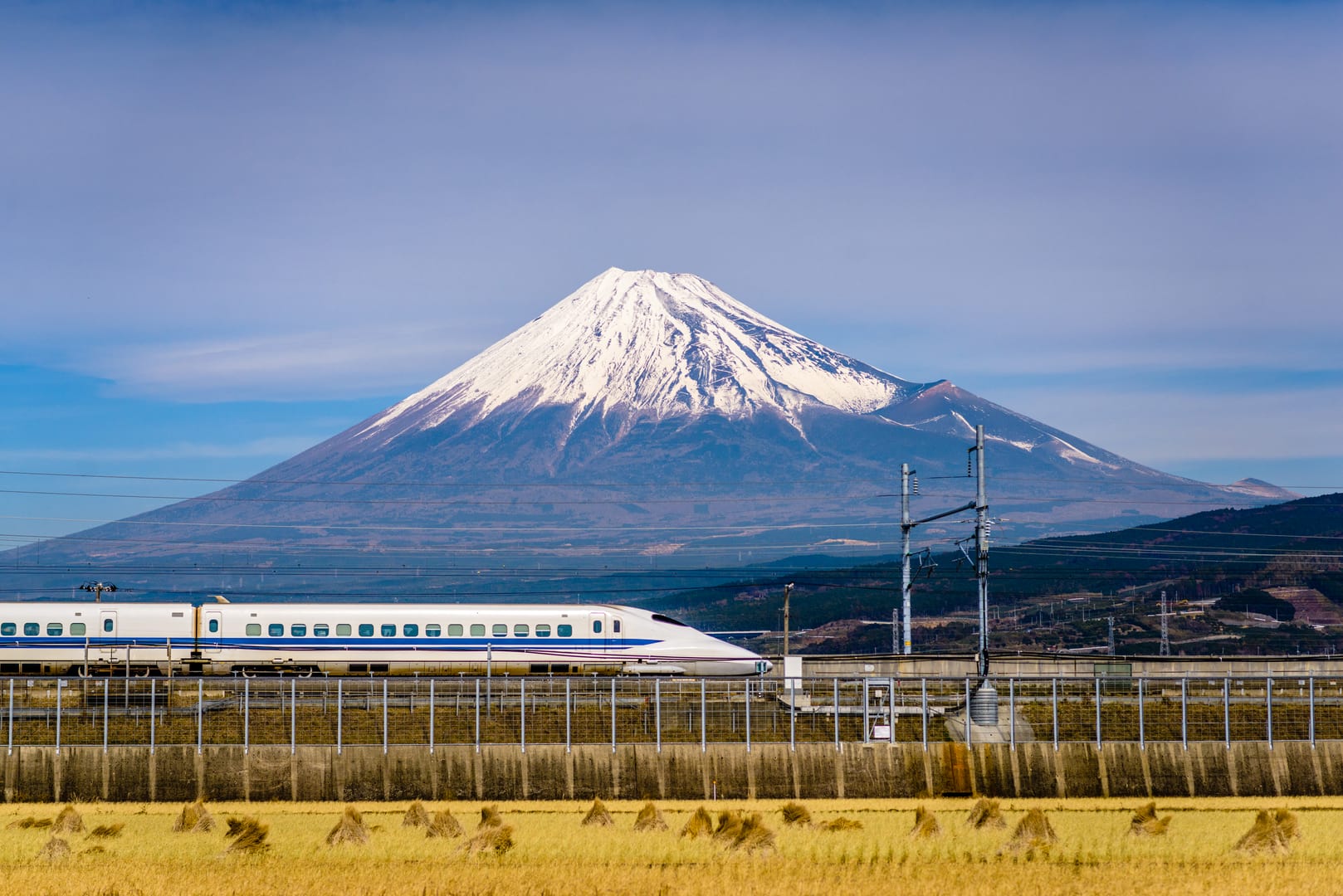
Limited express trains need an additional ticket or reservation beyond the ordinary fare. Scenic services often operate on selected days and sell out early. They are experiences, not simply transport.
Build the itinerary around one or two important trains and use ordinary services for the rest. This keeps the route resilient if a scenic service is unavailable. The SoulTrips Ehime journey includes a coastal rail experience, while the Kyushu guide explains several distinctive trains.
Buses in cities and rural areas
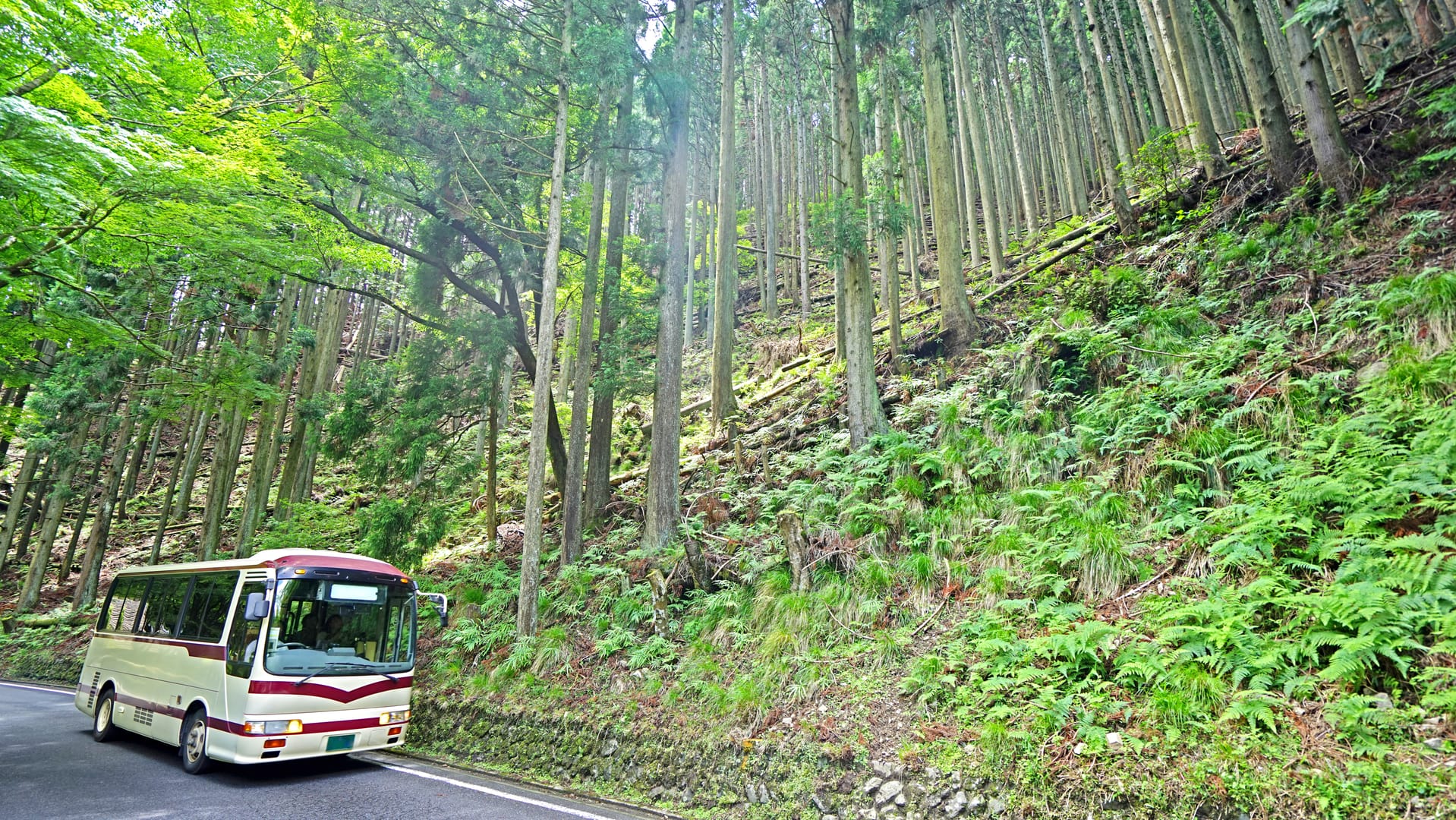
City buses are important in Kyoto, Kanazawa and many regional centres. Entering and payment procedures differ. Some systems use a flat fare, while rural buses issue a numbered ticket and calculate the fare by distance.
Keep coins or an accepted IC card available. Rural buses can run only a few times a day, so save the timetable and know the final return service. Ask the hotel to confirm the stop name in Japanese.
Highway buses connect cities and can be economical, but road traffic affects timing. Overnight buses save a hotel night but offer less rest than a train or flight.
Domestic flights
Flights are useful between Tokyo and Hokkaido, Okinawa, southern Kyushu or remote islands. Compare the full door to door journey rather than flight time alone. Airports can be far from the final destination.
Use one through ticket for an international connection when possible. Separate tickets need enough time for delay, baggage collection and terminal transfer. Regional airports can create an efficient open jaw route that avoids backtracking.
Ferries and island transport
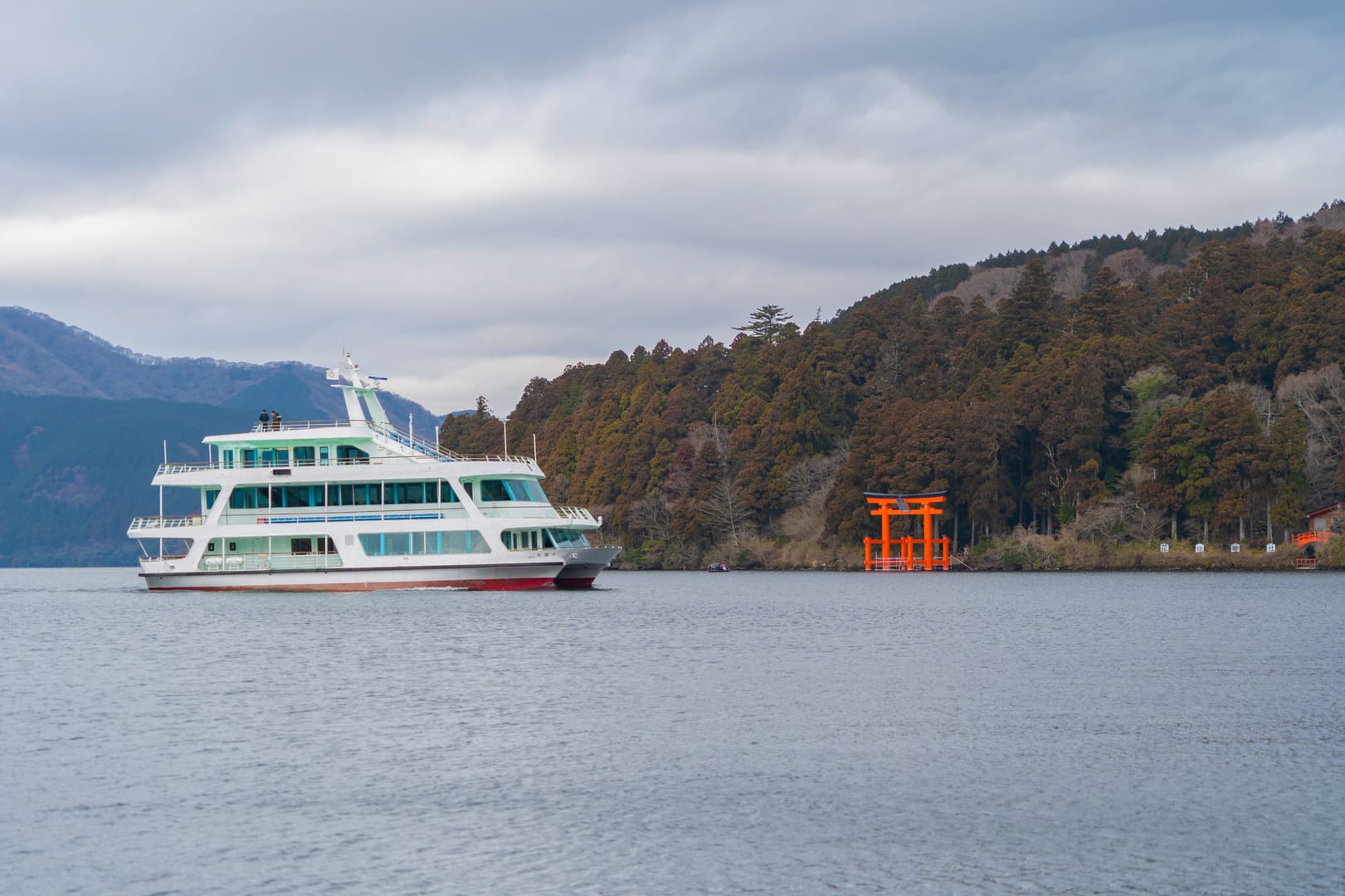
Ferries are essential for Setouchi art islands, parts of Kyushu, Okinawa and many coastal routes. Check operating days, weather policies and the difference between passenger ferries and vehicle services.
Museum reservations and ferry times must work together on Naoshima and Teshima. The SoulTrips Setouchi journey removes much of this planning complexity. Keep a flexible period in island itineraries because wind and storms can affect sailings.
Driving and private transport
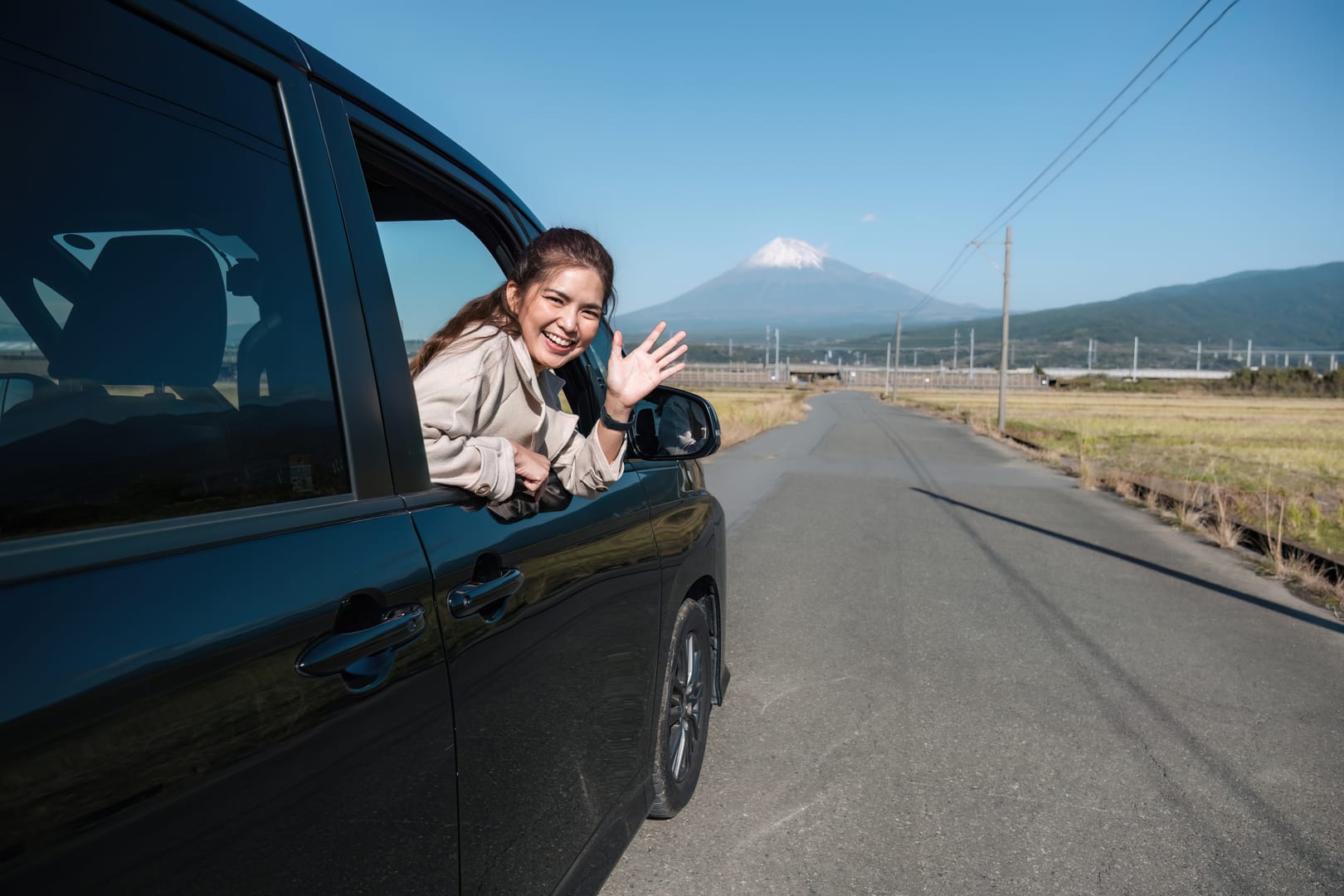
A car is valuable in rural Hokkaido, Kyushu, Shikoku valleys and remote coastal areas. International drivers need the correct permit and must follow the recognition rules that apply to their licence. Arrange it before leaving home.
Japan drives on the left. Expressway tolls, parking, winter tyres and fuel add to the cost. Do not drive in snow without the right vehicle, equipment and confidence.
Private transport is worth considering for families, older travellers and routes where several buses would consume the day. It also allows luggage, village stops and local interpretation to be handled together.
Luggage forwarding and oversized baggage
Forward large luggage between hotels, airports and delivery counters. Allow enough delivery time, especially for islands and remote regions, and carry medicine, valuables and one change of clothes with you.
On the Tokaido, Sanyo, Kyushu and Nishi Kyushu Shinkansen, baggage with total dimensions above 160 centimetres and up to 250 centimetres requires a reserved seat with an oversized baggage area. Arriving without the correct reservation can create a fee and inconvenience.
Use coin lockers for short stops, but remember that large lockers fill early at popular stations. A hotel that accepts luggage before check in often provides the simplest solution.
How a Japan travel specialist plans transport across Japan
A strong Japan journey begins with one clear idea. Map each long sector first, then assign rail, flight, ferry, road or local transport to suit the available time, comfort and experience. Once that purpose is settled, choose the few places that express it best and remove stops that add more transfers than enjoyment. Japan makes fast movement possible, but an efficient rail network is not a reason to change hotels every night.
Avoid more than one complex transfer in a day and give rural connections enough margin for platform changes, lunch and weather. Two or three nights in an important base gives you time for an early start, a slower meal and one unplanned discovery. Rural regions need more breathing room because local trains and buses are less frequent. Build the route around the least flexible element, such as a reserved scenic train, a seasonal festival, a small ryokan or an island ferry.
Reserve international flights, high demand accommodation and limited capacity experiences first. Then add rail reservations, luggage delivery, local guides and restaurants. The SoulTrips guide to booking an international trip in advance provides a practical timeline, while the wider collection of travel planning advice helps you organise the final details.
A specialist adds most value where transport, language or access becomes complicated. Use expert support for a countryside drive, a pilgrimage route, a formal meal, an art island programme or a family trip with several room requirements. Keep independent time in places where walking, browsing and changing your mind are part of the pleasure.
Common planning mistakes
- Buying a national rail pass before calculating the route.
- Assuming an IC card covers every Shinkansen, limited express or rural bus.
- Taking large cases onto crowded local trains.
- Booking ferries, scenic trains and museums without checking that their schedules align.
These are easy to correct before you travel. A focused route, sensible luggage plan and realistic daily rhythm will make Japan feel calm rather than rushed.
Practical advice for different travellers
First time visitors
Practise one simple city route on the first day, then add Shinkansen and regional connections once the station system feels familiar. Choose accommodation close to a useful station for the first few nights, save the hotel address in Japanese and start with one neighbourhood rather than crossing a major city several times in a day.
Solo travellers
Japan is straightforward for solo travel, especially in cities and along major rail routes. Book small rural inns before arrival, share your route with someone you trust and avoid assuming that every restaurant accepts walk in diners. Counter seating, business hotels and excellent public transport make solo days easy to structure.
Families
Reserve seats together, forward large luggage and avoid connections that require several station changes with a stroller. Apartment hotels and rooms with laundry facilities reduce daily friction. Forward large luggage between longer stays and keep one light day after a theme park, major transfer or very early start.
Older travellers and travellers with mobility concerns
Request station assistance, allow extra time for lifts and use taxis or private vehicles where historic areas are far from accessible transport. Major stations are well equipped, but transfers can involve long corridors, stairs and busy platforms. Request station assistance when needed, choose hotels close to lifts and ask for honest walking descriptions at temples, gardens, castles and older neighbourhoods.
Travel responsibly and stay prepared
Responsible travel in Japan begins with consideration for the people sharing each place. Keep voices low on public transport, queue carefully, carry your rubbish until you find the correct bin and follow photography rules at temples, shrines, markets and residential streets. Do not block narrow lanes or private entrances for a photograph.
Efficient rail and shared transport reduce pressure on roads and communities. Travel outside rush hour with luggage and follow local boarding etiquette. Use luggage delivery instead of taking large cases onto crowded local trains, support independent restaurants and craftspeople, and book popular sites for quieter times when possible. The SoulTrips Japan destination guide connects these practical choices with slower regional journeys.
Japan experiences earthquakes, typhoons, heavy snow, volcanic activity and periods of extreme heat. Save the official emergency information, follow transport instructions and never continue an outdoor plan against a warning. Travel insurance should cover medical care, disruption and the activities on your itinerary.
Frequently asked questions
-
What is the easiest way to get around Japan?
Use an IC card for local transport, reserved trains for long distances and luggage forwarding between major stays. Add flights or private vehicles where geography makes them more practical.
-
Is the Japan Rail Pass still worth buying?
It can be valuable for an expensive multi region rail route, but it is not automatic. Compare the current pass price with every eligible point to point fare.
-
Can you use an IC card on the Shinkansen?
An IC card alone does not function as a standard Shinkansen ticket. Some booking systems can link a reserved ticket to an IC card, but the reservation must still be made.
-
What is Welcome Suica?
It is a physical visitor IC card with no deposit and a twenty eight day validity period. It works on many compatible local transport services and at participating shops.
-
Do you need to reserve Shinkansen seats?
Reservations are strongly recommended during peak periods, for groups and when carrying oversized baggage. Some services also have seating rules that make reservations essential.
-
How do you travel with large luggage?
Forward the main case between hotels and carry a small overnight bag. Reserve the correct Shinkansen baggage seat when the case exceeds the stated dimensions.
-
Are buses difficult to use in Japan?
City buses are straightforward once you understand the payment system. Rural buses need more planning because service can be infrequent and stop names may have limited English.
-
When should you take a domestic flight?
Use flights for very long journeys such as central Japan to Hokkaido, Okinawa or southern islands. Compare airport transfers and baggage time with the rail alternative.
-
Do you need a car in Japan?
Not in major cities. A car becomes useful in rural Hokkaido, Shikoku valleys, parts of Kyushu and remote coastal areas.
-
Can SoulTrips arrange complex regional transport?
Yes. Plan your Japan trip with SoulTrips to combine trains, private vehicles, ferries and accommodation into a reliable sequence.
Make getting around Japan part of the journey
Getting around Japan becomes simple when the transport follows the route. Compare passes honestly, reserve important trains, travel with lighter luggage and use regional flights or private vehicles when they save meaningful time. Explore SoulTrips Japan tours or contact a specialist for a transport plan that feels seamless from arrival to departure.