By Soul Trips · Updated on 25 September, 2026
China Travel Guide for Singapore Travellers
China is one of the most fascinating destinations for Singapore travellers, offering a huge variety of experiences across one country. From the futuristic skylines of Shanghai and Shenzhen to the historic streets of Beijing and Xi'an, there is something for almost every type of traveller.

For Singaporeans, travelling to China can also feel surprisingly familiar. Modern cities are well connected, public transport is efficient, food is a major part of everyday life, and cashless payments are widely used.
However, China has its own digital ecosystem and travel habits. Mobile payments, internet access, useful apps and high-speed rail all work a little differently from what you may be used to in Singapore.
Preparing these details before your trip can make your holiday much smoother.
This China travel guide covers the essentials Singapore travellers should know, including mobile payments, useful apps, internet access, eSIMs, high-speed rail, cash, transportation and local etiquette.
China Travel Essentials at a Glance
| Essential | What to Know |
|---|---|
| Currency | Renminbi (RMB), also called yuan |
| Language | Mandarin is the main language |
| Payments | Alipay and WeChat Pay are widely used |
| Cash | Useful as a backup, especially outside major cities |
| Internet | Some international websites and apps may be inaccessible |
| Connectivity | Roaming, travel eSIMs and local SIMs are available |
| Intercity travel | High-speed rail is an excellent option |
| City transport | Metro, buses, taxis and ride-hailing |
| Useful apps | Alipay, WeChat, DiDi, Amap and Baidu Maps |
| Best preparation | Set up payment and connectivity before departure |
Why Visit China?
China is an enormous country, and its destinations can feel completely different from one another.
A trip might take you from the imperial architecture of Beijing to the neon-lit streets of Shanghai, the ancient city walls of Xi'an, the giant pandas of Chengdu or the dramatic mountain landscapes of Zhangjiajie.



Depending on your interests, you can experience:
- Ancient temples and historical landmarks
- Modern cities and skyscrapers
- Traditional villages
- Mountain landscapes
- National parks
- Local markets
- Regional Chinese cuisine
- High-speed rail journeys
- Cultural and heritage sites
- Shopping and entertainment
The scale of the country also means that planning your route is important. Rather than trying to cover too many destinations in one trip, choose a few places that complement each other.
Before You Travel: Prepare Your Phone
For Singapore travellers, one of the most important parts of preparing for China is getting your phone ready.
Your phone can become your:
- Wallet
- Map
- Train ticket
- Translation tool
- Taxi booking platform
- Restaurant guide
- Hotel information
- Communication device
Before leaving Singapore, download the apps you'll need and make sure your payment methods are working.
It's much easier to troubleshoot these things at home than after you've arrived.
Mobile Payments in China
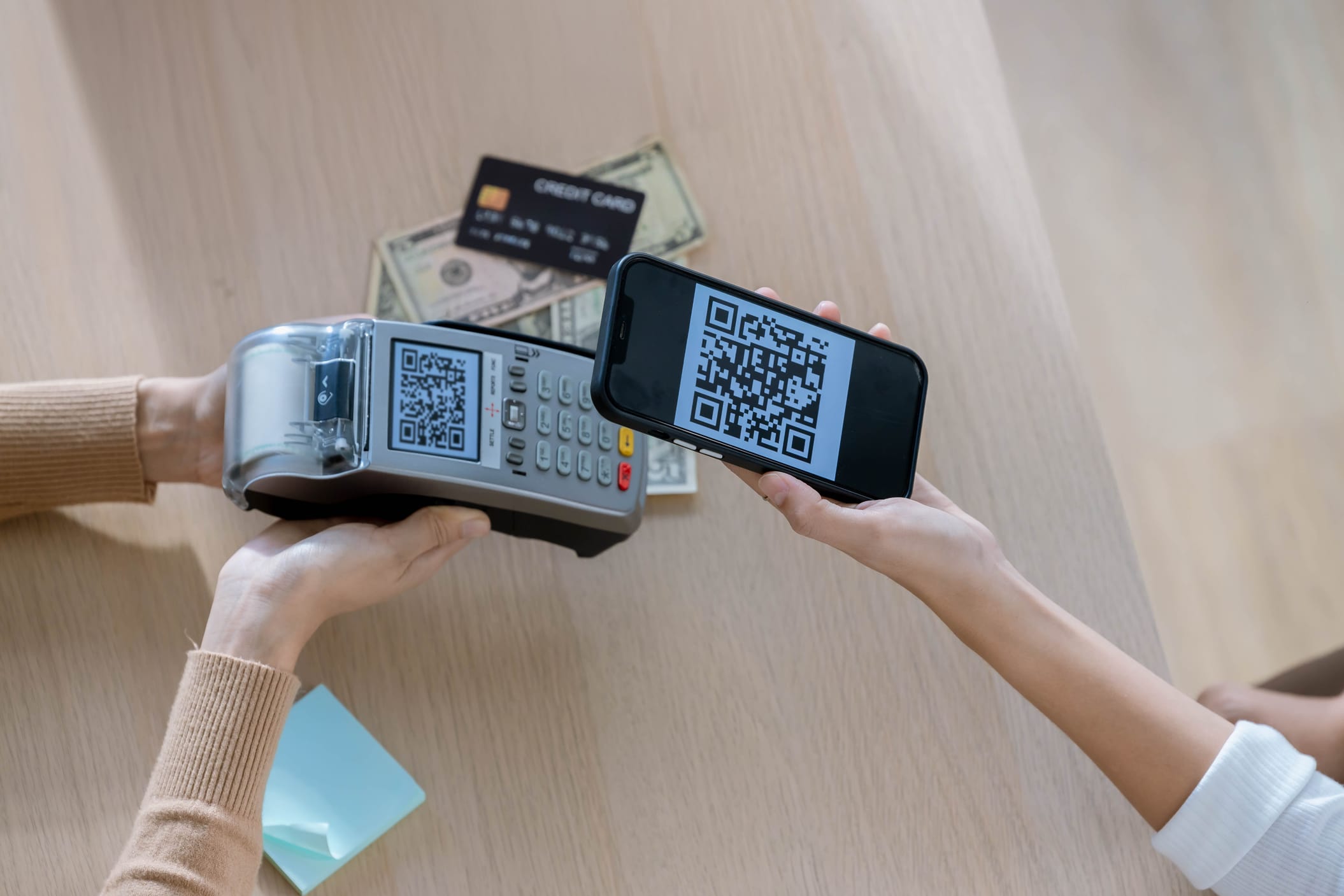
One of the biggest differences Singapore travellers may notice is how heavily China relies on QR-code payments.
While Singapore is also highly cashless, QR payments are deeply integrated into everyday life in China.
You may use your phone to pay for:
- Meals
- Coffee
- Shopping
- Convenience stores
- Taxis
- Transport
- Attraction tickets
- Small purchases
The two most important platforms to know are Alipay and WeChat Pay.
Using Alipay in China
Alipay is one of the most useful apps for international visitors.
It can be used for much more than payments, with various travel and transport services integrated into the platform.
Before travelling, download Alipay and explore the international visitor setup.
Depending on your card and account, you may be able to link an overseas Visa or Mastercard and use it for payments in China.
For Singapore travellers, setting up Alipay before departure can make everyday transactions considerably easier.
What About WeChat Pay?
WeChat is much more than a messaging app in China.
It is widely used for communication, payments and accessing various services.
Visitors can set up WeChat Pay and link eligible international cards.
Having both Alipay and WeChat Pay is useful because payment experiences can vary between merchants.
A good approach is to have:
Primary payment: Alipay or WeChat Pay
Backup payment: The other platform
Emergency backup: RMB cash and a physical bank card
Can You Use Singapore Payment Apps?
Some Singapore payment services can be used at participating merchants in China through cross-border payment arrangements.
However, acceptance can vary between merchants and services.
For a longer trip, it is better not to rely on a single Singapore payment app.
Setting up Alipay or WeChat Pay gives you another option and can make paying for smaller purchases much easier.
Do You Still Need Cash in China?
Even though China is highly cashless, it's still a good idea to carry some RMB.
Cash can be useful if:
- Your phone battery dies
- Your payment app doesn't work
- A merchant doesn't accept your preferred payment method
- You're travelling in a smaller town
- You're visiting a rural area
- You need an emergency backup
You don't need to carry a large amount.
A small amount of RMB in your wallet is usually enough for emergencies and smaller purchases.
Using Credit and Debit Cards in China
International cards are accepted at many larger hotels, shopping centres, international businesses and tourist establishments.
However, smaller businesses may prefer QR-code payments.
Before leaving Singapore, check that your bank cards are enabled for overseas transactions.
It's also useful to carry two different payment methods rather than relying entirely on one card.
Keep your physical card somewhere secure and separate from your main wallet where possible.
Internet Access in China
Internet access is one of the most important things for Singapore travellers to understand before visiting China.
Some international websites and apps that you use regularly in Singapore may not work normally on mainland Chinese networks.
This can include services such as:
- Google Maps
- Gmail
- YouTube
The exact experience depends on your connection and provider, so don't assume that simply having mobile data will give you access to everything you normally use at home.
Should You Get an eSIM for China?
A travel eSIM can be a convenient option for Singapore travellers.
Instead of replacing your physical Singapore SIM, you can install a separate digital SIM for your trip.
Depending on the provider, an eSIM can give you mobile data for:
- Maps
- Messaging
- Translation
- Ride-hailing
- Travel bookings
- Browsing
Before buying an eSIM, check:
- Whether mainland China is included
- The amount of data provided
- How long the plan lasts
- Whether hotspot is allowed
- When the plan activates
- Whether the provider's connection allows access to the services you need
Not all eSIMs work in exactly the same way, so read the details carefully before purchasing.
eSIM vs Roaming: Which Is Better?
Both can work well.
Travel eSIM
A good choice for travellers who want a separate data plan and don't want to remove their Singapore SIM.
Singapore SIM with Roaming
A convenient option if you want to continue using your existing Singapore number and receive calls or SMS messages.
Local Chinese SIM
More useful for longer stays or travellers who need a local Chinese number.
For a typical holiday, a travel eSIM or suitable roaming plan is usually the simplest option.
Download Important Information Before Your Flight
Even with mobile data, don't rely entirely on internet access.
Before leaving Singapore, save:
- Hotel bookings
- Hotel addresses
- Flight details
- Train tickets
- Attraction reservations
- Emergency contacts
- Your itinerary
- Important Chinese addresses
It's particularly helpful to save your hotel's name and address in Chinese characters.
If you need to show the address to a driver, the Chinese version can be much easier for them to understand.
Useful Apps for Travelling in China
Having the right apps can make a significant difference.
Alipay
Useful for payments, transport and other everyday services.
Useful for messaging, payments and communication.
DiDi
A popular ride-hailing service that can make getting around cities easier.
Amap
A useful navigation app for finding roads, businesses and public transport.
Baidu Maps
Another widely used mapping option.
Useful for checking and booking China's railway services.
Translation Apps
A translation app can be especially useful outside major tourist areas where English may be limited.
You don't need to download dozens of apps.
For most trips, having Alipay, WeChat, DiDi and a reliable navigation app will cover many of your daily needs.
Travelling Around China by High-Speed Rail

China's high-speed rail network is one of the best ways to travel between major cities.
For many travellers, taking the train can be more convenient than flying.
You can travel from city centre to city centre without the airport transfers and check-in procedures associated with domestic flights.
High-speed rail connects many major destinations, including:
- Beijing
- Shanghai
- Xi'an
- Chengdu
- Hangzhou
- Nanjing
- Guangzhou
- Shenzhen
Depending on the route, journey times can range from under an hour to several hours.
Why Singapore Travellers Should Consider High-Speed Rail
High-speed trains are particularly useful if you want to combine several destinations in one holiday.
For example, instead of flying between nearby cities, you may find it more convenient to take the train.
You also get to see more of the countryside along the way.
The trains are generally comfortable, clean and efficient, making them a good option for both short and longer journeys.
Booking High-Speed Trains in China
China's railway system uses real-name ticketing, so foreign travellers need to use their passport details when purchasing tickets.
Keep your passport with you when travelling by train.
It is also worth booking popular routes in advance, especially around:
- Chinese New Year
- Golden Week
- Public holidays
- School holidays
- Major festivals
Popular routes can sell out quickly during peak travel periods.
What Is It Like Inside a Chinese Railway Station?
Major railway stations in China can be enormous.
Some are closer to airports in scale than the smaller train stations Singapore travellers may be used to.
Give yourself plenty of time to:
- Find the correct station entrance.
- Go through security.
- Locate your departure hall.
- Check the departure board.
- Find your waiting area.
- Board the correct train.
Don't leave everything until the last few minutes.
Your ticket will show the train number and station information, so double-check everything before travelling.
What Train Class Should You Choose?
Most high-speed trains offer several seating options.
Second Class
The most practical option for most travellers. Seats are comfortable and the carriages are generally clean and modern.
First Class
Offers more space and fewer passengers.
Business Class
The most premium option, available on selected trains.
For most sightseeing trips, second class is perfectly comfortable.
Getting Around Chinese Cities
China's major cities have extensive public transport systems.
The metro is particularly useful in cities such as:
- Beijing
- Shanghai
- Chengdu
- Guangzhou
- Shenzhen
Stations can be large and busy, but major systems generally provide English signs alongside Chinese.
Ride-hailing is another convenient option, especially when travelling with luggage or when your destination isn't close to a metro station.
Using DiDi in China
DiDi is a useful option for travellers who prefer ride-hailing instead of negotiating with taxis.
You can enter your destination through the app and see the route and fare information.
Before booking a ride, make sure your payment method is ready and your phone has an active internet connection.
It's also useful to save your hotel address in Chinese.
What About Taxis?
Taxis are available throughout major Chinese cities.
However, language can sometimes be a barrier.
If you don't speak Mandarin, keep your destination written in Chinese on your phone.
Rather than trying to pronounce a Chinese address, showing the driver the written address can be much easier.
China Travel Etiquette for Singapore Travellers
China is a huge country with many different regional cultures and traditions, so etiquette can vary.
However, a few basic habits will help you travel respectfully.
Ask Before Taking Photos of People
China is full of interesting street scenes and cultural experiences, but avoid treating people as tourist attractions.
If you want to photograph someone directly, ask first.
This is especially important when photographing:
- Children
- Elderly people
- Religious figures
- Workers
- Local families
Dress Appropriately at Cultural Sites
When visiting temples, religious sites and historic buildings, dress respectfully.
Avoid loud or disruptive behaviour, particularly in places of worship.
Follow photography restrictions and signs.
Be Prepared for Crowds
China's major attractions can get extremely busy.
Popular landmarks, railway stations and shopping districts may be crowded, especially during weekends and public holidays.
Be patient and allow extra time.
Don't Assume English Will Be Spoken
English is common in some international hotels and tourist areas, but it is not universally spoken.
Learning a few simple Mandarin phrases or having a translation app ready can make your trip much easier.
Eating in China

For Singapore travellers, food is likely to be one of the highlights of a China trip.
But don't assume that Chinese food in China will taste exactly like the versions you're familiar with in Singapore.
China has huge regional diversity.
You can explore:
Sichuan Cuisine
Known for bold flavours, chilli and the distinctive numbing sensation of Sichuan pepper.
Cantonese Cuisine
Famous for dim sum, roast meats, seafood and lighter flavours.
Yunnan Cuisine
Known for mushrooms, herbs, rice noodles and distinctive local ingredients.
Beijing Cuisine
Includes dishes such as Peking duck and a variety of noodles, dumplings and northern-style dishes.
Xi'an Cuisine
Particularly known for noodles, dumplings and street food.
Xinjiang Cuisine
Known for grilled meats, noodles, flatbreads and strong Central Asian influences.
Trying regional food is one of the best ways to experience the diversity of China.
QR-Code Ordering at Restaurants
Don't be surprised if you sit down at a restaurant and find a QR code instead of a traditional menu.
QR codes may be used to:
- View the menu
- Order food
- Pay
- Request service
This is another reason why having your payment app and internet connection ready is useful.
If you encounter a Chinese-only menu, use your translation app or ask staff for assistance.
Travelling with Dietary Restrictions
If you have food allergies or specific dietary requirements, prepare the relevant phrases in Chinese before your trip.
Don't rely solely on verbal explanations, especially when travelling outside major tourist destinations.
Having a written explanation that you can show restaurant staff can reduce misunderstandings.
How Much Chinese Do You Need to Know?
You don't need to speak Mandarin fluently to travel around China.
In major tourist cities, you'll find English signage and translation tools can help with many situations.
However, learning a few basic phrases can make your trip more enjoyable.
Useful words include:
Nǐ hǎo — Hello
Xièxiè — Thank you
Duōshao qián? — How much?
Zàijiàn — Goodbye
More importantly, learn how to use your phone to show names and addresses in Chinese.
What to Pack for China
Your packing list will depend heavily on the region and season, but some items are useful for almost every trip.
Travel essentials
- Passport
- Phone
- Power bank
- Travel adapter
- Physical bank card
- Some RMB cash
- Travel insurance documents
Useful technology
- eSIM or roaming plan
- Charging cables
- Portable charger
- Translation app
- Offline maps
For sightseeing
- Comfortable walking shoes
- Lightweight daypack
- Reusable water bottle
- Sunglasses
- Sun protection
- Light jacket
China's cities can involve a surprising amount of walking, particularly when exploring large attractions and historic neighbourhoods.
Comfortable shoes are essential.
A China Travel Checklist for Singapore Travellers
Before leaving Singapore, check that you have:
☐ Passport and entry requirements confirmed
☐ Alipay installed
☐ WeChat installed
☐ Payment card linked
☐ Backup bank card
☐ Some RMB cash
☐ Roaming or eSIM arranged
☐ DiDi installed
☐ Navigation app installed
☐ Train tickets booked if necessary
☐ Hotel addresses saved in Chinese
☐ Offline maps downloaded
☐ Important bookings saved
☐ Power bank packed
☐ Travel insurance arranged
Common Mistakes to Avoid
Relying only on credit cards
QR-code payments are widely used for everyday purchases.
Waiting until you arrive to set up your payment apps
Set everything up while you still have easy access to your Singapore number and banking apps.
Assuming your usual apps will work
Prepare alternative maps, communication and navigation tools.
Depending entirely on mobile data
Save important information offline.
Carrying no cash
Keep some RMB as a backup.
Booking train tickets without checking your passport details
Railway tickets are tied to passenger identification.
Underestimating railway stations
Give yourself plenty of time to find your platform.
Saving hotel details only in English
Keep the Chinese name and address on your phone.
Forgetting your power bank
Your phone is likely to handle payments, navigation and bookings, so keeping it charged is important.
China Travel Tips for Singapore Travellers
China is a rewarding destination for Singapore travellers, particularly if you're willing to explore beyond the major tourist highlights.
The country's high-speed rail network makes multi-city travel easier, mobile payments make everyday transactions convenient, and an enormous variety of landscapes, cuisines and cultures means you can have a completely different experience depending on where you go.
The main thing to remember is that China has its own digital travel ecosystem.
Before leaving Singapore, set up your payment apps, decide how you'll stay connected, download useful local apps and save important information offline.
Once those basics are sorted, travelling around China becomes much easier.
Keep your phone charged, carry some RMB, allow extra time for transport and don't be afraid to embrace the local way of doing things.
Most importantly, don't try to see all of China in one trip. Choose a region or a few destinations that interest you and give yourself enough time to enjoy them.
Whether you're exploring historic Beijing, eating your way through Chengdu, travelling between Shanghai and Hangzhou by high-speed rail or venturing into China's spectacular mountain landscapes, taking the time to experience each destination properly will make for a much more memorable trip.
Frequently Asked Questions About Travelling to China from Singapore
-
Do Singaporeans need a visa for China?
Singapore ordinary passport holders can currently enter China without a visa for eligible short-term stays of up to 30 days. Entry requirements can change, so check the latest requirements before travelling.
-
Can Singapore credit cards be used in China?
Yes. International cards are accepted at many larger establishments and can also be linked to payment platforms such as Alipay and WeChat Pay. However, acceptance varies, so carrying a backup payment method is recommended.
-
Should I use Alipay or WeChat Pay in China?
Both are useful. Setting up Alipay and WeChat Pay gives you more flexibility when making everyday payments.
-
Do I need cash in China?
You should still carry some RMB even though China is highly cashless. Cash provides a useful backup if your phone, card or payment app isn't working.
-
Can I use Google Maps in China?
Google Maps may not work normally on mainland Chinese networks. Consider using Amap, Baidu Maps or another navigation option and download important information before travelling.
-
Will WhatsApp work in China?
Some international communication and social media services may not be accessible through standard mainland Chinese internet connections. Arrange your connectivity before travelling and have alternative communication methods available.
-
Is an eSIM useful in China?
Yes. A travel eSIM can be a convenient way to access mobile data without replacing your Singapore SIM. Check the provider's China coverage and connectivity arrangements before purchasing.
-
What apps should I download before travelling to China?
Useful apps include Alipay, WeChat, DiDi, Amap or Baidu Maps, as well as 12306 if you plan to travel by high-speed rail.
-
Is China's high-speed rail easy for tourists to use?
Yes. High-speed rail is one of the most convenient ways to travel between many major Chinese cities. Foreign visitors can use their passports for railway bookings and identity verification.
-
How early should I arrive at a Chinese train station?
Major railway stations can be very large and busy. Give yourself plenty of time for security checks, finding the correct waiting area and boarding your train, particularly if you're unfamiliar with the station.
-
Is China easy for Singapore travellers to navigate?
Yes, especially once you understand the local payment, transport and internet systems. Preparing your phone, payment methods and travel apps before departure can make a significant difference.
-
What is the most important China travel tip for first-time visitors?
Prepare before you fly. Set up your payment apps, arrange your internet access, download local travel apps, save important information offline and carry some RMB. Once these practical details are taken care of, you can focus on enjoying your trip.
-
Ready to Explore China?
If you're planning your first trip to China and would rather have the key details taken care of, joining an organised tour can make the experience much easier.
From historic cities and cultural landmarks to scenic landscapes, local food and high-speed rail journeys, a well-planned China itinerary allows you to experience more without having to manage every transport connection, hotel booking and daily activity yourself.
Whether you're travelling as a couple, with family or with friends, choosing the right itinerary can also help you make the most of your time in such a vast country.
Explore China tours and travel packages and start planning your next adventure.