By Soul Trips · Updated on 18 September, 2026
Bhutan Weather by Month: Temperature, Rain and Seasonal Conditions
Bhutan weather by month follows four broad seasons, but altitude creates striking local differences. Thimphu can wake to frost while lower Punakha feels mild, and a high pass can receive snow when the western valleys remain clear. Your itinerary matters as much as your month of travel.
Spring from March to May becomes steadily warmer. The summer monsoon brings the greatest rainfall from June to August, often continuing into September. October and November are generally drier and clearer, while December to February brings sunny winter days and cold nights.
This guide will help you understand likely conditions, choose suitable clothing and build enough flexibility into flights, road journeys and walks.
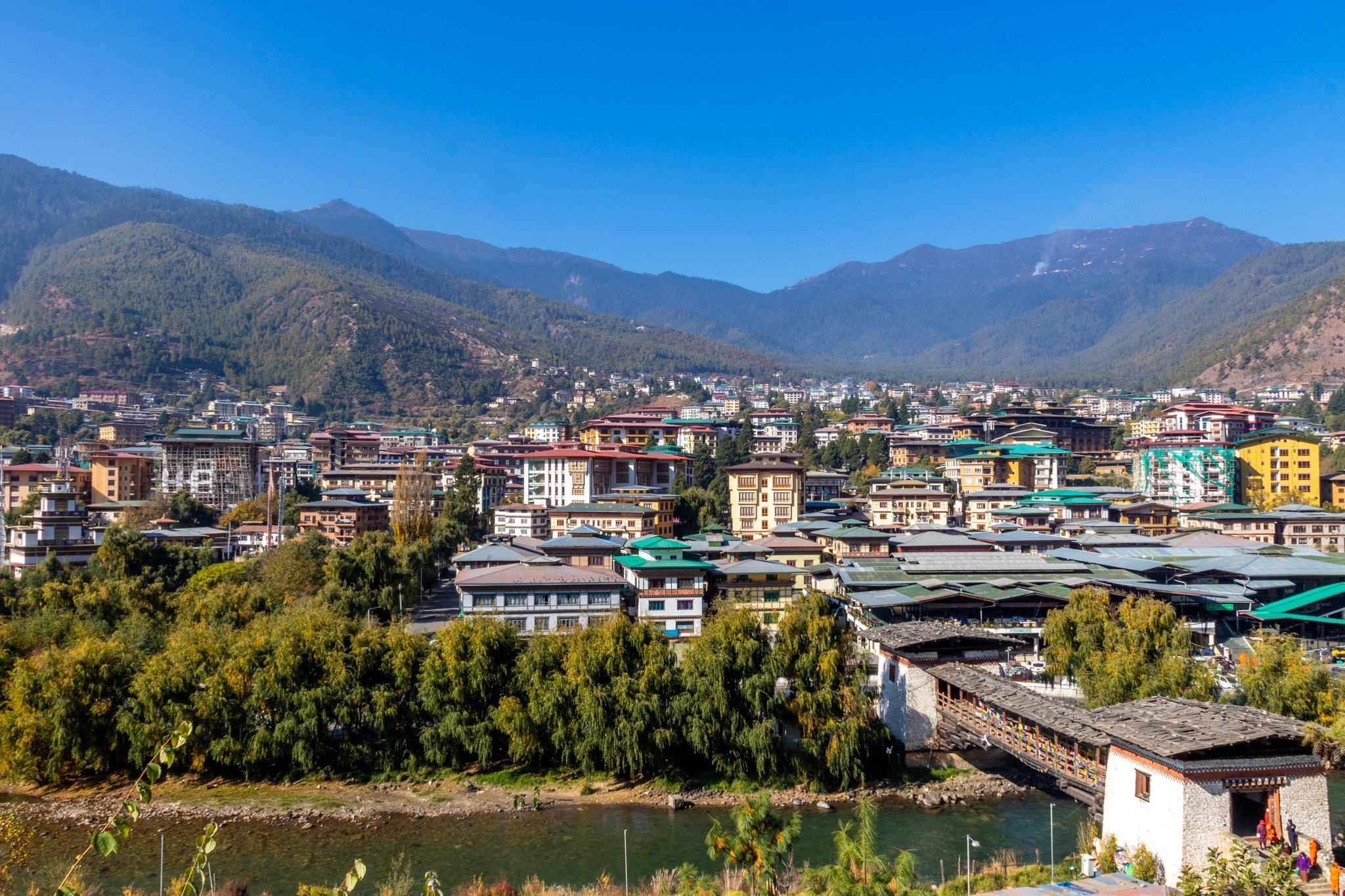
Bhutan weather by month at a glance
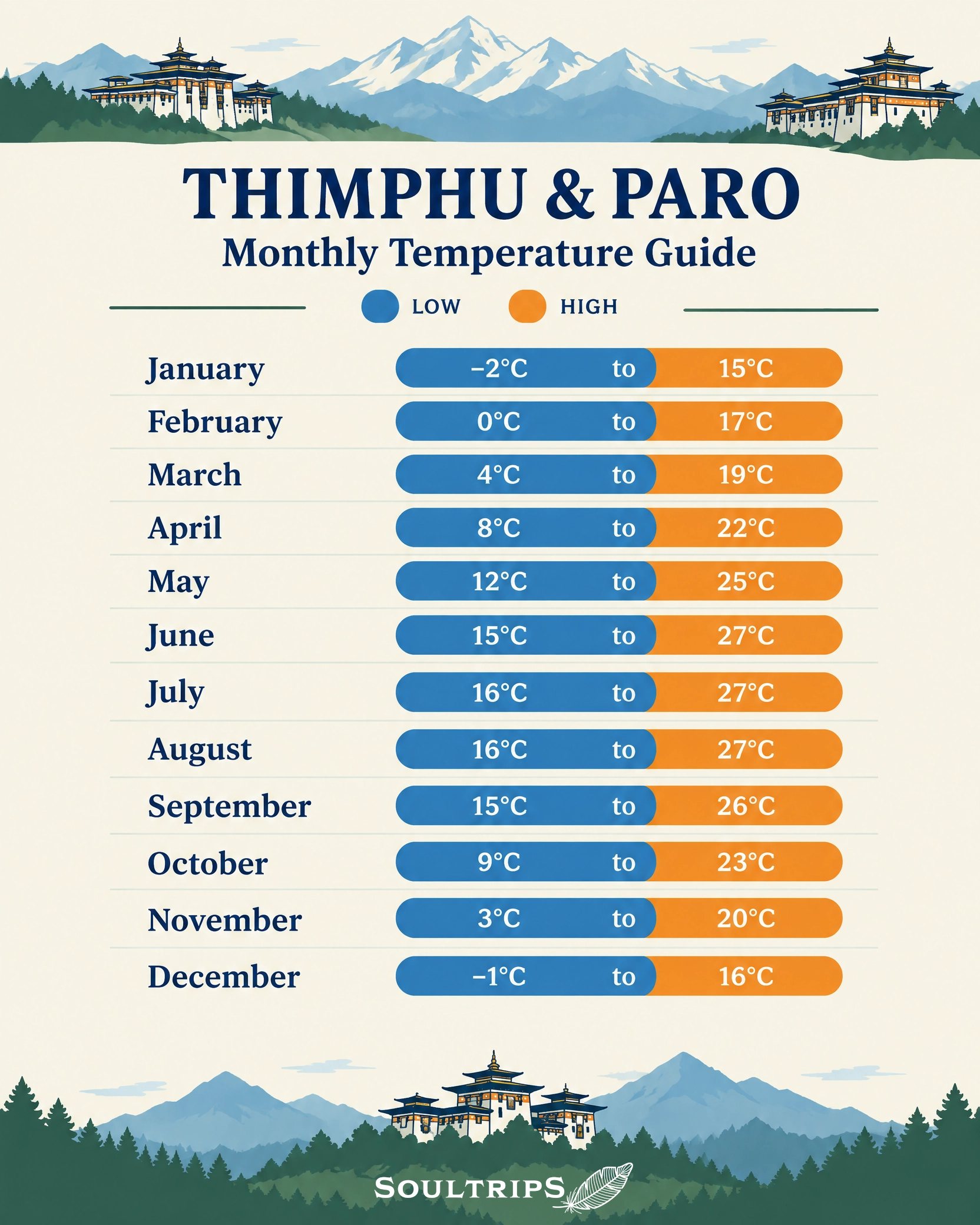
The figures below are rounded climate averages for Thimphu and Paro. They show typical daily minimum and maximum temperatures and monthly rainfall, not a forecast for your individual trip.
- January: −2°C to 15°C
- February: 0°C to 17°C
- March: 4°C to 19°C
- April: 8°C to 22°C
- May: 12°C to 25°C
- June: 15°C to 27°C
- July: 16°C to 27°C
- August: 16°C to 27°C
- September: 15°C to 26°C
- October: 9°C to 23°C
- November: 3°C to 20°C
- December: −1°C to 16°C
Thimphu is a useful reference for the western cultural circuit, but not a national average. Punakha is lower and warmer. Phobjikha and Bumthang are cooler. The southern foothills are subtropical and receive considerably more monsoon rain, while high Himalayan areas are colder in every season.
Check out the comprehensive Climate and Temperature Guide for Bhutan.
January weather in Bhutan
January is cold, dry and often clear. Thimphu climate averages range from a minimum of −2°C to a maximum of 15°C. Bright sunshine can make afternoons feel pleasant, but temperatures drop quickly once the sun leaves the valley.
Paro has similarly cold mornings and evenings. Frost is common, and shaded ground may remain icy. Punakha is warmer because of its lower elevation, making it a comfortable addition to a winter itinerary. Phobjikha and Bumthang feel significantly colder, with snow possible.
High passes can be temporarily affected after snowfall. Keep a flexible road plan if you intend to travel into central Bhutan. Flights into Paro operate in winter, but local conditions still determine safe operations.
January suits travellers who prefer clear light, quiet monuments and a gentle cultural journey. Pack thermal layers, an insulated jacket, gloves, a warm hat and lip balm. Confirm that your accommodation provides effective room heating.
February weather in Bhutan
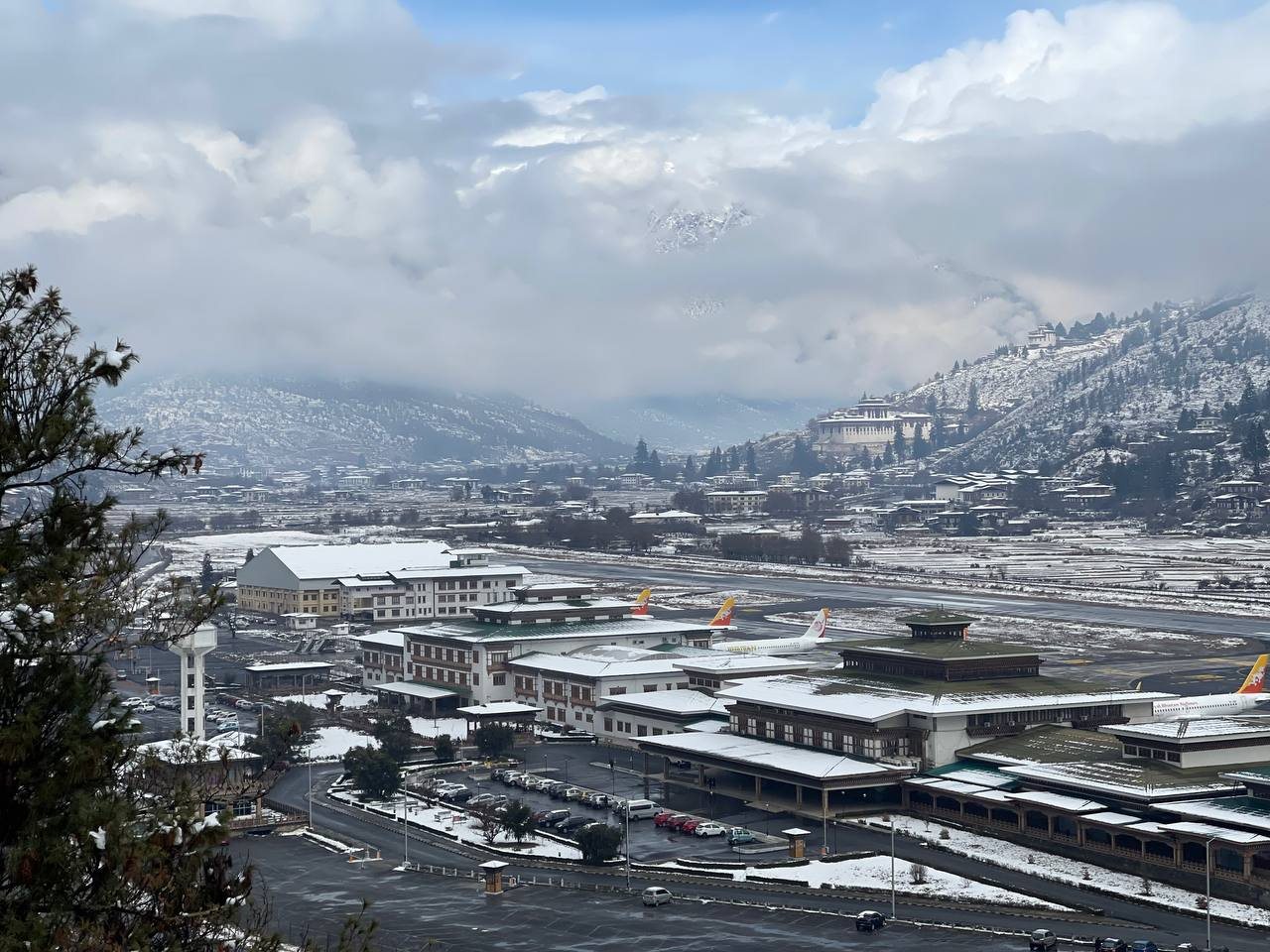
February remains dry and wintry, though daylight gradually lengthens. Thimphu averages 0°C to 17°C. Cold nights continue in Paro, Thimphu and the central valleys, while lower Punakha begins to feel more springlike.
Clear mornings can reward photographers with crisp views. Trails are usually dry at lower elevations, but ice can linger in shade and snow may still affect high roads. A winter ascent to Tiger’s Nest can be very rewarding if you start after the coldest part of the morning and carry warm layers.
Towards the end of the month, early blossoms may appear in lower valleys. This is a useful time for a quiet first visit before the spring season becomes busier. You still need winter clothing for dawn, dusk and unheated interiors.
For ideas on a concise western route, see the five day luxury Bhutan escape.
March weather in Bhutan
March marks the beginning of spring. Thimphu averages 4°C to 19°C. Days become noticeably warmer, but early mornings can remain cold and the weather changes as seasonal systems move through the mountains.
Paro and Thimphu begin to green, while flowering trees appear in warmer valleys. Punakha is pleasant and often several degrees warmer. Phobjikha and Bumthang retain a colder feel, especially at night.
Rain is still relatively limited, so March is popular for sightseeing and early season walks. Snow remains possible at altitude. Carry a waterproof shell even if the forecast looks settled, as mountain conditions can change quickly.
March is a good compromise for travellers who want spring scenery without late spring warmth. Festival dates vary each year, so confirm the official dates if a tshechu is important to you.
April weather in Bhutan
April is mild, colourful and popular. Thimphu averages 8°C to 22°C. Daytime conditions are often comfortable for visiting dzongs, walking through villages and hiking to monasteries.
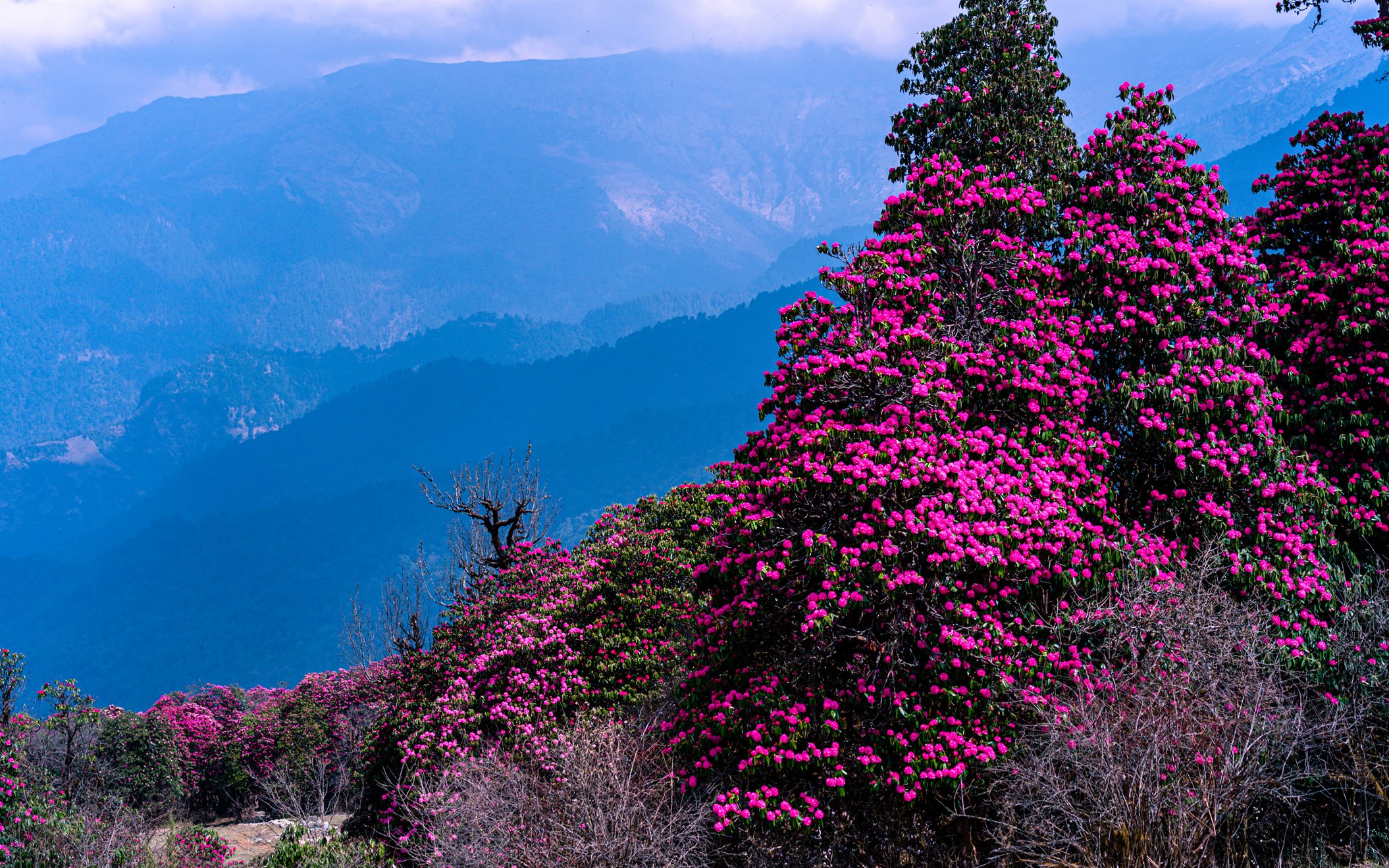
Rhododendrons flower at suitable elevations, although timing depends on altitude and annual conditions. Paro and Thimphu are generally pleasant during the day. Punakha can feel warm in direct sun, while Bumthang and Phobjikha remain cooler after dark.
Short showers are possible, and cloud can develop during the afternoon. Start important walks early for cooler temperatures and a better chance of open views. Pack light layers, sun protection, a warm evening layer and a compact waterproof jacket.
April demand can be high, especially during major festivals. Reserve flights and preferred hotels well in advance. The Essential Bhutan Cultural Journey illustrates a classic spring route through the western valleys.
May weather in Bhutan
May is warm, increasingly humid and greener. Thimphu averages 12°C to 25°C. Showers become more frequent as the month progresses, and mountain views can be less consistent than in early spring.
Punakha feels hot during the middle of the day. Paro and Thimphu remain more temperate, while Phobjikha and Bumthang offer cooler evenings. Forests are lively, and agricultural activity becomes more visible in the valleys.
May can work very well for cultural touring and moderate walks. Choose breathable clothing, but keep a warm layer for higher overnight stops. Shoes with good grip become more important as paths begin to soften.
If clear Himalayan panoramas are your main goal, earlier spring or late autumn offers better odds. If you enjoy warm weather and lush scenery, May can be an appealing transition month.
June weather in Bhutan
June introduces more established monsoon conditions. Thimphu averages 15°C to 27°C. Humidity rises, clouds gather over the mountains and showers become more frequent.
Rain does not necessarily fall continuously. Clear spells can appear in the morning, followed by afternoon or overnight showers. Conditions vary from one valley to another, so a flexible daily schedule is valuable.
The landscape is vivid and rice terraces begin to fill with colour. Cultural visits remain rewarding, but long views and trekking conditions are less dependable. Road journeys may take longer on wet mountain roads.
Pack a breathable waterproof jacket, quick drying trousers, an umbrella and walking shoes with reliable grip. Keep electronics and travel documents in waterproof bags. For a slower journey with time to adjust plans, consider the style of the Luxury and Soulful Retreat in Bhutan.
July weather in Bhutan
July is usually the wettest month in Thimphu, averaging 16°C to 27°C. The southern foothills receive much heavier rainfall than this western valley reference. Warmth, humidity and cloud shape the month.
Sustained rain can cause landslides, local road closures or longer transfers. Monsoon rain is strongest in the south and flooding or landslides can occur. Build contingency into any route involving several mountain passes.
Paro flights may be delayed or changed when visibility and operating conditions are unsuitable. Avoid a tight connection between your Bhutan flight and a separate long haul ticket.
July is not ideal for high altitude trekking or a holiday built around mountain views. It can still suit flexible travellers who enjoy green valleys, local culture, museums, crafts and quieter sacred sites. In damp forest, leeches are possible, so closed footwear and suitable socks are useful.
August weather in Bhutan
August remains wet, warm and humid. Thimphu averages 16°C to 27°C. Showers may be heavy, but dry periods also occur. The valleys are intensely green and clouds move dramatically through the hills.
Road conditions require patience. A route with fewer long transfers gives your guide and driver more room to respond to local weather. Paro, Thimphu and Punakha can form a practical cultural circuit, while high routes and extended treks are less predictable.
Photography in August is atmospheric rather than panoramic. Rain washed dzongs, misty forests and bright rice fields create strong images if you protect your equipment. Carry silica gel, dry bags and a small cloth for lenses.
August is a quiet period for many international visitors. It rewards a curious traveller who accepts changes and does not measure the trip by uninterrupted blue skies.
September weather in Bhutan
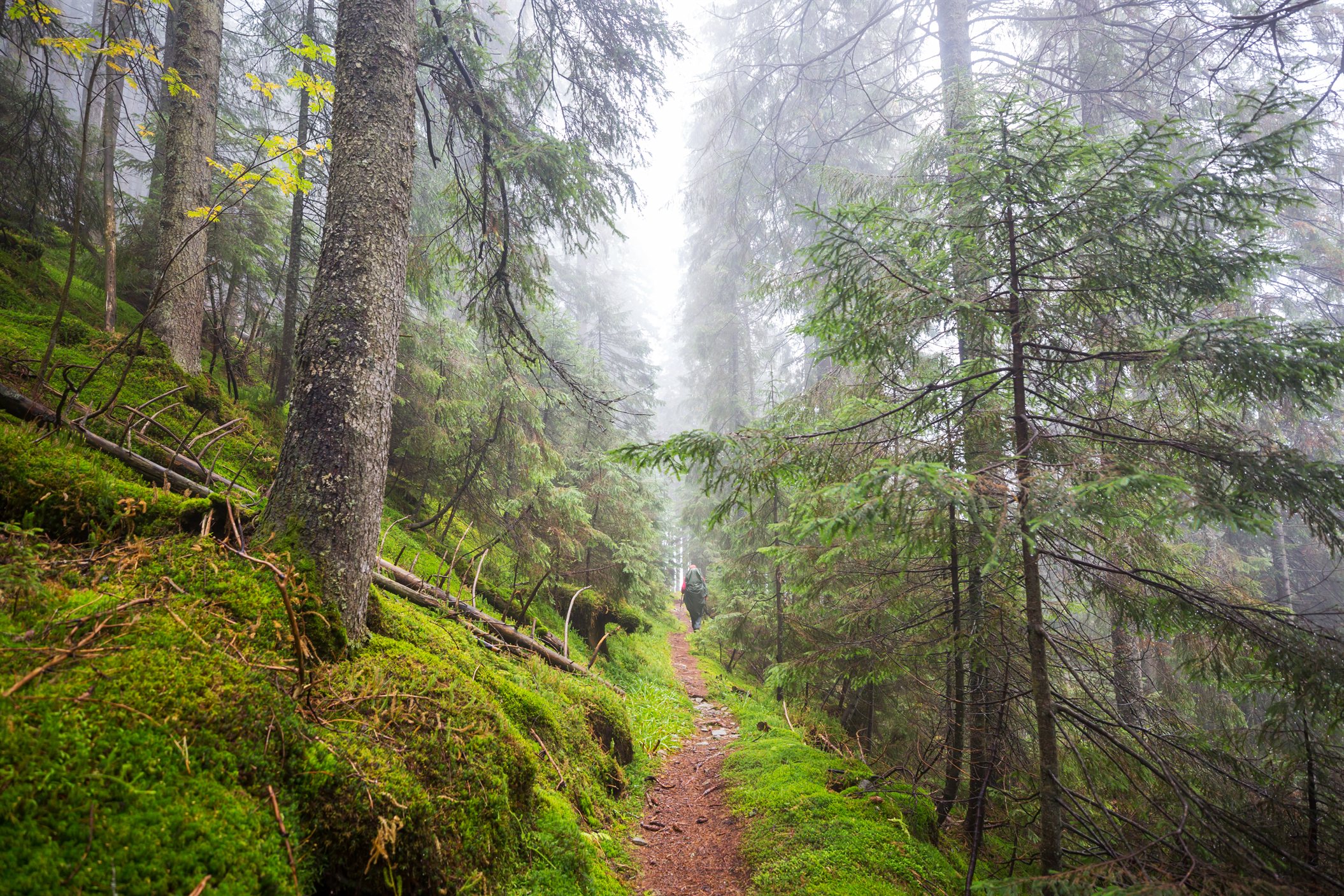
September shifts gradually from monsoon to autumn. Thimphu averages 15°C to 26°C. Early weeks may remain humid and showery, while later weeks often become drier and clearer.
The landscape stays fresh after summer rain. Rice terraces develop rich colour, and river valleys remain green. Trail conditions improve as surfaces dry, although mud and local road damage can persist after a strong monsoon.
September weather is less predictable than October, but it can offer a rewarding balance of warmth and improving visibility. Pack for both summer rain and cooler evenings. A waterproof layer and spare footwear remain useful.
If you have fixed dates, avoid assuming that the monsoon ends on a precise day. Seasonal change is gradual and differs each year.
October weather in Bhutan
October is cooler, drier and often clearer. Thimphu averages 9°C to 23°C. Humidity falls, walking conditions improve and high mountain views become more likely.
This is one of the most popular months for trekking, cultural touring and festivals. Daytime temperatures are generally comfortable in Paro and Thimphu, while mornings and nights become chilly. Punakha remains warmer. Central valleys require an extra layer after sunset.
Clear mornings are valuable for photography and high viewpoints. Start early, as cloud can still build later in the day. Conditions remain changeable in the Himalayas, so carry light rain protection even during a dry spell.
October flights, guides and sought after hotels can fill early. A longer itinerary such as the Bhutan Discovery Journey benefits from the generally settled conditions.
November weather in Bhutan
November is dry, crisp and increasingly cold. Thimphu averages 3°C to 20°C. This is the driest month in the cited climate series and often provides excellent visibility.
Sunny afternoons can be comfortable, but shade feels cool and nights are cold. Paro and Thimphu need warm morning layers. Frost becomes more likely in Phobjikha and Bumthang, while Punakha offers milder temperatures.
November is excellent for day walks, photography and travellers who prefer cooler air. Forest trails are generally dry, and the chance of clear mountain views is strong. The popular autumn atmosphere continues without the warmth of October.
Pack a warm jacket, hat and gloves for early starts. Hotel heating becomes an important consideration towards the end of the month.
December weather in Bhutan
December begins the core winter period. Thimphu averages −1°C to 16°C. Days are usually dry and bright, while nights commonly fall below freezing.
Paro has cold mornings, and shaded trails can be icy. Punakha remains a useful warmer contrast. Phobjikha and Bumthang are colder, with frost and possible snow. High passes may close temporarily after snowfall, though many western cultural routes continue normally.
Early December can deliver clear late autumn style views with fewer travellers. Later in the month, pack for deeper winter conditions. Shorter daylight means you should start walks and road journeys promptly.
The quiet landscape suits reflective travel. The SoulTrips story about returning to Bhutan captures the value of slowing down and noticing ordinary moments.
How weather differs across Bhutan
Paro
Paro sits at high elevation and has cold, dry winters, mild spring and autumn days, and a wet summer. Its airport operations depend on local conditions, so clouds, visibility and winds can affect schedules. Leave room between flights and major onward connections.
Thimphu
Thimphu provides the climate averages in this guide. Its valley climate is broadly useful for a western itinerary, but local neighbourhoods and surrounding passes can still feel different. Temperatures change quickly between sun and shade.
Punakha
Punakha is lower and warmer than Paro or Thimphu. Winter is mild by comparison, while late spring and summer can feel hot and humid. The monsoon brings rain and strong river flow.
Phobjikha Valley
Phobjikha is a high glacial valley with colder nights. Frost is common in winter, and snow is possible. Even in spring and autumn, carry an effective warm layer for evenings and early walks.
Bumthang
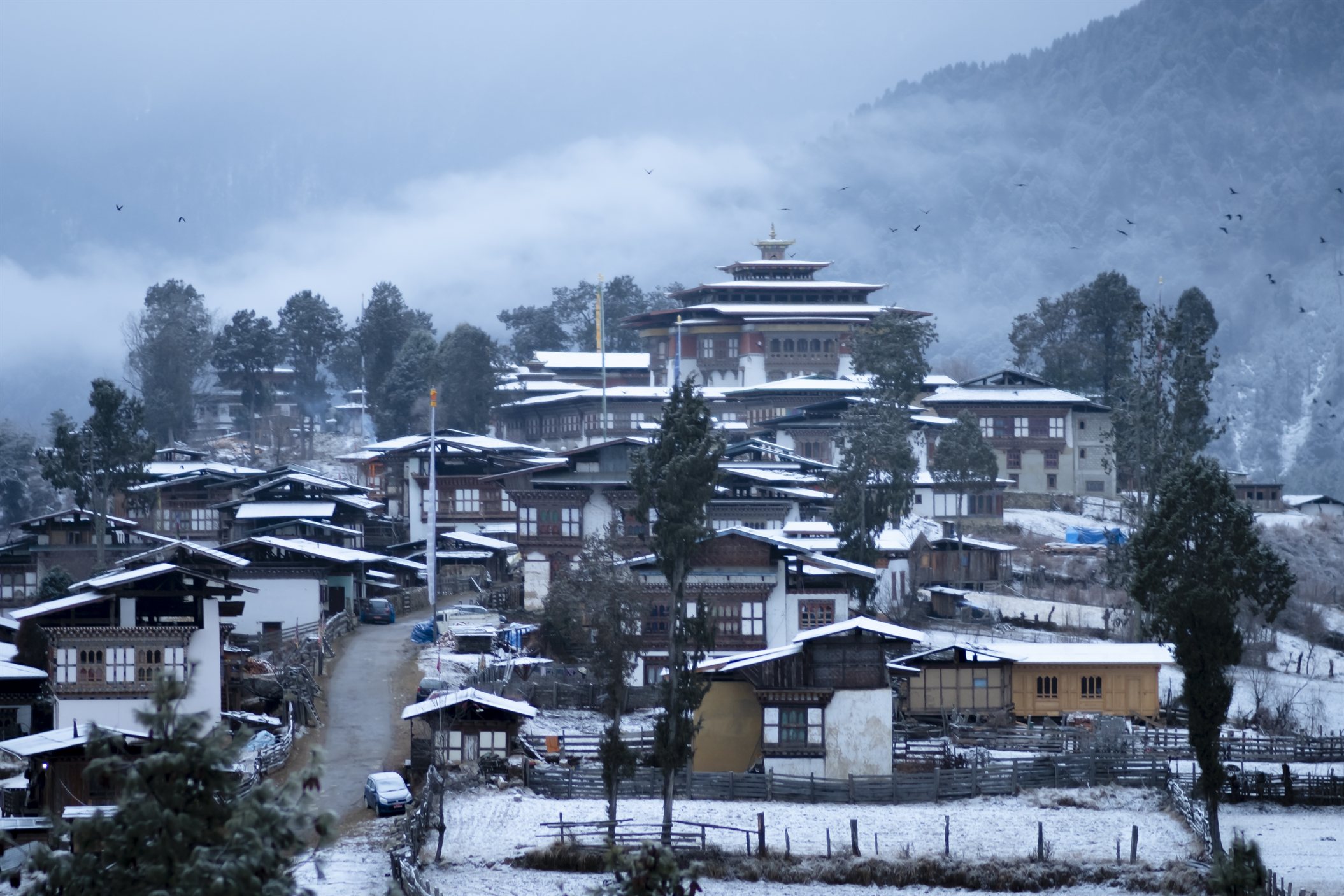
Bumthang’s high central valleys have cool summers and cold winters. Reaching them by road involves mountain passes where weather may differ from conditions at your hotel. Allow time for a slower journey.
Southern Bhutan
The southern foothills have a subtropical climate. Temperatures are higher and monsoon rainfall is much heavier than in Thimphu. Weather data for the capital should never be used as a direct expectation for the south.
How rainfall affects flights and roads
Paro is a mountain airport, and flights operate only when conditions meet safety requirements. Delays are possible in any season, but monsoon cloud and winter weather can increase uncertainty. Book international connections with a sensible buffer.
Bhutan’s roads cross steep terrain. Heavy rain can trigger landslides, while winter snow may affect high passes. A certified local driver understands changing road conditions and realistic journey times.
Keep essential medication, one change of clothes and important documents in your hand luggage. Good travel insurance should cover delays, disruption and medical care according to your needs.
What to pack for Bhutan’s changing weather
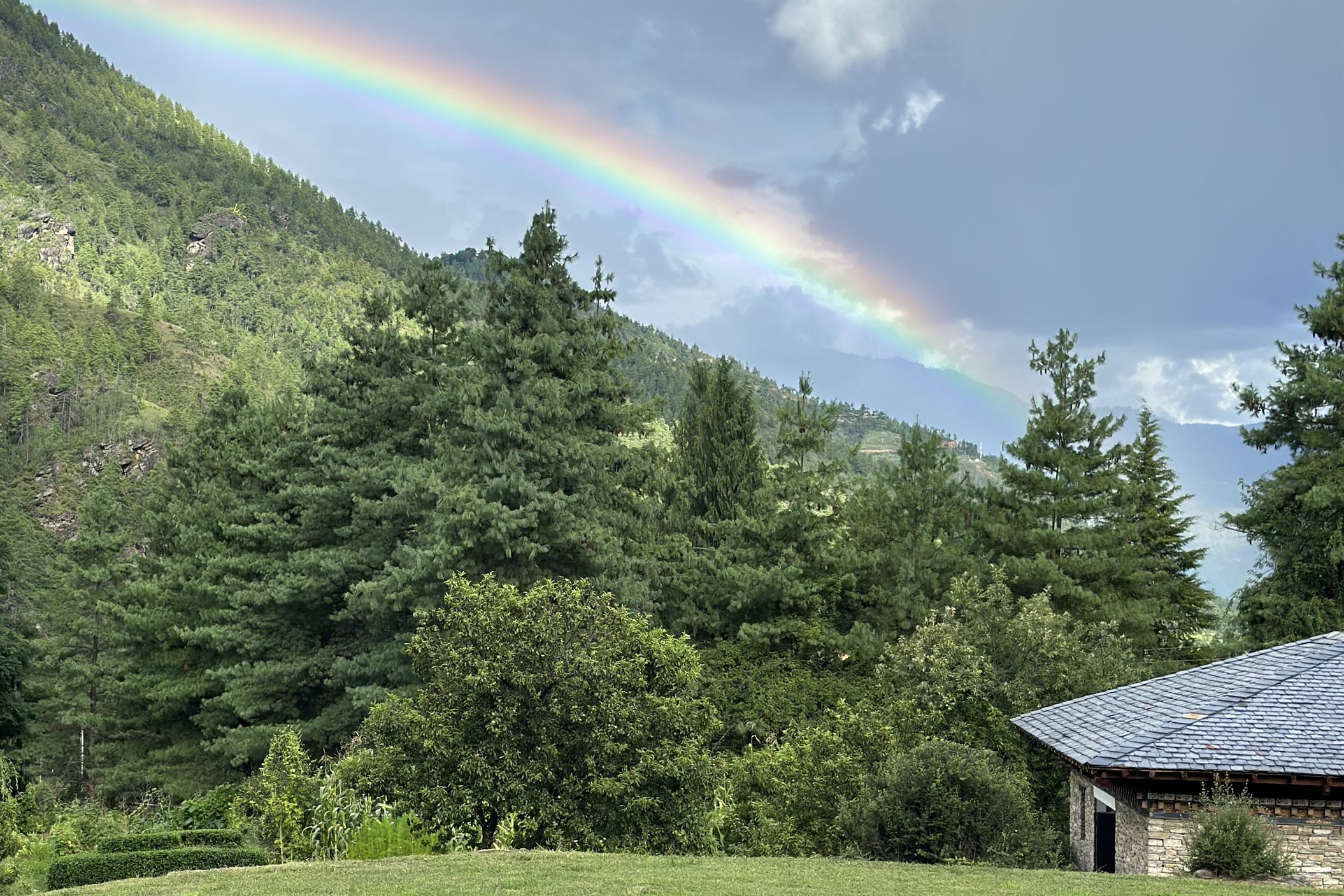
Every season calls for layers. A sunny valley can feel warm at midday, but a monastery interior, high pass or shaded forest may be much colder.
- Year round: comfortable walking shoes, sun protection, reusable water bottle, modest clothing and a small day bag
- Spring: light layers, warm evening jacket and compact waterproof shell
- Summer: breathable quick drying clothing, dependable rainwear, umbrella and waterproof storage
- Autumn: light daytime clothing, warm layers for mornings and a waterproof shell
- Winter: thermal base layers, insulated coat, warm hat, gloves and thick socks
Avoid relying on one bulky coat. Several layers let you adjust as elevation and activity change. Check the short range forecast shortly before each travel day.
Check out What to Pack for Bhutan.
Check out SoulTrips Bhutan destination page and Bhutan destination guide hub bring together further route and planning ideas.
Frequently asked questions
-
What is the coldest month in Bhutan?
January is generally the coldest month in the principal western valleys. Thimphu averages −2°C to 15°C, with colder nights in higher places such as Phobjikha and Bumthang. Southern and lower valleys remain warmer.
-
What is the wettest month in Bhutan?
July is the wettest month in the cited Thimphu climate data, with 147 mm of average rainfall. August is also very wet. The subtropical south receives substantially more monsoon rain than Thimphu.
-
Does it rain all day during Bhutan’s monsoon?
Not necessarily. Rain often falls in showers or overnight, with useful dry periods between. Prolonged rain is possible, so keep daily plans flexible and allow extra road time.
-
When does the monsoon start and end in Bhutan?
Monsoon conditions usually build in June and are strongest from late June or July through late September. The transition varies each year and by region. Southern Bhutan generally receives the heaviest rain.
-
Does it snow in Paro and Thimphu?
Snow is possible in both valleys during winter, but it is not guaranteed. Frost and temperatures below freezing at night are more common. Higher passes and central valleys have a greater chance of snow.
-
Is Bhutan warm in summer?
Yes. Thimphu’s average daytime maximum reaches 27°C in June, July and August, with warm nights and increased humidity. Lower Punakha and the southern foothills feel hotter.
-
Which month has the clearest mountain views?
October and November often provide excellent visibility as the monsoon clears. Dry winter mornings can also be very clear. No month guarantees an open view, so allow more than one opportunity if photography is important.
-
What weather should you expect at Tiger’s Nest?
The trail can be cold in winter, mild in spring and autumn, and wet or humid in summer. Conditions change with elevation during the climb. Start early and carry water, sun protection, a warm layer and rain protection.
-
Are weather forecasts reliable in Bhutan?
Short range forecasts are useful, but mountain weather can change quickly and vary between neighbouring valleys. Consult the official national weather service and ask your guide about local conditions. Treat broad app forecasts with caution.
-
Can weather disrupt travel in Bhutan?
Yes. Monsoon rain can affect roads, while cloud, wind or winter conditions can disrupt flights and high passes. A well planned itinerary includes buffer time and avoids critical same day connections.
Plan for the pattern, then stay flexible
Bhutan weather by month gives you a valuable framework, but it cannot capture every valley or every day. Spring grows warmer and more colourful, summer is wet and green, autumn becomes clearer, and winter is dry with cold nights. Elevation turns those patterns into many local climates.
Choose dates that match your priorities, pack adaptable layers and give road and flight plans breathing room. For help shaping a route around your preferred conditions, use the SoulTrips Plan My Trip service or contact SoulTrips.