By Soul Trips · Updated on 18 September, 2026
Bhutan Travel Guide: Visas, Daily Fees, Flights and What to Expect
Bhutan is one of those destinations where the journey begins long before you board the plane.
Known for its Himalayan landscapes, ancient monasteries, colourful festivals and distinctive Buddhist culture, Bhutan takes a carefully managed approach to tourism. For first-time visitors, understanding the visa process, Sustainable Development Fee (SDF), flights and local travel arrangements can make planning much easier.
The good news is that visiting Bhutan is more straightforward than many travellers expect.
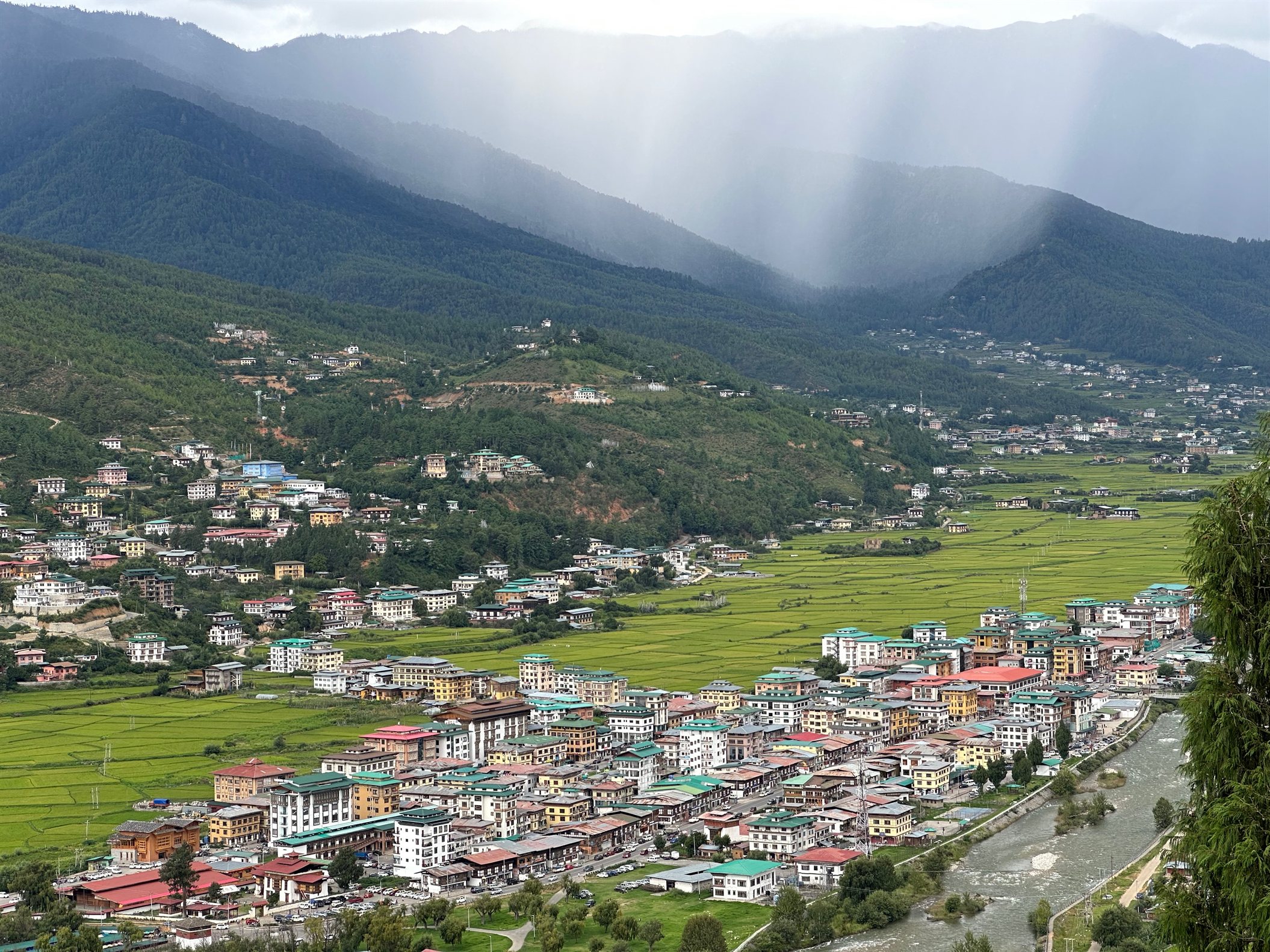
Do You Need a Visa for Bhutan?
For most international travellers, yes.
Visitors from countries other than India, Bangladesh and the Maldives need a Bhutanese visa before travelling. The visa can be applied for online, or a tour operator or certified hotel can assist with the application. The current visa processing fee is US$40 per person, paid alongside the Sustainable Development Fee.
A correctly completed application can take up to five working days to process, so it's best to apply well before your departure date.
You will generally need:
- A valid passport
- A recent digital passport photograph
- Arrival and departure dates
- Travel details
- Payment information
The visa allows visitors to remain in Bhutan for up to 90 days from the date of entry.
Indian travellers follow a separate permit process, while visitors from Bangladesh and the Maldives have different visa arrangements.
What Is Bhutan's Sustainable Development Fee?
The Sustainable Development Fee, or SDF, is a daily contribution paid by visitors to Bhutan.
For most international visitors, the current rate is US$100 per adult per night. Children aged 6 to under 12 pay US$50 per night, while children under six are exempt. Indian nationals have a separate SDF rate.
The SDF supports Bhutan's broader development priorities, including environmental conservation, cultural preservation, education, healthcare, infrastructure and skills development.
It's therefore useful to think of the SDF as part of the cost of travelling to Bhutan rather than simply an additional tourism charge.
What Does the SDF Include?
The SDF should not be confused with an all-inclusive travel package.
You will still need to budget separately for accommodation, meals, transportation, guides, activities and other elements of your trip.
What the SDF represents is a contribution towards Bhutan's sustainable development and the preservation of the country's natural and cultural heritage.
This approach is part of Bhutan's wider high-value, low-volume tourism philosophy, which aims to protect the country's environment and communities while providing meaningful experiences for visitors.
How Do You Fly to Bhutan?
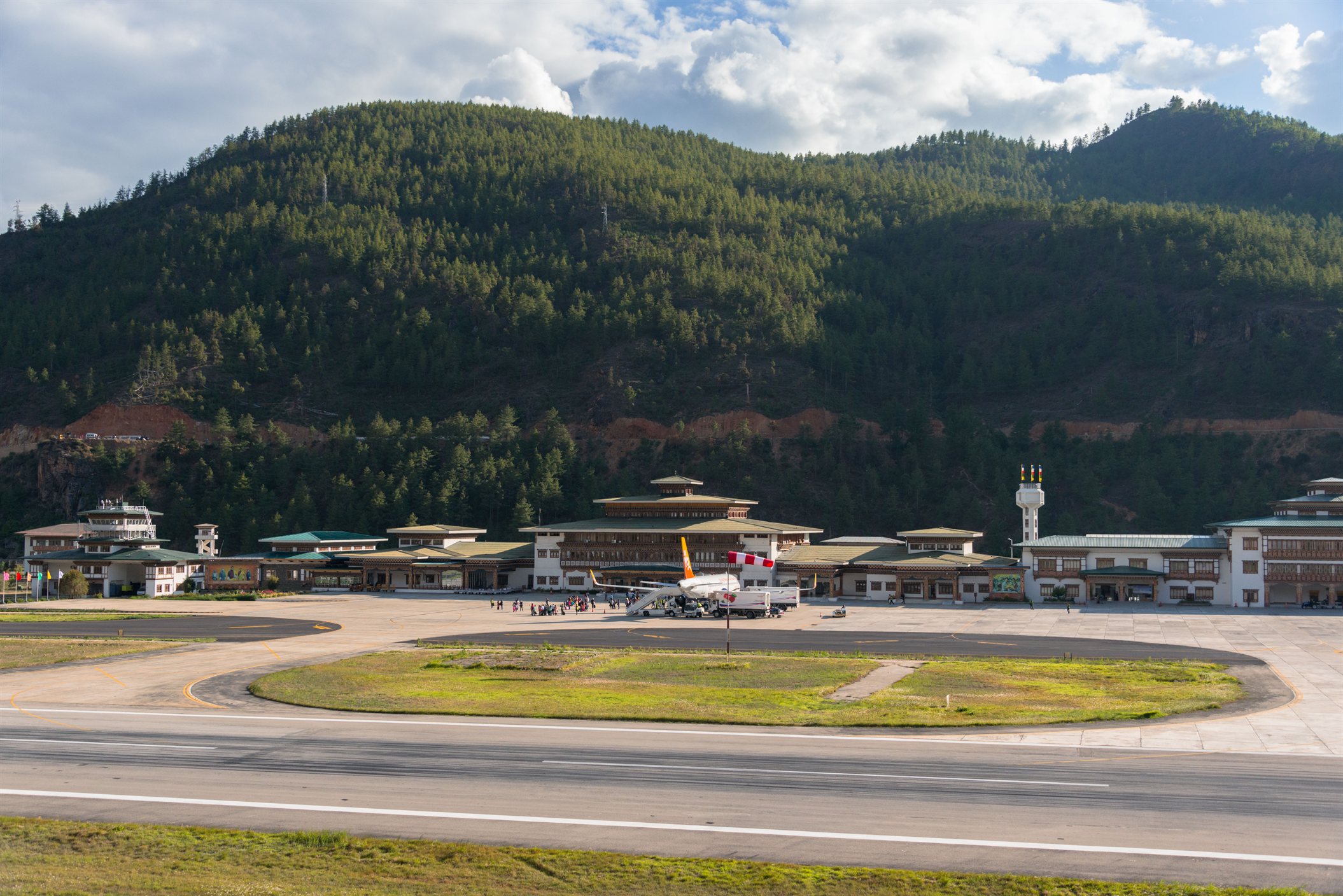
Most international visitors arrive through Paro International Airport, Bhutan's main international airport.
Bhutan has air connections with several regional cities, including Singapore, Bangkok, Delhi, Kathmandu and other destinations, although routes and schedules can vary depending on the season.
For travellers coming from Southeast Asia, Singapore and Bangkok can be particularly useful starting points.
Flight schedules to Paro can be limited compared with larger international airports, so it's important to check your connections carefully and avoid booking a very tight onward connection on the same day.
What Is the Flight Into Paro Like?
Arriving in Paro is an experience in itself.
The airport is located in a narrow Himalayan valley surrounded by mountains, forests and traditional Bhutanese architecture. The approach offers spectacular views when weather conditions are clear.
Because of Bhutan's mountainous geography and changing weather, flight operations can be affected by conditions. Allowing some flexibility in your itinerary is therefore sensible.
Do You Need a Guide?
Bhutan has mandatory guide requirements for tourists, and guides play an important role in the country's tourism experience.
A local guide isn't simply someone who takes you from one sightseeing stop to another.
They can explain:
- Bhutanese history
- Buddhist traditions
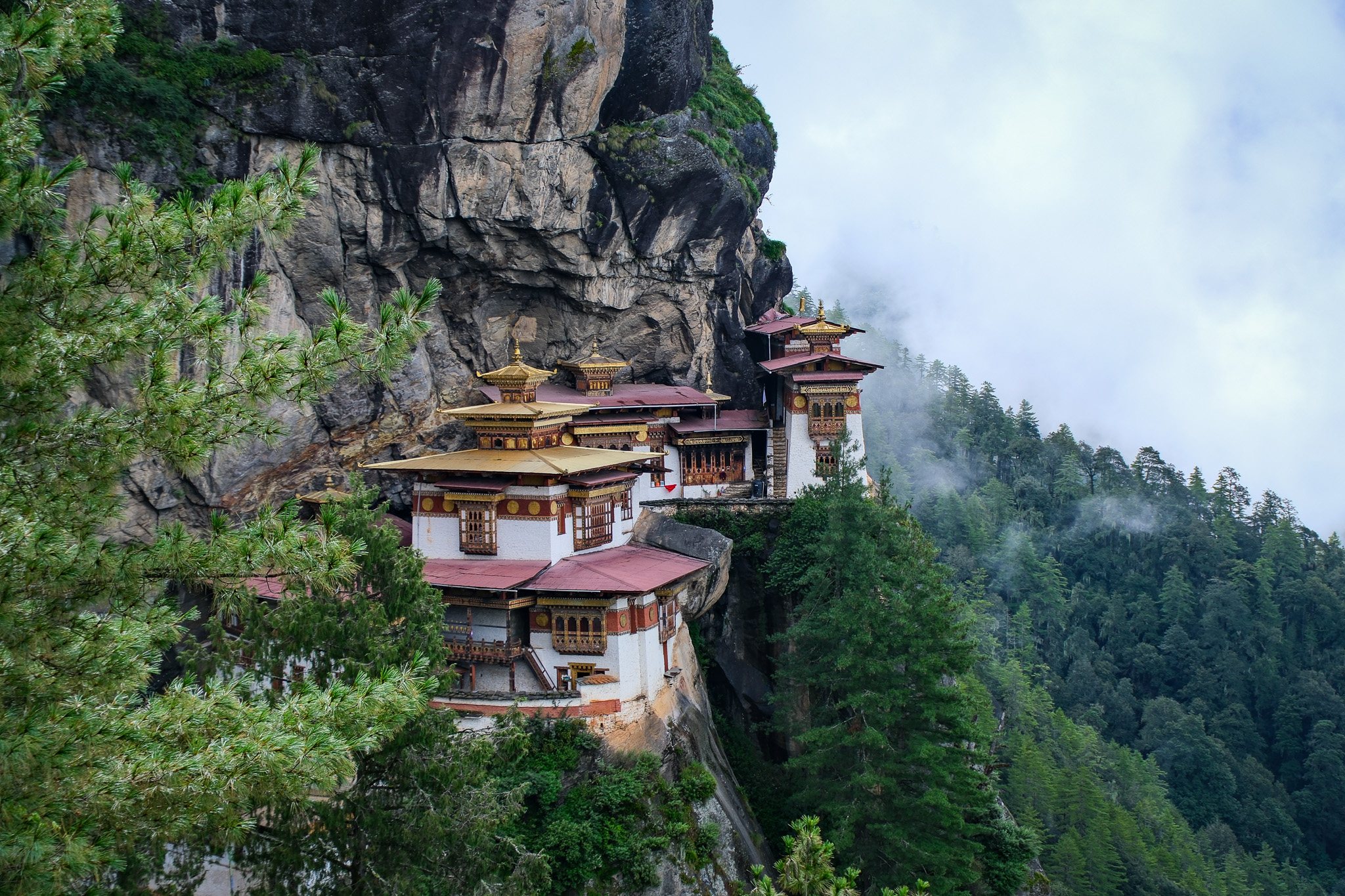
- Dzong architecture
- Local customs
- Religious symbolism
- Festivals and ceremonies
- Traditional lifestyles
This can make a significant difference when visiting temples, monasteries and dzongs. Instead of simply seeing an impressive building, you gain a better understanding of why the place matters.
What Should You Expect When Travelling Around Bhutan?
Bhutan is a destination where short distances can take longer than expected.
Mountain roads are winding, and travelling between valleys can take several hours even when the distance on a map looks relatively short.
That's why a well-paced itinerary is important.
A typical journey might include:
- Paro
- Thimphu
- Punakha
- Traditional villages
- Buddhist monasteries
- Scenic mountain passes
- Short hikes
- Local food experiences
- Cultural activities
Rather than trying to see every region, it's often better to spend more time in fewer places.
What Should You Wear?
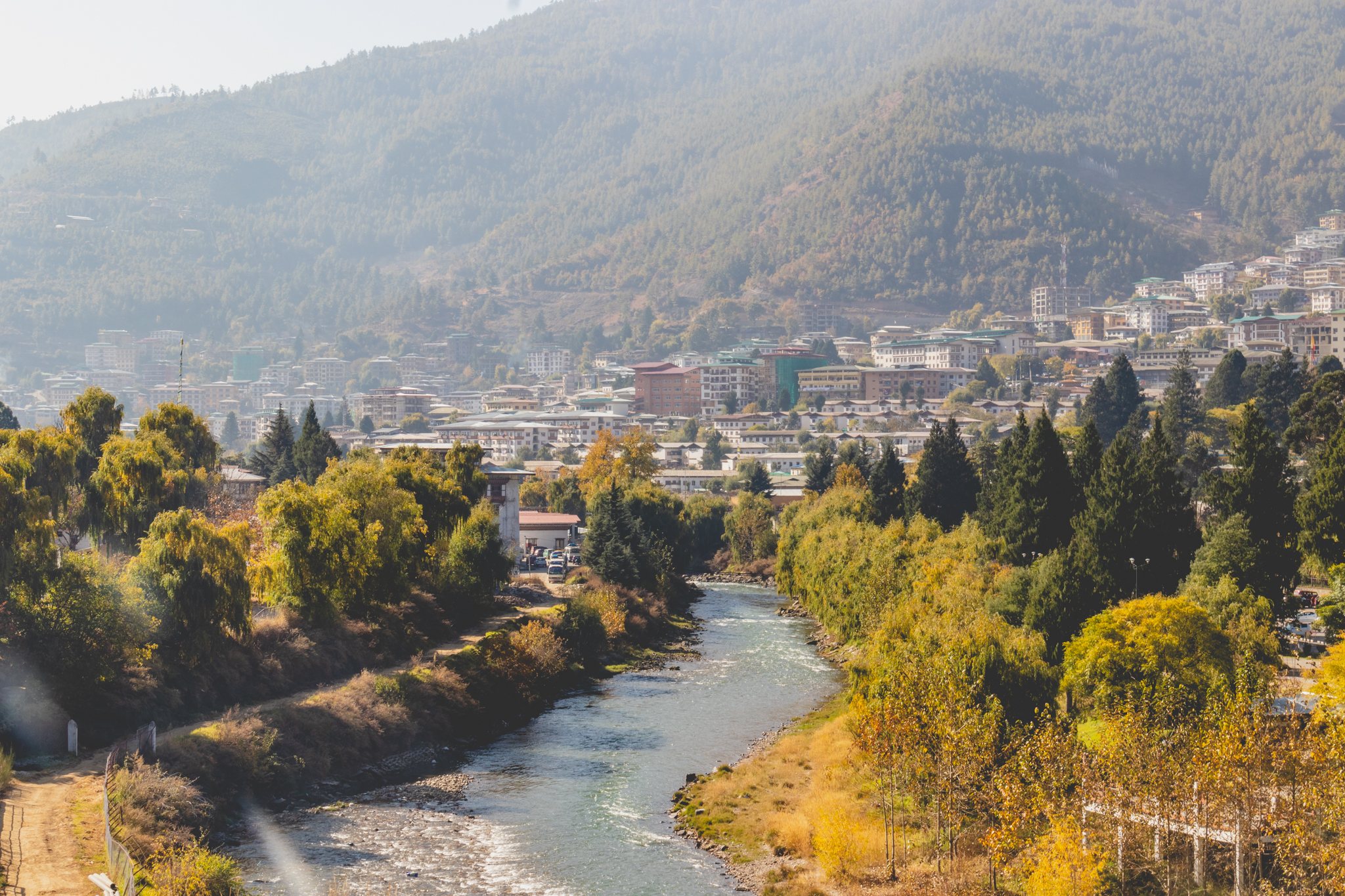
Bhutan is culturally conservative, particularly around religious sites.
Comfortable clothing is suitable for most sightseeing, but when visiting temples, monasteries and dzongs, dress respectfully. Clothing that covers the shoulders and knees is generally appropriate.
Your guide can also advise you about specific requirements at individual religious sites.
Comfortable walking shoes are highly recommended, as even a sightseeing itinerary can involve steps, uneven paths and short hikes.
How Many Days Do You Need?
For a first visit, 7 to 10 days is a good starting point.
5–6 Days
A shorter trip can focus on Paro, Thimphu and Punakha, giving you an introduction to Bhutan's culture and landscapes.
7–10 Days
This is ideal for many first-time visitors. You'll have time to explore the main western valleys without spending the entire trip on the road.
10–14+ Days
Consider a longer journey if you want to explore eastern Bhutan, include trekking, visit more remote communities or simply travel at a slower pace.
Bhutan rewards travellers who don't try to rush through it.
When Is the Best Time to Visit?
Bhutan can be visited throughout much of the year, but the best season depends on what you want to experience.
Spring brings flowers and generally pleasant conditions, while autumn is popular for clearer mountain views and comfortable weather.
Winter can be colder, particularly at higher elevations, but offers quieter travel and crisp mountain landscapes.
Summer brings more rainfall, particularly during the monsoon, although the valleys can remain lush and green.
If you're interested in experiencing a Tshechu festival, plan around the specific festival dates, as accommodation and transport can become more sought after.
What Makes Bhutan Different?
Bhutan isn't simply another Himalayan sightseeing destination.
Its approach to tourism places considerable emphasis on culture, nature, sustainability and meaningful experiences. The country maintains extensive forest cover and has developed a tourism model designed to protect its environment and communities.
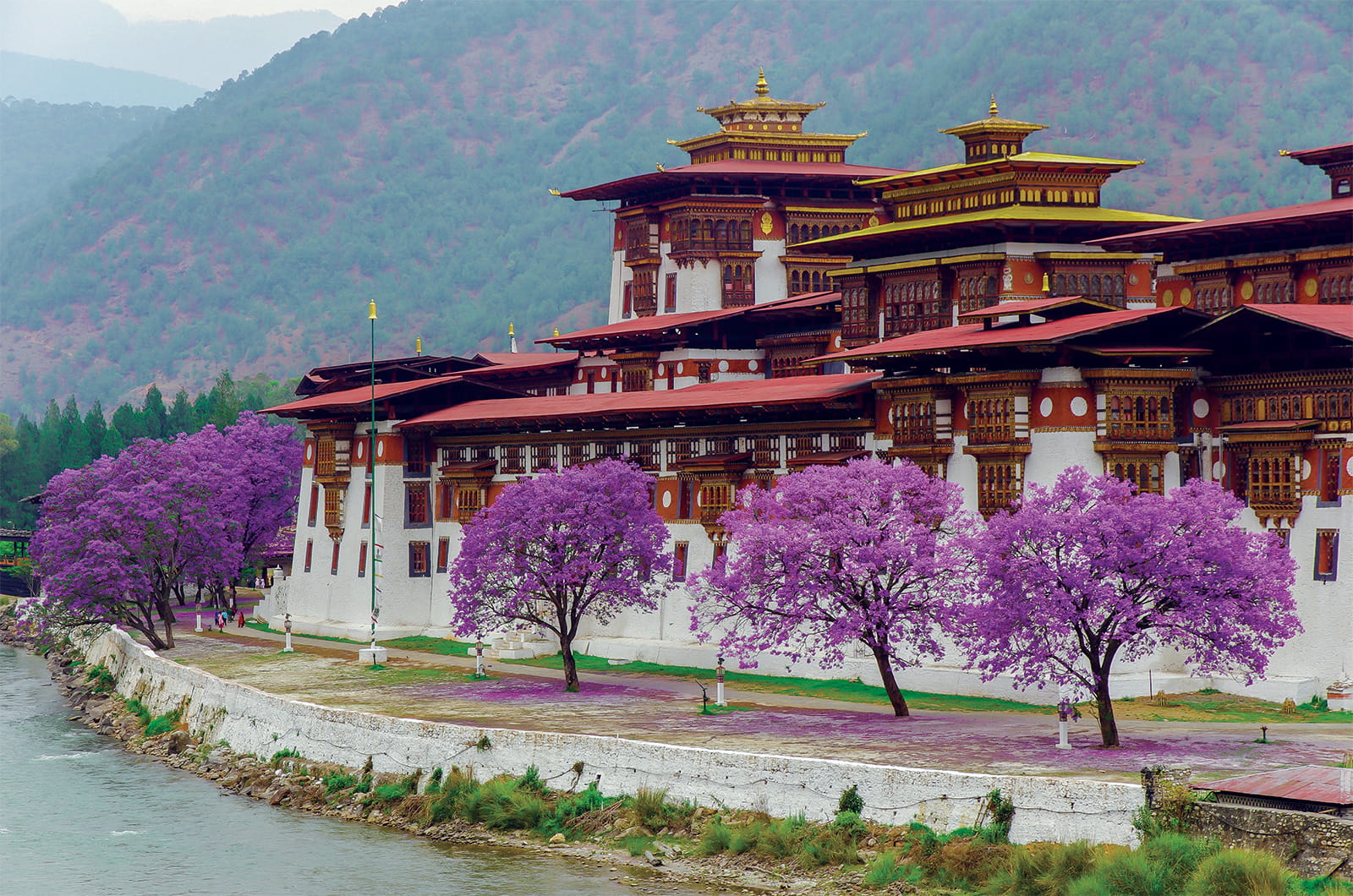
For travellers, this means the experience can feel very different from a conventional holiday.
A visit to a monastery can become an introduction to Buddhist philosophy. A drive through the mountains can become part of the experience itself. And time spent with a local guide can provide insights that you wouldn't get from travelling independently.
Start Planning Your Bhutan Journey
Once you understand the visa, SDF and flight arrangements, planning a Bhutan trip becomes much easier.
The most important decision is not simply how many places you can visit, but how you want to experience the country.
If Bhutan is on your travel list, explore the Bhutan destination to discover its landscapes, culture, regions and experiences. When you're ready to go further, you can also browse SoulTrips' Bhutan travel options and use them as inspiration for creating a journey suited to your preferred pace and interests.