By Soul Trips · Updated on 18 September, 2026
Bhutan Travel Etiquette: What Travellers Should Know About Culture
Bhutan travel etiquette is less about memorising a rigid list of rules and more about arriving with attention. Religion, community and national identity are visible in ordinary life. Prayer flags cross mountain passes, monks share courtyards with families, national dress is part of work and celebration, and dzongs remain active centres of government as well as faith.
Visitors are warmly received, and honest mistakes are usually met with patience. Respect begins by slowing down, observing what local people do and listening to your guide. Dress modestly at sacred sites, ask before photographing people or rituals, lower your voice in temples and never treat religious objects as props.
Bhutan is a country where heritage, nature and daily life remain closely connected. This guide helps you take part as a considerate guest.
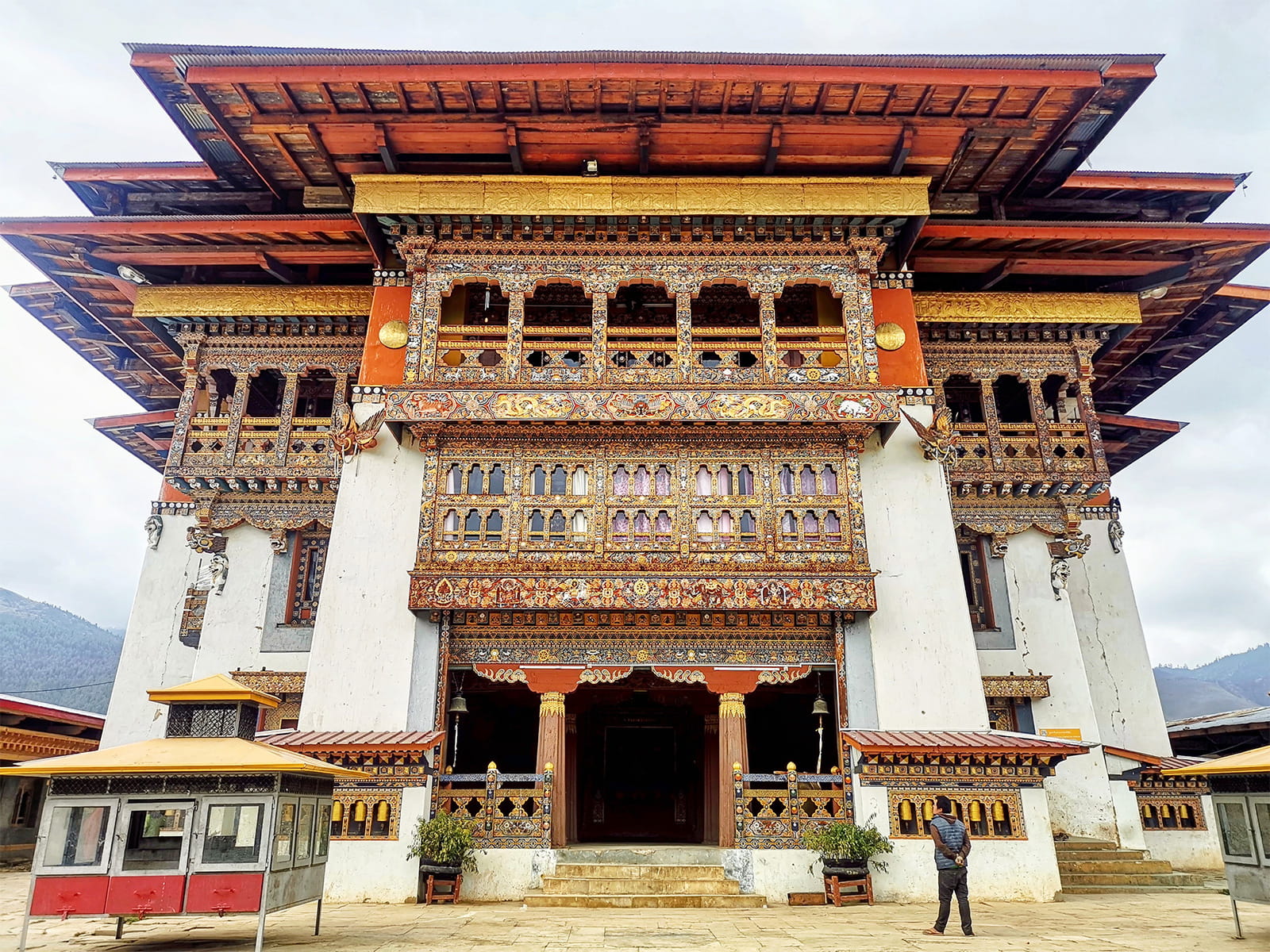
The foundations of Bhutan travel etiquette
Keep five principles in mind throughout your journey:
- Follow your guide’s instructions at religious and official sites.
- Dress neatly and modestly when entering dzongs, temples and monasteries.
- Ask before photographing people, ceremonies or interiors.
- Move calmly and avoid touching sacred objects.
- Be curious without turning private beliefs or daily life into a spectacle.
Rules can differ by site and occasion. A courtyard may allow photography while the inner temple does not. A festival may welcome visitors in one area and reserve another for local participants.
Understanding Bhutan’s living culture
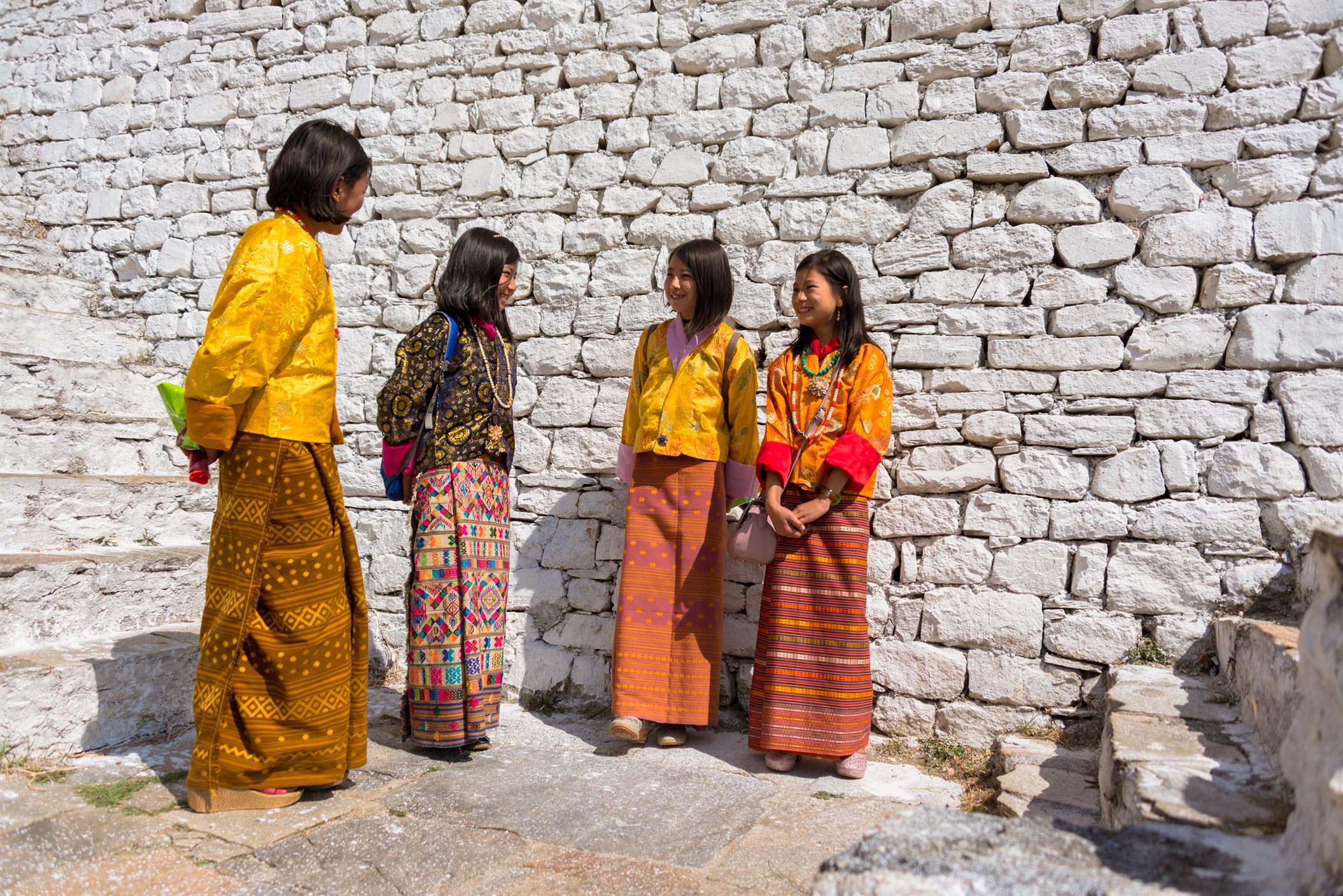
Bhutan is a Buddhist kingdom with deep regional traditions and a strong sense of continuity. Monasteries and temples are not museum displays. They are active places of prayer, teaching and community gathering. Dzongs combine religious, administrative and historical roles.
This living character is what makes travel so compelling. You may see schoolchildren in national dress, families offering butter lamps, farmers turning prayer wheels or officials crossing a dzong courtyard. The respectful response is not to exoticise the moment. Notice it, ask thoughtful questions and accept that some spaces are not for visitors.
For a broader introduction, explore the SoulTrips Bhutan destination page and Bhutan destination guides.
Greetings and everyday manners
A smile and a gentle greeting go a long way. English is widely used in tourism and education, while Dzongkha is the national language. You are not expected to speak Dzongkha, but a sincere attempt at a simple greeting can be appreciated.
Use a calm tone and allow conversations to unfold without rushing. Bhutanese communication can feel less direct than the style used in some business settings. A polite pause does not mean confusion. Give people time to respond.
When offering or receiving an object, using both hands can signal care and respect. Avoid pointing at a person or sacred object with one finger. An open hand is gentler. Public displays of anger, impatience or humiliation can cause discomfort and rarely solve a problem.
If a plan changes because of weather, a religious event or road conditions, respond with flexibility. Your guide is often balancing logistics with relationships and local protocol.
Dress code for temples, monasteries and dzongs
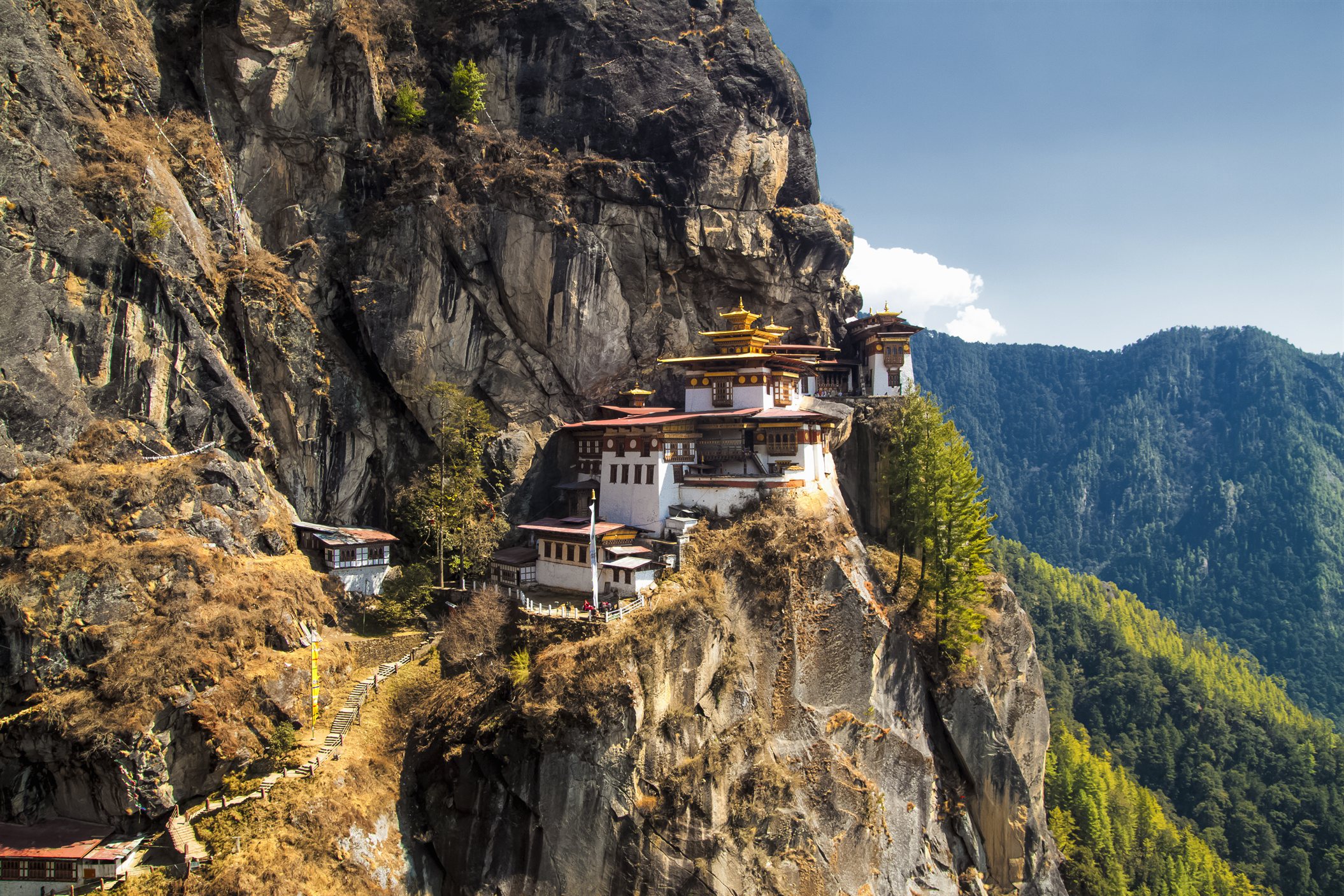
Wear clothing that covers your shoulders and knees. Long trousers, modest skirts and tops with sleeves are reliable choices. Avoid transparent fabrics, very tight clothing, beachwear and damaged garments.
Remove hats and sunglasses when asked. Some inner spaces require shoes to be removed, so wear clean socks and footwear that is easy to take off.
Cold stone floors and shaded interiors can feel much cooler than the valley outside. A cardigan, shawl or light jacket is useful even in warmer months. The Bhutan packing list can help you combine practical layers with respectful clothing.
At government areas within a dzong, access may be limited. Stay with your guide, respect signs and avoid wandering into offices.
Behaviour inside sacred spaces
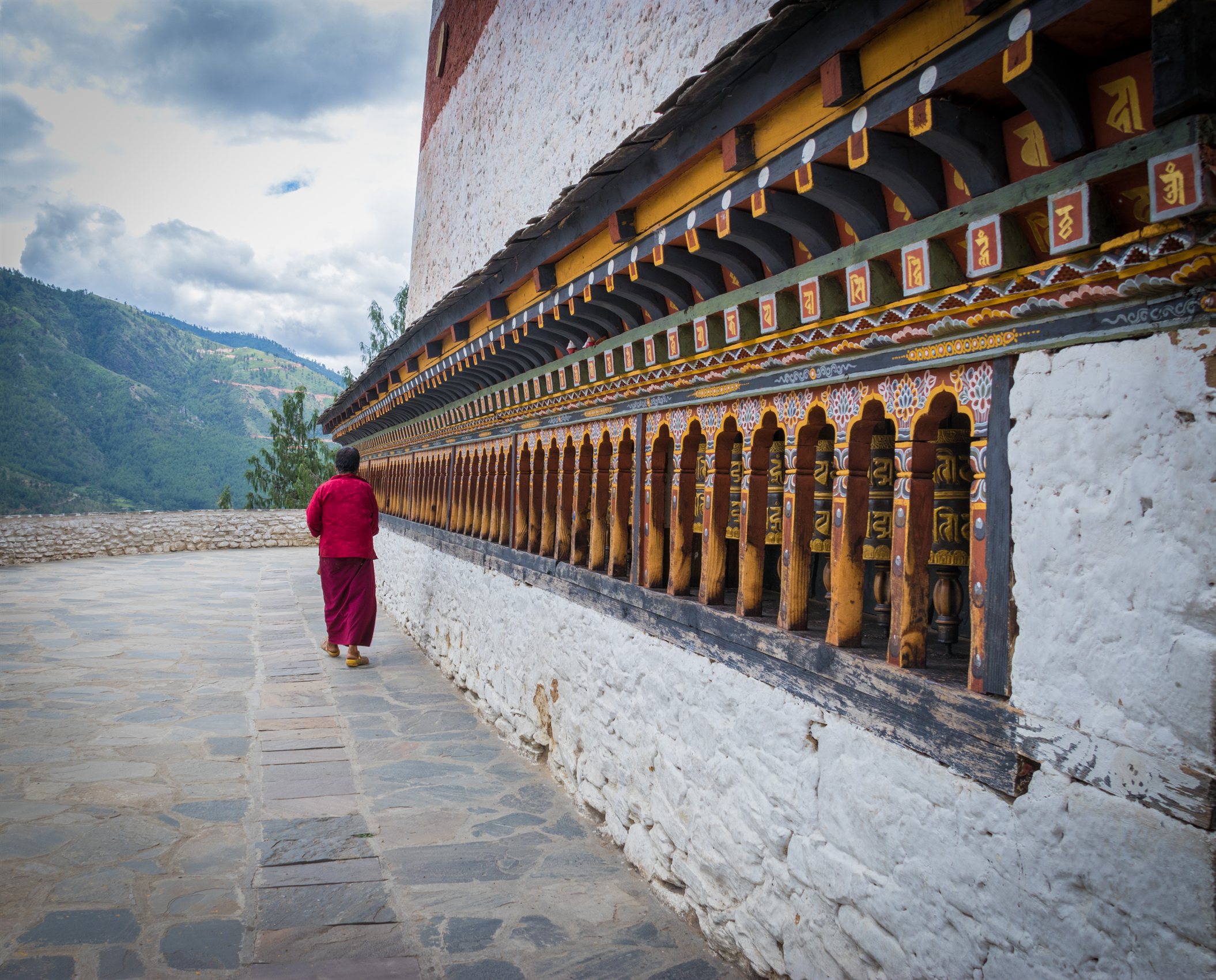
Lower your voice and silence your phone. Walk rather than rush, and give worshippers room to complete prayers. If a ceremony is under way, wait for guidance before entering or sitting.
Do not touch statues, murals, ritual instruments, scriptures or offerings. Never sit on an altar, place belongings on a sacred surface or pose in a way that trivialises religious imagery. Food and drink should remain outside unless specifically permitted.
Many Bhutanese people circumambulate temples, chortens and other sacred objects clockwise. Turn prayer wheels in the clockwise direction, and move with the flow. Your guide will point out exceptions or site specific customs.
If you wish to light a butter lamp or make an offering, ask how to do it. A small sincere offering is more appropriate than a dramatic gesture. Do not photograph the act simply to prove it happened.
Photography etiquette
Outdoor photography is generally easy, but sacred interiors and ceremonies often have restrictions. Ask before raising your camera. A no photography sign applies to phones as well as professional cameras.
Photographing people requires judgement. Ask parents before photographing children. Seek permission from monks, artisans, market vendors and villagers, particularly for close portraits. A smile or nod is not always clear consent, so use words where possible.
Do not block a procession, interrupt prayer or step into a restricted area for a better angle. Avoid flashes near rituals and fragile artworks. If photography is allowed, take a few images and then be present.
Drones are strictly prohibited in Bhutan. Do not attempt to bring a drone into Bhutan as it will be confiscated.
Festival etiquette
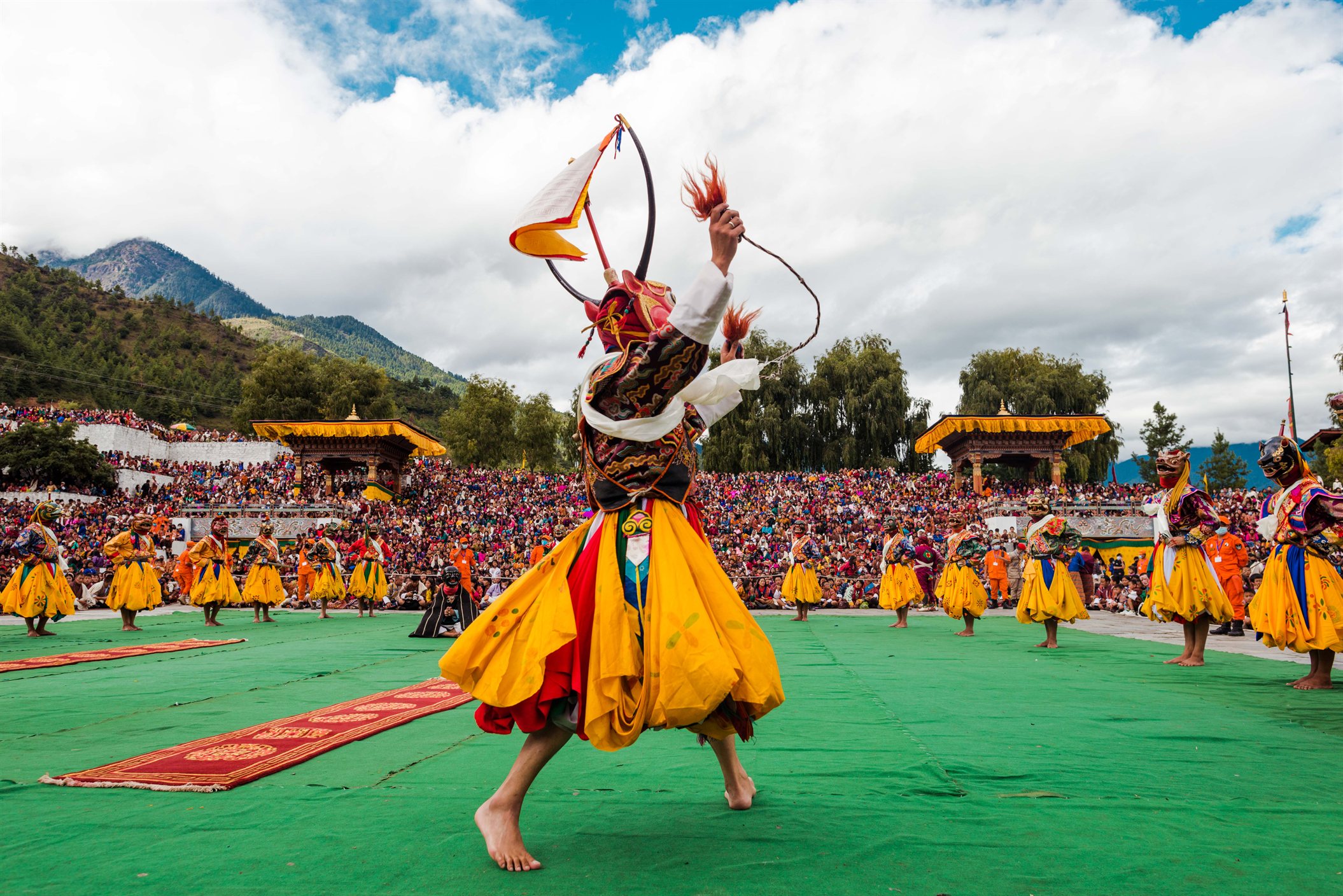
Tshechus are religious and community occasions, not performances staged solely for tourists. Mask dances carry teachings and blessings, and local families may spend hours or days at the venue.
Arrive early with your guide and use the visitor area indicated. Sit without blocking the view of elders or children. Keep camera equipment compact and do not enter the dancers’ space. Avoid loud conversation during significant moments.
Dress neatly with shoulders and knees covered. Many Bhutanese people wear formal national dress, so torn hiking clothes can feel out of place. Accept that crowds, dust and long periods of sitting are part of the experience.
The Bhutan festivals guide explains popular tshechus, timing and practical preparation. Festival dates follow religious calendars and can change, so confirm them before arranging flights.
National dress: gho and kira
The gho is traditionally worn by men and the kira by women, with additional garments and details reflecting formality and occasion. National dress is a living part of Bhutanese identity, worn in schools, government offices, festivals and important settings.
Visitors may be invited to try national dress during a cultural experience. Treat the garments with care and follow the host’s instructions. Avoid wearing them as a joke, mixing them with disrespectful props or claiming cultural authority after a brief experience.
Buying Bhutanese textiles can support skilled artisans. Ask about the origin, fibre, weaving technique and maker. Handwoven pieces take time and should not be bargained down aggressively.
Visiting homes and villages
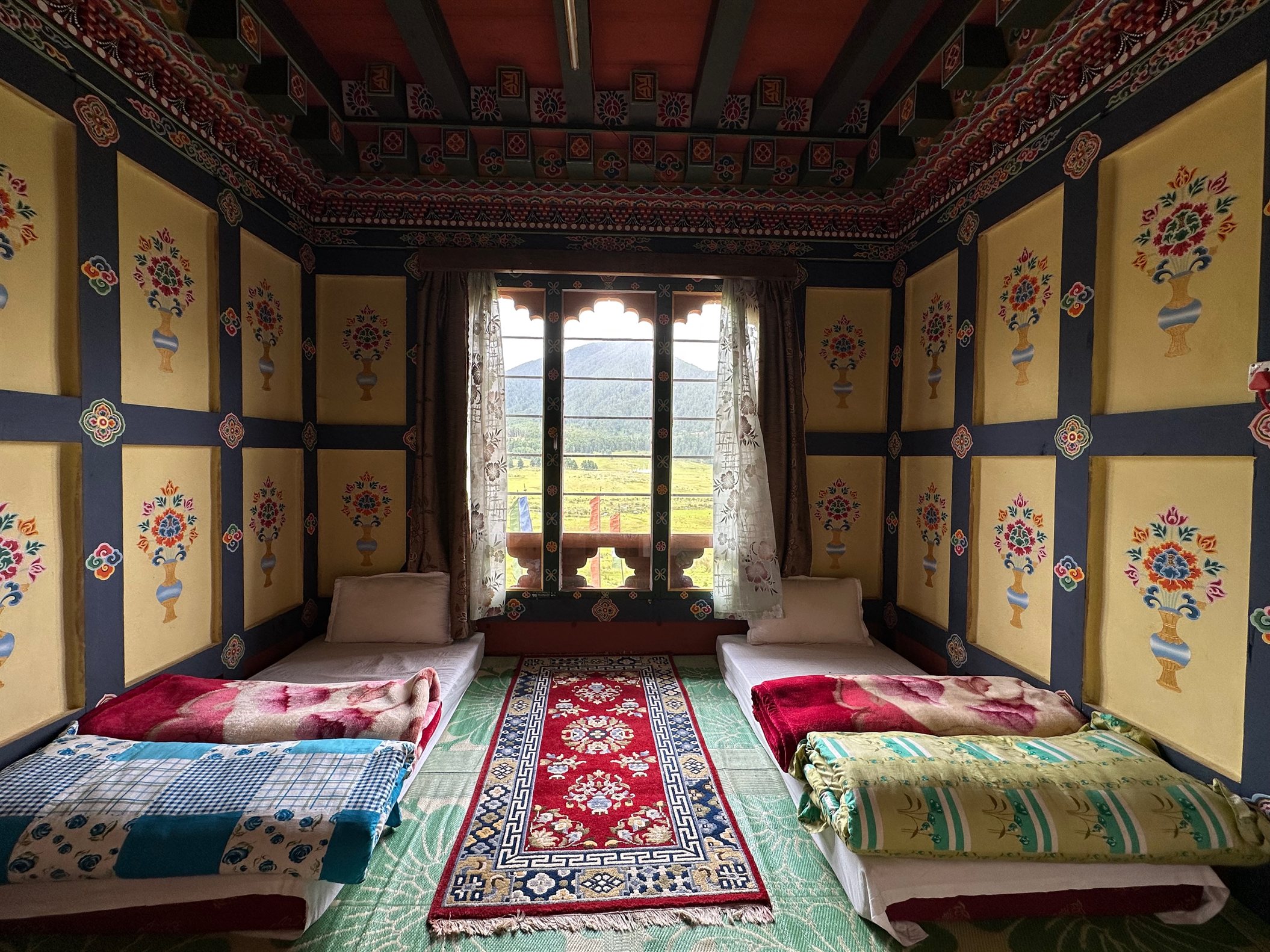
A home visit or farm stay can be a highlight because it moves the journey from sightseeing to conversation. Wait to be shown where to sit and where to place shoes or bags. Accept tea or food graciously if you can, while stating allergies or dietary needs clearly.
Do not roam through private rooms, open doors or photograph family altars without permission. Ask before taking portraits or sharing images online. A home is not a set.
If you bring a gift, keep it modest and useful. Your travel specialist can advise on what is culturally appropriate. Giving sweets or money directly to children can create awkward expectations; support a legitimate community initiative instead.
The official guide to homestays and hotels explains certified local accommodation. For a route with community encounters, consider the East to West Cultural Expedition.
Dining etiquette and hospitality
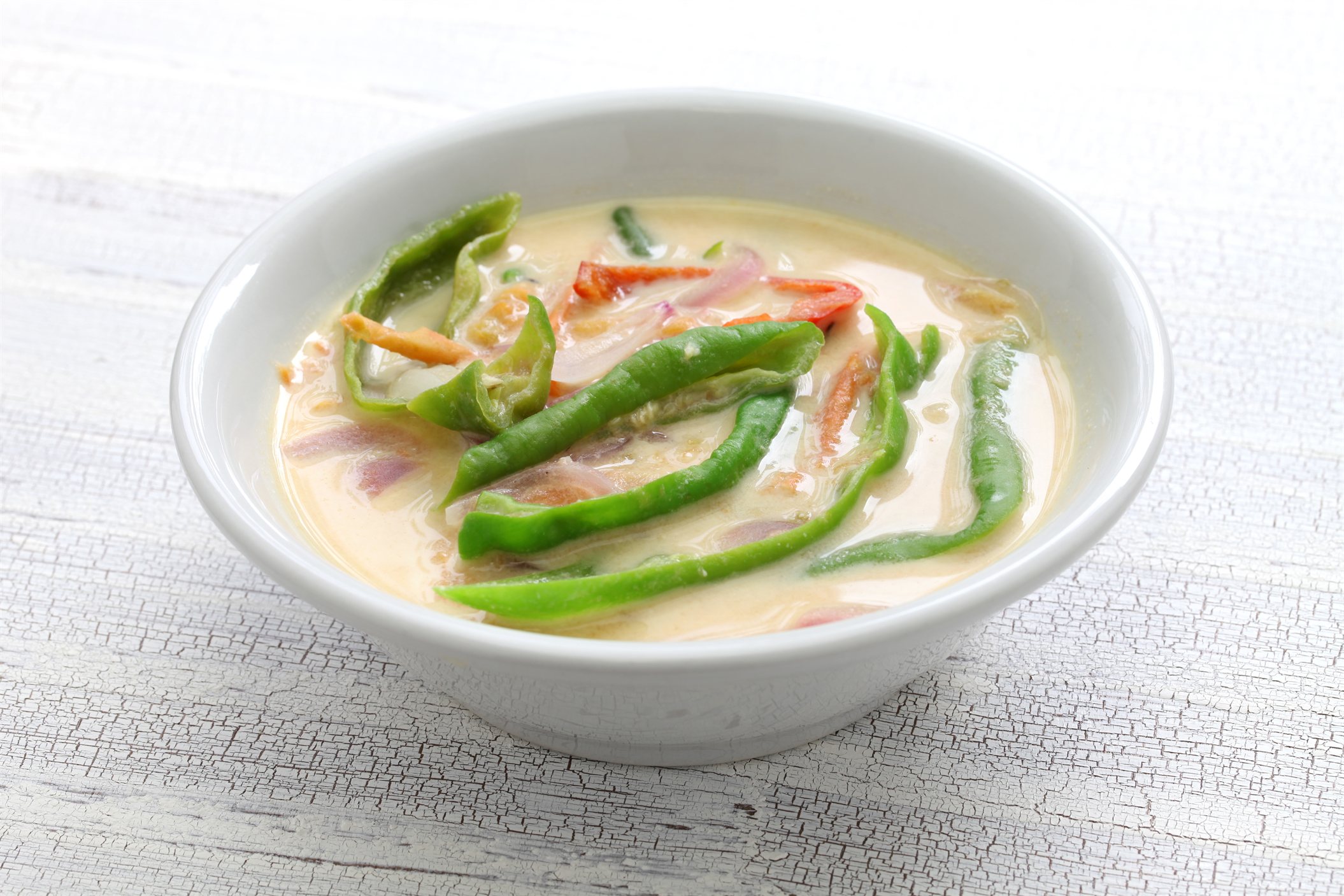
Meals may be served as a hotel buffet, a restaurant set menu or a generous spread in a home. Wait for your host or guide to indicate where to sit and when to begin. Use serving utensils and take a modest first portion before returning for more.
Bhutanese food can be spicy, and chilli is often treated as a main ingredient. It is perfectly acceptable to request milder food, but do so politely and early. Dietary restrictions should be communicated before the trip because remote kitchens need time to prepare.
Tea, including butter tea, may be offered as hospitality. Try a small amount if you are comfortable, and decline gently if health or preference prevents it. Alcohol may be offered in some social settings. You are never required to drink.
Read the Bhutan food guide before your first meal so names such as ema datshi, momos and red rice feel familiar.
Respect for monks and religious practitioners
Monks are individuals as well as representatives of a religious tradition. Greet them respectfully, avoid intrusive questions and ask before taking photographs. Do not touch robes, ritual objects or a monk’s head.
Physical contact conventions can differ by gender and setting. Allow the monk or your guide to lead. If receiving a blessing, watch the people ahead of you and follow instructions quietly.
Do not assume every monk wants to discuss philosophy in English. Some may be busy, in retreat or simply private. A short respectful encounter can be meaningful without becoming an interview.
Environmental etiquette
Bhutan’s conservation identity does not remove the visitor’s responsibility. Carry reusable water bottles where safe refill arrangements exist, refuse unnecessary packaging and keep litter with you until a proper bin is available.
Stay on marked paths, especially around fragile slopes and farmland. Do not pick plants, disturb wildlife or tie personal prayer flags without local permission. Prayer flags have religious meaning and are not decorative souvenirs.
Use water and heating thoughtfully at remote lodges. A hot shower and warm room may require more resources than in a city hotel. Follow the property’s guidance without expecting wilderness settings to operate like urban resorts.
Etiquette on roads and trails
Mountain roads are shared by cars, livestock, pedestrians and cyclists. Follow the driver’s safety advice and wear a seat belt where provided. Do not pressure the driver to speed because an online map suggests a shorter journey time.
On trails, greet people, give way where sensible and avoid loud music. Walk around religious structures in the locally appropriate direction. Ask before entering farm fields or private paths.
At high viewpoints, prayer flags and chortens deserve the same respect as temple interiors. Do not climb on them for photographs or remove stones and offerings.
Shopping, bargaining and crafts
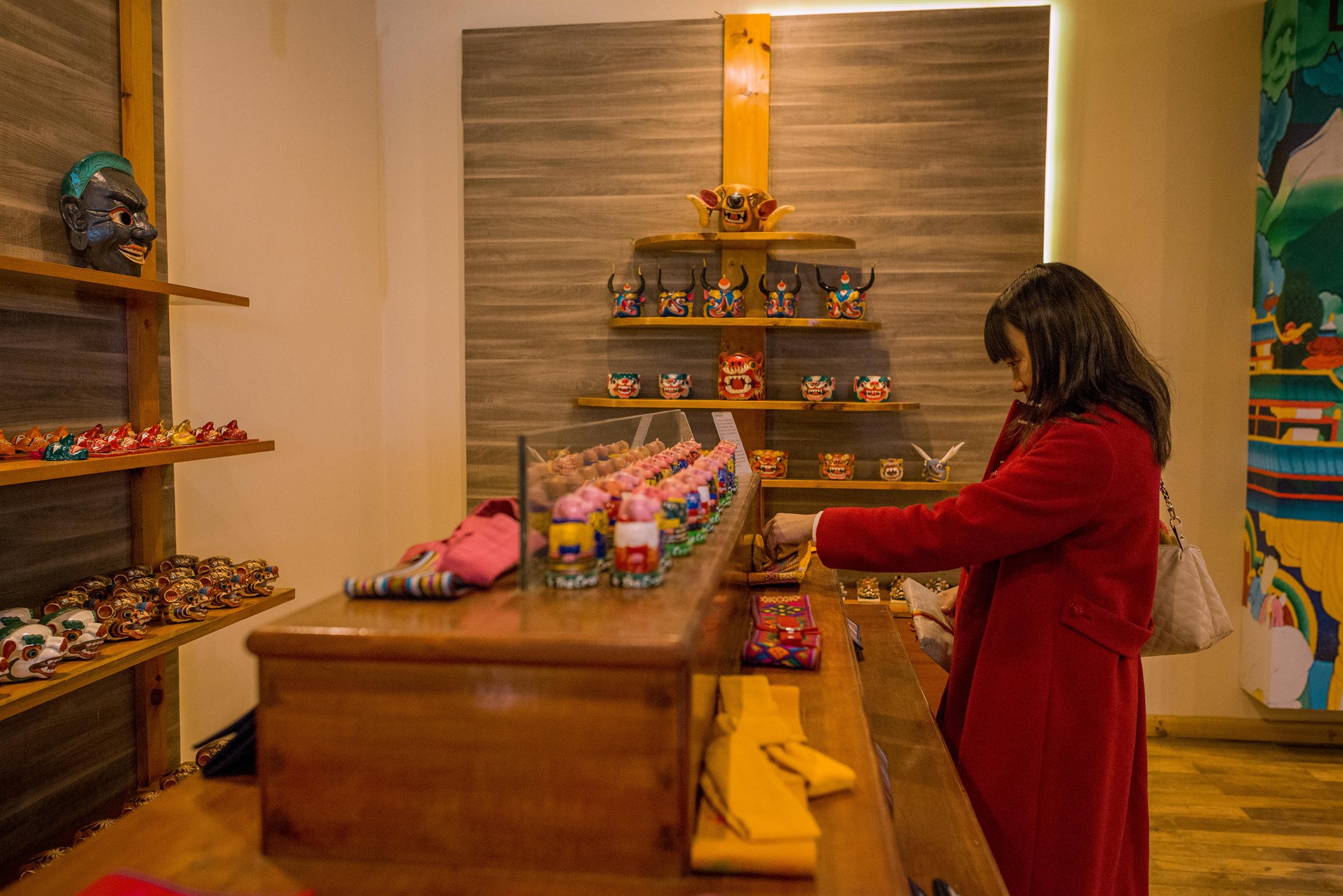
Bhutanese textiles, woodwork, paper, incense and other crafts can carry substantial labour and cultural knowledge. Ask questions about the maker and material. A fair price supports continuity of skill.
Some bargaining may be possible in markets, but aggressive bargaining over handmade work is rarely graceful. Compare quality and provenance rather than pushing every seller to the lowest figure.
Antiques and religious objects may be subject to export controls. Request receipts and official documentation for valuable items.
Tipping guides, drivers and hotel staff
Tipping is discretionary but commonly appreciated for good service. There is no need to turn it into an anxious daily calculation. Consider service quality, trip length, group size and local guidance.
Give tips directly and privately, ideally at the end of the service. A sincere thank you and specific feedback also matter.
Do not use tips to demand rule breaking, unsafe driving or special access. Good service includes protecting the guest and respecting local institutions.
Conversations about politics, religion and Gross National Happiness
Bhutan is often reduced to a single phrase about Gross National Happiness. It is a richer, more complex society than a slogan. Ask open questions and avoid expecting every person to represent national policy.
Political and religious discussions deserve the same tact you would use at home. Listen more than you lecture. Do not press someone to criticise institutions or disclose personal beliefs.
The most interesting conversations often concern ordinary life, family, education, work, food and changing communities. The SoulTrips reflection Returning to Bhutan: Finding Peace in the Ordinary captures this quieter dimension.
Common mistakes to avoid
Avoid entering a sacred space in revealing clothes, photographing without permission, touching murals or statues, climbing on religious structures and talking loudly during prayer. Do not hand out gifts to children, bargain harshly with artisans or treat guides as servants.
Another mistake is performing spirituality for the camera. Give rituals space and allow moments to remain private. You can value a blessing or temple visit without broadcasting it immediately.
Finally, do not assume one custom applies everywhere. Bhutan has regional and community differences. Ask your guide with genuine curiosity.
Frequently asked questions
-
What is the dress code in Bhutan?
Everyday travel clothing can be relaxed, but dzongs, temples and monasteries require modest dress. Cover shoulders and knees, remove hats when asked and avoid transparent or damaged clothing.
-
Can I take photographs inside Bhutanese temples?
Photography is often restricted inside sacred rooms. Ask your guide before using a phone or camera and obey every sign. Outdoor courtyards may have different rules.
-
Should I walk clockwise around temples?
Clockwise movement is common around temples, chortens and prayer wheels. Follow local people and your guide because site arrangements can differ. Never push against a religious procession.
-
Can visitors wear a gho or kira?
Yes, when invited or properly fitted by a host. Treat the garments as national dress rather than costume. Wear them respectfully and ask about their meaning.
-
Is tipping expected in Bhutan?
Tipping is discretionary and appreciated for good service. The amount depends on trip length, party size and service quality. Ask for current local guidance before travel.
-
How should I greet monks?
A calm verbal greeting and slight inclination of the head are respectful. Avoid initiating physical contact or taking a photograph without permission. Let your guide lead in formal settings.
-
Is public affection acceptable?
Keep public affection restrained, especially at religious and rural sites. A warm manner is fine, but highly intimate behaviour can cause discomfort. Observe the setting.
-
Can I give money or sweets to children?
Direct gifts can create unhealthy expectations and unequal encounters. Support an established community organisation or school initiative through an appropriate channel. Ask your guide before giving anything.
-
What language is spoken in Bhutan?
Dzongkha is the national language, and several regional languages are spoken. English is widely used in education and tourism. A few polite local words are appreciated but not required.
-
What if I accidentally break a rule?
Stop, apologise and follow the correction without arguing. Most genuine mistakes are handled kindly. Your response matters more than defensiveness.
Travel as a considerate guest
Bhutan travel etiquette is ultimately about awareness. Dress with care, move quietly through sacred places, ask before taking photographs and give local people control over how they are represented. Your guide will help with specific customs, but respect begins with you.
The Essential Bhutan Cultural Journey and Bhutan Discovery Journey create space for cultural understanding rather than hurried sightseeing. For a journey tailored to your interests, use the SoulTrips planning service or contact SoulTrips.